Archipelago
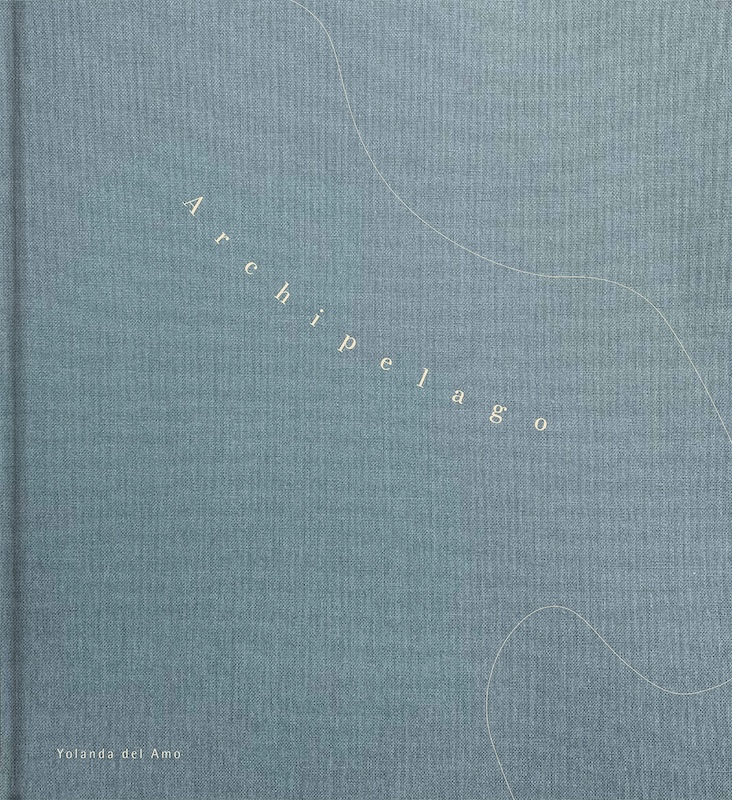
Archipelago, a debut photobook by Yolanda del Amo, explores the tension between the inner and exterior realities of human life. Through staged tableaus featuring friends and family, Del Amo constructs moments that expose the social frameworks shaping identity, class, family, and gender. Her photographs illustrate how closeness and separation coexist within the same space and reveal the fragile balance between connection and solitude.
Photographed between 2004 and 2014, Archipelago was made with a large-format camera, using real interiors and outdoor locations in various countries including Spain and the United States. Her sitters are not professional actors but friends and relatives taking part in constructing scenes of imagined relationships. The result is a fusion of observation and design, where tension arises between authenticity and performance. Influenced by the dance theater of Pina Bausch, Del Amo brings the same precision to gesture and control that Bausch used to translate emotion into movement, shaping each photograph into an expressive study of human behavior.
The book’s approximately fifty photographs unfold as a theatre of human relationships, where each image functions as a self-contained narrative. The reader is invited to observe, interpret, and “read” the emotional exchanges between the figures, tracing subtle dynamics of proximity and distance. Years before it became a public anxiety, Del Amo anticipated how technology can deepen isolation even within shared space, quietly shaping the ways people inhabit one another’s presence.
Taken together, the photographs form a sustained study of intimacy and estrangement. They show individuals performing roles that both define and restrict them. Del Amo’s approach is measured and precise: the compositions are balanced and restrained, yet emotionally charged. The silence that runs through the images is heavy with what remains unspoken, but unmistakably present.
“Archipelago is an exploration of interpersonal connections and disconnections, and the dichotomy between the longing for closeness and the need for individuality. The relationship between the people in the images defines itself through the setting, which becomes a psychological extension of their character. Using silence as a platform, these photographs operate as a collection of ‘islands,’ separated by the loneliness of each one and linked by the intimate bond of belonging to the same world.”
—Yolanda del Amo


.svg)


.svg)
.svg)


