Péi Brilé-Burnt Land
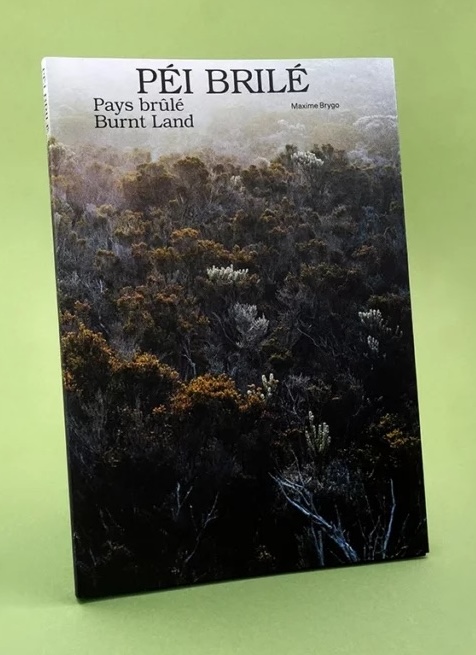
Péi Brilé reconsiders the myths of Réunion Island through the figure of Robinson, a symbol of survival, humility and self-reliance. Through personal encounters on the island, Maxime Brygo (FR) reflects both on the island’s colonial history and on people currently living in the margins in the hard-to-reach mountains of the center and in the wild south.
Brygo examines what it means to inhabit a place. He focuses on people living outside mainstream society and their relationships, the landscapes, and lived histories. They inhabit ravines, highlands and forests. Their shelters are tents, huts, caves, or makeshift dwellings. They live with few resources and maintain a close relationship with nature.
The work connects these lives to earlier histories. It revisits pre-colonial visions of the island as an Eden. It also draws on the history of maroonage – a path to freedom for enslaved people by escaping into the highlands, together forming a hidden ‘interior kingdom’ that existed for nearly 185 years. However, the people photographed are not presented as modern maroons. They followed similar paths and inherited these landscapes.
Péi Brilé – Créole Réunionnais for Burnt Land, referring to the areas on Réunion affected by volcanic lava flows – is a layered and poetic story about the island. The book brings together a range of visual and textual materials. These include black-and-white images of mountains, portrayed as haunted by invisible presences. The book also includes colour landscapes, each framed to exclude any visible sky to reinforce the density of the jungle, and portraits of the island’s current inhabitants living in its recesses and hollows. The visuals are accompanied by a poetic text about Réunion, mixing eras and myths. The book also features historical texts on maroonage to provide context, and a fictional conversation between two inhabitants.


.svg)


.svg)
.svg)


