Chester Higgins: Shared Memories
Bruce Silverstein
April 16, 2026
|
June 20, 2026


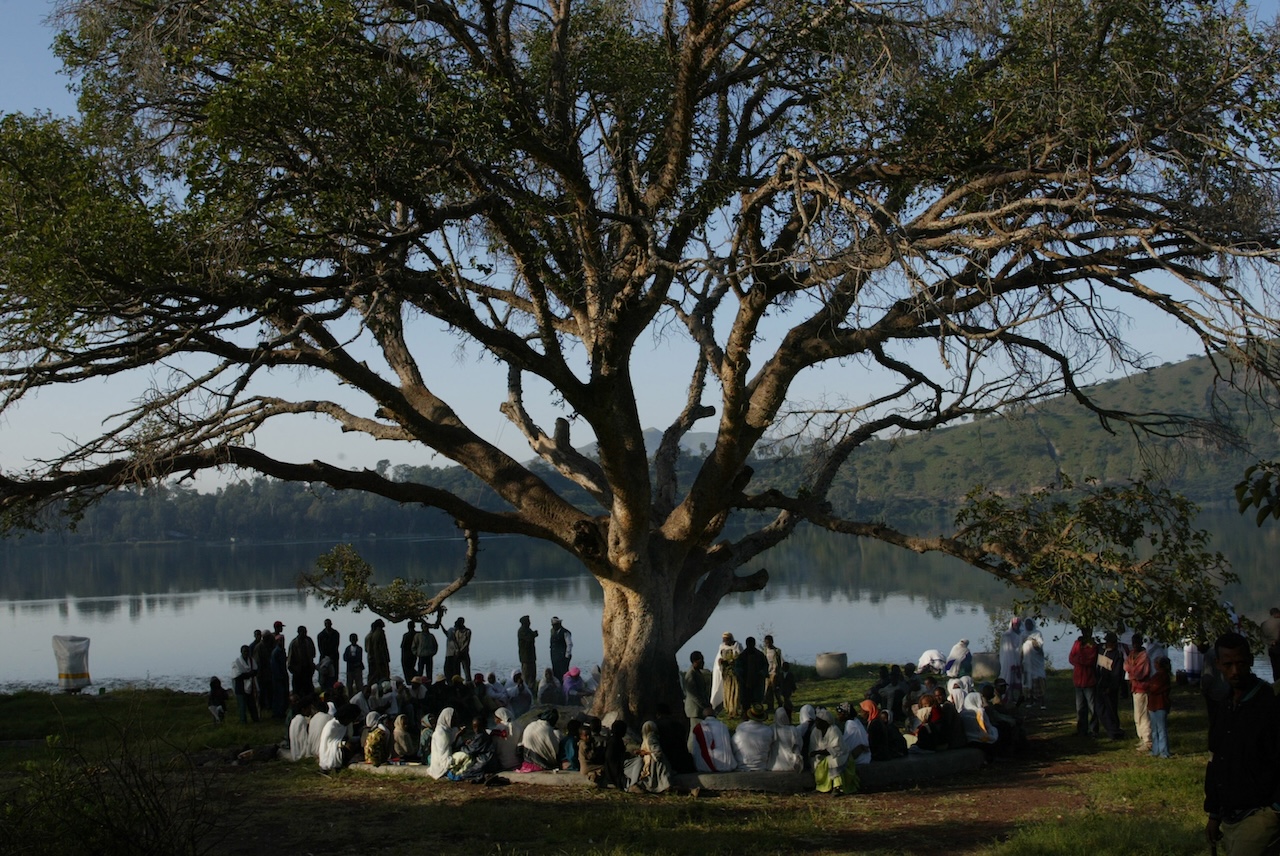
“I make my images to bear witness to our presence, to the real and widespread accomplishments of people of African descent,” Higgins has said. From the beginning of his career, photography has been for him an act of responsibility. “I love the work that I do using my camera to make love to my people and my community.” His subjects are not distant observers of history; they are participants in it. That closeness defines his practice. Born in Fairhope, Alabama in 1946 and raised in rural southern Alabama during the height of the Civil Rights movement, Higgins began photographing within a community shaped by economic limitation and segregation yet sustained by church, family, and the intellectual presence of Tuskegee University. His earliest work emerged from recognition within that environment. By 1969, he was photographing in New York City while continuing to return South, moving between regional and urban Black life without abandoning either. The city expanded his field of vision but did not displace his origins; it sharpened his awareness of the scale and diversity of Black experience within the United States.
By the time he traveled to Senegal in 1971, Higgins’s understanding of Black history was already deeply formed by the American South and the political awakenings of the 1960s. Africa did not introduce him to identity; it expanded it. Since that first journey, he has undertaken more than two dozen extended trips across West, East, and North Africa while continuing to document diasporic life throughout the Americas. These were not isolated visits but decades-long engagements.
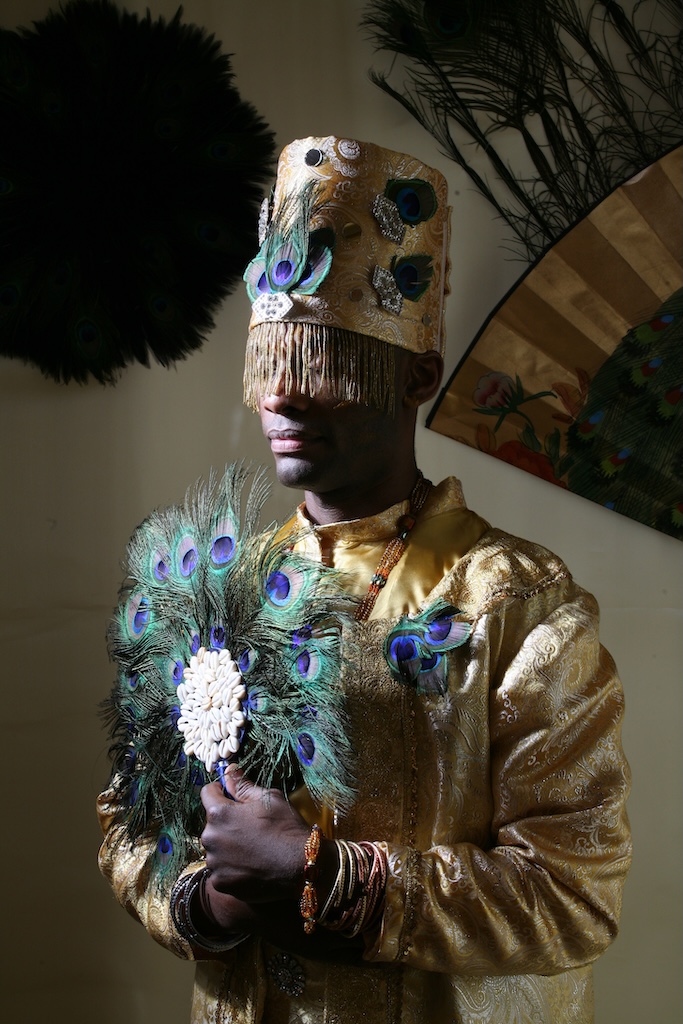
In The Door of No Return 1972, made at Gorée Island, Higgins confronts the threshold from which millions were forced into exile. The image refuses spectacle. It acknowledges rupture while insisting on survival and continuity. Candomblé Yao Initiate of Shun, Brooklyn 2007 affirms that African spiritual traditions endured across the Atlantic in living ritual form, revealing inheritance not as memory alone but as practice. A Young Muslim Woman in Brooklyn 1990 dissolves geography, suggesting that diaspora resides not in distance but in lived identity. In African American pilgrims dance in honour of ancient spirits, Lake Nasser, Egypt, 2006, return becomes voluntary and celebratory.

.svg)


.svg)
.svg)