Dana Lixenberg American Images
MEP
February 11, 2026
|
May 24, 2026


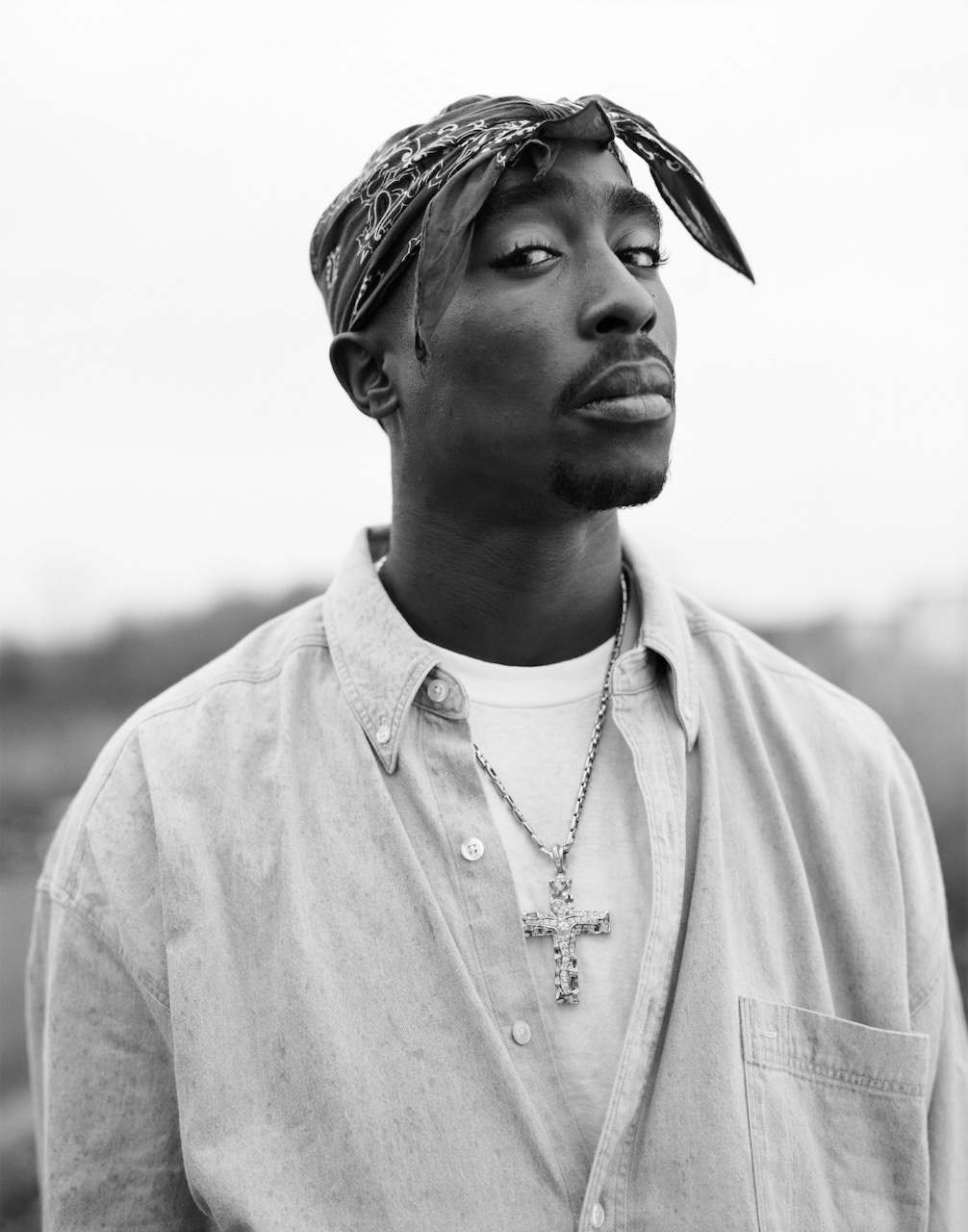
Her precise, pared-down images reveal the dignity of those she photographs, whether internationally known figures—among them Toni Morrison, Prince, and Whitney Houston—or members of marginalized communities. America emerges in all its complexity, from flamboyant icons to those left on the margins of society. Rejecting any single or definitive vision, Lixenberg offers instead a nuanced and multifaceted reading of the United States. American Images traces the past thirty years of her work, illuminating the social realities that continue to shape the country today.
The exhibition brings together several long-term projects developed in the United States, including Imperial Courts, initiated in the aftermath of the Los Angeles uprising in 1992 and still ongoing today. Other major series— The Last Days of Shishmaref (2008) and Jeffersonville, Indiana (2005)—reflect the same commitment to the people she encounters, and to a conception of photography as a way of responding to the world. For Lixenberg, portraiture is an intimate act: a space in which looking at another becomes a means of understanding and recognition. Her photographs do not confine; rather, they open up reality, allowing it to unfold in all its complexity.
Marked by tenderness amid the often precarious social contexts in which they are produced, her images reveal the unfulfilled promise of the American dream.
The season continues in the Studio with two exhibitions that bring together questions of identity, territory, and memory. In the first part of the season, Joel Quayson—Ghanaian-Dutch artist and recipient of the 2025 Dior Photography Prize—uses video and photography as performative spaces in which he presents, constructs, and reveals himself under the gaze of the camera. Identity, masculinity, and the relationship between intimacy and social space are central to his artistic practice.
The second Studio exhibition features Johny Pitts, a British artist, researcher, and journalist, who presents a new project at the MEP titled Black Bricolage. Conceived as a collage, the work brings together personal archives, photographs, and fragments of narrative to form a representation of contemporary Black experience. The exhibition is part of Pitts’s ongoing research into Afropean identity, a concept he has played a key role in developing in relation to questions of identity and shared cultural heritage.

.svg)


.svg)
.svg)