Graciela Iturbide: Between Two Worlds, a Major Retrospective
The San Francisco Museum of Modern Art
July 11, 2026
|
November 29, 2026


Featuring more than 150 photographs from the 1960s to the 2010s, the exhibition narrates Iturbide’s passionate and poetic commitment to revealing the extraordinary in the everyday. Much of her photography reflects her love and appreciation for her home country. She is captivated by a vast spectrum of life in Mexico: from urban markets in Mexico City to festivals, symbols and experiences of birth and death; intimate views of Frida Kahlo’s bathroom; self-portraits; and more. Between Two Worlds highlights the ways in which her photographs function as meditations: acts of attention that honor and contemplate the people, places and rituals that she encounters.
“We look forward to unveiling this stunning Graciela Iturbide exhibition at the museum this summer, honoring one of the most influential photographers of the last half-century,” said Christopher Bedford, Helen and Charles Schwab Director of SFMOMA. “SFMOMA’s connection to Iturbide’s work spans decades—we were the first institution in the United States to present a solo exhibition of her photography in 1990—making it especially meaningful now to share the full breath of her career with our audiences.”
“Graciela Iturbide's photographs describe an array of life in Mexico that is so intimate and full of wonder that the viewer feels transported into a literary realm, like that of a vivid novel,” said Delphine Sims, SFMOMA’s assistant curator of photography.
“The camera is an excuse to share the life of the people, the rhythm and sympathy of festivals, to discover my country.” — Graciela Iturbide
In the late 1960s, Iturbide began studying film at the Centro de Estudios Cinematográficos, but her mentorship under the influential photographer Manuel Álvarez Bravo led to her love of photography. Like Álvarez Bravo, Iturbide’s early works focused on Mexico’s interwoven cultures, developing a melodic visual language shaped by metaphor, dreams and the depictions of life cycles. Between Two Worlds includes a display of artworks by Iturbide and Álvarez Bravo in dialogue, underscoring their shared influence, divergent approaches and SFMOMA’s collection of vintage prints by both artists.
Many of Iturbide’s early photographs were taken while she meandered Mexico City’s markets and streets and frequented annual regional festivals. She was captivated by events and practices that interweave Catholic rituals with Indigenous traditions. Across these images, she captured the poetic—and often uncanny—aspects of life in Mexico.
In the late 1970s and early 1980s, Iturbide created some of her most significant early work while she lived with Indigenous communities, including the Seri of the Sonoran Desert and the Zapotec women of Juchitán, Oaxaca. On and off for several years, Iturbide lived among the Juchitecas, witnessing the ways in which women and muxes (those who live beyond the gender binaries of male and female) play central roles. She was a respectful collaborator as she photographed lyrical moments within these communities and their distinct and often ancestral ways of life.
EVERYDAY FANTASTIC
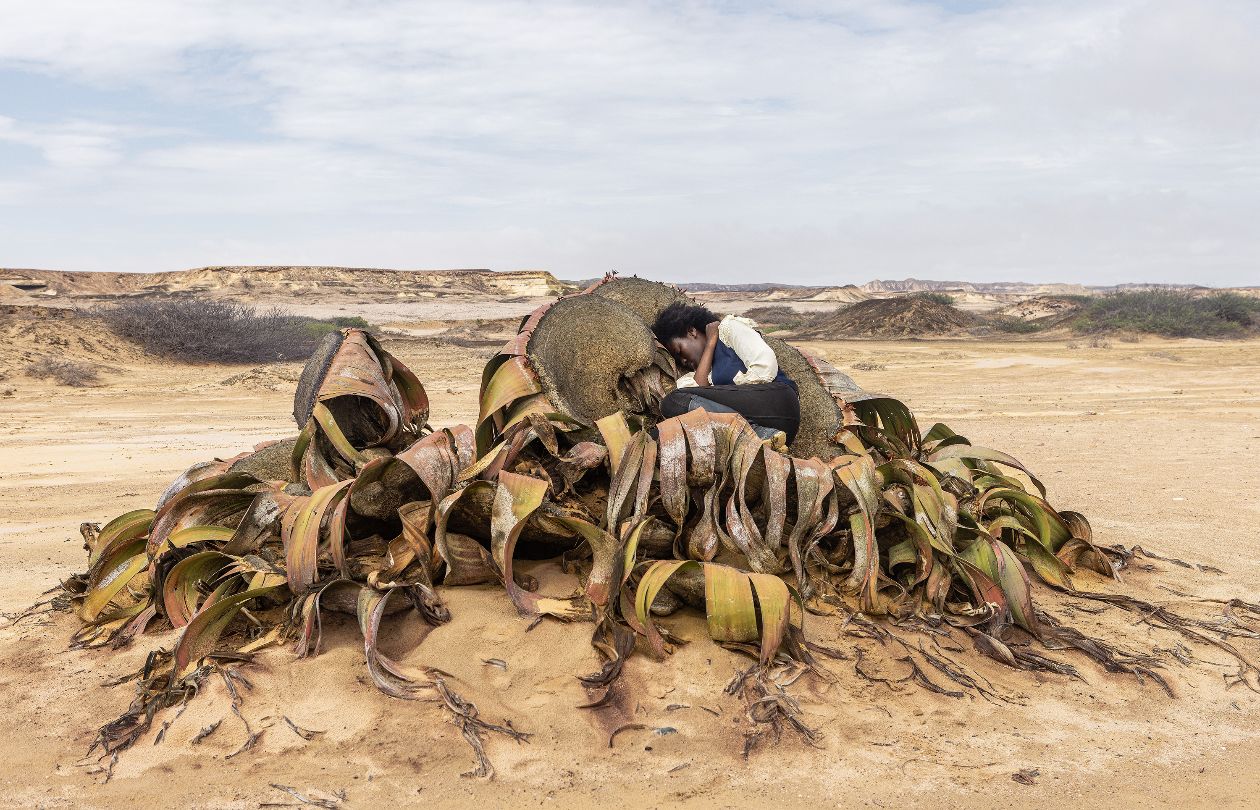
Iturbide has long believed her camera allows her to relate to the world, and this impulse has guided her interest in the ways people make meaning and fantasy in their daily lives, from Madagascar to India to Italy. Across the long arc of her career in Mexico and during her international travels, Iturbide has been captivated by elements of the natural world, often with a focus on bird life. In the early 2010s, a visit to the Southern U.S. precipitated a change in her relationship to the land, and the focus of her work shifted away from the body towards expansive and abstract landscapes.
HONORING FRIDA KAHLO
The exhibition includes a focused selection of photographs that Iturbide made in 2008 in Frida Kahlo’s bathroom at the Casa Azul. Iturbide was the first to enter the room, which, at the request of Diego Rivera, had remained sealed for 50 years following Kahlo’s death in 1954. Invited to document the room before its contents were catalogued, Iturbide photographed the space in its untouched state, offering a rare and intimate view of Kahlo’s personal life through the objects she lived with and left behind.

.svg)


.svg)
.svg)