Tony Rizzi
The Fotografie Forum Frankfurt
September 19, 2026
|
January 17, 2027


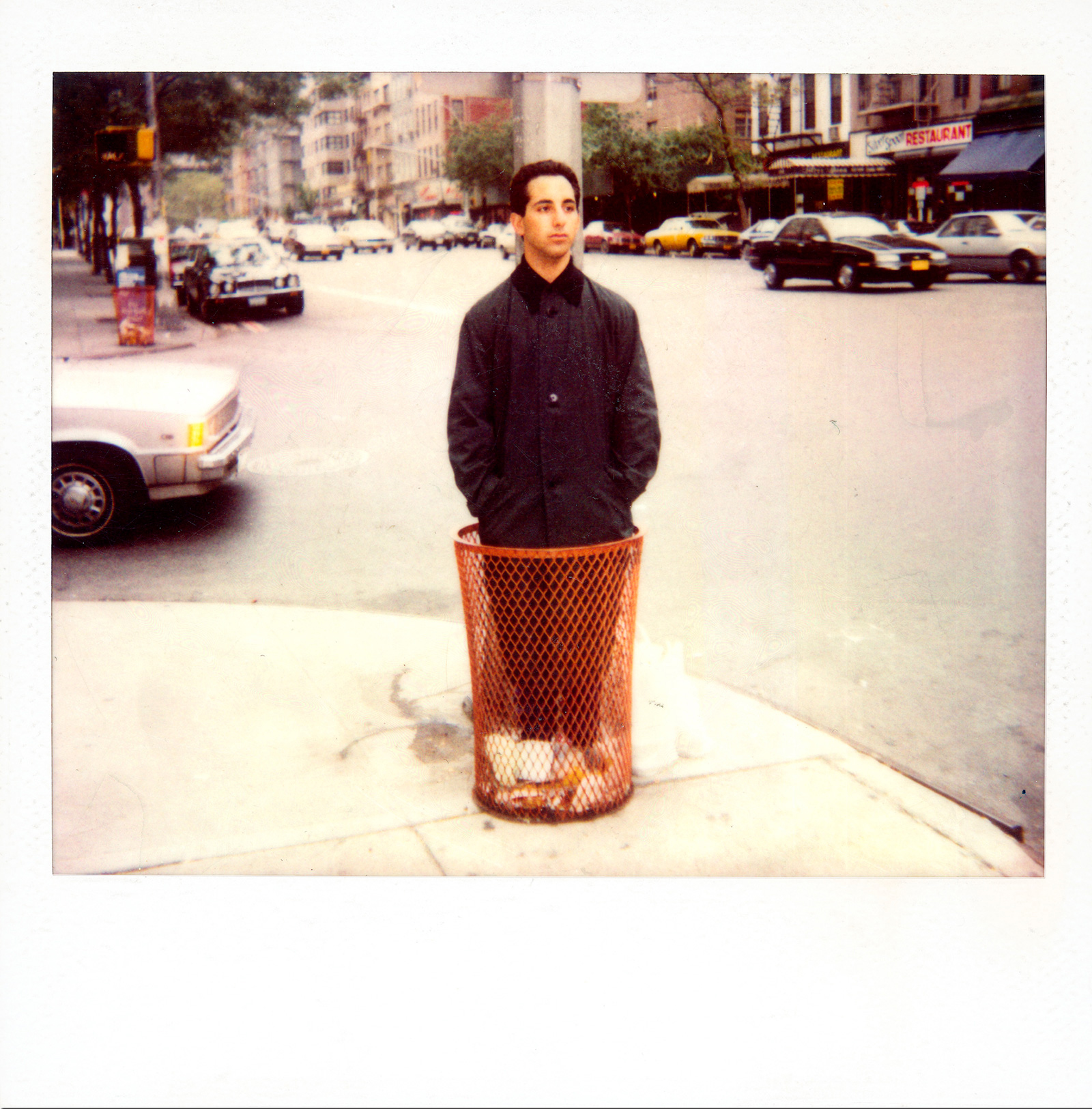
“Now I begin my life in Frankfurt. I really like it here and feel like I should be here. I feel like there’s a protective presence by my side at all times…strange. WORK HARD, DON’T LIE, AND TRY NOT TO HURT ANYONE.” - Excerpt from Tony Rizzi’s diary (September 7th, 1985)
When Tony Rizzi joined William Forsythe’s Ballett Frankfurt he stepped into a city whose motto was “Culture for Everyone” and where experimentation in arts and international exchange was treasured. As a dancer and choreographer travelling the world, photography became another creative process to connect with others in his daily life. Comprised of portraits, performances, lovers, family and queer communities, his photographs reflect Rizzi’s obsession of being in the moment.
With his rarely known black-and-white photographs from the 1980s and 1990s, we glimpse behind the scenes of Ballet Frankfurt and view performances as well as personal experiences; we encounter pieces of history. At the same time, the deep sense of connection and care within this dance community remains tangible to this day. Rizzi’s photographs reveal personal relationships with lovers, friends, and colleagues, both at home and on tour. They include numerous self-portraits, ironic and playful moments, as well as emotionally charged situations in which existential questions are reflected, including his experience of living with AIDS. The vibrant LGBTQIA+ scene and everyday life in Frankfurt also find their place in his work.
Fleeting encounters — parties, erotic moments, laughable breakdowns and the fear of loss and death — are transformed into images of remarkable intimacy. In doing so, the personal becomes intertwined with fundamental questions about community and how we ive together. Celina Lunsford, curator of the exhibition, writes in her catalogue essay:
“Each impulse to photograph is an eye, brain, heart moment. The multiple compositions are expressions of becoming. For Tony Rizzi performance and photography are similar in that they incite engagement with the human condition, provide emotional connection, and hold on to what has occurred and those who were present.”
An important chapter in Tony Rizzi’s photographic work is devoted to his family, above all to his personal and artistic relationship with his mother, Verna. She not only stood alongside Rizzi as an actress in his dance piece “Snowman Sinking”, which premiered at Frankfurt’s Künstlerhaus Mousonturm in 2000, but also repeatedly became the subject of his photographs — most recently in 2026 for a large-scale collage. Both works are included in the exhibition.
Inspired by the artist’s apartment in Frankfurt’s Bahnhofsviertel, the curator selected two important rooms to recreate as part of the exhibition. The installation “Living Room”, consisting of more than 6,000 Polaroids, is being presented publicly for the first time. And Tony Rizzi’s kitchen acts as a kind of autobiographical exhibition space that tells stories from Rizzi’s life, including his passion for cooking.
“Tony will charm you. He will draw you in. One way or another, he will capture your attention. He is funny, inquisitive, perceptive, endlessly curious, and instinctively knows how to make you look again.” What Tamàs Gèza Moricz, a former dancer of Ballett Frankfurt, describes in his essay as a personal quality becomes an artistic attitude in Rizzi’s photographs: the urge to look more closely, to experience the moment in all its intensity, and to preserve what has been experienced in an image.

.svg)


.svg)
.svg)