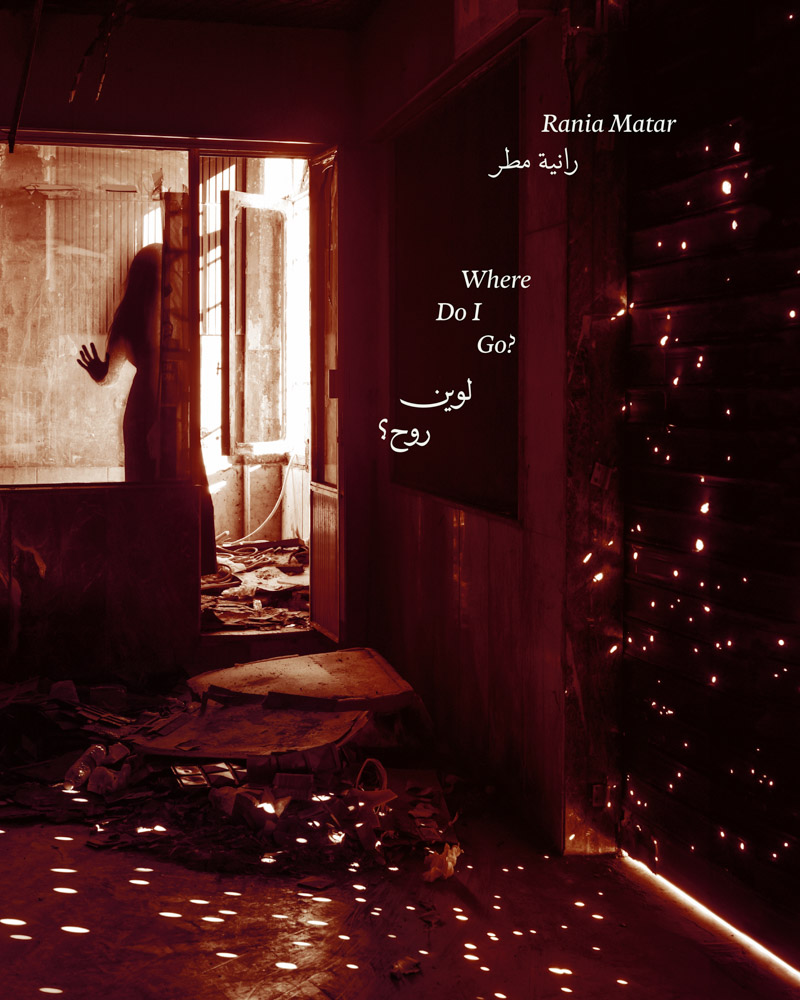
Where do I Go - Rania Matar
Obscura Gallery
October 2, 2026
|
November 21, 2026


The year 2025 marked fifty years since the outbreak of the Lebanese Civil War. Half a century later, Lebanon continues to endure the aftermath of the Civil War, compounded by economic collapse, the COVID-19 pandemic, the Beirut Port explosion of August 4, 2020, and yet other wars in 2024 and 2026. Amid this unraveling, Rania found hope and inspiration in the young generation of women. She collaborated with them to tell their stories and to focus on their strength, creativity, dignity, and resilience, as they considered their options. Where Do I Go? became the title of this series and the book. Rania describes the images as her love letter to the women of Lebanon.
Through it all, I found hope and inspiration in the young generation of women. I chose to focus on their majestic presence, creativity, strength, dignity, and resilience. I see my younger self in these women. I left Lebanon at age twenty to study in the United States in 1984. It was during the Civil War, in what had been the largest wave of emigration – until recently. Many find themselves at that same juncture, as they face the painful decision of whether to stay or leave. One road leads to separation from family, home, and life as they know it, the other means staying despite the fraught conditions in the country, always holding on to hope for better days.
I saw graffiti on a crumbling wall that said in Arabic: “Where do I go” لوينروح. I was with Perla, a young woman who threw herself on that wall. It became the title of this body of work.
The project kept evolving over the past years, as I invited more women to tell their story through our collaboration. Together we explored their relationship to the different aspects and textures of Lebanon. Each photograph is personal and has a narrative. The women, the land, the architecture are intertwined. I portray the raw beauty of their age, their individuality, physicality, texture, and mystery. I photograph them the way I, a woman and a mother, see them: beautiful, alive.
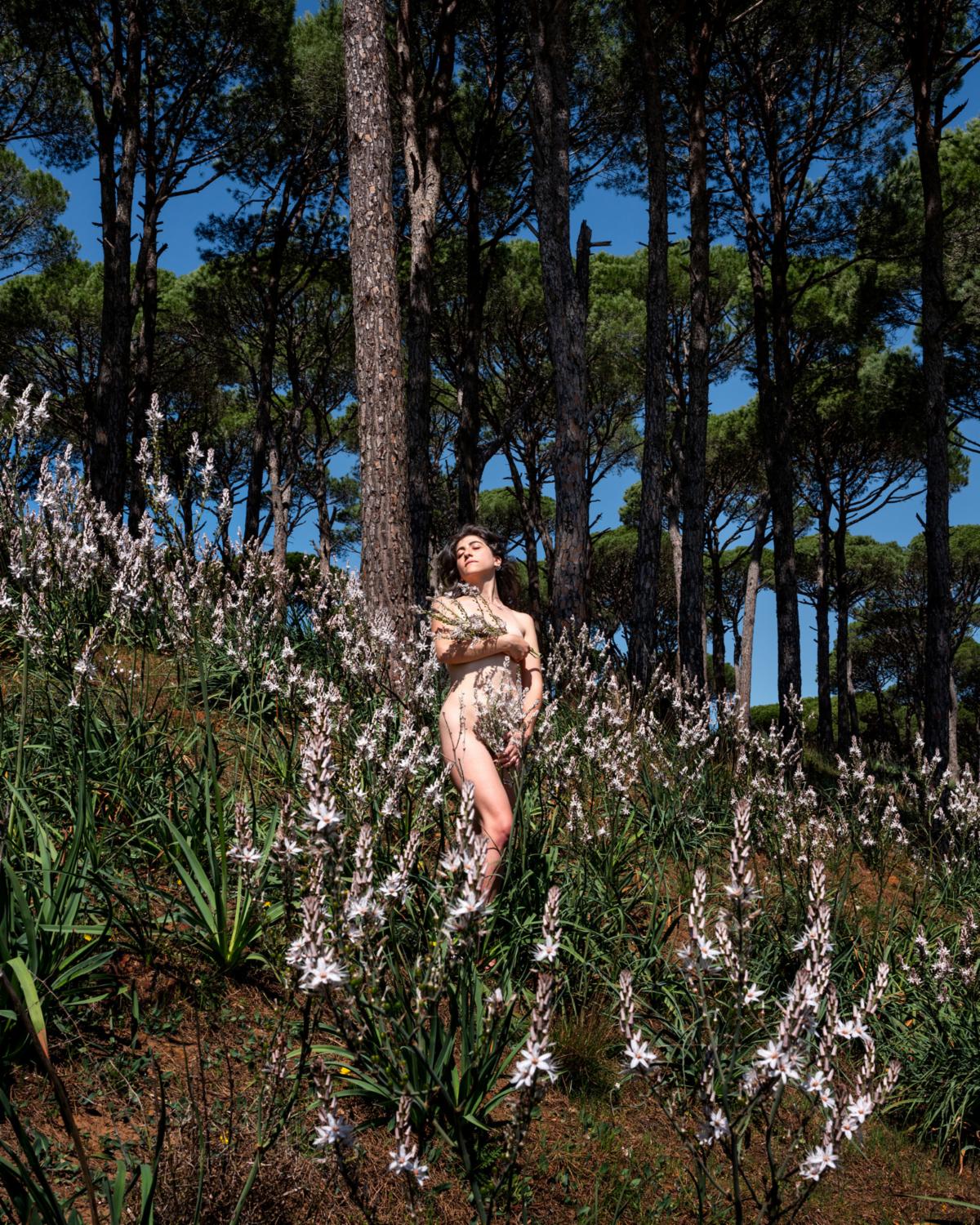
RANIA MATAR Dahlia (Reclaiming the South), Aichiyeh, Southern Lebanon, 2025, 19.2 x 24”, archival pigment ink print, edition of 8
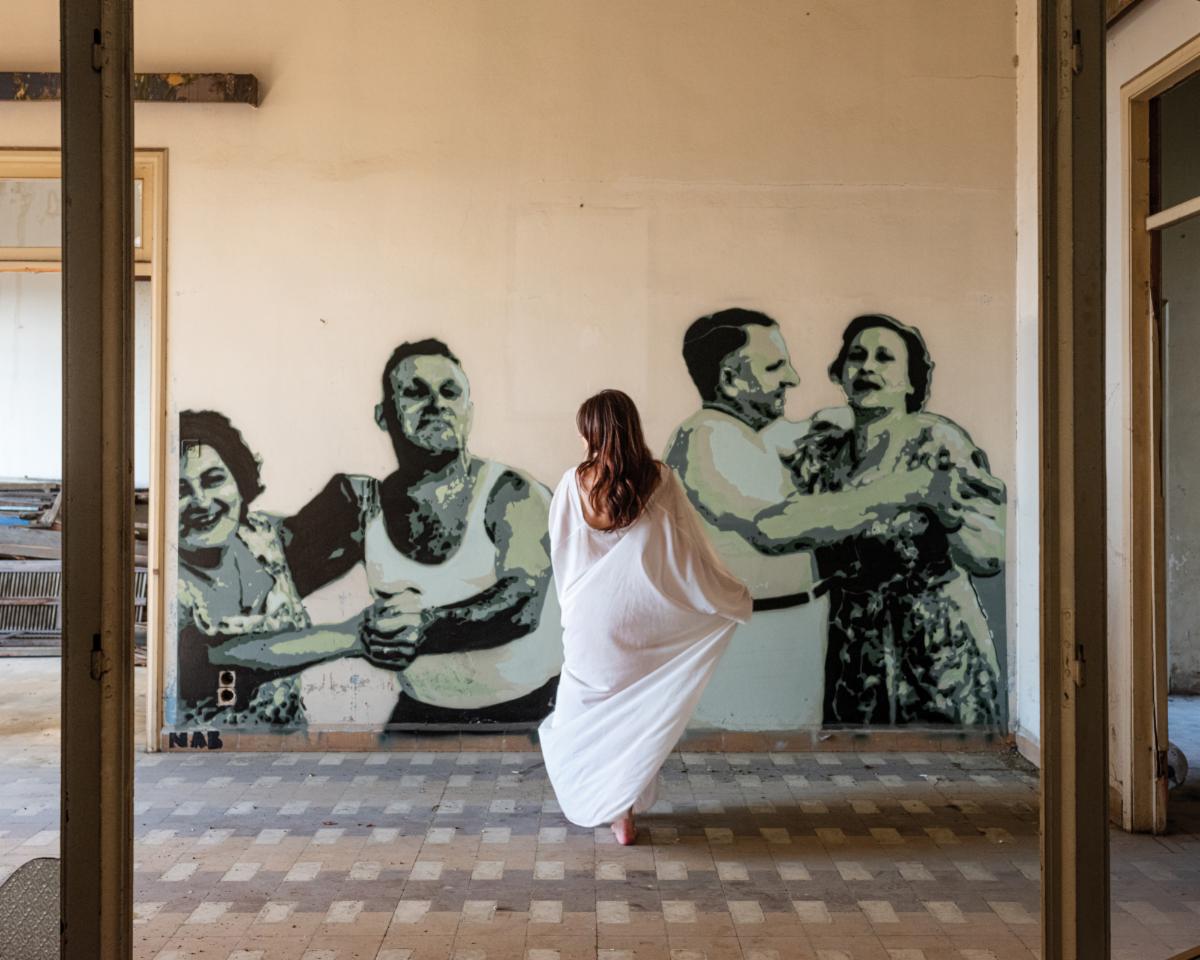
RANIA MATAR Aya (Dancing), Beirut, Lebanon, 2022 (wall art by Nabil Assaf), 19.2 x 24”, archival pigment ink print, edition of 8
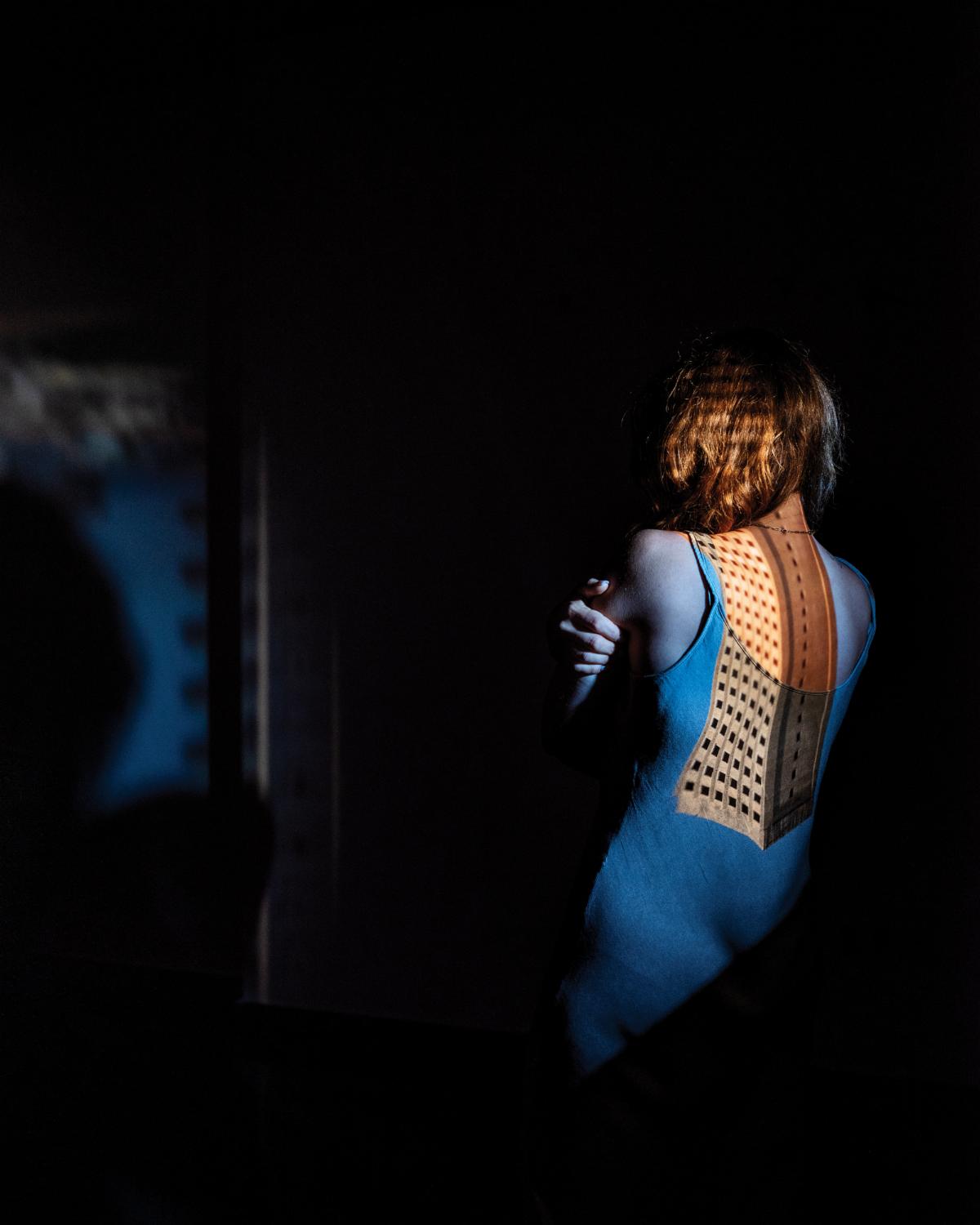
RANIA MATAR,Tamara (With a Camera Obscura Reflection of Burj El Murr Tower), Beirut, Lebanon, 2025, 36 x 28.8”, archival pigment ink print, edition of 6
The process is collaborative, and the photo session evolves organically as the women become active participants in the image-making process, presiding over the environment, and making it their own. They climb on rocks and trees, jump fully dressed into dirty water and waterfalls, crawl under thorns, trespass into abandoned buildings. They are embracing life, not afraid of getting dirty, taking risks, and having fun. Given the space to express themselves, they are willing to experiment and go places neither of us thought possible just moments earlier. Just like living in Lebanon, we embrace the element of risk-taking and danger. It is part of who we are. It’s in our DNA. – Rania Matar
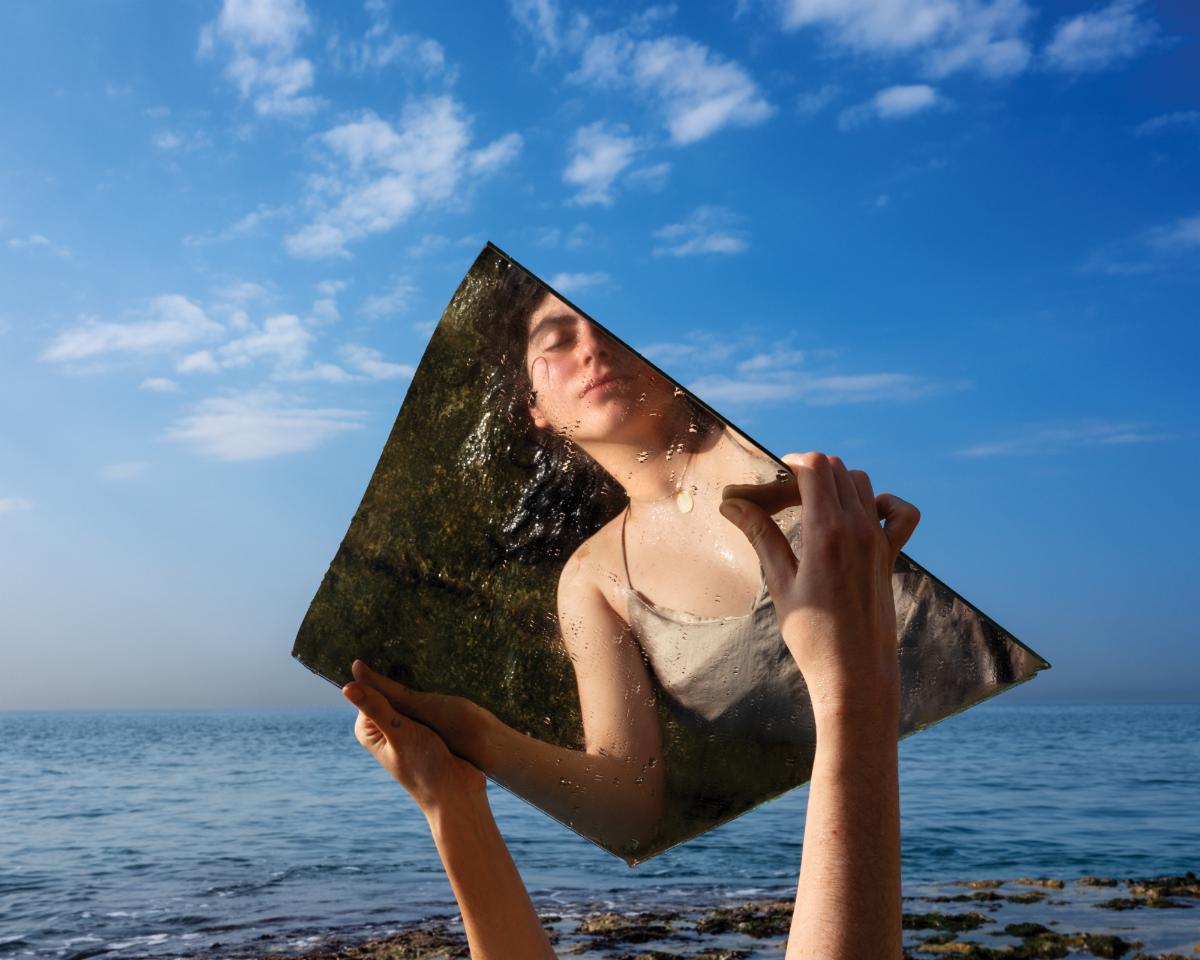
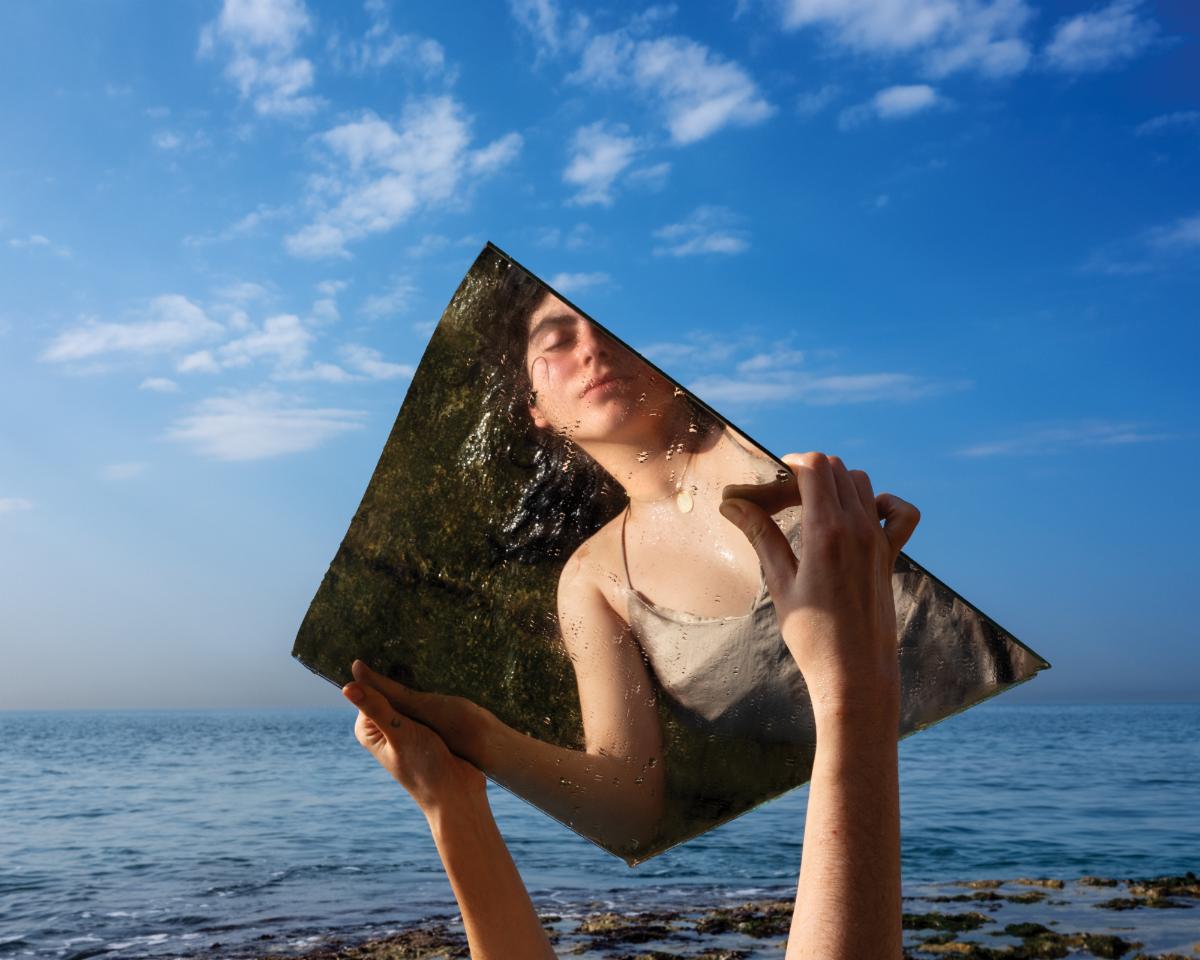
RANIA MATAR Rianna (With Mirror), Amshit, Lebanon, 2024, 19.2 x 24”, archival pigment ink print, edition of 8
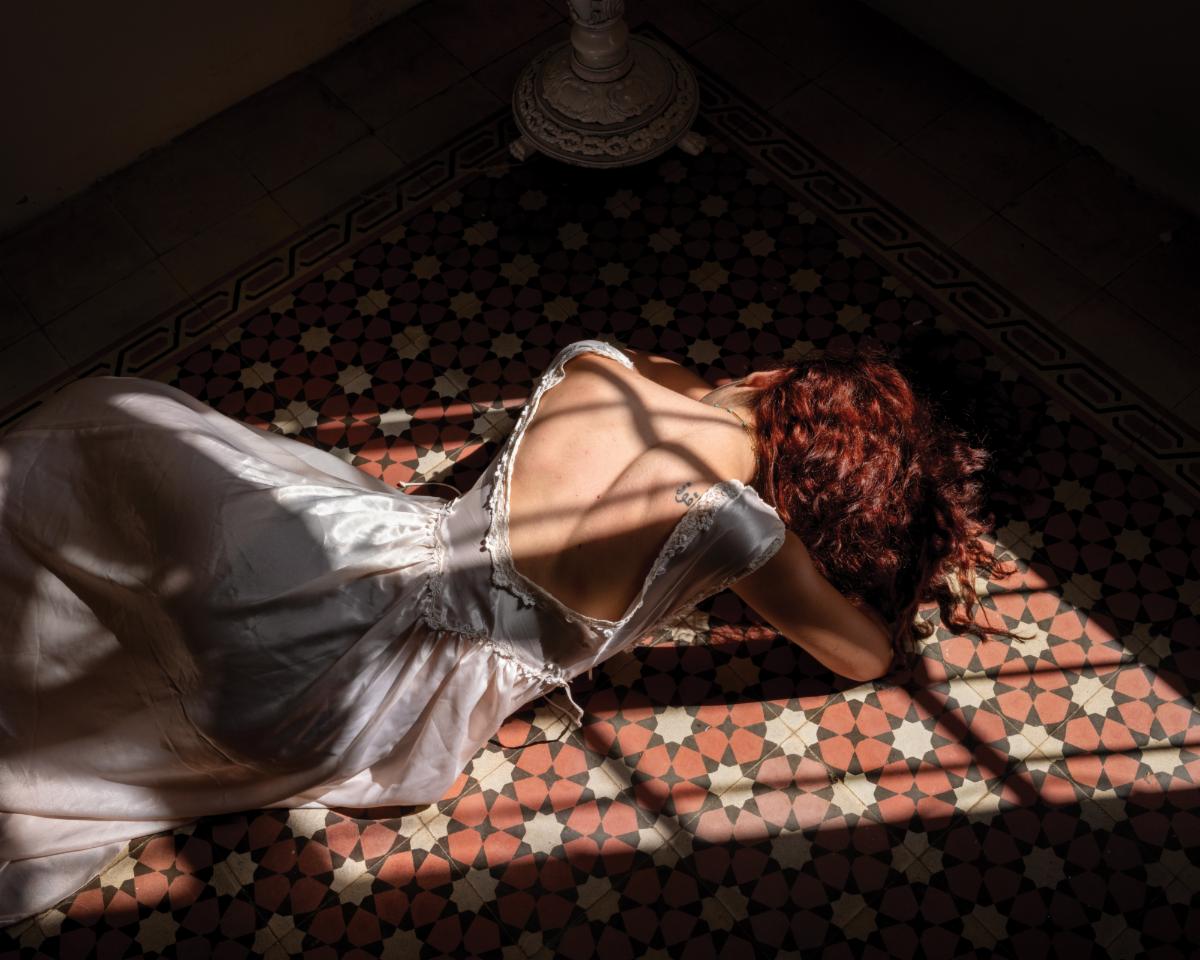
RANIA MATAR Yasmina, قوة (strength), Beirut, Lebanon, 2021, 19.2 x 24”, archival pigment ink print, edition of 8
I find myself focusing on their strength and their majestic presence. The collaboration is intense, creative, emotional, and personal. The need to hold on to creativity and self-expression feels urgent.
While my photographs may not provide solutions or closure, I hope they nevertheless invite the viewer to pause and find the beauty, the (shared) humanity, and the grace that still exists despite all. They are my love letters to the women of Lebanon. This project is for us all: the ones who stayed and the ones who have left but can never leave. – Rania Matar
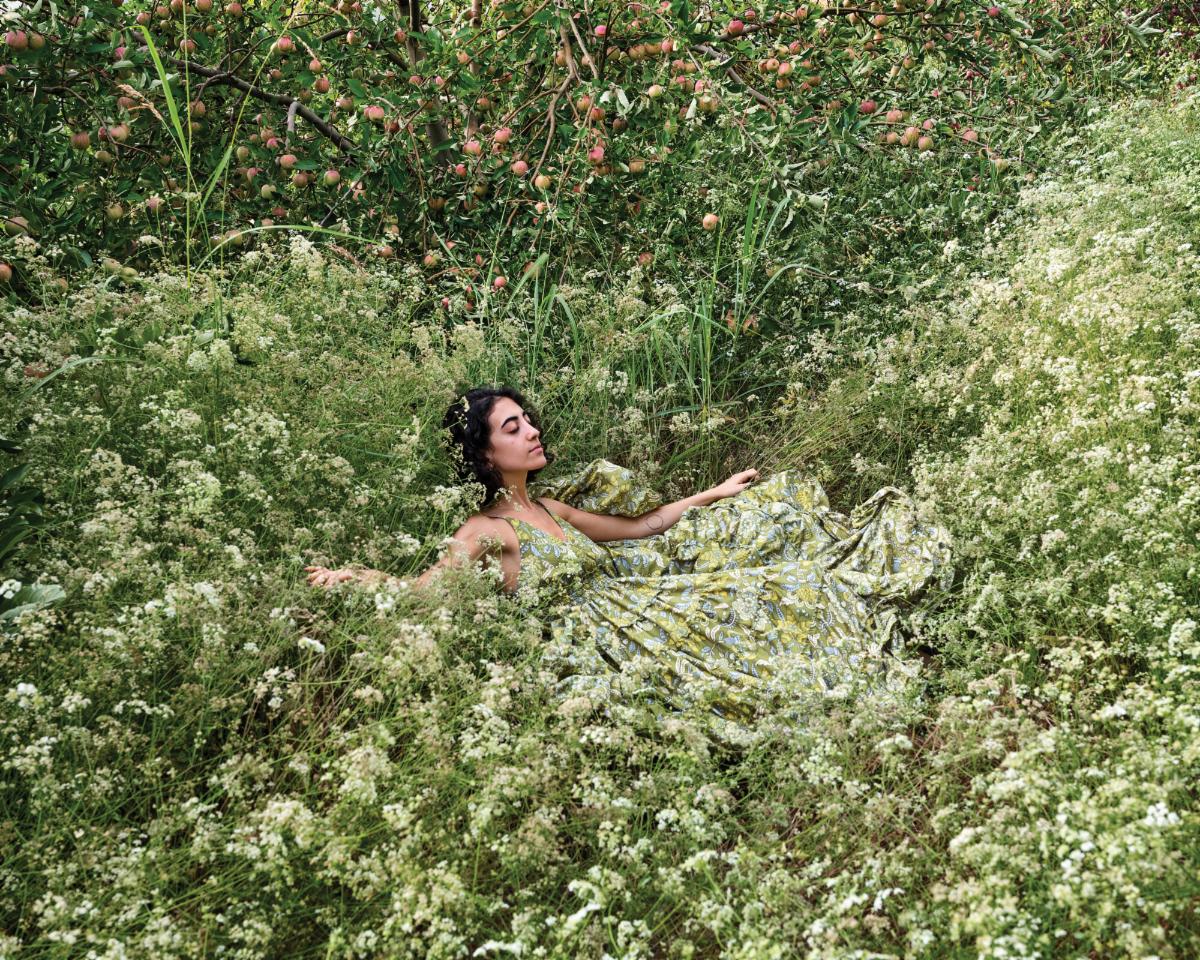
RANIA MATAR Tara, Bekaatat, Kanaan, Lebanon, 2022, 19.2 x 24”, archival pigment ink print, edition of 8
As a Lebanese-American artist and mother, Matar has significant cross-cultural experience, and her personal narrative informs her photography. Her work has been widely exhibited in museums worldwide, including Museum of Fine Arts/Boston, LA County Museum of Art, Institute of Contemporary Art/Boston, National Museum of Women in the Arts, Cleveland Museum of Art, L'Institut du Monde Arabe, Fotografiska, and others. She currently has a solo show at the The Sidney and Lois Eskenazi Museum of Art. Her work is part of the permanent collections of numerous museums around the world including the Los Angeles County Museum of Art, Nelson Atkins Museum of Art, Museum of Fine Arts, Boston, Museum of Fine Arts, Houston, the Hood Museum of Art at Dartmouth College. In 2023, and the Library of Congress Prints and Photographs Division. Matar is the recipient of a 2018 Guggenheim Fellowship, 2022 Leica Women Photo Project Award, 2017 Mellon Foundation artist-in-residency grant, 2021 Massachusetts Cultural Council Artist Grant, among others. She was a finalist for Oskar Barnack Award 2023, Arnold Newman Prize 2022, and Outwin Portrait Competition 2022 with an exhibition at Smithsonian National Portrait Gallery. Matar published five books: Where Do I Go?, 2026; SHE, 2021; L’Enfant-Femme, 2016; A Girl and Her Room, 2012; Ordinary Lives, 2009.
View All The Works In The Series Here.

.svg)


.svg)
.svg)