© Tsung-yu Lu | Be - Chapter I
Tsung-yu Lu describes his artistic foundation not as a harmonious starting point, but as a tension that has shaped his thinking from the outset. “I am a man of science and engineering, yet I cannot abandon artistic creation; this contradiction between rationality and sensibility has invisibly shaped my creative thinking.”
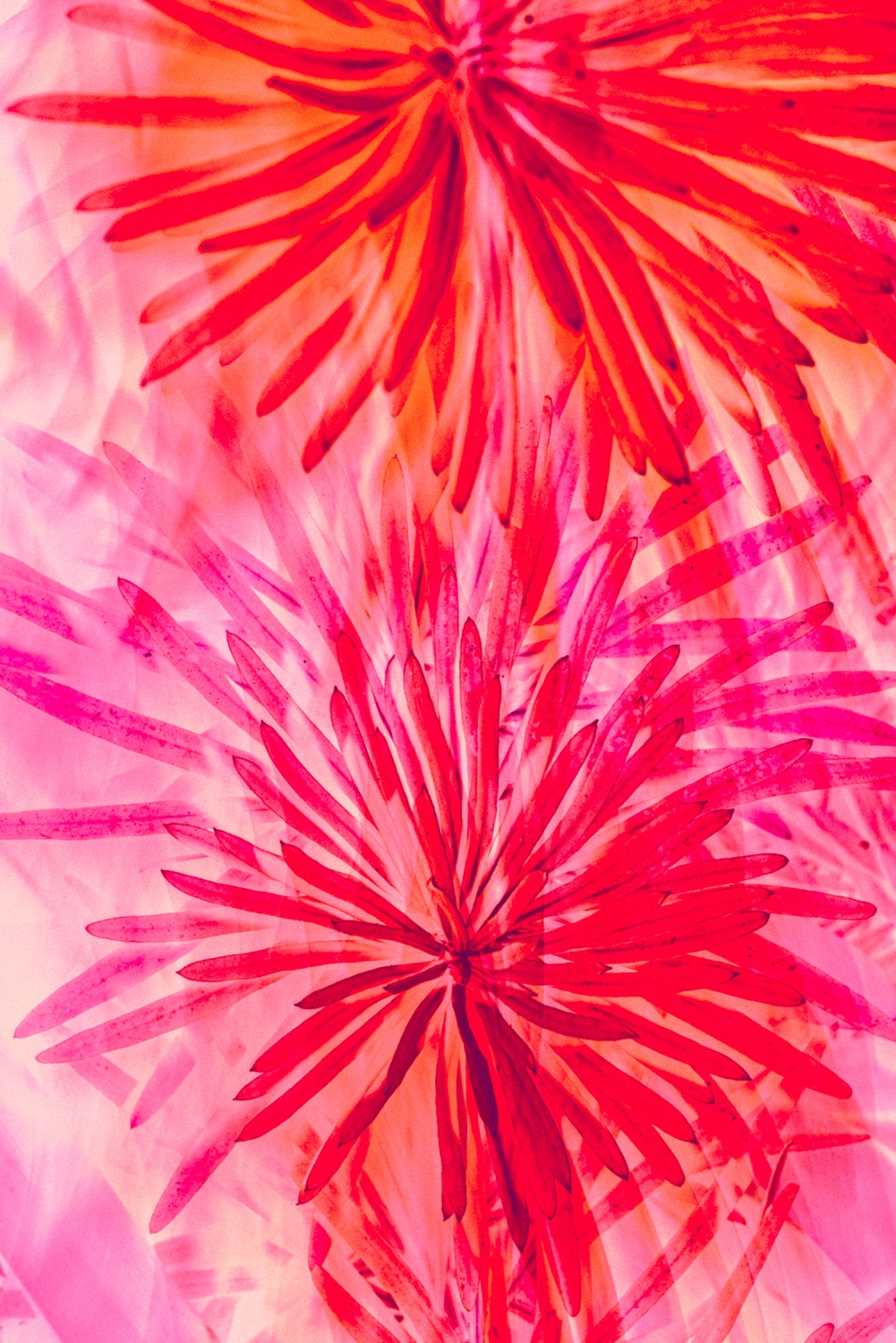
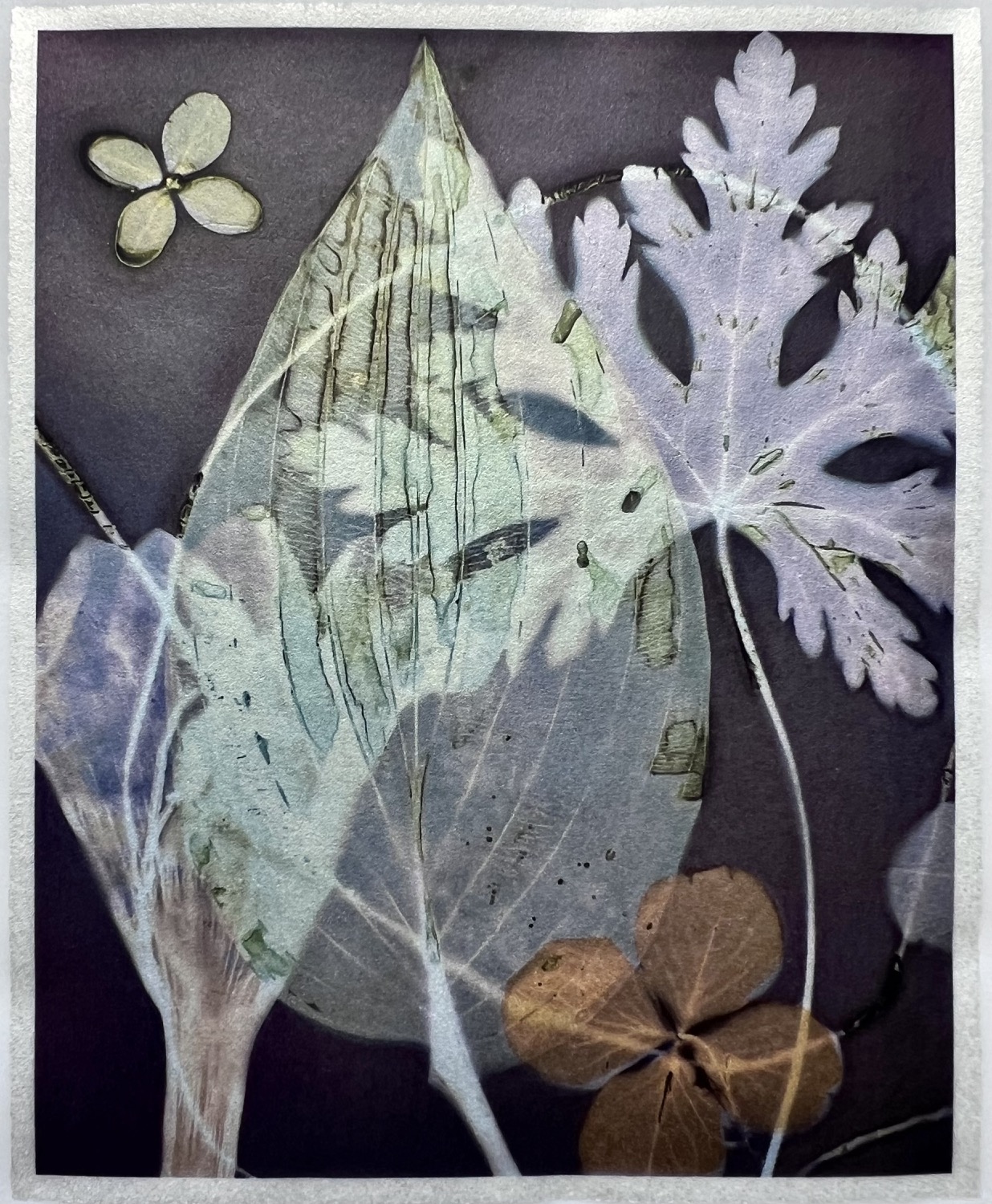
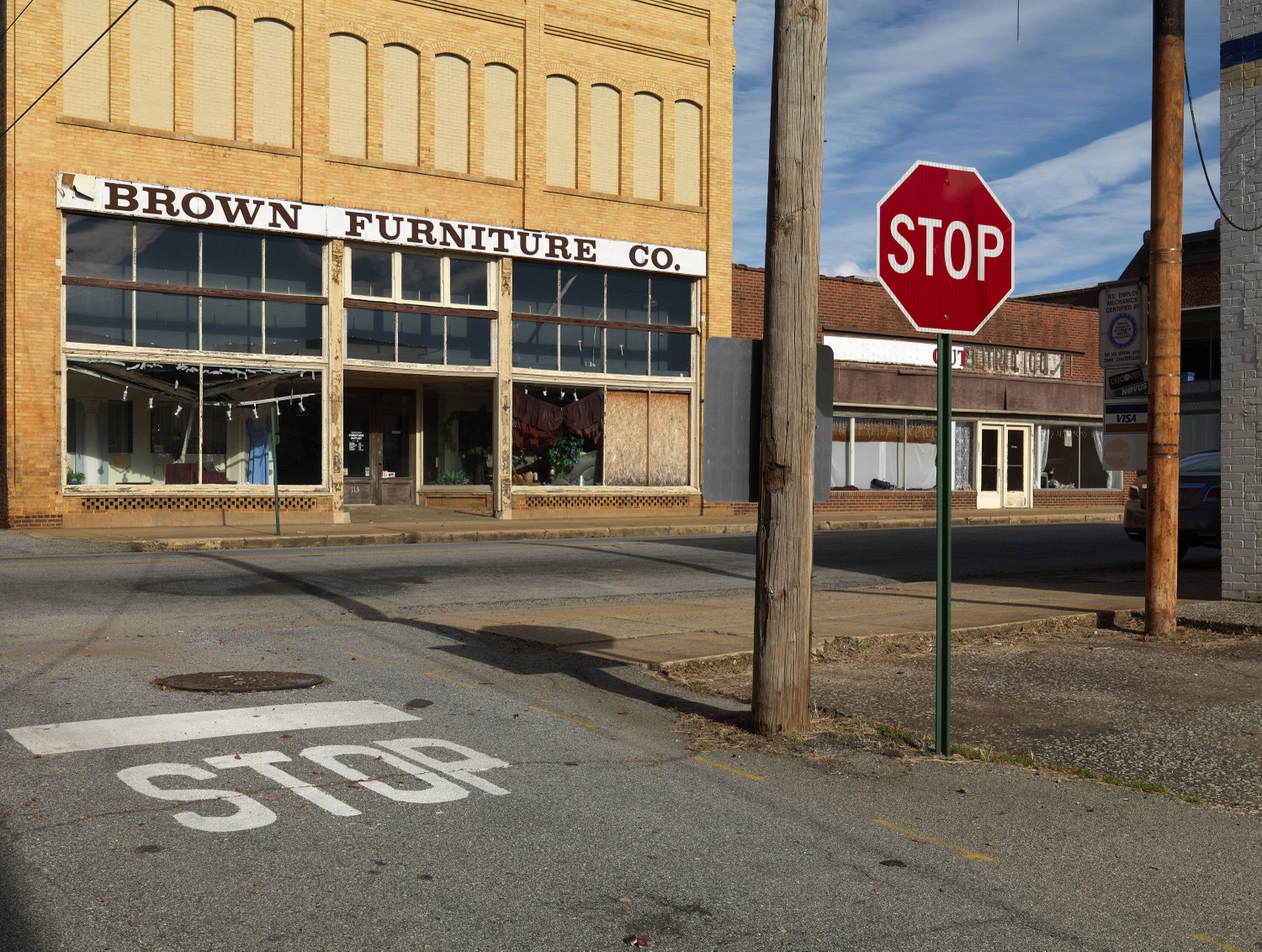
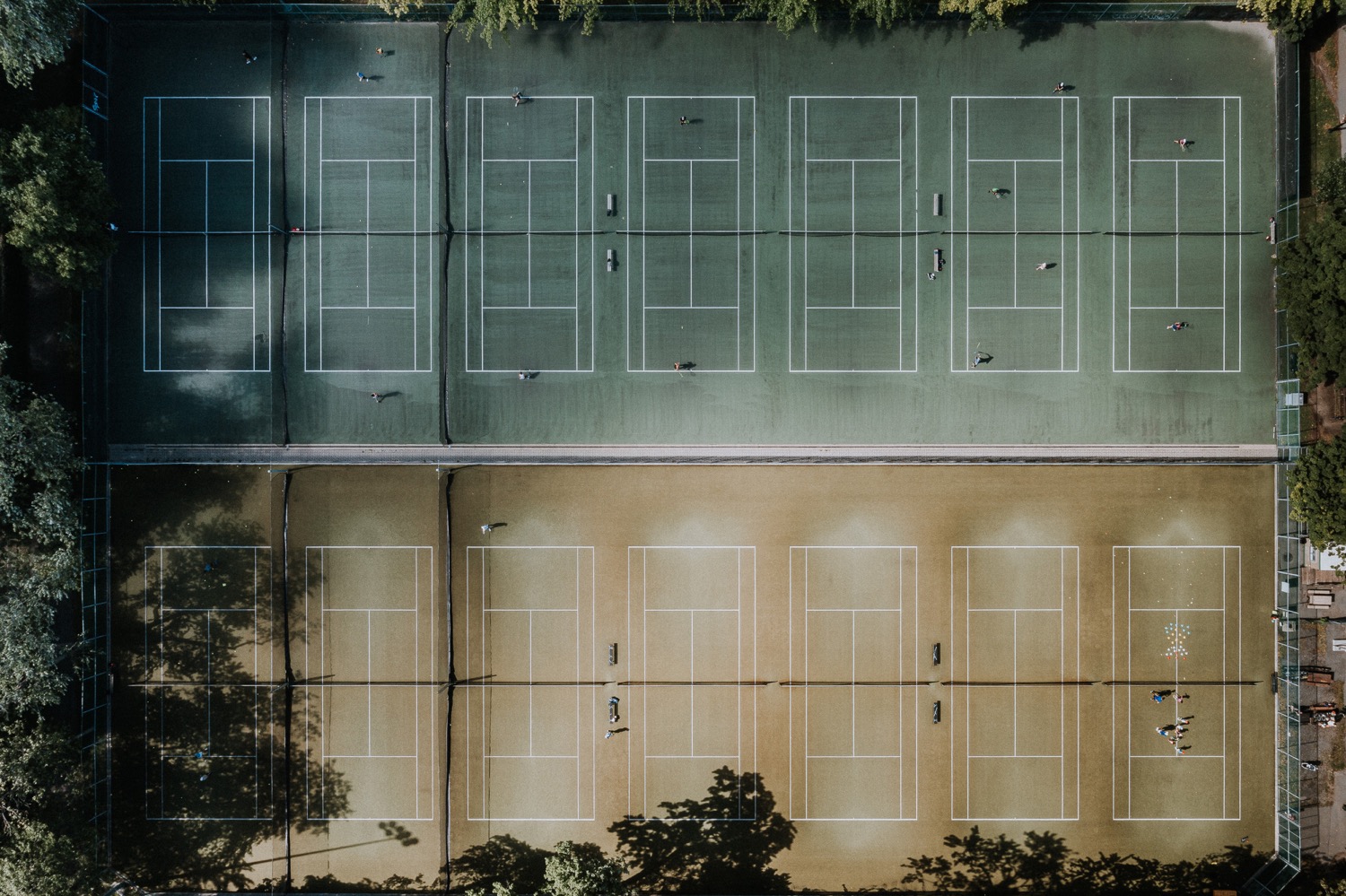
That internal conflict is not resolved by choosing one side over the other. Instead, it becomes the engine of the work. Within that subversion, Lu finds a method that resonates with his own sensibility. “Inverted images have long been a subject of my photographic exploration. This theme is virtually uncharted territory in the realm of photographic creation, but more importantly, it can be considered a manifestation of my inner state.”
Lu's attraction to inverted images reflects this search for equilibrium, not only as a visual strategy but as a psychological mirror. “The characteristic of inverted images lies in that it utilises the computational logic of black-and-white opposition and colour complementarity to completely subvert our conventional visual experience.”
Photography as personal archive
Despite the conceptual rigour of his work, Lu's relationship with photography began in an unexpectedly pragmatic way. “Since I have a poor memory, my initial reason for taking up photography was to preserve memories. Therefore, I never specifically travel to capture popular scenes. Most of my work involves taking pictures spontaneously wherever I go, or utilising everyday objects as image material.”
In recent projects, this impulse has become more explicit through the inclusion of written annotations. “I even try to write down things that were happening in my life at the time for each photograph, or keywords related to that scene. Storytelling plays the role of a 'memory anchor' in my work. For me, these personal notes ensure that the images can clearly point to a specific moment on my personal timeline in the future, granting them a more complete and private archival significance.”
.jpeg)
Learning to see through colour
Lu's visual language did not emerge from formal training in art, but through sustained experimentation and gradual discovery. He identifies two distinct phases in this development, each leaving a lasting imprint on his work. “The first stage began when I started photography with film cameras. I experimented with various types of film and processing methods and discovered my preference for colour palettes like red-scale and cross-processing, developing positive film in negative chemistry.” These experiments were formative, shaping his sensitivity to chromatic relationships.
A later shift towards generative art introduced a different set of challenges and influences. “The second stage happened after I started engaging with generative art. Unlike photography, which is essentially subtractive, generative art is fundamentally additive, much like painting, creating something out of nothing. This requires a much higher command of colour. To improve this skill, I began deliberately viewing more painting works and discovered that I was more drawn to abstract works focused purely on composition and colour.”
His preference for restrained palettes persisted. “As for colour schemes, likely influenced by my photography background, I also clearly favour natural and earth tones.” These influences converge in his recent work. “My recent series, Alaksana, largely reflects these recent preferences for both abstraction and earth tones.”
.jpeg)
Nature and technological language
Across Lu's images, specific motifs appear with particular frequency. “I love trees, and I enjoy photographing them, so they are probably the most frequently appearing subject in my work.” Their role emerged through chance. “The initial impulse to experiment with inverted images actually began when I was scanning film: I unexpectedly noticed that some photos of trees looked arguably better in their inverted, negative state, compared to the final positive image.”
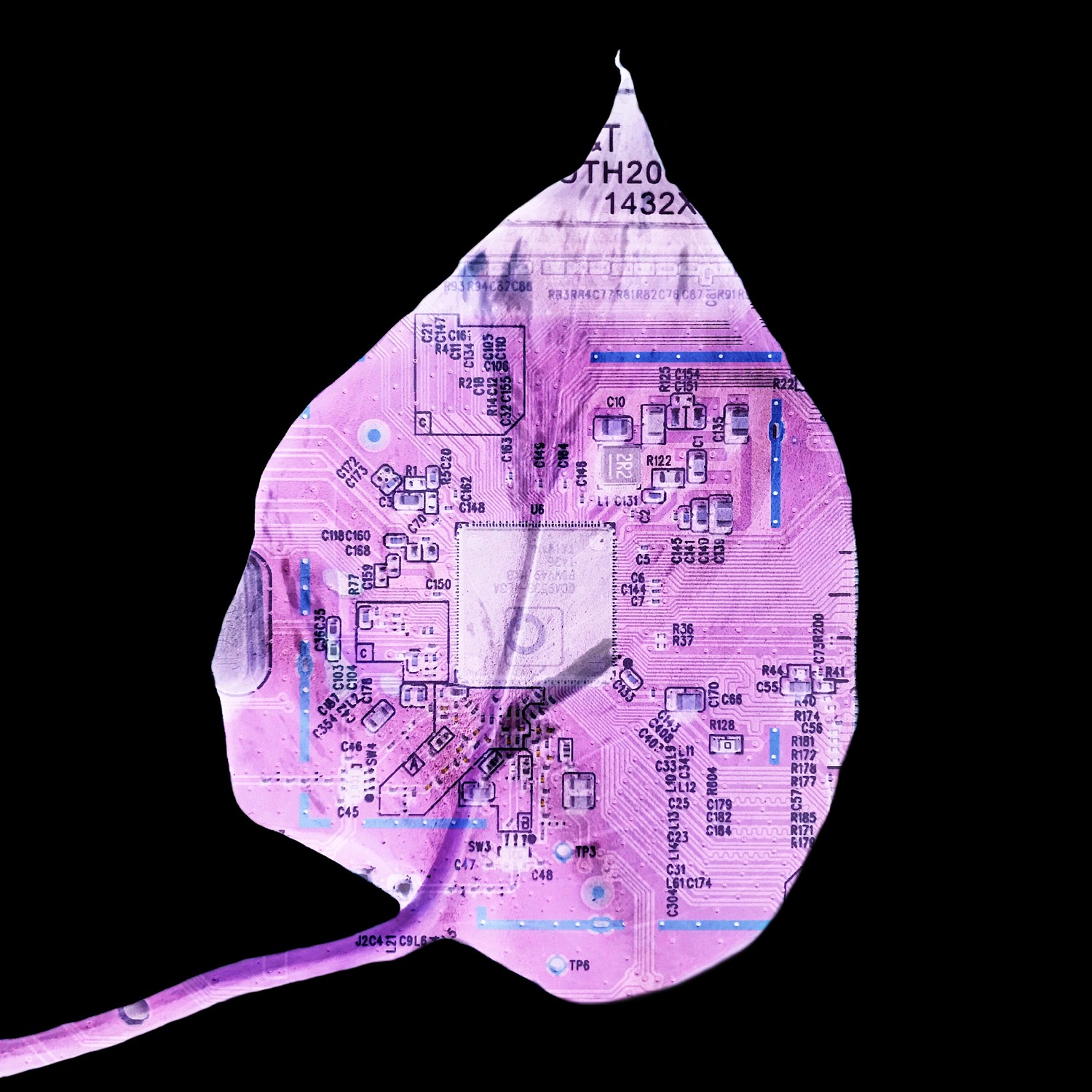
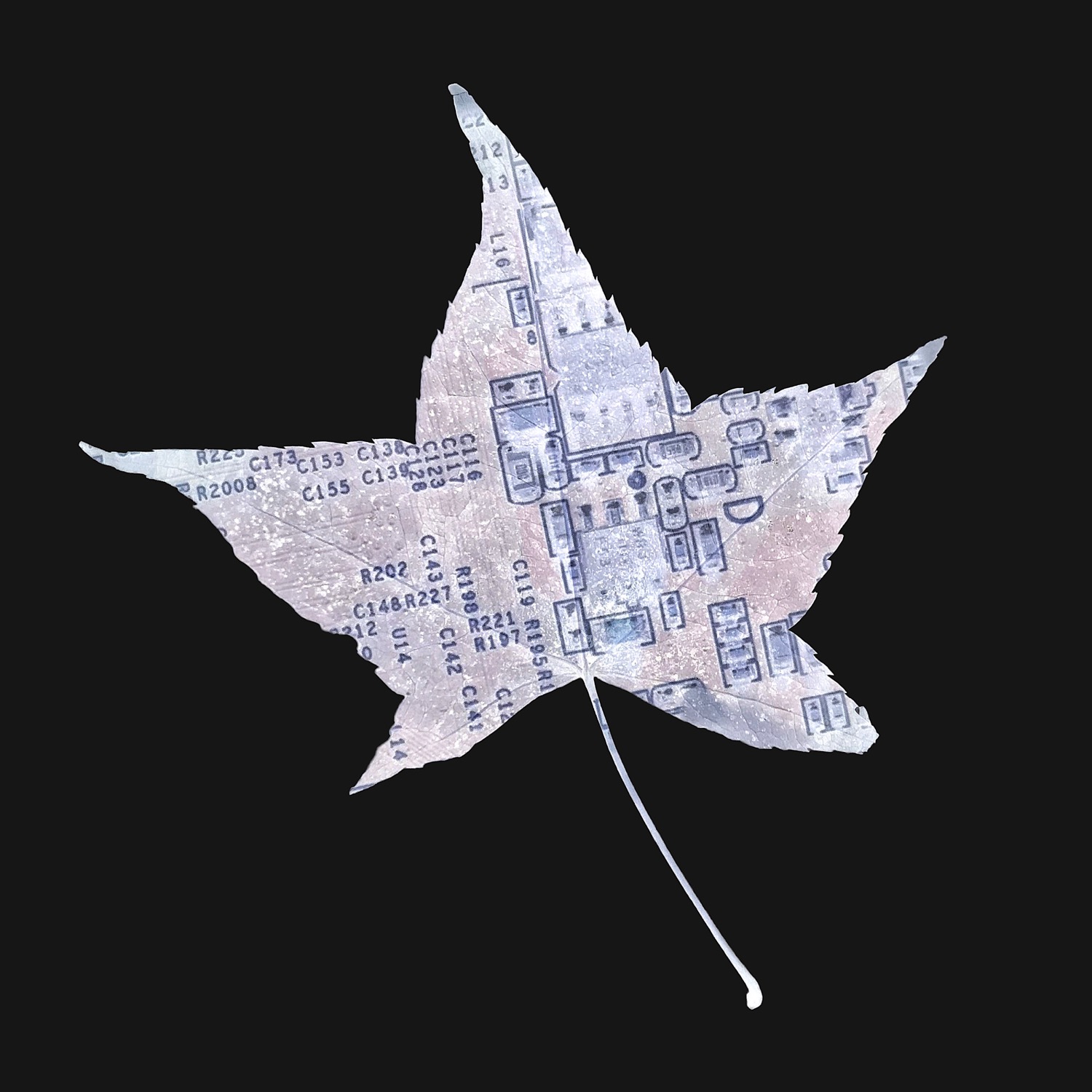
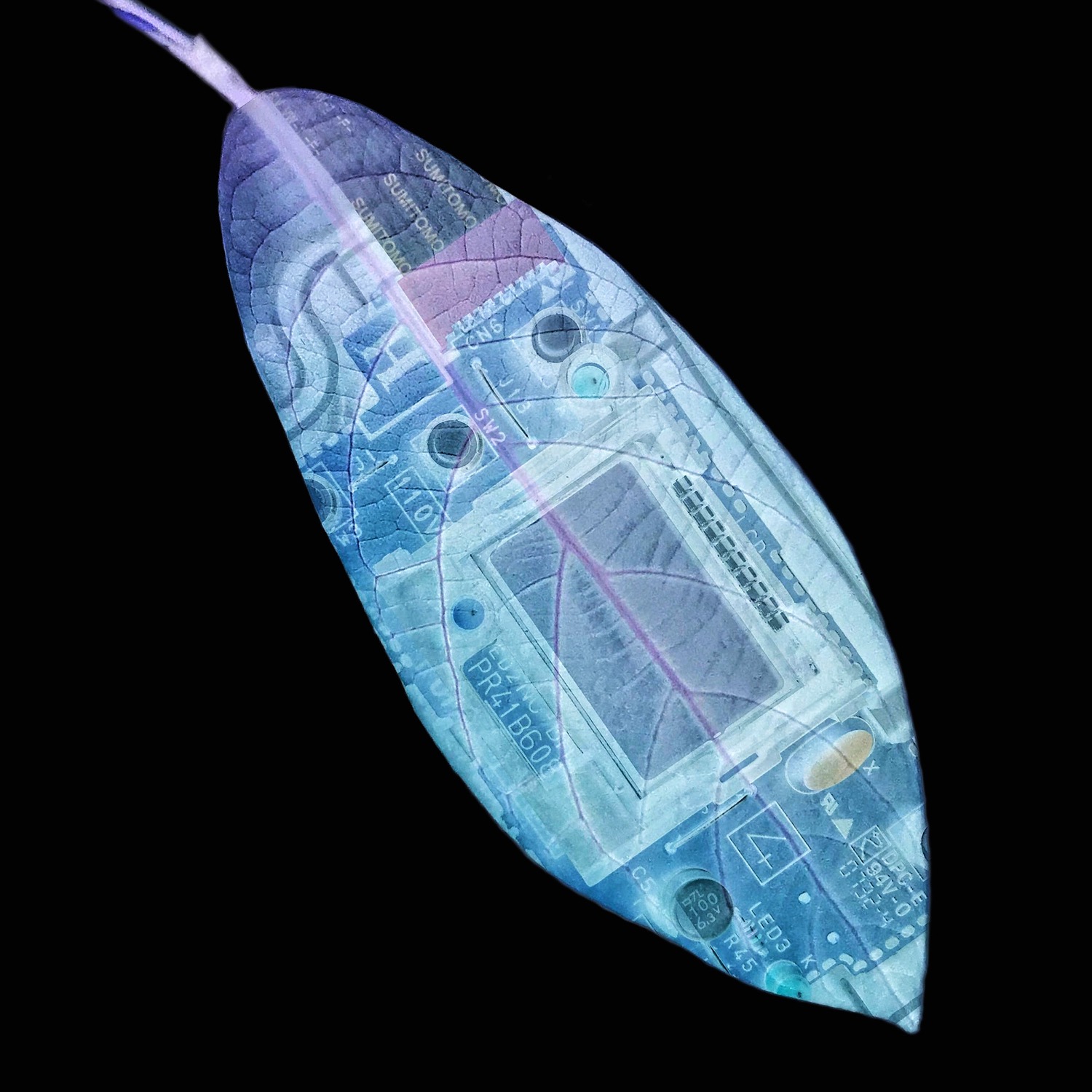
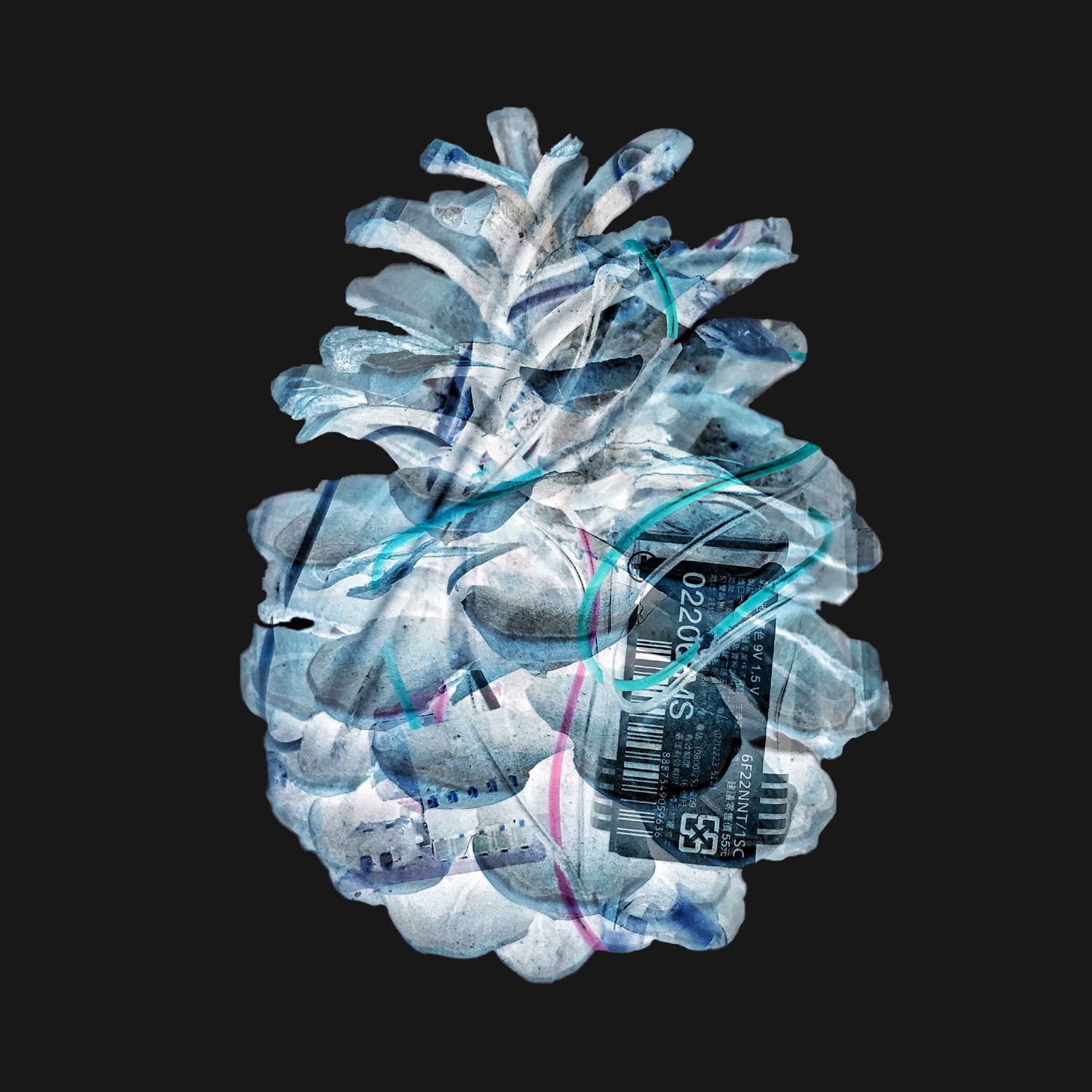
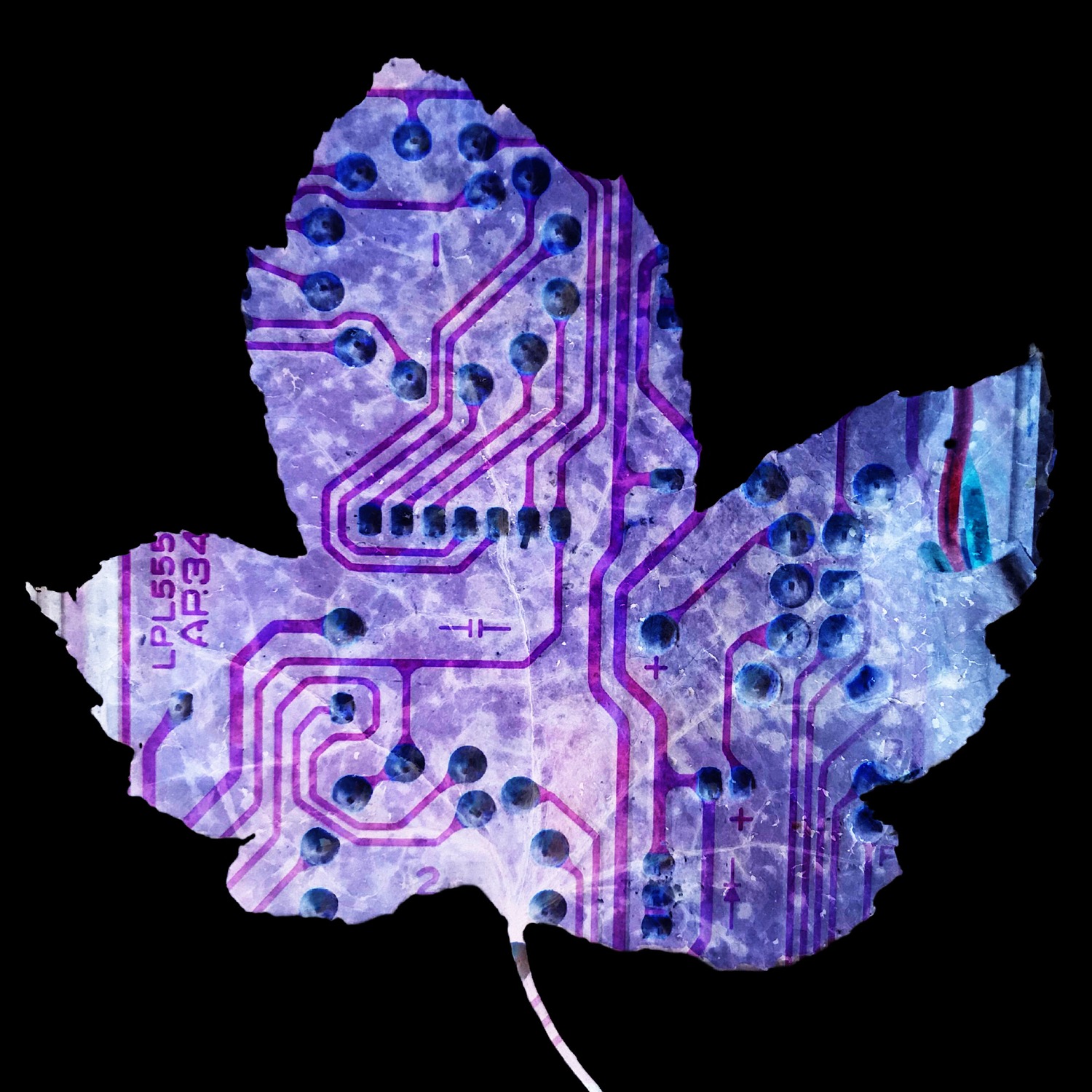
From there, his material expanded. “In subsequent work, my image material extended from trees to other natural elements, such as leaves, grass, rocks, and so on.” In the Beseries, these natural forms are no longer isolated. Leaves appear cut cleanly from darkness, their silhouettes filled with dense networks of circuit traces, chips, and solder points, as if organic matter has absorbed the internal logic of machines.
In his other works, clusters of foliage spread across fields of circuitry, creating compositions that resemble aerial views of motherboard cities—ordered, layered, and quietly intricate. The distinction between plant structure and electronic architecture becomes deliberately unstable, with veins and conductive paths visually echoing one another.
These elements carry symbolic weight. “Beyond being suitable for inverted presentation, I believe these natural elements also serve as a symbolic form for my sensibility.” In contrast, technological imagery stands in for rationality. “I deliberately used electrical circuits and related subject matter as the symbol for my rationality and attempted to combine the two, presenting the concept of my ongoing effort to let these two aspects coexist and mutually flourish in my life.”
.jpeg)
Structure, light, and inversion
Formally, Lu's images are built upon restraint and order. “Regarding composition, I deliberately pursue symmetry and structural stability to satisfy my inner yearning for order.” Light and colour are treated with similar care. “As for light and colour, I aim for sufficient dynamic range and contrast, yet avoid excessive dramatisation, ensuring the work possesses a serene, decorative quality.”
Inversion remains central, both technically and conceptually. “In terms of special techniques, the inverted image processing method carries the mission of reconciling my inner contradiction between rationality and sensibility.” His aim is not to estrange the image from reality entirely. “My goal is precisely to find a visual language in these strange and uncanny inverted images that can harmonise with the images of our 'real world.'”
.JPG)
Calming influence of art
While Lu's work engages with complex conceptual questions, his aspirations for audience experience remain grounded in clarity and repose. He finds a close alignment with Henri Matisse's thinking. “Henri Matisse's description is very close to my thoughts on my work: 'What I dream of is an art of balance, of purity and serenity devoid of troubling or depressing subject matter—a soothing, calming influence on the mind, rather like a good armchair which provides relaxation from physical fatigue.'”This ideal shapes his approach to individual images. “My ideal for every single piece is that it is suitable for hanging on a wall at home—the kind that one never tires of seeing every day.” To achieve this, he attends carefully to formal balance. At the same time, inversion introduces an element of surprise that disrupts familiarity without overwhelming it. “Because inverted images are not something one sees in daily life, I also hope to bring a sense of novelty and freshness to first-time viewers.” The result is work that invites prolonged looking rather than immediate interpretation.
.jpeg)
Questioning the image
Lu is cautious about imposing explicit messages on his audience, yet his work inevitably opens space for reflection. “While I prioritise the decorative quality of my work over evoking the audience's attention to specific issues, my inverted image series can still offer a compelling question for further contemplation, should the viewer be willing: What is the nature of the image? Is it genuine, or is it illusory and unstable?”
These questions have accompanied his practice from early on. “What is photography? What is an image? These are questions I began constantly contemplating shortly after I started taking pictures.” His reflections extend beyond linguistic definitions. “The word 'photography' literally means 'drawing with light,' which implies that photography is a form of painting. So, what precisely constitutes photography? Where are its boundaries? And if we move beyond linguistic context and remove those constraints of language, does that boundary still exist?”
.jpeg)
Dualities without division
Although Lu resists overt social commentary, he recognises that his way of thinking inevitably carries broader implications. “I don't intentionally try to attribute a social or cultural significance to my photography. However, upon deeper reflection, one finds that my creative thinking itself offers a soft response to the current phenomenon of social dualities.”
At the centre of this response is coexistence rather than opposition. “The way my work influences dialogue primarily lies in exploring and demonstrating how rationality and sensibility can coexist and interact—this is the core theme.” That perspective is rooted in lived experience. “My background as 'a man of science and engineering' naturally leads me to approach the world in a structured, logical way, while the emotional depth and spontaneity are provided by my initial motivation: starting to record life fragments out of frustration with fading memories.”
Rather than reinforcing polarised positions, his work proposes a quieter alternative. “My photography might offer an alternative perspective to break down these rigid classifications, guiding viewers to understand and accept that these conflicts are not insurmountable.” The conclusion he draws is deliberately restrained. “Building upon a foundation of reason and logic, what we often need, even more, is empathy.”
Building upon a foundation of reason and logic, what we often need, even more, is empathy.
.jpeg)
Continuity and future directions
Looking ahead, Lu frames his practice as an ongoing line of development. “Across the series White Night and Black Day, Be, and Alaksana, although the visuals are drastically different, the underlying origin and spirit belong to a single lineage.” His future remains open-ended but focused. “In the foreseeable future, I will likely continue exploring the foundational elements of inversion and natural subject matter.”
Beyond that, a deeper integration beckons. In Lu's work, balance is not a static resolution but an ongoing practice—one that unfolds patiently, image by image, between logic and feeling. “What might truly excite me is the combination of photography and generative art.” Should such a project take hold, his commitment is absolute. “Although I haven't conceived of a definitive subject yet, if I do, I would probably dive into it, forgetting to eat and sleep.”
.JPG)
.svg)


.svg)
.svg)

Tsung-yu Lu describes his artistic foundation not as a harmonious starting point, but as a tension that has shaped his thinking from the outset. “I am a man of science and engineering, yet I cannot abandon artistic creation; this contradiction between rationality and sensibility has invisibly shaped my creative thinking.”
That internal conflict is not resolved by choosing one side over the other. Instead, it becomes the engine of the work. Within that subversion, Lu finds a method that resonates with his own sensibility. “Inverted images have long been a subject of my photographic exploration. This theme is virtually uncharted territory in the realm of photographic creation, but more importantly, it can be considered a manifestation of my inner state.”
Lu's attraction to inverted images reflects this search for equilibrium, not only as a visual strategy but as a psychological mirror. “The characteristic of inverted images lies in that it utilises the computational logic of black-and-white opposition and colour complementarity to completely subvert our conventional visual experience.”
Photography as personal archive
Despite the conceptual rigour of his work, Lu's relationship with photography began in an unexpectedly pragmatic way. “Since I have a poor memory, my initial reason for taking up photography was to preserve memories. Therefore, I never specifically travel to capture popular scenes. Most of my work involves taking pictures spontaneously wherever I go, or utilising everyday objects as image material.”
In recent projects, this impulse has become more explicit through the inclusion of written annotations. “I even try to write down things that were happening in my life at the time for each photograph, or keywords related to that scene. Storytelling plays the role of a 'memory anchor' in my work. For me, these personal notes ensure that the images can clearly point to a specific moment on my personal timeline in the future, granting them a more complete and private archival significance.”
Learning to see through colour
Lu's visual language did not emerge from formal training in art, but through sustained experimentation and gradual discovery. He identifies two distinct phases in this development, each leaving a lasting imprint on his work. “The first stage began when I started photography with film cameras. I experimented with various types of film and processing methods and discovered my preference for colour palettes like red-scale and cross-processing, developing positive film in negative chemistry.” These experiments were formative, shaping his sensitivity to chromatic relationships.
A later shift towards generative art introduced a different set of challenges and influences. “The second stage happened after I started engaging with generative art. Unlike photography, which is essentially subtractive, generative art is fundamentally additive, much like painting, creating something out of nothing. This requires a much higher command of colour. To improve this skill, I began deliberately viewing more painting works and discovered that I was more drawn to abstract works focused purely on composition and colour.”
His preference for restrained palettes persisted. “As for colour schemes, likely influenced by my photography background, I also clearly favour natural and earth tones.” These influences converge in his recent work. “My recent series, Alaksana, largely reflects these recent preferences for both abstraction and earth tones.”
Nature and technological language
Across Lu's images, specific motifs appear with particular frequency. “I love trees, and I enjoy photographing them, so they are probably the most frequently appearing subject in my work.” Their role emerged through chance. “The initial impulse to experiment with inverted images actually began when I was scanning film: I unexpectedly noticed that some photos of trees looked arguably better in their inverted, negative state, compared to the final positive image.”
From there, his material expanded. “In subsequent work, my image material extended from trees to other natural elements, such as leaves, grass, rocks, and so on.” In the Beseries, these natural forms are no longer isolated. Leaves appear cut cleanly from darkness, their silhouettes filled with dense networks of circuit traces, chips, and solder points, as if organic matter has absorbed the internal logic of machines.
In his other works, clusters of foliage spread across fields of circuitry, creating compositions that resemble aerial views of motherboard cities—ordered, layered, and quietly intricate. The distinction between plant structure and electronic architecture becomes deliberately unstable, with veins and conductive paths visually echoing one another.
These elements carry symbolic weight. “Beyond being suitable for inverted presentation, I believe these natural elements also serve as a symbolic form for my sensibility.” In contrast, technological imagery stands in for rationality. “I deliberately used electrical circuits and related subject matter as the symbol for my rationality and attempted to combine the two, presenting the concept of my ongoing effort to let these two aspects coexist and mutually flourish in my life.”
Structure, light, and inversion
Formally, Lu's images are built upon restraint and order. “Regarding composition, I deliberately pursue symmetry and structural stability to satisfy my inner yearning for order.” Light and colour are treated with similar care. “As for light and colour, I aim for sufficient dynamic range and contrast, yet avoid excessive dramatisation, ensuring the work possesses a serene, decorative quality.”
Inversion remains central, both technically and conceptually. “In terms of special techniques, the inverted image processing method carries the mission of reconciling my inner contradiction between rationality and sensibility.” His aim is not to estrange the image from reality entirely. “My goal is precisely to find a visual language in these strange and uncanny inverted images that can harmonise with the images of our 'real world.'”
Calming influence of art
While Lu's work engages with complex conceptual questions, his aspirations for audience experience remain grounded in clarity and repose. He finds a close alignment with Henri Matisse's thinking. “Henri Matisse's description is very close to my thoughts on my work: 'What I dream of is an art of balance, of purity and serenity devoid of troubling or depressing subject matter—a soothing, calming influence on the mind, rather like a good armchair which provides relaxation from physical fatigue.'”This ideal shapes his approach to individual images. “My ideal for every single piece is that it is suitable for hanging on a wall at home—the kind that one never tires of seeing every day.” To achieve this, he attends carefully to formal balance. At the same time, inversion introduces an element of surprise that disrupts familiarity without overwhelming it. “Because inverted images are not something one sees in daily life, I also hope to bring a sense of novelty and freshness to first-time viewers.” The result is work that invites prolonged looking rather than immediate interpretation.
Questioning the image
Lu is cautious about imposing explicit messages on his audience, yet his work inevitably opens space for reflection. “While I prioritise the decorative quality of my work over evoking the audience's attention to specific issues, my inverted image series can still offer a compelling question for further contemplation, should the viewer be willing: What is the nature of the image? Is it genuine, or is it illusory and unstable?”
These questions have accompanied his practice from early on. “What is photography? What is an image? These are questions I began constantly contemplating shortly after I started taking pictures.” His reflections extend beyond linguistic definitions. “The word 'photography' literally means 'drawing with light,' which implies that photography is a form of painting. So, what precisely constitutes photography? Where are its boundaries? And if we move beyond linguistic context and remove those constraints of language, does that boundary still exist?”
Dualities without division
Although Lu resists overt social commentary, he recognises that his way of thinking inevitably carries broader implications. “I don't intentionally try to attribute a social or cultural significance to my photography. However, upon deeper reflection, one finds that my creative thinking itself offers a soft response to the current phenomenon of social dualities.”
At the centre of this response is coexistence rather than opposition. “The way my work influences dialogue primarily lies in exploring and demonstrating how rationality and sensibility can coexist and interact—this is the core theme.” That perspective is rooted in lived experience. “My background as 'a man of science and engineering' naturally leads me to approach the world in a structured, logical way, while the emotional depth and spontaneity are provided by my initial motivation: starting to record life fragments out of frustration with fading memories.”
Rather than reinforcing polarised positions, his work proposes a quieter alternative. “My photography might offer an alternative perspective to break down these rigid classifications, guiding viewers to understand and accept that these conflicts are not insurmountable.” The conclusion he draws is deliberately restrained. “Building upon a foundation of reason and logic, what we often need, even more, is empathy.”
Building upon a foundation of reason and logic, what we often need, even more, is empathy.
Continuity and future directions
Looking ahead, Lu frames his practice as an ongoing line of development. “Across the series White Night and Black Day, Be, and Alaksana, although the visuals are drastically different, the underlying origin and spirit belong to a single lineage.” His future remains open-ended but focused. “In the foreseeable future, I will likely continue exploring the foundational elements of inversion and natural subject matter.”
Beyond that, a deeper integration beckons. In Lu's work, balance is not a static resolution but an ongoing practice—one that unfolds patiently, image by image, between logic and feeling. “What might truly excite me is the combination of photography and generative art.” Should such a project take hold, his commitment is absolute. “Although I haven't conceived of a definitive subject yet, if I do, I would probably dive into it, forgetting to eat and sleep.”
Tsung-yu Lu describes his artistic foundation not as a harmonious starting point, but as a tension that has shaped his thinking from the outset. “I am a man of science and engineering, yet I cannot abandon artistic creation; this contradiction between rationality and sensibility has invisibly shaped my creative thinking.”
That internal conflict is not resolved by choosing one side over the other. Instead, it becomes the engine of the work. Within that subversion, Lu finds a method that resonates with his own sensibility. “Inverted images have long been a subject of my photographic exploration. This theme is virtually uncharted territory in the realm of photographic creation, but more importantly, it can be considered a manifestation of my inner state.”
Lu's attraction to inverted images reflects this search for equilibrium, not only as a visual strategy but as a psychological mirror. “The characteristic of inverted images lies in that it utilises the computational logic of black-and-white opposition and colour complementarity to completely subvert our conventional visual experience.”
Photography as personal archive
Despite the conceptual rigour of his work, Lu's relationship with photography began in an unexpectedly pragmatic way. “Since I have a poor memory, my initial reason for taking up photography was to preserve memories. Therefore, I never specifically travel to capture popular scenes. Most of my work involves taking pictures spontaneously wherever I go, or utilising everyday objects as image material.”
In recent projects, this impulse has become more explicit through the inclusion of written annotations. “I even try to write down things that were happening in my life at the time for each photograph, or keywords related to that scene. Storytelling plays the role of a 'memory anchor' in my work. For me, these personal notes ensure that the images can clearly point to a specific moment on my personal timeline in the future, granting them a more complete and private archival significance.”
Learning to see through colour
Lu's visual language did not emerge from formal training in art, but through sustained experimentation and gradual discovery. He identifies two distinct phases in this development, each leaving a lasting imprint on his work. “The first stage began when I started photography with film cameras. I experimented with various types of film and processing methods and discovered my preference for colour palettes like red-scale and cross-processing, developing positive film in negative chemistry.” These experiments were formative, shaping his sensitivity to chromatic relationships.
A later shift towards generative art introduced a different set of challenges and influences. “The second stage happened after I started engaging with generative art. Unlike photography, which is essentially subtractive, generative art is fundamentally additive, much like painting, creating something out of nothing. This requires a much higher command of colour. To improve this skill, I began deliberately viewing more painting works and discovered that I was more drawn to abstract works focused purely on composition and colour.”
His preference for restrained palettes persisted. “As for colour schemes, likely influenced by my photography background, I also clearly favour natural and earth tones.” These influences converge in his recent work. “My recent series, Alaksana, largely reflects these recent preferences for both abstraction and earth tones.”
Nature and technological language
Across Lu's images, specific motifs appear with particular frequency. “I love trees, and I enjoy photographing them, so they are probably the most frequently appearing subject in my work.” Their role emerged through chance. “The initial impulse to experiment with inverted images actually began when I was scanning film: I unexpectedly noticed that some photos of trees looked arguably better in their inverted, negative state, compared to the final positive image.”
From there, his material expanded. “In subsequent work, my image material extended from trees to other natural elements, such as leaves, grass, rocks, and so on.” In the Beseries, these natural forms are no longer isolated. Leaves appear cut cleanly from darkness, their silhouettes filled with dense networks of circuit traces, chips, and solder points, as if organic matter has absorbed the internal logic of machines.
In his other works, clusters of foliage spread across fields of circuitry, creating compositions that resemble aerial views of motherboard cities—ordered, layered, and quietly intricate. The distinction between plant structure and electronic architecture becomes deliberately unstable, with veins and conductive paths visually echoing one another.
These elements carry symbolic weight. “Beyond being suitable for inverted presentation, I believe these natural elements also serve as a symbolic form for my sensibility.” In contrast, technological imagery stands in for rationality. “I deliberately used electrical circuits and related subject matter as the symbol for my rationality and attempted to combine the two, presenting the concept of my ongoing effort to let these two aspects coexist and mutually flourish in my life.”
Structure, light, and inversion
Formally, Lu's images are built upon restraint and order. “Regarding composition, I deliberately pursue symmetry and structural stability to satisfy my inner yearning for order.” Light and colour are treated with similar care. “As for light and colour, I aim for sufficient dynamic range and contrast, yet avoid excessive dramatisation, ensuring the work possesses a serene, decorative quality.”
Inversion remains central, both technically and conceptually. “In terms of special techniques, the inverted image processing method carries the mission of reconciling my inner contradiction between rationality and sensibility.” His aim is not to estrange the image from reality entirely. “My goal is precisely to find a visual language in these strange and uncanny inverted images that can harmonise with the images of our 'real world.'”
Calming influence of art
While Lu's work engages with complex conceptual questions, his aspirations for audience experience remain grounded in clarity and repose. He finds a close alignment with Henri Matisse's thinking. “Henri Matisse's description is very close to my thoughts on my work: 'What I dream of is an art of balance, of purity and serenity devoid of troubling or depressing subject matter—a soothing, calming influence on the mind, rather like a good armchair which provides relaxation from physical fatigue.'”This ideal shapes his approach to individual images. “My ideal for every single piece is that it is suitable for hanging on a wall at home—the kind that one never tires of seeing every day.” To achieve this, he attends carefully to formal balance. At the same time, inversion introduces an element of surprise that disrupts familiarity without overwhelming it. “Because inverted images are not something one sees in daily life, I also hope to bring a sense of novelty and freshness to first-time viewers.” The result is work that invites prolonged looking rather than immediate interpretation.
Questioning the image
Lu is cautious about imposing explicit messages on his audience, yet his work inevitably opens space for reflection. “While I prioritise the decorative quality of my work over evoking the audience's attention to specific issues, my inverted image series can still offer a compelling question for further contemplation, should the viewer be willing: What is the nature of the image? Is it genuine, or is it illusory and unstable?”
These questions have accompanied his practice from early on. “What is photography? What is an image? These are questions I began constantly contemplating shortly after I started taking pictures.” His reflections extend beyond linguistic definitions. “The word 'photography' literally means 'drawing with light,' which implies that photography is a form of painting. So, what precisely constitutes photography? Where are its boundaries? And if we move beyond linguistic context and remove those constraints of language, does that boundary still exist?”
Dualities without division
Although Lu resists overt social commentary, he recognises that his way of thinking inevitably carries broader implications. “I don't intentionally try to attribute a social or cultural significance to my photography. However, upon deeper reflection, one finds that my creative thinking itself offers a soft response to the current phenomenon of social dualities.”
At the centre of this response is coexistence rather than opposition. “The way my work influences dialogue primarily lies in exploring and demonstrating how rationality and sensibility can coexist and interact—this is the core theme.” That perspective is rooted in lived experience. “My background as 'a man of science and engineering' naturally leads me to approach the world in a structured, logical way, while the emotional depth and spontaneity are provided by my initial motivation: starting to record life fragments out of frustration with fading memories.”
Rather than reinforcing polarised positions, his work proposes a quieter alternative. “My photography might offer an alternative perspective to break down these rigid classifications, guiding viewers to understand and accept that these conflicts are not insurmountable.” The conclusion he draws is deliberately restrained. “Building upon a foundation of reason and logic, what we often need, even more, is empathy.”
Building upon a foundation of reason and logic, what we often need, even more, is empathy.
Continuity and future directions
Looking ahead, Lu frames his practice as an ongoing line of development. “Across the series White Night and Black Day, Be, and Alaksana, although the visuals are drastically different, the underlying origin and spirit belong to a single lineage.” His future remains open-ended but focused. “In the foreseeable future, I will likely continue exploring the foundational elements of inversion and natural subject matter.”
Beyond that, a deeper integration beckons. In Lu's work, balance is not a static resolution but an ongoing practice—one that unfolds patiently, image by image, between logic and feeling. “What might truly excite me is the combination of photography and generative art.” Should such a project take hold, his commitment is absolute. “Although I haven't conceived of a definitive subject yet, if I do, I would probably dive into it, forgetting to eat and sleep.”