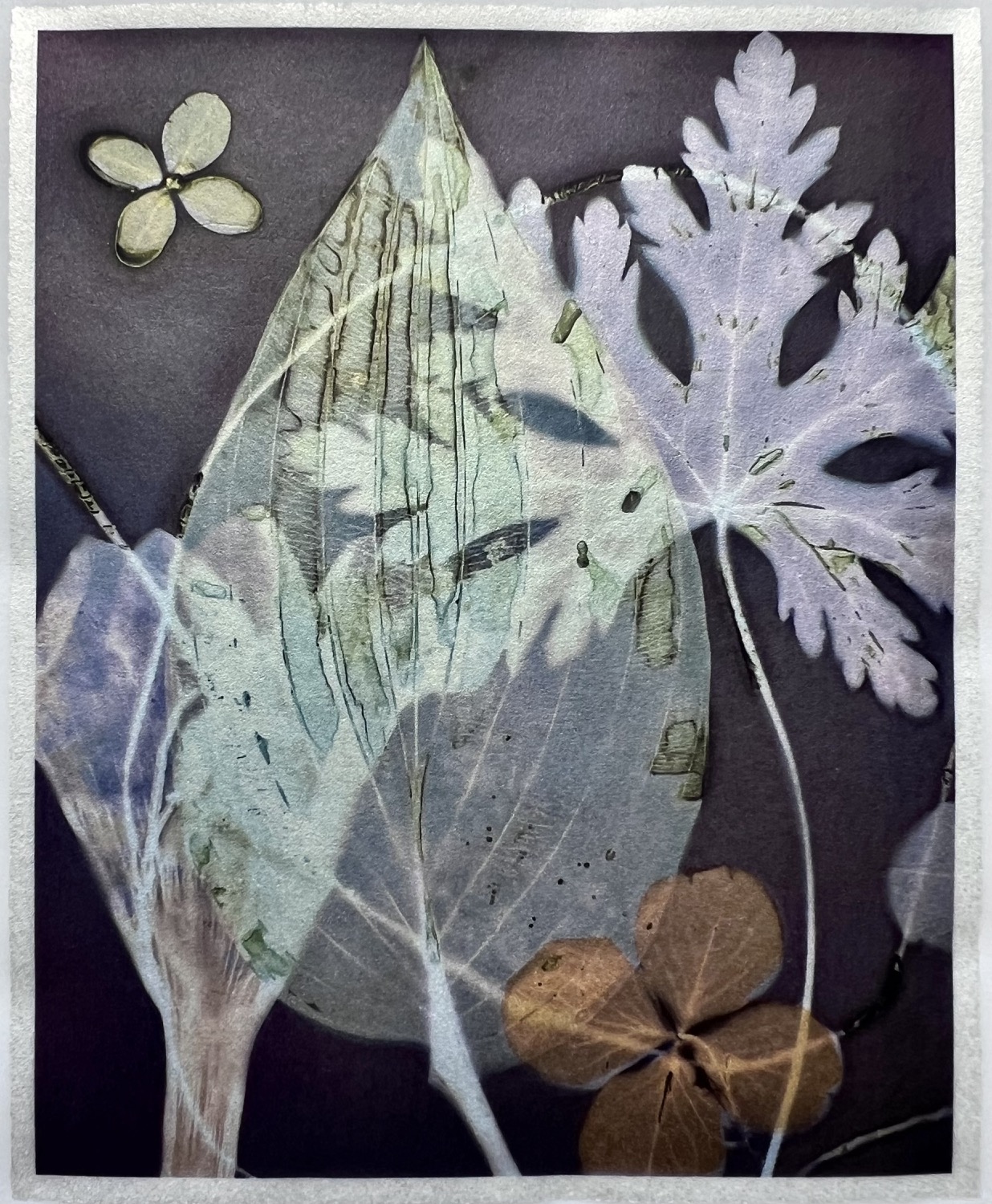
© Figliuzzi Teri | Proceed - Gathering Onward
Figliuzzi’s work is guided by a belief that significance does not reside solely in moments of arrival or perfection. “At the heart of my work is the belief that every stage of life holds beauty, meaning, and purpose.” Her attraction to botanical material emerges from this awareness of time and transition. “I am drawn to nature’s cycles of growth, decay, and rebirth, and how these rhythms mirror our own lives. Each botanical fragment I gather carries its own story, shaped by time, weather, and circumstance.”
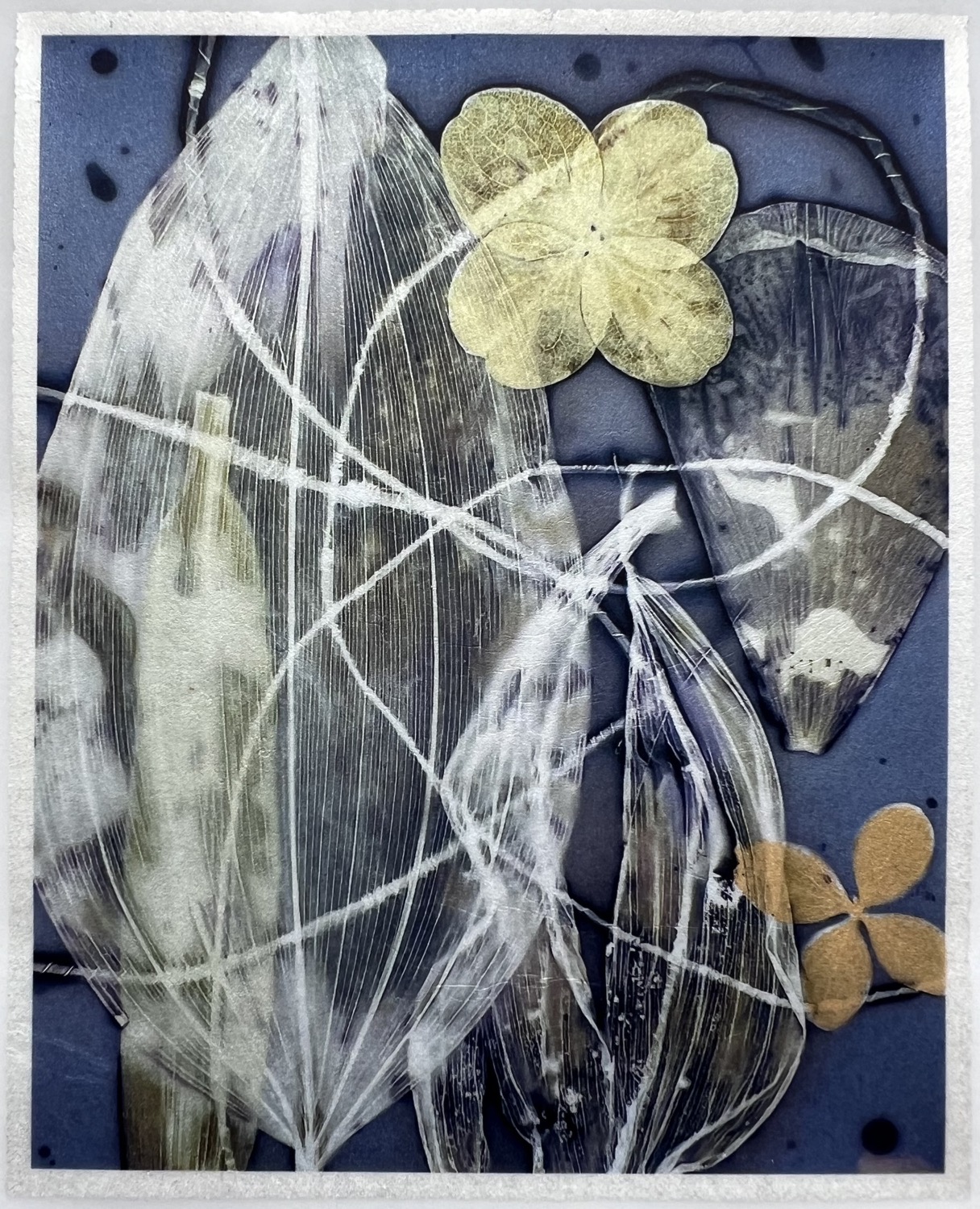
Alternative photographic processes allow these traces of life to remain visible, preserving evidence of fragility alongside endurance. “Through alternative photographic processes, I try to honour these stages and highlight their inherent fragility and strength. These themes matter to me because nature has always offered solace, a reminder to pause, breathe, and begin again. By working with organic materials, I not only preserve moments of quiet beauty but also celebrate the resilience found in even the most delicate forms. My hope is that this attention to life’s transitions will resonate with others and encourage a deeper appreciation for impermanence and renewal.”
Figliuzzi does not prescribe how her work should be received, but she hopes it creates space for attention. “I hope my work encourages viewers to slow down, take a breath, and truly look. In a world that moves quickly, nature offers a counterpoint and a reminder that growth, renewal, and healing all take time.” By foregrounding intricate structures, transparencies, and transformations within botanicals, she invites viewers to notice details that might otherwise pass unnoticed
The work of detail
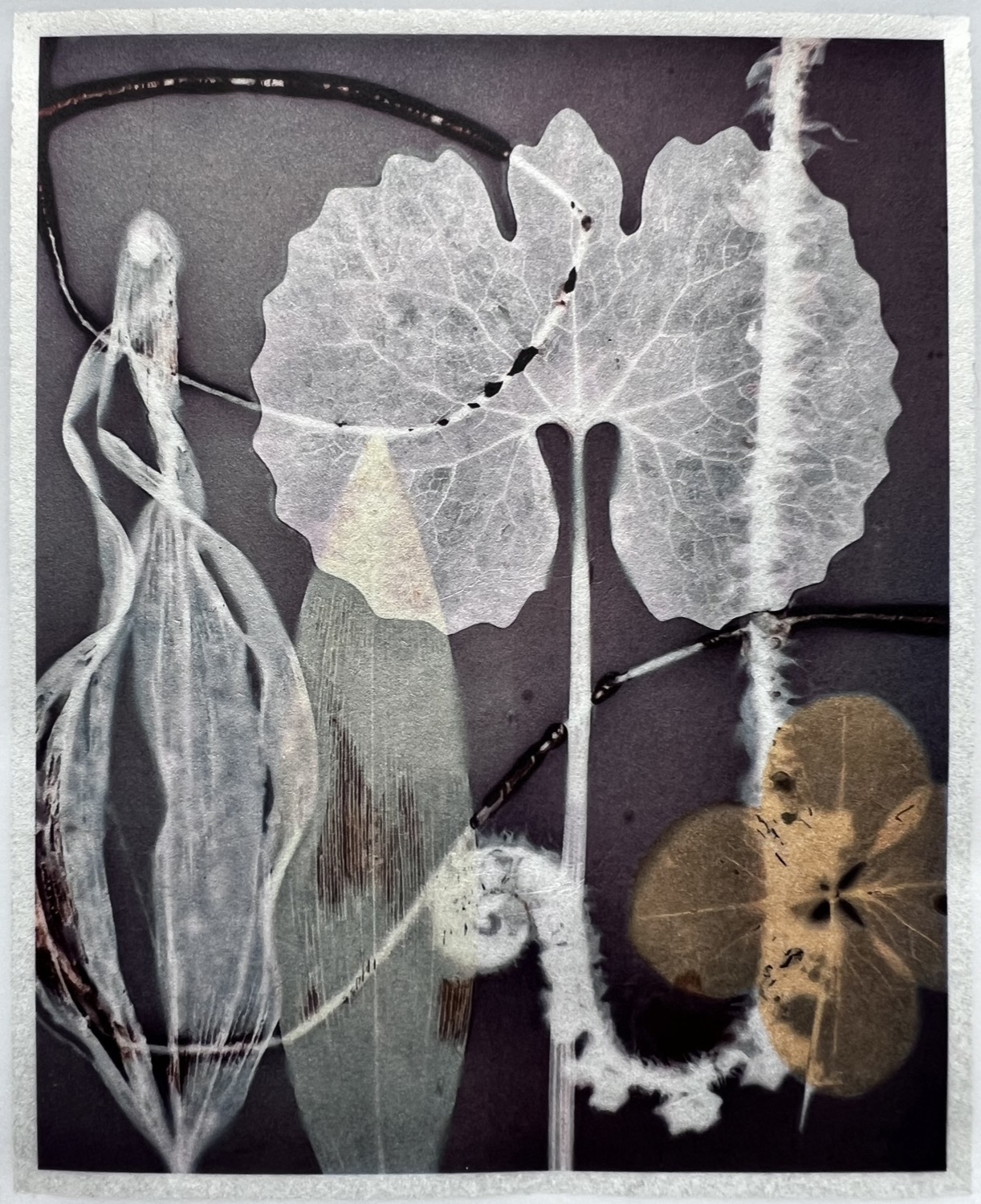
Subject selection unfolds slowly, guided by intuition rather than intent. What holds Figliuzzi’s attention are forms that carry both individuality and continuity within broader cycles of growth. This attentiveness extends beyond outdoor spaces into the domestic sphere. “My subjects are collected slowly, intuitively, and often during long walks through fields, forests, or my own garden. I am an obsessive gatherer by nature, always noticing small gestures of movement, an unusual curve in a leaf, a twist in a stem, a delicate seedpod on the verge of dispersal. Whether I find botanicals outdoors or in bouquets at home, I study them for their character and quiet expressiveness.”
Narrative enters the work obliquely, shaped through material relationships rather than linear storytelling. “These details become the foundation of the stories I build within my cyanotypes, lumens, and phytograms. Storytelling emerges not through a literal narrative, but through the way each plant fragment interacts with light, texture, and composition. Together, they create a visual record of a moment that would otherwise disappear. Each piece becomes a small memory of place, season, and emotion, preserving a fleeting encounter with nature.”
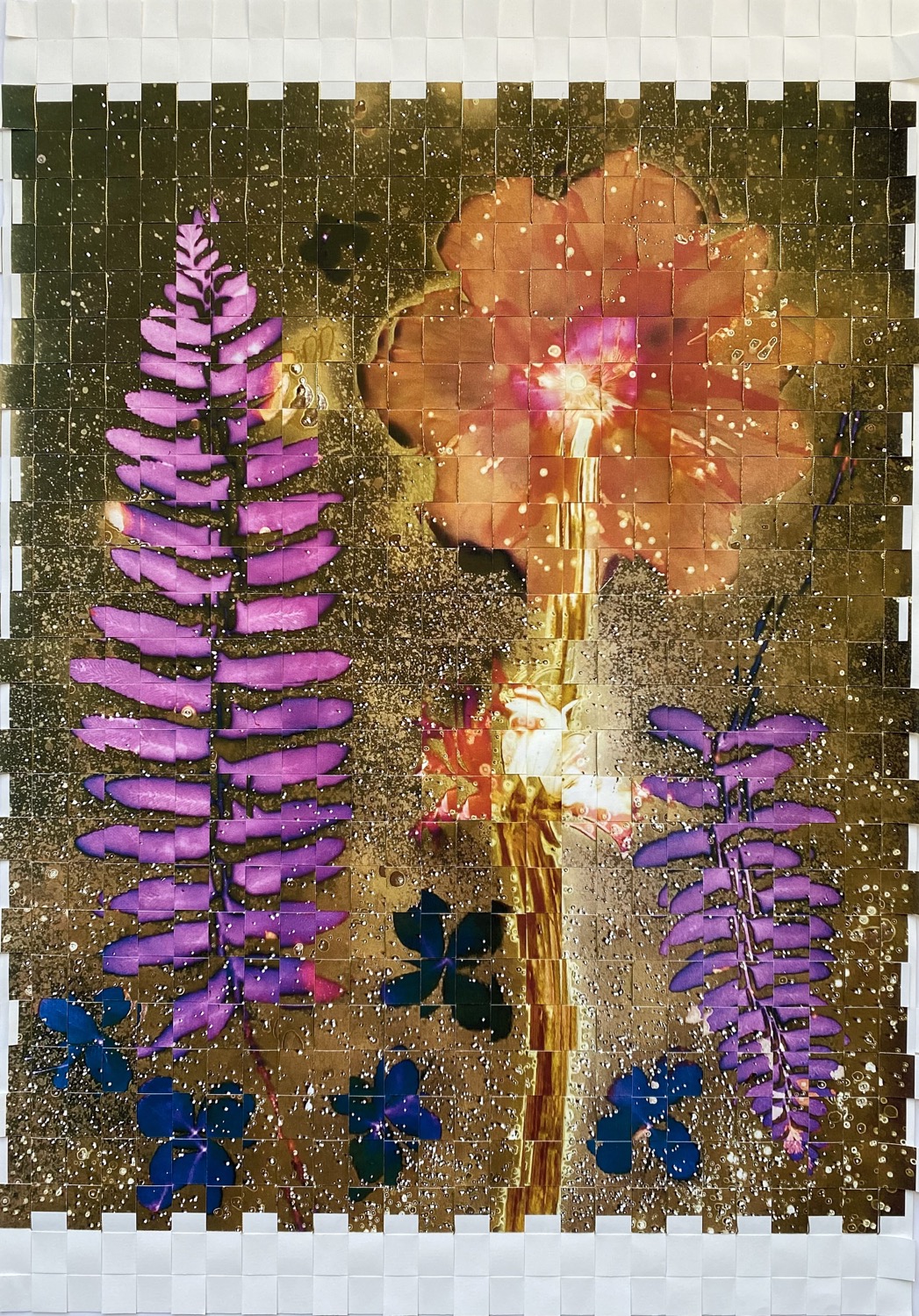
Details are presented as evidence of endurance rather than novelty. “I hope they find comfort in the resilience of plants and feel strengthened by their ability to endure each season’s challenges and return again.” Underlying this approach is a challenge to narrow definitions of beauty. “Ultimately, I want viewers to recognise that beauty exists at every stage of life, not just at its peak.” The response she seeks is not admiration but recognition. “If my work helps someone feel grounded, reassured, or more connected to themselves and the natural world, then it has achieved its purpose.”
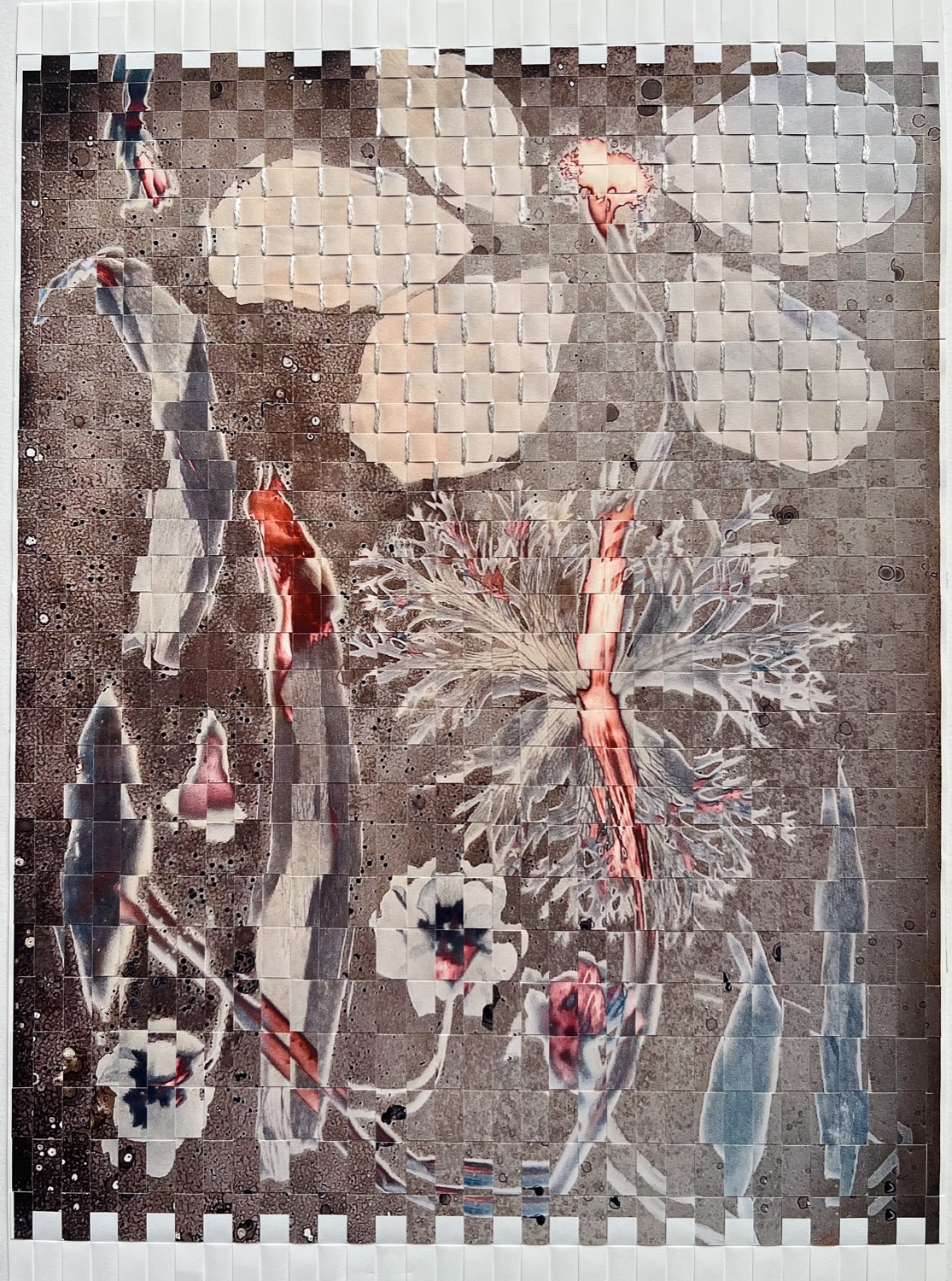
In times of turmoil or uncertainty, turning to nature grounds me and restores a sense of inner calm.
Nature as a refuge
Figliuzzi’s relationship with the natural world is longstanding and deeply personal. From childhood onward, walking, collecting, and observing have provided continuity during periods of uncertainty. “Nature has always been my refuge. From childhood onward, I have found peace in walking, collecting, and observing the natural world. In times of turmoil or uncertainty, turning to nature grounds me and restores a sense of inner calm.”
This grounding presence shapes the emotional register of her work, directing it away from confrontation and toward affirmation. Over time, her sensitivity to life cycles has deepened. “As I age, I’ve become increasingly aware of the parallels between plant life cycles and our own, as each stage is unique, purposeful, and beautiful in its own way. This realisation influences how I approach each piece, infusing the work with gentleness, gratitude, and acceptance. My art becomes both a meditation and an offering, inviting viewers into the same sense of reflection and peace that nature gives to me.”
Ephemeral nature of existence
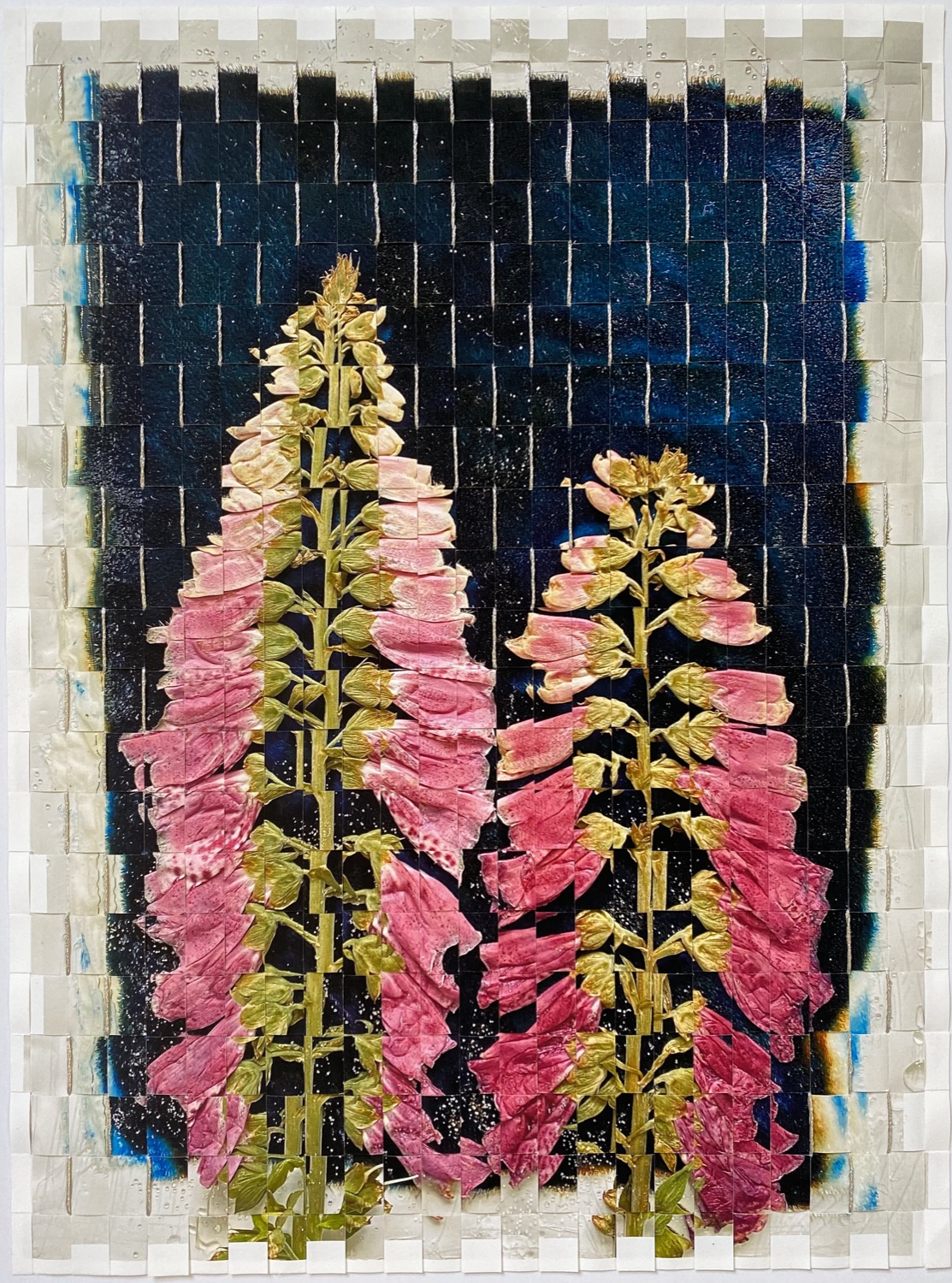
Preservation becomes an ethical gesture rather than a technical one. The work lingers on moments that rarely command attention. “Rather than addressing a specific issue, my photographs serve as quiet meditations on the ephemeral nature of existence. By preserving delicate botanicals through alternative processes, I aim to honour both their vulnerability and resilience.”
Through this lens, fragility is not diminished but reframed. “Each piece becomes a reminder that moments of grace often exist in the in-between spaces: the fading of a petal, the curling of a leaf, the translucence of something on the verge of change.” She intends to encourage viewers to recognise that vulnerability does not diminish beauty but often deepens it.
Rather than relying on symbolic motifs, Figliuzzi repeatedly returns to forms marked by use and exposure. “I am consistently drawn to imperfect botanicals, those with bends, tears, curves, or signs of weathering.” These forms carry visible histories, embodying natural imperfection as a quiet strength.
By preserving delicate botanicals through alternative processes, I aim to honour both their vulnerability and resilience.
Nature as a universal language
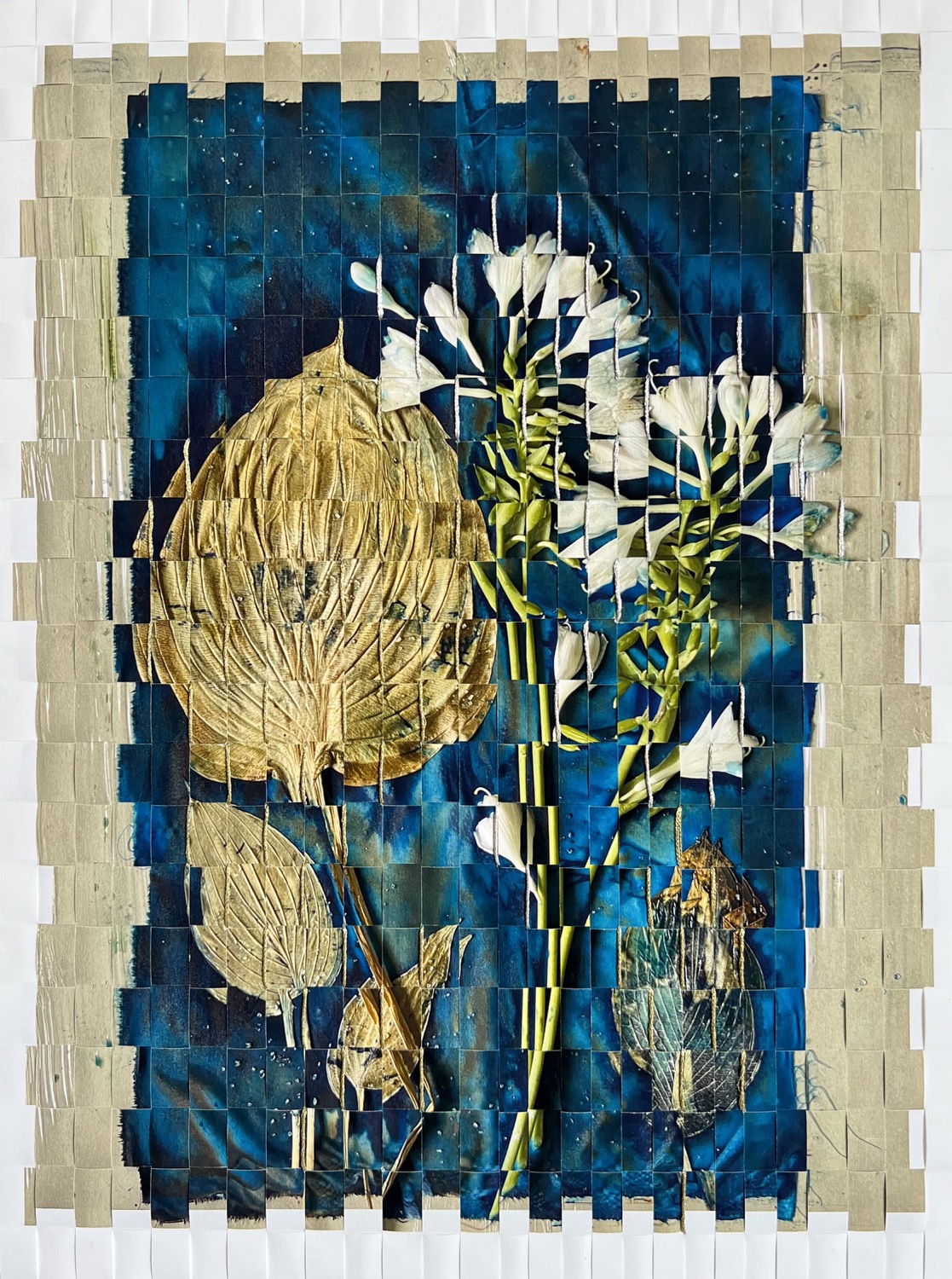
While not overtly political, Figliuzzi acknowledges the connective capacity of nature. “I believe nature offers a universal language, one that transcends culture, geography, and circumstance.” In a period marked by fragmentation, shared encounters with organic forms create points of contact.
Her images function as invitations rather than arguments. “My photographs invite viewers into a space of contemplation and connection, reminding us of what we hold in common: a need for beauty, peace, and belonging.” By focusing on organic forms and life cycles, the work encourages reflection on mindfulness, sustainability, and care. “I hope that by highlighting the quiet resilience of botanicals, my work fosters a sense of unity and underscores the idea that all living things are interconnected.”
By choosing such subjects, Figliuzzi challenges cultural associations between beauty and flawlessness. “By choosing plants that show evidence of their journey, I aim to celebrate the honesty of natural imperfection and challenge the idea that beauty is tied only to youth or flawlessness.” These recurring forms operate as understated affirmations of endurance, vulnerability, and change.
Experiment beyond composition
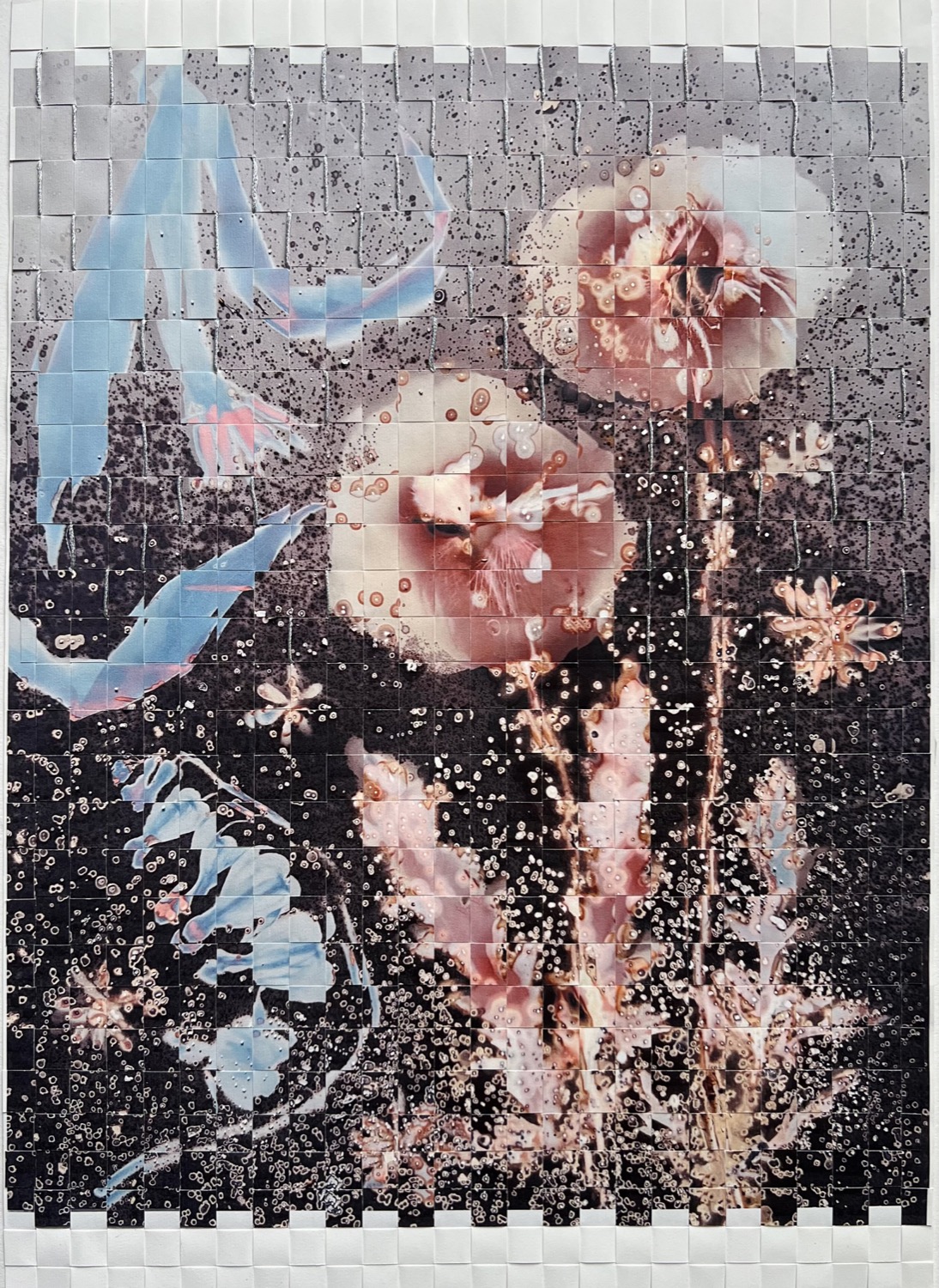
Figliuzzi’s technical processes are inseparable from her conceptual concerns. “My cyanotypes, lumens, and phytogram processes are deeply dependent on sunlight, making the act of creation a collaboration with the natural world.” Composition is approached with restraint and deliberation. “I begin by laying out my gathered botanicals and arranging them until they strike a balance of movement, delicacy, and visual harmony.”
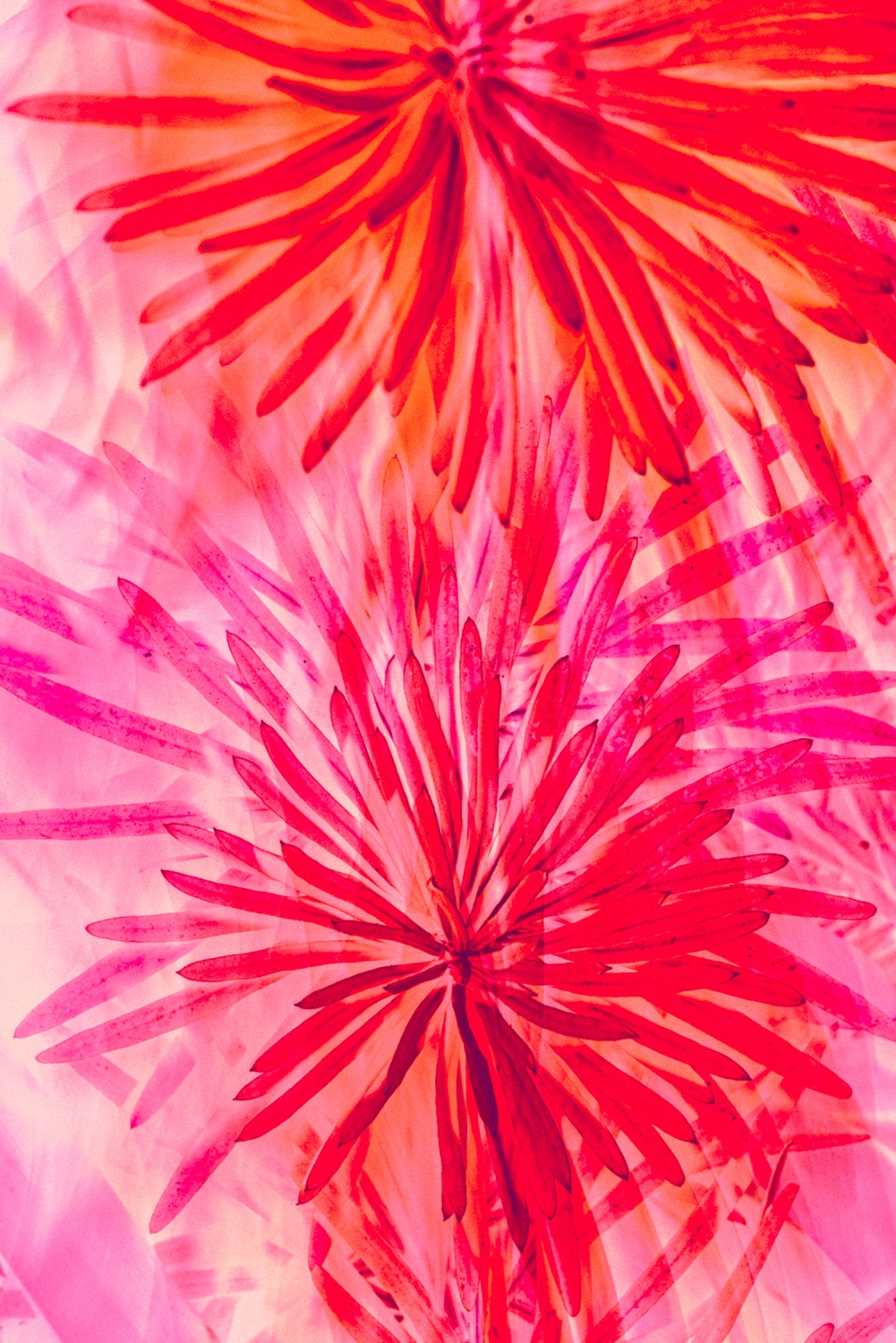
Light functions not simply as illumination but as an active variable, shaping each outcome through exposure, weather, and time. “Cyanotypes in my Gathering Blue series offer vivid, true-to-life tones, while lumen prints in Gathering Light rely on variables such as paper type, weather conditions, and exposure time, resulting in rich, unpredictable colours.”
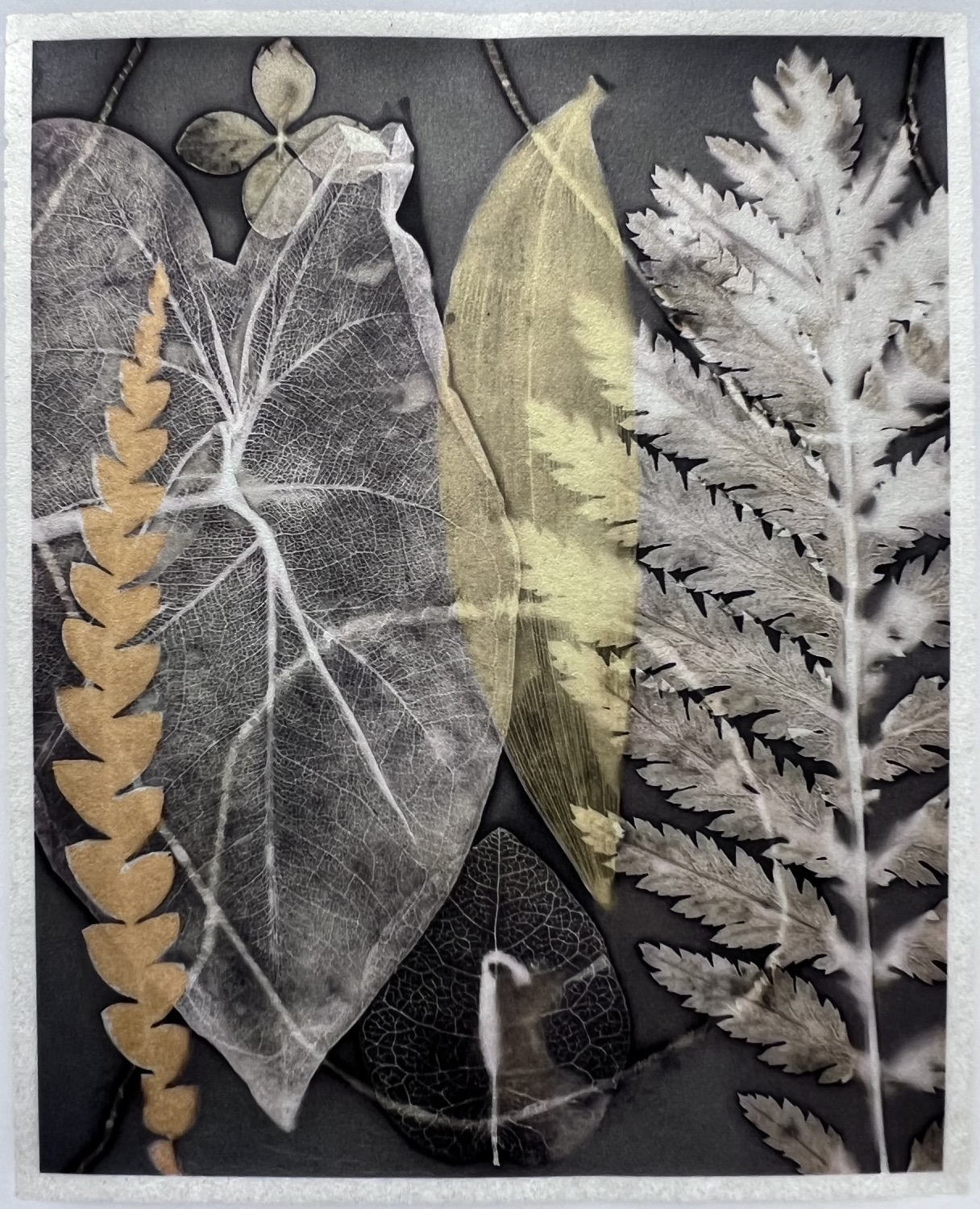
Each process carries distinct tonal and material qualities, from the saturated blues of cyanotypes to the unpredictability of lumens and the earthy browns of phytograms. “Phytograms, processed with a plant-based developer on film, result in shades of browns and require the most manipulation. I carefully cool the palette of the image, print onto vellum, and enhance the structure of the plants with silver or gold leaf applied to the reverse side.”
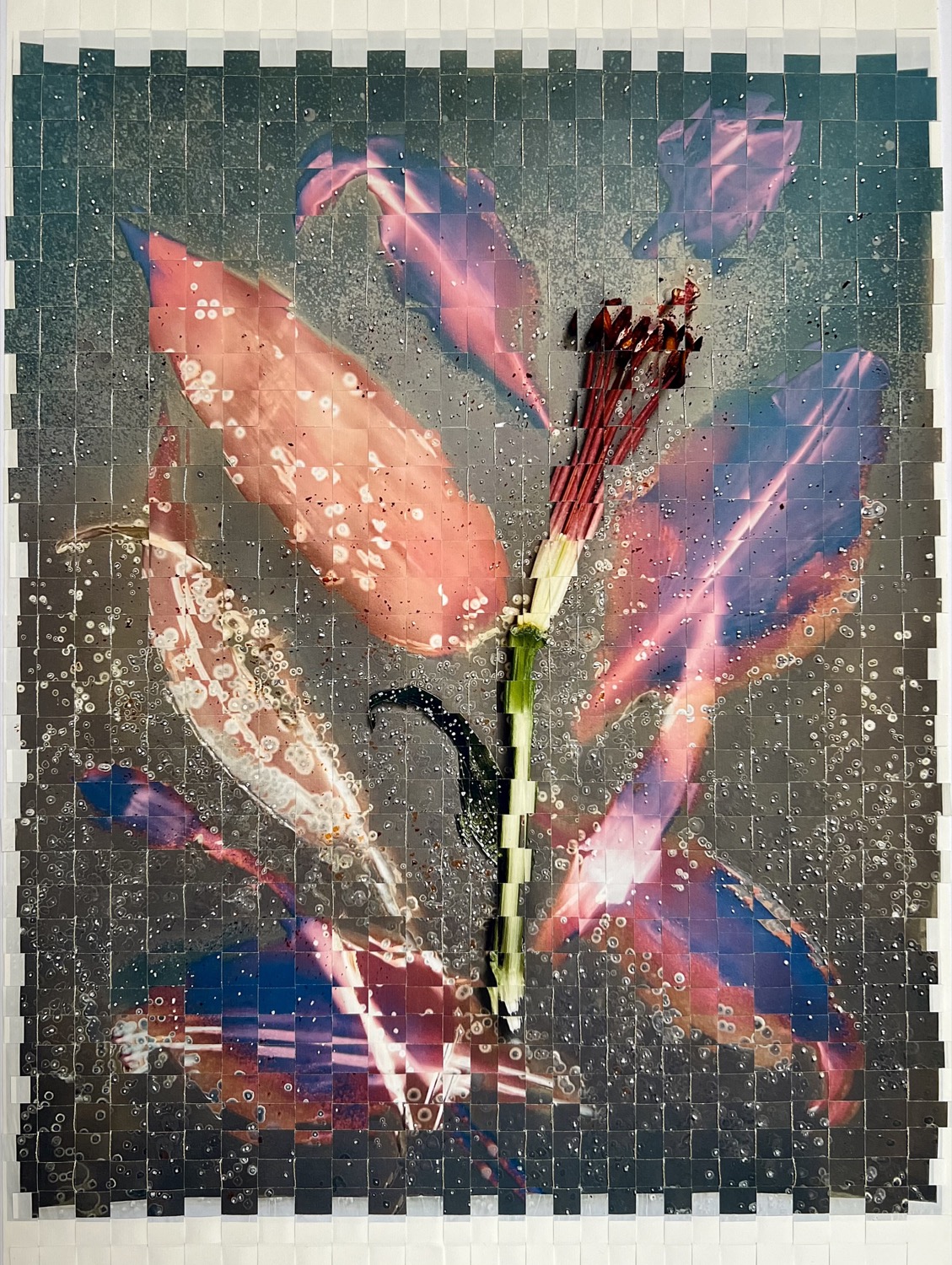
Her experimental interventions extend beyond composition and exposure. “The weaving, stitching, and threads used in creating the cyanotypes and lumens, and the metallic leafing of the phytograms, all serve as a way to honour the botanicals, as if crowning them with jewels.” These gestures underscore fragility while reinforcing a sense of care.
Expanding terrain
Looking ahead, Figliuzzi sees her practice continuing to evolve while remaining anchored in its concerns. “While botanicals will likely always remain central to my practice, I am increasingly interested in expanding how I interpret landscape and place.” Recent work with black-and-white digital images captured during snowfall extends her material sensitivity into new contexts.
Her interest in unpredictability continues through analogue experimentation. “I also began experimenting with the Holga camera and square format film during the summer, embracing the softness and unpredictability of that process.” These explorations signal expansion rather than departure.
As her practice moves forward, Figliuzzi remains committed to blending alternative techniques with tactile materials. “Moving forward, I’m excited to further blend alternative techniques with new materials, continuing to explore themes of memory, transience, and the intimate dialogue between humans and the natural world.”
.svg)


.svg)
.svg)

Figliuzzi’s work is guided by a belief that significance does not reside solely in moments of arrival or perfection. “At the heart of my work is the belief that every stage of life holds beauty, meaning, and purpose.” Her attraction to botanical material emerges from this awareness of time and transition. “I am drawn to nature’s cycles of growth, decay, and rebirth, and how these rhythms mirror our own lives. Each botanical fragment I gather carries its own story, shaped by time, weather, and circumstance.”
Alternative photographic processes allow these traces of life to remain visible, preserving evidence of fragility alongside endurance. “Through alternative photographic processes, I try to honour these stages and highlight their inherent fragility and strength. These themes matter to me because nature has always offered solace, a reminder to pause, breathe, and begin again. By working with organic materials, I not only preserve moments of quiet beauty but also celebrate the resilience found in even the most delicate forms. My hope is that this attention to life’s transitions will resonate with others and encourage a deeper appreciation for impermanence and renewal.”
Figliuzzi does not prescribe how her work should be received, but she hopes it creates space for attention. “I hope my work encourages viewers to slow down, take a breath, and truly look. In a world that moves quickly, nature offers a counterpoint and a reminder that growth, renewal, and healing all take time.” By foregrounding intricate structures, transparencies, and transformations within botanicals, she invites viewers to notice details that might otherwise pass unnoticed
The work of detail
Subject selection unfolds slowly, guided by intuition rather than intent. What holds Figliuzzi’s attention are forms that carry both individuality and continuity within broader cycles of growth. This attentiveness extends beyond outdoor spaces into the domestic sphere. “My subjects are collected slowly, intuitively, and often during long walks through fields, forests, or my own garden. I am an obsessive gatherer by nature, always noticing small gestures of movement, an unusual curve in a leaf, a twist in a stem, a delicate seedpod on the verge of dispersal. Whether I find botanicals outdoors or in bouquets at home, I study them for their character and quiet expressiveness.”
Narrative enters the work obliquely, shaped through material relationships rather than linear storytelling. “These details become the foundation of the stories I build within my cyanotypes, lumens, and phytograms. Storytelling emerges not through a literal narrative, but through the way each plant fragment interacts with light, texture, and composition. Together, they create a visual record of a moment that would otherwise disappear. Each piece becomes a small memory of place, season, and emotion, preserving a fleeting encounter with nature.”
Details are presented as evidence of endurance rather than novelty. “I hope they find comfort in the resilience of plants and feel strengthened by their ability to endure each season’s challenges and return again.” Underlying this approach is a challenge to narrow definitions of beauty. “Ultimately, I want viewers to recognise that beauty exists at every stage of life, not just at its peak.” The response she seeks is not admiration but recognition. “If my work helps someone feel grounded, reassured, or more connected to themselves and the natural world, then it has achieved its purpose.”
In times of turmoil or uncertainty, turning to nature grounds me and restores a sense of inner calm.
Nature as a refuge
Figliuzzi’s relationship with the natural world is longstanding and deeply personal. From childhood onward, walking, collecting, and observing have provided continuity during periods of uncertainty. “Nature has always been my refuge. From childhood onward, I have found peace in walking, collecting, and observing the natural world. In times of turmoil or uncertainty, turning to nature grounds me and restores a sense of inner calm.”
This grounding presence shapes the emotional register of her work, directing it away from confrontation and toward affirmation. Over time, her sensitivity to life cycles has deepened. “As I age, I’ve become increasingly aware of the parallels between plant life cycles and our own, as each stage is unique, purposeful, and beautiful in its own way. This realisation influences how I approach each piece, infusing the work with gentleness, gratitude, and acceptance. My art becomes both a meditation and an offering, inviting viewers into the same sense of reflection and peace that nature gives to me.”
Ephemeral nature of existence
Preservation becomes an ethical gesture rather than a technical one. The work lingers on moments that rarely command attention. “Rather than addressing a specific issue, my photographs serve as quiet meditations on the ephemeral nature of existence. By preserving delicate botanicals through alternative processes, I aim to honour both their vulnerability and resilience.”
Through this lens, fragility is not diminished but reframed. “Each piece becomes a reminder that moments of grace often exist in the in-between spaces: the fading of a petal, the curling of a leaf, the translucence of something on the verge of change.” She intends to encourage viewers to recognise that vulnerability does not diminish beauty but often deepens it.
Rather than relying on symbolic motifs, Figliuzzi repeatedly returns to forms marked by use and exposure. “I am consistently drawn to imperfect botanicals, those with bends, tears, curves, or signs of weathering.” These forms carry visible histories, embodying natural imperfection as a quiet strength.
By preserving delicate botanicals through alternative processes, I aim to honour both their vulnerability and resilience.
Nature as a universal language
While not overtly political, Figliuzzi acknowledges the connective capacity of nature. “I believe nature offers a universal language, one that transcends culture, geography, and circumstance.” In a period marked by fragmentation, shared encounters with organic forms create points of contact.
Her images function as invitations rather than arguments. “My photographs invite viewers into a space of contemplation and connection, reminding us of what we hold in common: a need for beauty, peace, and belonging.” By focusing on organic forms and life cycles, the work encourages reflection on mindfulness, sustainability, and care. “I hope that by highlighting the quiet resilience of botanicals, my work fosters a sense of unity and underscores the idea that all living things are interconnected.”
By choosing such subjects, Figliuzzi challenges cultural associations between beauty and flawlessness. “By choosing plants that show evidence of their journey, I aim to celebrate the honesty of natural imperfection and challenge the idea that beauty is tied only to youth or flawlessness.” These recurring forms operate as understated affirmations of endurance, vulnerability, and change.
Experiment beyond composition
Figliuzzi’s technical processes are inseparable from her conceptual concerns. “My cyanotypes, lumens, and phytogram processes are deeply dependent on sunlight, making the act of creation a collaboration with the natural world.” Composition is approached with restraint and deliberation. “I begin by laying out my gathered botanicals and arranging them until they strike a balance of movement, delicacy, and visual harmony.”
Light functions not simply as illumination but as an active variable, shaping each outcome through exposure, weather, and time. “Cyanotypes in my Gathering Blue series offer vivid, true-to-life tones, while lumen prints in Gathering Light rely on variables such as paper type, weather conditions, and exposure time, resulting in rich, unpredictable colours.”
Each process carries distinct tonal and material qualities, from the saturated blues of cyanotypes to the unpredictability of lumens and the earthy browns of phytograms. “Phytograms, processed with a plant-based developer on film, result in shades of browns and require the most manipulation. I carefully cool the palette of the image, print onto vellum, and enhance the structure of the plants with silver or gold leaf applied to the reverse side.”
Her experimental interventions extend beyond composition and exposure. “The weaving, stitching, and threads used in creating the cyanotypes and lumens, and the metallic leafing of the phytograms, all serve as a way to honour the botanicals, as if crowning them with jewels.” These gestures underscore fragility while reinforcing a sense of care.
Expanding terrain
Looking ahead, Figliuzzi sees her practice continuing to evolve while remaining anchored in its concerns. “While botanicals will likely always remain central to my practice, I am increasingly interested in expanding how I interpret landscape and place.” Recent work with black-and-white digital images captured during snowfall extends her material sensitivity into new contexts.
Her interest in unpredictability continues through analogue experimentation. “I also began experimenting with the Holga camera and square format film during the summer, embracing the softness and unpredictability of that process.” These explorations signal expansion rather than departure.
As her practice moves forward, Figliuzzi remains committed to blending alternative techniques with tactile materials. “Moving forward, I’m excited to further blend alternative techniques with new materials, continuing to explore themes of memory, transience, and the intimate dialogue between humans and the natural world.”
Figliuzzi’s work is guided by a belief that significance does not reside solely in moments of arrival or perfection. “At the heart of my work is the belief that every stage of life holds beauty, meaning, and purpose.” Her attraction to botanical material emerges from this awareness of time and transition. “I am drawn to nature’s cycles of growth, decay, and rebirth, and how these rhythms mirror our own lives. Each botanical fragment I gather carries its own story, shaped by time, weather, and circumstance.”
Alternative photographic processes allow these traces of life to remain visible, preserving evidence of fragility alongside endurance. “Through alternative photographic processes, I try to honour these stages and highlight their inherent fragility and strength. These themes matter to me because nature has always offered solace, a reminder to pause, breathe, and begin again. By working with organic materials, I not only preserve moments of quiet beauty but also celebrate the resilience found in even the most delicate forms. My hope is that this attention to life’s transitions will resonate with others and encourage a deeper appreciation for impermanence and renewal.”
Figliuzzi does not prescribe how her work should be received, but she hopes it creates space for attention. “I hope my work encourages viewers to slow down, take a breath, and truly look. In a world that moves quickly, nature offers a counterpoint and a reminder that growth, renewal, and healing all take time.” By foregrounding intricate structures, transparencies, and transformations within botanicals, she invites viewers to notice details that might otherwise pass unnoticed
The work of detail
Subject selection unfolds slowly, guided by intuition rather than intent. What holds Figliuzzi’s attention are forms that carry both individuality and continuity within broader cycles of growth. This attentiveness extends beyond outdoor spaces into the domestic sphere. “My subjects are collected slowly, intuitively, and often during long walks through fields, forests, or my own garden. I am an obsessive gatherer by nature, always noticing small gestures of movement, an unusual curve in a leaf, a twist in a stem, a delicate seedpod on the verge of dispersal. Whether I find botanicals outdoors or in bouquets at home, I study them for their character and quiet expressiveness.”
Narrative enters the work obliquely, shaped through material relationships rather than linear storytelling. “These details become the foundation of the stories I build within my cyanotypes, lumens, and phytograms. Storytelling emerges not through a literal narrative, but through the way each plant fragment interacts with light, texture, and composition. Together, they create a visual record of a moment that would otherwise disappear. Each piece becomes a small memory of place, season, and emotion, preserving a fleeting encounter with nature.”
Details are presented as evidence of endurance rather than novelty. “I hope they find comfort in the resilience of plants and feel strengthened by their ability to endure each season’s challenges and return again.” Underlying this approach is a challenge to narrow definitions of beauty. “Ultimately, I want viewers to recognise that beauty exists at every stage of life, not just at its peak.” The response she seeks is not admiration but recognition. “If my work helps someone feel grounded, reassured, or more connected to themselves and the natural world, then it has achieved its purpose.”
In times of turmoil or uncertainty, turning to nature grounds me and restores a sense of inner calm.
Nature as a refuge
Figliuzzi’s relationship with the natural world is longstanding and deeply personal. From childhood onward, walking, collecting, and observing have provided continuity during periods of uncertainty. “Nature has always been my refuge. From childhood onward, I have found peace in walking, collecting, and observing the natural world. In times of turmoil or uncertainty, turning to nature grounds me and restores a sense of inner calm.”
This grounding presence shapes the emotional register of her work, directing it away from confrontation and toward affirmation. Over time, her sensitivity to life cycles has deepened. “As I age, I’ve become increasingly aware of the parallels between plant life cycles and our own, as each stage is unique, purposeful, and beautiful in its own way. This realisation influences how I approach each piece, infusing the work with gentleness, gratitude, and acceptance. My art becomes both a meditation and an offering, inviting viewers into the same sense of reflection and peace that nature gives to me.”
Ephemeral nature of existence
Preservation becomes an ethical gesture rather than a technical one. The work lingers on moments that rarely command attention. “Rather than addressing a specific issue, my photographs serve as quiet meditations on the ephemeral nature of existence. By preserving delicate botanicals through alternative processes, I aim to honour both their vulnerability and resilience.”
Through this lens, fragility is not diminished but reframed. “Each piece becomes a reminder that moments of grace often exist in the in-between spaces: the fading of a petal, the curling of a leaf, the translucence of something on the verge of change.” She intends to encourage viewers to recognise that vulnerability does not diminish beauty but often deepens it.
Rather than relying on symbolic motifs, Figliuzzi repeatedly returns to forms marked by use and exposure. “I am consistently drawn to imperfect botanicals, those with bends, tears, curves, or signs of weathering.” These forms carry visible histories, embodying natural imperfection as a quiet strength.
By preserving delicate botanicals through alternative processes, I aim to honour both their vulnerability and resilience.
Nature as a universal language
While not overtly political, Figliuzzi acknowledges the connective capacity of nature. “I believe nature offers a universal language, one that transcends culture, geography, and circumstance.” In a period marked by fragmentation, shared encounters with organic forms create points of contact.
Her images function as invitations rather than arguments. “My photographs invite viewers into a space of contemplation and connection, reminding us of what we hold in common: a need for beauty, peace, and belonging.” By focusing on organic forms and life cycles, the work encourages reflection on mindfulness, sustainability, and care. “I hope that by highlighting the quiet resilience of botanicals, my work fosters a sense of unity and underscores the idea that all living things are interconnected.”
By choosing such subjects, Figliuzzi challenges cultural associations between beauty and flawlessness. “By choosing plants that show evidence of their journey, I aim to celebrate the honesty of natural imperfection and challenge the idea that beauty is tied only to youth or flawlessness.” These recurring forms operate as understated affirmations of endurance, vulnerability, and change.
Experiment beyond composition
Figliuzzi’s technical processes are inseparable from her conceptual concerns. “My cyanotypes, lumens, and phytogram processes are deeply dependent on sunlight, making the act of creation a collaboration with the natural world.” Composition is approached with restraint and deliberation. “I begin by laying out my gathered botanicals and arranging them until they strike a balance of movement, delicacy, and visual harmony.”
Light functions not simply as illumination but as an active variable, shaping each outcome through exposure, weather, and time. “Cyanotypes in my Gathering Blue series offer vivid, true-to-life tones, while lumen prints in Gathering Light rely on variables such as paper type, weather conditions, and exposure time, resulting in rich, unpredictable colours.”
Each process carries distinct tonal and material qualities, from the saturated blues of cyanotypes to the unpredictability of lumens and the earthy browns of phytograms. “Phytograms, processed with a plant-based developer on film, result in shades of browns and require the most manipulation. I carefully cool the palette of the image, print onto vellum, and enhance the structure of the plants with silver or gold leaf applied to the reverse side.”
Her experimental interventions extend beyond composition and exposure. “The weaving, stitching, and threads used in creating the cyanotypes and lumens, and the metallic leafing of the phytograms, all serve as a way to honour the botanicals, as if crowning them with jewels.” These gestures underscore fragility while reinforcing a sense of care.
Expanding terrain
Looking ahead, Figliuzzi sees her practice continuing to evolve while remaining anchored in its concerns. “While botanicals will likely always remain central to my practice, I am increasingly interested in expanding how I interpret landscape and place.” Recent work with black-and-white digital images captured during snowfall extends her material sensitivity into new contexts.
Her interest in unpredictability continues through analogue experimentation. “I also began experimenting with the Holga camera and square format film during the summer, embracing the softness and unpredictability of that process.” These explorations signal expansion rather than departure.
As her practice moves forward, Figliuzzi remains committed to blending alternative techniques with tactile materials. “Moving forward, I’m excited to further blend alternative techniques with new materials, continuing to explore themes of memory, transience, and the intimate dialogue between humans and the natural world.”