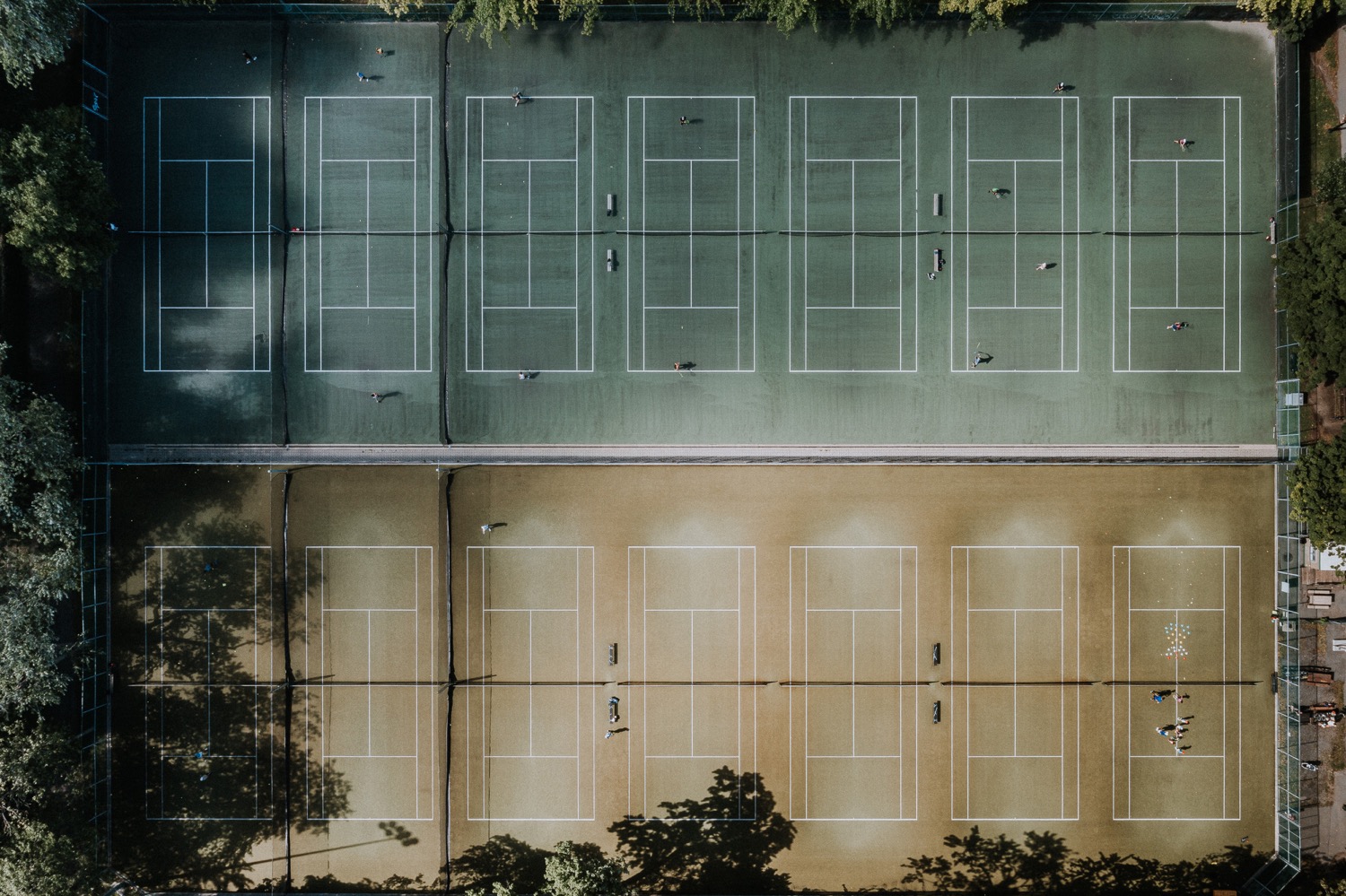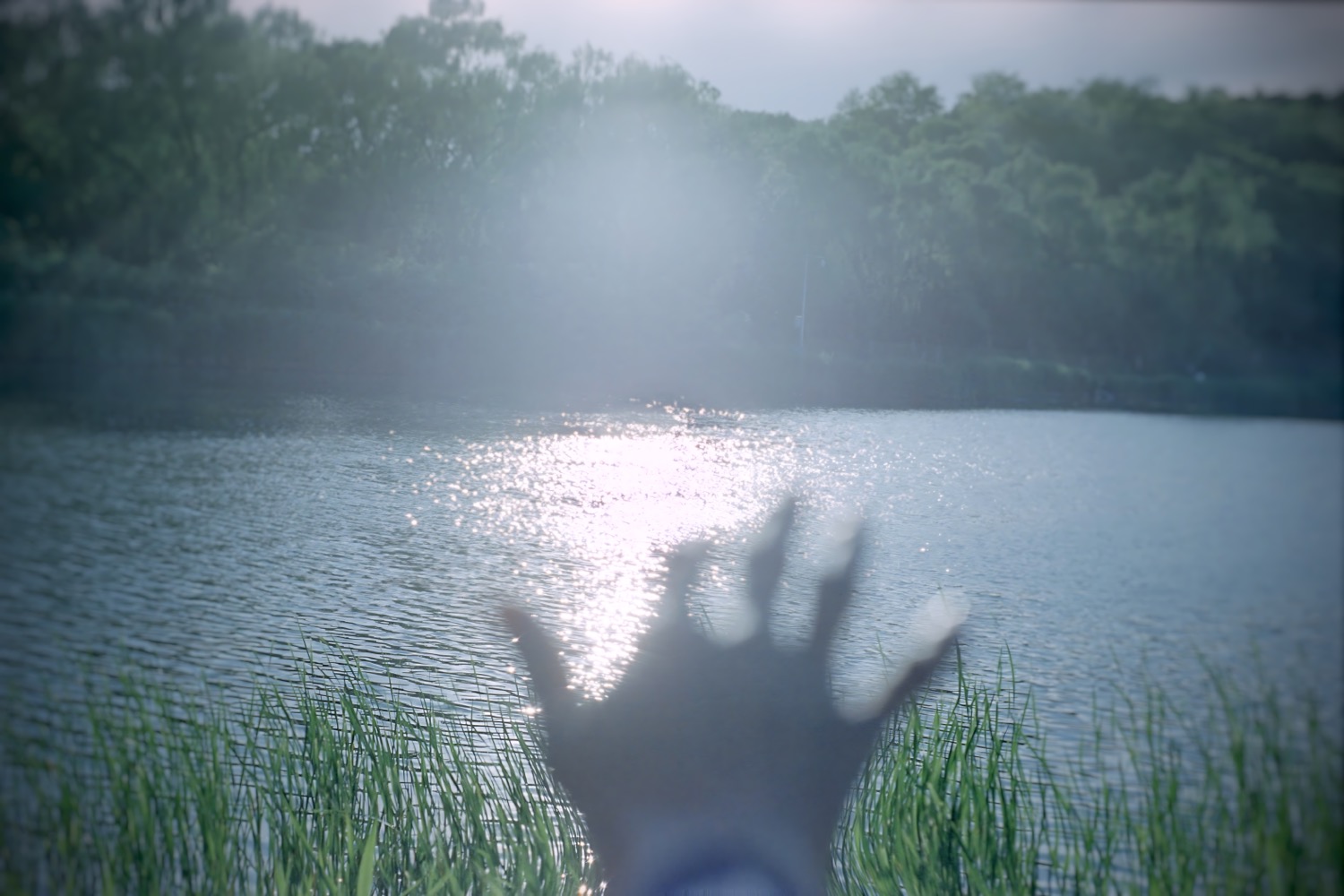
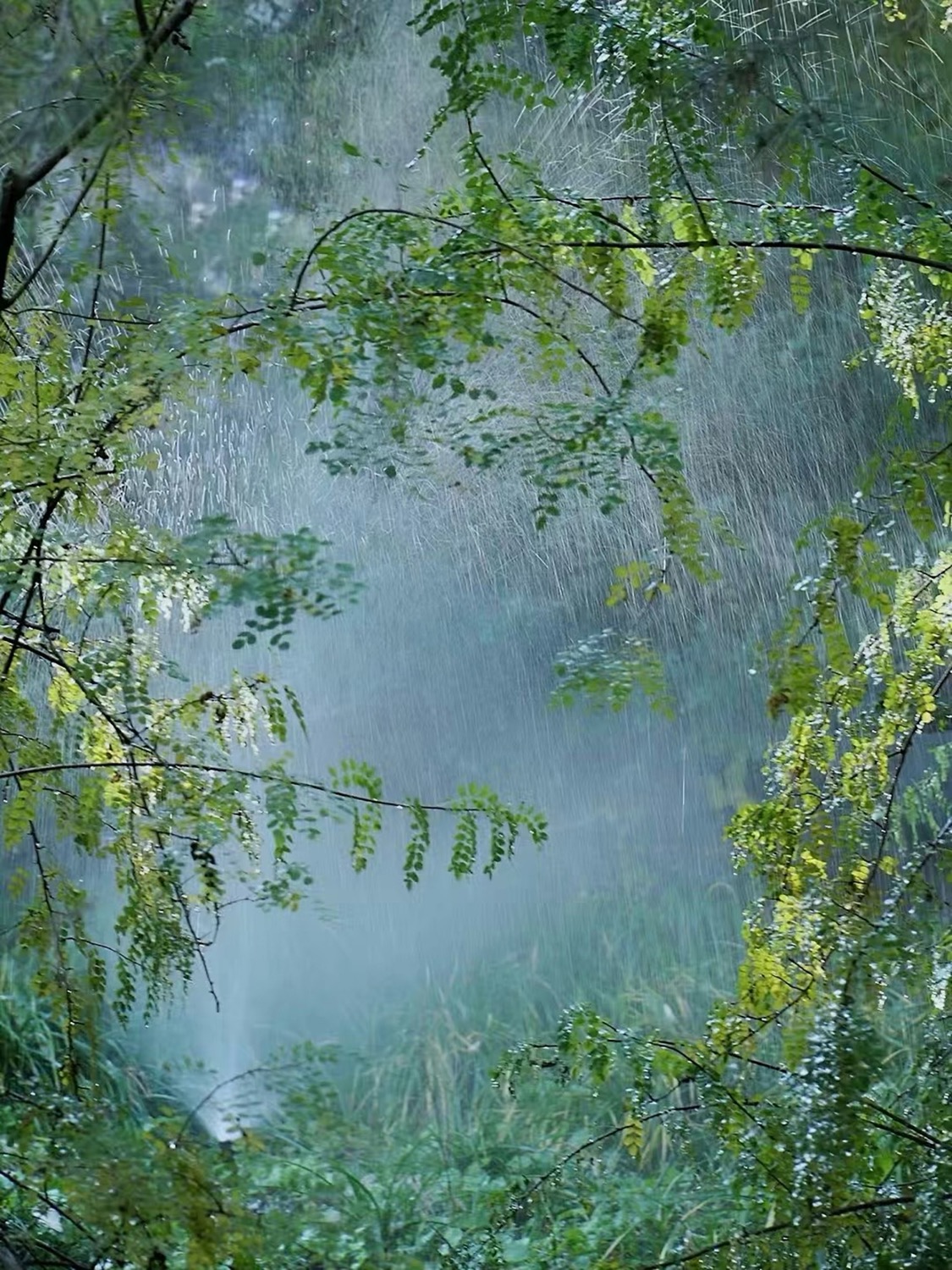
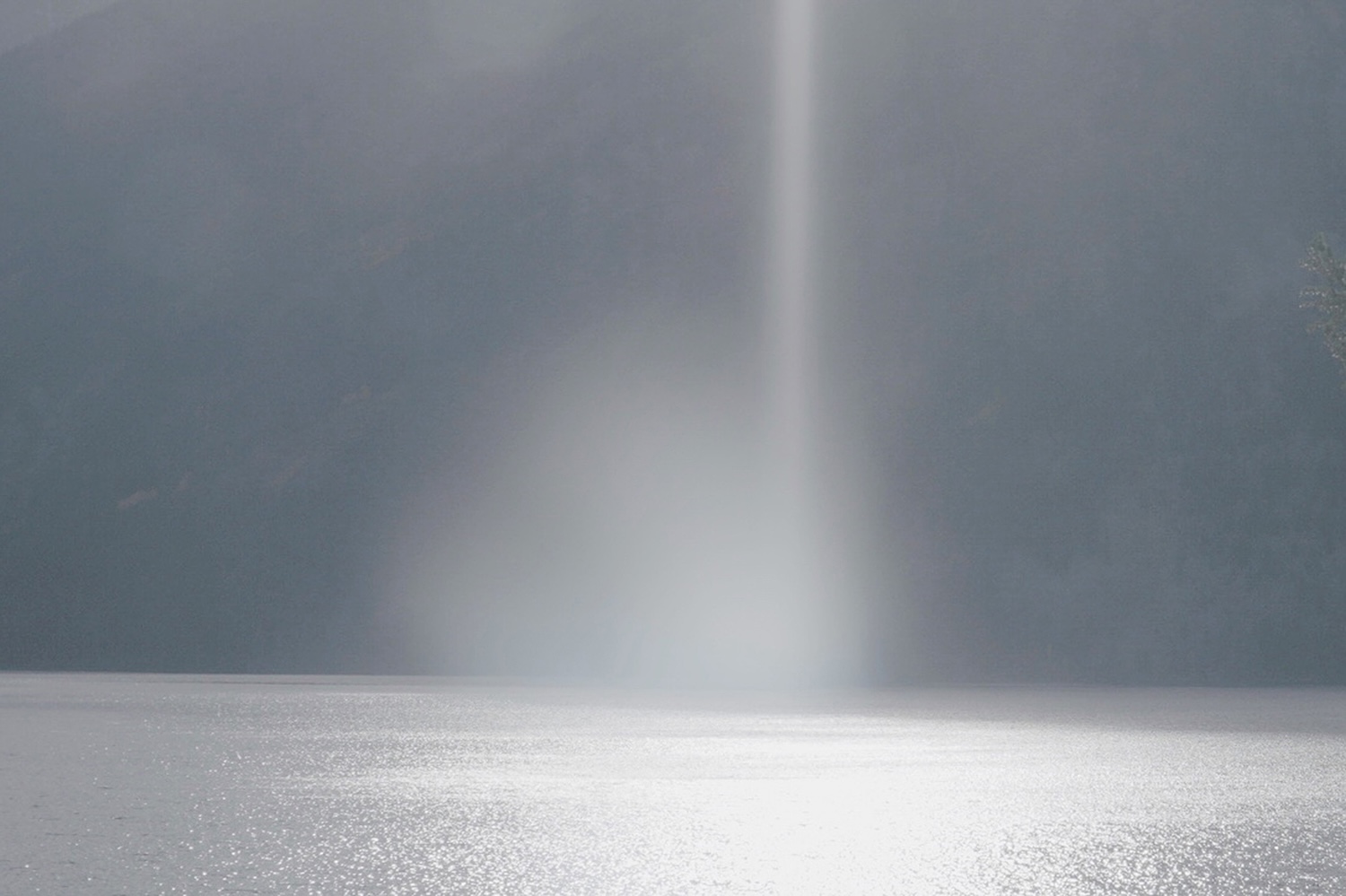
© Jingyi Zhang | Vacuum World
Zhang’s artistic practice is rooted in her fascination with the invisible layers of the natural world. “In my work, I explore the unseen aspects of nature and seek to de-centre the human perspective from natural landscapes. In today’s noisy, information-saturated world, I aim to create spaces of simplicity and calm through my photography—preserving what is invisible and unheard in the natural environment.”
Through this process, Zhang reflects on the pace of modern life and our industrialised existence, searching instead for what she calls “the simplicity and essence of the image itself.” Her photographs become spaces of stillness — not as an escape from the world, but as a way to return to it more sensitively.
Within the Vacuum
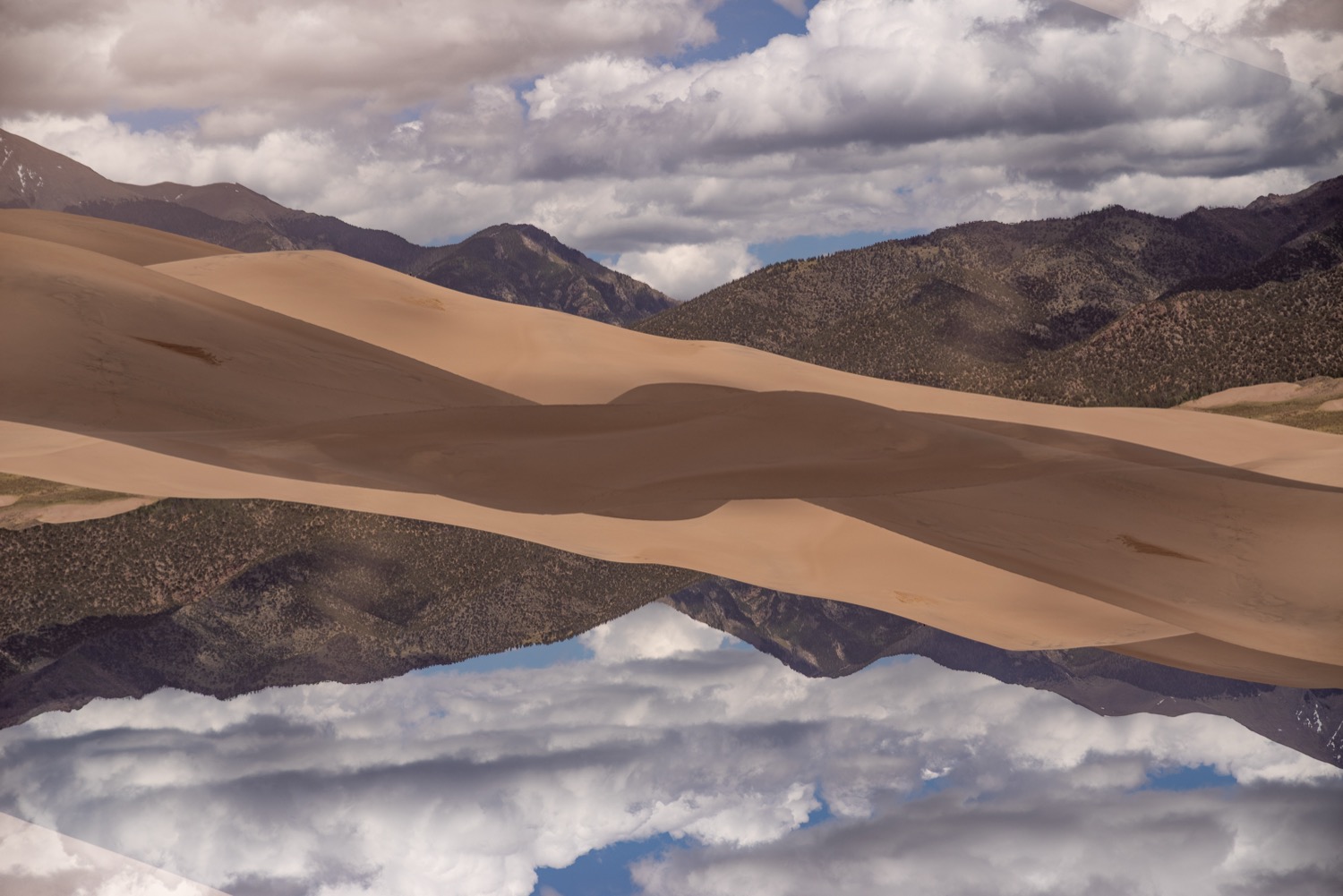
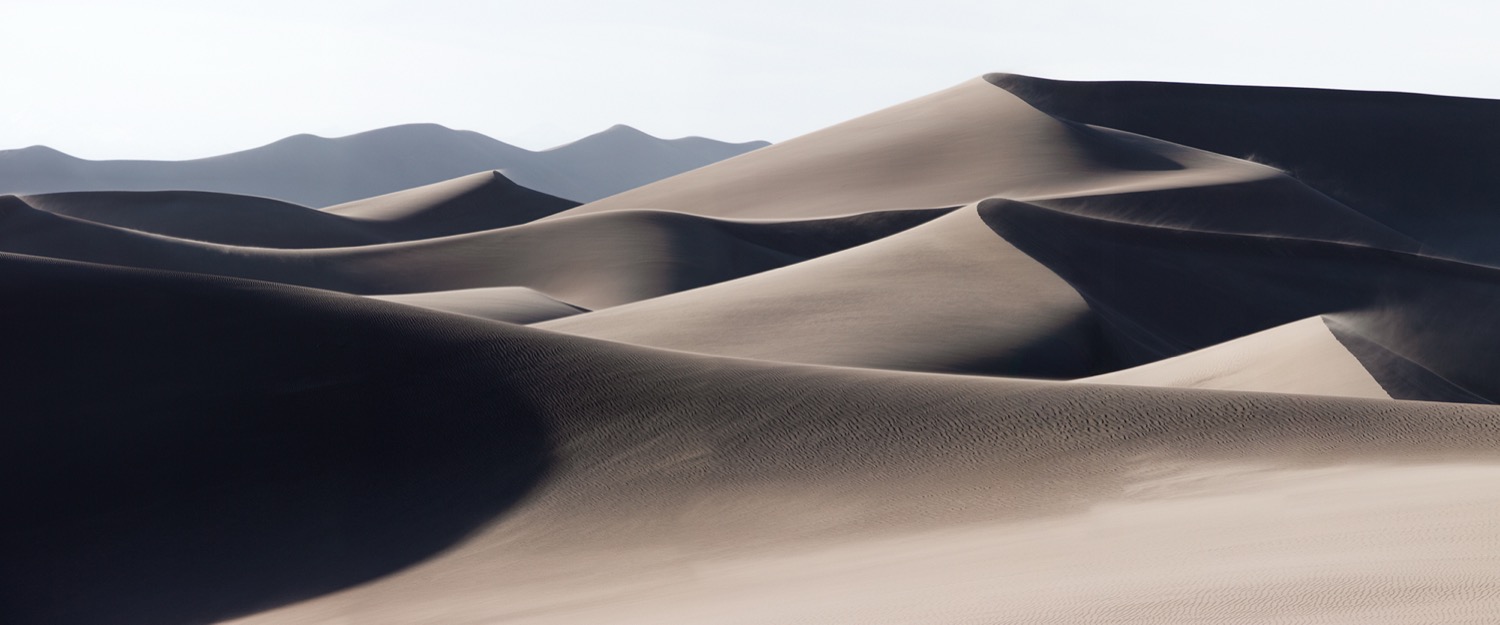
At the heart of Zhang’s philosophy lies the idea of the “vacuum” as both concept and condition — a metaphor for perception stripped of distraction. She says: “In the chaotic material world, vacuum represents a state approaching the limit — an existence that is invisible and often overlooked. Within a vacuum, all sound and substance are stripped away, leaving only the faintest fluctuations. We are compelled to sense the natural presences that are unseen and unheard.”
For Zhang, the vacuum is not emptiness, but essence — a space of heightened awareness. “In my photo series Vacuum World, I place the world within a vacuum-like environment, peeling away external noise to trace the emotional and material remnants submerged in everyday life — those things that are forgotten, unspoken, or never mourned.”
Her goal, she explains, is to create an environment where both viewer and image can exist outside the noise of modernity. “This work attempts to critically construct a purified vacuum space outside the information-saturated modern society, in order to explore the most essential — yet faint and unseen — connections between matter and nature.”
Through this concept, Vacuum World becomes more than a photographic series — it becomes an act of quiet resistance, reclaiming sensitivity and presence in an age of endless acceleration.
This work attempts to critically construct a purified vacuum space outside the information-saturated modern society.
Storytelling Through Connection
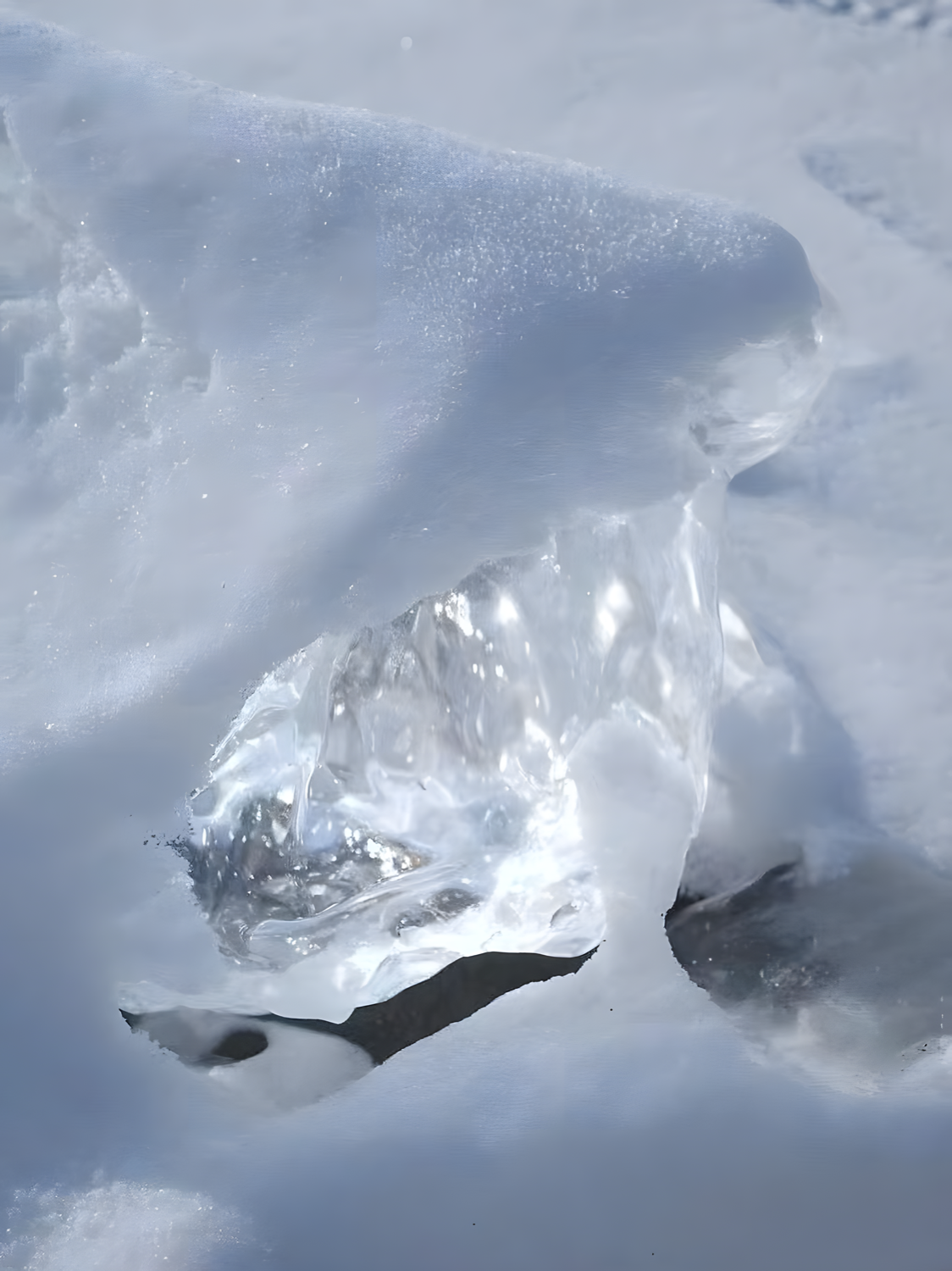
For Zhang, photography is not about documentation, but dialogue. “I don’t limit what I photograph — it can be landscapes, people, or conceptual images,” she says. “Photography is a way for me to have a dialogue with the world, so I try to capture everything that moves me.”
That sense of connection extends to how she constructs her narratives. Zhang approaches storytelling not as something contained within a single frame, but as something that unfolds through the rhythm of a sequence. “Storytelling doesn’t exist only in one single image but becomes clear through the editing and sequencing of a series,” she notes. The arrangement, format, and visual echoes between images shape the story.
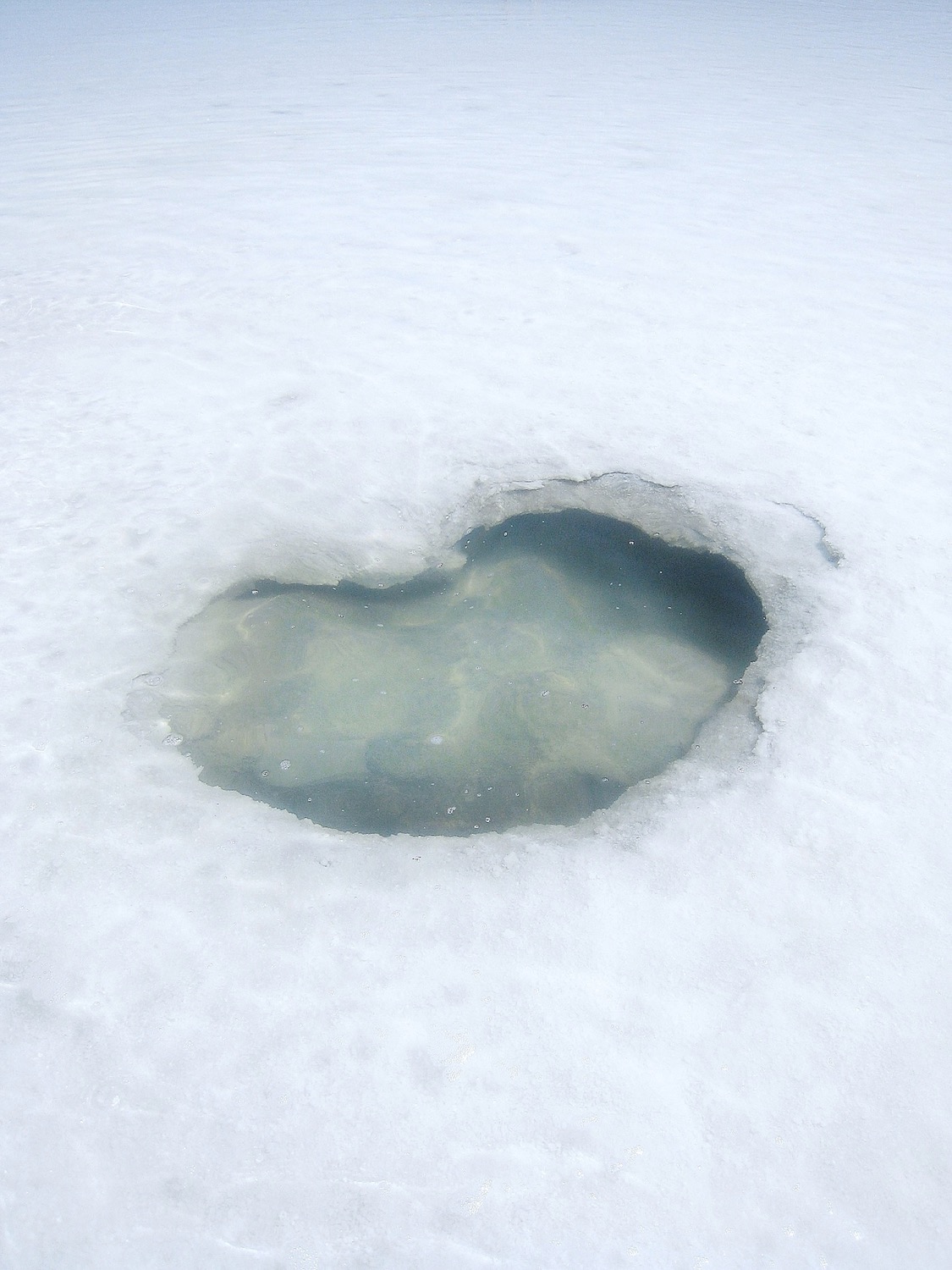
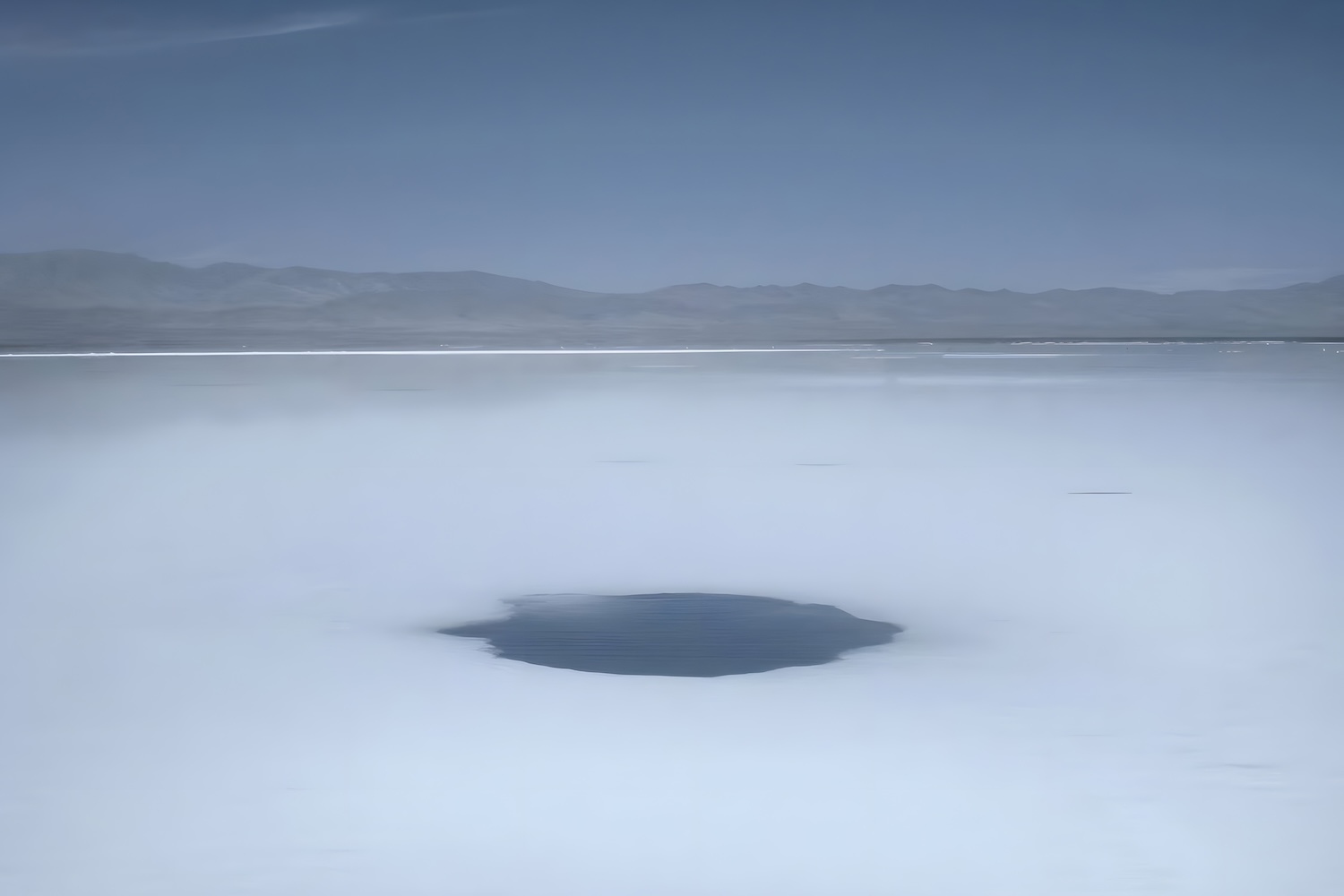
She offers a compelling example: “Combining a photo of an oval collapse in a salt lake with another image of an oval light spot on my desk creates a sense of connection between two different universes through the recurring visual element of the ‘oval hole’ — like a portal or time tunnel often seen in science fiction films.” This sensitivity to pattern and form gives Vacuum World its dreamlike cohesion — a visual poetry composed through the repetition of shape and light.
The Emotion Beneath Stillness
Beneath the serenity of Zhang’s imagery lies a deeply personal history. “The emotional tone of my photography has always been calm and healing,” she reflects. “This comes from what photography gave me when I first started — a sense of peace and comfort.”
As a young woman, she found solace in image-making during a period marked by anxiety and emotional struggle. “In my youth, I often struggled with depression and anxiety. I couldn’t concentrate and cried easily. But when I was photographing, I forgot all my pain and became fully absorbed in the visual world I created.”
That therapeutic relationship to her medium continues to guide her work. “Photography became a form of therapy for me. That’s why I hope my works carry the same feeling — gentle, peaceful, and healing — so viewers can experience similar emotions.”
Zhang’s photographs exude a quiet energy — a stillness charged with movement beneath the surface. “I hope my works feel like a calm sea with unseen undercurrents,” she says. “They carry both the softness and flowing quality of water and the hidden power beneath the stillness that can generate a huge wave.” Her images, often minimal in composition and muted in colour, balance on the edge of perception — calm yet dynamic, quiet yet full of potential.
Feeling and Freedom
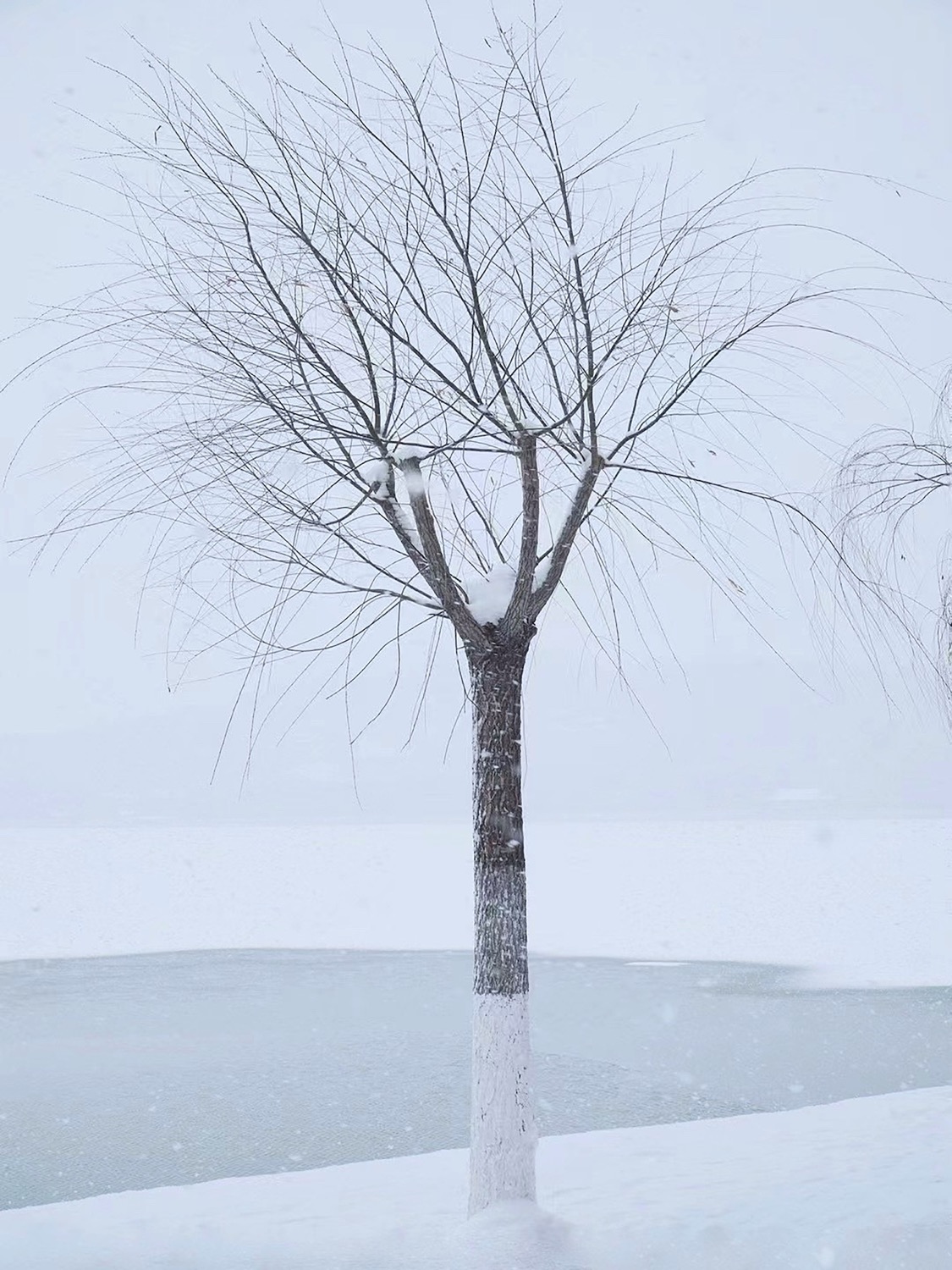
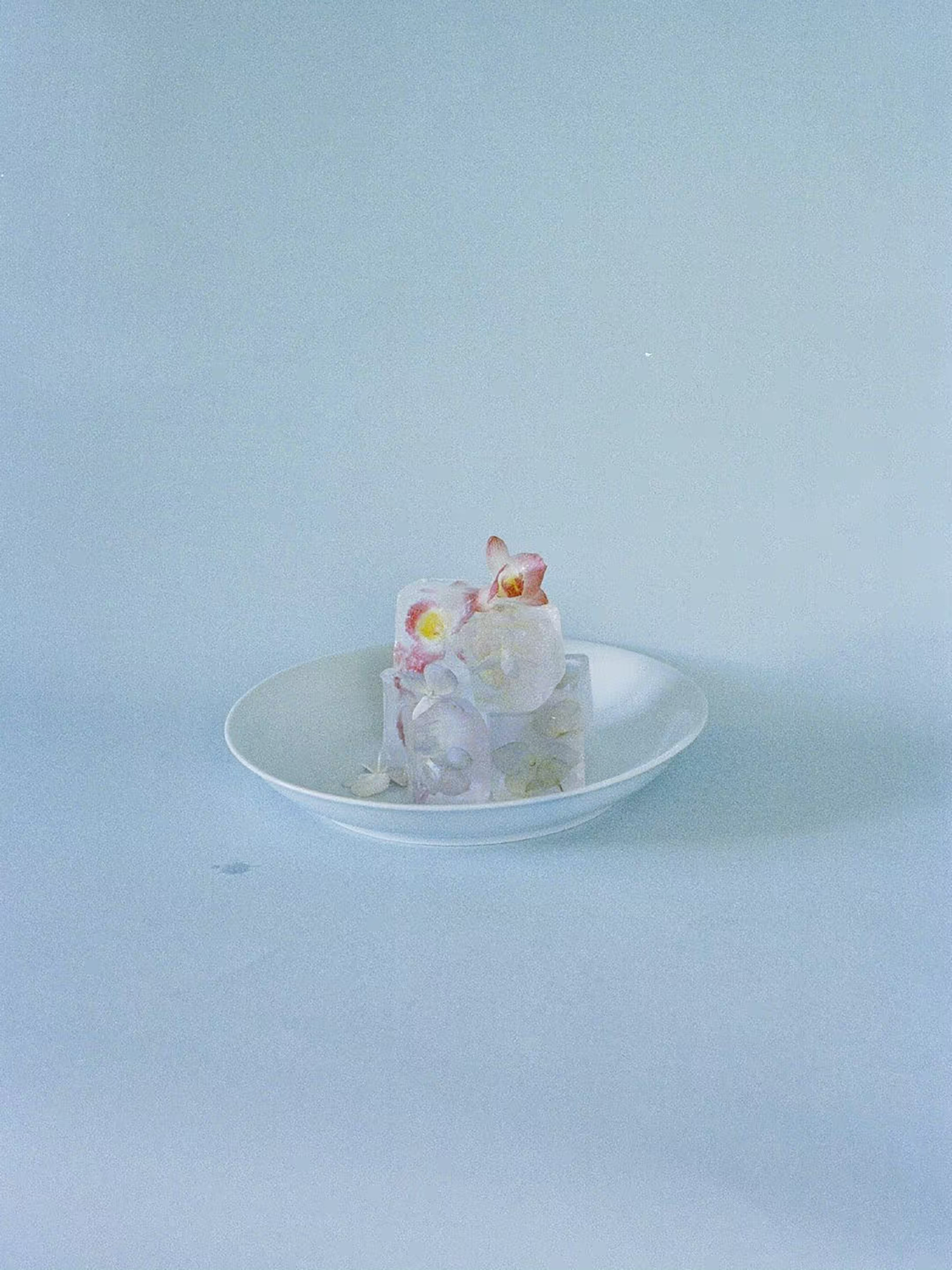
While Zhang’s work is not documentary in the traditional sense, it explores emotional and imaginative truths. “My photography doesn’t focus on recording specific real-world events like documentary photography,” she explains. “Instead, it builds an imaginative world — a space of sensitivity and freedom beyond the real world.”
She describes this as a kind of visual reconstruction: “Many emotions that are overlooked in daily life or that don’t exist in reality can be reconstructed in photography — combining, collaging, and rebuilding elements from real life. It’s both a reflection of reality and a kind of visual fiction.”
In Vacuum World, this interplay between reality and imagination creates a quiet tension—a world at once familiar and strange, tactile and ethereal.
Many emotions that are overlooked in daily life or that don’t exist in reality can be reconstructed in photography.
Echoes of Asian Culture
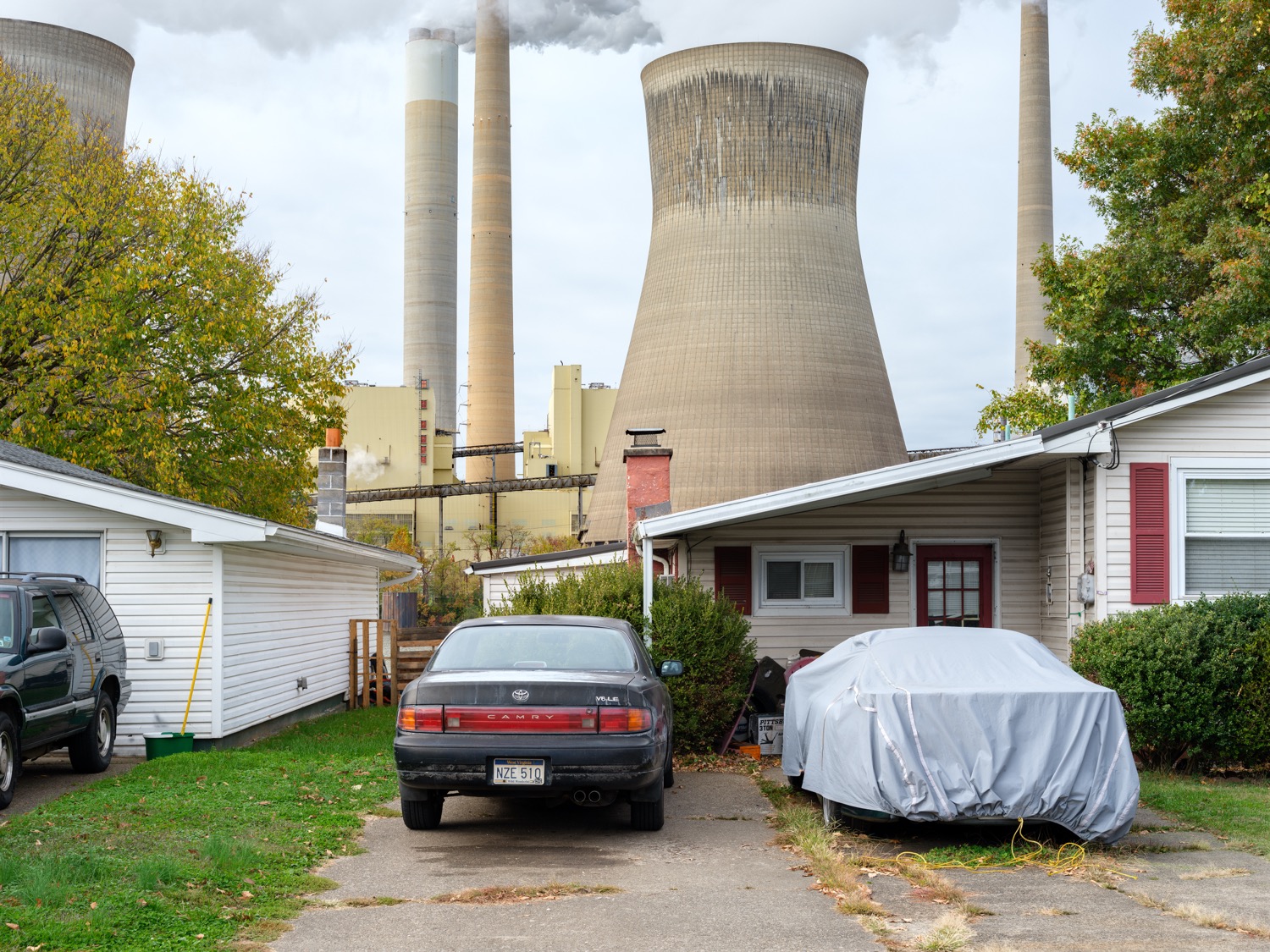
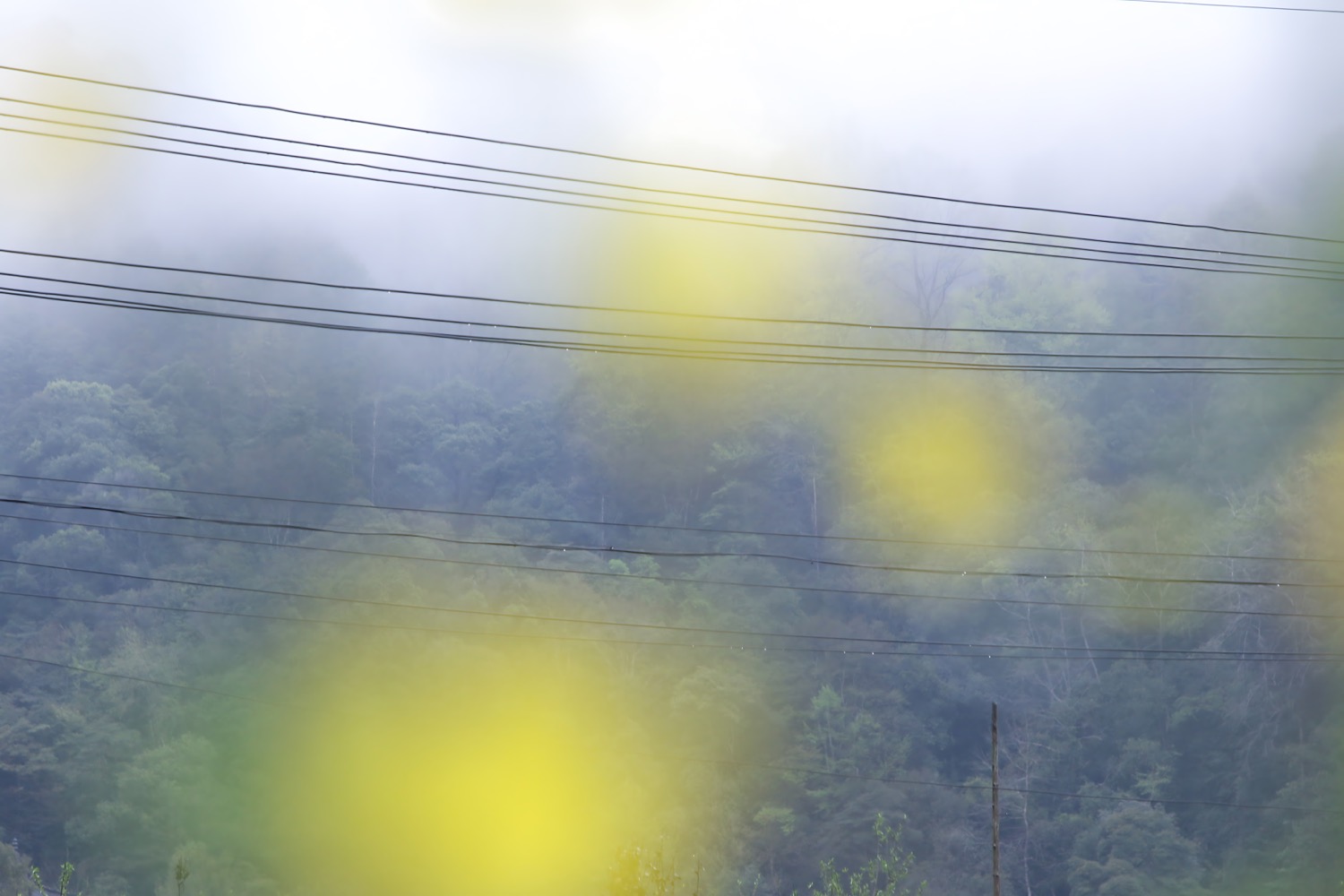
Though Zhang does not approach her work through overtly political or social themes, her imagery carries an unmistakable sense of cultural resonance. “Photography is a direct medium for showing different cultures and social conditions,” she says. “A single image is like a labyrinth full of visual clues — streets, clothing, gestures, architecture, composition.”
She recalls an encounter at her exhibition, Portal of Nature in Brooklyn: “One visitor told me they immediately felt I must be an Asian artist just from the feeling of the images. I find that fascinating.” For Zhang, this exchange revealed how cultural identity can be expressed not only through subject matter, but through rhythm, restraint, and form. “Cultural and social identity can be shown not only through content but also through form — the unique sense and rhythm each culture brings to an image, which creates a kind of ‘grammar’.”
Light, Simplicity, and Dream
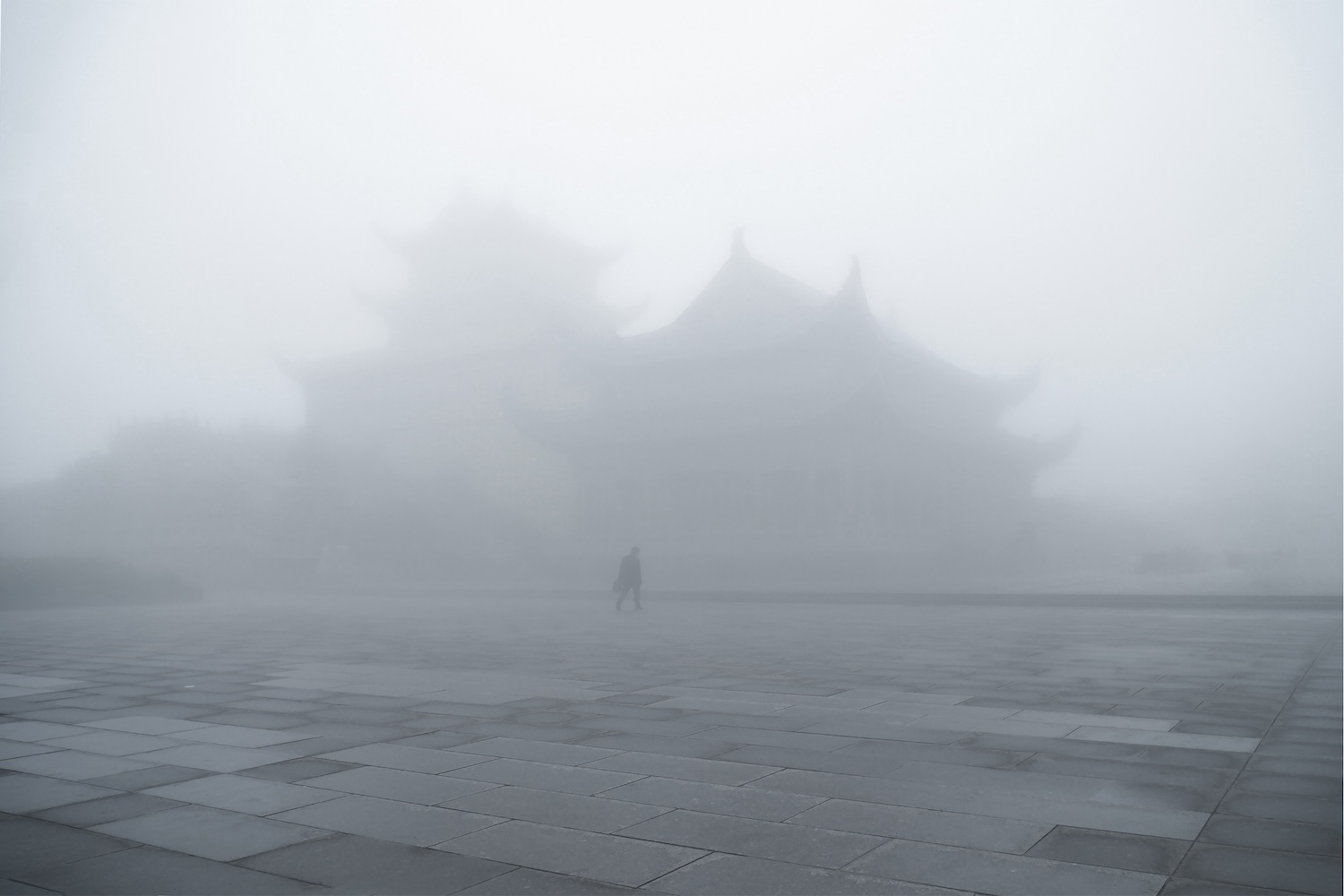
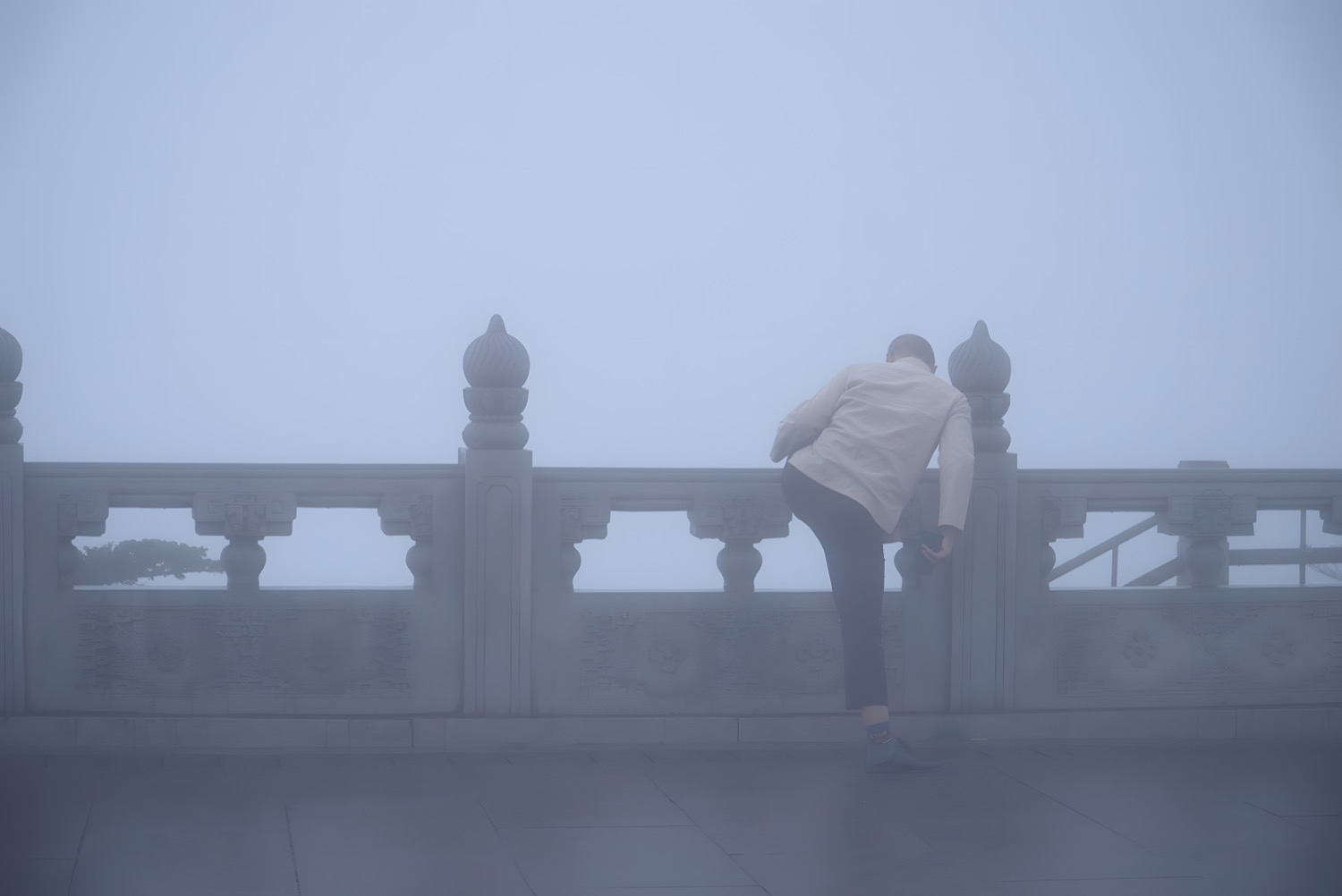
In Zhang’s visual world, technique and meaning form a single language. She notes that every technical decision carries emotional weight. “I find it difficult to clearly separate special techniques from the final meaning of an image — they are intertwined and complex, like chemical reagents mixing together, where you never know what the final reaction will be.”
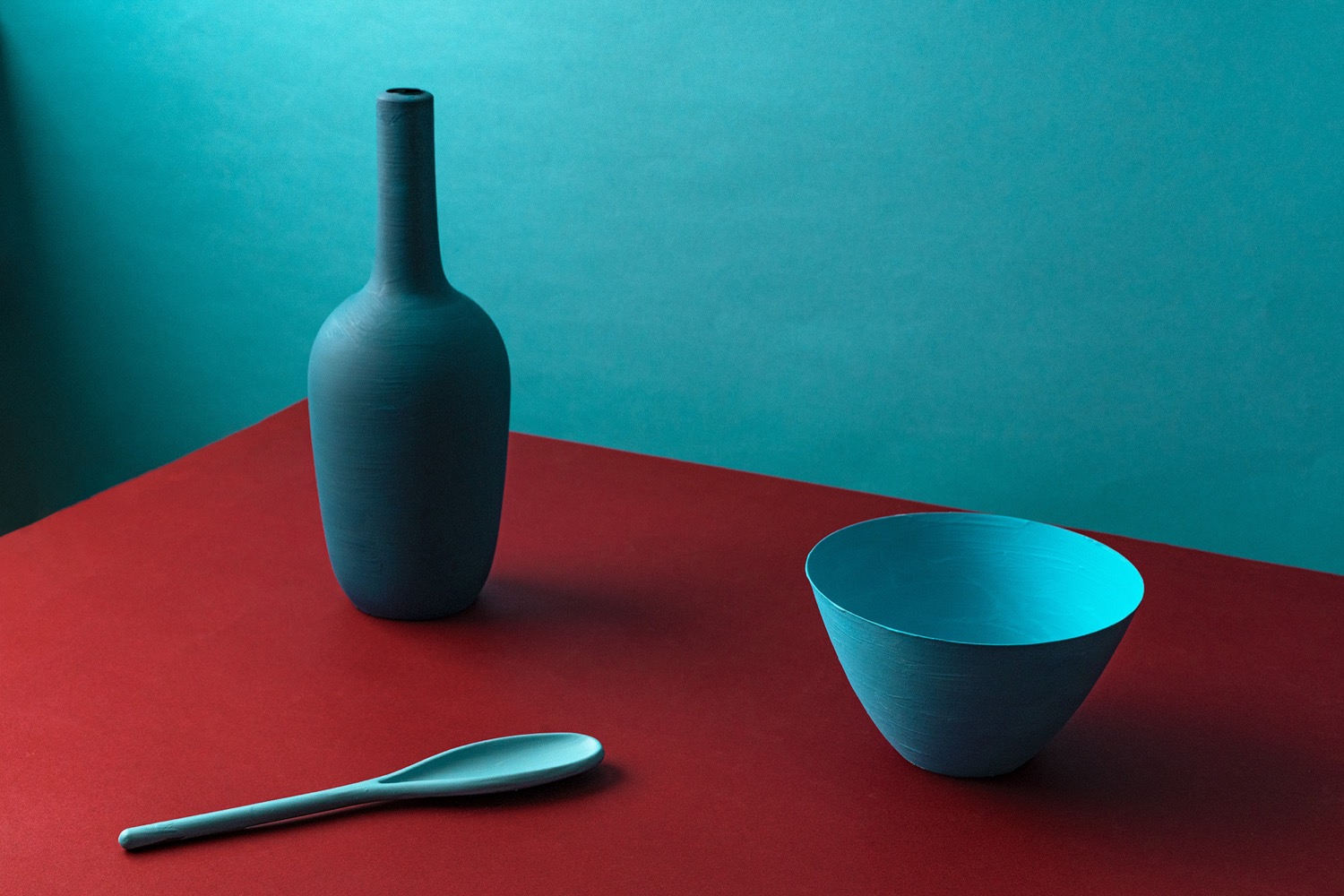
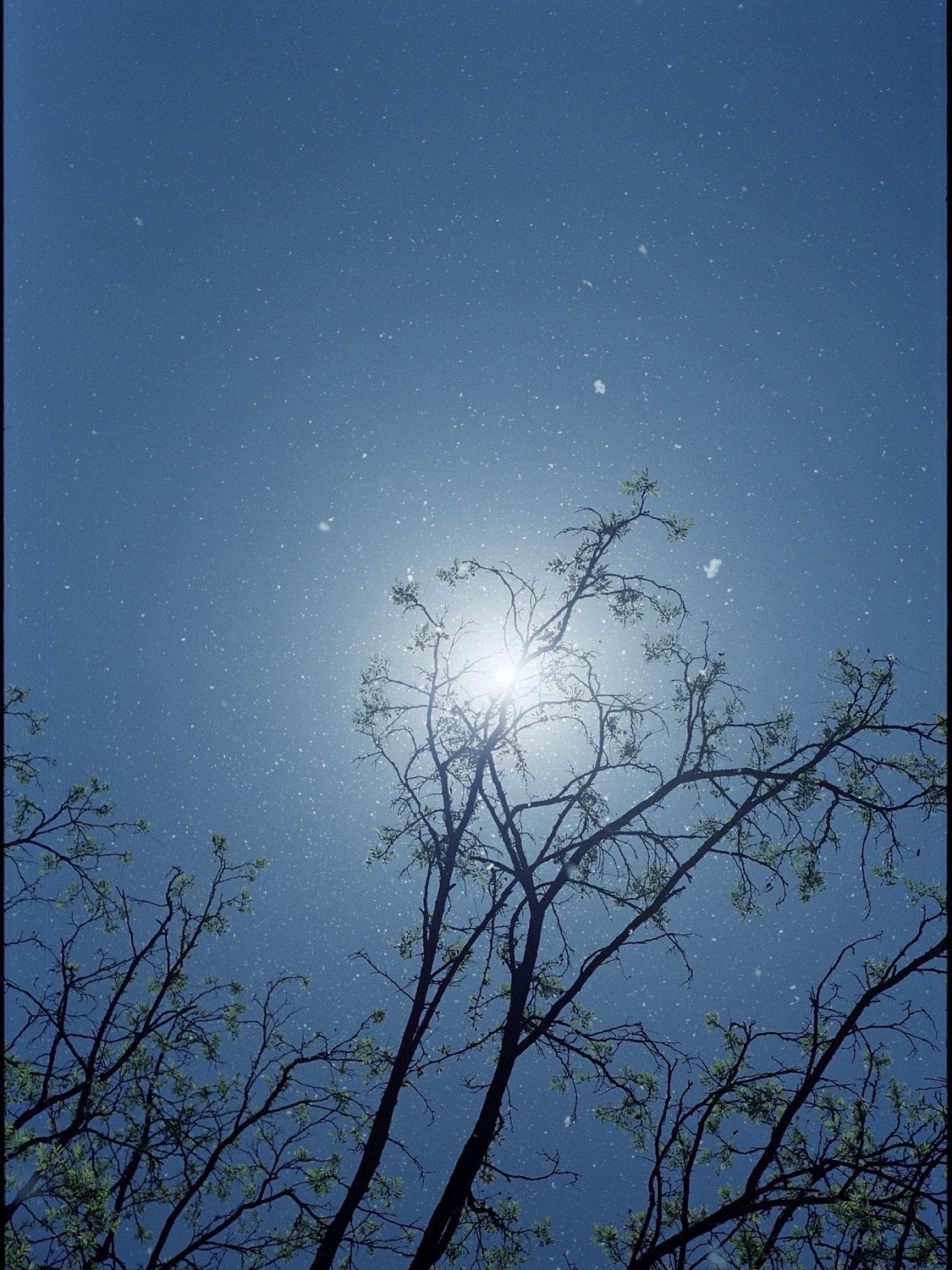
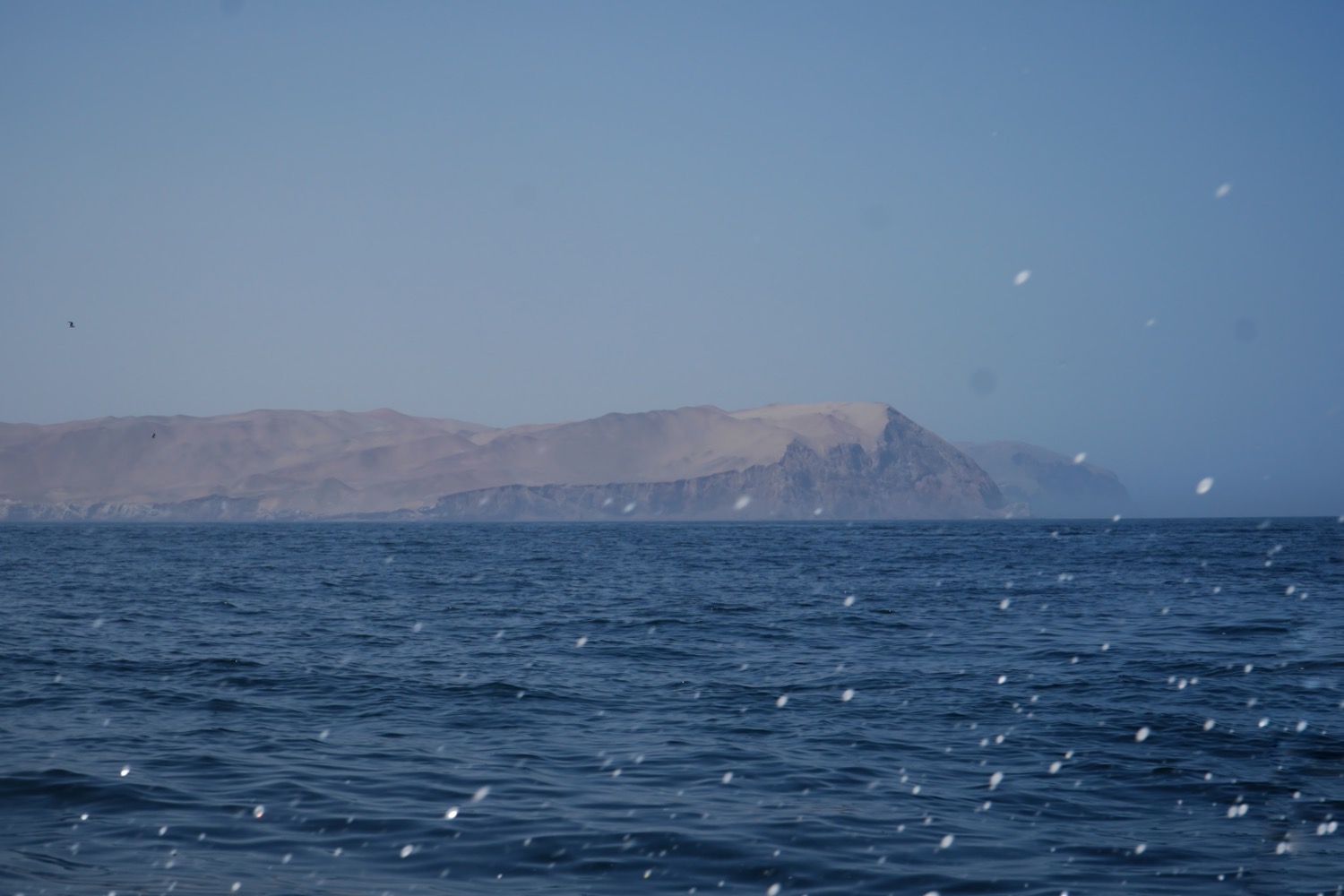
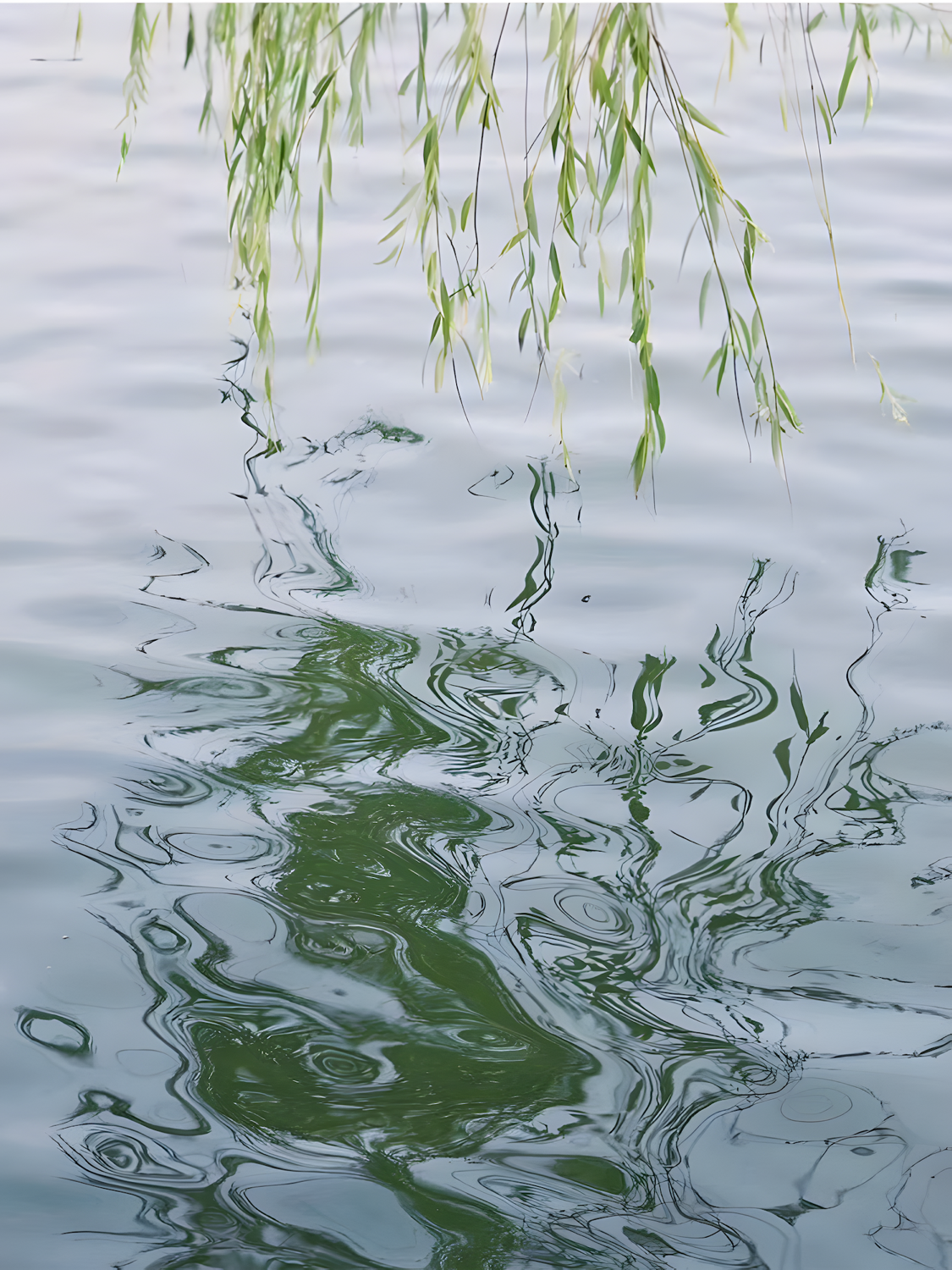
Her compositions often revolve around singular elements — “a hand, a pond, a walking figure, or an eye” — surrounded by space. This simplicity, she says, allows the imagination to expand. Soft, low-saturation tones of green and blue dominate her palette, contributing to the dreamlike calm that defines her images. “Soft light spots often appear in my work, bringing a dreamy, surreal atmosphere to the images,” she explains. “In terms of colour, I prefer low-saturation greens and blues, which also reflect my own personality in some way.”
New Dimensions
Zhang’s creative journey continues to evolve. Recently, she has begun pushing her photography into three-dimensional and multimedia spaces. “As I’ve photographed more over the years, I’ve become familiar with my comfort zone — and sometimes lose the excitement I used to feel. To seek new possibilities, I began experimenting with three-dimensional presentations: printing my photos on chiffon fabrics, embedding them in resin, and expanding photography into spaces and video installations.”
Her curiosity also extends to the changing visual culture of the digital age. “I’m also developing fashion-conceptual projects and researching the idea of operational images. In today’s AI era, images don’t just represent the world — they operate on us, subtly shaping our thoughts through algorithms and data.” Zhang’s approach remains fluid and open-ended: “I want my art to stay free, open, and ever-exploring. I don’t mind abandoning old styles to discover new media and new worlds.”
.svg)


.svg)
.svg)

Zhang’s artistic practice is rooted in her fascination with the invisible layers of the natural world. “In my work, I explore the unseen aspects of nature and seek to de-centre the human perspective from natural landscapes. In today’s noisy, information-saturated world, I aim to create spaces of simplicity and calm through my photography—preserving what is invisible and unheard in the natural environment.”
Through this process, Zhang reflects on the pace of modern life and our industrialised existence, searching instead for what she calls “the simplicity and essence of the image itself.” Her photographs become spaces of stillness — not as an escape from the world, but as a way to return to it more sensitively.
Within the Vacuum
At the heart of Zhang’s philosophy lies the idea of the “vacuum” as both concept and condition — a metaphor for perception stripped of distraction. She says: “In the chaotic material world, vacuum represents a state approaching the limit — an existence that is invisible and often overlooked. Within a vacuum, all sound and substance are stripped away, leaving only the faintest fluctuations. We are compelled to sense the natural presences that are unseen and unheard.”
For Zhang, the vacuum is not emptiness, but essence — a space of heightened awareness. “In my photo series Vacuum World, I place the world within a vacuum-like environment, peeling away external noise to trace the emotional and material remnants submerged in everyday life — those things that are forgotten, unspoken, or never mourned.”
Her goal, she explains, is to create an environment where both viewer and image can exist outside the noise of modernity. “This work attempts to critically construct a purified vacuum space outside the information-saturated modern society, in order to explore the most essential — yet faint and unseen — connections between matter and nature.”
Through this concept, Vacuum World becomes more than a photographic series — it becomes an act of quiet resistance, reclaiming sensitivity and presence in an age of endless acceleration.
This work attempts to critically construct a purified vacuum space outside the information-saturated modern society.
Storytelling Through Connection
For Zhang, photography is not about documentation, but dialogue. “I don’t limit what I photograph — it can be landscapes, people, or conceptual images,” she says. “Photography is a way for me to have a dialogue with the world, so I try to capture everything that moves me.”
That sense of connection extends to how she constructs her narratives. Zhang approaches storytelling not as something contained within a single frame, but as something that unfolds through the rhythm of a sequence. “Storytelling doesn’t exist only in one single image but becomes clear through the editing and sequencing of a series,” she notes. The arrangement, format, and visual echoes between images shape the story.
She offers a compelling example: “Combining a photo of an oval collapse in a salt lake with another image of an oval light spot on my desk creates a sense of connection between two different universes through the recurring visual element of the ‘oval hole’ — like a portal or time tunnel often seen in science fiction films.” This sensitivity to pattern and form gives Vacuum World its dreamlike cohesion — a visual poetry composed through the repetition of shape and light.
The Emotion Beneath Stillness
Beneath the serenity of Zhang’s imagery lies a deeply personal history. “The emotional tone of my photography has always been calm and healing,” she reflects. “This comes from what photography gave me when I first started — a sense of peace and comfort.”
As a young woman, she found solace in image-making during a period marked by anxiety and emotional struggle. “In my youth, I often struggled with depression and anxiety. I couldn’t concentrate and cried easily. But when I was photographing, I forgot all my pain and became fully absorbed in the visual world I created.”
That therapeutic relationship to her medium continues to guide her work. “Photography became a form of therapy for me. That’s why I hope my works carry the same feeling — gentle, peaceful, and healing — so viewers can experience similar emotions.”
Zhang’s photographs exude a quiet energy — a stillness charged with movement beneath the surface. “I hope my works feel like a calm sea with unseen undercurrents,” she says. “They carry both the softness and flowing quality of water and the hidden power beneath the stillness that can generate a huge wave.” Her images, often minimal in composition and muted in colour, balance on the edge of perception — calm yet dynamic, quiet yet full of potential.
Feeling and Freedom
While Zhang’s work is not documentary in the traditional sense, it explores emotional and imaginative truths. “My photography doesn’t focus on recording specific real-world events like documentary photography,” she explains. “Instead, it builds an imaginative world — a space of sensitivity and freedom beyond the real world.”
She describes this as a kind of visual reconstruction: “Many emotions that are overlooked in daily life or that don’t exist in reality can be reconstructed in photography — combining, collaging, and rebuilding elements from real life. It’s both a reflection of reality and a kind of visual fiction.”
In Vacuum World, this interplay between reality and imagination creates a quiet tension—a world at once familiar and strange, tactile and ethereal.
Many emotions that are overlooked in daily life or that don’t exist in reality can be reconstructed in photography.
Echoes of Asian Culture
Though Zhang does not approach her work through overtly political or social themes, her imagery carries an unmistakable sense of cultural resonance. “Photography is a direct medium for showing different cultures and social conditions,” she says. “A single image is like a labyrinth full of visual clues — streets, clothing, gestures, architecture, composition.”
She recalls an encounter at her exhibition, Portal of Nature in Brooklyn: “One visitor told me they immediately felt I must be an Asian artist just from the feeling of the images. I find that fascinating.” For Zhang, this exchange revealed how cultural identity can be expressed not only through subject matter, but through rhythm, restraint, and form. “Cultural and social identity can be shown not only through content but also through form — the unique sense and rhythm each culture brings to an image, which creates a kind of ‘grammar’.”
Light, Simplicity, and Dream
In Zhang’s visual world, technique and meaning form a single language. She notes that every technical decision carries emotional weight. “I find it difficult to clearly separate special techniques from the final meaning of an image — they are intertwined and complex, like chemical reagents mixing together, where you never know what the final reaction will be.”
Her compositions often revolve around singular elements — “a hand, a pond, a walking figure, or an eye” — surrounded by space. This simplicity, she says, allows the imagination to expand. Soft, low-saturation tones of green and blue dominate her palette, contributing to the dreamlike calm that defines her images. “Soft light spots often appear in my work, bringing a dreamy, surreal atmosphere to the images,” she explains. “In terms of colour, I prefer low-saturation greens and blues, which also reflect my own personality in some way.”
New Dimensions
Zhang’s creative journey continues to evolve. Recently, she has begun pushing her photography into three-dimensional and multimedia spaces. “As I’ve photographed more over the years, I’ve become familiar with my comfort zone — and sometimes lose the excitement I used to feel. To seek new possibilities, I began experimenting with three-dimensional presentations: printing my photos on chiffon fabrics, embedding them in resin, and expanding photography into spaces and video installations.”
Her curiosity also extends to the changing visual culture of the digital age. “I’m also developing fashion-conceptual projects and researching the idea of operational images. In today’s AI era, images don’t just represent the world — they operate on us, subtly shaping our thoughts through algorithms and data.” Zhang’s approach remains fluid and open-ended: “I want my art to stay free, open, and ever-exploring. I don’t mind abandoning old styles to discover new media and new worlds.”
Zhang’s artistic practice is rooted in her fascination with the invisible layers of the natural world. “In my work, I explore the unseen aspects of nature and seek to de-centre the human perspective from natural landscapes. In today’s noisy, information-saturated world, I aim to create spaces of simplicity and calm through my photography—preserving what is invisible and unheard in the natural environment.”
Through this process, Zhang reflects on the pace of modern life and our industrialised existence, searching instead for what she calls “the simplicity and essence of the image itself.” Her photographs become spaces of stillness — not as an escape from the world, but as a way to return to it more sensitively.
Within the Vacuum
At the heart of Zhang’s philosophy lies the idea of the “vacuum” as both concept and condition — a metaphor for perception stripped of distraction. She says: “In the chaotic material world, vacuum represents a state approaching the limit — an existence that is invisible and often overlooked. Within a vacuum, all sound and substance are stripped away, leaving only the faintest fluctuations. We are compelled to sense the natural presences that are unseen and unheard.”
For Zhang, the vacuum is not emptiness, but essence — a space of heightened awareness. “In my photo series Vacuum World, I place the world within a vacuum-like environment, peeling away external noise to trace the emotional and material remnants submerged in everyday life — those things that are forgotten, unspoken, or never mourned.”
Her goal, she explains, is to create an environment where both viewer and image can exist outside the noise of modernity. “This work attempts to critically construct a purified vacuum space outside the information-saturated modern society, in order to explore the most essential — yet faint and unseen — connections between matter and nature.”
Through this concept, Vacuum World becomes more than a photographic series — it becomes an act of quiet resistance, reclaiming sensitivity and presence in an age of endless acceleration.
This work attempts to critically construct a purified vacuum space outside the information-saturated modern society.
Storytelling Through Connection
For Zhang, photography is not about documentation, but dialogue. “I don’t limit what I photograph — it can be landscapes, people, or conceptual images,” she says. “Photography is a way for me to have a dialogue with the world, so I try to capture everything that moves me.”
That sense of connection extends to how she constructs her narratives. Zhang approaches storytelling not as something contained within a single frame, but as something that unfolds through the rhythm of a sequence. “Storytelling doesn’t exist only in one single image but becomes clear through the editing and sequencing of a series,” she notes. The arrangement, format, and visual echoes between images shape the story.
She offers a compelling example: “Combining a photo of an oval collapse in a salt lake with another image of an oval light spot on my desk creates a sense of connection between two different universes through the recurring visual element of the ‘oval hole’ — like a portal or time tunnel often seen in science fiction films.” This sensitivity to pattern and form gives Vacuum World its dreamlike cohesion — a visual poetry composed through the repetition of shape and light.
The Emotion Beneath Stillness
Beneath the serenity of Zhang’s imagery lies a deeply personal history. “The emotional tone of my photography has always been calm and healing,” she reflects. “This comes from what photography gave me when I first started — a sense of peace and comfort.”
As a young woman, she found solace in image-making during a period marked by anxiety and emotional struggle. “In my youth, I often struggled with depression and anxiety. I couldn’t concentrate and cried easily. But when I was photographing, I forgot all my pain and became fully absorbed in the visual world I created.”
That therapeutic relationship to her medium continues to guide her work. “Photography became a form of therapy for me. That’s why I hope my works carry the same feeling — gentle, peaceful, and healing — so viewers can experience similar emotions.”
Zhang’s photographs exude a quiet energy — a stillness charged with movement beneath the surface. “I hope my works feel like a calm sea with unseen undercurrents,” she says. “They carry both the softness and flowing quality of water and the hidden power beneath the stillness that can generate a huge wave.” Her images, often minimal in composition and muted in colour, balance on the edge of perception — calm yet dynamic, quiet yet full of potential.
Feeling and Freedom
While Zhang’s work is not documentary in the traditional sense, it explores emotional and imaginative truths. “My photography doesn’t focus on recording specific real-world events like documentary photography,” she explains. “Instead, it builds an imaginative world — a space of sensitivity and freedom beyond the real world.”
She describes this as a kind of visual reconstruction: “Many emotions that are overlooked in daily life or that don’t exist in reality can be reconstructed in photography — combining, collaging, and rebuilding elements from real life. It’s both a reflection of reality and a kind of visual fiction.”
In Vacuum World, this interplay between reality and imagination creates a quiet tension—a world at once familiar and strange, tactile and ethereal.
Many emotions that are overlooked in daily life or that don’t exist in reality can be reconstructed in photography.
Echoes of Asian Culture
Though Zhang does not approach her work through overtly political or social themes, her imagery carries an unmistakable sense of cultural resonance. “Photography is a direct medium for showing different cultures and social conditions,” she says. “A single image is like a labyrinth full of visual clues — streets, clothing, gestures, architecture, composition.”
She recalls an encounter at her exhibition, Portal of Nature in Brooklyn: “One visitor told me they immediately felt I must be an Asian artist just from the feeling of the images. I find that fascinating.” For Zhang, this exchange revealed how cultural identity can be expressed not only through subject matter, but through rhythm, restraint, and form. “Cultural and social identity can be shown not only through content but also through form — the unique sense and rhythm each culture brings to an image, which creates a kind of ‘grammar’.”
Light, Simplicity, and Dream
In Zhang’s visual world, technique and meaning form a single language. She notes that every technical decision carries emotional weight. “I find it difficult to clearly separate special techniques from the final meaning of an image — they are intertwined and complex, like chemical reagents mixing together, where you never know what the final reaction will be.”
Her compositions often revolve around singular elements — “a hand, a pond, a walking figure, or an eye” — surrounded by space. This simplicity, she says, allows the imagination to expand. Soft, low-saturation tones of green and blue dominate her palette, contributing to the dreamlike calm that defines her images. “Soft light spots often appear in my work, bringing a dreamy, surreal atmosphere to the images,” she explains. “In terms of colour, I prefer low-saturation greens and blues, which also reflect my own personality in some way.”
New Dimensions
Zhang’s creative journey continues to evolve. Recently, she has begun pushing her photography into three-dimensional and multimedia spaces. “As I’ve photographed more over the years, I’ve become familiar with my comfort zone — and sometimes lose the excitement I used to feel. To seek new possibilities, I began experimenting with three-dimensional presentations: printing my photos on chiffon fabrics, embedding them in resin, and expanding photography into spaces and video installations.”
Her curiosity also extends to the changing visual culture of the digital age. “I’m also developing fashion-conceptual projects and researching the idea of operational images. In today’s AI era, images don’t just represent the world — they operate on us, subtly shaping our thoughts through algorithms and data.” Zhang’s approach remains fluid and open-ended: “I want my art to stay free, open, and ever-exploring. I don’t mind abandoning old styles to discover new media and new worlds.”