© Xavier Manrique | Antany
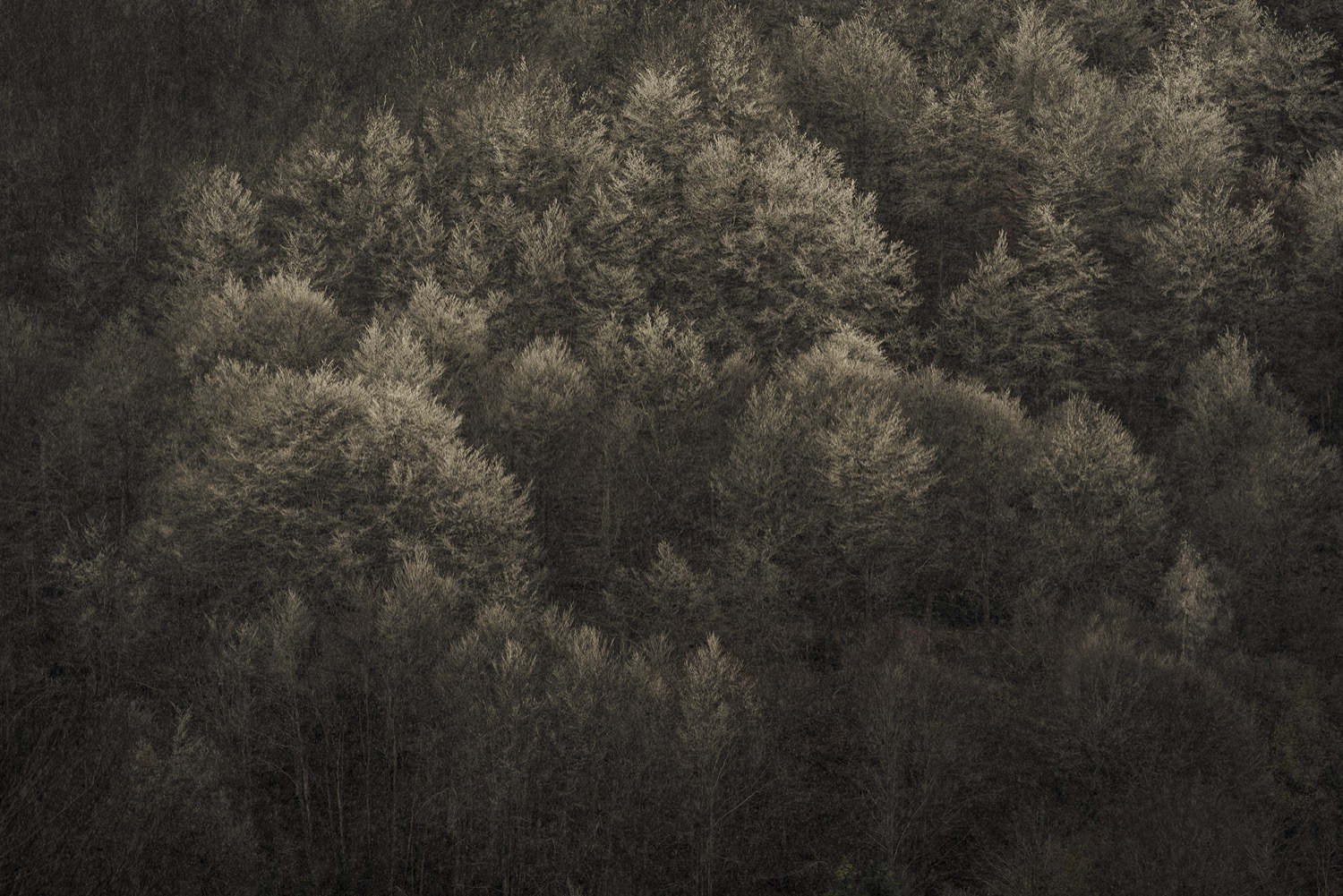
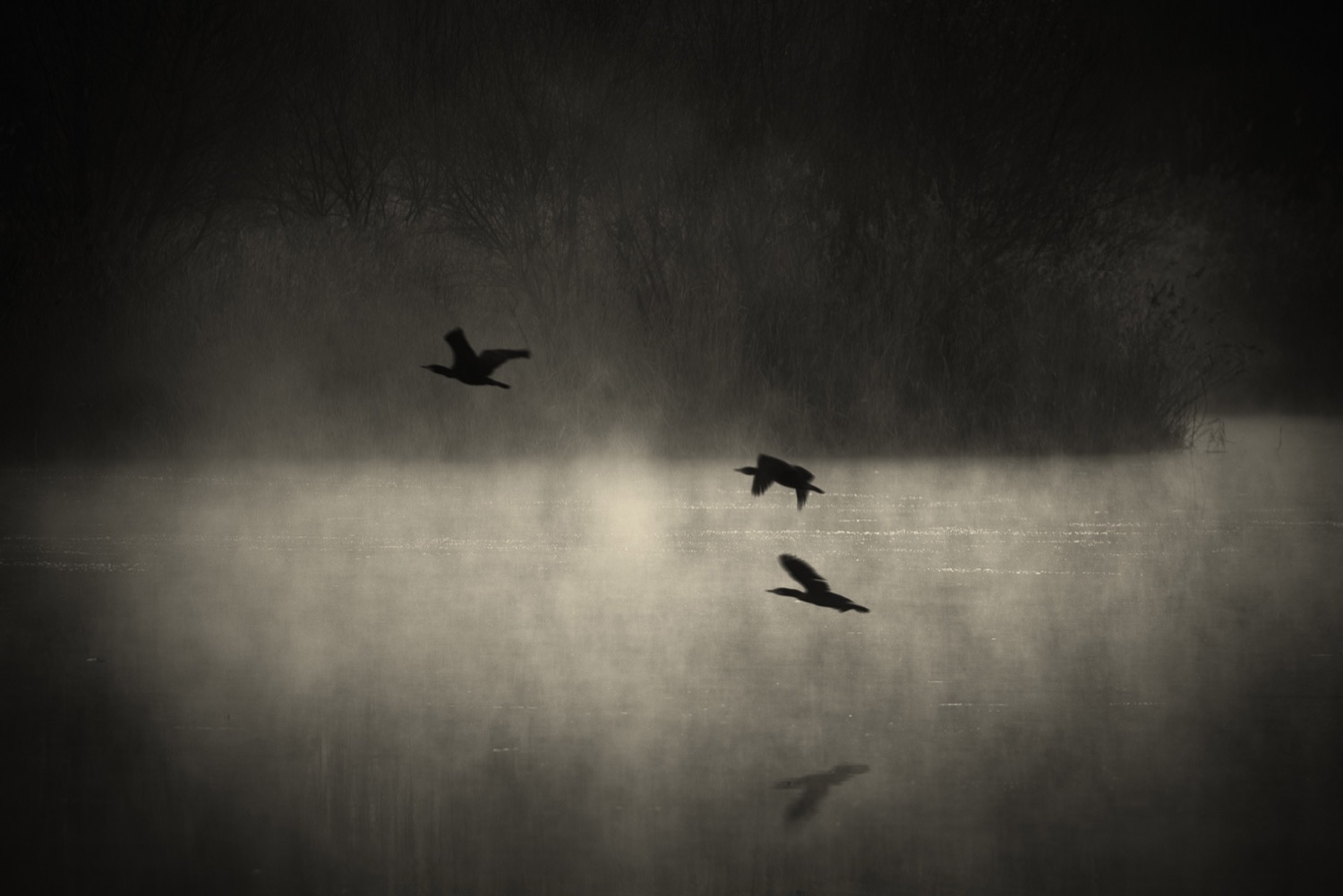
Developed through solitary walks in fog-laden forests and along silent rivers, the series moves beyond documentation to evoke atmosphere and emotional presence. Timeless, melancholic tones dissolve clear geography, allowing inner states to emerge through the natural world. Working with a poetic documentary sensibility, Manrique treats photography as an act of patience and attentiveness, open to ambiguity and suggestion. Antany ultimately reflects on the place as an internal experience — one that exists in fragments, intuition, and the quiet space between what is seen and what is felt.
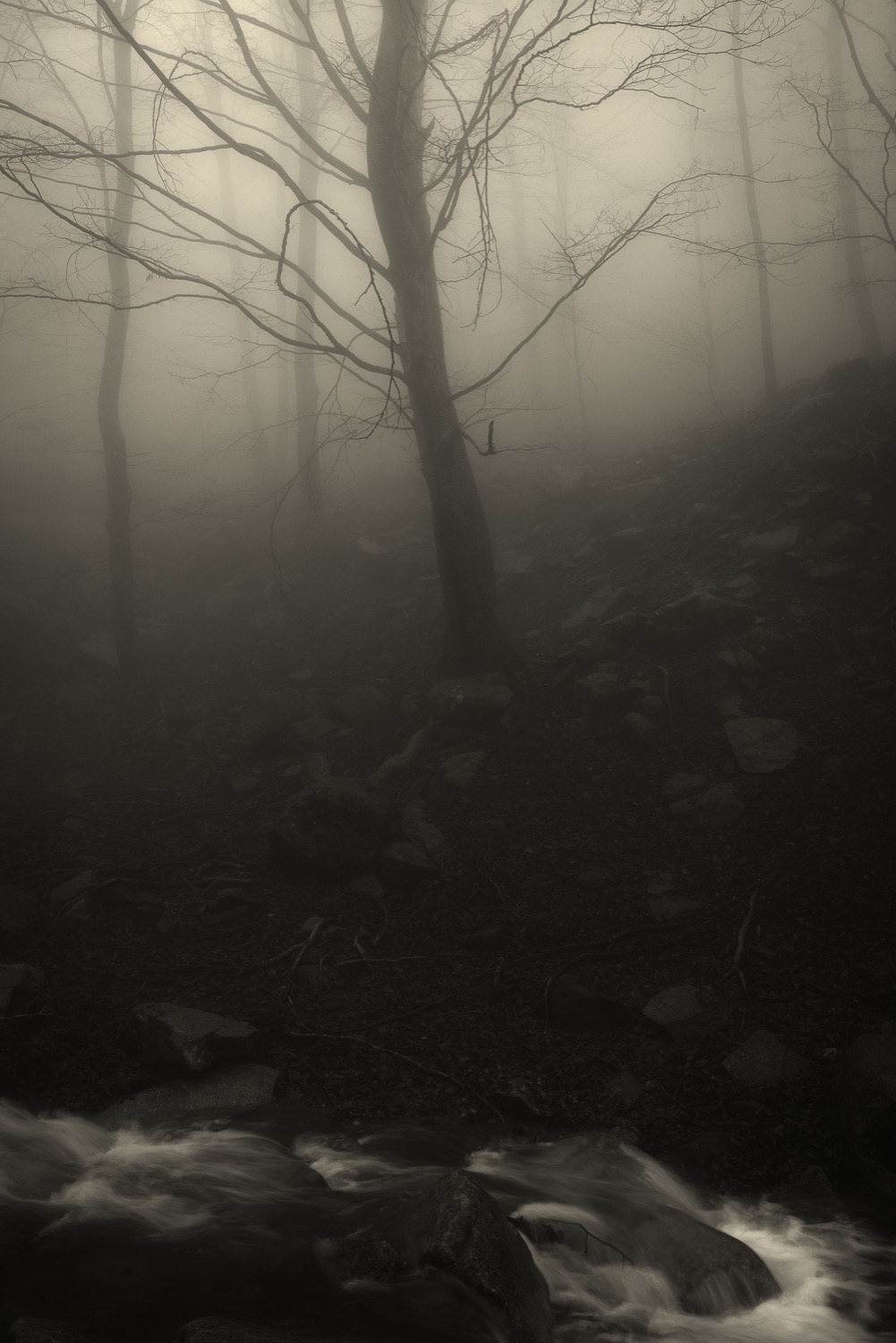
Xavier Manrique: Antany is a photographic project born from the need to give form to an imaginary place. This space began to exist within me after reading Olga Tokarczuk, and since then, it has accompanied me like the memory of a territory I have never truly walked. For two years, I searched for this elusive place in forests, rivers, and mountains, often wrapped in fog and silence. I was not trying to document a real landscape, but to approach its shadow—the sensation that rests within it. Along this journey, the outer landscape gradually became a reflection of my inner one.
Antany is a photographic project born from the need to give form to an imaginary place.
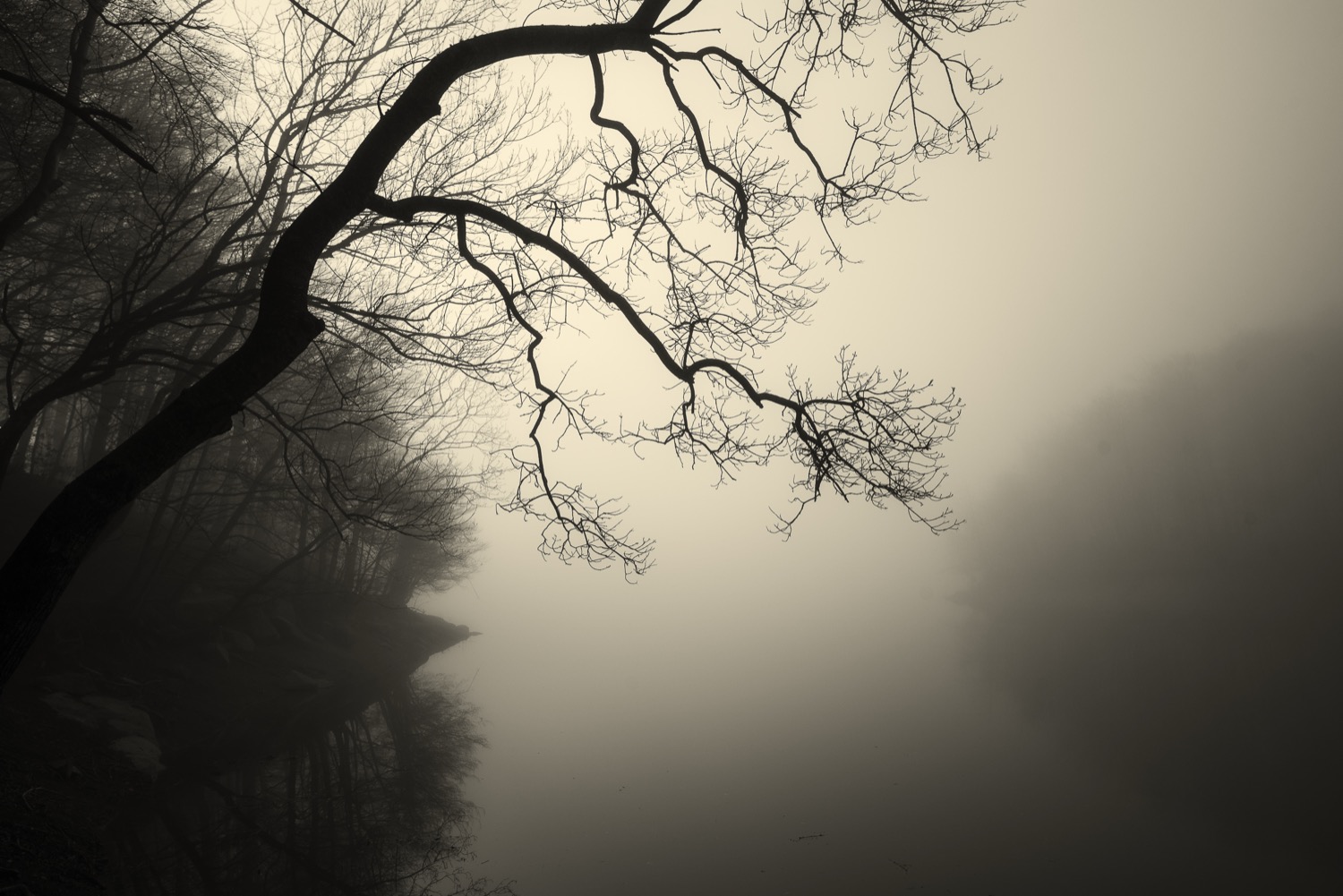
The images of Antany, shaped by timeless and melancholic tones, evoke memory more than geography. When fog dissolves the contours, the external world becomes permeable, allowing fragments of what lies within to surface: an intuition, an uncertain memory, a thought that fades. In this ambiguous space, the landscape becomes an emotional presence.
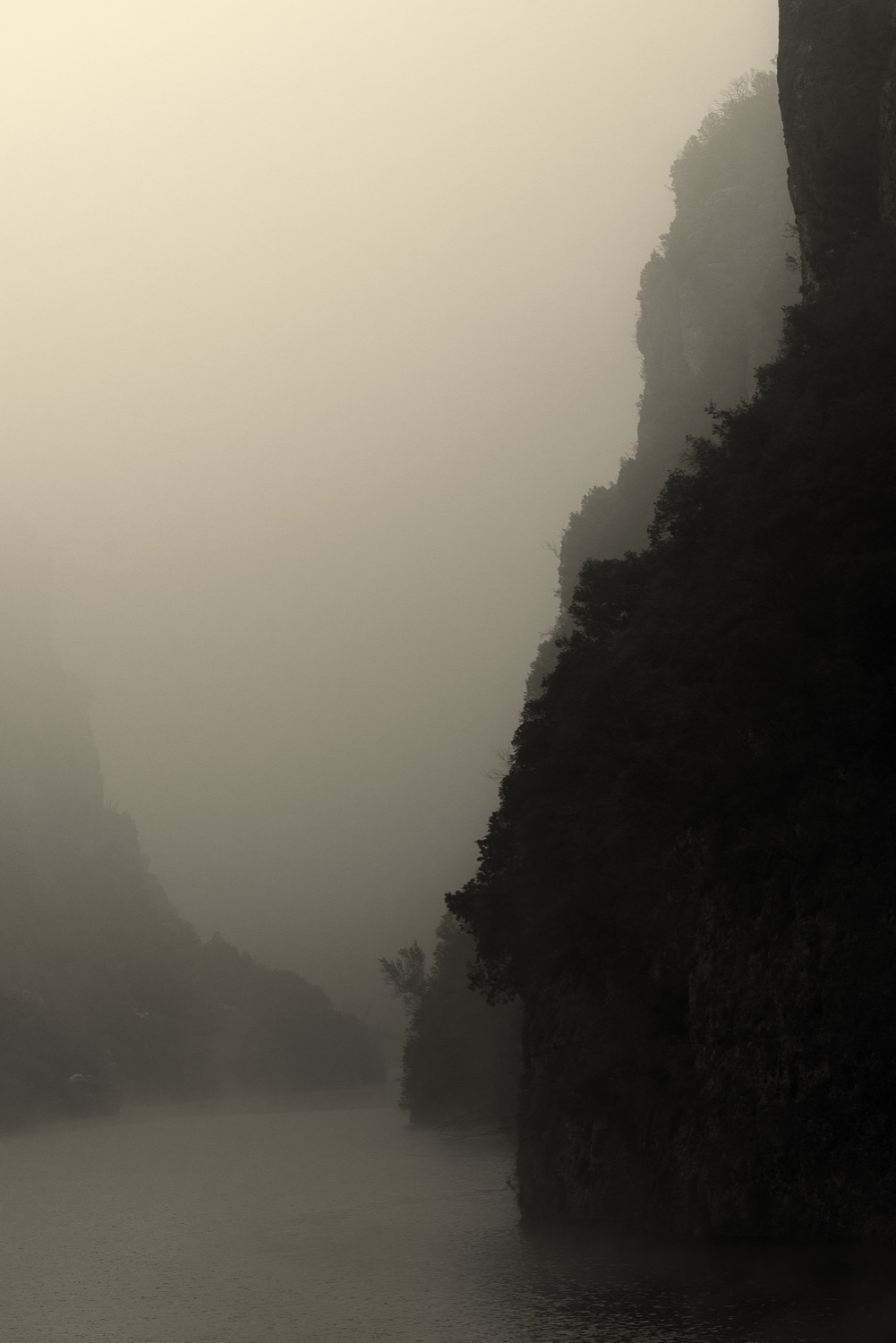
My approach is that of a poetic documentary gesture: I walk, I observe, and I wait. Sometimes, within that silence, an image appears that seems to belong to Antany. This process has taught me that photographing is not only about capturing what is visible, but also about welcoming what is merely suggested. For this reason, the project resonates with Barthes, Bachelard, and Stepanova—authors who understand the image as fictive memory and as an archaeology of the invisible. Antany is precisely that: the trace of a place that exists only when I imagine it.
.svg)


.svg)
.svg)

Developed through solitary walks in fog-laden forests and along silent rivers, the series moves beyond documentation to evoke atmosphere and emotional presence. Timeless, melancholic tones dissolve clear geography, allowing inner states to emerge through the natural world. Working with a poetic documentary sensibility, Manrique treats photography as an act of patience and attentiveness, open to ambiguity and suggestion. Antany ultimately reflects on the place as an internal experience — one that exists in fragments, intuition, and the quiet space between what is seen and what is felt.
Xavier Manrique: Antany is a photographic project born from the need to give form to an imaginary place. This space began to exist within me after reading Olga Tokarczuk, and since then, it has accompanied me like the memory of a territory I have never truly walked. For two years, I searched for this elusive place in forests, rivers, and mountains, often wrapped in fog and silence. I was not trying to document a real landscape, but to approach its shadow—the sensation that rests within it. Along this journey, the outer landscape gradually became a reflection of my inner one.
Antany is a photographic project born from the need to give form to an imaginary place.
The images of Antany, shaped by timeless and melancholic tones, evoke memory more than geography. When fog dissolves the contours, the external world becomes permeable, allowing fragments of what lies within to surface: an intuition, an uncertain memory, a thought that fades. In this ambiguous space, the landscape becomes an emotional presence.
My approach is that of a poetic documentary gesture: I walk, I observe, and I wait. Sometimes, within that silence, an image appears that seems to belong to Antany. This process has taught me that photographing is not only about capturing what is visible, but also about welcoming what is merely suggested. For this reason, the project resonates with Barthes, Bachelard, and Stepanova—authors who understand the image as fictive memory and as an archaeology of the invisible. Antany is precisely that: the trace of a place that exists only when I imagine it.
Developed through solitary walks in fog-laden forests and along silent rivers, the series moves beyond documentation to evoke atmosphere and emotional presence. Timeless, melancholic tones dissolve clear geography, allowing inner states to emerge through the natural world. Working with a poetic documentary sensibility, Manrique treats photography as an act of patience and attentiveness, open to ambiguity and suggestion. Antany ultimately reflects on the place as an internal experience — one that exists in fragments, intuition, and the quiet space between what is seen and what is felt.
Xavier Manrique: Antany is a photographic project born from the need to give form to an imaginary place. This space began to exist within me after reading Olga Tokarczuk, and since then, it has accompanied me like the memory of a territory I have never truly walked. For two years, I searched for this elusive place in forests, rivers, and mountains, often wrapped in fog and silence. I was not trying to document a real landscape, but to approach its shadow—the sensation that rests within it. Along this journey, the outer landscape gradually became a reflection of my inner one.
Antany is a photographic project born from the need to give form to an imaginary place.
The images of Antany, shaped by timeless and melancholic tones, evoke memory more than geography. When fog dissolves the contours, the external world becomes permeable, allowing fragments of what lies within to surface: an intuition, an uncertain memory, a thought that fades. In this ambiguous space, the landscape becomes an emotional presence.
My approach is that of a poetic documentary gesture: I walk, I observe, and I wait. Sometimes, within that silence, an image appears that seems to belong to Antany. This process has taught me that photographing is not only about capturing what is visible, but also about welcoming what is merely suggested. For this reason, the project resonates with Barthes, Bachelard, and Stepanova—authors who understand the image as fictive memory and as an archaeology of the invisible. Antany is precisely that: the trace of a place that exists only when I imagine it.