Attrition

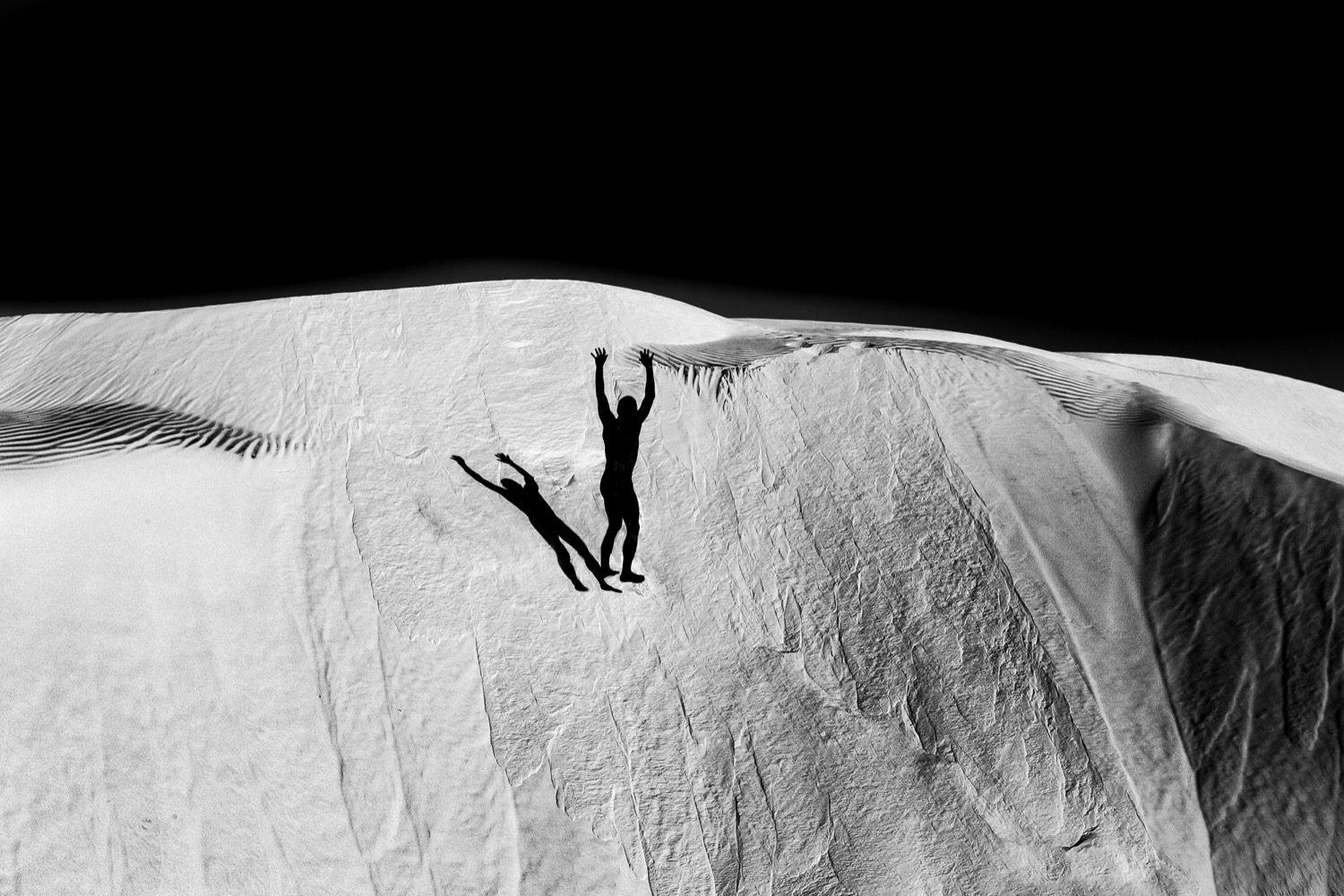
In Attrition, Léo Tafuri studies the traces of human intention — the marks left by our actions on both behaviour and environment.

Words by  

Léo Tafuri

Save
Unsave
© Léo Tafuri | Attrition

Payment Failed

Hey there. We tried to charge your card but, something went wrong. Please update your payment method below to continue reading Artdoc Magazine.
Update Payment Method
Have a question? Contact Support
© Léo Tafuri | Attrition

Attrition is a visual study of anthropogenic impacts and their negative consequences for both human behaviour and the environment. Everything was once going very well. Nature developed in the most chaotic and brilliant way imaginable, and all living organisms organised themselves into intelligent structures and societies. But then humanity arrived — and it came full of intentions.

Attrition is a visual study of anthropogenic impacts and their negative consequences for both human behaviour and the environment.
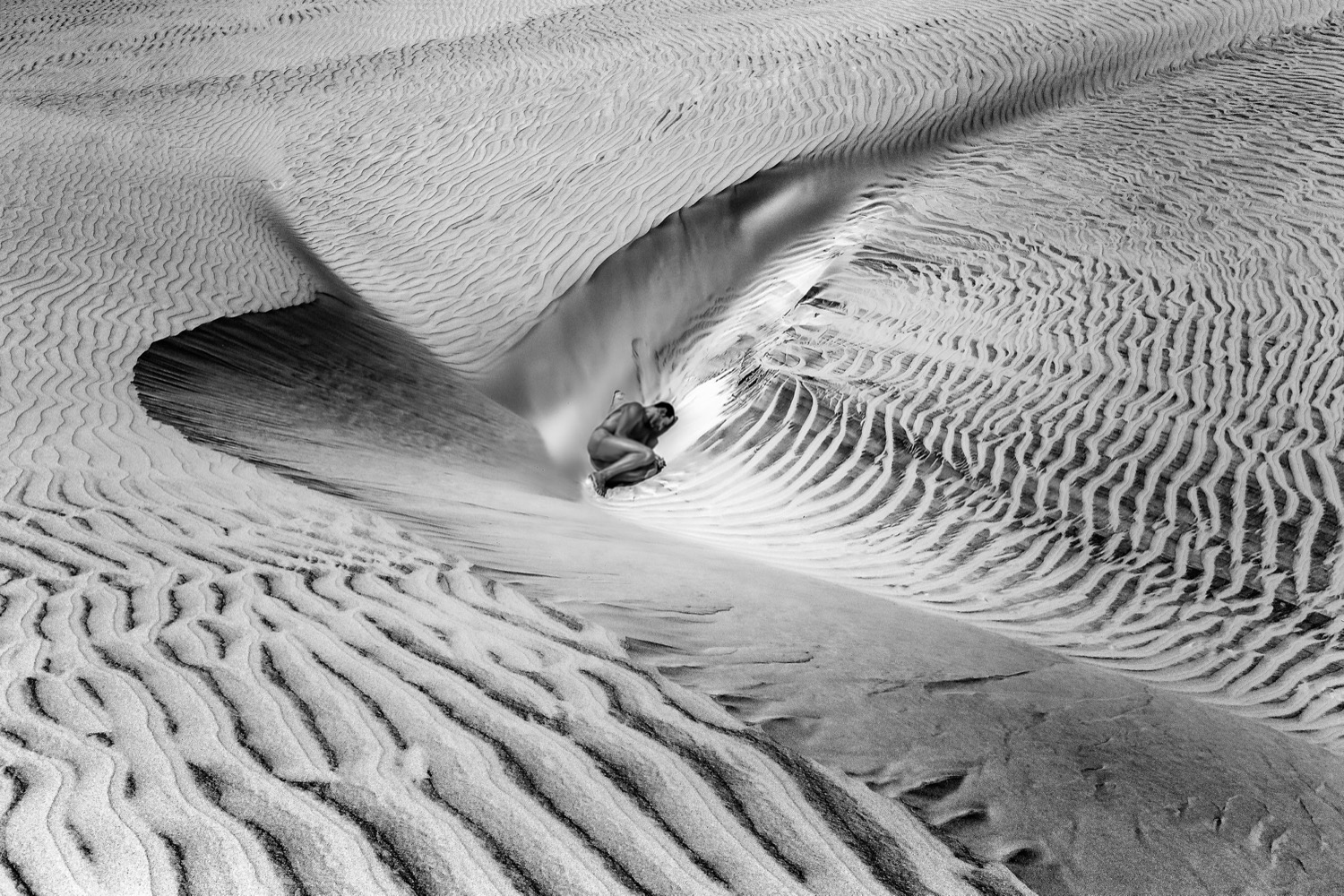
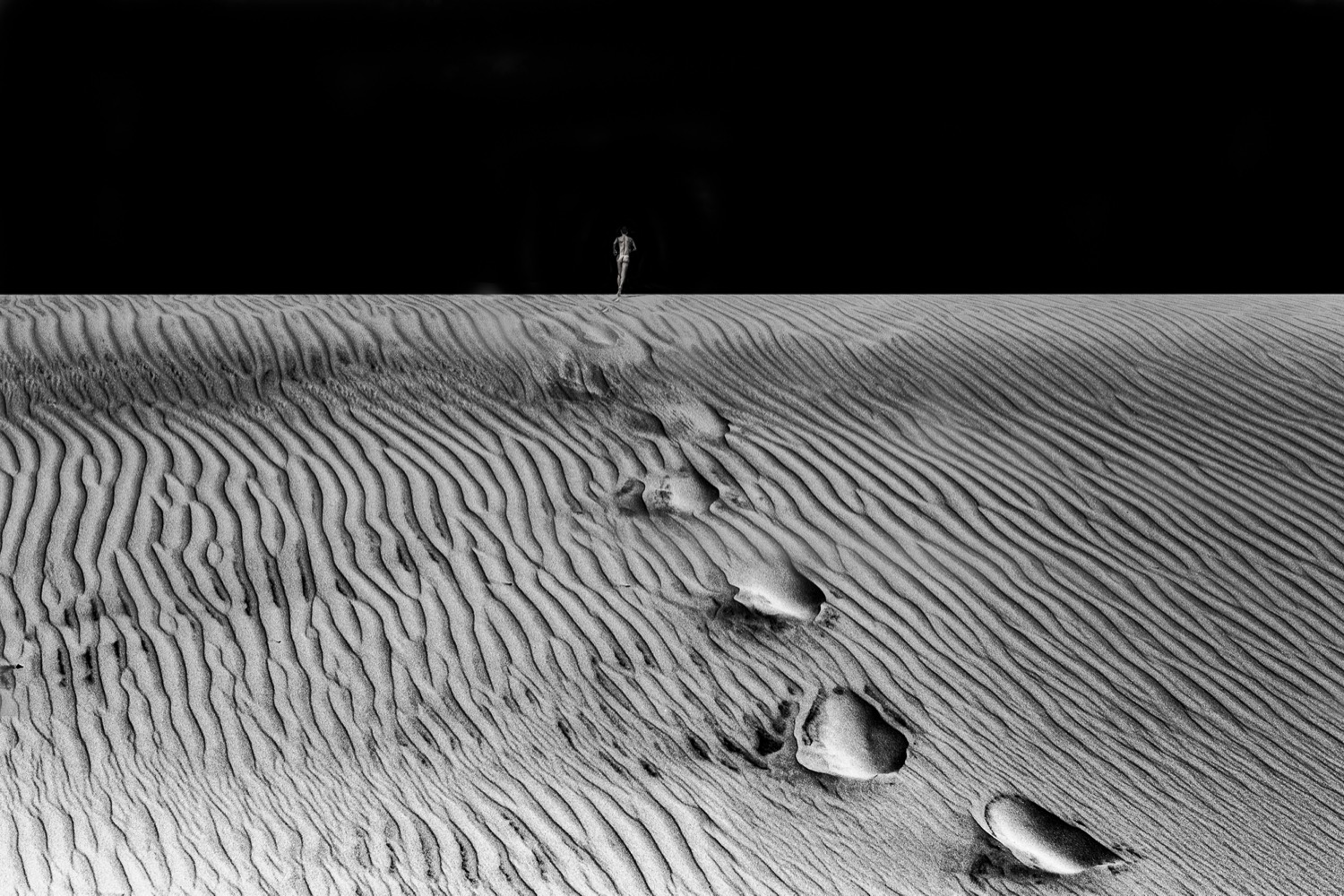
Anthropogenic actions are the activities carried out by humans. The term became widely used when it became necessary to discuss the changes caused by human beings in the environment and the resulting impacts.

© Léo Tafuri | Attrition

When we refer to the word impact, it is common to associate it with something negative — and this is precisely what Attrition is about. Many natural resources have been exploited in a disordered and excessive manner, revealing a profound lack of concern for their sustainability. Industrialisation, combined with a capitalist mentality of production and overconsumption, has fuelled actions driven purely by profit. This, in turn, has intensified socio-environmental problems, as producing more inevitably demands further exploitation of natural resources. Global warming, oil spills, deforestation, the misuse of water resources — and the relentless march of urbanisation. Humanity has repeatedly failed in its relationship with the environment.

© Léo Tafuri | Attrition
About
Léo Tafuri graduated in Cinema and lives in Belo Horizonte, Brazil, where he works with photography and audiovisual production, creating documentaries, short films, music videos, and other visual projects. He has received awards for Best Documentary and Best Experimental Video at Brazilian festivals, and has participated in group photography exhibitions in Belo Horizonte and at the Tiradentes Photography Festival. His photographic work has also been recognised at several international photography festivals.
More information

Attrition

In Attrition, Léo Tafuri studies the traces of human intention — the marks left by our actions on both behaviour and environment.

Words by  

Léo Tafuri

Save
Unsave
In Attrition, Léo Tafuri studies the traces of human intention — the marks left by our actions on both behaviour and environment.
© Léo Tafuri | Attrition

Attrition is a visual study of anthropogenic impacts and their negative consequences for both human behaviour and the environment. Everything was once going very well. Nature developed in the most chaotic and brilliant way imaginable, and all living organisms organised themselves into intelligent structures and societies. But then humanity arrived — and it came full of intentions.

Attrition is a visual study of anthropogenic impacts and their negative consequences for both human behaviour and the environment.
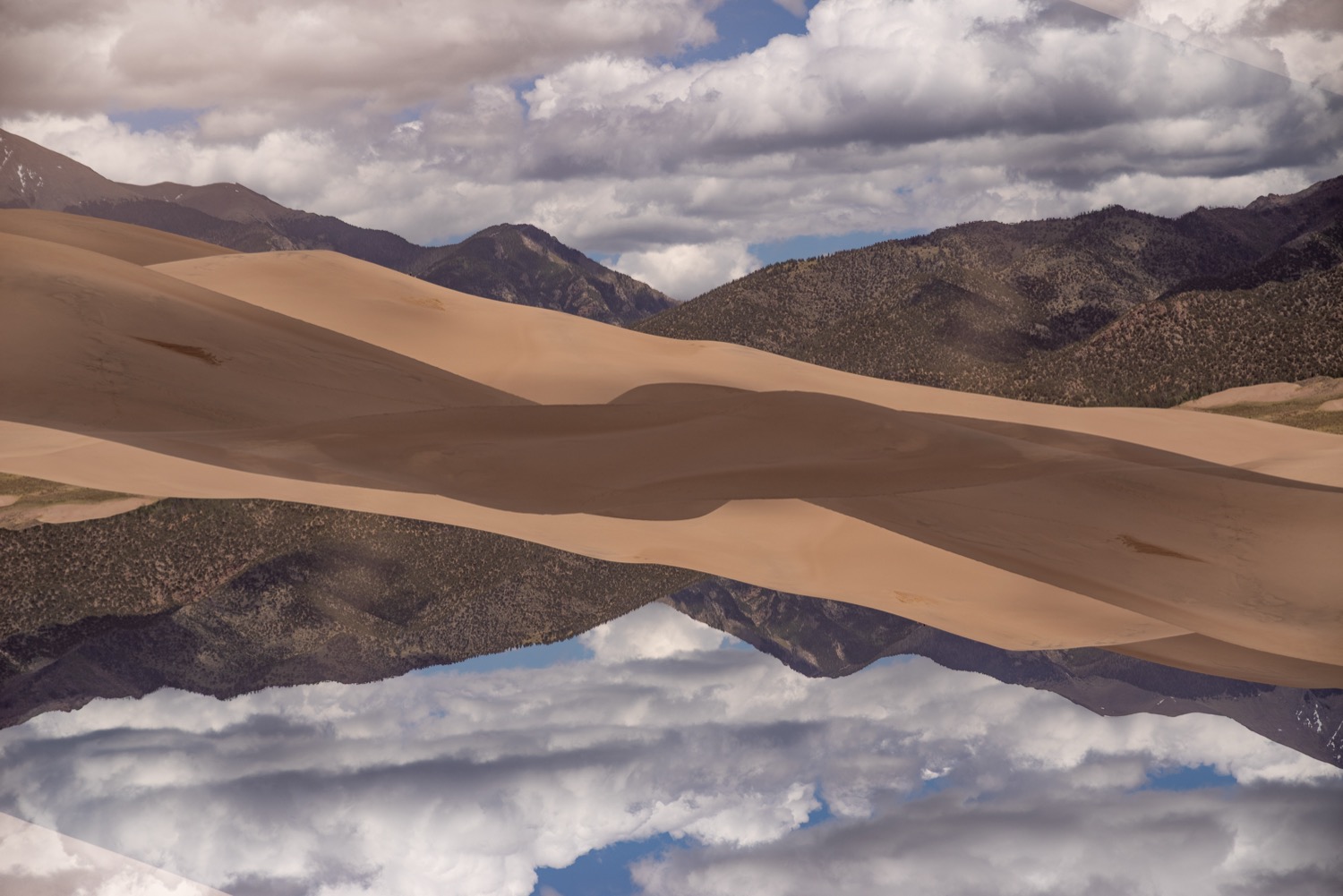

Anthropogenic actions are the activities carried out by humans. The term became widely used when it became necessary to discuss the changes caused by human beings in the environment and the resulting impacts.

© Léo Tafuri | Attrition

When we refer to the word impact, it is common to associate it with something negative — and this is precisely what Attrition is about. Many natural resources have been exploited in a disordered and excessive manner, revealing a profound lack of concern for their sustainability. Industrialisation, combined with a capitalist mentality of production and overconsumption, has fuelled actions driven purely by profit. This, in turn, has intensified socio-environmental problems, as producing more inevitably demands further exploitation of natural resources. Global warming, oil spills, deforestation, the misuse of water resources — and the relentless march of urbanisation. Humanity has repeatedly failed in its relationship with the environment.

© Léo Tafuri | Attrition
About
Léo Tafuri graduated in Cinema and lives in Belo Horizonte, Brazil, where he works with photography and audiovisual production, creating documentaries, short films, music videos, and other visual projects. He has received awards for Best Documentary and Best Experimental Video at Brazilian festivals, and has participated in group photography exhibitions in Belo Horizonte and at the Tiradentes Photography Festival. His photographic work has also been recognised at several international photography festivals.
More information
Save
Unsave

Attrition

In Attrition, Léo Tafuri studies the traces of human intention — the marks left by our actions on both behaviour and environment.

Words by

Léo Tafuri

Attrition
© Léo Tafuri | Attrition

Attrition is a visual study of anthropogenic impacts and their negative consequences for both human behaviour and the environment. Everything was once going very well. Nature developed in the most chaotic and brilliant way imaginable, and all living organisms organised themselves into intelligent structures and societies. But then humanity arrived — and it came full of intentions.

Attrition is a visual study of anthropogenic impacts and their negative consequences for both human behaviour and the environment.
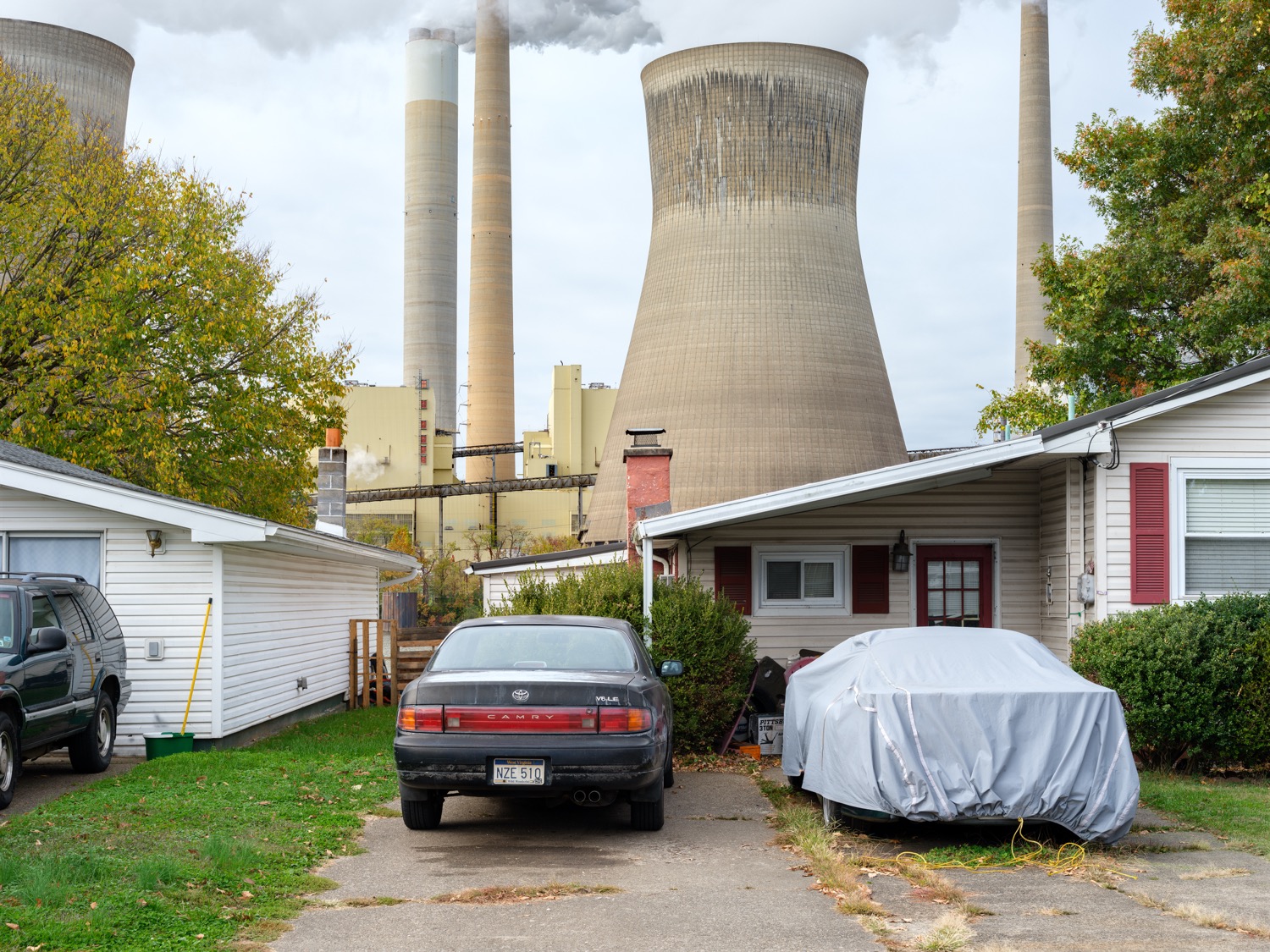
Anthropogenic actions are the activities carried out by humans. The term became widely used when it became necessary to discuss the changes caused by human beings in the environment and the resulting impacts.

© Léo Tafuri | Attrition

When we refer to the word impact, it is common to associate it with something negative — and this is precisely what Attrition is about. Many natural resources have been exploited in a disordered and excessive manner, revealing a profound lack of concern for their sustainability. Industrialisation, combined with a capitalist mentality of production and overconsumption, has fuelled actions driven purely by profit. This, in turn, has intensified socio-environmental problems, as producing more inevitably demands further exploitation of natural resources. Global warming, oil spills, deforestation, the misuse of water resources — and the relentless march of urbanisation. Humanity has repeatedly failed in its relationship with the environment.

© Léo Tafuri | Attrition
About
Léo Tafuri graduated in Cinema and lives in Belo Horizonte, Brazil, where he works with photography and audiovisual production, creating documentaries, short films, music videos, and other visual projects. He has received awards for Best Documentary and Best Experimental Video at Brazilian festivals, and has participated in group photography exhibitions in Belo Horizonte and at the Tiradentes Photography Festival. His photographic work has also been recognised at several international photography festivals.
More information
Save
Unsave