© Jeremy Blair | Disorder
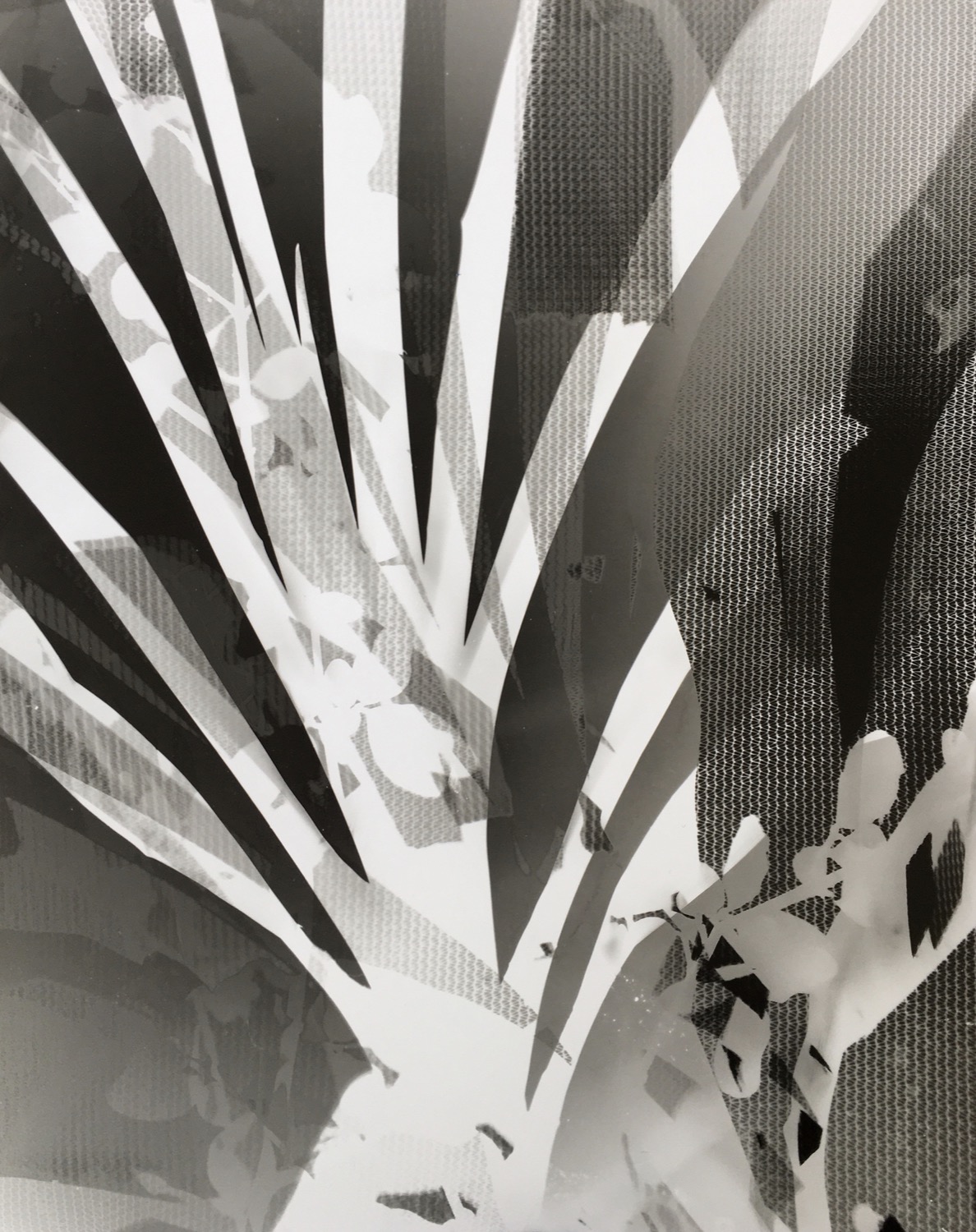
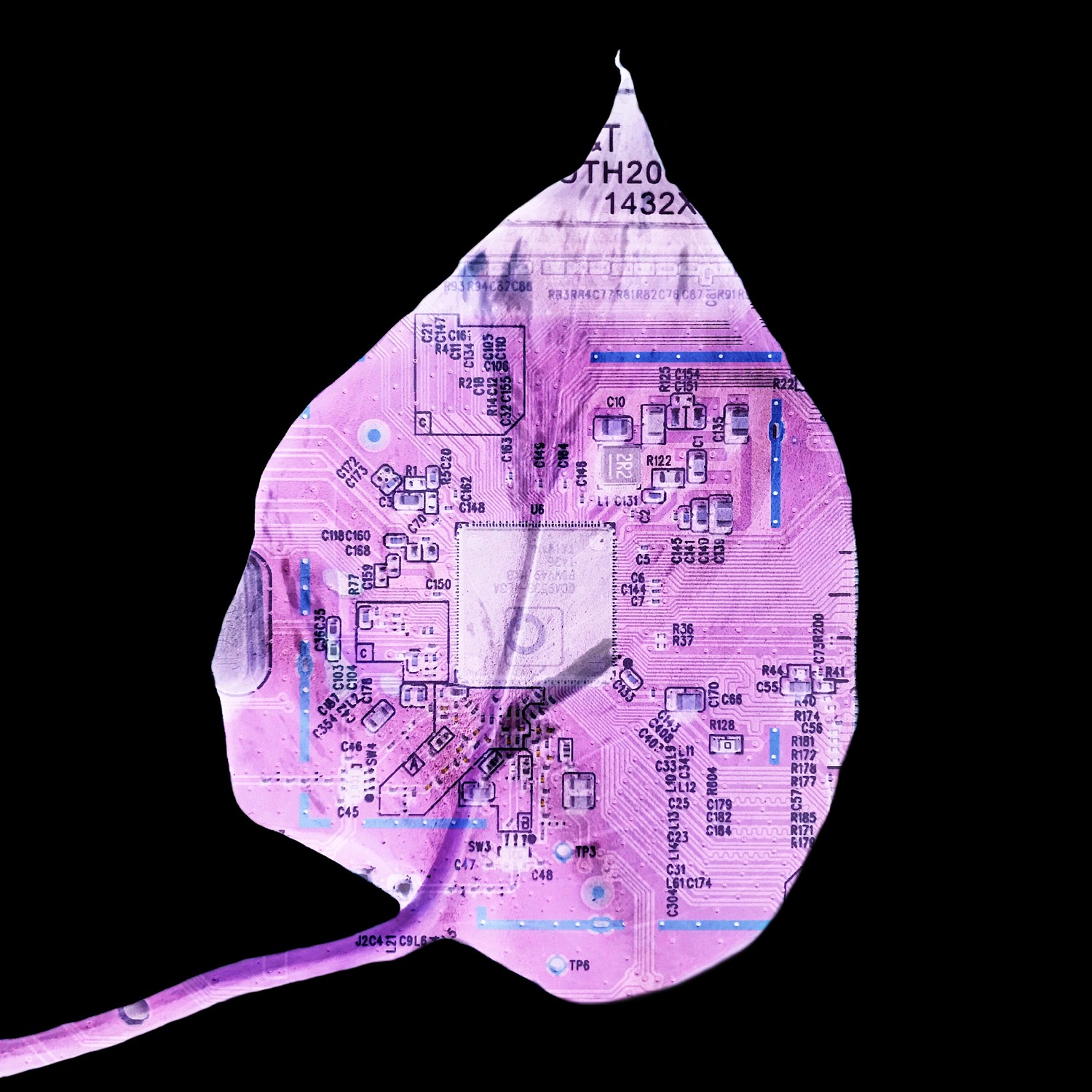
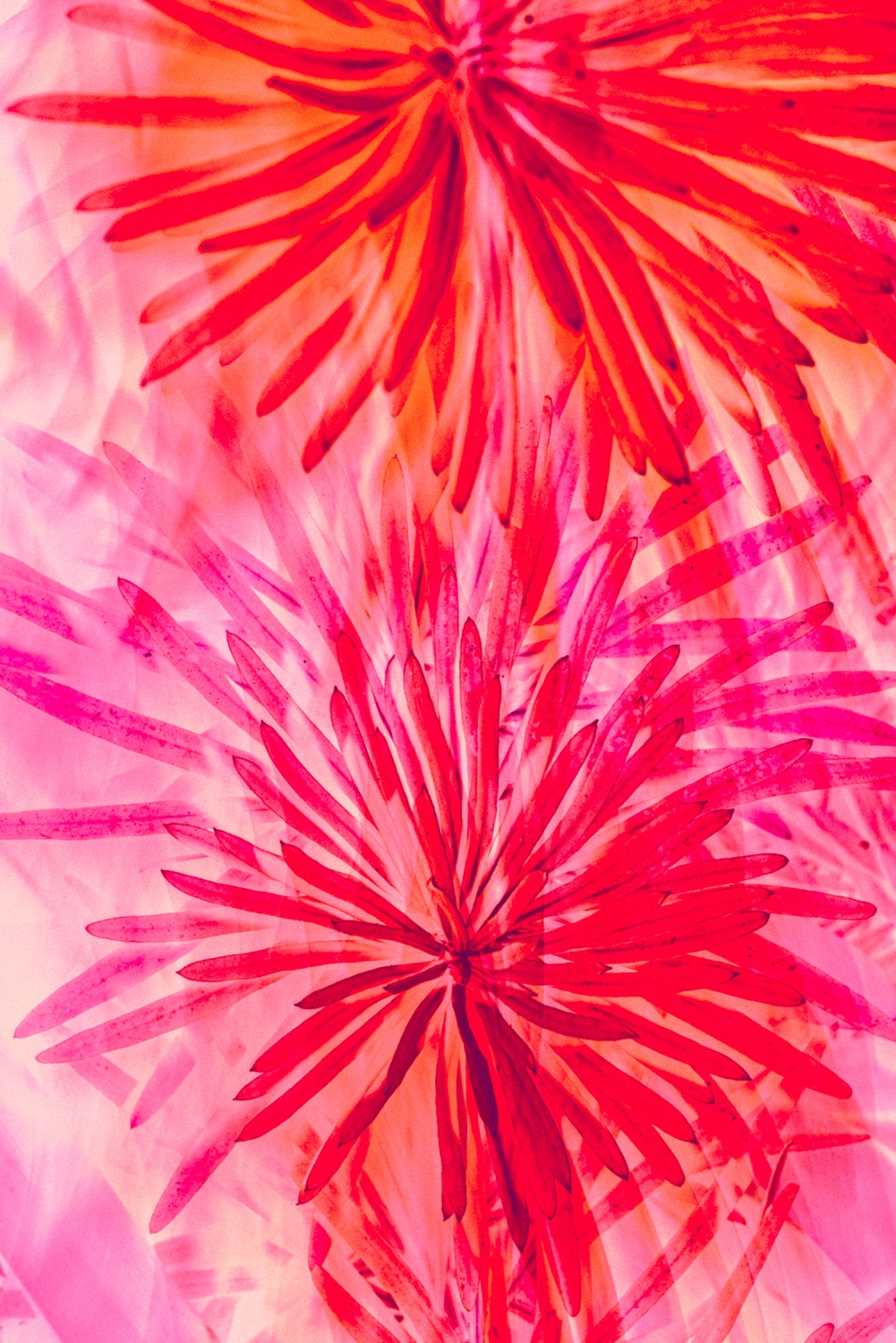
Each image is developed on site, bearing the imprint of specific locations and moments. The works generated function as silent records of encounter, where ecological systems and internal rhythms mirror each other through material and light.
Jeremy Blair: I create cameraless photograms and photo collages that explore the intersections of place and self by transforming found materials into personal narratives.
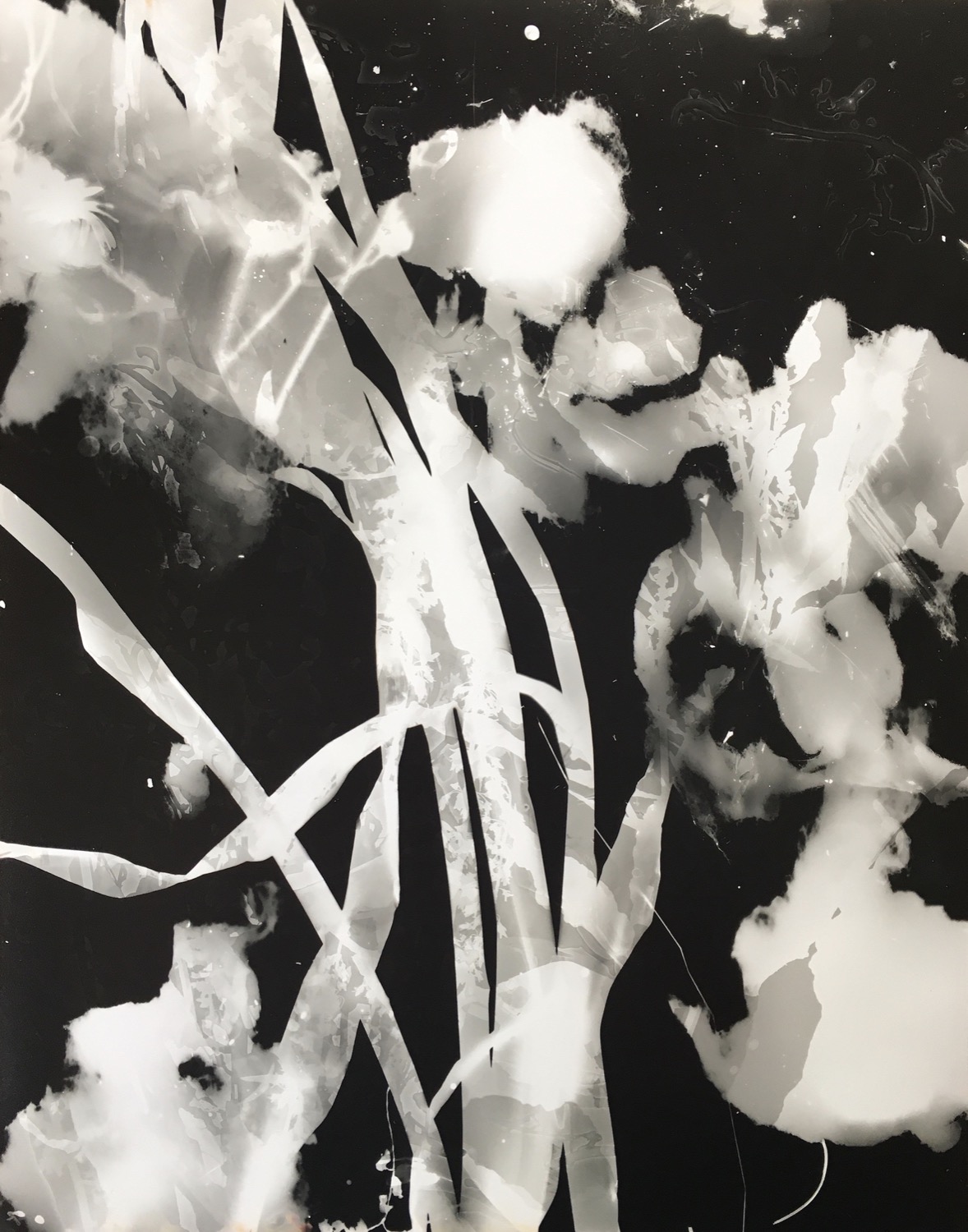
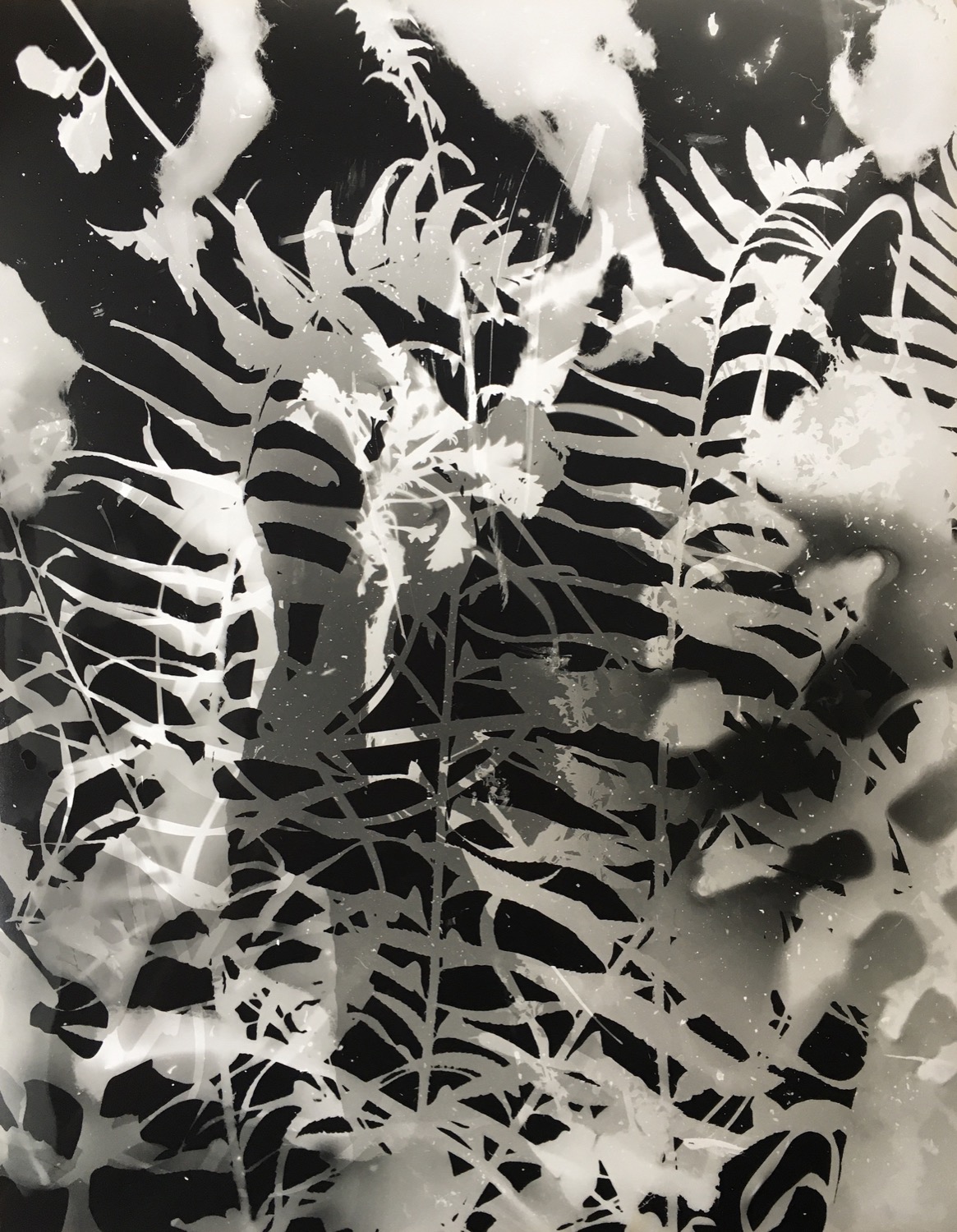
Working outdoors in rural settings, I use a custom-designed, light-proof darkroom tent. I begin each photogram by arranging found objects from nature on photosensitive paper, then expose the composition with quick flashes of light from a small torch, altering it with each exposure. The paper is then processed in the field using eco-friendly chemicals to reveal the final image.

Developing photograms on site embraces environmental variables such as humidity, temperature, water quality, and sunlight, adding unique effects to each piece. This process allows me to draw, collage, and paint with light, uncovering patterns in nature that mirror patterns within myself.
This process allows me to draw, collage, and paint with light, uncovering patterns in nature that mirror patterns within myself.
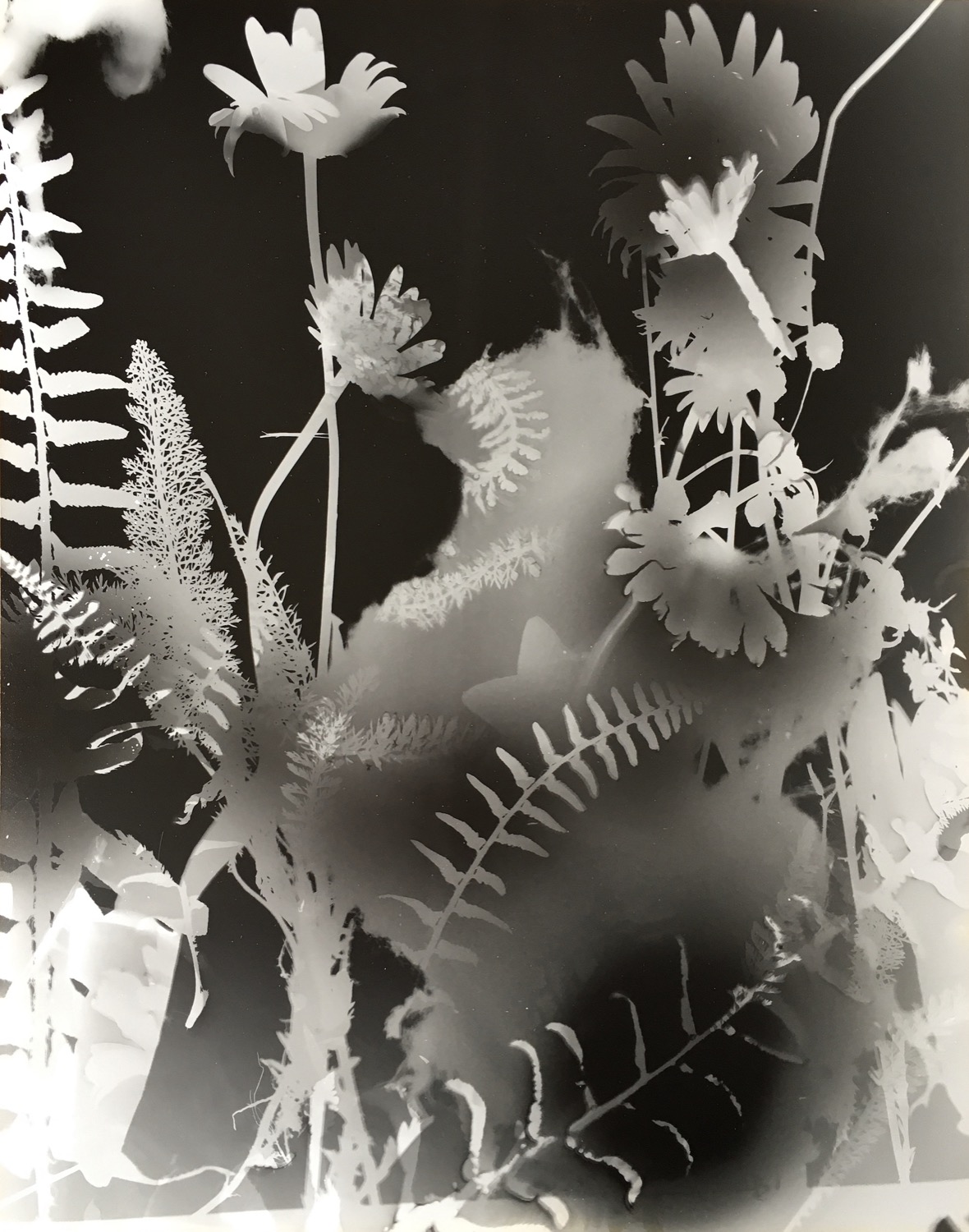
Each photogram becomes a portal to places I have visited, crystallising the people and materials I have encountered. My work documents vital ecologies through light and chemistry, fostering an intimate connection with place, material, and self.
.svg)


.svg)
.svg)

Each image is developed on site, bearing the imprint of specific locations and moments. The works generated function as silent records of encounter, where ecological systems and internal rhythms mirror each other through material and light.
Jeremy Blair: I create cameraless photograms and photo collages that explore the intersections of place and self by transforming found materials into personal narratives.
Working outdoors in rural settings, I use a custom-designed, light-proof darkroom tent. I begin each photogram by arranging found objects from nature on photosensitive paper, then expose the composition with quick flashes of light from a small torch, altering it with each exposure. The paper is then processed in the field using eco-friendly chemicals to reveal the final image.
Developing photograms on site embraces environmental variables such as humidity, temperature, water quality, and sunlight, adding unique effects to each piece. This process allows me to draw, collage, and paint with light, uncovering patterns in nature that mirror patterns within myself.
This process allows me to draw, collage, and paint with light, uncovering patterns in nature that mirror patterns within myself.
Each photogram becomes a portal to places I have visited, crystallising the people and materials I have encountered. My work documents vital ecologies through light and chemistry, fostering an intimate connection with place, material, and self.
Each image is developed on site, bearing the imprint of specific locations and moments. The works generated function as silent records of encounter, where ecological systems and internal rhythms mirror each other through material and light.
Jeremy Blair: I create cameraless photograms and photo collages that explore the intersections of place and self by transforming found materials into personal narratives.
Working outdoors in rural settings, I use a custom-designed, light-proof darkroom tent. I begin each photogram by arranging found objects from nature on photosensitive paper, then expose the composition with quick flashes of light from a small torch, altering it with each exposure. The paper is then processed in the field using eco-friendly chemicals to reveal the final image.
Developing photograms on site embraces environmental variables such as humidity, temperature, water quality, and sunlight, adding unique effects to each piece. This process allows me to draw, collage, and paint with light, uncovering patterns in nature that mirror patterns within myself.
This process allows me to draw, collage, and paint with light, uncovering patterns in nature that mirror patterns within myself.
Each photogram becomes a portal to places I have visited, crystallising the people and materials I have encountered. My work documents vital ecologies through light and chemistry, fostering an intimate connection with place, material, and self.