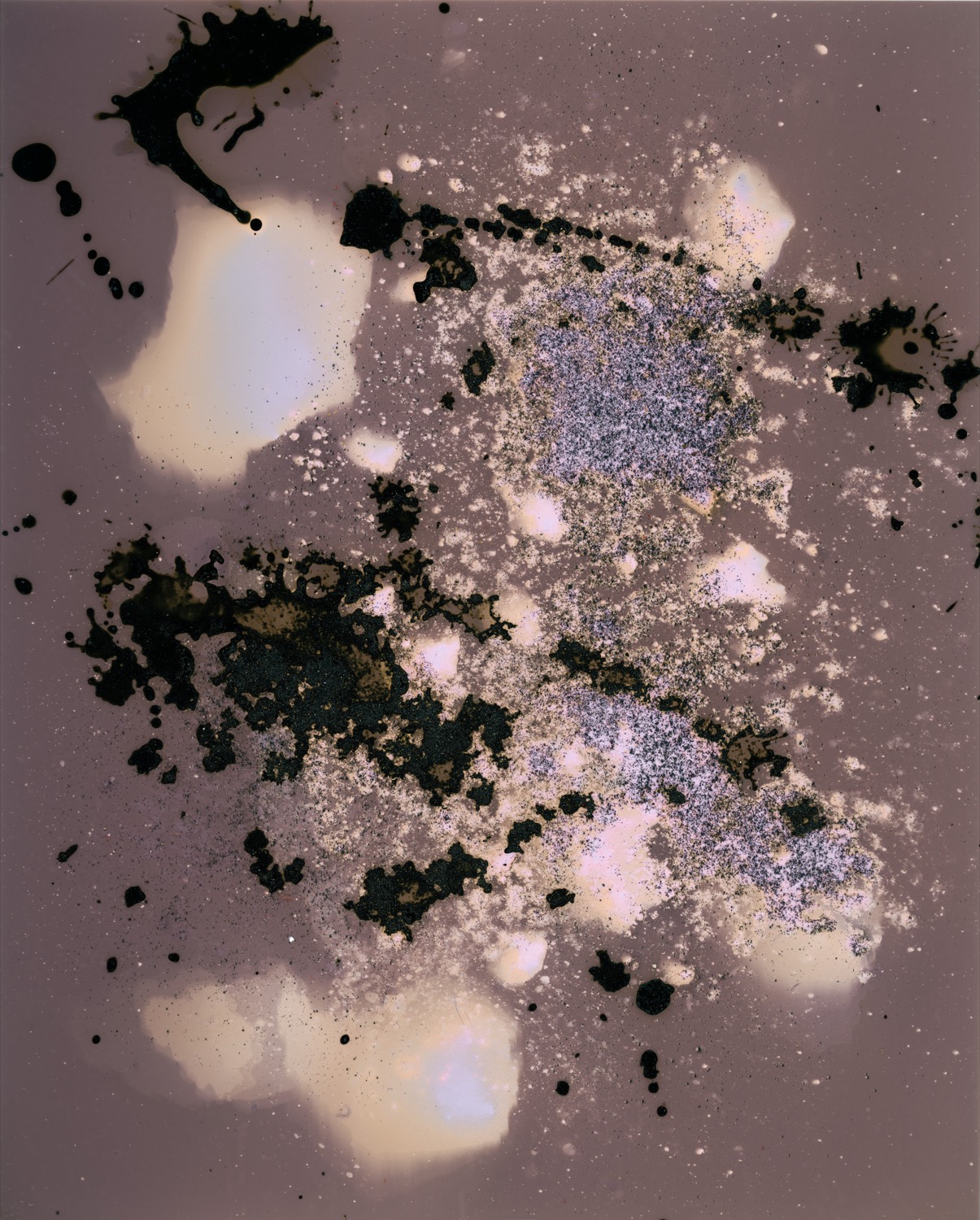
© Linda Jarrett | Not If But When
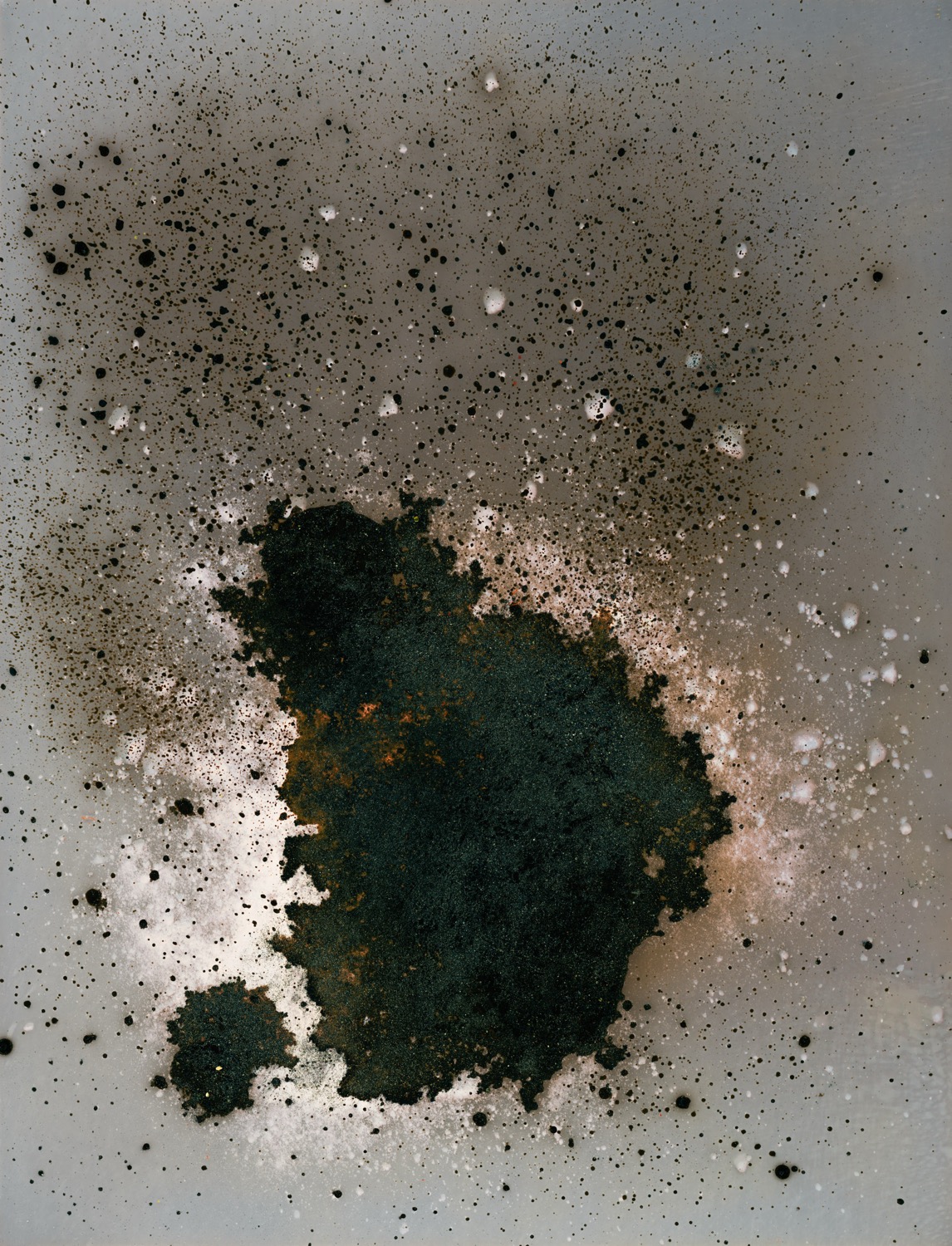
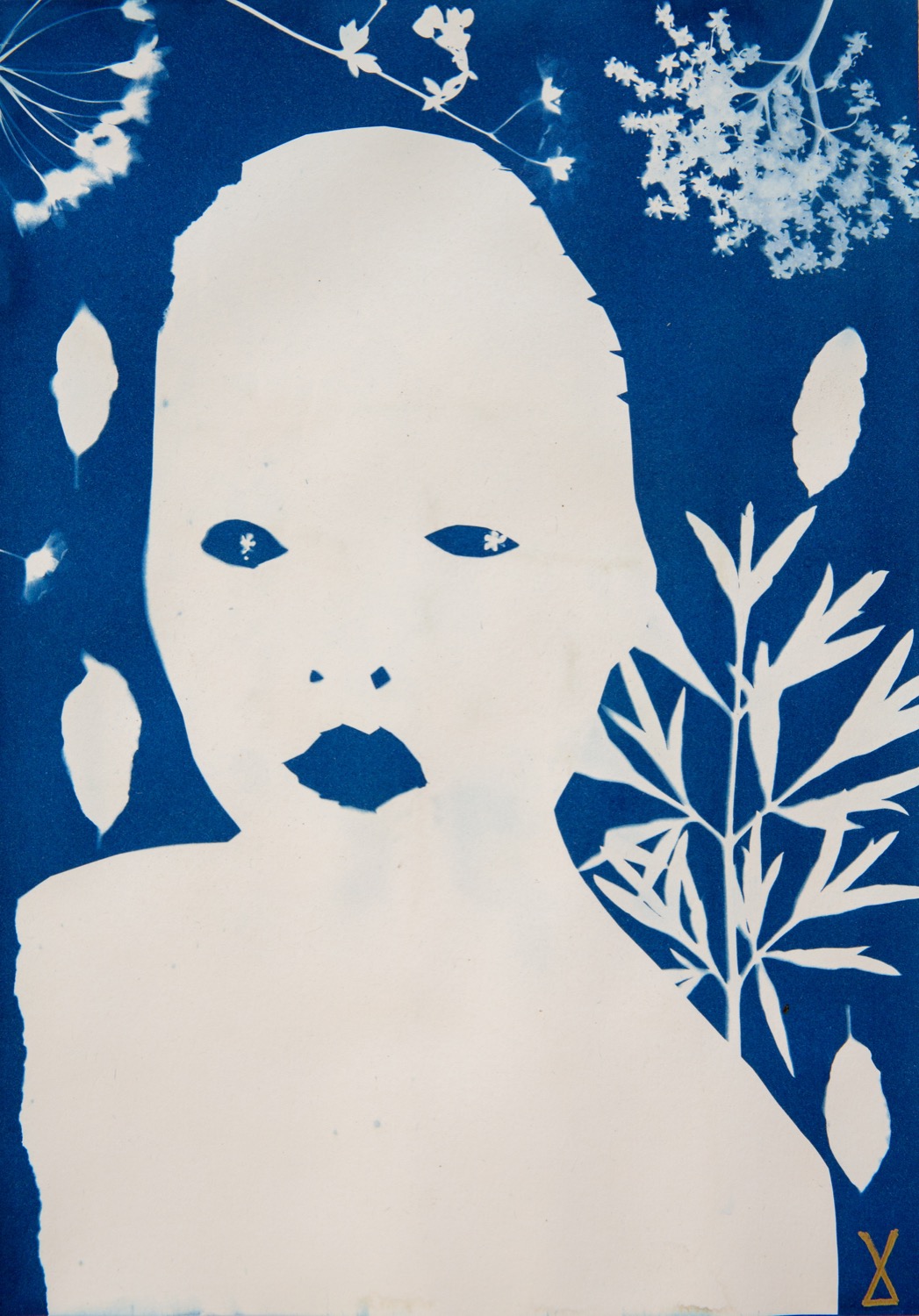
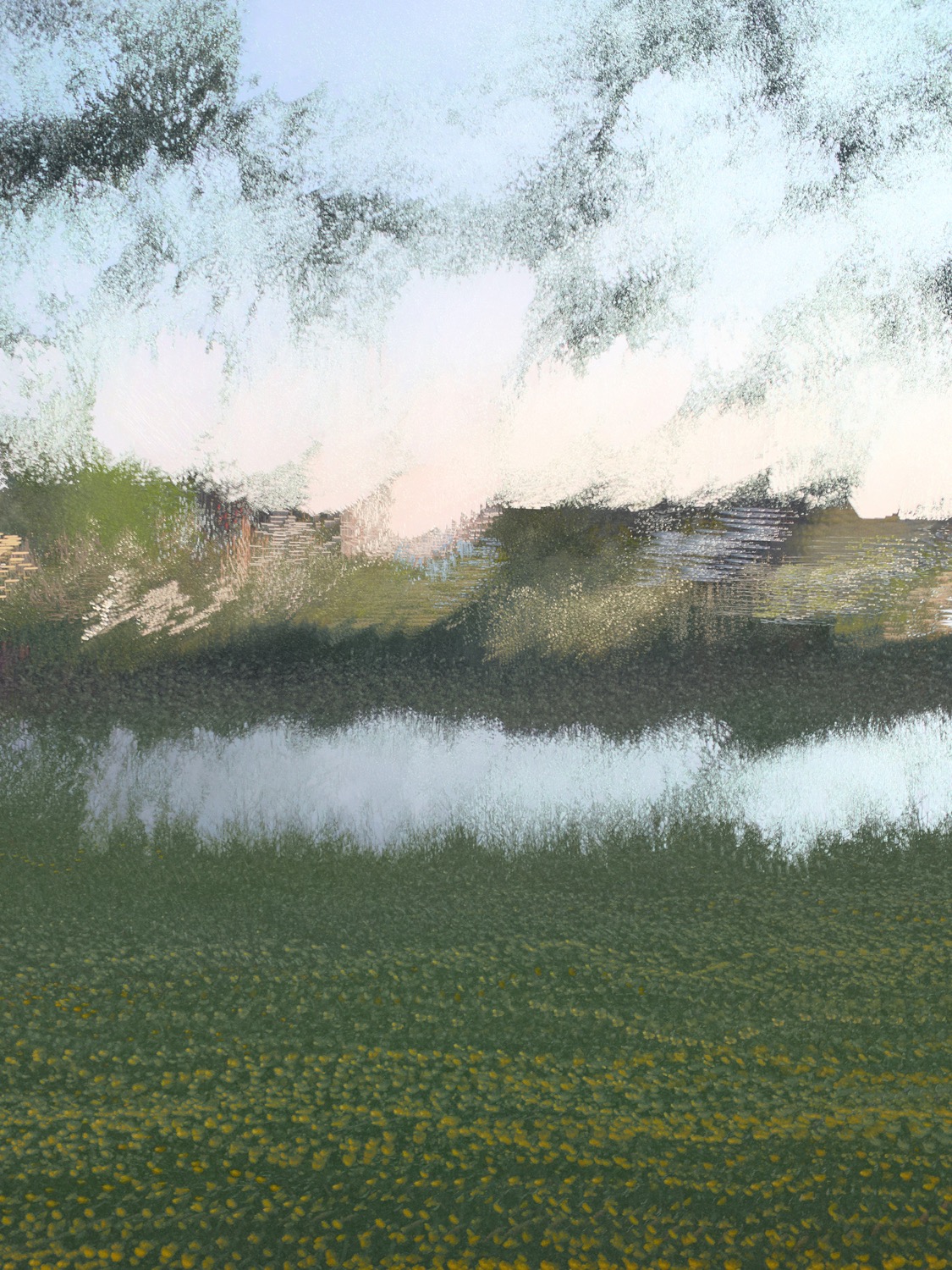
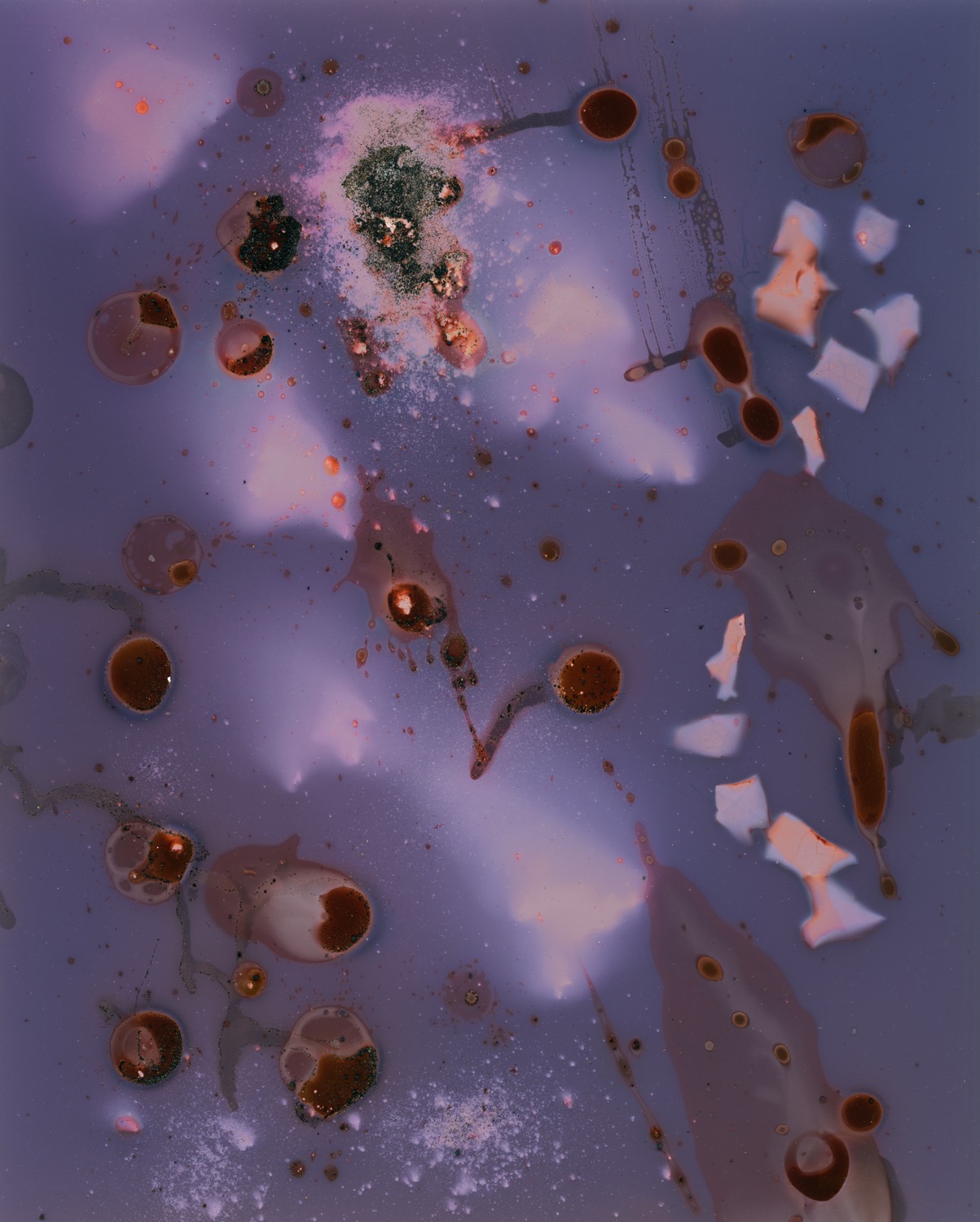
Jarrett collected volcanic ash, scoria, soil, and plant matter from the area, placing them on expired photographic paper and exposing these compositions to sunlight. The lumen prints created display vibrant, unstable colours resulting from the chemical reactions between the materials and the light-sensitive surface. By emphasising abstraction rather than straightforward documentation, Jarrett redefines photography as a tool for geological and philosophical contemplation, aligning it with the scale of what it seeks to address.
Linda Jarrett: Auckland, New Zealand, is built on a field of 53 volcanic cones – dormant but not extinct – sitting atop a monogenetic volcanic field only 200,000 years old and still very much alive. Another eruption is inevitable. These volcanoes shape the landscape I live on, yet the forces below remain largely unacknowledged. Its arrival may be imminent or millennia away, but its impact will be profound.
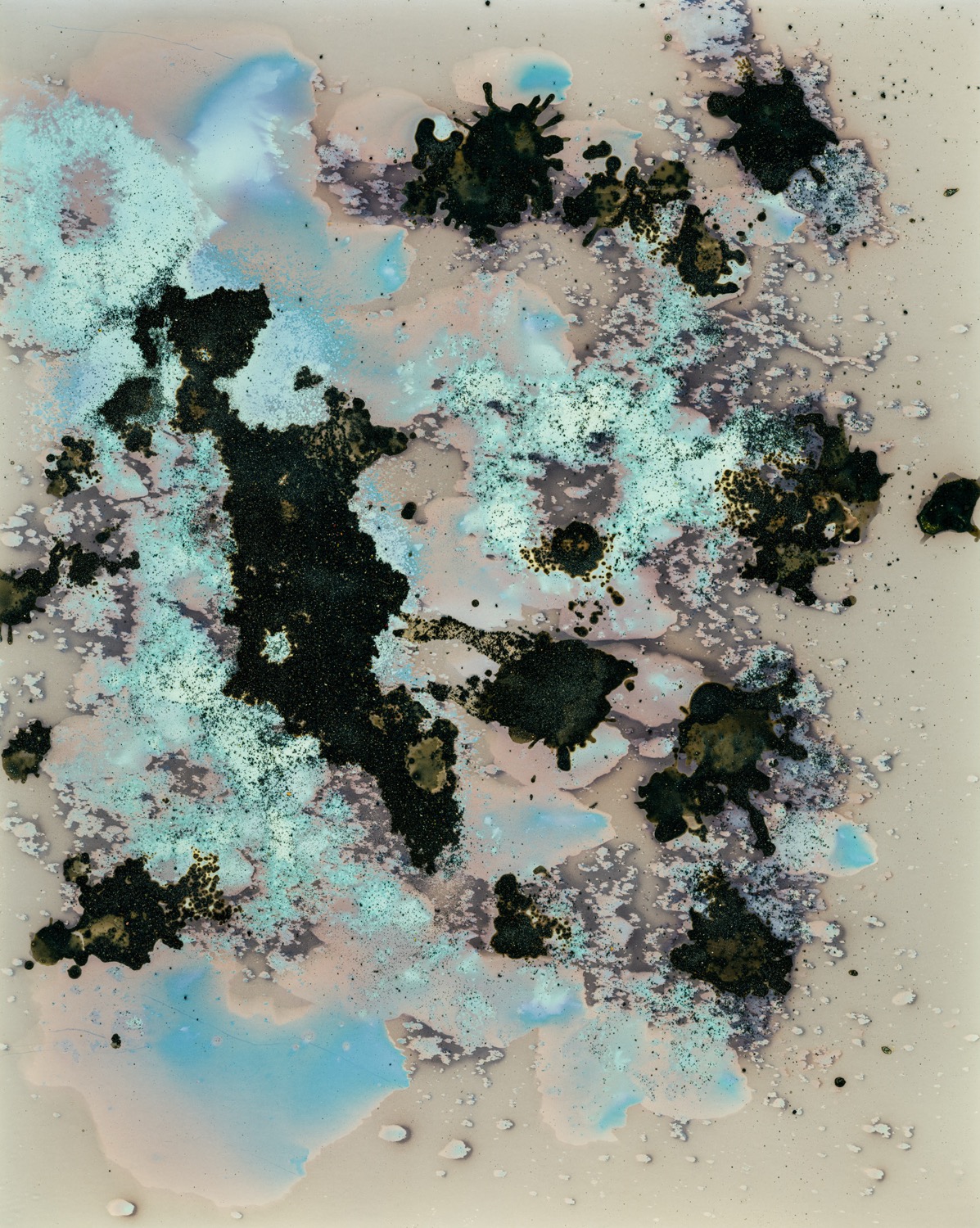
In Not If But When, I explore this latent geological threat, where inevitability and uncertainty coexist. My aim is to prompt awareness and conversation, yet my challenge lies in how to photograph something that has not yet happened. In doing so, I also seek to move beyond photography's descriptive role, embracing abstraction as a way of thinking through risk, time, and materiality.
In Not If But When, I explore this latent geological threat, where inevitability and uncertainty coexist.
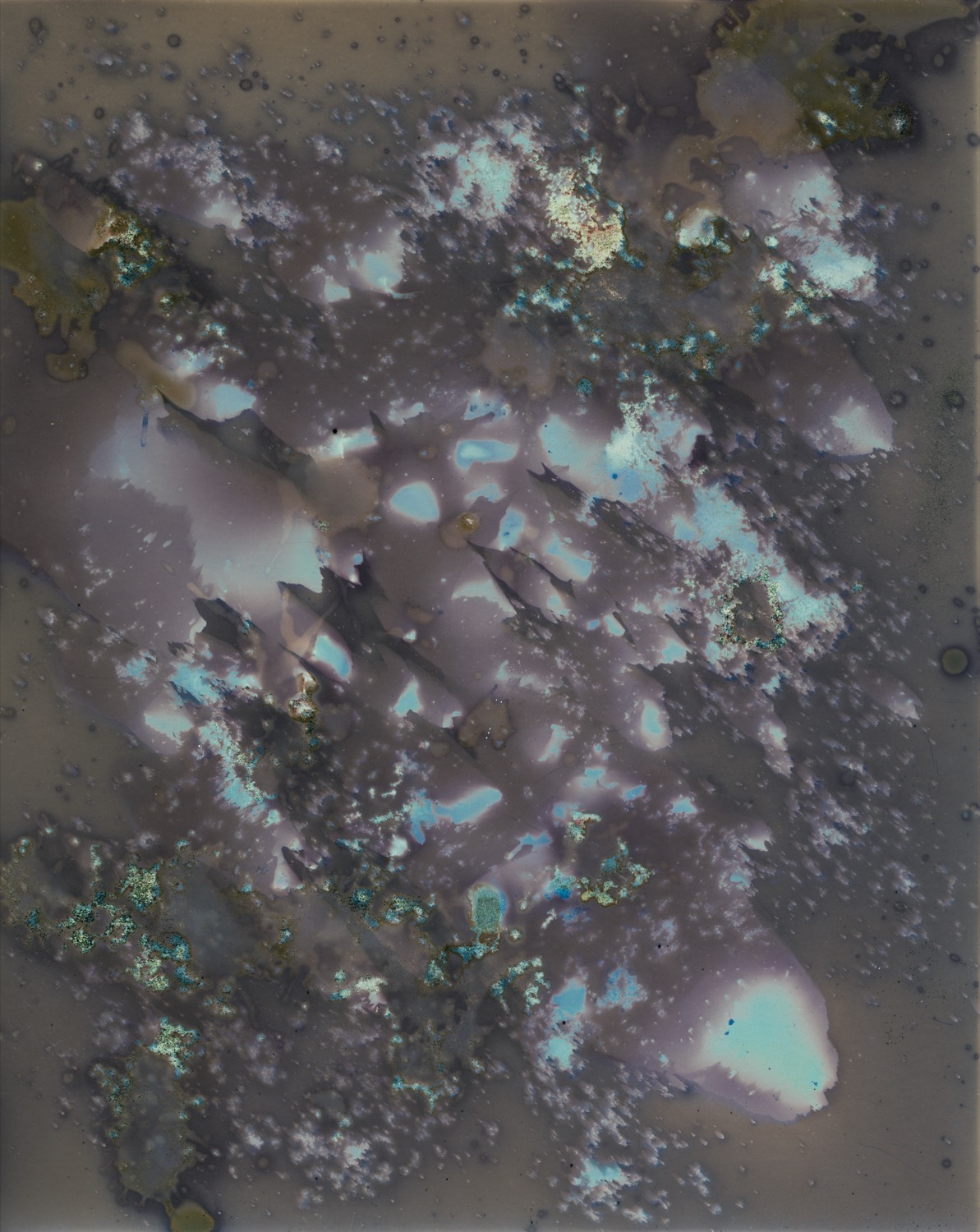
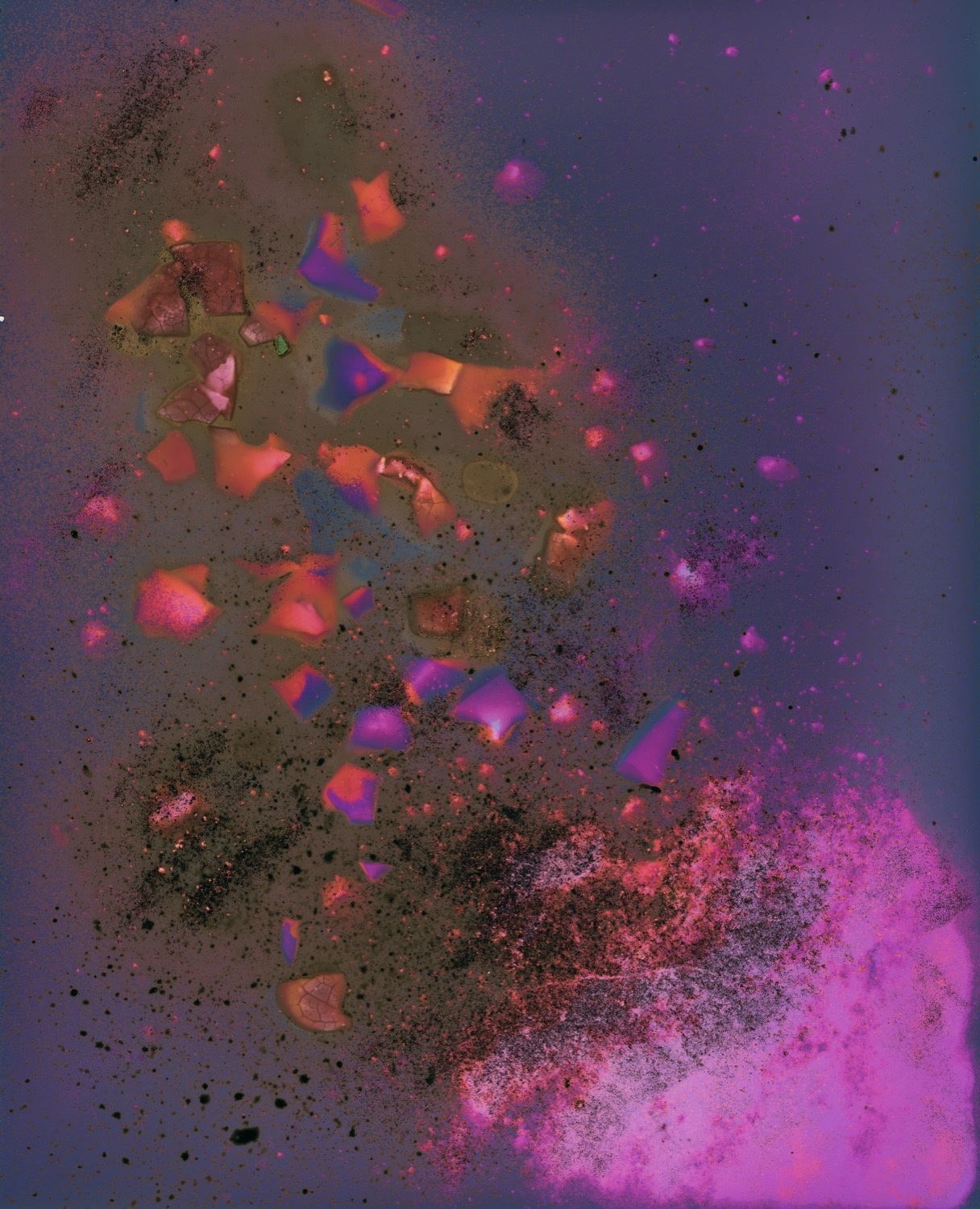
I created these images using a cameraless process known as lumen printing. I gathered volcanic ash, scoria, soil, and plant matter from sites across the volcanic field and placed them onto expired photographic paper. Exposed to sunlight, these materials chemically interact with the photographic surface, producing unstable, extraordinary colours.
The materials act, mark, and transform – suggesting the force of pyroclastic surge. The process becomes both performative and conceptual, echoing the unpredictable and destructive nature of volcanism itself.
.svg)


.svg)
.svg)

Jarrett collected volcanic ash, scoria, soil, and plant matter from the area, placing them on expired photographic paper and exposing these compositions to sunlight. The lumen prints created display vibrant, unstable colours resulting from the chemical reactions between the materials and the light-sensitive surface. By emphasising abstraction rather than straightforward documentation, Jarrett redefines photography as a tool for geological and philosophical contemplation, aligning it with the scale of what it seeks to address.
Linda Jarrett: Auckland, New Zealand, is built on a field of 53 volcanic cones – dormant but not extinct – sitting atop a monogenetic volcanic field only 200,000 years old and still very much alive. Another eruption is inevitable. These volcanoes shape the landscape I live on, yet the forces below remain largely unacknowledged. Its arrival may be imminent or millennia away, but its impact will be profound.
In Not If But When, I explore this latent geological threat, where inevitability and uncertainty coexist. My aim is to prompt awareness and conversation, yet my challenge lies in how to photograph something that has not yet happened. In doing so, I also seek to move beyond photography's descriptive role, embracing abstraction as a way of thinking through risk, time, and materiality.
In Not If But When, I explore this latent geological threat, where inevitability and uncertainty coexist.
I created these images using a cameraless process known as lumen printing. I gathered volcanic ash, scoria, soil, and plant matter from sites across the volcanic field and placed them onto expired photographic paper. Exposed to sunlight, these materials chemically interact with the photographic surface, producing unstable, extraordinary colours.
The materials act, mark, and transform – suggesting the force of pyroclastic surge. The process becomes both performative and conceptual, echoing the unpredictable and destructive nature of volcanism itself.
Jarrett collected volcanic ash, scoria, soil, and plant matter from the area, placing them on expired photographic paper and exposing these compositions to sunlight. The lumen prints created display vibrant, unstable colours resulting from the chemical reactions between the materials and the light-sensitive surface. By emphasising abstraction rather than straightforward documentation, Jarrett redefines photography as a tool for geological and philosophical contemplation, aligning it with the scale of what it seeks to address.
Linda Jarrett: Auckland, New Zealand, is built on a field of 53 volcanic cones – dormant but not extinct – sitting atop a monogenetic volcanic field only 200,000 years old and still very much alive. Another eruption is inevitable. These volcanoes shape the landscape I live on, yet the forces below remain largely unacknowledged. Its arrival may be imminent or millennia away, but its impact will be profound.
In Not If But When, I explore this latent geological threat, where inevitability and uncertainty coexist. My aim is to prompt awareness and conversation, yet my challenge lies in how to photograph something that has not yet happened. In doing so, I also seek to move beyond photography's descriptive role, embracing abstraction as a way of thinking through risk, time, and materiality.
In Not If But When, I explore this latent geological threat, where inevitability and uncertainty coexist.
I created these images using a cameraless process known as lumen printing. I gathered volcanic ash, scoria, soil, and plant matter from sites across the volcanic field and placed them onto expired photographic paper. Exposed to sunlight, these materials chemically interact with the photographic surface, producing unstable, extraordinary colours.
The materials act, mark, and transform – suggesting the force of pyroclastic surge. The process becomes both performative and conceptual, echoing the unpredictable and destructive nature of volcanism itself.