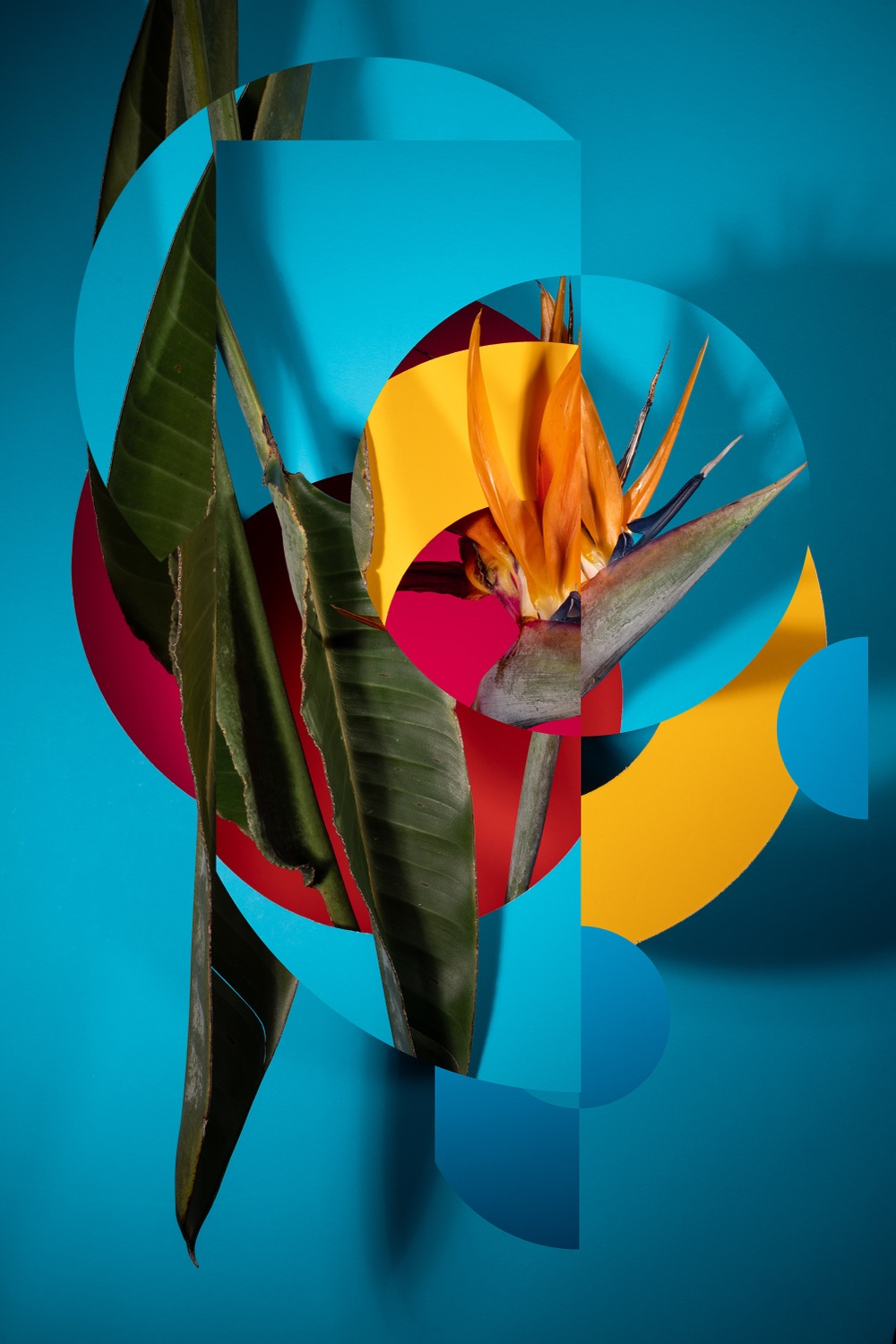
© Daniel Rose | All colours now
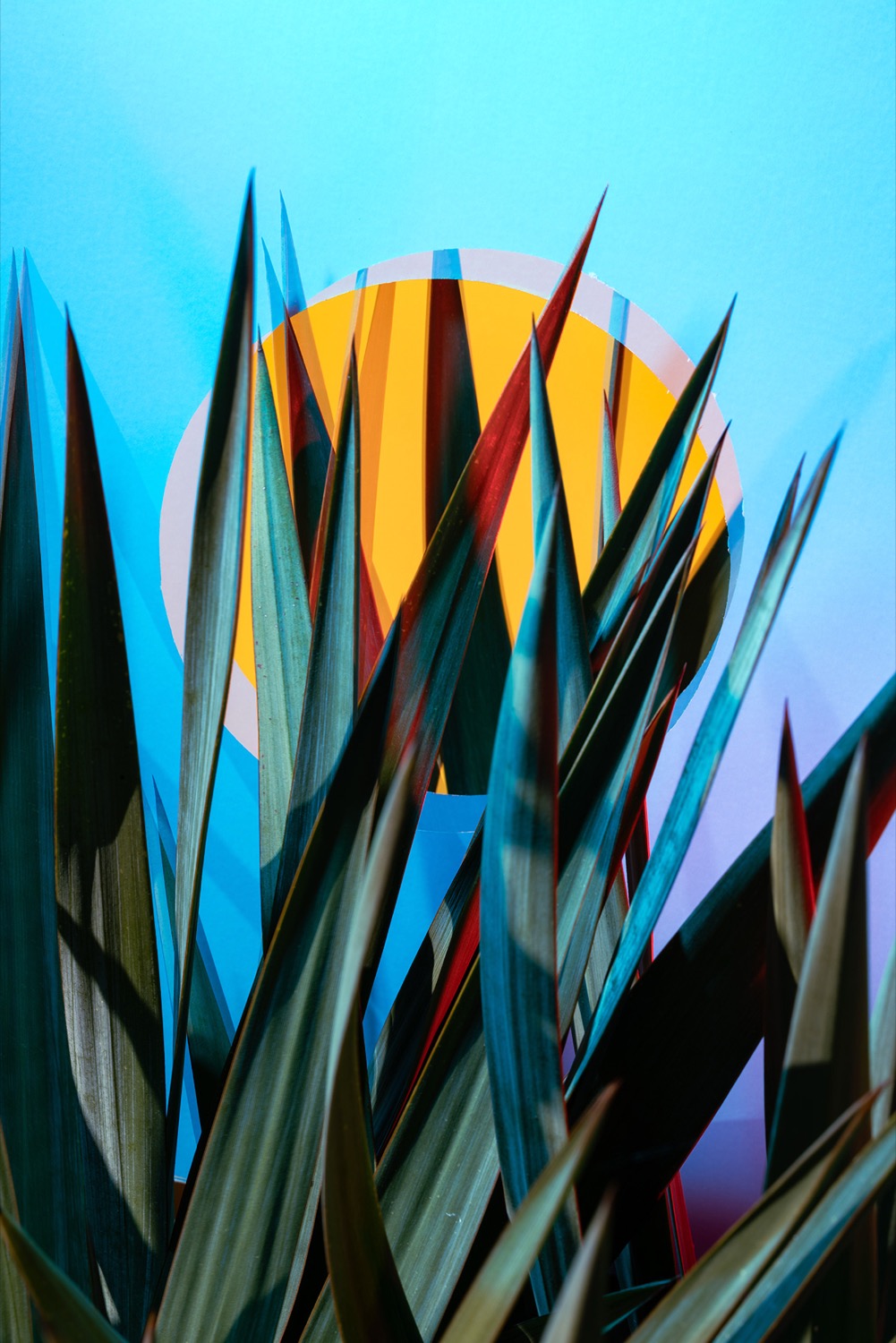

Nature as Studio
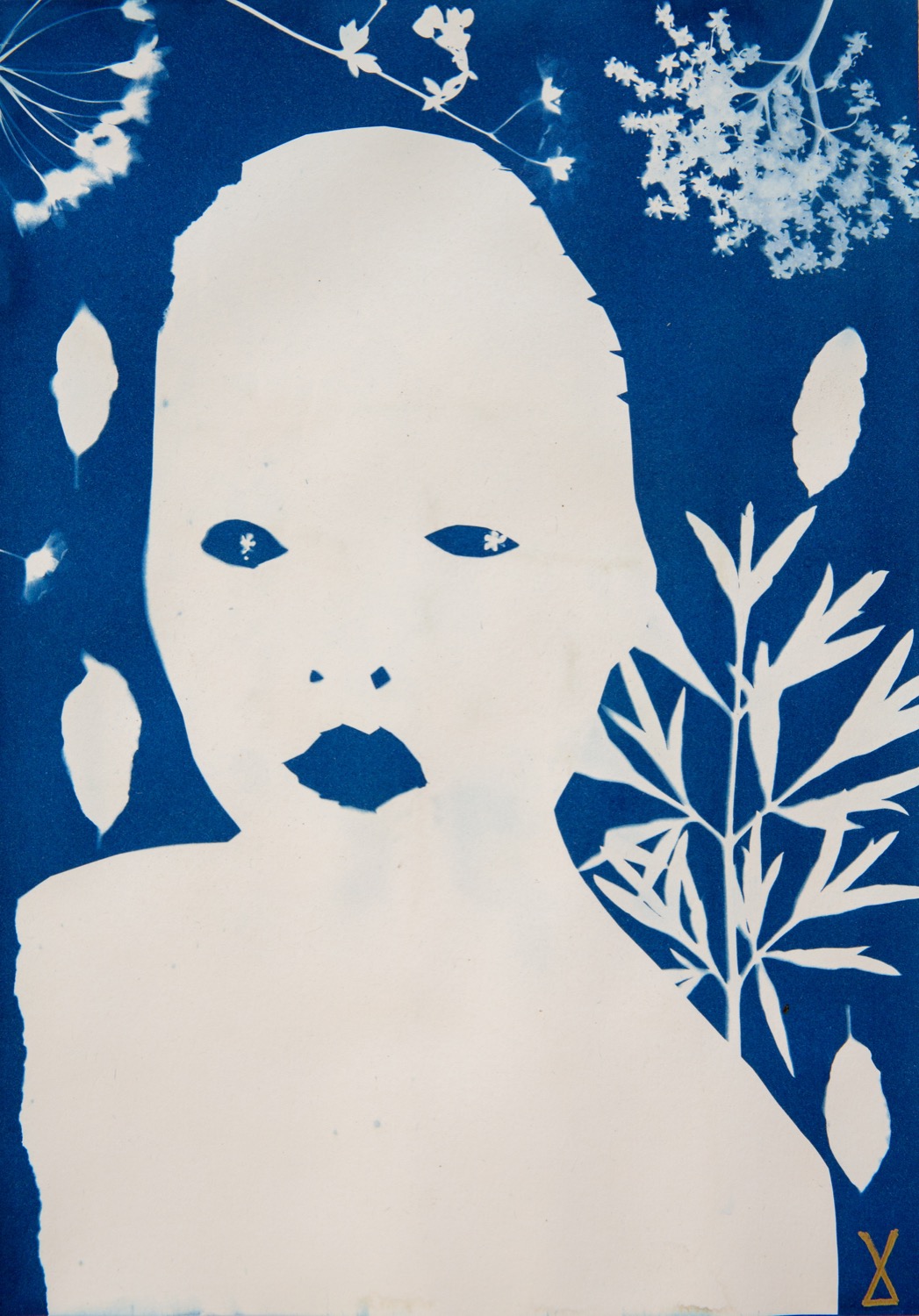
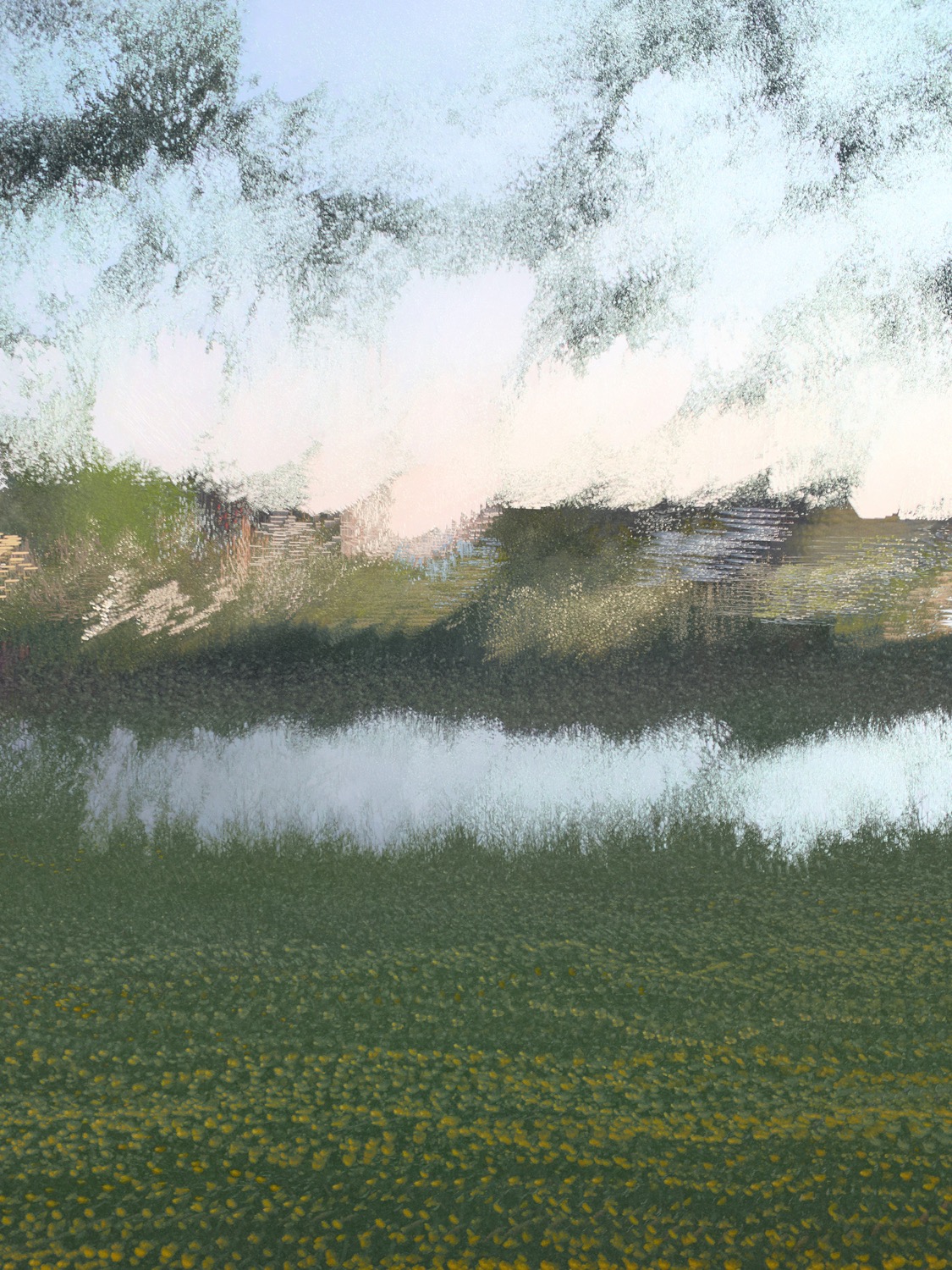
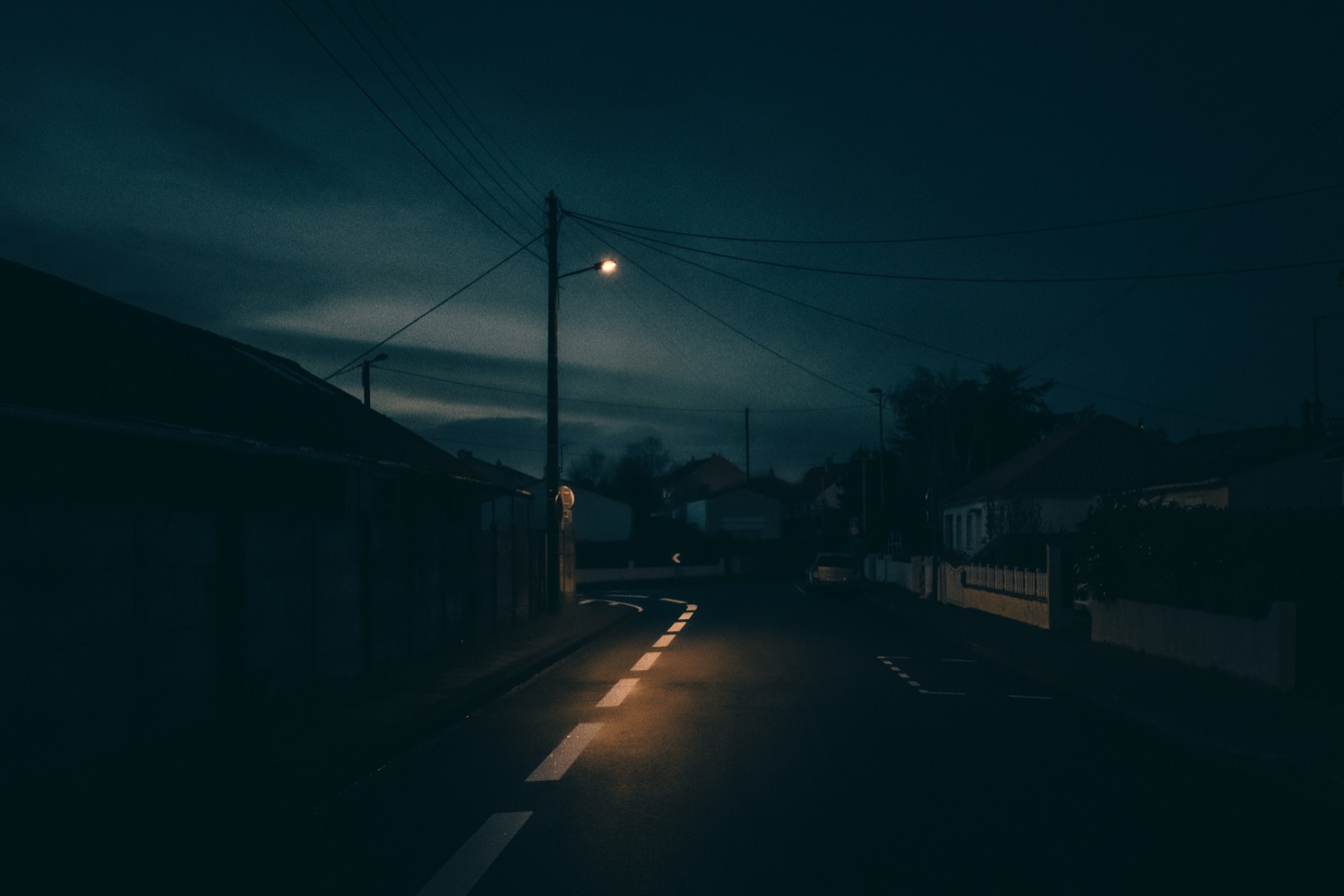
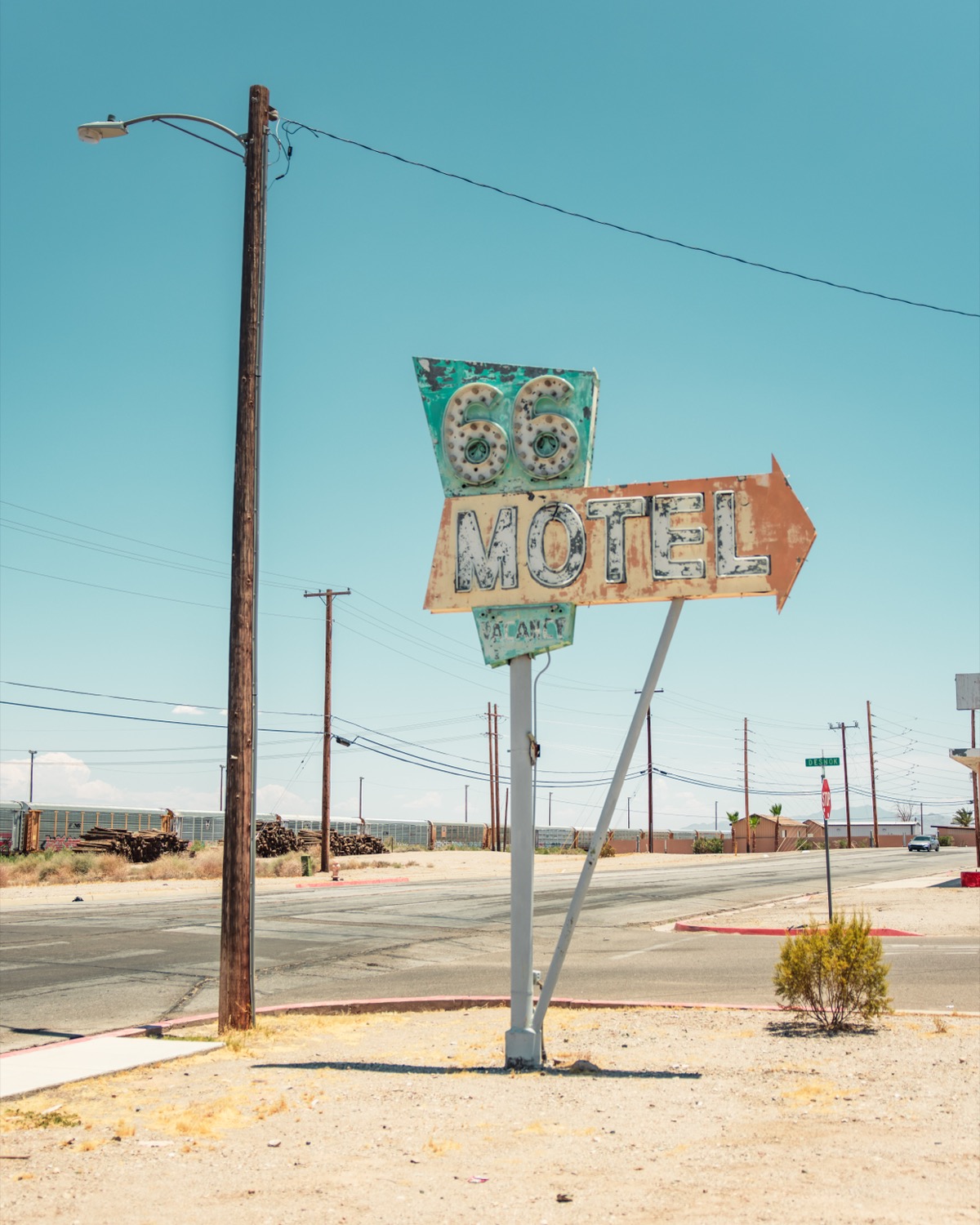
Rose starts each image with a mental concept. “Starting with a sketch or a visual idea in my mind, I set up staged scenes, tweak the lighting and perspective or the arrangement around the object, and then press the shutter,” he explains. The natural environment largely influences his work: “Nature is my studio.”
His still lifes are created on-site, with the environment playing a key role. “The natural setting dictates the subject matter I develop and photograph,” he states. Instead of imposing a predetermined idea on a location, he responds to what the landscape presents, building his work from there. This approach results in a collection shaped by both deliberate intent and the authentic moment he experiences in nature. Rose is genuinely fascinated by the spatial surprises found in the natural environment. “I find inspiration in the angles, spaces, and shapes that nature provides. In a world that’s constantly changing, photography helps me slow down: to observe, to compose, and to understand.”

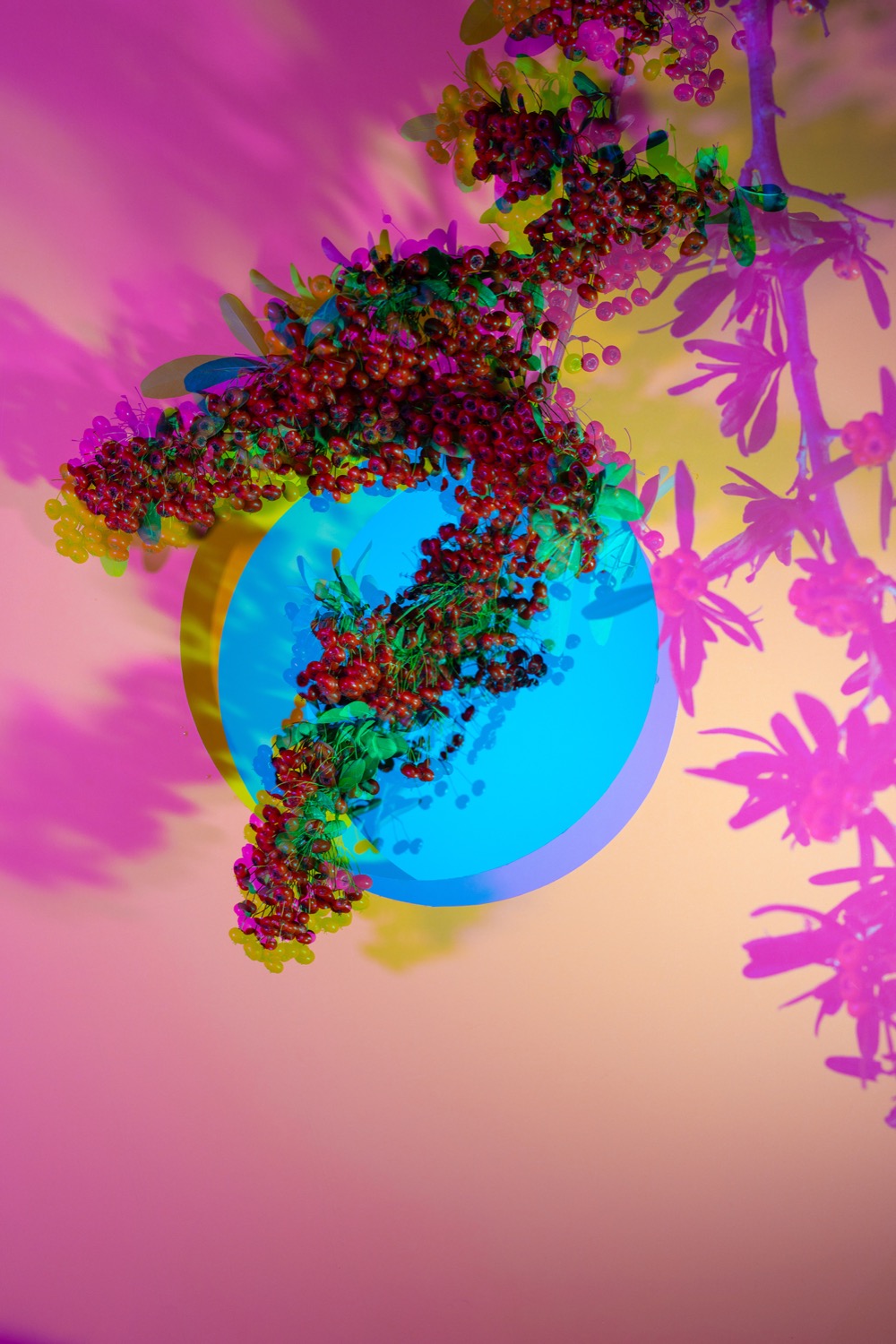
The Logic of Staging
Rose's images are performances, constructed for the camera and resolved in the moment of capture. “Photography is a medium full of secrets and magic, one that allows us to distort and examine the depiction of objects as a unique, staged performance for the camera. This fascination is the driving force behind creating images in which the visible touches the invisible – a world that, in the ideal case, has lost its familiar sense of scale.”
The staged aspect of his work doesn't lessen its authenticity; instead, it reinterprets it. “By engaging in a practice that merges staging with pure reality, I have created my unique form of collage. This creative approach dissolves the boundaries of the figurative, causing familiar elements to shed their original meanings and appear in unexpected arrangements.”
By engaging in a practice that merges staging with pure reality, I have created my unique form of collage.
Daniel Rose's method of pulling out fixed meanings invites the viewer to find their own interpretation in his images. “The message of my work lies in the eye of the beholder, in their willingness to surrender to this freedom of interpretation and to remain open to the absurd and the unexpected.”
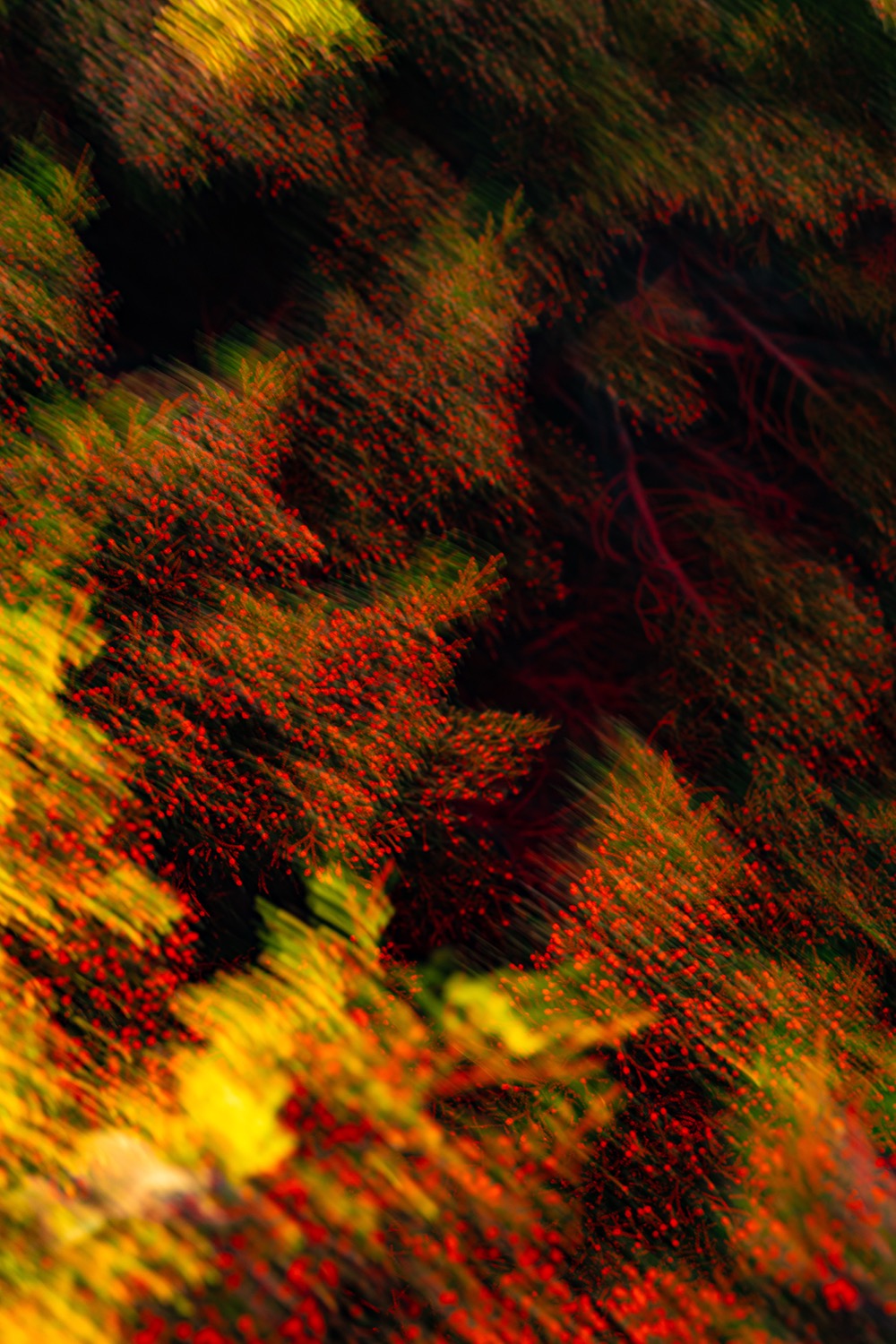
Light, Colour, and the Art of Ikebana
His photographic technique is based on the physics of light. “From the start, I have been captivated by the fundamental relationship between aperture, exposure time, and light, treating the camera like a light brush on a canvas.” In his work, light is not just atmospheric but a crucial structural element. “Physical light is refracted, directed, absorbed, and scattered to form a new image.”
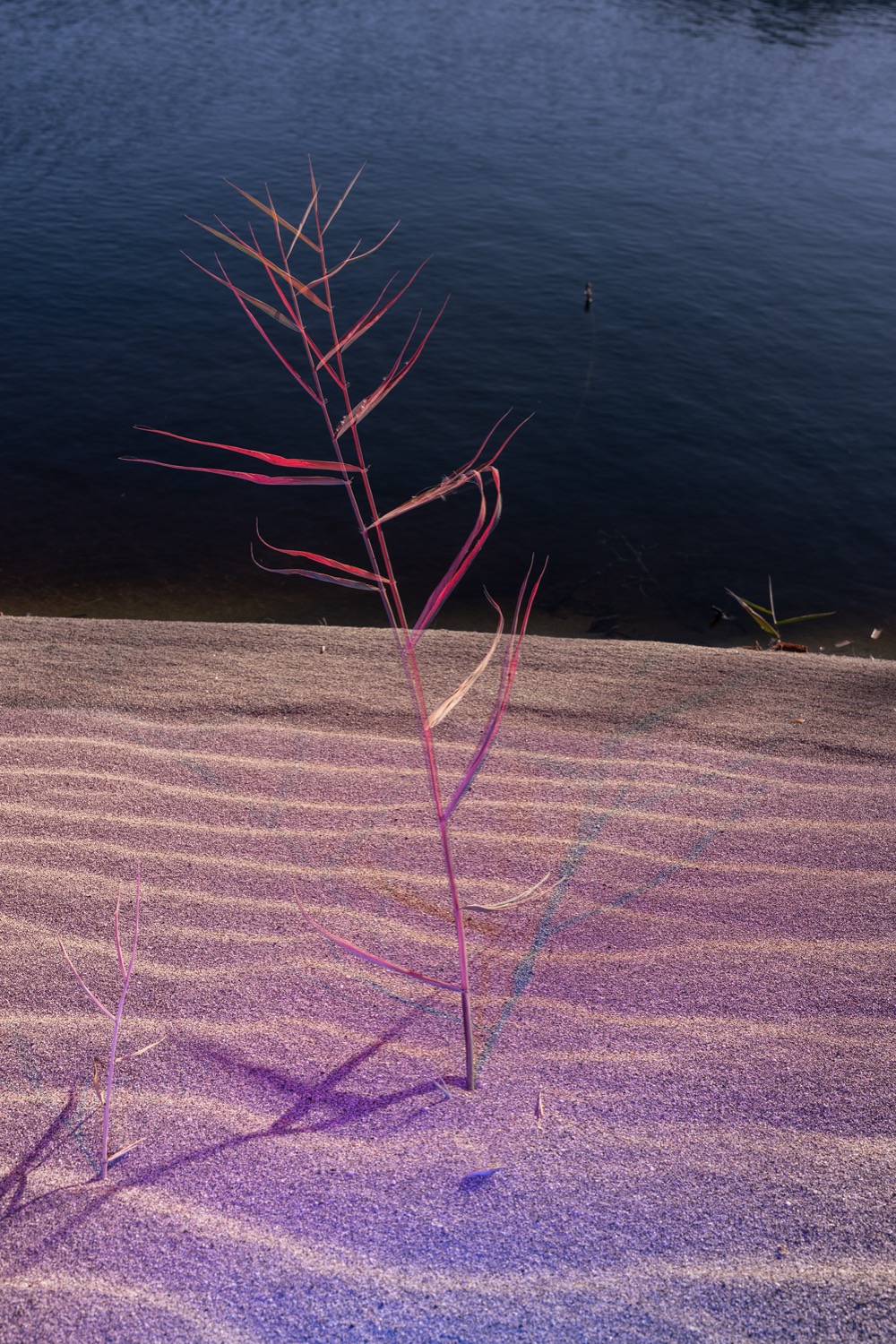
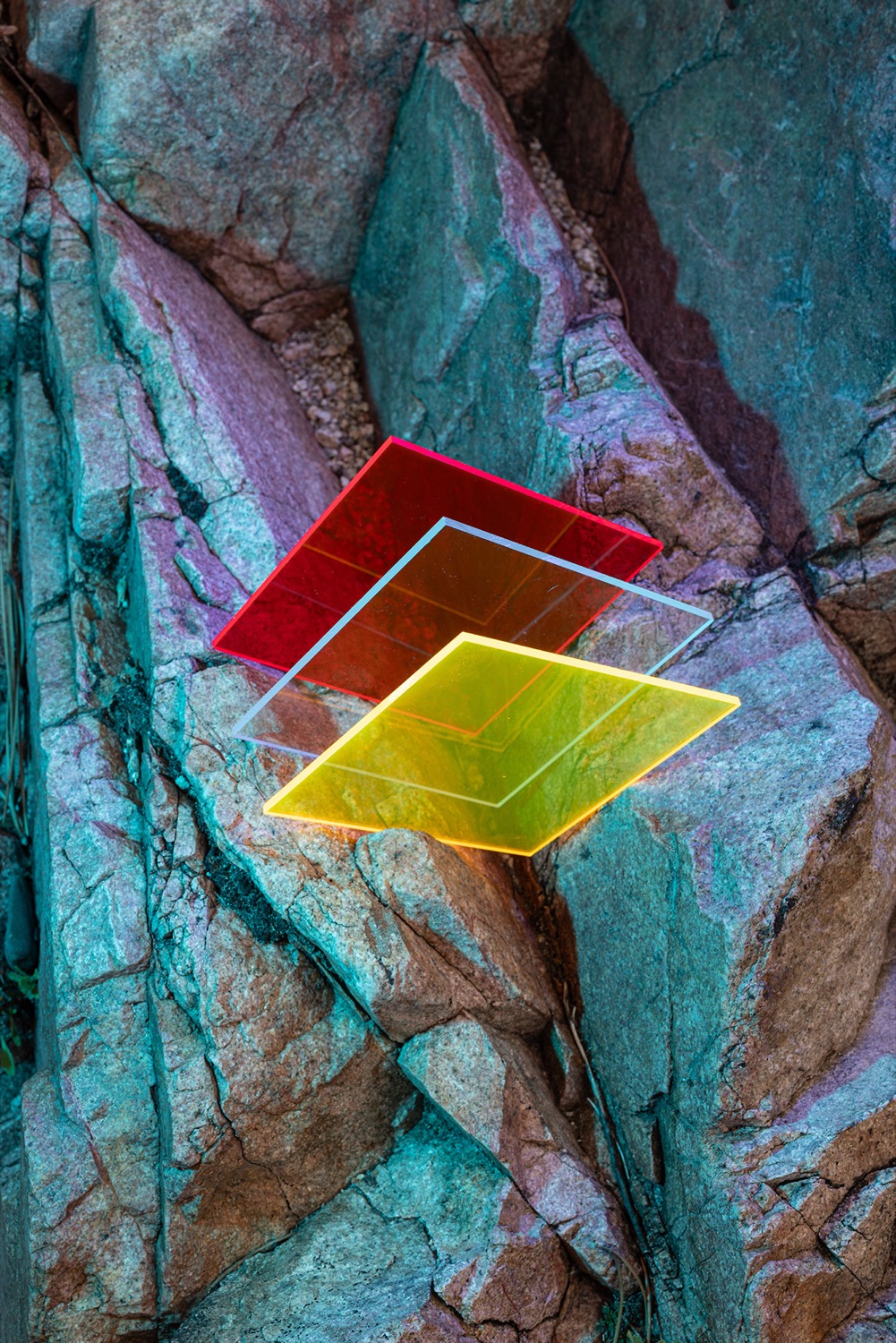
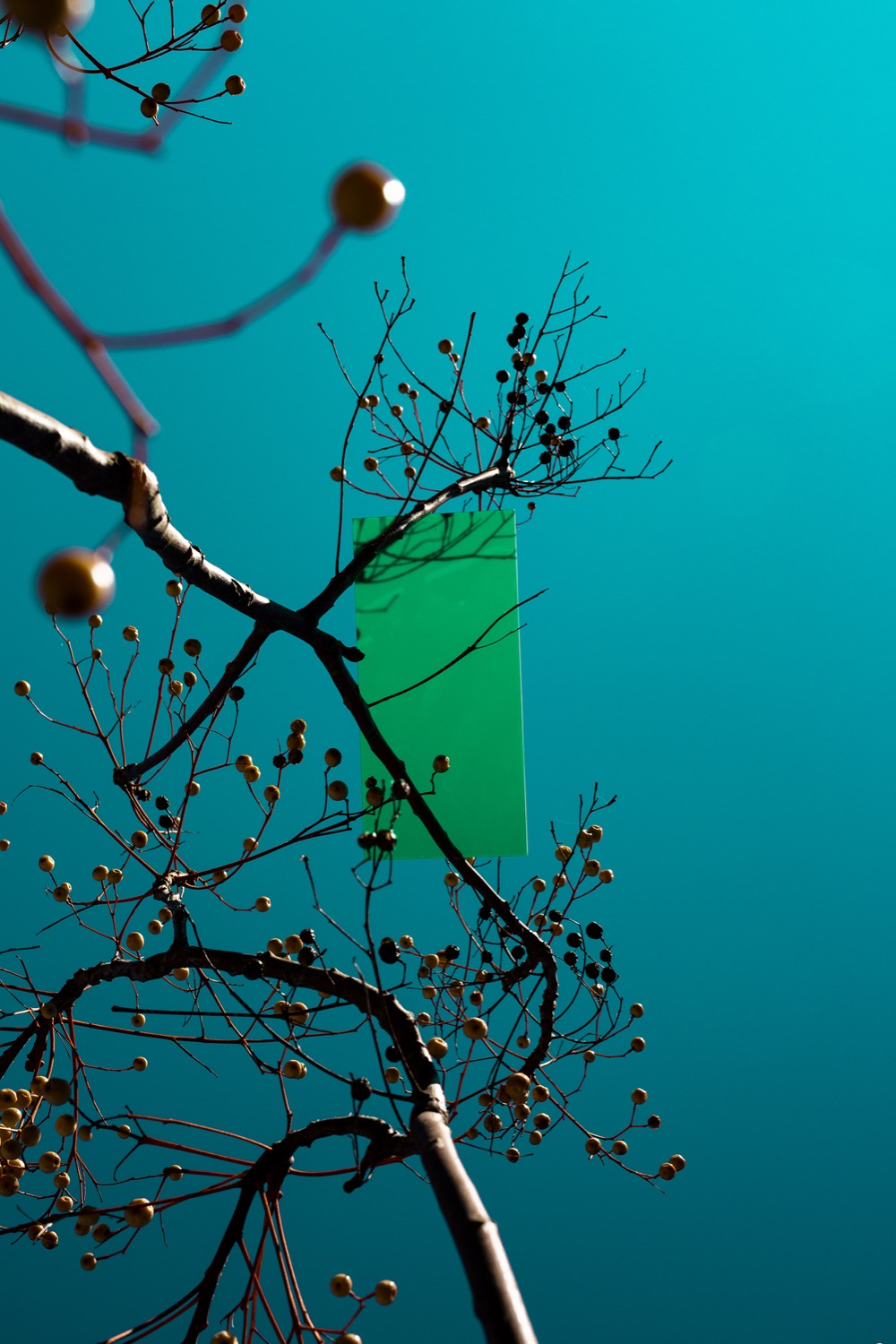
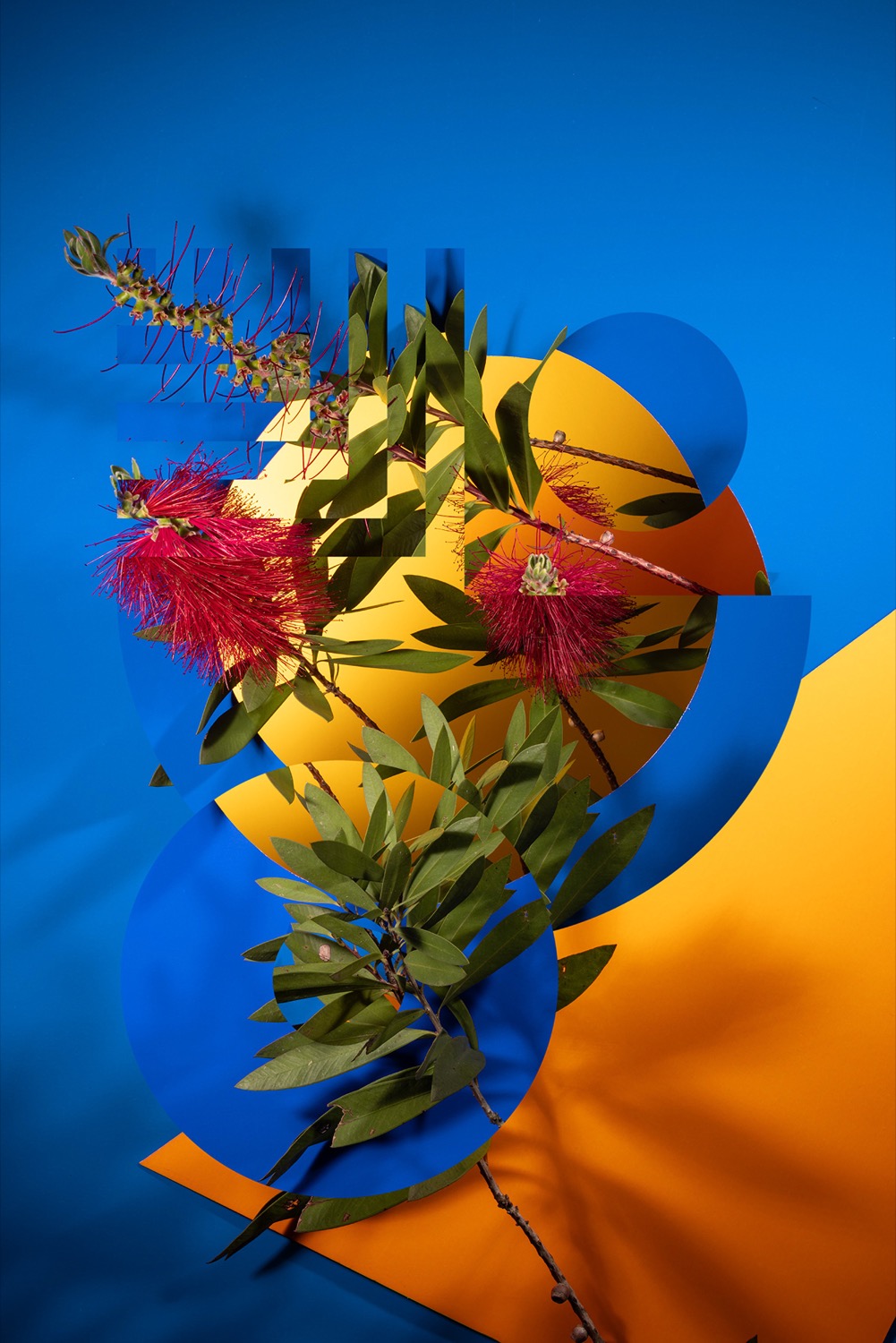
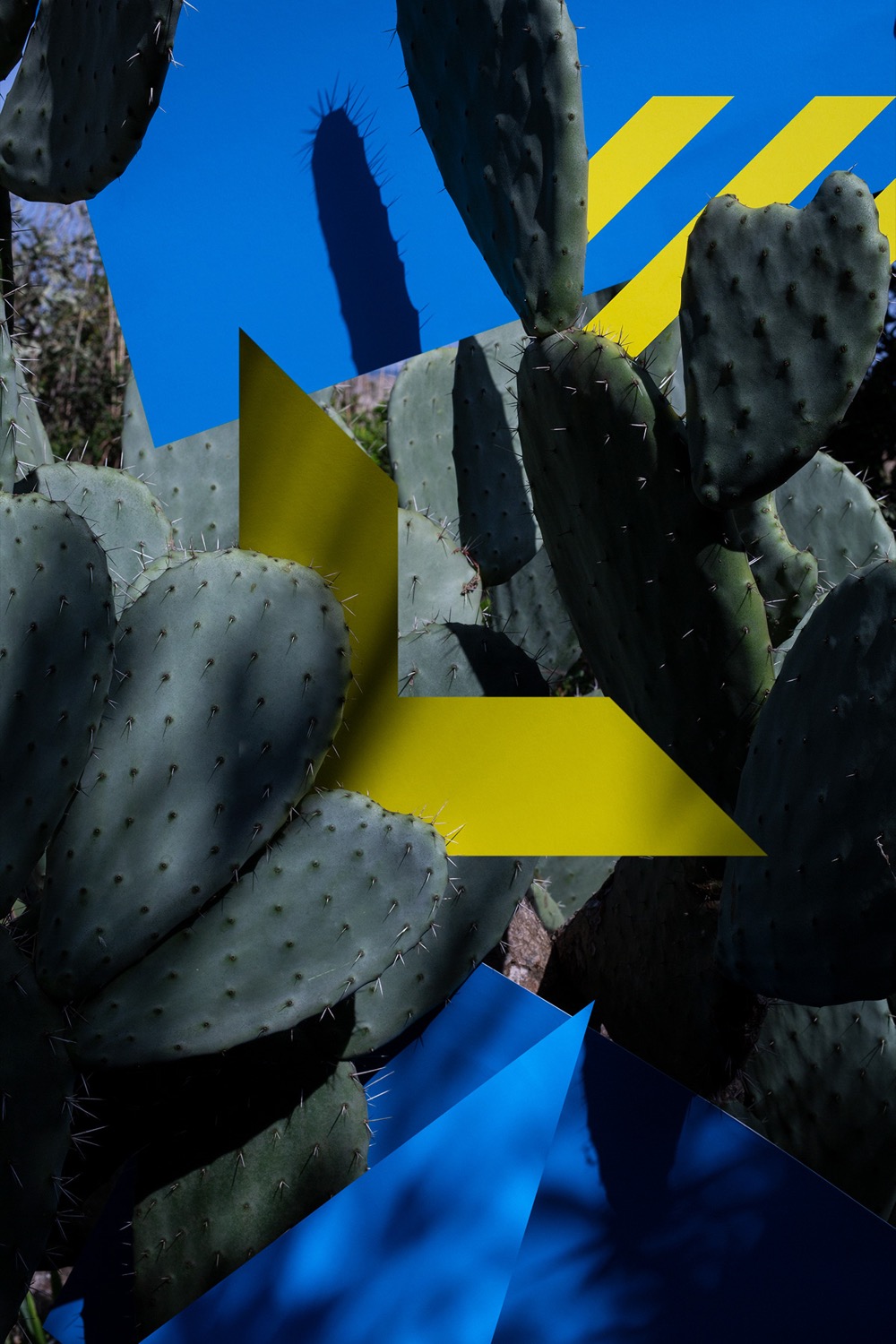
The coloured panels featured throughout his series are core to his method. Their positioning in natural environments creates compositions reminiscent of Japanese flower arrangement traditions. “By assembling vibrant panels and plants into abstract still-life collages, the process mirrors the meditative practice of Ikebana. I craft a collage in nature's studio, which is then photographed.”
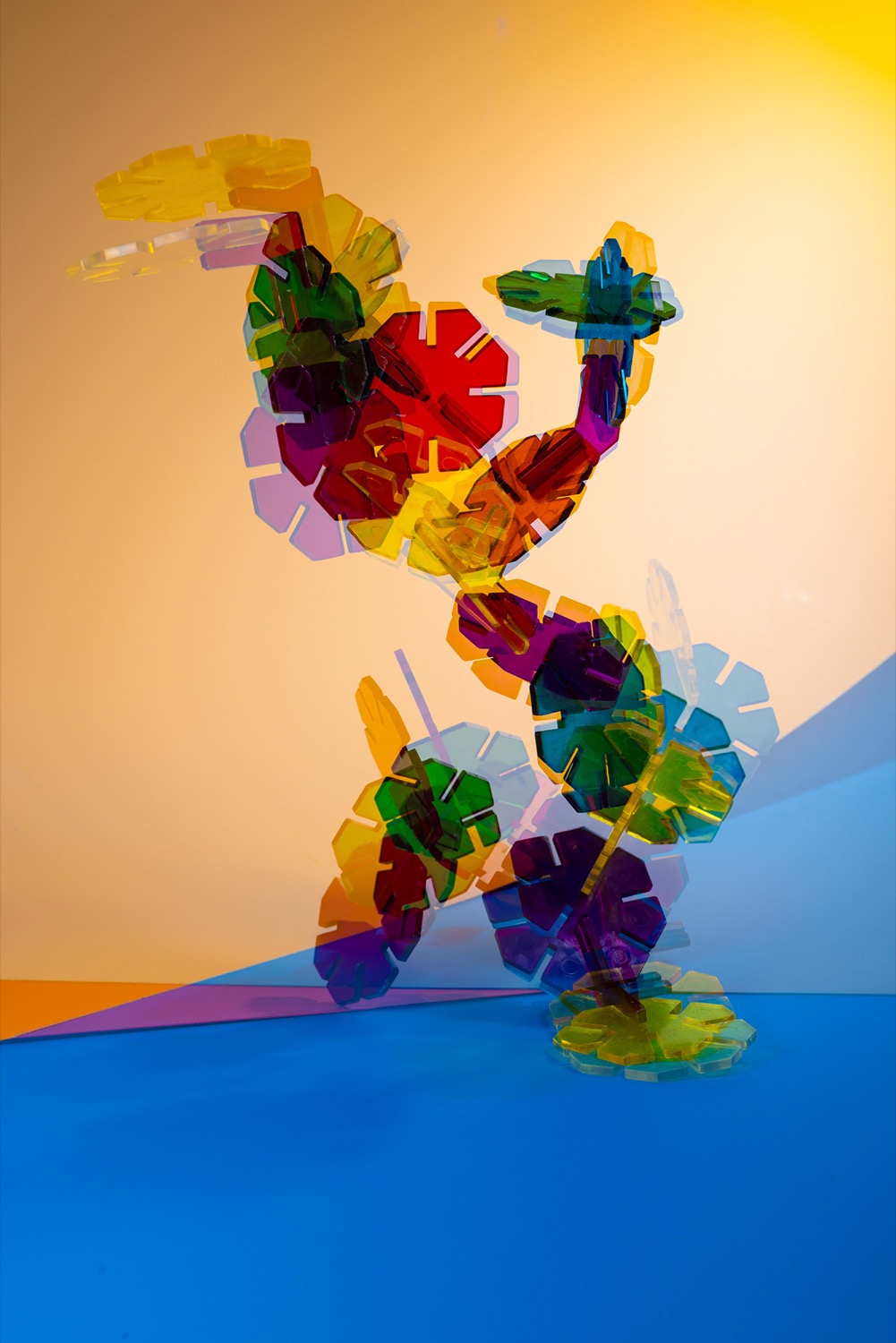
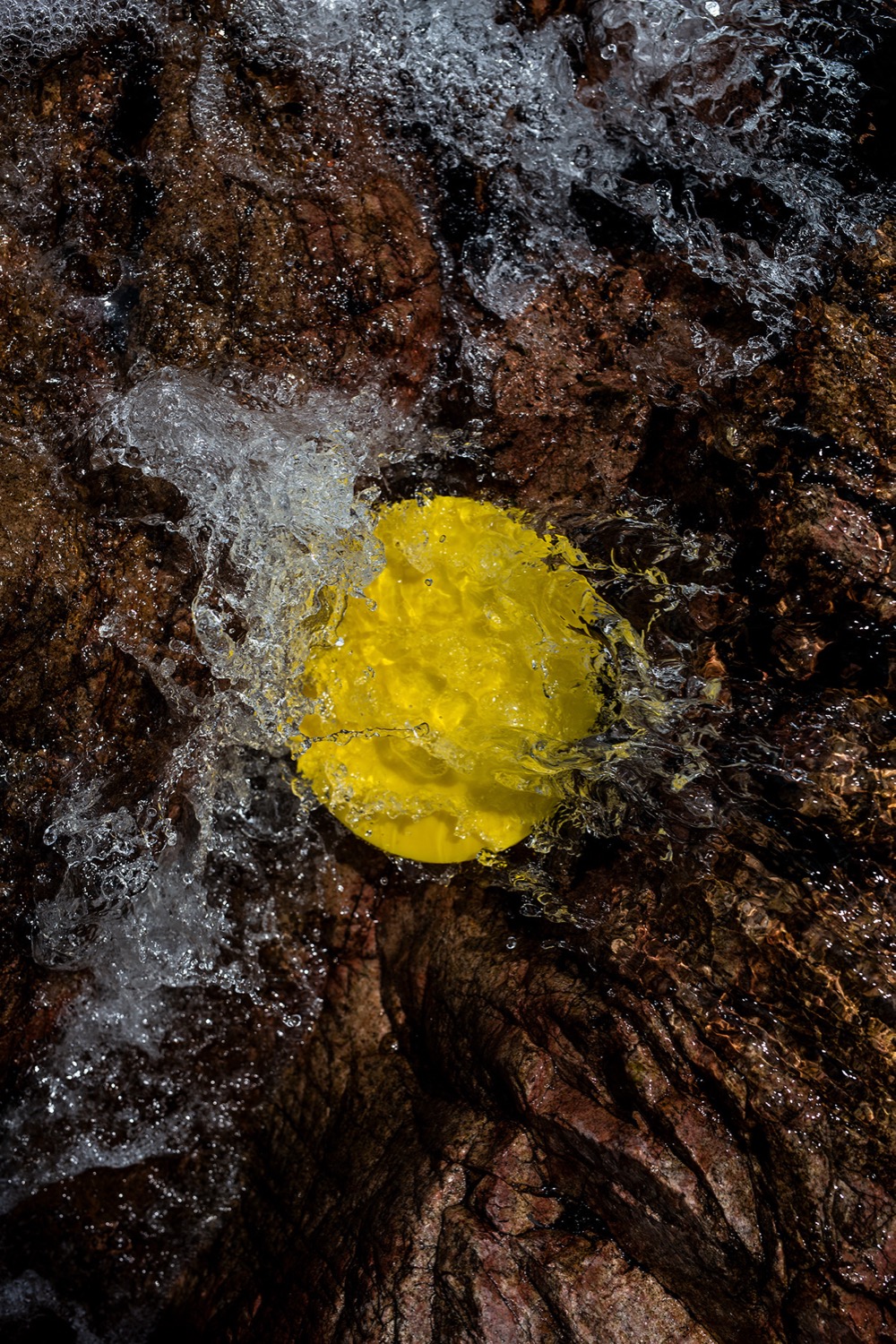
The circle is a key recurring element among formal features. “The circle, representing a line with no start or end, frequently appears in my work, serving as a clear focal point. The central theme often emphasizes the versatility of plant structures and forms, along with landscapes.”
The central theme often emphasizes the versatility of plant structures and forms, along with landscapes.
Limitation and Vastness
A significant part of the psychological drive stems from a dynamic tension between restriction and growth. Daniel Rose operates within specific boundaries, such as a location, objects, and a unique lighting condition, while challenging these limits to discover greater possibilities. “My mental approach drives me to create more with less, transforming confinement into openness and surprising myself with how complex limitation can become.”
The paradox of restlessness seeking stillness permeates his working method and imagery, where constructed scenes evoke a sense of pause. "My creative process is fueled by a childlike restlessness to explore with my camera and to find stillness when I press the shutter.”
Beauty Without Argument
His images are primarily aesthetic rather than political. “My work focuses on beauty and invites individual interpretation. It reflects an idealised perspective of a romantic, emphasising emotion, longing, nature, and mysticism at its core.”
Daniel Rose does not seek an interpretation of contemporary life, but seeks a spiritual reality “I contrast the harsh reality with an idealised and romanticised world, in which emotions, imagination, and subjective experience take centre stage. In contrast to the often sober and pragmatic nature of the real world with its socially and culturally charged issues, my images ideally create a space of longing, mystery, and beauty.” The aspiration for the viewer is a specific kind of attention: “I hope that the viewer can pause, linger with the images, and pay special attention to the captured moment in quiet contemplation.”
An Expanding Frame
Over time, his approach shifted from spontaneous shots to more deliberate framing. “Initially, I depended more on chance with the camera. Now, the intentional use of chance shapes the image's collage. Cubist, illusionary forms and the strength of minimal arrangements have become more prominent.”
Looking ahead, he envisions his work expanding both spatially and conceptually. “In the future, I will deepen my exploration of Ikebana-inspired arrangements in connection with land art's creative energy, daring to adopt a broader perspective.” This approach remains true to his practice: the deliberate interaction with nature, seeking the unexpected within controlled settings, and the idea that a thoughtfully crafted image can contain multiple worlds.
.svg)


.svg)
.svg)

Nature as Studio
Rose starts each image with a mental concept. “Starting with a sketch or a visual idea in my mind, I set up staged scenes, tweak the lighting and perspective or the arrangement around the object, and then press the shutter,” he explains. The natural environment largely influences his work: “Nature is my studio.”
His still lifes are created on-site, with the environment playing a key role. “The natural setting dictates the subject matter I develop and photograph,” he states. Instead of imposing a predetermined idea on a location, he responds to what the landscape presents, building his work from there. This approach results in a collection shaped by both deliberate intent and the authentic moment he experiences in nature. Rose is genuinely fascinated by the spatial surprises found in the natural environment. “I find inspiration in the angles, spaces, and shapes that nature provides. In a world that’s constantly changing, photography helps me slow down: to observe, to compose, and to understand.”
The Logic of Staging
Rose's images are performances, constructed for the camera and resolved in the moment of capture. “Photography is a medium full of secrets and magic, one that allows us to distort and examine the depiction of objects as a unique, staged performance for the camera. This fascination is the driving force behind creating images in which the visible touches the invisible – a world that, in the ideal case, has lost its familiar sense of scale.”
The staged aspect of his work doesn't lessen its authenticity; instead, it reinterprets it. “By engaging in a practice that merges staging with pure reality, I have created my unique form of collage. This creative approach dissolves the boundaries of the figurative, causing familiar elements to shed their original meanings and appear in unexpected arrangements.”
By engaging in a practice that merges staging with pure reality, I have created my unique form of collage.
Daniel Rose's method of pulling out fixed meanings invites the viewer to find their own interpretation in his images. “The message of my work lies in the eye of the beholder, in their willingness to surrender to this freedom of interpretation and to remain open to the absurd and the unexpected.”
Light, Colour, and the Art of Ikebana
His photographic technique is based on the physics of light. “From the start, I have been captivated by the fundamental relationship between aperture, exposure time, and light, treating the camera like a light brush on a canvas.” In his work, light is not just atmospheric but a crucial structural element. “Physical light is refracted, directed, absorbed, and scattered to form a new image.”
The coloured panels featured throughout his series are core to his method. Their positioning in natural environments creates compositions reminiscent of Japanese flower arrangement traditions. “By assembling vibrant panels and plants into abstract still-life collages, the process mirrors the meditative practice of Ikebana. I craft a collage in nature's studio, which is then photographed.”
The circle is a key recurring element among formal features. “The circle, representing a line with no start or end, frequently appears in my work, serving as a clear focal point. The central theme often emphasizes the versatility of plant structures and forms, along with landscapes.”
The central theme often emphasizes the versatility of plant structures and forms, along with landscapes.
Limitation and Vastness
A significant part of the psychological drive stems from a dynamic tension between restriction and growth. Daniel Rose operates within specific boundaries, such as a location, objects, and a unique lighting condition, while challenging these limits to discover greater possibilities. “My mental approach drives me to create more with less, transforming confinement into openness and surprising myself with how complex limitation can become.”
The paradox of restlessness seeking stillness permeates his working method and imagery, where constructed scenes evoke a sense of pause. "My creative process is fueled by a childlike restlessness to explore with my camera and to find stillness when I press the shutter.”
Beauty Without Argument
His images are primarily aesthetic rather than political. “My work focuses on beauty and invites individual interpretation. It reflects an idealised perspective of a romantic, emphasising emotion, longing, nature, and mysticism at its core.”
Daniel Rose does not seek an interpretation of contemporary life, but seeks a spiritual reality “I contrast the harsh reality with an idealised and romanticised world, in which emotions, imagination, and subjective experience take centre stage. In contrast to the often sober and pragmatic nature of the real world with its socially and culturally charged issues, my images ideally create a space of longing, mystery, and beauty.” The aspiration for the viewer is a specific kind of attention: “I hope that the viewer can pause, linger with the images, and pay special attention to the captured moment in quiet contemplation.”
An Expanding Frame
Over time, his approach shifted from spontaneous shots to more deliberate framing. “Initially, I depended more on chance with the camera. Now, the intentional use of chance shapes the image's collage. Cubist, illusionary forms and the strength of minimal arrangements have become more prominent.”
Looking ahead, he envisions his work expanding both spatially and conceptually. “In the future, I will deepen my exploration of Ikebana-inspired arrangements in connection with land art's creative energy, daring to adopt a broader perspective.” This approach remains true to his practice: the deliberate interaction with nature, seeking the unexpected within controlled settings, and the idea that a thoughtfully crafted image can contain multiple worlds.
Nature as Studio
Rose starts each image with a mental concept. “Starting with a sketch or a visual idea in my mind, I set up staged scenes, tweak the lighting and perspective or the arrangement around the object, and then press the shutter,” he explains. The natural environment largely influences his work: “Nature is my studio.”
His still lifes are created on-site, with the environment playing a key role. “The natural setting dictates the subject matter I develop and photograph,” he states. Instead of imposing a predetermined idea on a location, he responds to what the landscape presents, building his work from there. This approach results in a collection shaped by both deliberate intent and the authentic moment he experiences in nature. Rose is genuinely fascinated by the spatial surprises found in the natural environment. “I find inspiration in the angles, spaces, and shapes that nature provides. In a world that’s constantly changing, photography helps me slow down: to observe, to compose, and to understand.”
The Logic of Staging
Rose's images are performances, constructed for the camera and resolved in the moment of capture. “Photography is a medium full of secrets and magic, one that allows us to distort and examine the depiction of objects as a unique, staged performance for the camera. This fascination is the driving force behind creating images in which the visible touches the invisible – a world that, in the ideal case, has lost its familiar sense of scale.”
The staged aspect of his work doesn't lessen its authenticity; instead, it reinterprets it. “By engaging in a practice that merges staging with pure reality, I have created my unique form of collage. This creative approach dissolves the boundaries of the figurative, causing familiar elements to shed their original meanings and appear in unexpected arrangements.”
By engaging in a practice that merges staging with pure reality, I have created my unique form of collage.
Daniel Rose's method of pulling out fixed meanings invites the viewer to find their own interpretation in his images. “The message of my work lies in the eye of the beholder, in their willingness to surrender to this freedom of interpretation and to remain open to the absurd and the unexpected.”
Light, Colour, and the Art of Ikebana
His photographic technique is based on the physics of light. “From the start, I have been captivated by the fundamental relationship between aperture, exposure time, and light, treating the camera like a light brush on a canvas.” In his work, light is not just atmospheric but a crucial structural element. “Physical light is refracted, directed, absorbed, and scattered to form a new image.”
The coloured panels featured throughout his series are core to his method. Their positioning in natural environments creates compositions reminiscent of Japanese flower arrangement traditions. “By assembling vibrant panels and plants into abstract still-life collages, the process mirrors the meditative practice of Ikebana. I craft a collage in nature's studio, which is then photographed.”
The circle is a key recurring element among formal features. “The circle, representing a line with no start or end, frequently appears in my work, serving as a clear focal point. The central theme often emphasizes the versatility of plant structures and forms, along with landscapes.”
The central theme often emphasizes the versatility of plant structures and forms, along with landscapes.
Limitation and Vastness
A significant part of the psychological drive stems from a dynamic tension between restriction and growth. Daniel Rose operates within specific boundaries, such as a location, objects, and a unique lighting condition, while challenging these limits to discover greater possibilities. “My mental approach drives me to create more with less, transforming confinement into openness and surprising myself with how complex limitation can become.”
The paradox of restlessness seeking stillness permeates his working method and imagery, where constructed scenes evoke a sense of pause. "My creative process is fueled by a childlike restlessness to explore with my camera and to find stillness when I press the shutter.”
Beauty Without Argument
His images are primarily aesthetic rather than political. “My work focuses on beauty and invites individual interpretation. It reflects an idealised perspective of a romantic, emphasising emotion, longing, nature, and mysticism at its core.”
Daniel Rose does not seek an interpretation of contemporary life, but seeks a spiritual reality “I contrast the harsh reality with an idealised and romanticised world, in which emotions, imagination, and subjective experience take centre stage. In contrast to the often sober and pragmatic nature of the real world with its socially and culturally charged issues, my images ideally create a space of longing, mystery, and beauty.” The aspiration for the viewer is a specific kind of attention: “I hope that the viewer can pause, linger with the images, and pay special attention to the captured moment in quiet contemplation.”
An Expanding Frame
Over time, his approach shifted from spontaneous shots to more deliberate framing. “Initially, I depended more on chance with the camera. Now, the intentional use of chance shapes the image's collage. Cubist, illusionary forms and the strength of minimal arrangements have become more prominent.”
Looking ahead, he envisions his work expanding both spatially and conceptually. “In the future, I will deepen my exploration of Ikebana-inspired arrangements in connection with land art's creative energy, daring to adopt a broader perspective.” This approach remains true to his practice: the deliberate interaction with nature, seeking the unexpected within controlled settings, and the idea that a thoughtfully crafted image can contain multiple worlds.