© VJ Martin | Surface-Level Ghosts
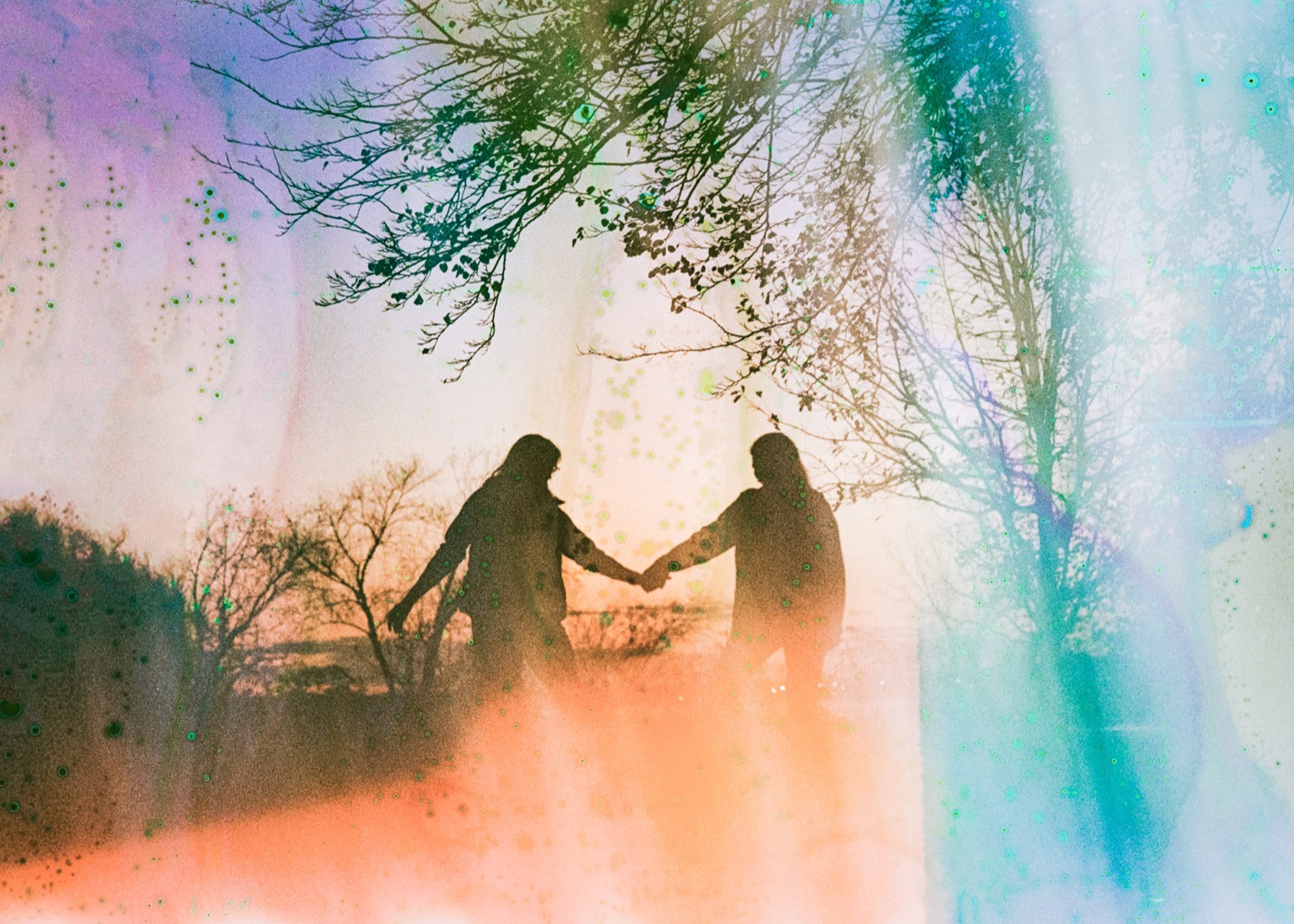
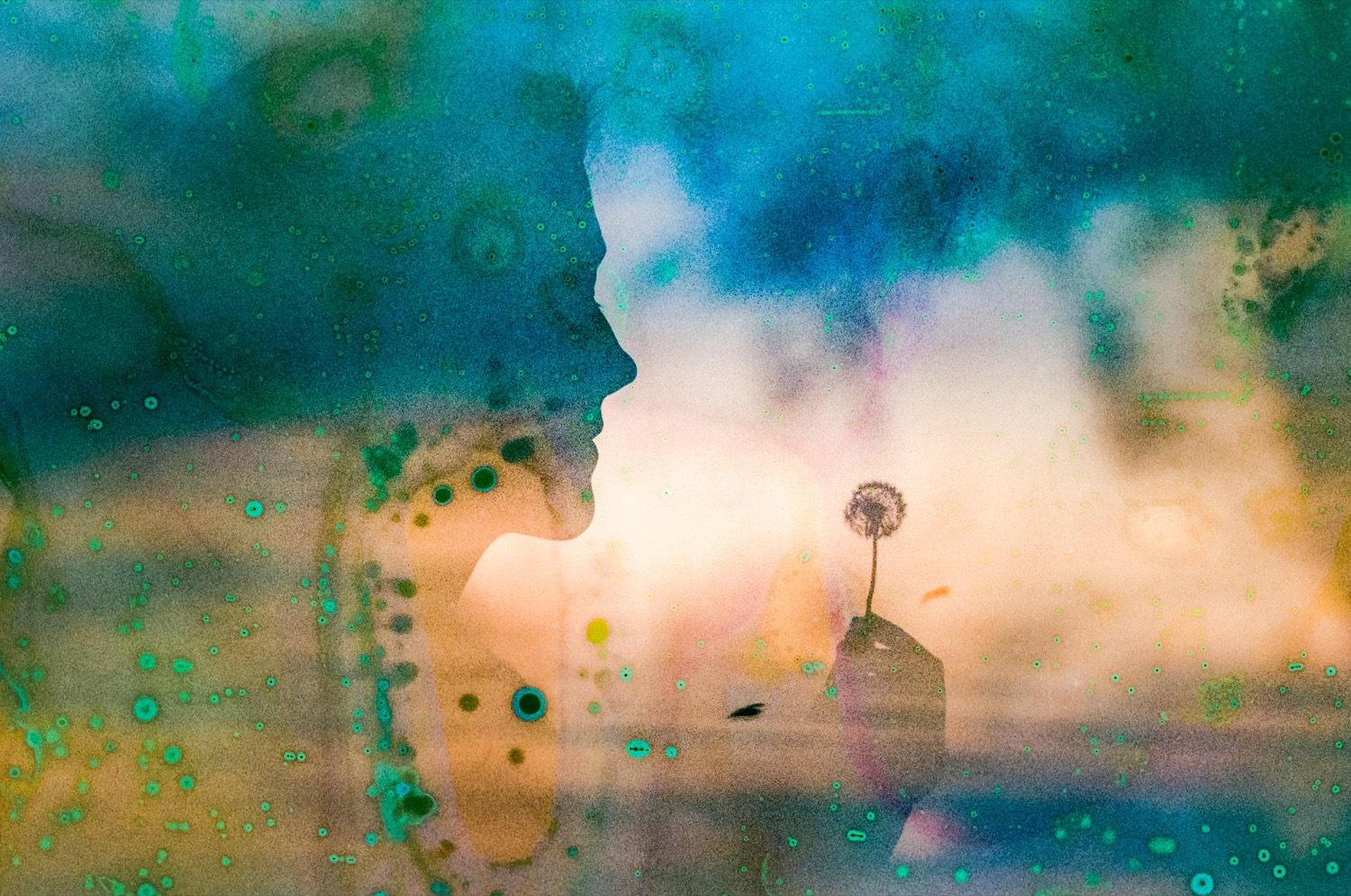
His years of helping patients navigate uncertainty inspire him to include unpredictability in his photography. Techniques like film soup, double exposures, light leaks, and scorched prints distort the images, letting accidents shape the outcome. This series emphasises atmosphere as much as subject, with moments that oscillate between beauty and discomfort. Martin’s photographs explore the delicate line between experience and memory, urging viewers to consider how perception is affected equally by emotion and fact.
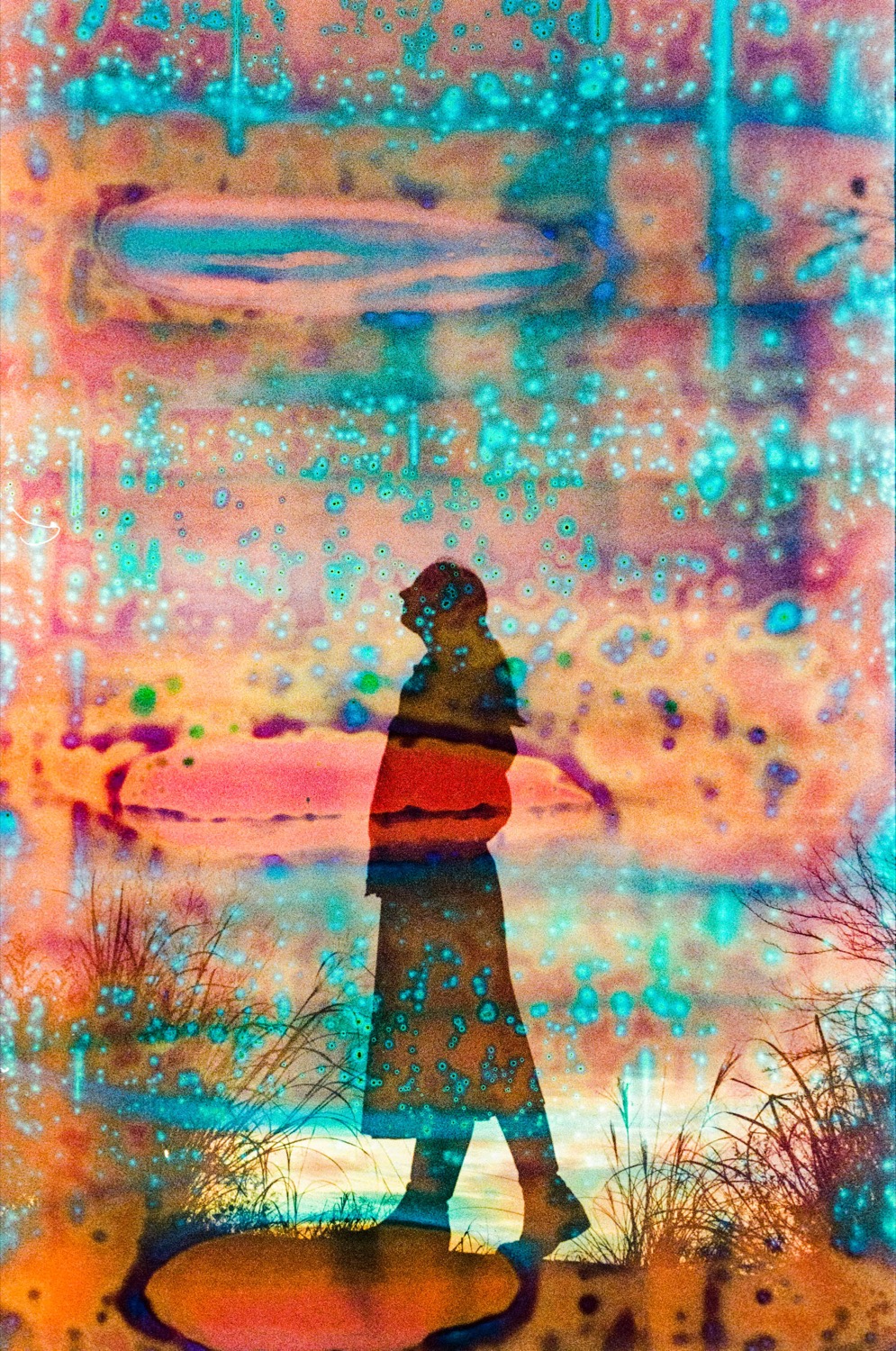
VJ Martin: At some point between taking a picture and seeing the result, I like to sacrifice my images to the creative process. As a doctor, I’ve learned to relinquish control of mytime and expectations. More specifically, as a psychiatrist, I constantly work with people who are adapting to unforeseen events. These experiences have trickled into my art, leading me toward experimental techniques. Using film soup, double exposures, light leaks, weird scanning techniques, or setting prints on fire, I’ve ruined some of the best photos I’ve ever taken. I’m fascinated by the dynamic interplay among feelings, memory, and time.
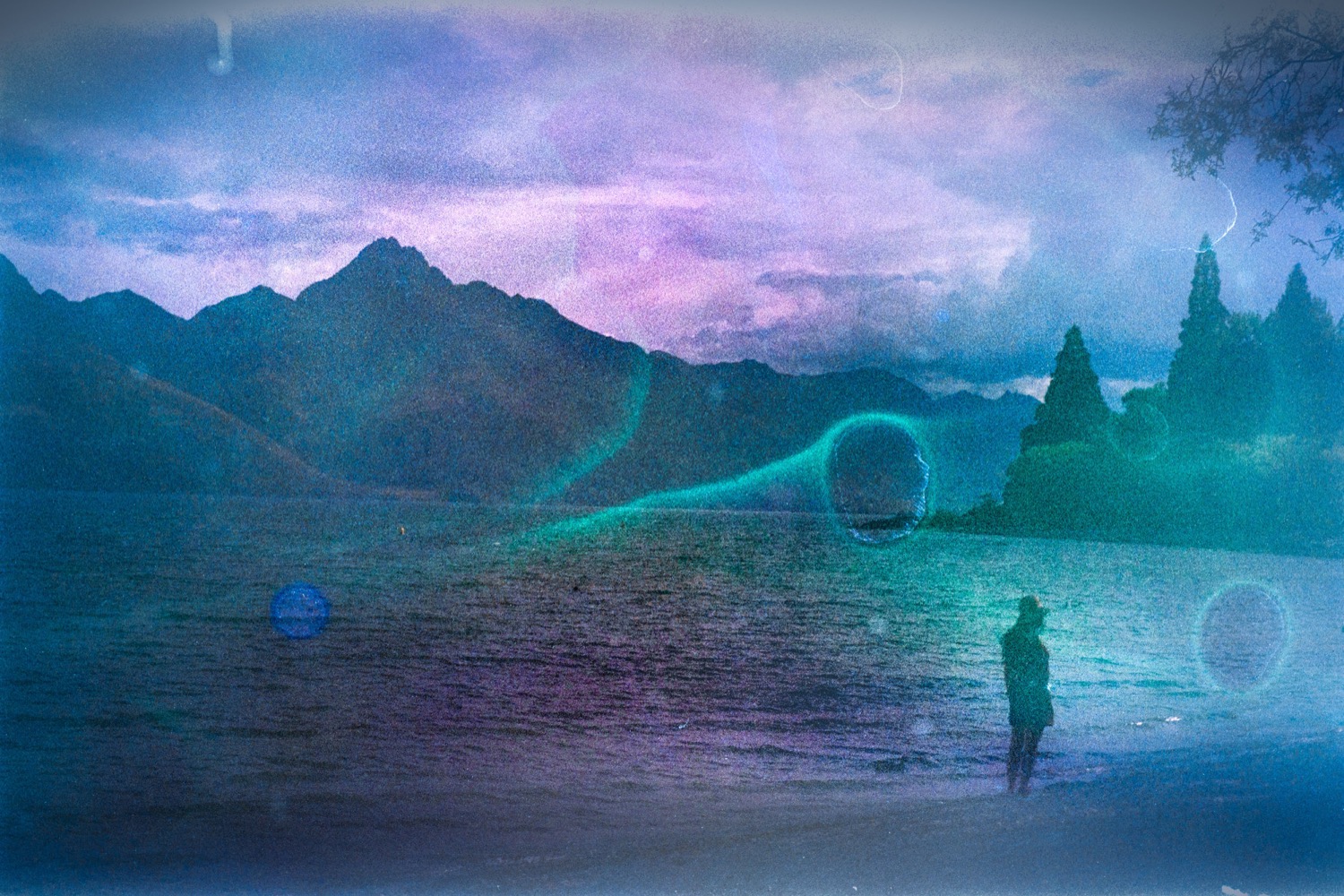

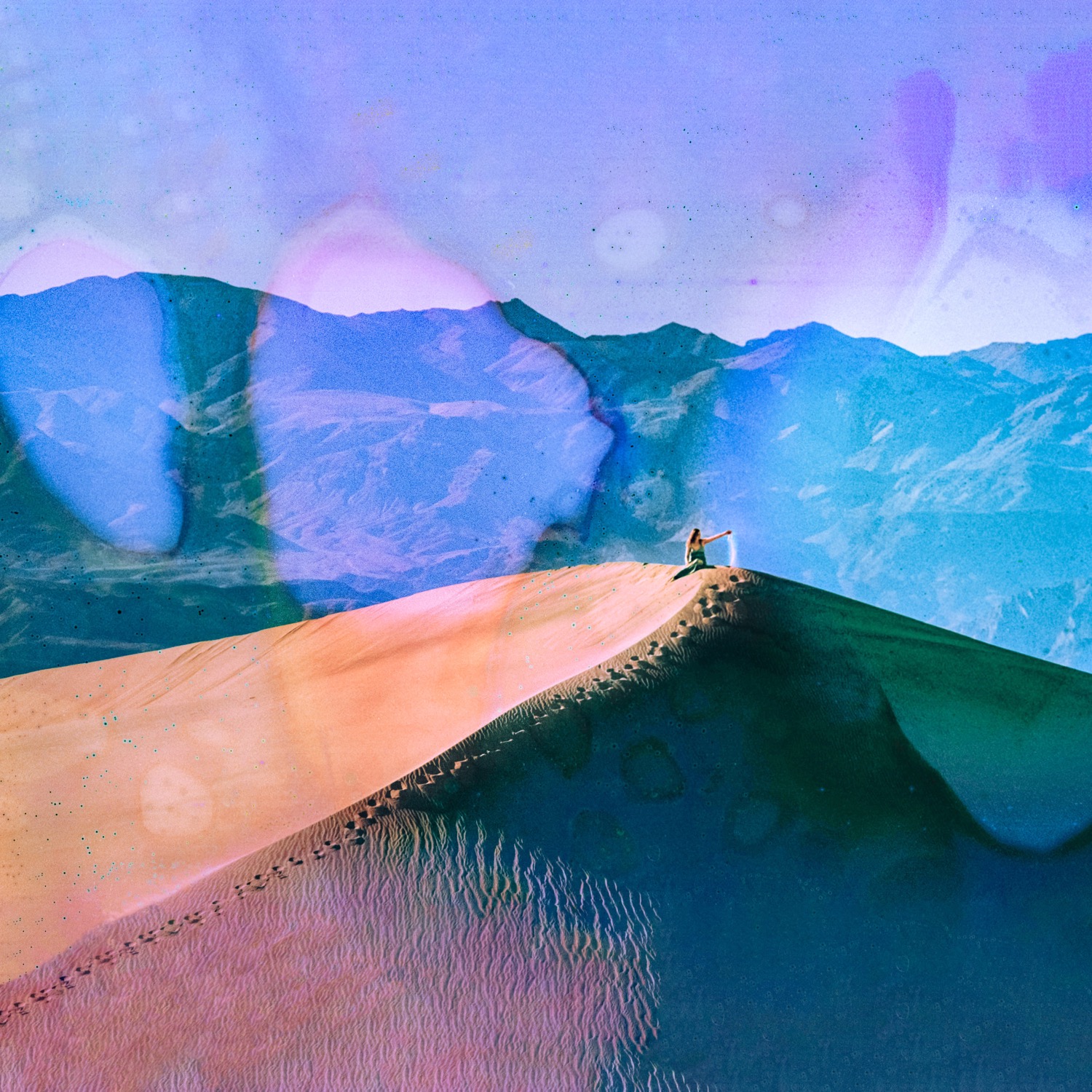
These techniques allow me to see an image with a deeper subconscious emotional layer, because they highlight the limited control we have over our experiences and how we remember them. A simple, beautiful moment canbecome macabre, and a straightforward subject can become obscured. This series, Surface-Level Ghosts, is a selection of photos which I feel highlight the ‘special effects’ as much as the subject, giving the final image a chance to draw a viewer inward, toward their own preconceptions or expectations.
These techniques allow me to see an image with a deeper subconscious emotional layer, because they highlight the limited control we have over our experiences and how we remember them.
.svg)


.svg)
.svg)

His years of helping patients navigate uncertainty inspire him to include unpredictability in his photography. Techniques like film soup, double exposures, light leaks, and scorched prints distort the images, letting accidents shape the outcome. This series emphasises atmosphere as much as subject, with moments that oscillate between beauty and discomfort. Martin’s photographs explore the delicate line between experience and memory, urging viewers to consider how perception is affected equally by emotion and fact.
VJ Martin: At some point between taking a picture and seeing the result, I like to sacrifice my images to the creative process. As a doctor, I’ve learned to relinquish control of mytime and expectations. More specifically, as a psychiatrist, I constantly work with people who are adapting to unforeseen events. These experiences have trickled into my art, leading me toward experimental techniques. Using film soup, double exposures, light leaks, weird scanning techniques, or setting prints on fire, I’ve ruined some of the best photos I’ve ever taken. I’m fascinated by the dynamic interplay among feelings, memory, and time.
These techniques allow me to see an image with a deeper subconscious emotional layer, because they highlight the limited control we have over our experiences and how we remember them. A simple, beautiful moment canbecome macabre, and a straightforward subject can become obscured. This series, Surface-Level Ghosts, is a selection of photos which I feel highlight the ‘special effects’ as much as the subject, giving the final image a chance to draw a viewer inward, toward their own preconceptions or expectations.
These techniques allow me to see an image with a deeper subconscious emotional layer, because they highlight the limited control we have over our experiences and how we remember them.
His years of helping patients navigate uncertainty inspire him to include unpredictability in his photography. Techniques like film soup, double exposures, light leaks, and scorched prints distort the images, letting accidents shape the outcome. This series emphasises atmosphere as much as subject, with moments that oscillate between beauty and discomfort. Martin’s photographs explore the delicate line between experience and memory, urging viewers to consider how perception is affected equally by emotion and fact.
VJ Martin: At some point between taking a picture and seeing the result, I like to sacrifice my images to the creative process. As a doctor, I’ve learned to relinquish control of mytime and expectations. More specifically, as a psychiatrist, I constantly work with people who are adapting to unforeseen events. These experiences have trickled into my art, leading me toward experimental techniques. Using film soup, double exposures, light leaks, weird scanning techniques, or setting prints on fire, I’ve ruined some of the best photos I’ve ever taken. I’m fascinated by the dynamic interplay among feelings, memory, and time.
These techniques allow me to see an image with a deeper subconscious emotional layer, because they highlight the limited control we have over our experiences and how we remember them. A simple, beautiful moment canbecome macabre, and a straightforward subject can become obscured. This series, Surface-Level Ghosts, is a selection of photos which I feel highlight the ‘special effects’ as much as the subject, giving the final image a chance to draw a viewer inward, toward their own preconceptions or expectations.
These techniques allow me to see an image with a deeper subconscious emotional layer, because they highlight the limited control we have over our experiences and how we remember them.