%2C%202004.jpg)
© Richard Misrach, courtesy Fraenkel Gallery, San Francisco Pyramid Lake (at night), 2004, pigment print
In 1997, Richard Misrach moved into a new house in the Berkeley Hills overlooking the San Francisco Bay. His new home offered a stunning view, including the north shore of San Francisco, Angel Island, Alcatraz, the Marin headlands, and the Golden Gate Bridge. He was inspired by the spectacle of weather and light surrounding the Golden Gate Bridge. Over four years, he photographed the bridge from the same spot and vantage point under different weather conditions.

His process was methodical; each photograph was framed from the same position, with only weather conditions and light as variables. Over the next three years, Misrach took the same picture literally thousands of times. Individual photographs, however, record an astonishing variety of atmospheres and activities. Each image is titled after the date and time it was taken.
His work encompasses a long-term study of weather, time, colour, and light in Misrach’s serial photographs of the Golden Gate. From a single, unchanging vantage point, the series captures the unpredictable complexity of light and weather. Misrach maintained this approach in On The Beach, an aerial perspective of isolation featuring the human figure and the infinite ocean, viewed from an unsettling viewpoint high above the scene. In recent years, he has revisited the exact location in Hawaii, documenting how humans embrace the danger and beauty of the sea. In The Mysterious Opacity of Other Beings, Misrach has depicted figures in ambiguous poses on the beach or in the water.

Beauty can be a very powerful conveyor of difficult ideas.
- Richard Misrach
Desert Cantos is Misrach’s longest-running project, now encompassing 41 cantos—a term Misrach borrowed from epic poetry to describe discrete parts of the series. Over more than forty years, Misrach has published several books focused on particular themes of the series, including a 1987 catalogue from the University of New Mexico Press, featuring this image on its cover.
%2C%202025.jpg)
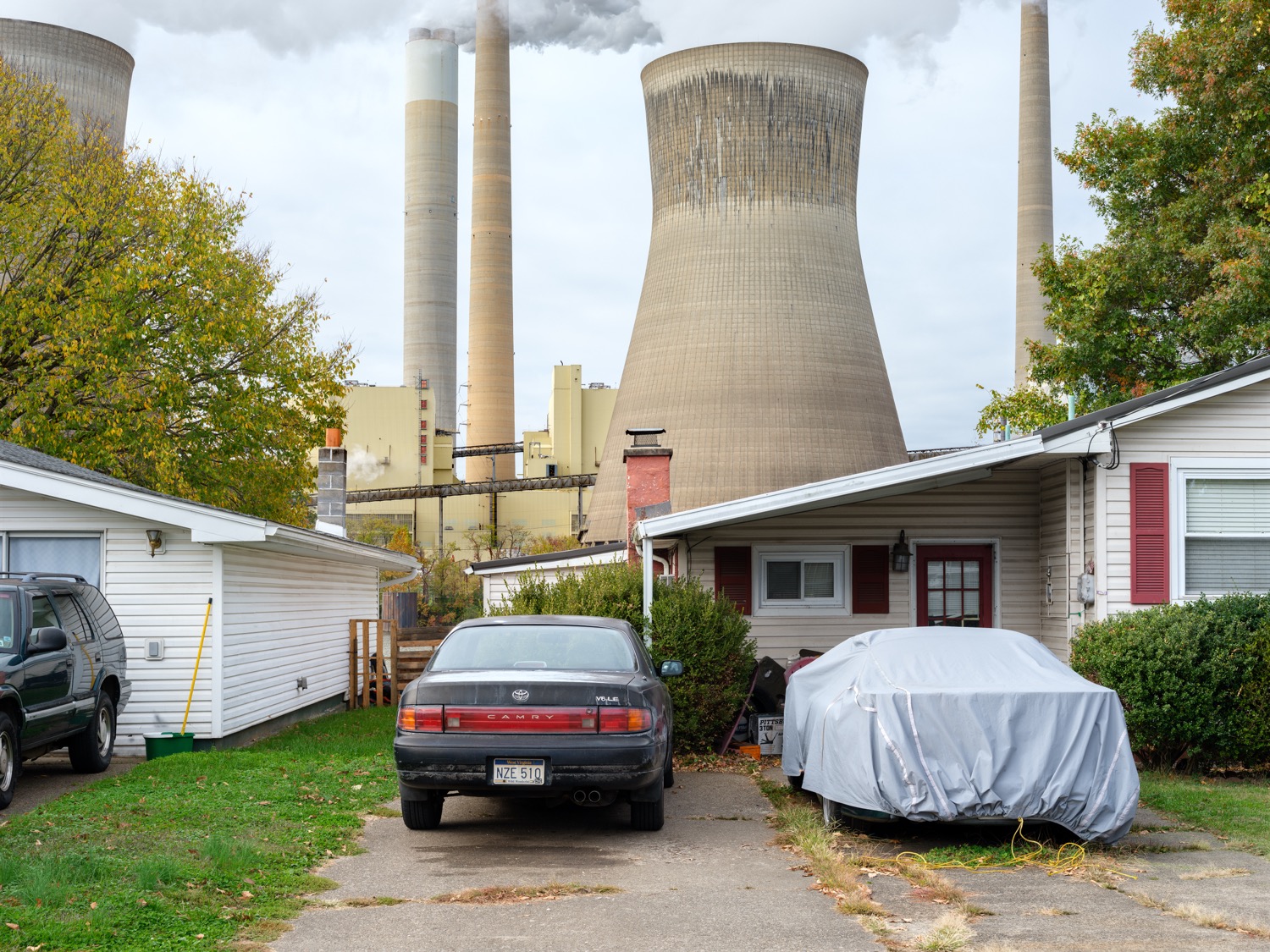
In 1998, the High Art Museum in Atlanta commissioned Misrach to create a body of work situated in the South, and he returned to the area in 2010. Published by Aperture in 2012, Petrochemical America joins Misrach’s photographs of Louisiana’s Chemical Corridor with landscape architect Kate Orff’s Ecological Atlas—a series of speculative drawings developed through the mapping of data from the region. Their joint effort depicts and unpacks the complex cultural, physical, and economic ecologies along 150 miles of the Mississippi River, an area of intense chemical production that first drew public attention as “Cancer Alley” after unusual cancer rates were discovered there.
%2C1979.jpg)
Misrach's best photographs strike an anxious balance between visual pleasure and socio-political observation. The visual field of this landscape is full of such disruptive information: the derelict jetty in the foreground, the awful commercial strip of the marina occasionally emerging from the haze. Dissonant episodes emerge from the matrix in their large exhibition format - headlights crossing the bridge, plush houses in Marin - but these details don't stick.
.svg)


.svg)
.svg)

In 1997, Richard Misrach moved into a new house in the Berkeley Hills overlooking the San Francisco Bay. His new home offered a stunning view, including the north shore of San Francisco, Angel Island, Alcatraz, the Marin headlands, and the Golden Gate Bridge. He was inspired by the spectacle of weather and light surrounding the Golden Gate Bridge. Over four years, he photographed the bridge from the same spot and vantage point under different weather conditions.
His process was methodical; each photograph was framed from the same position, with only weather conditions and light as variables. Over the next three years, Misrach took the same picture literally thousands of times. Individual photographs, however, record an astonishing variety of atmospheres and activities. Each image is titled after the date and time it was taken.
His work encompasses a long-term study of weather, time, colour, and light in Misrach’s serial photographs of the Golden Gate. From a single, unchanging vantage point, the series captures the unpredictable complexity of light and weather. Misrach maintained this approach in On The Beach, an aerial perspective of isolation featuring the human figure and the infinite ocean, viewed from an unsettling viewpoint high above the scene. In recent years, he has revisited the exact location in Hawaii, documenting how humans embrace the danger and beauty of the sea. In The Mysterious Opacity of Other Beings, Misrach has depicted figures in ambiguous poses on the beach or in the water.
Beauty can be a very powerful conveyor of difficult ideas.
- Richard Misrach
Desert Cantos is Misrach’s longest-running project, now encompassing 41 cantos—a term Misrach borrowed from epic poetry to describe discrete parts of the series. Over more than forty years, Misrach has published several books focused on particular themes of the series, including a 1987 catalogue from the University of New Mexico Press, featuring this image on its cover.
In 1998, the High Art Museum in Atlanta commissioned Misrach to create a body of work situated in the South, and he returned to the area in 2010. Published by Aperture in 2012, Petrochemical America joins Misrach’s photographs of Louisiana’s Chemical Corridor with landscape architect Kate Orff’s Ecological Atlas—a series of speculative drawings developed through the mapping of data from the region. Their joint effort depicts and unpacks the complex cultural, physical, and economic ecologies along 150 miles of the Mississippi River, an area of intense chemical production that first drew public attention as “Cancer Alley” after unusual cancer rates were discovered there.
Misrach's best photographs strike an anxious balance between visual pleasure and socio-political observation. The visual field of this landscape is full of such disruptive information: the derelict jetty in the foreground, the awful commercial strip of the marina occasionally emerging from the haze. Dissonant episodes emerge from the matrix in their large exhibition format - headlights crossing the bridge, plush houses in Marin - but these details don't stick.
In 1997, Richard Misrach moved into a new house in the Berkeley Hills overlooking the San Francisco Bay. His new home offered a stunning view, including the north shore of San Francisco, Angel Island, Alcatraz, the Marin headlands, and the Golden Gate Bridge. He was inspired by the spectacle of weather and light surrounding the Golden Gate Bridge. Over four years, he photographed the bridge from the same spot and vantage point under different weather conditions.
His process was methodical; each photograph was framed from the same position, with only weather conditions and light as variables. Over the next three years, Misrach took the same picture literally thousands of times. Individual photographs, however, record an astonishing variety of atmospheres and activities. Each image is titled after the date and time it was taken.
His work encompasses a long-term study of weather, time, colour, and light in Misrach’s serial photographs of the Golden Gate. From a single, unchanging vantage point, the series captures the unpredictable complexity of light and weather. Misrach maintained this approach in On The Beach, an aerial perspective of isolation featuring the human figure and the infinite ocean, viewed from an unsettling viewpoint high above the scene. In recent years, he has revisited the exact location in Hawaii, documenting how humans embrace the danger and beauty of the sea. In The Mysterious Opacity of Other Beings, Misrach has depicted figures in ambiguous poses on the beach or in the water.
Beauty can be a very powerful conveyor of difficult ideas.
- Richard Misrach
Desert Cantos is Misrach’s longest-running project, now encompassing 41 cantos—a term Misrach borrowed from epic poetry to describe discrete parts of the series. Over more than forty years, Misrach has published several books focused on particular themes of the series, including a 1987 catalogue from the University of New Mexico Press, featuring this image on its cover.
In 1998, the High Art Museum in Atlanta commissioned Misrach to create a body of work situated in the South, and he returned to the area in 2010. Published by Aperture in 2012, Petrochemical America joins Misrach’s photographs of Louisiana’s Chemical Corridor with landscape architect Kate Orff’s Ecological Atlas—a series of speculative drawings developed through the mapping of data from the region. Their joint effort depicts and unpacks the complex cultural, physical, and economic ecologies along 150 miles of the Mississippi River, an area of intense chemical production that first drew public attention as “Cancer Alley” after unusual cancer rates were discovered there.
Misrach's best photographs strike an anxious balance between visual pleasure and socio-political observation. The visual field of this landscape is full of such disruptive information: the derelict jetty in the foreground, the awful commercial strip of the marina occasionally emerging from the haze. Dissonant episodes emerge from the matrix in their large exhibition format - headlights crossing the bridge, plush houses in Marin - but these details don't stick.