© Clair Robins | 52 Weeks Stolen & Preserved
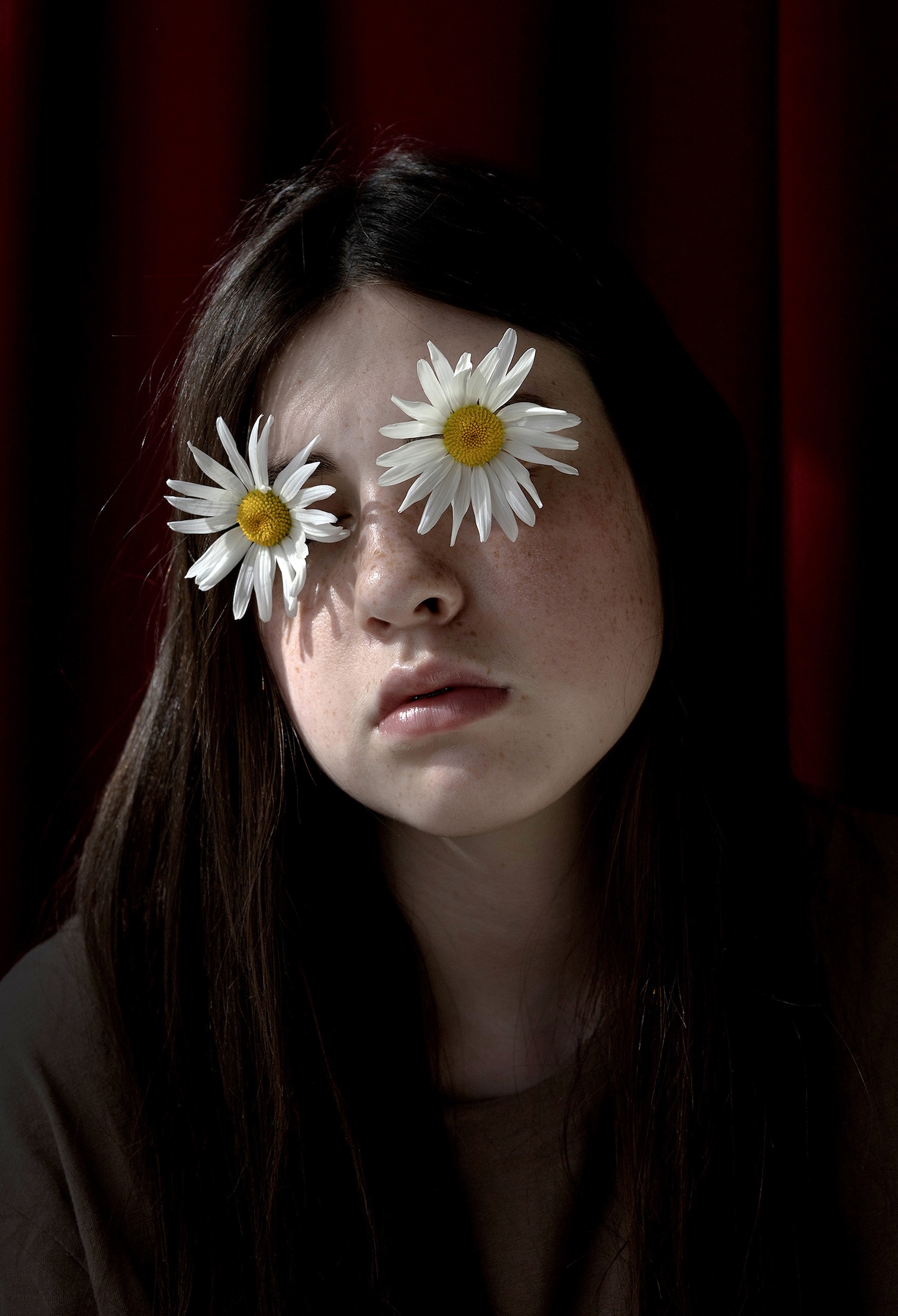
52 Weeks Stolen & Preserved is a collaboration — not just between artist and subject, but between mother and daughter navigating the mutable terrain of adolescence and middle age. “This series is a yearlong collaboration between myself and my teenage daughter, an ongoing visual dialogue unfolding through the act of photographing,” Robins explains. “What began as a simple intention to spend time together and preserve fragments of our shared lives soon evolved into something far more layered and complex.”
Her words capture the essence of the series: a project born from affection and curiosity that grew into a nuanced exploration of identity and change. The act of photographing became, in her own terms, “a tool of connection and reflection, recording the subtle shifts within our relationship. Each image captures traces of both presence and absence, moments willingly offered and others hesitantly received.”
Across the series, the viewer senses this quiet negotiation—an unspoken dialogue unfolding through gestures, glances, and pauses. Themes of intimacy and distance weave through the work like invisible threads, holding the mother–daughter bond in delicate tension. “Through this exchange, we explored themes of intimacy, distance, femininity and the quiet negotiations that shape the bond between mother and daughter.”
A portrait of time and transformation
For Robins, the process of choosing what to photograph was never about composition alone. It was about preserving the unguarded moments that define a shared life. “Photography can be a conversation starter. In this work with my daughter, we freeze time and moments — sometimes fraught, sometimes calm.”
As her daughter grew and their roles subtly shifted, Robins found herself both participant and observer. “The work acknowledges the inevitability of change, my presence gradually transforming from constant to peripheral. 52 Weeks Stolen & Preserved becomes both archive and conversation, a visual record of love, tension, and transition.”
In this work with my daughter, we freeze time and moments — sometimes fraught, sometimes calm.
The emotional light
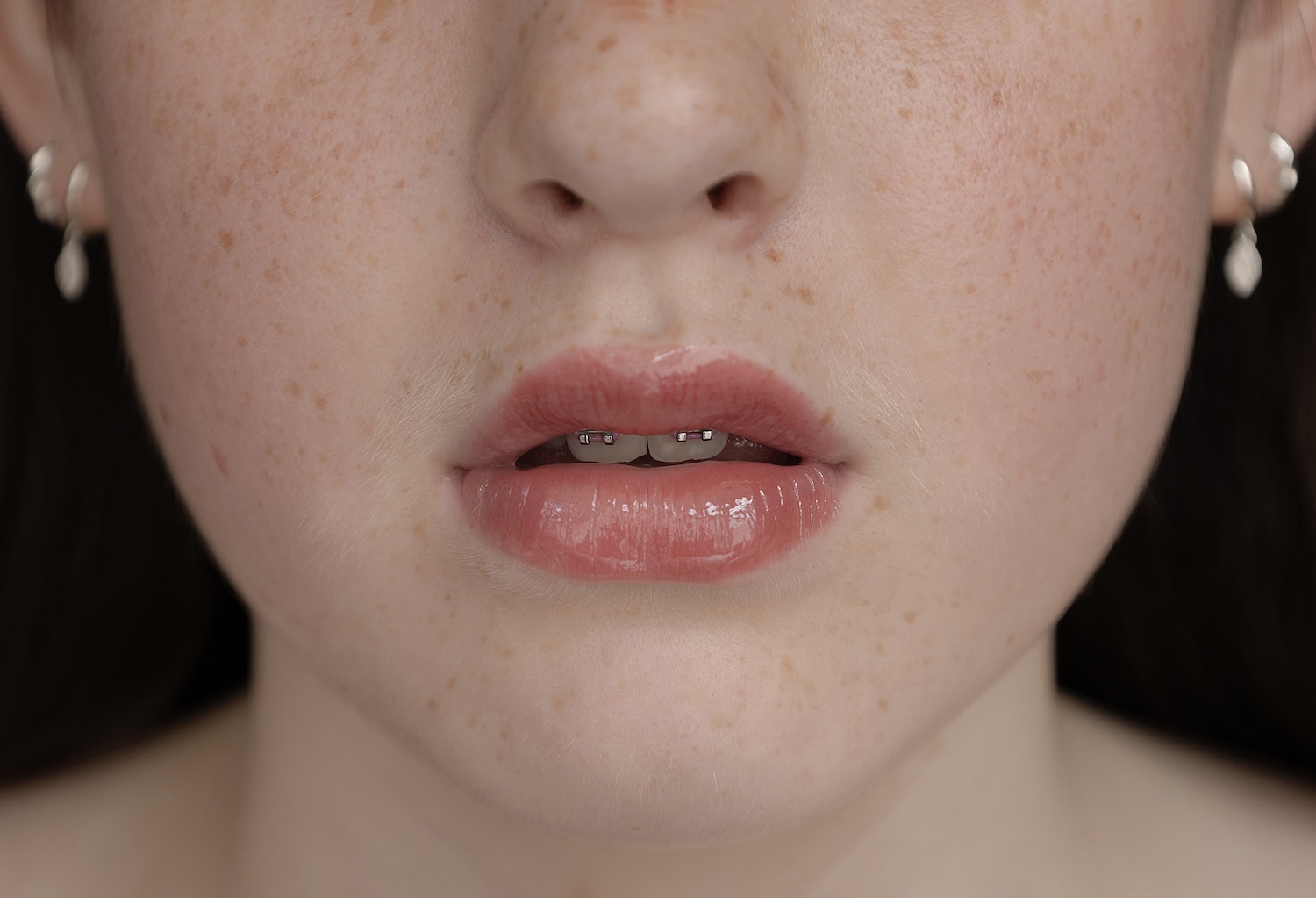
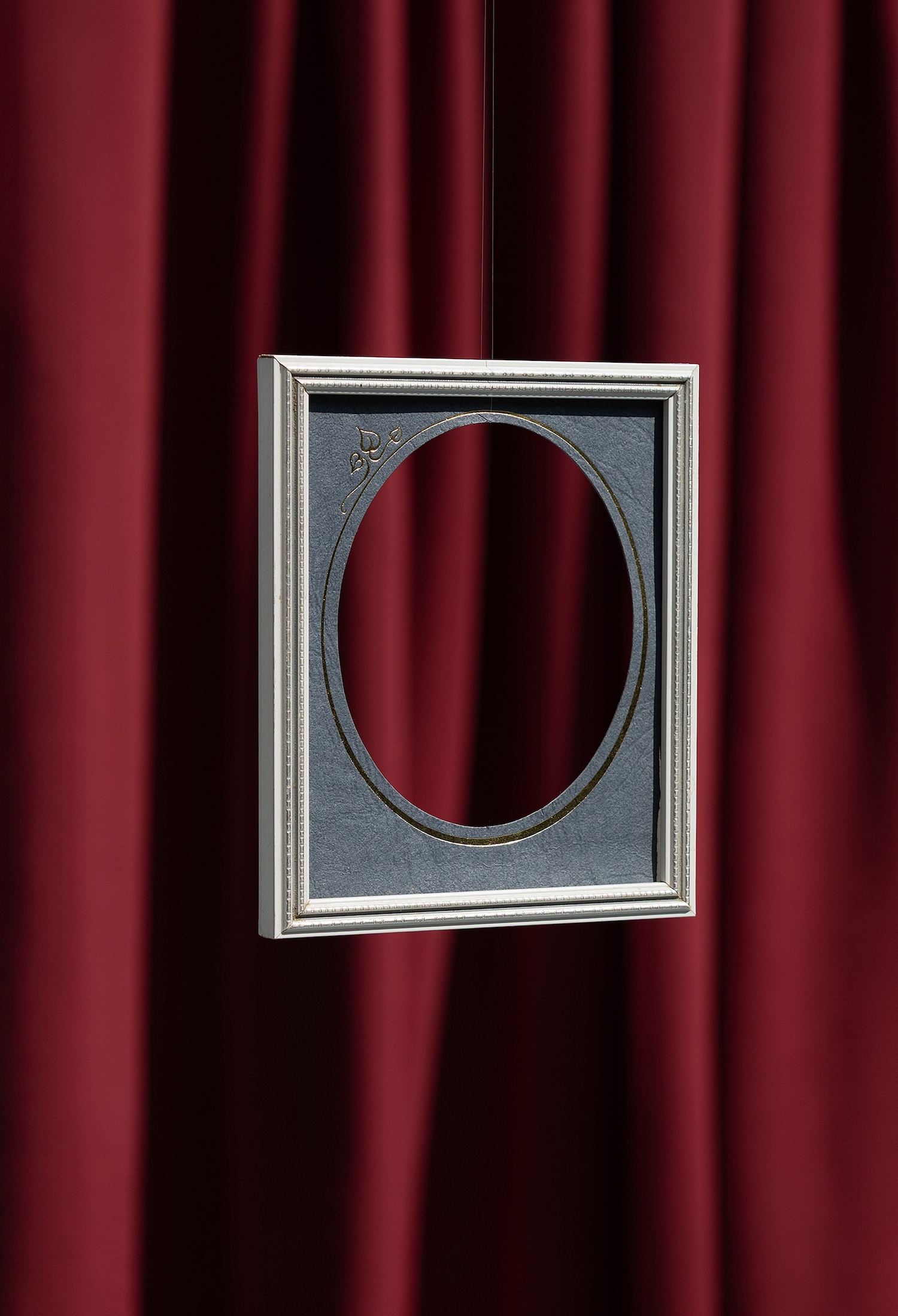
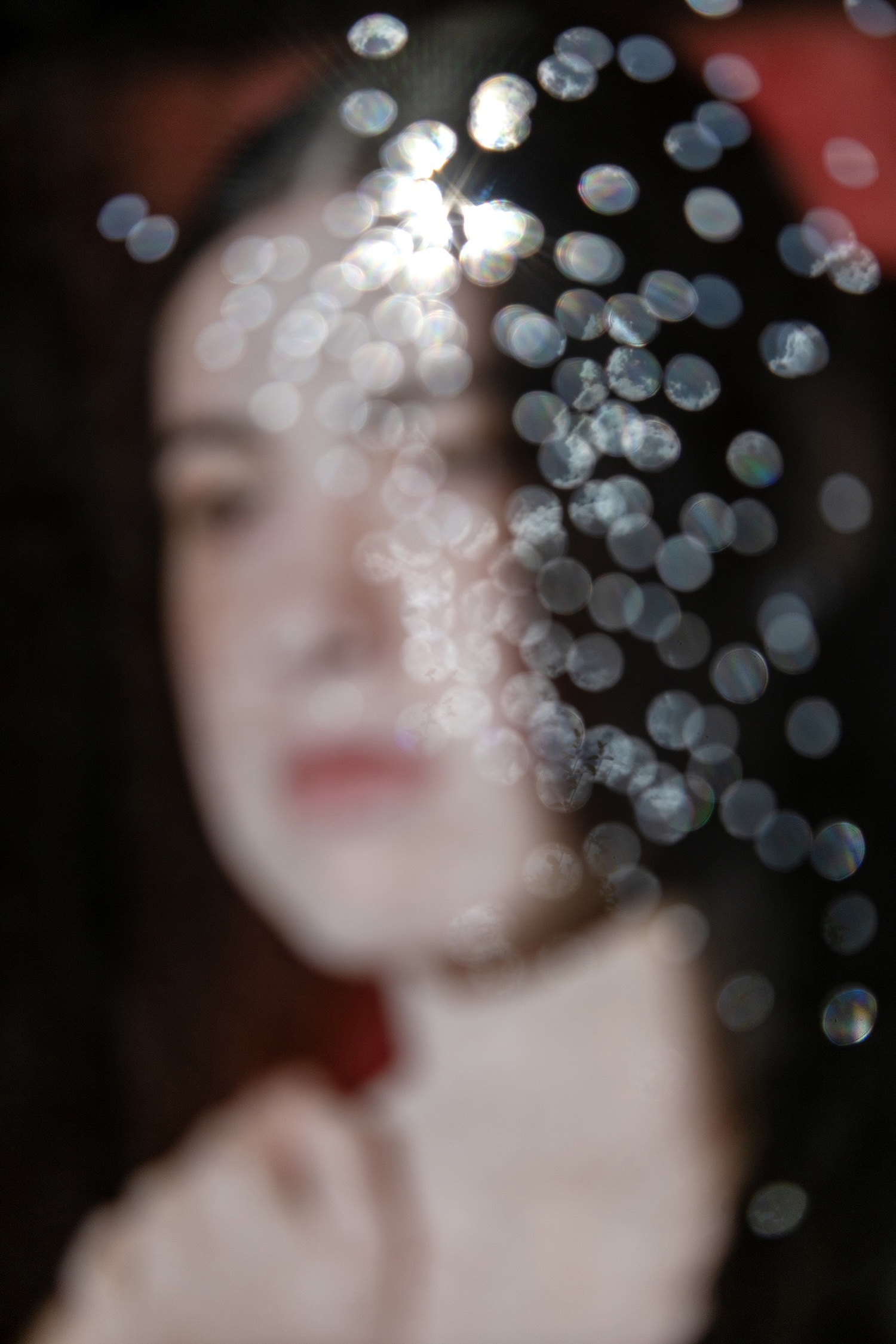
The photographs, often staged in the gentle natural light of their home, move between the literal and the metaphorical — portraits interspersed with still life, symbols, and text. Each frame feels like a diary entry, balancing closeness and distance. What results is not a linear story but a mosaic of emotions: care, resistance, laughter, fatigue—the shared pulse of everyday life between two women at different thresholds of becoming.
The project’s early months were guided by intention and ritual, but the British winter soon complicated plans. “I wanted to maintain a sense of visual consistency through the use of a deep red backdrop and predominantly natural light. However, this became increasingly challenging during the winter months in the UK, when daylight was scarce and opportunities to shoot were fleeting. Negotiating when and how to take each photograph often brought moments of tension and shifting moods between us.”
Vulnerability and bravery
Her honesty reveals the texture behind the images — the unseen effort and emotional negotiation that shaped each week’s photograph. “I hold immense respect for my daughter — perhaps more than she realises,” she adds. “Her willingness to let me photograph her, and to share these images publicly, took a quiet kind of bravery.”
In those words lies the tenderness that defines the project: the courage of mutual vulnerability. “Allowing herself to be seen, not only by me but by hundreds of others, required trust and openness. The work exposes moments of vulnerability while also exploring conceptual and narrative compositions that remain deeply personal.”
Imperfection as truth
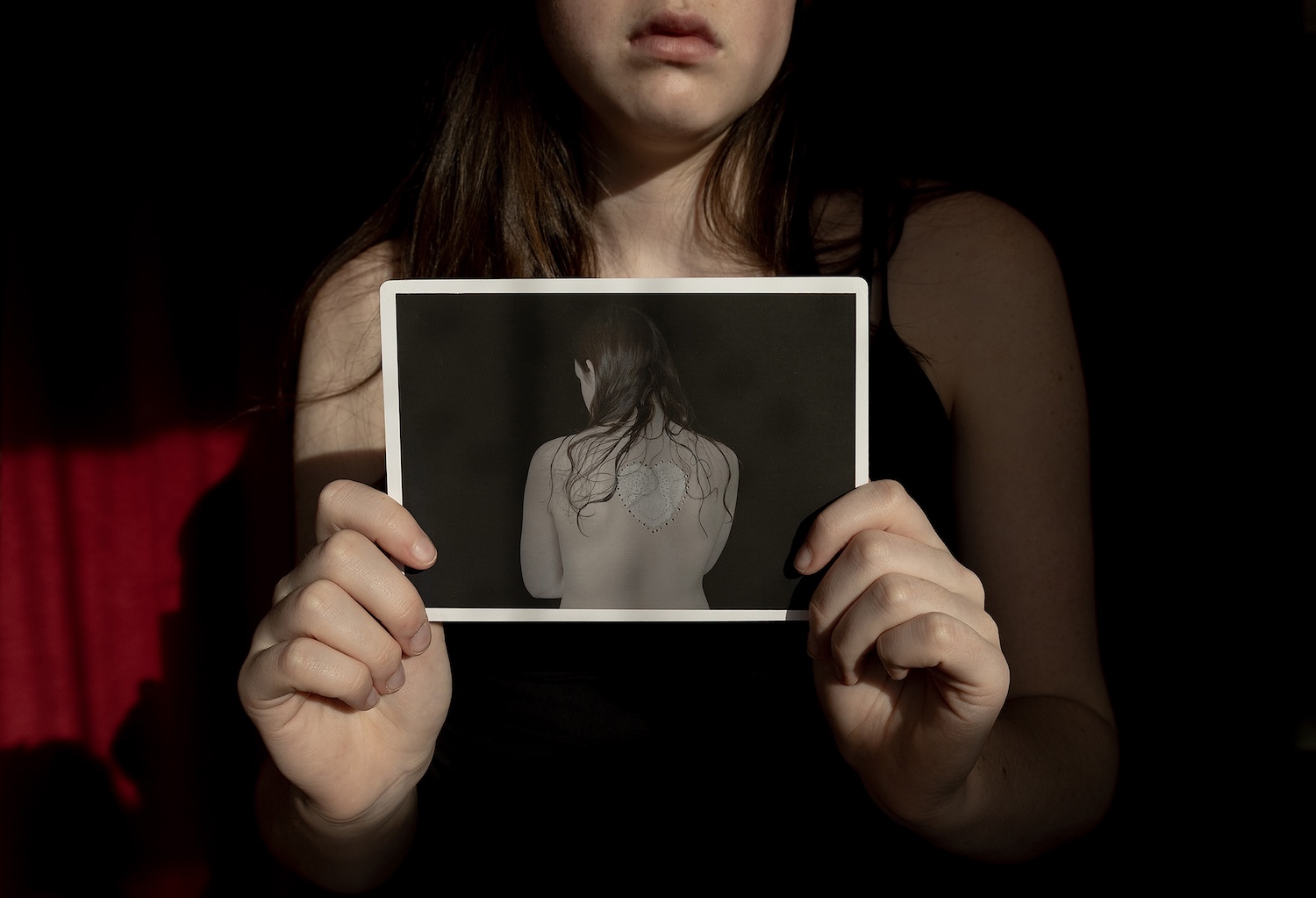
Robins speaks openly about the imperfections that accompanied the process — missed shots, fleeting light, emotional turbulence — yet these very flaws became part of the work’s truth. “This collection is deeply personal yet intentionally open, revealing moments of fragility and honesty between us,” she says. “Adolescence is a complex time—shaped by shifting identity, emotion, and power, and alongside it, my own experience of menopause created an intricate dynamic. Agreement and disagreement, care and conflict, all found their way into certain images.”
The tension of transformation — bodily, emotional, relational — threads through the work. The project’s imperfections mirror the unpredictability of life itself. “Storytelling doesn’t always unfold as intended. The light and shadow offered only brief ‘windows of opportunity,’ and when these were missed, frustration often followed. Yet those imperfections became part of the story itself, a reflection of life’s unpredictability and the emotional ebb and flow within our relationship.”
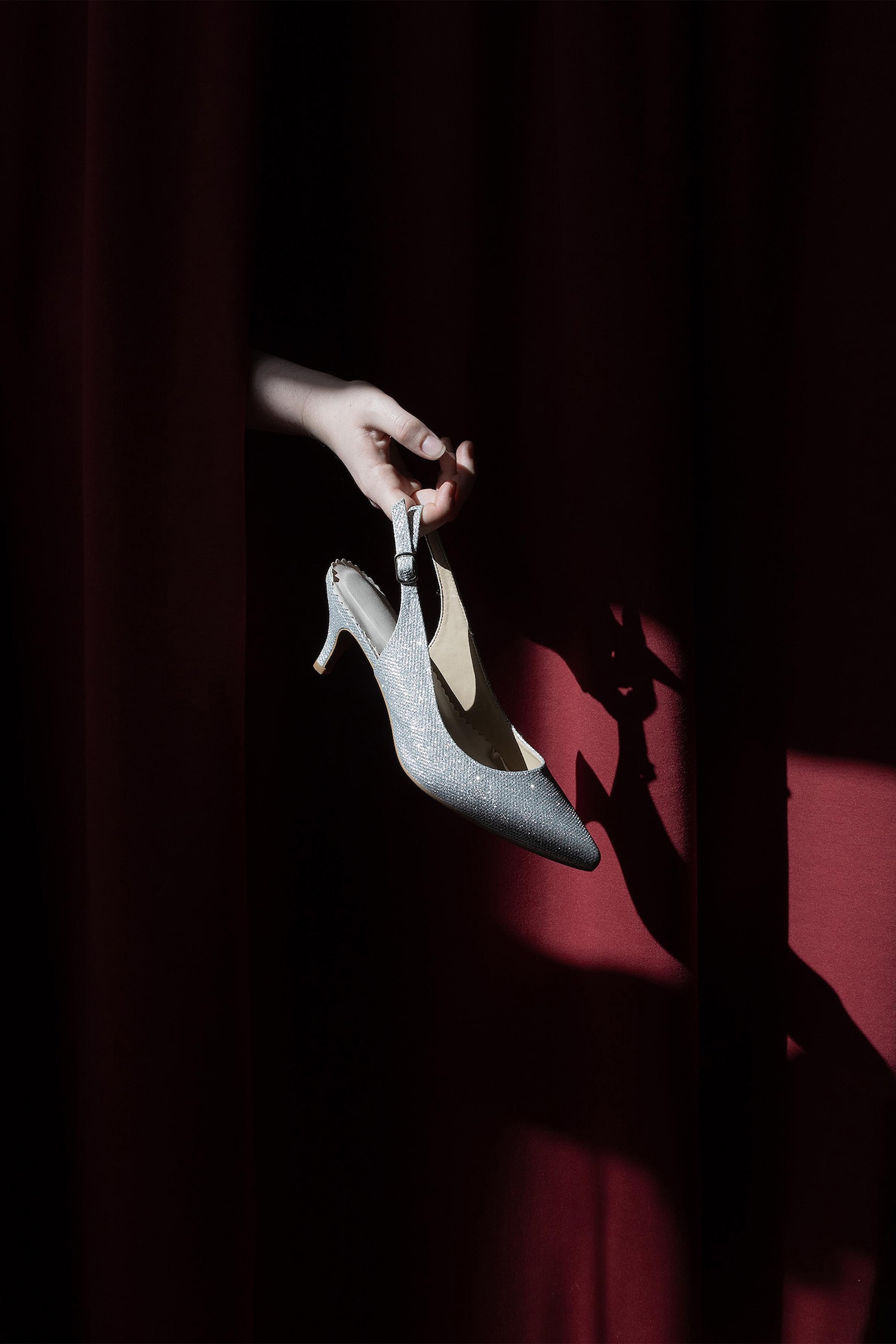
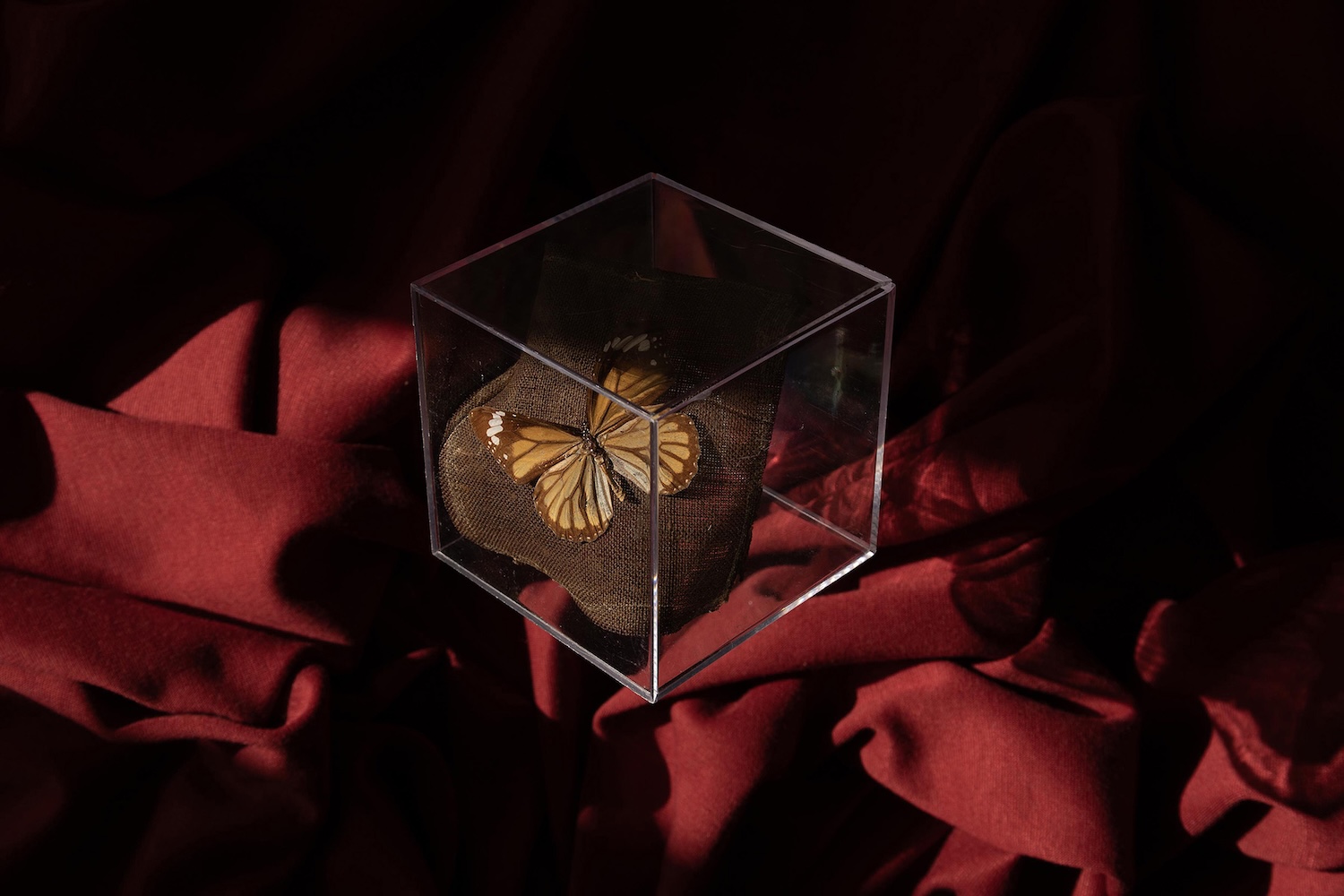
In embracing imperfection, 52 Weeks Stolen & Preserved rejects the notion of polished domestic idylls. It is, instead, an honest record — sometimes raw, always real — that captures the beauty of what slips through the cracks. “The still-life and symbolic compositions may appear ordinary, yet they carry quiet significance, markers of time, emotion, and change.”
Seeing and being seen
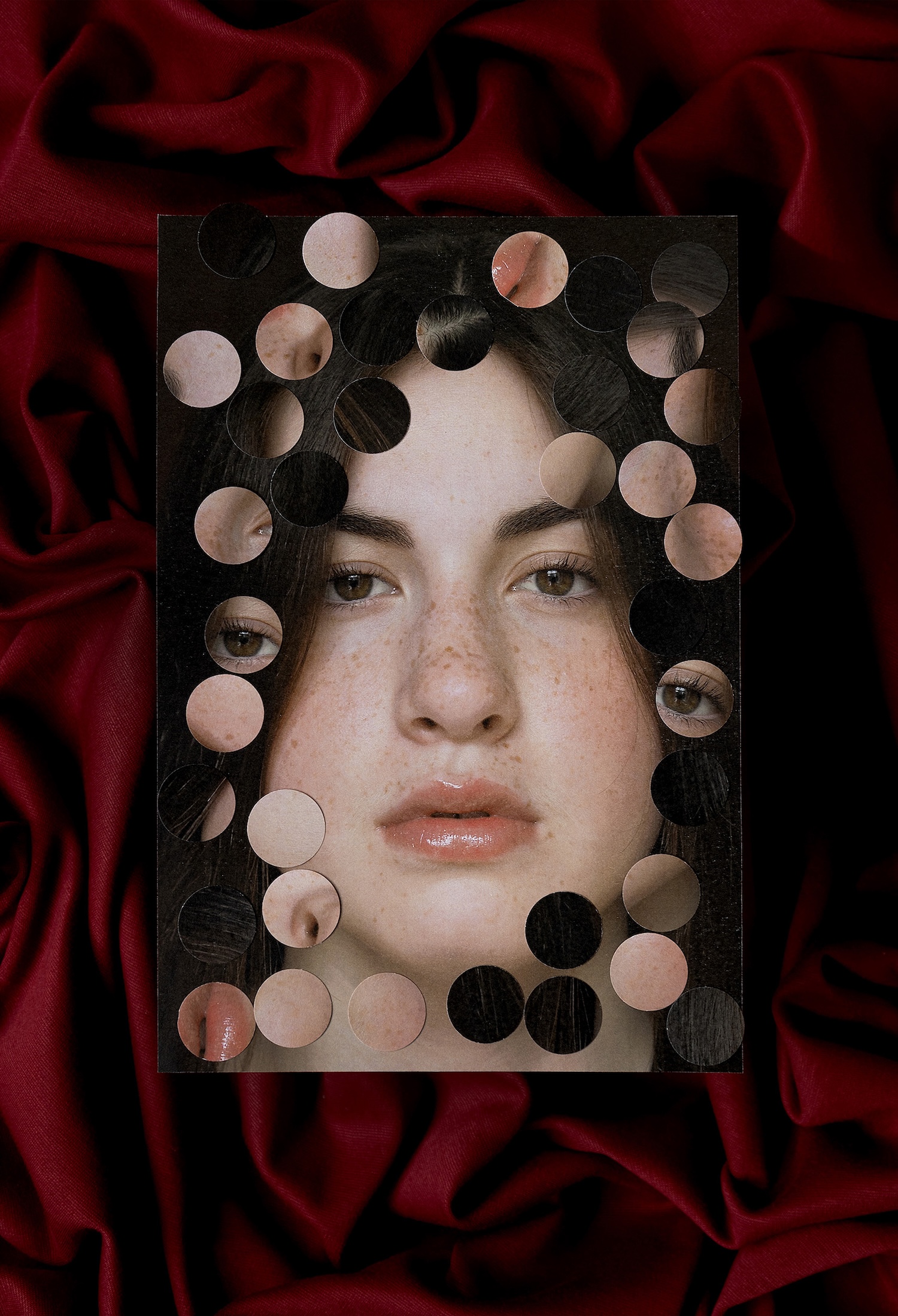
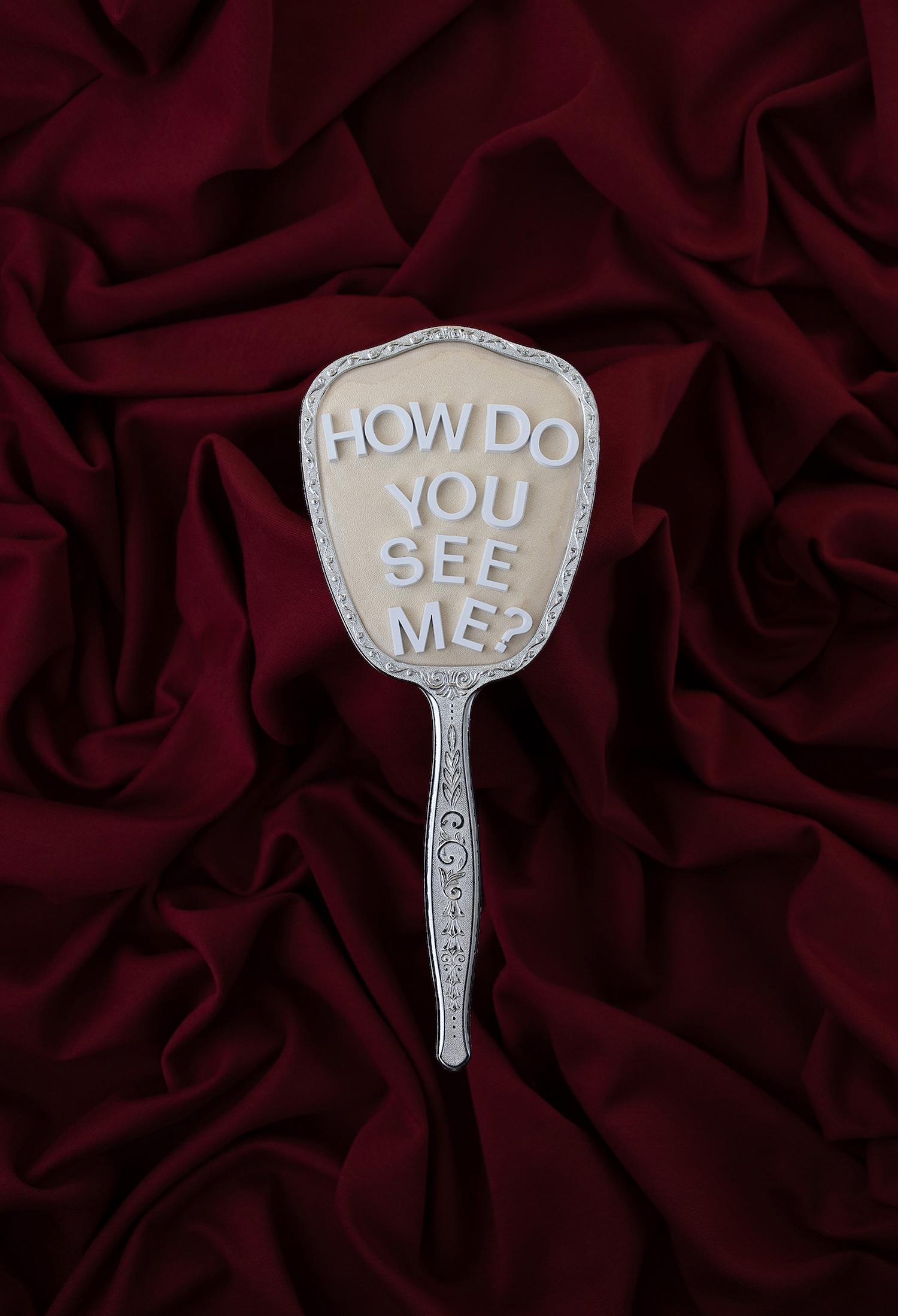
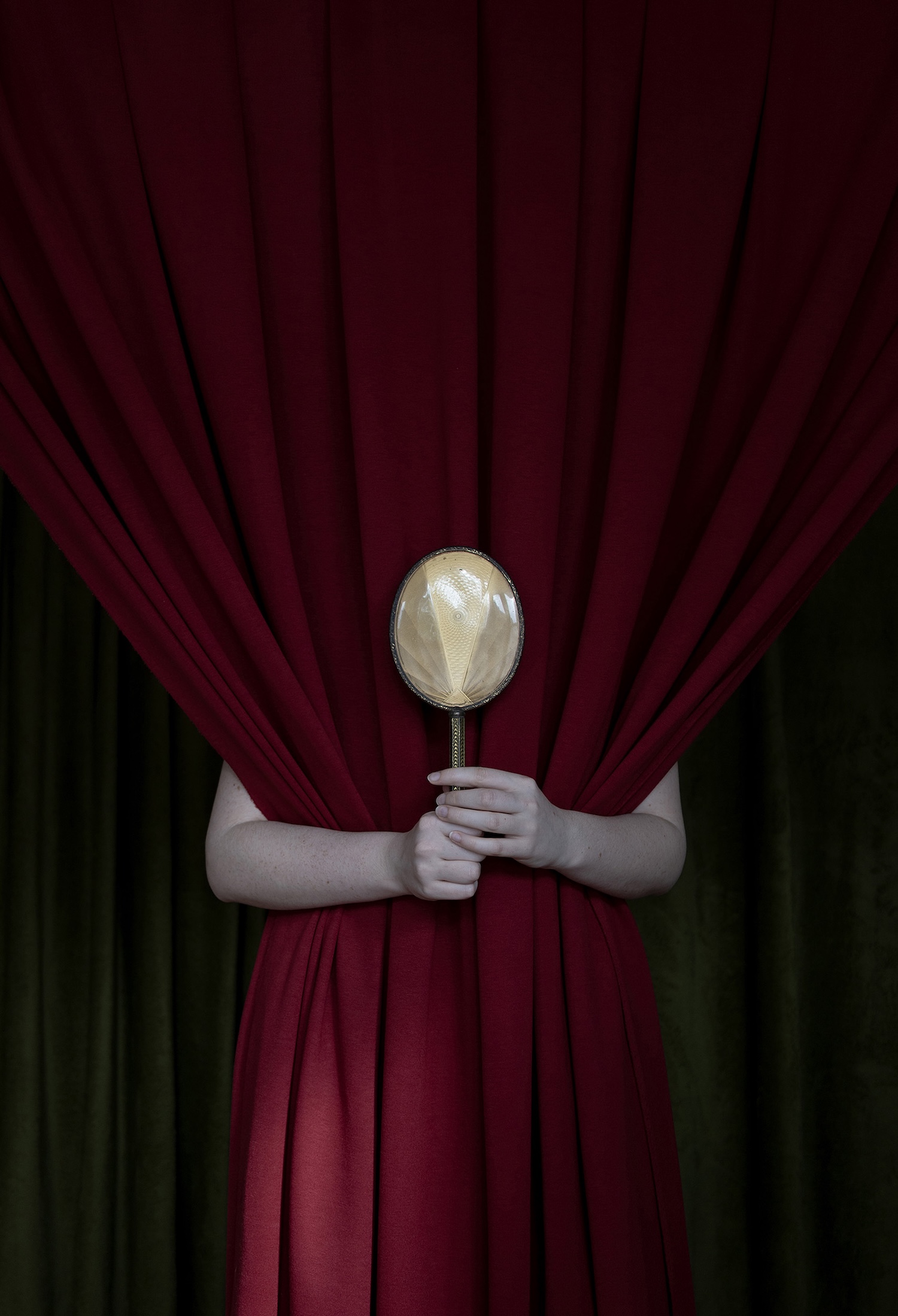
Throughout the year, Robins became increasingly drawn to elements of reflection — both literal and figurative. “Throughout the series, I found myself drawn to mirrors and the use of text,” she notes. “These elements allowed for reflection, both literal and metaphorical, inviting layers of meaning that extend beyond the image, capturing the complexity of seeing and being seen.”
I wanted to show that photography can be accessible to anyone; all you need is curiosity, a few good ideas, and the patience to let a story unfold naturally.
Mirrors, windows, and handwritten words recur as motifs across her images, each hinting at the dual gaze between artist and subject—and perhaps between past and present selves. The domestic environment becomes a stage for introspection, where the ordinary light of a “front room in a UK semi-detached house” transforms into something lyrical. “I wanted to show that photography can be accessible to anyone; all you need is curiosity, a few good ideas, and the patience to let a story unfold naturally.”
Ethics and empathy
As the project evolved, Robins became increasingly aware of its ethical and emotional complexity. The intimacy that makes the work powerful also requires sensitivity. “Although the collection includes more than 52 images, not all felt fully resolved; some remained in flux, unfinished or uncertain. A few have been set aside, as my daughter isn’t yet comfortable sharing them, which made me reflect on the ethical boundaries I may have overlooked in pursuit of ‘the perfect shot’.”
Such awareness speaks to the care with which she approaches her subjects — especially when those subjects are so close. “This project weaves together elements of still life, portraiture, creative transformation, and moments of humour. Some images are open and direct, while others are more ambiguous, inviting viewers to look closer and interpret their own meanings.”
For Robins, photography becomes not merely documentation but education — a practice in empathy and patience. “The process has been an intense visual and emotional education—teaching me not only about image-making and perspective but also about patience, empathy, and collaboration.”
Between presence and pause
When the final week passed and the red backdrop was folded away, Robins found herself at a moment of quiet reckoning. “Now, with the deep red backdrop folded away and the familiar call of ‘the light is good—let’s make the shot’ silenced, a sense of calm has returned. My daughter is, I think, quietly relieved. Still, our dialogue continues in a new form—less about photographs and more about understanding each other.”
She describes her daughter as “both my challenge and my collaborator, a muse without pretence or resistance.” Though the camera rests for now, the bond between them remains illuminated. “Though we’ve paused for now, I don’t see this as an ending, but as a pause between chapters, with more still to discover together.”
.svg)


.svg)
.svg)

52 Weeks Stolen & Preserved is a collaboration — not just between artist and subject, but between mother and daughter navigating the mutable terrain of adolescence and middle age. “This series is a yearlong collaboration between myself and my teenage daughter, an ongoing visual dialogue unfolding through the act of photographing,” Robins explains. “What began as a simple intention to spend time together and preserve fragments of our shared lives soon evolved into something far more layered and complex.”
Her words capture the essence of the series: a project born from affection and curiosity that grew into a nuanced exploration of identity and change. The act of photographing became, in her own terms, “a tool of connection and reflection, recording the subtle shifts within our relationship. Each image captures traces of both presence and absence, moments willingly offered and others hesitantly received.”
Across the series, the viewer senses this quiet negotiation—an unspoken dialogue unfolding through gestures, glances, and pauses. Themes of intimacy and distance weave through the work like invisible threads, holding the mother–daughter bond in delicate tension. “Through this exchange, we explored themes of intimacy, distance, femininity and the quiet negotiations that shape the bond between mother and daughter.”
A portrait of time and transformation
For Robins, the process of choosing what to photograph was never about composition alone. It was about preserving the unguarded moments that define a shared life. “Photography can be a conversation starter. In this work with my daughter, we freeze time and moments — sometimes fraught, sometimes calm.”
As her daughter grew and their roles subtly shifted, Robins found herself both participant and observer. “The work acknowledges the inevitability of change, my presence gradually transforming from constant to peripheral. 52 Weeks Stolen & Preserved becomes both archive and conversation, a visual record of love, tension, and transition.”
In this work with my daughter, we freeze time and moments — sometimes fraught, sometimes calm.
The emotional light
The photographs, often staged in the gentle natural light of their home, move between the literal and the metaphorical — portraits interspersed with still life, symbols, and text. Each frame feels like a diary entry, balancing closeness and distance. What results is not a linear story but a mosaic of emotions: care, resistance, laughter, fatigue—the shared pulse of everyday life between two women at different thresholds of becoming.
The project’s early months were guided by intention and ritual, but the British winter soon complicated plans. “I wanted to maintain a sense of visual consistency through the use of a deep red backdrop and predominantly natural light. However, this became increasingly challenging during the winter months in the UK, when daylight was scarce and opportunities to shoot were fleeting. Negotiating when and how to take each photograph often brought moments of tension and shifting moods between us.”
Vulnerability and bravery
Her honesty reveals the texture behind the images — the unseen effort and emotional negotiation that shaped each week’s photograph. “I hold immense respect for my daughter — perhaps more than she realises,” she adds. “Her willingness to let me photograph her, and to share these images publicly, took a quiet kind of bravery.”
In those words lies the tenderness that defines the project: the courage of mutual vulnerability. “Allowing herself to be seen, not only by me but by hundreds of others, required trust and openness. The work exposes moments of vulnerability while also exploring conceptual and narrative compositions that remain deeply personal.”
Imperfection as truth
Robins speaks openly about the imperfections that accompanied the process — missed shots, fleeting light, emotional turbulence — yet these very flaws became part of the work’s truth. “This collection is deeply personal yet intentionally open, revealing moments of fragility and honesty between us,” she says. “Adolescence is a complex time—shaped by shifting identity, emotion, and power, and alongside it, my own experience of menopause created an intricate dynamic. Agreement and disagreement, care and conflict, all found their way into certain images.”
The tension of transformation — bodily, emotional, relational — threads through the work. The project’s imperfections mirror the unpredictability of life itself. “Storytelling doesn’t always unfold as intended. The light and shadow offered only brief ‘windows of opportunity,’ and when these were missed, frustration often followed. Yet those imperfections became part of the story itself, a reflection of life’s unpredictability and the emotional ebb and flow within our relationship.”
In embracing imperfection, 52 Weeks Stolen & Preserved rejects the notion of polished domestic idylls. It is, instead, an honest record — sometimes raw, always real — that captures the beauty of what slips through the cracks. “The still-life and symbolic compositions may appear ordinary, yet they carry quiet significance, markers of time, emotion, and change.”
Seeing and being seen
Throughout the year, Robins became increasingly drawn to elements of reflection — both literal and figurative. “Throughout the series, I found myself drawn to mirrors and the use of text,” she notes. “These elements allowed for reflection, both literal and metaphorical, inviting layers of meaning that extend beyond the image, capturing the complexity of seeing and being seen.”
I wanted to show that photography can be accessible to anyone; all you need is curiosity, a few good ideas, and the patience to let a story unfold naturally.
Mirrors, windows, and handwritten words recur as motifs across her images, each hinting at the dual gaze between artist and subject—and perhaps between past and present selves. The domestic environment becomes a stage for introspection, where the ordinary light of a “front room in a UK semi-detached house” transforms into something lyrical. “I wanted to show that photography can be accessible to anyone; all you need is curiosity, a few good ideas, and the patience to let a story unfold naturally.”
Ethics and empathy
As the project evolved, Robins became increasingly aware of its ethical and emotional complexity. The intimacy that makes the work powerful also requires sensitivity. “Although the collection includes more than 52 images, not all felt fully resolved; some remained in flux, unfinished or uncertain. A few have been set aside, as my daughter isn’t yet comfortable sharing them, which made me reflect on the ethical boundaries I may have overlooked in pursuit of ‘the perfect shot’.”
Such awareness speaks to the care with which she approaches her subjects — especially when those subjects are so close. “This project weaves together elements of still life, portraiture, creative transformation, and moments of humour. Some images are open and direct, while others are more ambiguous, inviting viewers to look closer and interpret their own meanings.”
For Robins, photography becomes not merely documentation but education — a practice in empathy and patience. “The process has been an intense visual and emotional education—teaching me not only about image-making and perspective but also about patience, empathy, and collaboration.”
Between presence and pause
When the final week passed and the red backdrop was folded away, Robins found herself at a moment of quiet reckoning. “Now, with the deep red backdrop folded away and the familiar call of ‘the light is good—let’s make the shot’ silenced, a sense of calm has returned. My daughter is, I think, quietly relieved. Still, our dialogue continues in a new form—less about photographs and more about understanding each other.”
She describes her daughter as “both my challenge and my collaborator, a muse without pretence or resistance.” Though the camera rests for now, the bond between them remains illuminated. “Though we’ve paused for now, I don’t see this as an ending, but as a pause between chapters, with more still to discover together.”
52 Weeks Stolen & Preserved is a collaboration — not just between artist and subject, but between mother and daughter navigating the mutable terrain of adolescence and middle age. “This series is a yearlong collaboration between myself and my teenage daughter, an ongoing visual dialogue unfolding through the act of photographing,” Robins explains. “What began as a simple intention to spend time together and preserve fragments of our shared lives soon evolved into something far more layered and complex.”
Her words capture the essence of the series: a project born from affection and curiosity that grew into a nuanced exploration of identity and change. The act of photographing became, in her own terms, “a tool of connection and reflection, recording the subtle shifts within our relationship. Each image captures traces of both presence and absence, moments willingly offered and others hesitantly received.”
Across the series, the viewer senses this quiet negotiation—an unspoken dialogue unfolding through gestures, glances, and pauses. Themes of intimacy and distance weave through the work like invisible threads, holding the mother–daughter bond in delicate tension. “Through this exchange, we explored themes of intimacy, distance, femininity and the quiet negotiations that shape the bond between mother and daughter.”
A portrait of time and transformation
For Robins, the process of choosing what to photograph was never about composition alone. It was about preserving the unguarded moments that define a shared life. “Photography can be a conversation starter. In this work with my daughter, we freeze time and moments — sometimes fraught, sometimes calm.”
As her daughter grew and their roles subtly shifted, Robins found herself both participant and observer. “The work acknowledges the inevitability of change, my presence gradually transforming from constant to peripheral. 52 Weeks Stolen & Preserved becomes both archive and conversation, a visual record of love, tension, and transition.”
In this work with my daughter, we freeze time and moments — sometimes fraught, sometimes calm.
The emotional light
The photographs, often staged in the gentle natural light of their home, move between the literal and the metaphorical — portraits interspersed with still life, symbols, and text. Each frame feels like a diary entry, balancing closeness and distance. What results is not a linear story but a mosaic of emotions: care, resistance, laughter, fatigue—the shared pulse of everyday life between two women at different thresholds of becoming.
The project’s early months were guided by intention and ritual, but the British winter soon complicated plans. “I wanted to maintain a sense of visual consistency through the use of a deep red backdrop and predominantly natural light. However, this became increasingly challenging during the winter months in the UK, when daylight was scarce and opportunities to shoot were fleeting. Negotiating when and how to take each photograph often brought moments of tension and shifting moods between us.”
Vulnerability and bravery
Her honesty reveals the texture behind the images — the unseen effort and emotional negotiation that shaped each week’s photograph. “I hold immense respect for my daughter — perhaps more than she realises,” she adds. “Her willingness to let me photograph her, and to share these images publicly, took a quiet kind of bravery.”
In those words lies the tenderness that defines the project: the courage of mutual vulnerability. “Allowing herself to be seen, not only by me but by hundreds of others, required trust and openness. The work exposes moments of vulnerability while also exploring conceptual and narrative compositions that remain deeply personal.”
Imperfection as truth
Robins speaks openly about the imperfections that accompanied the process — missed shots, fleeting light, emotional turbulence — yet these very flaws became part of the work’s truth. “This collection is deeply personal yet intentionally open, revealing moments of fragility and honesty between us,” she says. “Adolescence is a complex time—shaped by shifting identity, emotion, and power, and alongside it, my own experience of menopause created an intricate dynamic. Agreement and disagreement, care and conflict, all found their way into certain images.”
The tension of transformation — bodily, emotional, relational — threads through the work. The project’s imperfections mirror the unpredictability of life itself. “Storytelling doesn’t always unfold as intended. The light and shadow offered only brief ‘windows of opportunity,’ and when these were missed, frustration often followed. Yet those imperfections became part of the story itself, a reflection of life’s unpredictability and the emotional ebb and flow within our relationship.”
In embracing imperfection, 52 Weeks Stolen & Preserved rejects the notion of polished domestic idylls. It is, instead, an honest record — sometimes raw, always real — that captures the beauty of what slips through the cracks. “The still-life and symbolic compositions may appear ordinary, yet they carry quiet significance, markers of time, emotion, and change.”
Seeing and being seen
Throughout the year, Robins became increasingly drawn to elements of reflection — both literal and figurative. “Throughout the series, I found myself drawn to mirrors and the use of text,” she notes. “These elements allowed for reflection, both literal and metaphorical, inviting layers of meaning that extend beyond the image, capturing the complexity of seeing and being seen.”
I wanted to show that photography can be accessible to anyone; all you need is curiosity, a few good ideas, and the patience to let a story unfold naturally.
Mirrors, windows, and handwritten words recur as motifs across her images, each hinting at the dual gaze between artist and subject—and perhaps between past and present selves. The domestic environment becomes a stage for introspection, where the ordinary light of a “front room in a UK semi-detached house” transforms into something lyrical. “I wanted to show that photography can be accessible to anyone; all you need is curiosity, a few good ideas, and the patience to let a story unfold naturally.”
Ethics and empathy
As the project evolved, Robins became increasingly aware of its ethical and emotional complexity. The intimacy that makes the work powerful also requires sensitivity. “Although the collection includes more than 52 images, not all felt fully resolved; some remained in flux, unfinished or uncertain. A few have been set aside, as my daughter isn’t yet comfortable sharing them, which made me reflect on the ethical boundaries I may have overlooked in pursuit of ‘the perfect shot’.”
Such awareness speaks to the care with which she approaches her subjects — especially when those subjects are so close. “This project weaves together elements of still life, portraiture, creative transformation, and moments of humour. Some images are open and direct, while others are more ambiguous, inviting viewers to look closer and interpret their own meanings.”
For Robins, photography becomes not merely documentation but education — a practice in empathy and patience. “The process has been an intense visual and emotional education—teaching me not only about image-making and perspective but also about patience, empathy, and collaboration.”
Between presence and pause
When the final week passed and the red backdrop was folded away, Robins found herself at a moment of quiet reckoning. “Now, with the deep red backdrop folded away and the familiar call of ‘the light is good—let’s make the shot’ silenced, a sense of calm has returned. My daughter is, I think, quietly relieved. Still, our dialogue continues in a new form—less about photographs and more about understanding each other.”
She describes her daughter as “both my challenge and my collaborator, a muse without pretence or resistance.” Though the camera rests for now, the bond between them remains illuminated. “Though we’ve paused for now, I don’t see this as an ending, but as a pause between chapters, with more still to discover together.”