© Nataliia Hresko | Garbage and Nature
Hresko’s photography orbits around themes that mirror her lived experience: the internal emotional landscape of a woman and a mother, the displacement of war, and the urgent preservation of identity in crisis. These ideas, though deeply personal, echo collective anxieties shared by many Ukrainians whose sense of place has been violently fractured.
“I am acutely aware of the world’s fragility and strive to reflect this vulnerability in my work,” she explains. “The war in Ukraine is my personal bleeding wound. Although I do not explicitly feature combat, its profound and often silent influence is the pervasive subtext present across all my current projects.”

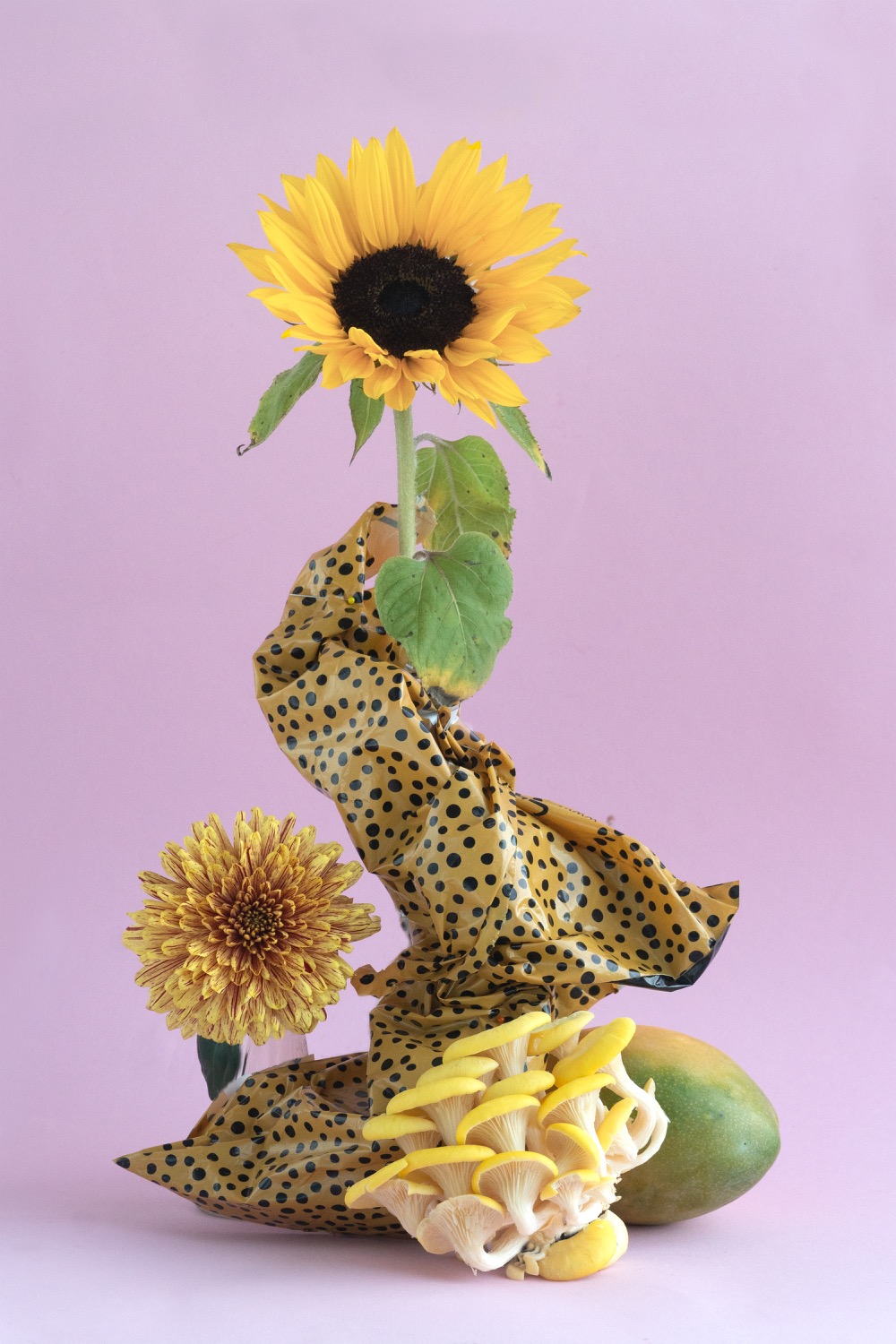
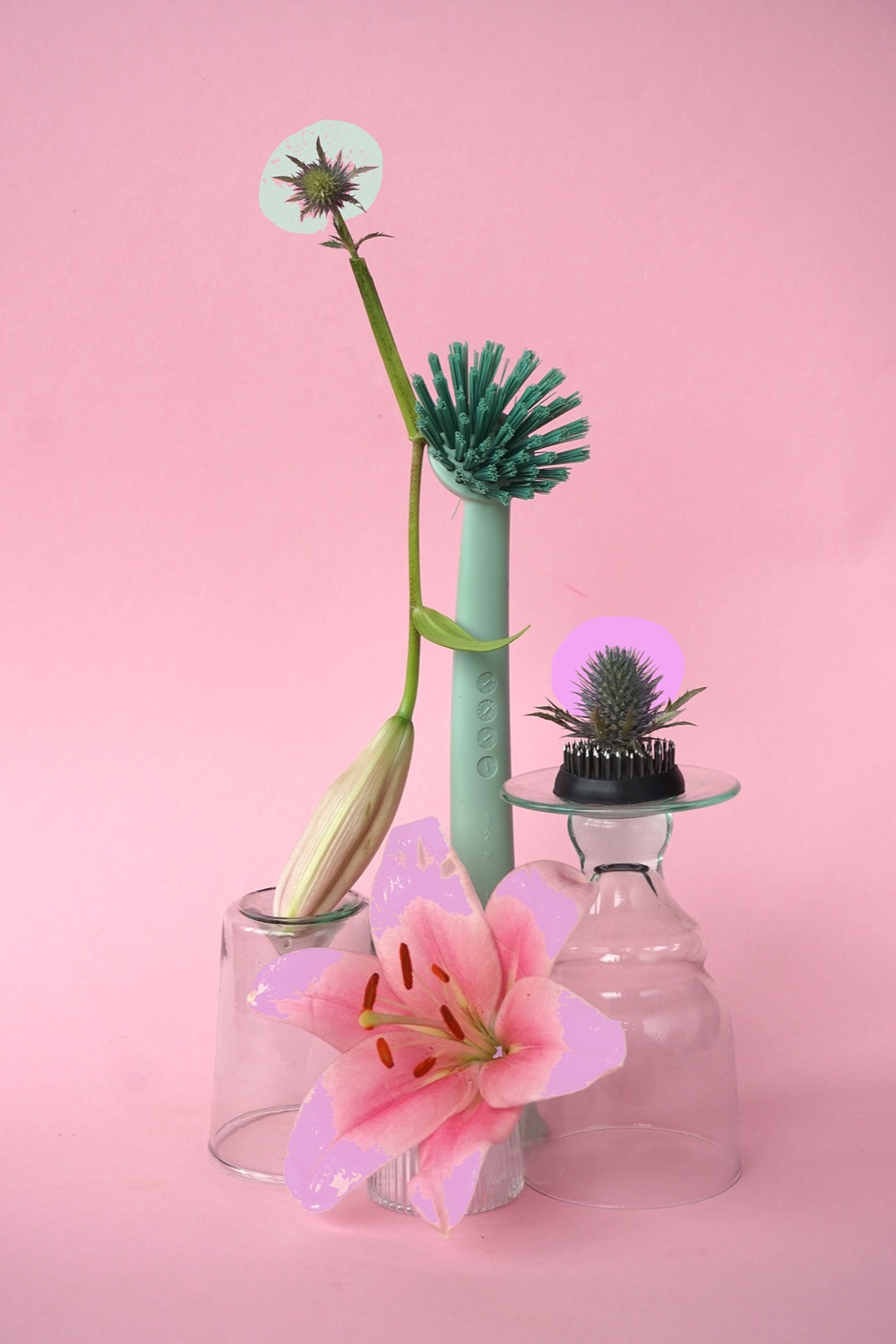
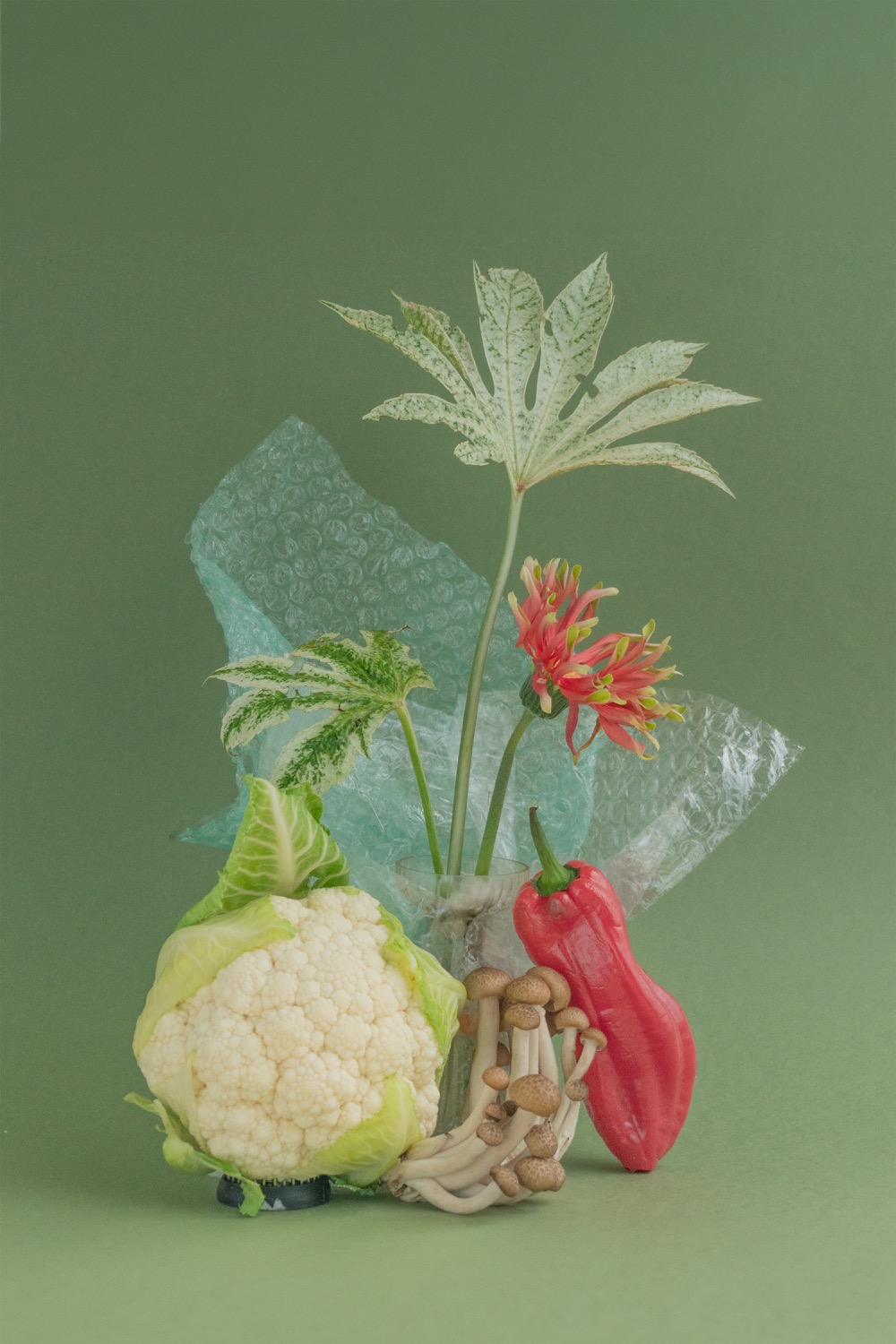
Her still lifes are not mere arrangements of objects; they are repositories of memory and metaphor. Various household items have become silent witnesses to a disrupted domestic life. “My still lifes feature objects of a woman’s everyday life: kitchen utensils, vases, various household items, books, and jewellery—elements that create comfort and pleasure,” she notes. “Vegetables and fruits serve as elements that ground us, literally representing our sustenance for existence. Flowers—those elements that reach for the sun—embody beauty and our soul’s inherent striving for development and perfection.”
In Hresko’s compositions, these elements coalesce into what she calls visual stories—each one a meditation on the tenuous equilibrium between beauty and threat, calm and chaos, home and exile.
The Poetics of the Everyday
Central to Hresko’s practice is her ability to infuse the mundane with metaphysical resonance. Every photograph begins with a subtle, intuitive selection process. “My choice of objects for shooting is based on aesthetic principles. Sometimes the decisive factor is the form, sometimes the texture or the colour. However, there is always an unnoticeable yet essential connection between the objects. Each work is a visual story built around a specific theme.”
This sense of hidden connection is especially evident in her floral still lifes, where repetition and rhythm create a quiet, meditative sense of order. “It is precisely through the interactions of the chosen objects—via their forms, textures, or colours—and their combination in the composition that I tell new stories each time.”
There’s a quiet insistence in the way she speaks about balance and cohesion—a philosophy that extends beyond her technique. In a world unmoored by war and displacement, her method becomes an act of restoration: arranging fragments until they make sense again.

Light, Colour, and Emotional Tone
The emotional atmosphere of Hresko’s photography is one of reflective tension—beauty shadowed by unease and hope intertwined with loss. “My creative practice revolves around daily life. I vividly observe and share inspiring moments, yet I feel just as acutely the other side—the routines and imperfections of our existence. Therefore, when creating my still-life compositions, I always juxtapose beauty with something that poses a threat to it.”
This equilibrium between tenderness and tension defines her aesthetic. Even when confronting painful realities, she chooses to speak in the language of colour and light rather than in the language of despair. “I am an incurable optimist, and even when addressing complex issues, I communicate with the viewer through the language of colour, symbols, and flowers.”
I am an incurable optimist, and even when addressing complex issues, I communicate with the viewer through the language of colour, symbols, and flowers.
Her series of floral compositions, created during her temporary displacement abroad, emerges as both a homage and a lifeline. “It was born out of a love for naïve and decorative folk art and a desire to preserve the cultural code during my temporary displacement abroad due to the war.”
The influence of Metaphysical Painting artists also threads through her work, lending it a painterly stillness. “I am confident that this influence is distinctly legible in the emotional tone of my photographs, lending them a sense of silent introspection and timelessness.”
Layers of Meaning and Symbolism
Hresko’s images invite slow contemplation. They seduce through surface beauty, only to reveal deeper strata of symbolism beneath. “I believe the viewer initially perceives the aesthetically appealing objects, and then dives into the symbolic layer—noticing the connection between items, paying attention to colours, analysing, and decoding the symbols. My primary goal is to evoke curiosity, aesthetic pleasure, and deep contemplation. I want the viewer to be inspired by the beauty of life, to feel its fragility, and simultaneously to receive a message of resilience.”
I want the viewer to be inspired by the beauty of life, to feel its fragility, and simultaneously to receive a message of resilience.
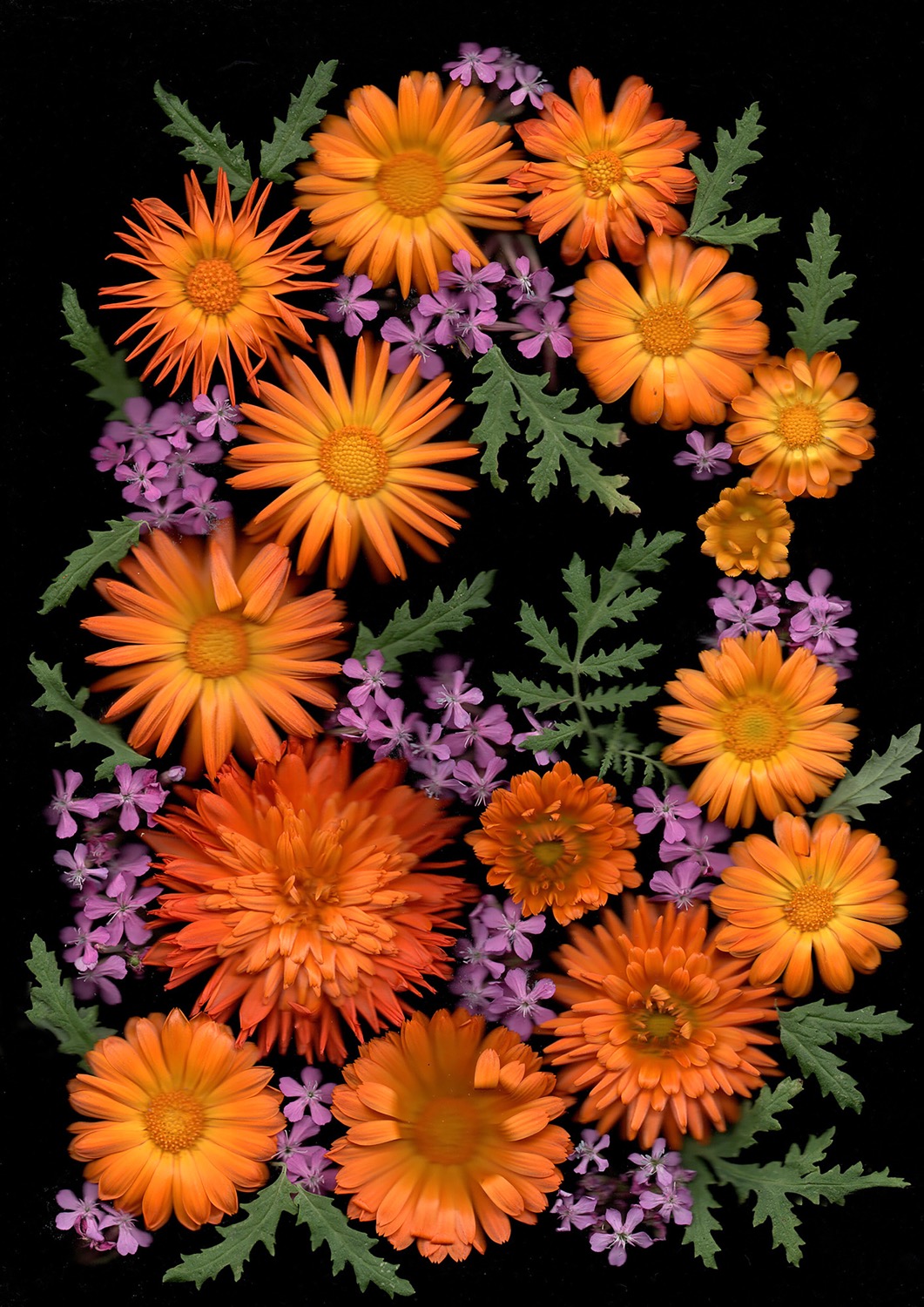
This engagement between viewer and artwork transforms her photographs into open conversations. In her floral still-life series, I Collect Flowers for Life, she has observed how aesthetic recognition leads to cultural rediscovery. “Viewers are first enchanted by the aesthetics, but then recognise the patterns inherent to folk culture. This recognition initiates a dialogue about the value of native, traditional art and the vital importance of its contemporary reinterpretation.” Her work thus operates as both a personal expression and a cultural mirror—an invitation to remember, reinterpret, and reclaim.
Nature, Garbage, and Transformation
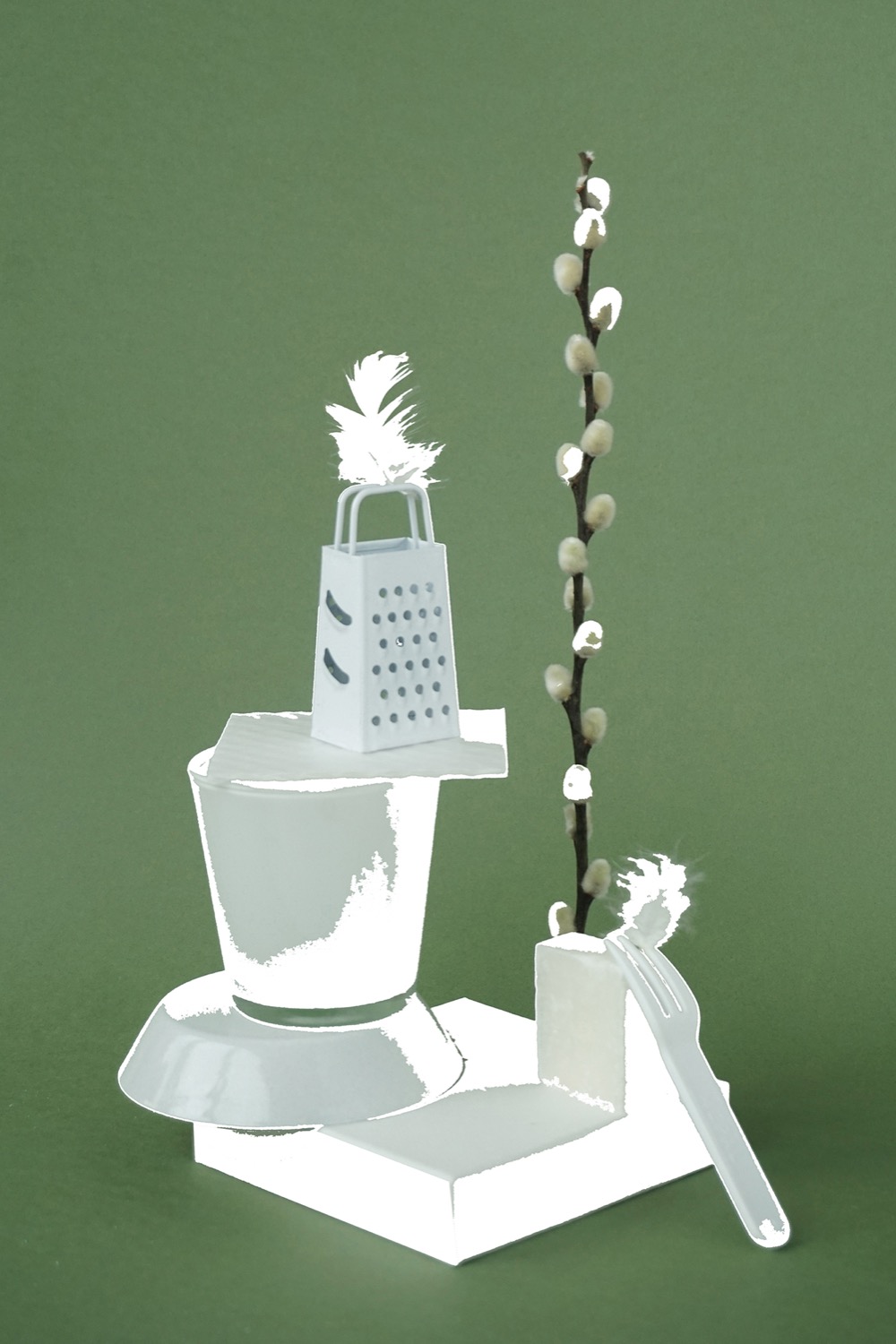
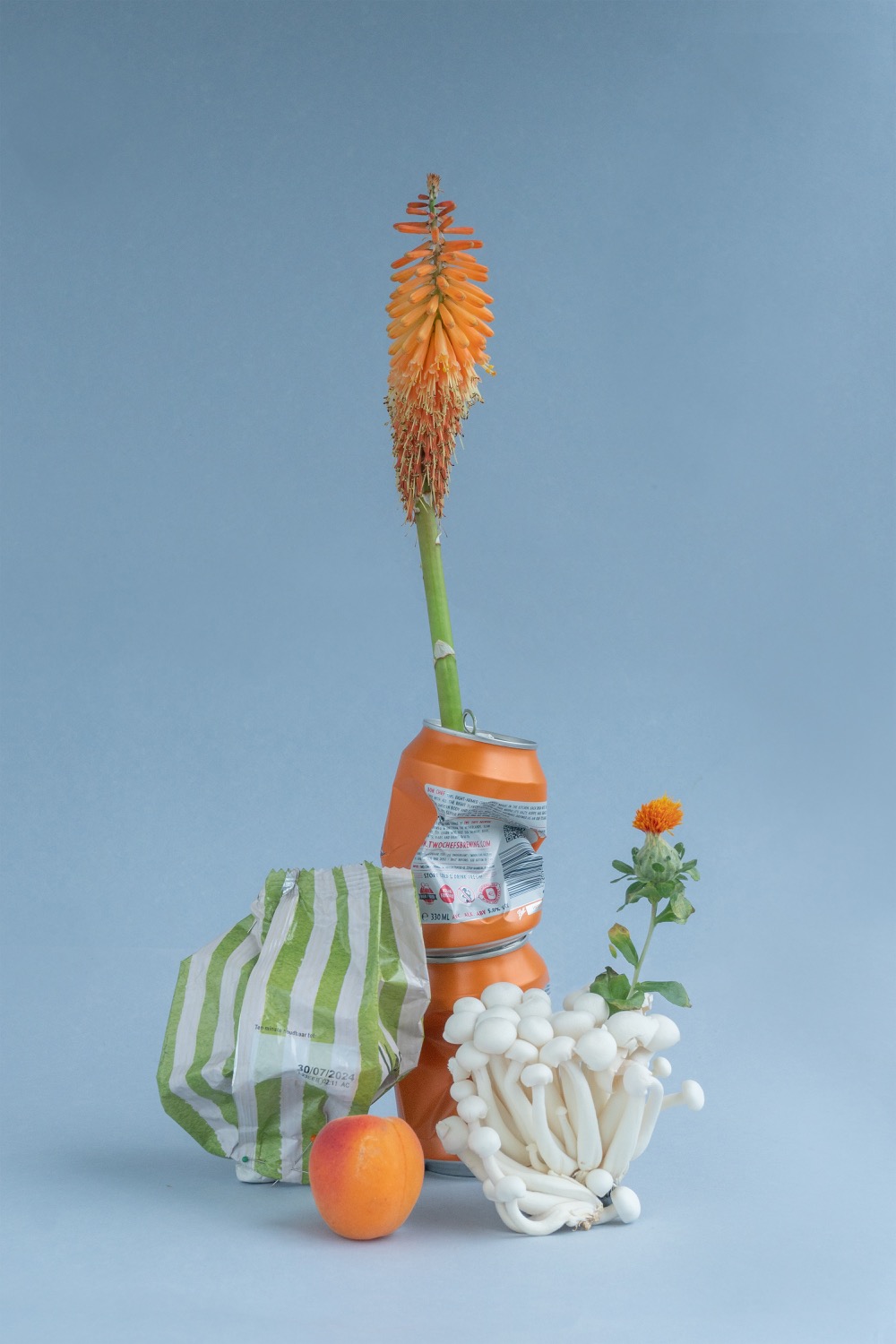
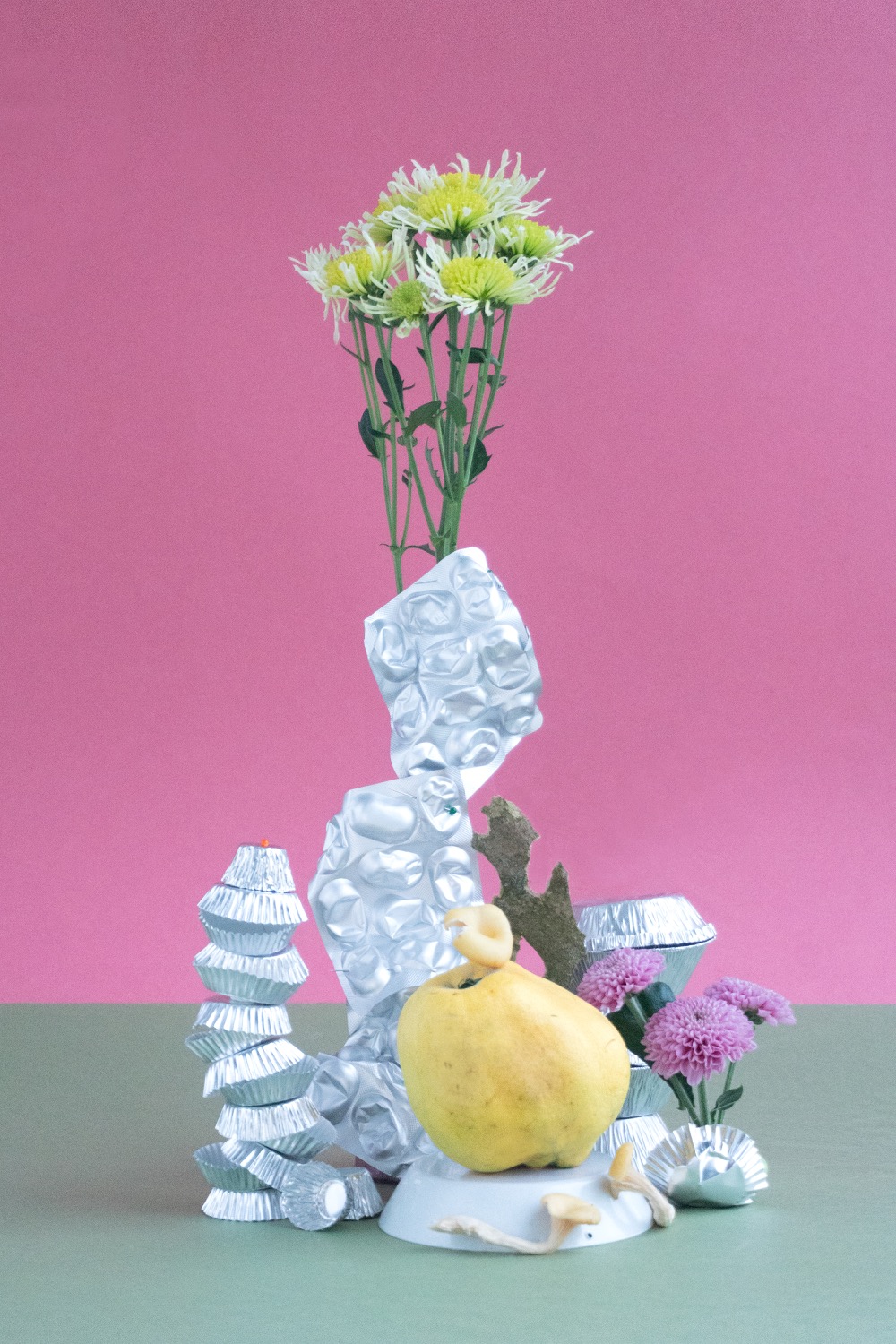
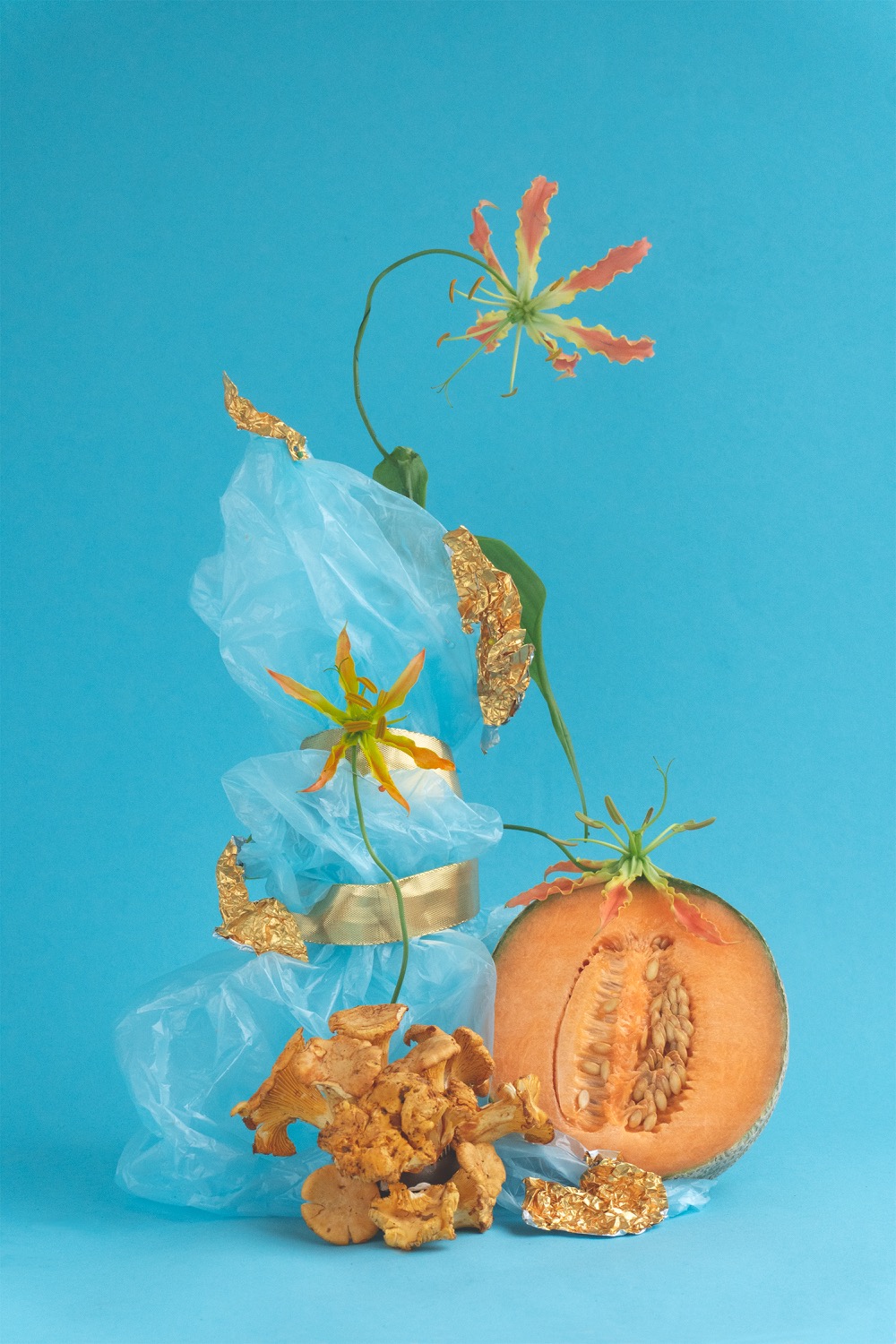
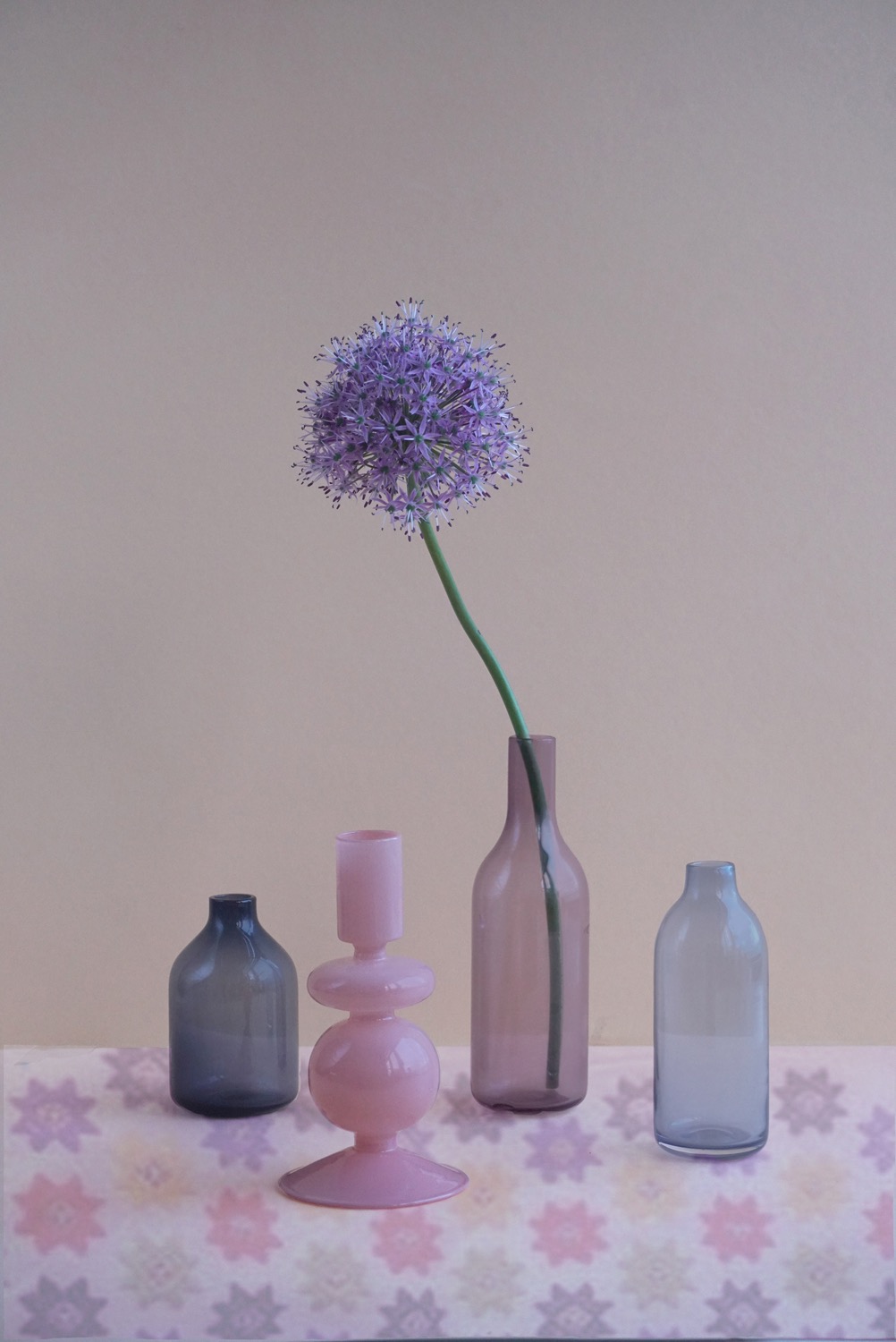
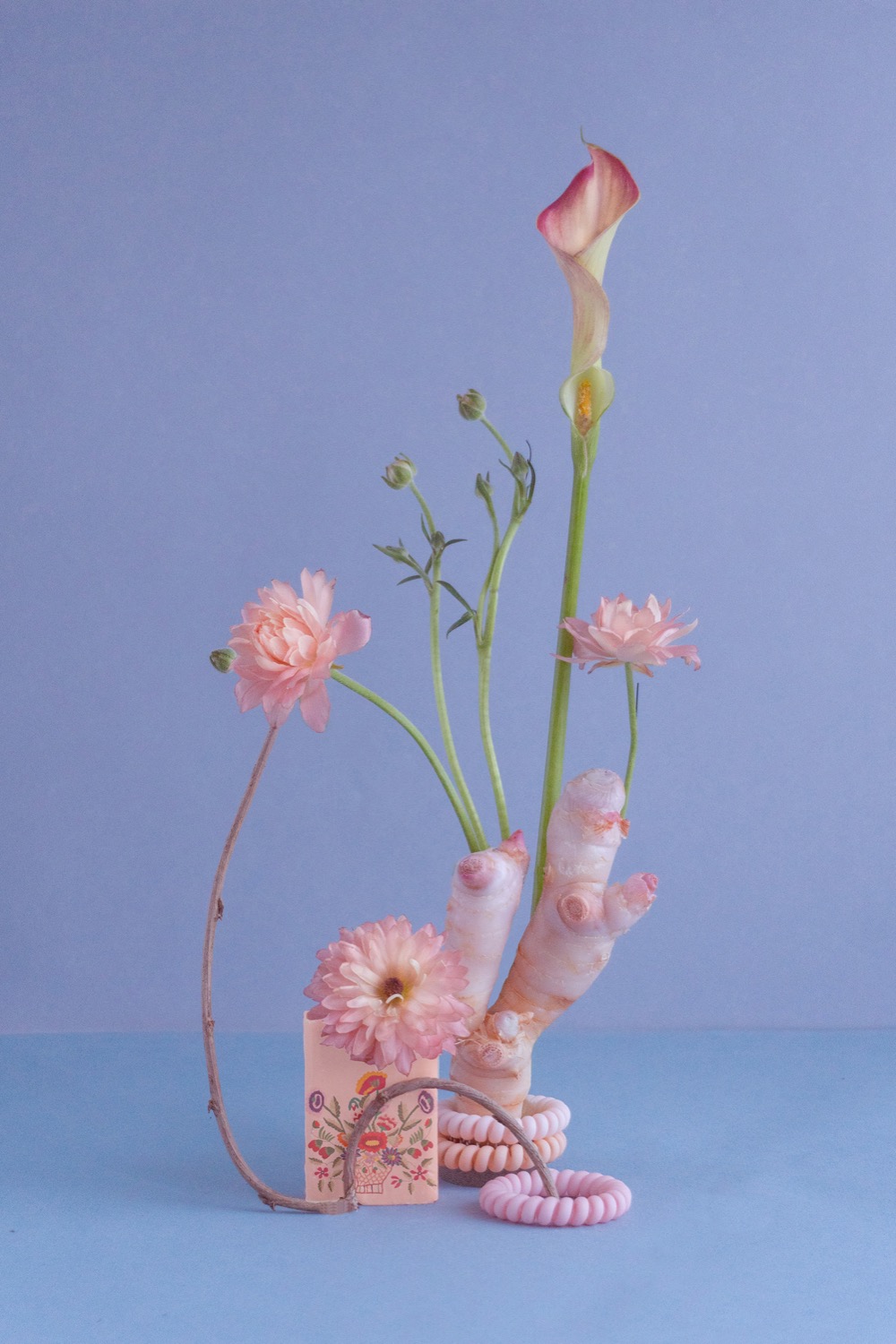
Beyond the poetic still lifes, Hresko’s projects also confront environmental and societal issues. Her ongoing Nature and Garbage series juxtaposes the natural and the artificial, reflecting on humanity’s uneasy relationship with the environment. “I juxtapose natural elements with common household items and discarded materials. By combining organic and artificial elements, I hope to inspire deeper reflection on humanity’s role in creating a more sustainable relationship with the environment.”
Her subsequent projects continue this dialogue, deepening her exploration of transformation and environmental awareness. “I provoke thoughts about the legacy we, as contemporary people, will leave for future generations. In these works, waste becomes material for aesthetically pleasing compositions, where bright colours and the organic interaction of forms transform unwanted objects into focal points. Through this process, I invite the viewer to question the very notion of ‘garbage’ and to recognise that every object holds the potential for transformation and rebirth.”
Technique and Symbolic Craft
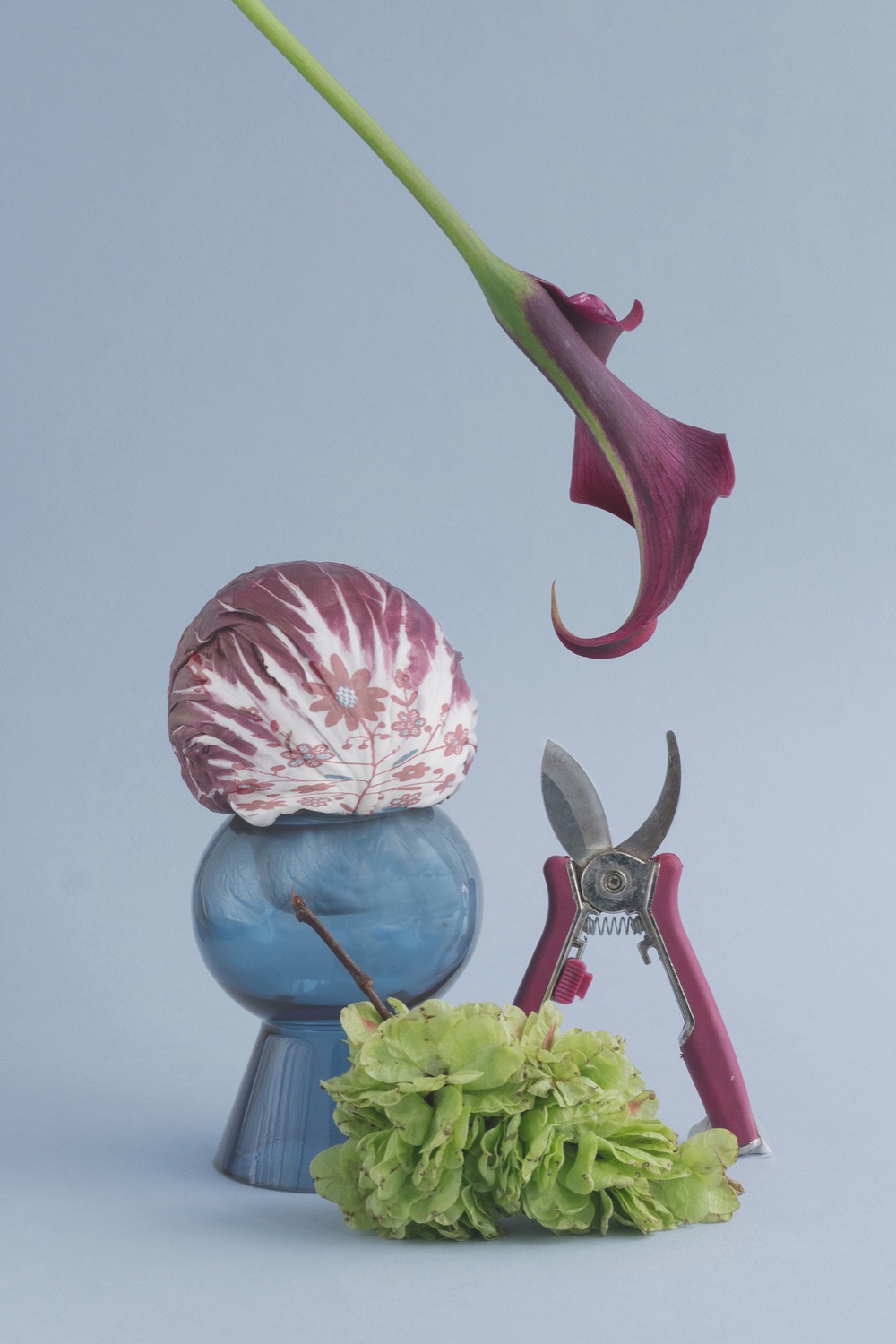
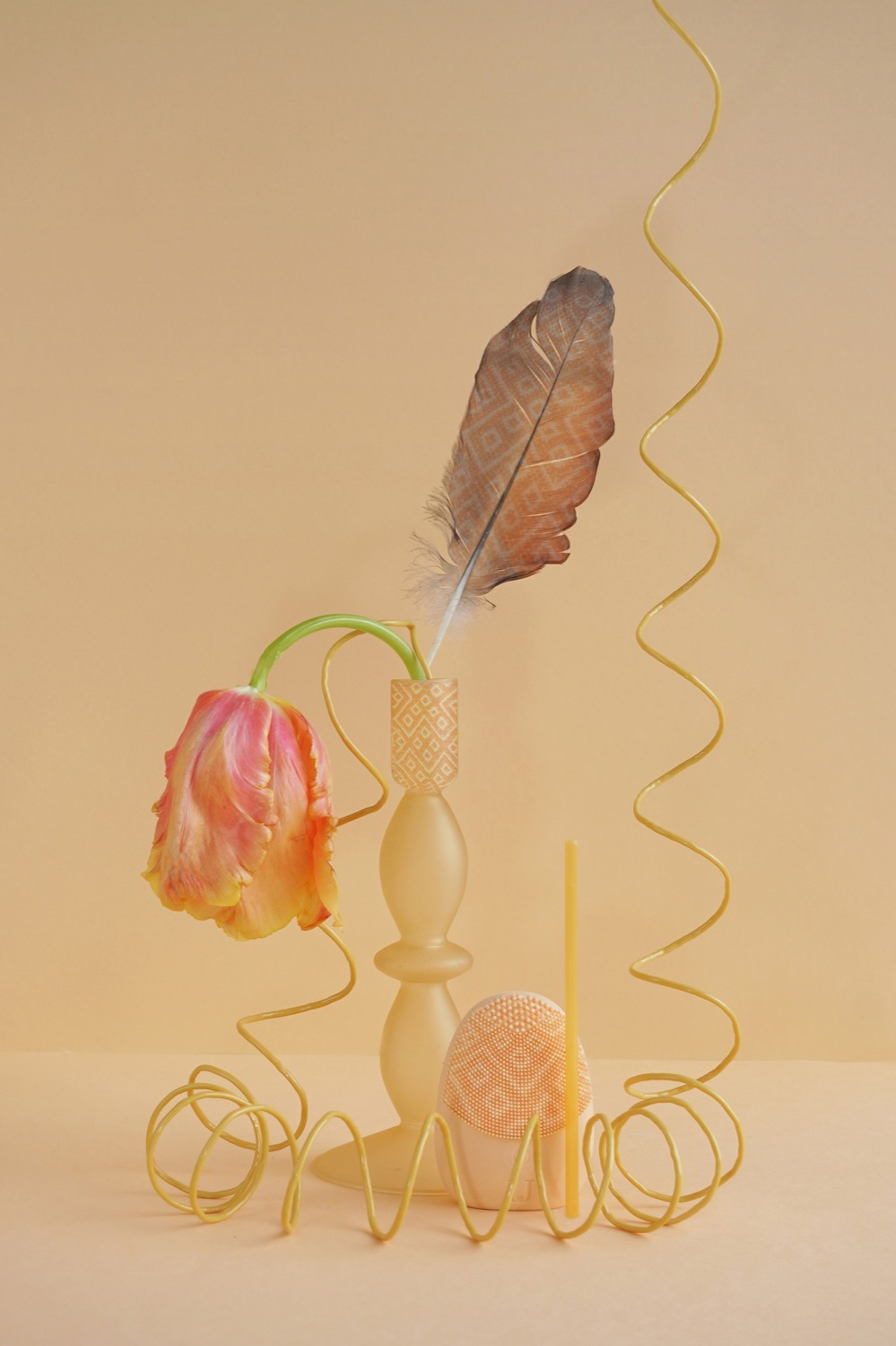
The formal elements of Hresko’s work—light, colour, and composition—are not merely technical choices but expressions of philosophy. “Composition and colour are the primary elements of my visual language,” she explains. “Additionally, I frequently incorporate collage and non-traditional printing methods into my work, specifically scanography and cyanotype. These techniques significantly amplify the artistic statement, adding conceptual weight and providing a cleaner ‘voice’ to individual elements.”
Her working method is tactile and deliberate. “I always arrange the objects in the composition so that they hold together organically, balancing one another. I do not make adjustments to the composition in post-editing. This is a profound symbolic element of my practice. I am convinced that seeking this natural equilibrium during the physical creation of the composition transmits a tangible sense of balance and harmony in the final photographic image.”
Equally central are her recurring motifs: the reinterpretation of Ukrainian floral ornament and folk art through modern processes. “I have translated traditional motifs of Ukrainian decorative painting into a new medium—photography, specifically scanography,” she explains. “Essentially, by drawing upon the collective memory of Ukrainian floral ornament, I reinterpret the motifs and methods of traditional art as a life-affirming pillar and an act of aesthetic protest against the destruction in life.”
Art as Cultural Memory
Hresko’s practice is also an act of preservation—of memory, heritage, and collective identity. “I am delighted when my work evokes deep reflection, initiates conversations, and encourages discussion or action,” she says. Her series Reflections on Memory, exhibited at the Ukrainian Diaspora Museum in 2025, sparked dialogue about historical repression and the endurance of Ukrainian culture. “These works sparked a conversation about the times when the totalitarian Soviet regime sought to eliminate all things Ukrainian, including artists who dared to create in the national style. Despite oppression and repression, Ukrainians are reviving their culture. Crucially, this revival serves as a supportive element for resilience in the context of the current war.”
Her floral compositions act as vessels of cultural continuity. “Exhibition visitors recognised the patterns of traditional Ukrainian creativity within the floral compositions,” she says. “This recognition provoked discussions about the importance of reviving Ukrainian culture and exploring new avenues for its development under contemporary conditions.”
.svg)


.svg)
.svg)

Hresko’s photography orbits around themes that mirror her lived experience: the internal emotional landscape of a woman and a mother, the displacement of war, and the urgent preservation of identity in crisis. These ideas, though deeply personal, echo collective anxieties shared by many Ukrainians whose sense of place has been violently fractured.
“I am acutely aware of the world’s fragility and strive to reflect this vulnerability in my work,” she explains. “The war in Ukraine is my personal bleeding wound. Although I do not explicitly feature combat, its profound and often silent influence is the pervasive subtext present across all my current projects.”
Her still lifes are not mere arrangements of objects; they are repositories of memory and metaphor. Various household items have become silent witnesses to a disrupted domestic life. “My still lifes feature objects of a woman’s everyday life: kitchen utensils, vases, various household items, books, and jewellery—elements that create comfort and pleasure,” she notes. “Vegetables and fruits serve as elements that ground us, literally representing our sustenance for existence. Flowers—those elements that reach for the sun—embody beauty and our soul’s inherent striving for development and perfection.”
In Hresko’s compositions, these elements coalesce into what she calls visual stories—each one a meditation on the tenuous equilibrium between beauty and threat, calm and chaos, home and exile.
The Poetics of the Everyday
Central to Hresko’s practice is her ability to infuse the mundane with metaphysical resonance. Every photograph begins with a subtle, intuitive selection process. “My choice of objects for shooting is based on aesthetic principles. Sometimes the decisive factor is the form, sometimes the texture or the colour. However, there is always an unnoticeable yet essential connection between the objects. Each work is a visual story built around a specific theme.”
This sense of hidden connection is especially evident in her floral still lifes, where repetition and rhythm create a quiet, meditative sense of order. “It is precisely through the interactions of the chosen objects—via their forms, textures, or colours—and their combination in the composition that I tell new stories each time.”
There’s a quiet insistence in the way she speaks about balance and cohesion—a philosophy that extends beyond her technique. In a world unmoored by war and displacement, her method becomes an act of restoration: arranging fragments until they make sense again.
Light, Colour, and Emotional Tone
The emotional atmosphere of Hresko’s photography is one of reflective tension—beauty shadowed by unease and hope intertwined with loss. “My creative practice revolves around daily life. I vividly observe and share inspiring moments, yet I feel just as acutely the other side—the routines and imperfections of our existence. Therefore, when creating my still-life compositions, I always juxtapose beauty with something that poses a threat to it.”
This equilibrium between tenderness and tension defines her aesthetic. Even when confronting painful realities, she chooses to speak in the language of colour and light rather than in the language of despair. “I am an incurable optimist, and even when addressing complex issues, I communicate with the viewer through the language of colour, symbols, and flowers.”
I am an incurable optimist, and even when addressing complex issues, I communicate with the viewer through the language of colour, symbols, and flowers.
Her series of floral compositions, created during her temporary displacement abroad, emerges as both a homage and a lifeline. “It was born out of a love for naïve and decorative folk art and a desire to preserve the cultural code during my temporary displacement abroad due to the war.”
The influence of Metaphysical Painting artists also threads through her work, lending it a painterly stillness. “I am confident that this influence is distinctly legible in the emotional tone of my photographs, lending them a sense of silent introspection and timelessness.”
Layers of Meaning and Symbolism
Hresko’s images invite slow contemplation. They seduce through surface beauty, only to reveal deeper strata of symbolism beneath. “I believe the viewer initially perceives the aesthetically appealing objects, and then dives into the symbolic layer—noticing the connection between items, paying attention to colours, analysing, and decoding the symbols. My primary goal is to evoke curiosity, aesthetic pleasure, and deep contemplation. I want the viewer to be inspired by the beauty of life, to feel its fragility, and simultaneously to receive a message of resilience.”
I want the viewer to be inspired by the beauty of life, to feel its fragility, and simultaneously to receive a message of resilience.
This engagement between viewer and artwork transforms her photographs into open conversations. In her floral still-life series, I Collect Flowers for Life, she has observed how aesthetic recognition leads to cultural rediscovery. “Viewers are first enchanted by the aesthetics, but then recognise the patterns inherent to folk culture. This recognition initiates a dialogue about the value of native, traditional art and the vital importance of its contemporary reinterpretation.” Her work thus operates as both a personal expression and a cultural mirror—an invitation to remember, reinterpret, and reclaim.
Nature, Garbage, and Transformation
Beyond the poetic still lifes, Hresko’s projects also confront environmental and societal issues. Her ongoing Nature and Garbage series juxtaposes the natural and the artificial, reflecting on humanity’s uneasy relationship with the environment. “I juxtapose natural elements with common household items and discarded materials. By combining organic and artificial elements, I hope to inspire deeper reflection on humanity’s role in creating a more sustainable relationship with the environment.”
Her subsequent projects continue this dialogue, deepening her exploration of transformation and environmental awareness. “I provoke thoughts about the legacy we, as contemporary people, will leave for future generations. In these works, waste becomes material for aesthetically pleasing compositions, where bright colours and the organic interaction of forms transform unwanted objects into focal points. Through this process, I invite the viewer to question the very notion of ‘garbage’ and to recognise that every object holds the potential for transformation and rebirth.”
Technique and Symbolic Craft
The formal elements of Hresko’s work—light, colour, and composition—are not merely technical choices but expressions of philosophy. “Composition and colour are the primary elements of my visual language,” she explains. “Additionally, I frequently incorporate collage and non-traditional printing methods into my work, specifically scanography and cyanotype. These techniques significantly amplify the artistic statement, adding conceptual weight and providing a cleaner ‘voice’ to individual elements.”
Her working method is tactile and deliberate. “I always arrange the objects in the composition so that they hold together organically, balancing one another. I do not make adjustments to the composition in post-editing. This is a profound symbolic element of my practice. I am convinced that seeking this natural equilibrium during the physical creation of the composition transmits a tangible sense of balance and harmony in the final photographic image.”
Equally central are her recurring motifs: the reinterpretation of Ukrainian floral ornament and folk art through modern processes. “I have translated traditional motifs of Ukrainian decorative painting into a new medium—photography, specifically scanography,” she explains. “Essentially, by drawing upon the collective memory of Ukrainian floral ornament, I reinterpret the motifs and methods of traditional art as a life-affirming pillar and an act of aesthetic protest against the destruction in life.”
Art as Cultural Memory
Hresko’s practice is also an act of preservation—of memory, heritage, and collective identity. “I am delighted when my work evokes deep reflection, initiates conversations, and encourages discussion or action,” she says. Her series Reflections on Memory, exhibited at the Ukrainian Diaspora Museum in 2025, sparked dialogue about historical repression and the endurance of Ukrainian culture. “These works sparked a conversation about the times when the totalitarian Soviet regime sought to eliminate all things Ukrainian, including artists who dared to create in the national style. Despite oppression and repression, Ukrainians are reviving their culture. Crucially, this revival serves as a supportive element for resilience in the context of the current war.”
Her floral compositions act as vessels of cultural continuity. “Exhibition visitors recognised the patterns of traditional Ukrainian creativity within the floral compositions,” she says. “This recognition provoked discussions about the importance of reviving Ukrainian culture and exploring new avenues for its development under contemporary conditions.”
Hresko’s photography orbits around themes that mirror her lived experience: the internal emotional landscape of a woman and a mother, the displacement of war, and the urgent preservation of identity in crisis. These ideas, though deeply personal, echo collective anxieties shared by many Ukrainians whose sense of place has been violently fractured.
“I am acutely aware of the world’s fragility and strive to reflect this vulnerability in my work,” she explains. “The war in Ukraine is my personal bleeding wound. Although I do not explicitly feature combat, its profound and often silent influence is the pervasive subtext present across all my current projects.”
Her still lifes are not mere arrangements of objects; they are repositories of memory and metaphor. Various household items have become silent witnesses to a disrupted domestic life. “My still lifes feature objects of a woman’s everyday life: kitchen utensils, vases, various household items, books, and jewellery—elements that create comfort and pleasure,” she notes. “Vegetables and fruits serve as elements that ground us, literally representing our sustenance for existence. Flowers—those elements that reach for the sun—embody beauty and our soul’s inherent striving for development and perfection.”
In Hresko’s compositions, these elements coalesce into what she calls visual stories—each one a meditation on the tenuous equilibrium between beauty and threat, calm and chaos, home and exile.
The Poetics of the Everyday
Central to Hresko’s practice is her ability to infuse the mundane with metaphysical resonance. Every photograph begins with a subtle, intuitive selection process. “My choice of objects for shooting is based on aesthetic principles. Sometimes the decisive factor is the form, sometimes the texture or the colour. However, there is always an unnoticeable yet essential connection between the objects. Each work is a visual story built around a specific theme.”
This sense of hidden connection is especially evident in her floral still lifes, where repetition and rhythm create a quiet, meditative sense of order. “It is precisely through the interactions of the chosen objects—via their forms, textures, or colours—and their combination in the composition that I tell new stories each time.”
There’s a quiet insistence in the way she speaks about balance and cohesion—a philosophy that extends beyond her technique. In a world unmoored by war and displacement, her method becomes an act of restoration: arranging fragments until they make sense again.
Light, Colour, and Emotional Tone
The emotional atmosphere of Hresko’s photography is one of reflective tension—beauty shadowed by unease and hope intertwined with loss. “My creative practice revolves around daily life. I vividly observe and share inspiring moments, yet I feel just as acutely the other side—the routines and imperfections of our existence. Therefore, when creating my still-life compositions, I always juxtapose beauty with something that poses a threat to it.”
This equilibrium between tenderness and tension defines her aesthetic. Even when confronting painful realities, she chooses to speak in the language of colour and light rather than in the language of despair. “I am an incurable optimist, and even when addressing complex issues, I communicate with the viewer through the language of colour, symbols, and flowers.”
I am an incurable optimist, and even when addressing complex issues, I communicate with the viewer through the language of colour, symbols, and flowers.
Her series of floral compositions, created during her temporary displacement abroad, emerges as both a homage and a lifeline. “It was born out of a love for naïve and decorative folk art and a desire to preserve the cultural code during my temporary displacement abroad due to the war.”
The influence of Metaphysical Painting artists also threads through her work, lending it a painterly stillness. “I am confident that this influence is distinctly legible in the emotional tone of my photographs, lending them a sense of silent introspection and timelessness.”
Layers of Meaning and Symbolism
Hresko’s images invite slow contemplation. They seduce through surface beauty, only to reveal deeper strata of symbolism beneath. “I believe the viewer initially perceives the aesthetically appealing objects, and then dives into the symbolic layer—noticing the connection between items, paying attention to colours, analysing, and decoding the symbols. My primary goal is to evoke curiosity, aesthetic pleasure, and deep contemplation. I want the viewer to be inspired by the beauty of life, to feel its fragility, and simultaneously to receive a message of resilience.”
I want the viewer to be inspired by the beauty of life, to feel its fragility, and simultaneously to receive a message of resilience.
This engagement between viewer and artwork transforms her photographs into open conversations. In her floral still-life series, I Collect Flowers for Life, she has observed how aesthetic recognition leads to cultural rediscovery. “Viewers are first enchanted by the aesthetics, but then recognise the patterns inherent to folk culture. This recognition initiates a dialogue about the value of native, traditional art and the vital importance of its contemporary reinterpretation.” Her work thus operates as both a personal expression and a cultural mirror—an invitation to remember, reinterpret, and reclaim.
Nature, Garbage, and Transformation
Beyond the poetic still lifes, Hresko’s projects also confront environmental and societal issues. Her ongoing Nature and Garbage series juxtaposes the natural and the artificial, reflecting on humanity’s uneasy relationship with the environment. “I juxtapose natural elements with common household items and discarded materials. By combining organic and artificial elements, I hope to inspire deeper reflection on humanity’s role in creating a more sustainable relationship with the environment.”
Her subsequent projects continue this dialogue, deepening her exploration of transformation and environmental awareness. “I provoke thoughts about the legacy we, as contemporary people, will leave for future generations. In these works, waste becomes material for aesthetically pleasing compositions, where bright colours and the organic interaction of forms transform unwanted objects into focal points. Through this process, I invite the viewer to question the very notion of ‘garbage’ and to recognise that every object holds the potential for transformation and rebirth.”
Technique and Symbolic Craft
The formal elements of Hresko’s work—light, colour, and composition—are not merely technical choices but expressions of philosophy. “Composition and colour are the primary elements of my visual language,” she explains. “Additionally, I frequently incorporate collage and non-traditional printing methods into my work, specifically scanography and cyanotype. These techniques significantly amplify the artistic statement, adding conceptual weight and providing a cleaner ‘voice’ to individual elements.”
Her working method is tactile and deliberate. “I always arrange the objects in the composition so that they hold together organically, balancing one another. I do not make adjustments to the composition in post-editing. This is a profound symbolic element of my practice. I am convinced that seeking this natural equilibrium during the physical creation of the composition transmits a tangible sense of balance and harmony in the final photographic image.”
Equally central are her recurring motifs: the reinterpretation of Ukrainian floral ornament and folk art through modern processes. “I have translated traditional motifs of Ukrainian decorative painting into a new medium—photography, specifically scanography,” she explains. “Essentially, by drawing upon the collective memory of Ukrainian floral ornament, I reinterpret the motifs and methods of traditional art as a life-affirming pillar and an act of aesthetic protest against the destruction in life.”
Art as Cultural Memory
Hresko’s practice is also an act of preservation—of memory, heritage, and collective identity. “I am delighted when my work evokes deep reflection, initiates conversations, and encourages discussion or action,” she says. Her series Reflections on Memory, exhibited at the Ukrainian Diaspora Museum in 2025, sparked dialogue about historical repression and the endurance of Ukrainian culture. “These works sparked a conversation about the times when the totalitarian Soviet regime sought to eliminate all things Ukrainian, including artists who dared to create in the national style. Despite oppression and repression, Ukrainians are reviving their culture. Crucially, this revival serves as a supportive element for resilience in the context of the current war.”
Her floral compositions act as vessels of cultural continuity. “Exhibition visitors recognised the patterns of traditional Ukrainian creativity within the floral compositions,” she says. “This recognition provoked discussions about the importance of reviving Ukrainian culture and exploring new avenues for its development under contemporary conditions.”