
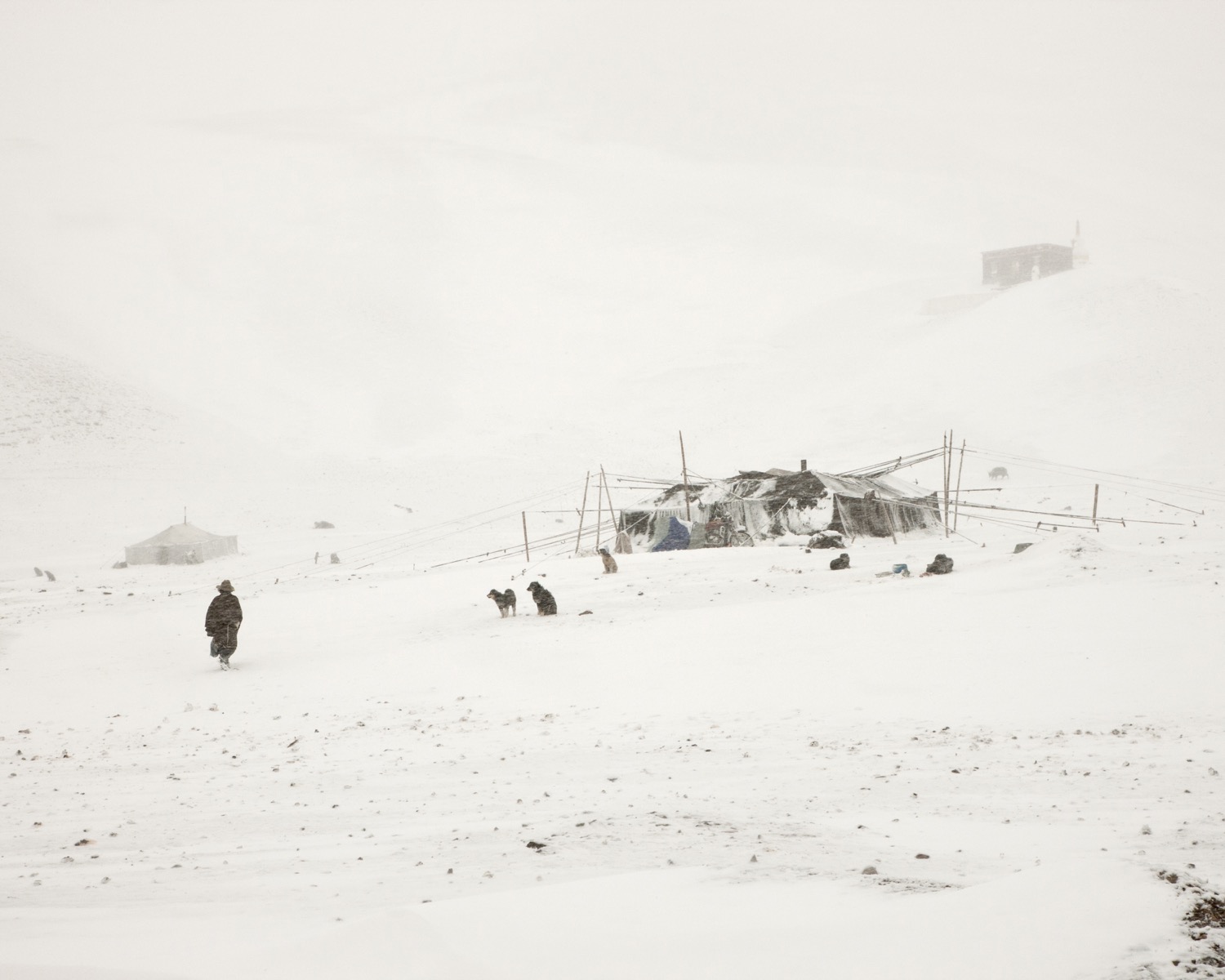
The series, Portraits of Tibet, captures images taken during a time of rapid change in Tibetan daily life. By Snider's first visit, modernisation had reached even the most remote communities, transforming the world he sought to document. “These photos were taken on several trips to Tibet between 1990 and 2020, representing my attempt to capture what I hoped to find—people in places where ‘time present was time past.’”
The reach of modernisation
The work does not depict Tibet as isolated from the modern world. Instead, the photographs reflect a clear understanding that cultural shifts are evident in everyday life, and these changes are accelerating. “Despite the remoteness of some areas, no one has remained untouched by modern civilisation. Most places are now influenced by cross-cultural contact through planes, television, videos, satellites, and computers. Significant changes have already transformed the daily lives of many Asians over the past 30 to 40 years, and even more significant changes are expected in the coming decades.”
Despite the remoteness of some areas, no one has remained untouched by modern civilisation.
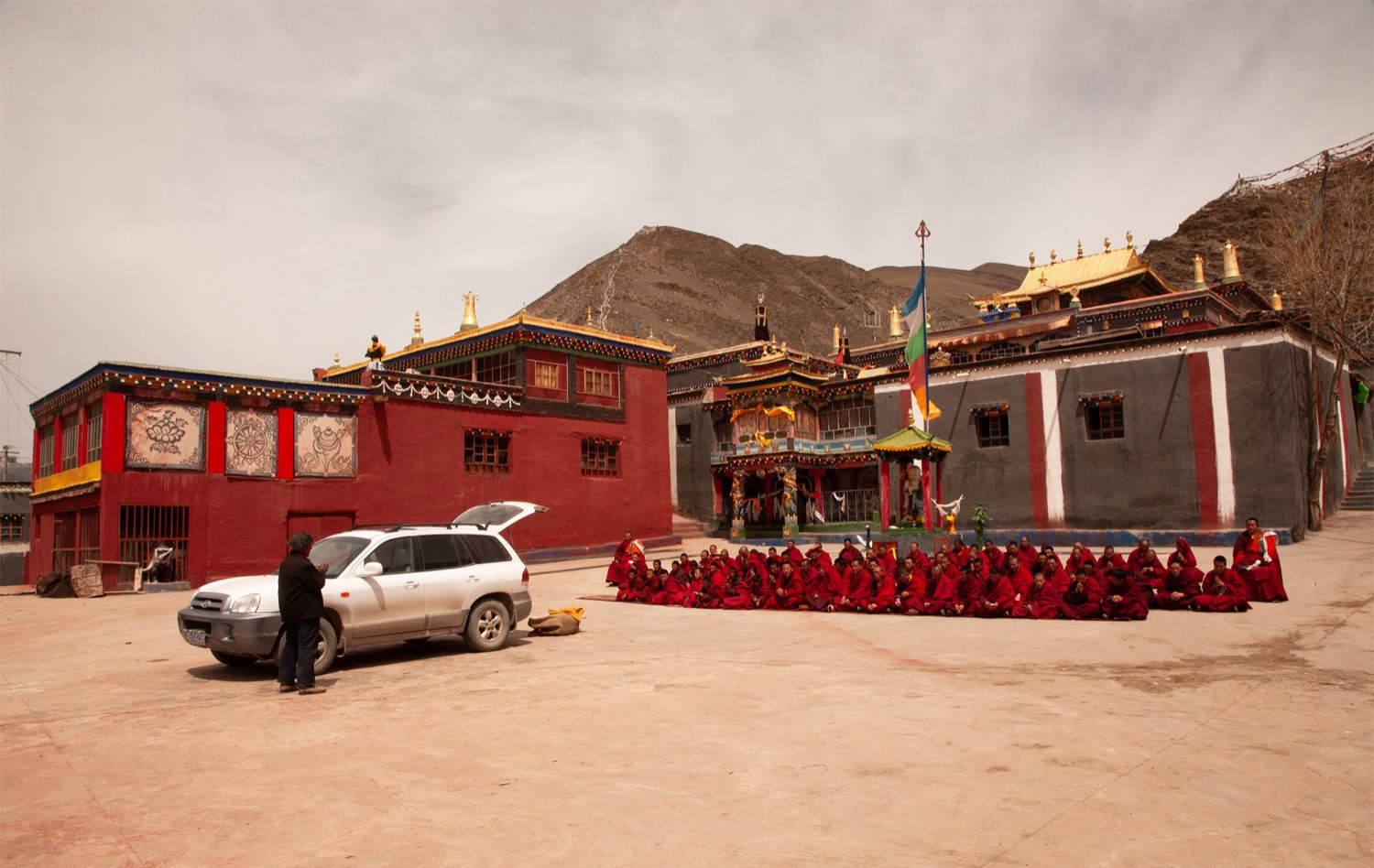
The visible aspects of cultures from just two generations ago are rapidly vanishing, and Snider's photographs embody that fleeting moment. “The visible aspects of many Asian cultures from over 40 years ago are quickly disappearing as our so-called 'modern civilisation' encroaches. These portraits depict people engaged in rituals like praying, playing, and talking — activities that will persist even as their surroundings transform.” In this way, the camera serves as a means of preservation.
Witness and respect
The work is driven by a documentary impulse motivated by both urgency and admiration. “I felt it was important and urgent to document the many cultures I observed that are changing or disappearing. I have long been fascinated by and deeply respectful of all the people I have met—their struggles, celebrations, and aspirations.”
His respect influences the tone and content of the work. Snider repeatedly focuses on ordinary lives and daily encounters, giving them careful attention. “I aim to photograph ordinary people because I find their modest lives beautifully simple. Witnessing them is what excites me as a photographer.” The photos in Portraits of Tibet reflect this approach, capturing observant moments rooted in presence and focus.
Portrait in the domestic environment
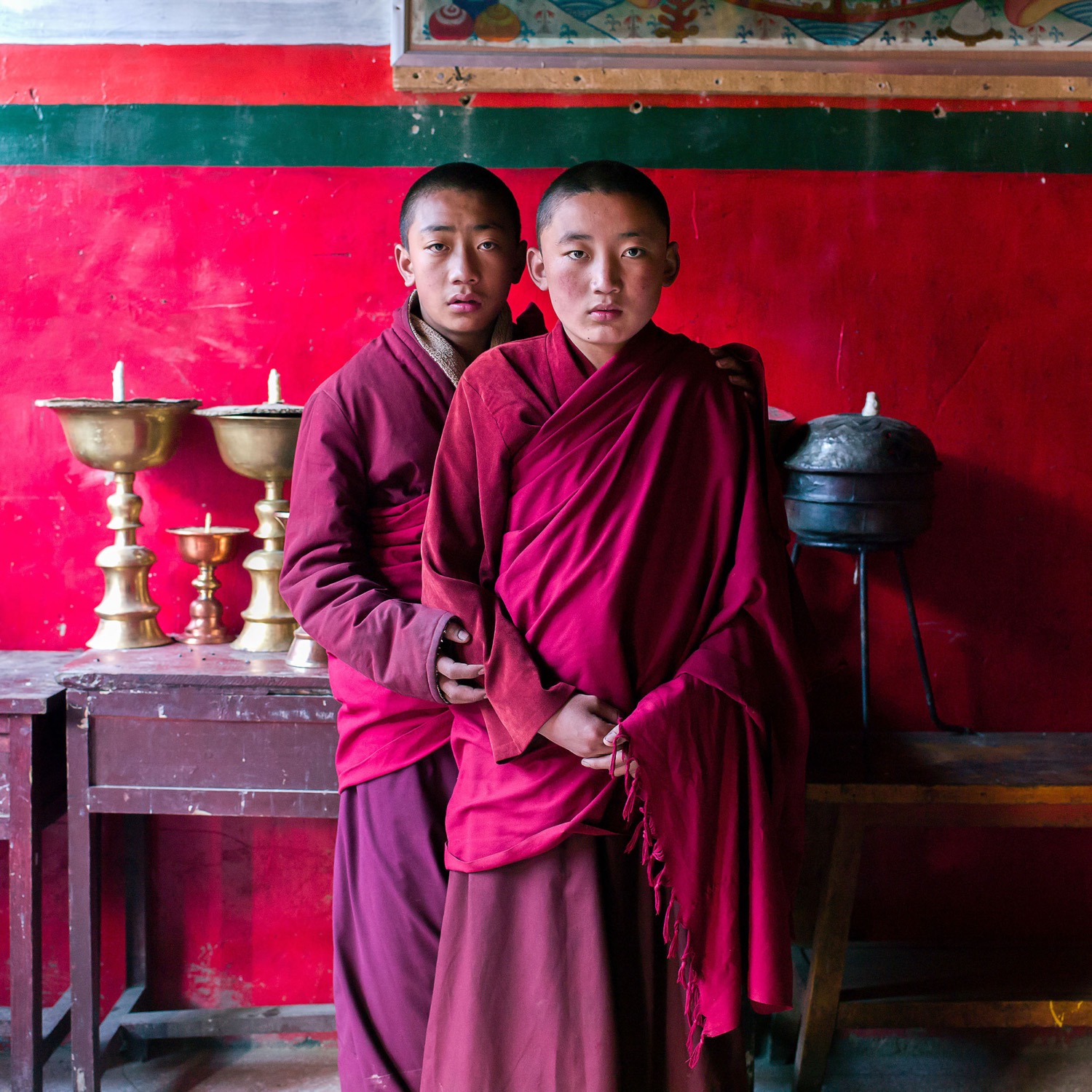
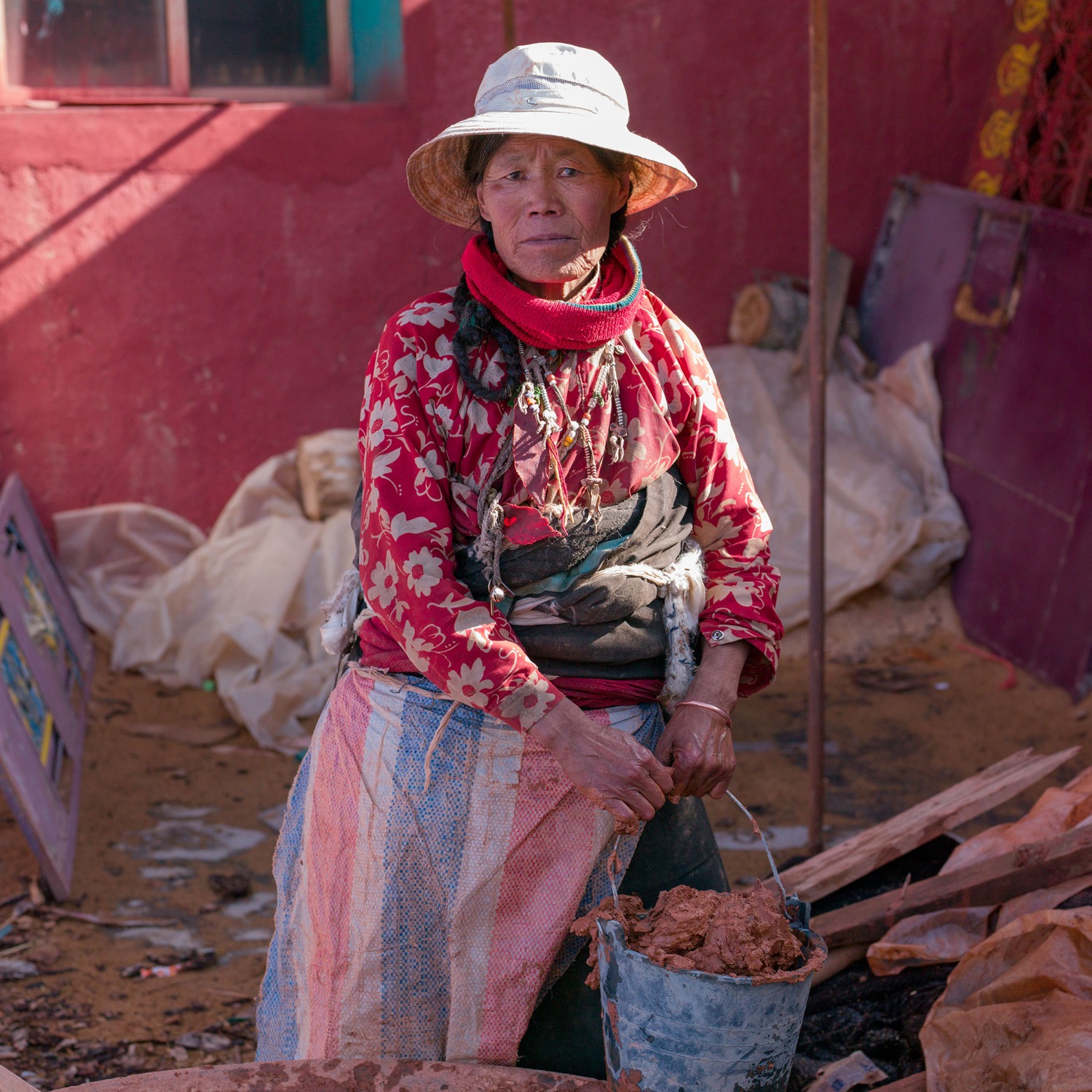
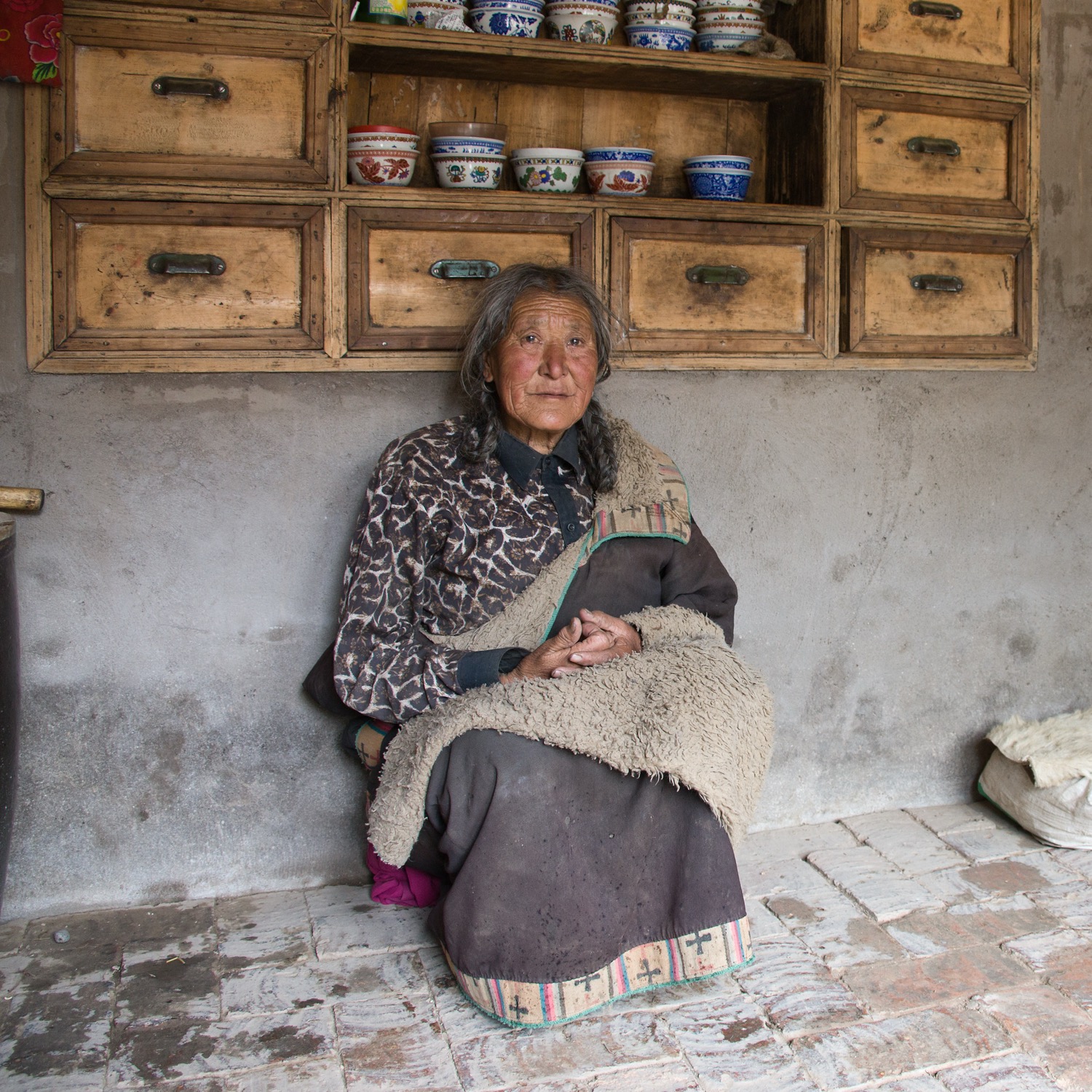
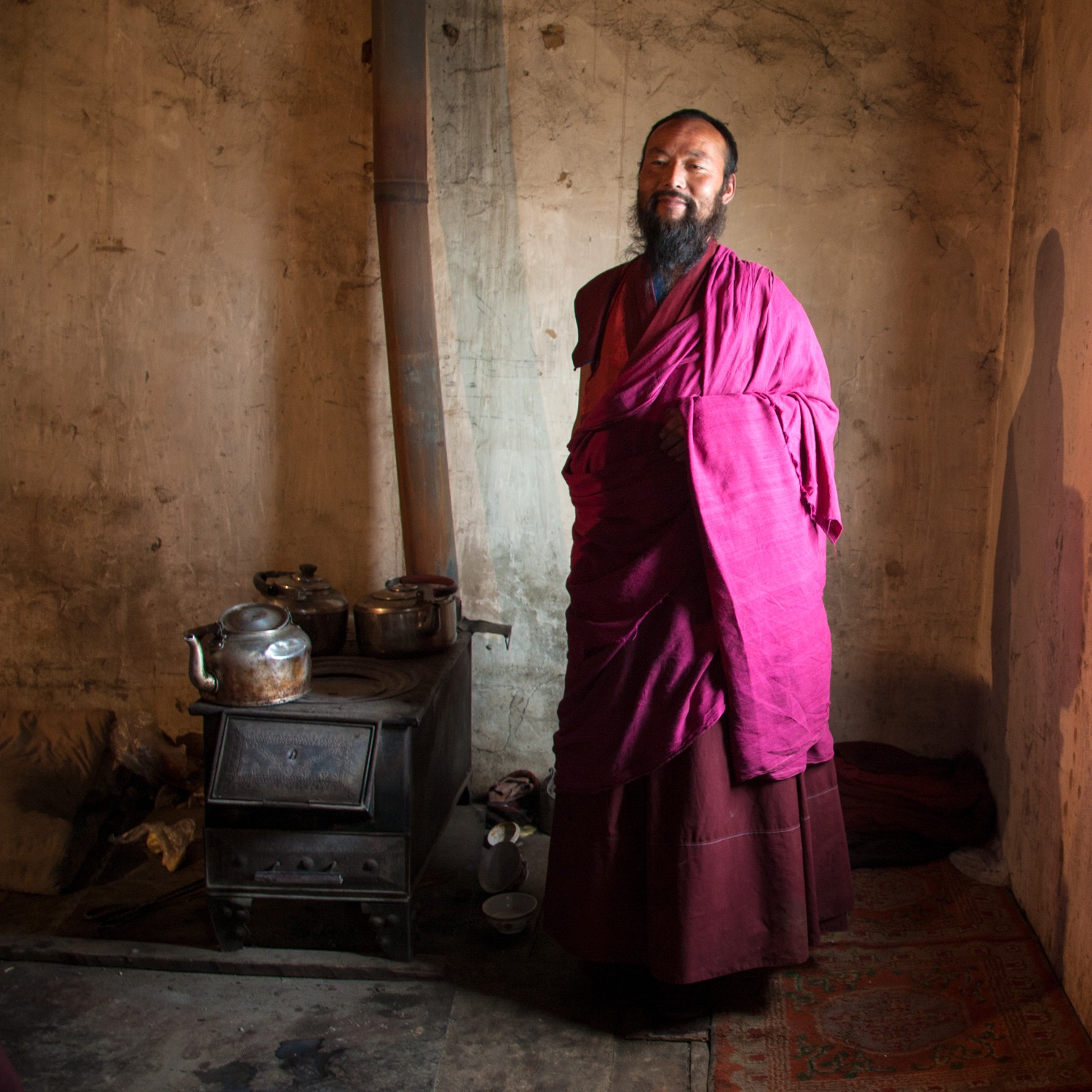
His portraits incorporate the surrounding environment, using domestic details to provide context. The shelves, containers, and worn surfaces suggest a lived-in space without turning the subject into an ethnographic specimen. The photographs balance portrait and place, showing the relationship between an individual and their surroundings.
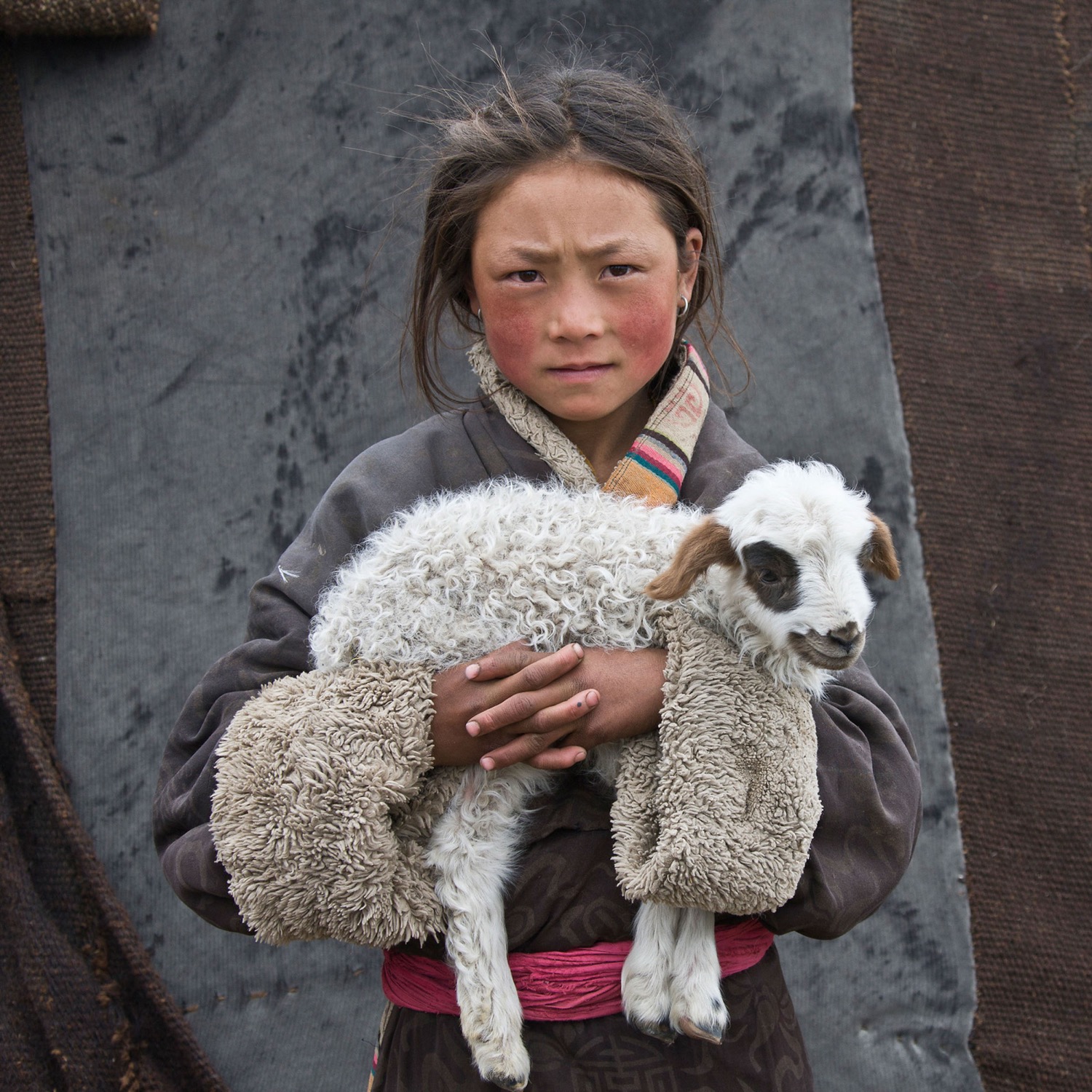
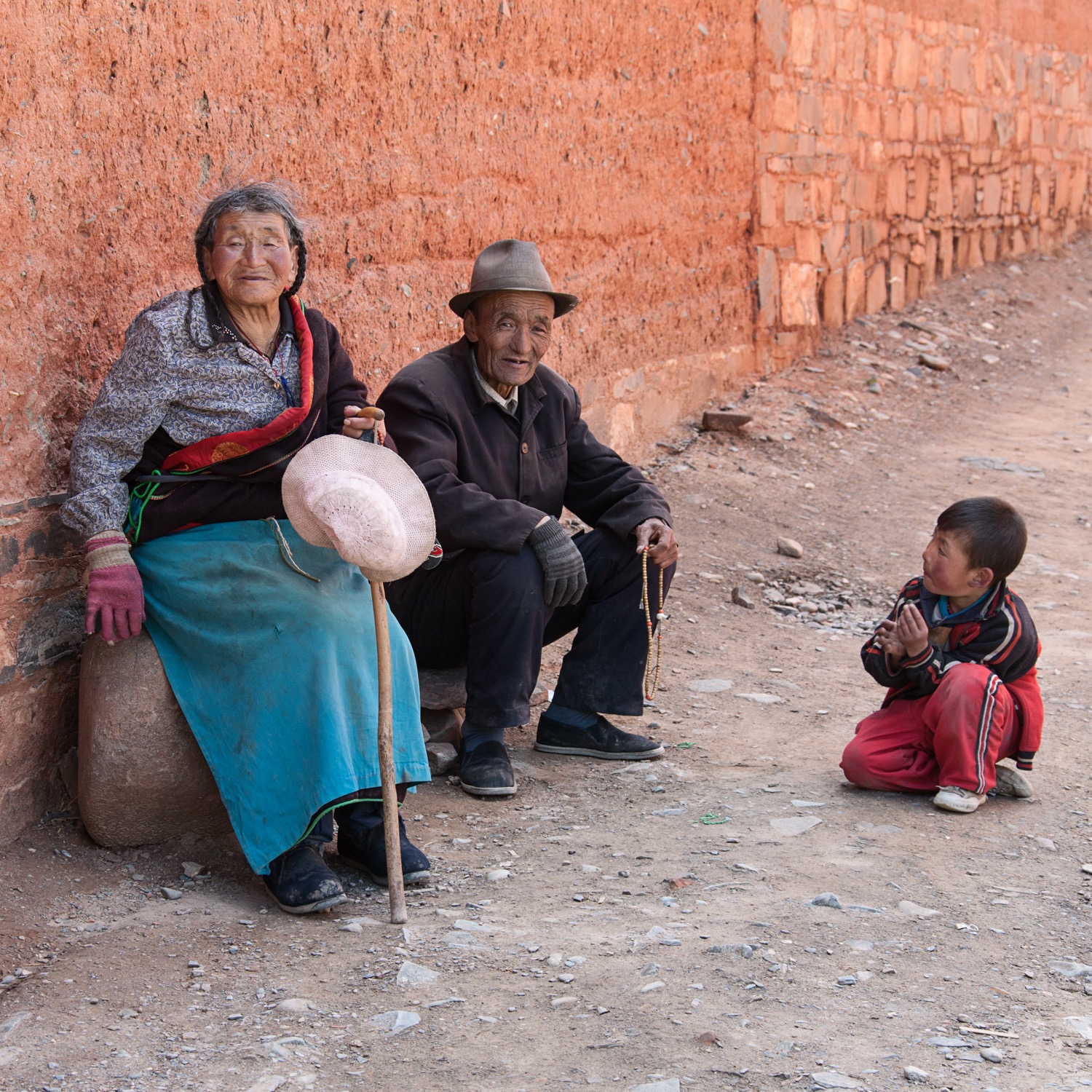
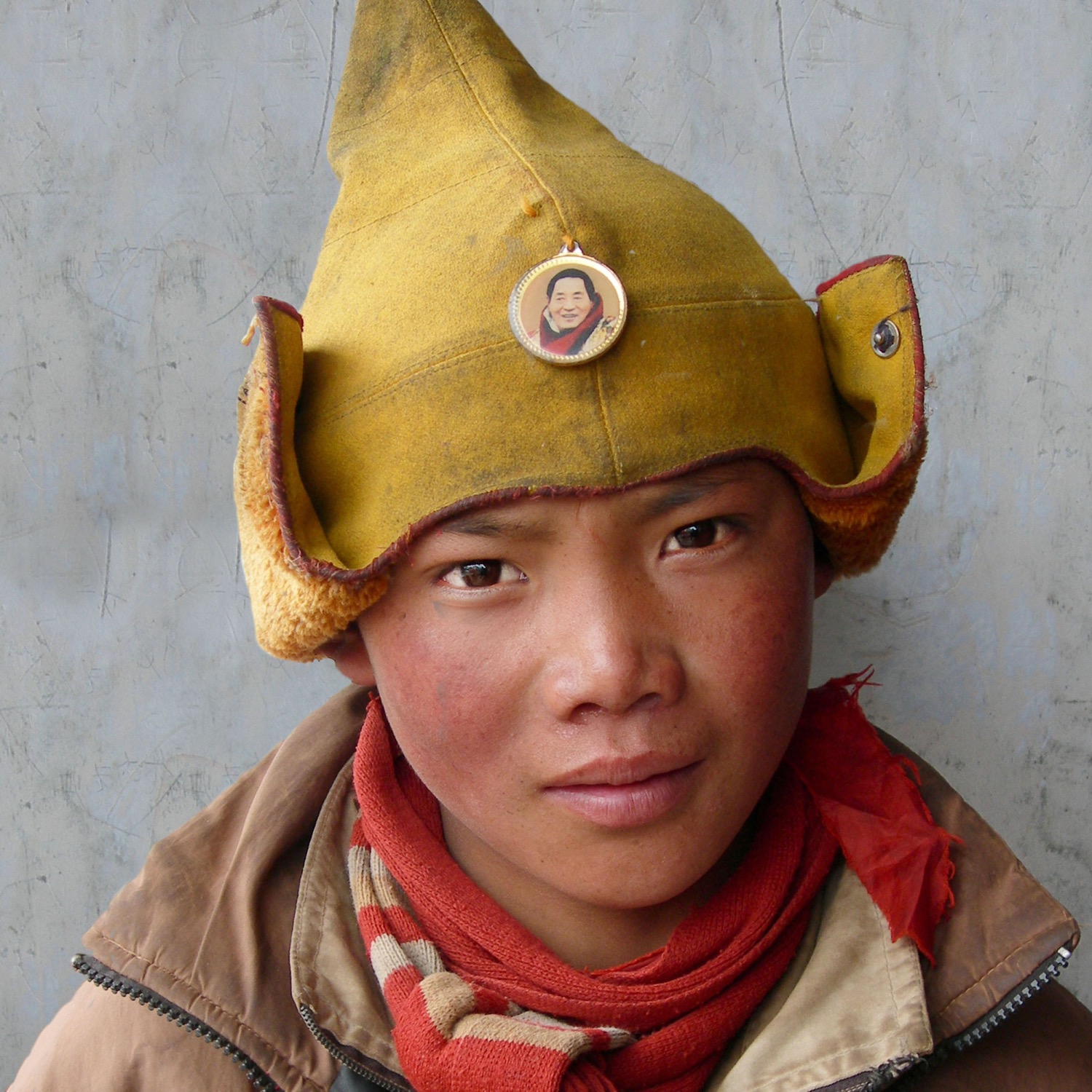
Faces occupy a central place throughout the series. Direct gazes establish a strong sense of presence and individuality throughout the series. The portraits reflect Snider’s stated attraction to “ordinary people” and his interest in honouring faces through portraiture. “There are no symbols or motifs. But I am consistently drawn to the complex faces of people, which I honour with portraits.” This emphasis on portraiture reflects an interest in human experience above all else. The photographs record individuals engaged in the rituals that persist regardless of broader historical change.
Natural colour and light
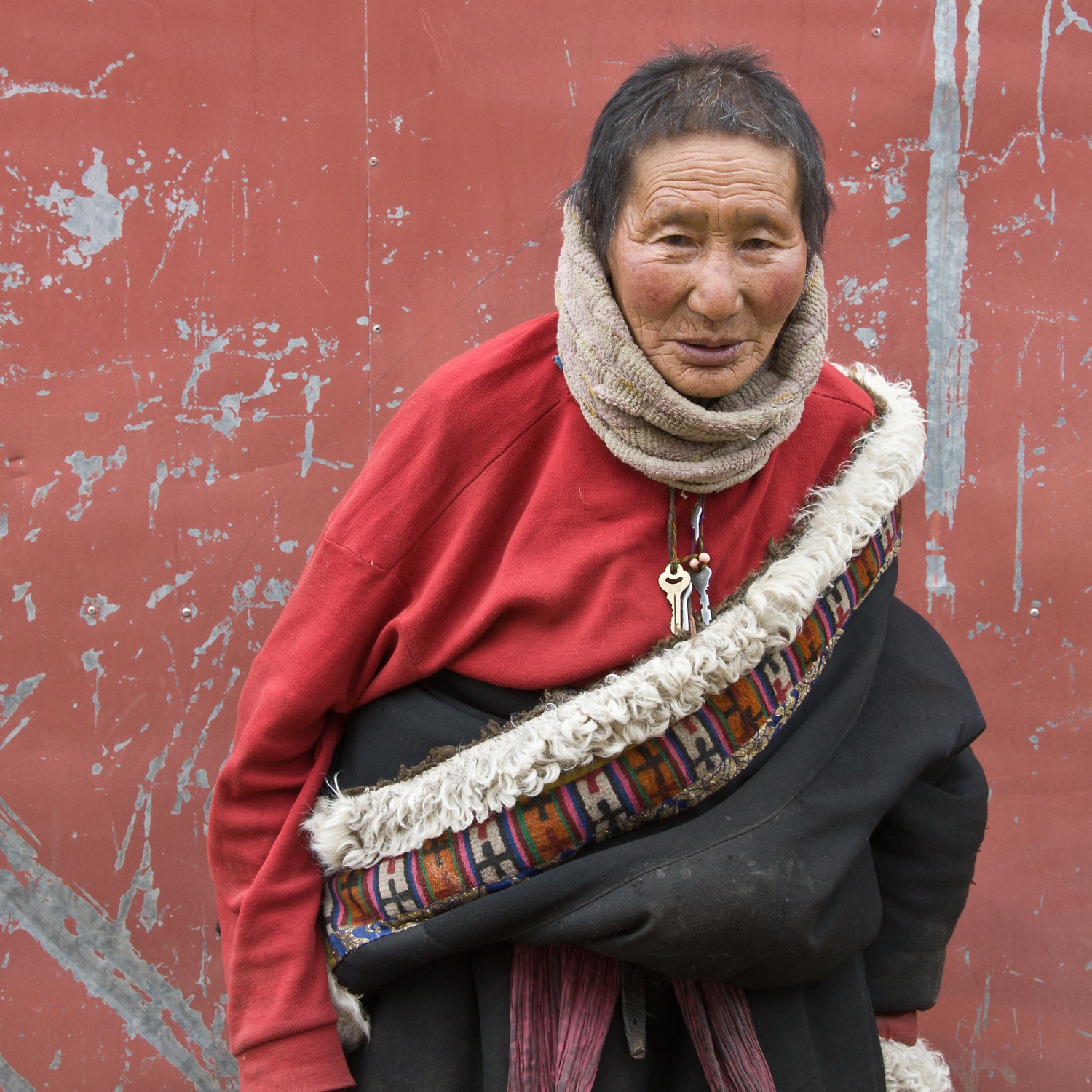
Snider's method of creating images is straightforward. He works with the existing conditions, avoiding technical intervention. In all his photographs, the lighting is unobtrusive and feels natural and available, both indoors and outdoors. This approach fosters a sense of visual honesty, aligning with his belief: “I don't use any special techniques. I rely on the natural light and let the images do the work of evoking meaning and emotions.”
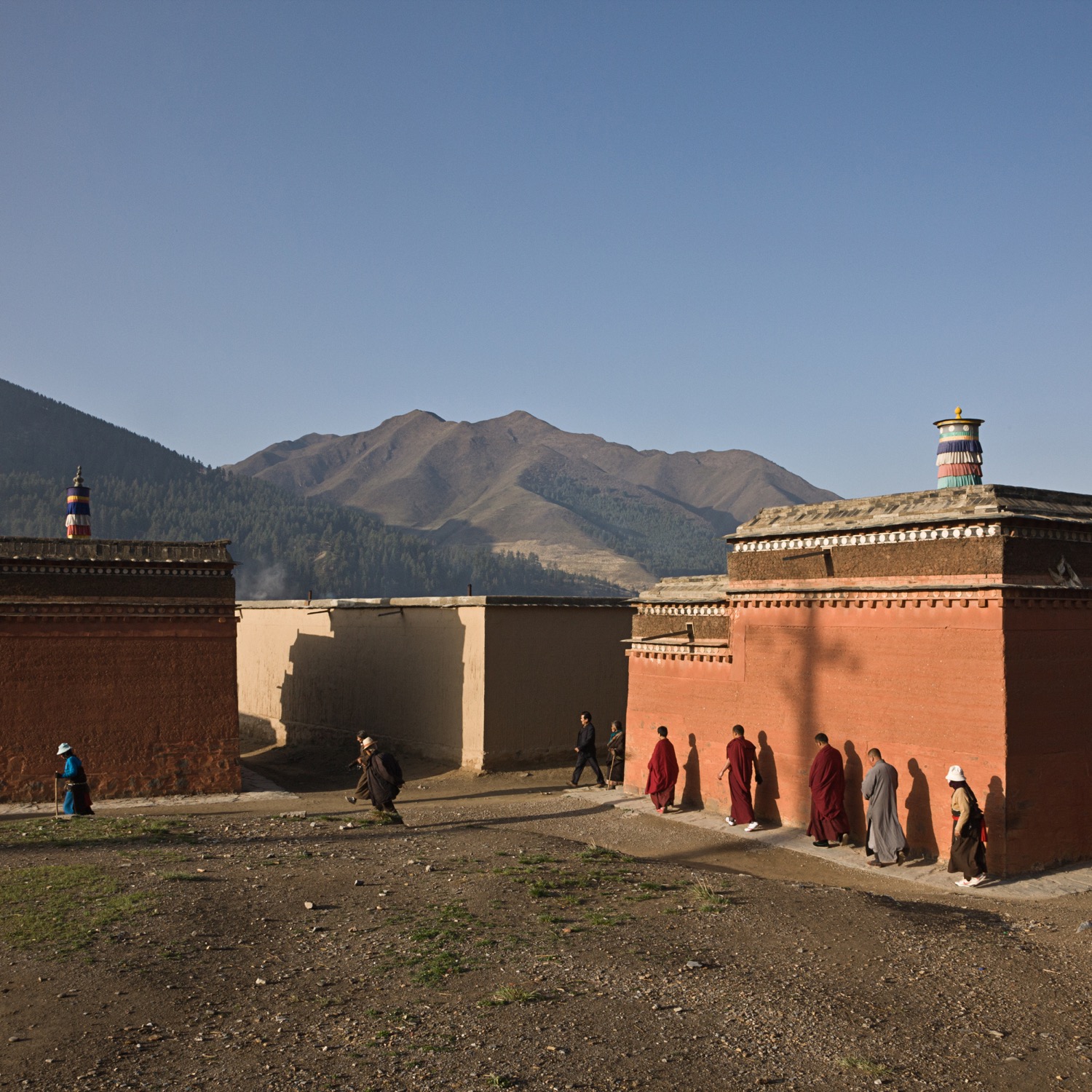
The gentle natural light highlights subtle tonal differences in skin, clothing, and surfaces around, while the simple compositions eliminate distractions. Although Snider emphasises a natural approach over technique, colour remains vital in several images. The weathered red walls, earth-toned monastery walls, naturally coloured clothing, and the monks’ bright red robes create visual harmony across the series. These colours are not symbolic but originate from the environment itself, reinforcing a sense of place. Collectively, these photographs showcase two recurring strengths: respect for individual presence and skill in situating people within the environments that influence their lives.
Observation before storytelling
Snider believes that photography starts with seeing rather than telling stories. His work is driven by experience and observation, leaving the story to the viewer. “My trips mainly aim to experience, learn, and document the lives and surroundings of people. If that documentation conveys a story to the viewer, then that becomes my form of storytelling.”
This openness also applies to questions of meaning and message. “I don't take photographs with the intention of conveying a specific idea or message. Instead, as I observe the people and scenes I encounter, my personal feelings and reactions influence the work. Consequently, viewers will have their own interpretations of the images. I appreciate the idea that these photographs might spark thoughts or raise awareness.” I present the photographs without insisting on a particular response. “I want my audience to enjoy simply looking at the photographs. Beyond that, they might connect with other lives and cultures.”
Although this body of work spans three decades, Snider considers it an ongoing journey influenced by new encounters with people and places. “My art will keep evolving as I experience different communities and cultures. I may also start a series of books documenting my photographic journey.” The Tibet photographs represent one chapter in this broader record: a focused act of observation, attentive to lives, landscapes, and cultures amid change.
About
Larry Snider has been making photographs around the world for thirty years, documenting the people and landscapes of the regions he visits. With each photograph, he creates a connection to a place and its culture. He has had numerous exhibitions, and his work is held in the permanent collections of more than fifteen museums, including the Asian Art Museum of San Francisco, the Brooklyn Museum of Art, the Center for Creative Photography in Tucson, the Museum of Contemporary Photography, the Museum of Fine Arts, Houston, the Art Institute of Chicago, and the Whitney Museum of American Art.

The series, Portraits of Tibet, captures images taken during a time of rapid change in Tibetan daily life. By Snider's first visit, modernisation had reached even the most remote communities, transforming the world he sought to document. “These photos were taken on several trips to Tibet between 1990 and 2020, representing my attempt to capture what I hoped to find—people in places where ‘time present was time past.’”

The reach of modernisation
The work does not depict Tibet as isolated from the modern world. Instead, the photographs reflect a clear understanding that cultural shifts are evident in everyday life, and these changes are accelerating. “Despite the remoteness of some areas, no one has remained untouched by modern civilisation. Most places are now influenced by cross-cultural contact through planes, television, videos, satellites, and computers. Significant changes have already transformed the daily lives of many Asians over the past 30 to 40 years, and even more significant changes are expected in the coming decades.”
Despite the remoteness of some areas, no one has remained untouched by modern civilisation.
The visible aspects of cultures from just two generations ago are rapidly vanishing, and Snider's photographs embody that fleeting moment. “The visible aspects of many Asian cultures from over 40 years ago are quickly disappearing as our so-called 'modern civilisation' encroaches. These portraits depict people engaged in rituals like praying, playing, and talking — activities that will persist even as their surroundings transform.” In this way, the camera serves as a means of preservation.

Witness and respect
The work is driven by a documentary impulse motivated by both urgency and admiration. “I felt it was important and urgent to document the many cultures I observed that are changing or disappearing. I have long been fascinated by and deeply respectful of all the people I have met—their struggles, celebrations, and aspirations.”
His respect influences the tone and content of the work. Snider repeatedly focuses on ordinary lives and daily encounters, giving them careful attention. “I aim to photograph ordinary people because I find their modest lives beautifully simple. Witnessing them is what excites me as a photographer.” The photos in Portraits of Tibet reflect this approach, capturing observant moments rooted in presence and focus.


Portrait in the domestic environment
His portraits incorporate the surrounding environment, using domestic details to provide context. The shelves, containers, and worn surfaces suggest a lived-in space without turning the subject into an ethnographic specimen. The photographs balance portrait and place, showing the relationship between an individual and their surroundings.
Faces occupy a central place throughout the series. Direct gazes establish a strong sense of presence and individuality throughout the series. The portraits reflect Snider’s stated attraction to “ordinary people” and his interest in honouring faces through portraiture. “There are no symbols or motifs. But I am consistently drawn to the complex faces of people, which I honour with portraits.” This emphasis on portraiture reflects an interest in human experience above all else. The photographs record individuals engaged in the rituals that persist regardless of broader historical change.


Natural colour and light
Snider's method of creating images is straightforward. He works with the existing conditions, avoiding technical intervention. In all his photographs, the lighting is unobtrusive and feels natural and available, both indoors and outdoors. This approach fosters a sense of visual honesty, aligning with his belief: “I don't use any special techniques. I rely on the natural light and let the images do the work of evoking meaning and emotions.”
The gentle natural light highlights subtle tonal differences in skin, clothing, and surfaces around, while the simple compositions eliminate distractions. Although Snider emphasises a natural approach over technique, colour remains vital in several images. The weathered red walls, earth-toned monastery walls, naturally coloured clothing, and the monks’ bright red robes create visual harmony across the series. These colours are not symbolic but originate from the environment itself, reinforcing a sense of place. Collectively, these photographs showcase two recurring strengths: respect for individual presence and skill in situating people within the environments that influence their lives.


Observation before storytelling
Snider believes that photography starts with seeing rather than telling stories. His work is driven by experience and observation, leaving the story to the viewer. “My trips mainly aim to experience, learn, and document the lives and surroundings of people. If that documentation conveys a story to the viewer, then that becomes my form of storytelling.”
This openness also applies to questions of meaning and message. “I don't take photographs with the intention of conveying a specific idea or message. Instead, as I observe the people and scenes I encounter, my personal feelings and reactions influence the work. Consequently, viewers will have their own interpretations of the images. I appreciate the idea that these photographs might spark thoughts or raise awareness.” I present the photographs without insisting on a particular response. “I want my audience to enjoy simply looking at the photographs. Beyond that, they might connect with other lives and cultures.”
Although this body of work spans three decades, Snider considers it an ongoing journey influenced by new encounters with people and places. “My art will keep evolving as I experience different communities and cultures. I may also start a series of books documenting my photographic journey.” The Tibet photographs represent one chapter in this broader record: a focused act of observation, attentive to lives, landscapes, and cultures amid change.


About
Larry Snider has been making photographs around the world for thirty years, documenting the people and landscapes of the regions he visits. With each photograph, he creates a connection to a place and its culture. He has had numerous exhibitions, and his work is held in the permanent collections of more than fifteen museums, including the Asian Art Museum of San Francisco, the Brooklyn Museum of Art, the Center for Creative Photography in Tucson, the Museum of Contemporary Photography, the Museum of Fine Arts, Houston, the Art Institute of Chicago, and the Whitney Museum of American Art.

The series, Portraits of Tibet, captures images taken during a time of rapid change in Tibetan daily life. By Snider's first visit, modernisation had reached even the most remote communities, transforming the world he sought to document. “These photos were taken on several trips to Tibet between 1990 and 2020, representing my attempt to capture what I hoped to find—people in places where ‘time present was time past.’”

The reach of modernisation
The work does not depict Tibet as isolated from the modern world. Instead, the photographs reflect a clear understanding that cultural shifts are evident in everyday life, and these changes are accelerating. “Despite the remoteness of some areas, no one has remained untouched by modern civilisation. Most places are now influenced by cross-cultural contact through planes, television, videos, satellites, and computers. Significant changes have already transformed the daily lives of many Asians over the past 30 to 40 years, and even more significant changes are expected in the coming decades.”
Despite the remoteness of some areas, no one has remained untouched by modern civilisation.
The visible aspects of cultures from just two generations ago are rapidly vanishing, and Snider's photographs embody that fleeting moment. “The visible aspects of many Asian cultures from over 40 years ago are quickly disappearing as our so-called 'modern civilisation' encroaches. These portraits depict people engaged in rituals like praying, playing, and talking — activities that will persist even as their surroundings transform.” In this way, the camera serves as a means of preservation.

Witness and respect
The work is driven by a documentary impulse motivated by both urgency and admiration. “I felt it was important and urgent to document the many cultures I observed that are changing or disappearing. I have long been fascinated by and deeply respectful of all the people I have met—their struggles, celebrations, and aspirations.”
His respect influences the tone and content of the work. Snider repeatedly focuses on ordinary lives and daily encounters, giving them careful attention. “I aim to photograph ordinary people because I find their modest lives beautifully simple. Witnessing them is what excites me as a photographer.” The photos in Portraits of Tibet reflect this approach, capturing observant moments rooted in presence and focus.


Portrait in the domestic environment
His portraits incorporate the surrounding environment, using domestic details to provide context. The shelves, containers, and worn surfaces suggest a lived-in space without turning the subject into an ethnographic specimen. The photographs balance portrait and place, showing the relationship between an individual and their surroundings.
Faces occupy a central place throughout the series. Direct gazes establish a strong sense of presence and individuality throughout the series. The portraits reflect Snider’s stated attraction to “ordinary people” and his interest in honouring faces through portraiture. “There are no symbols or motifs. But I am consistently drawn to the complex faces of people, which I honour with portraits.” This emphasis on portraiture reflects an interest in human experience above all else. The photographs record individuals engaged in the rituals that persist regardless of broader historical change.


Natural colour and light
Snider's method of creating images is straightforward. He works with the existing conditions, avoiding technical intervention. In all his photographs, the lighting is unobtrusive and feels natural and available, both indoors and outdoors. This approach fosters a sense of visual honesty, aligning with his belief: “I don't use any special techniques. I rely on the natural light and let the images do the work of evoking meaning and emotions.”
The gentle natural light highlights subtle tonal differences in skin, clothing, and surfaces around, while the simple compositions eliminate distractions. Although Snider emphasises a natural approach over technique, colour remains vital in several images. The weathered red walls, earth-toned monastery walls, naturally coloured clothing, and the monks’ bright red robes create visual harmony across the series. These colours are not symbolic but originate from the environment itself, reinforcing a sense of place. Collectively, these photographs showcase two recurring strengths: respect for individual presence and skill in situating people within the environments that influence their lives.


Observation before storytelling
Snider believes that photography starts with seeing rather than telling stories. His work is driven by experience and observation, leaving the story to the viewer. “My trips mainly aim to experience, learn, and document the lives and surroundings of people. If that documentation conveys a story to the viewer, then that becomes my form of storytelling.”
This openness also applies to questions of meaning and message. “I don't take photographs with the intention of conveying a specific idea or message. Instead, as I observe the people and scenes I encounter, my personal feelings and reactions influence the work. Consequently, viewers will have their own interpretations of the images. I appreciate the idea that these photographs might spark thoughts or raise awareness.” I present the photographs without insisting on a particular response. “I want my audience to enjoy simply looking at the photographs. Beyond that, they might connect with other lives and cultures.”
Although this body of work spans three decades, Snider considers it an ongoing journey influenced by new encounters with people and places. “My art will keep evolving as I experience different communities and cultures. I may also start a series of books documenting my photographic journey.” The Tibet photographs represent one chapter in this broader record: a focused act of observation, attentive to lives, landscapes, and cultures amid change.


About
Larry Snider has been making photographs around the world for thirty years, documenting the people and landscapes of the regions he visits. With each photograph, he creates a connection to a place and its culture. He has had numerous exhibitions, and his work is held in the permanent collections of more than fifteen museums, including the Asian Art Museum of San Francisco, the Brooklyn Museum of Art, the Center for Creative Photography in Tucson, the Museum of Contemporary Photography, the Museum of Fine Arts, Houston, the Art Institute of Chicago, and the Whitney Museum of American Art.