© Glenn Porter | Gold Mountain Dragon
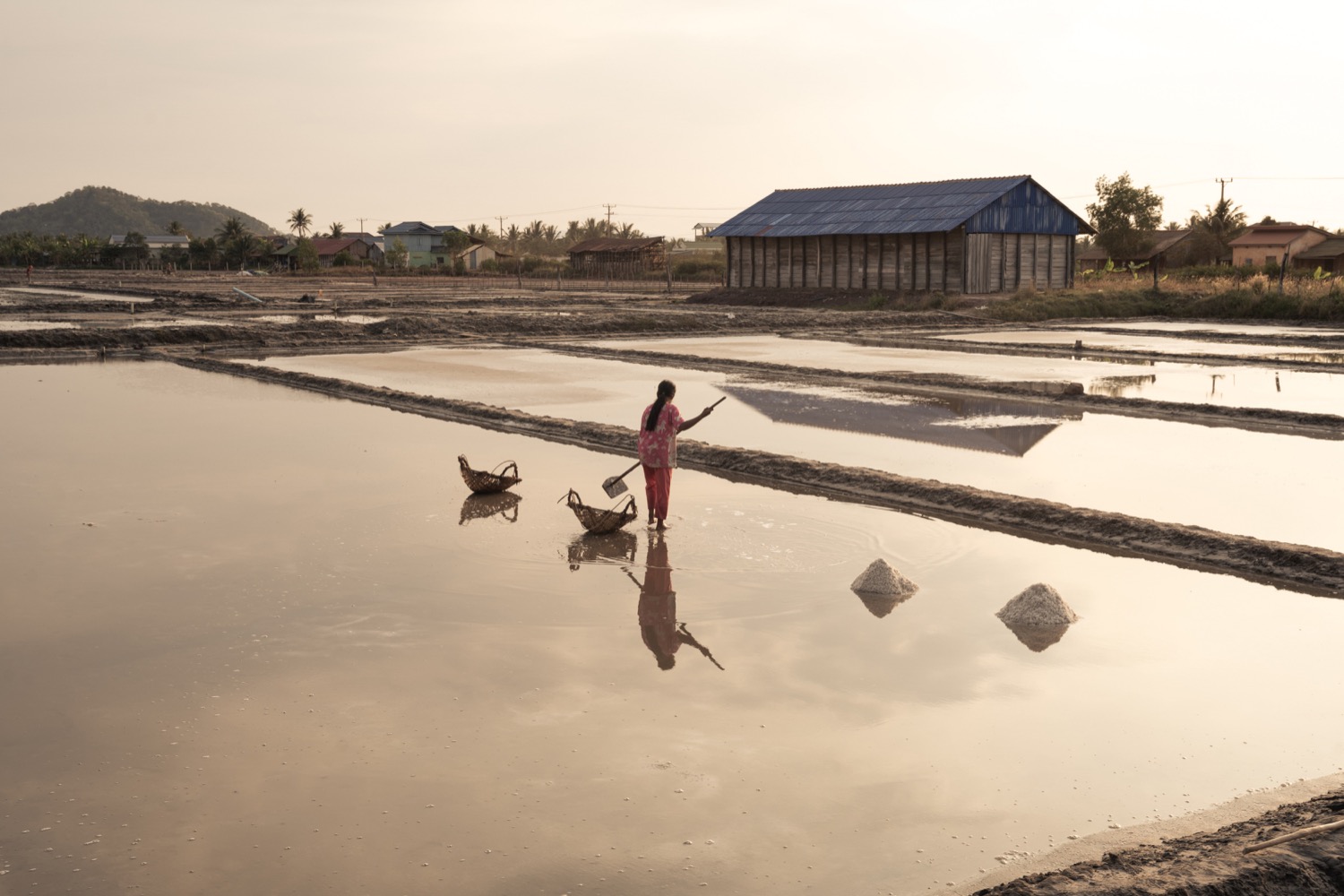
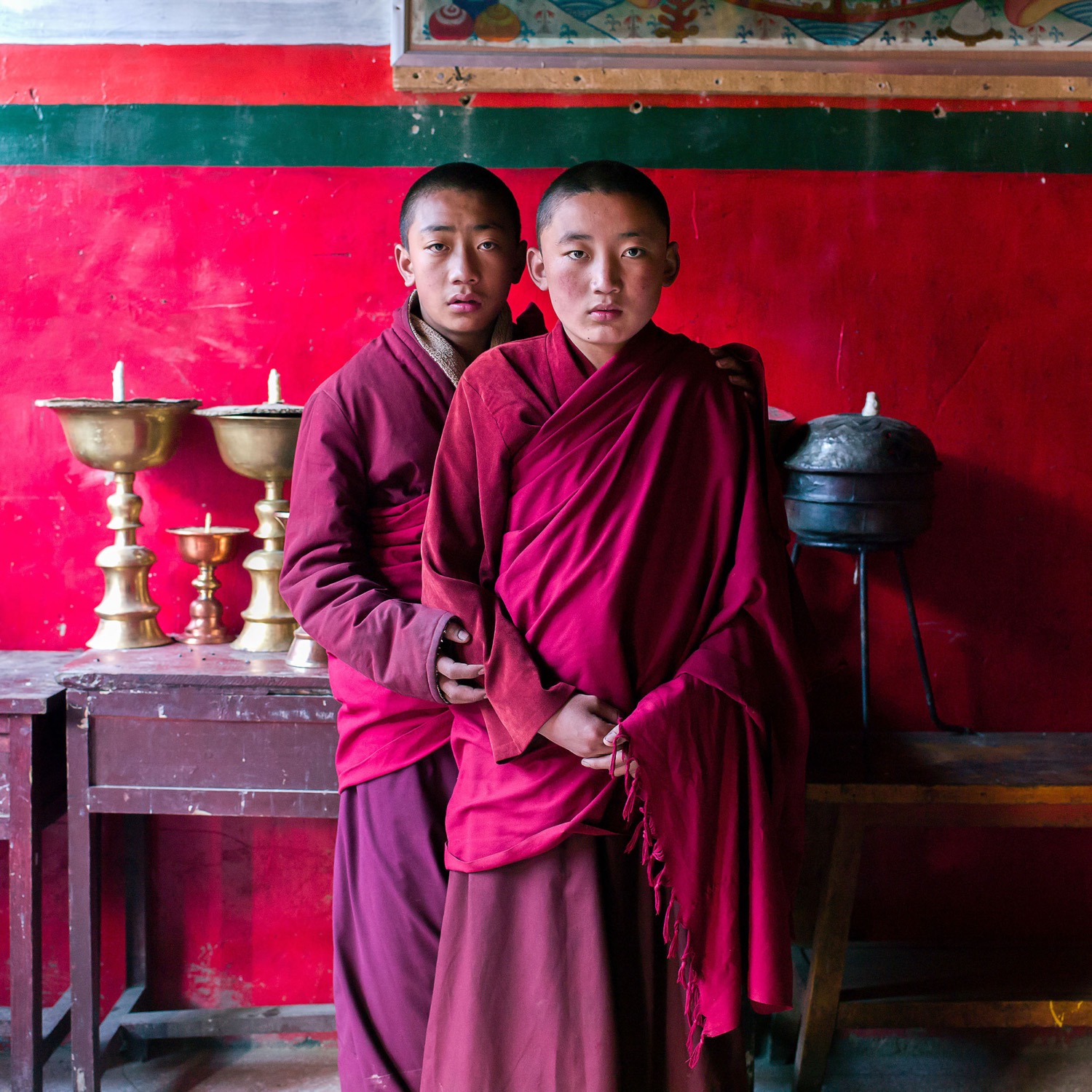
Shot on film, the series links portraits and landscapes from Australia and South China, probing cultural inheritance influenced by assimilation, exclusion, and silence. Using a humanist documentary style, Porter presents identity as both fragile and strong, transmitted via memory, kinship, and tradition. The project highlights the relevance of a fractured heritage today and broadens a single family story into a reflection on belonging.

Glenn Porter: Shot on film, Gold Mountain Dragon is a personal, humanist documentary project tracing my family’s origins in South China and the loss of cultural identity across generations in Australia. Through portraits and landscapes, the work responds to a forgotten family heritage, using immersion to explore a culture that has been partially lost.

Rooted in a social documentary approach, this project explores the vulnerability and resilience of Australian Chinese identity. It traces how identity is carried, suppressed, and reimagined over time, highlighting both fragility and strength: the erosion of language and rituals through assimilation, alongside the persistent endurance of memory, family, and cultural traditions despite exclusion.

My family history is at the heart of this. During the Gold Rush, my great-grandfather moved to Australia, joining many from South China heading to what they called “Gold Mountain.” His life, like many others, was marked by hardship, racial hostility, and systemic discrimination, which was later codified in the White Australia Policy. These circumstances led to silence, with cultural knowledge suppressed, stories lost, and identity partially obscured over generations.

This project goes beyond individual stories, highlighting a wider Australian experience where many people hold fragmented or unspoken Chinese heritage influenced by migration, intermarriage, and historical silence. Through photographs of contemporary communities and ancestral landscapes in South China, the work aims to bridge geographical, cultural, and emotional divides. The images serve as links, exploring the ongoing process of belonging and partially reconnecting with what has been lost.
The images serve as links, exploring the ongoing process of belonging and partially reconnecting with what has been lost.

.svg)


.svg)
.svg)

Shot on film, the series links portraits and landscapes from Australia and South China, probing cultural inheritance influenced by assimilation, exclusion, and silence. Using a humanist documentary style, Porter presents identity as both fragile and strong, transmitted via memory, kinship, and tradition. The project highlights the relevance of a fractured heritage today and broadens a single family story into a reflection on belonging.
Glenn Porter: Shot on film, Gold Mountain Dragon is a personal, humanist documentary project tracing my family’s origins in South China and the loss of cultural identity across generations in Australia. Through portraits and landscapes, the work responds to a forgotten family heritage, using immersion to explore a culture that has been partially lost.
Rooted in a social documentary approach, this project explores the vulnerability and resilience of Australian Chinese identity. It traces how identity is carried, suppressed, and reimagined over time, highlighting both fragility and strength: the erosion of language and rituals through assimilation, alongside the persistent endurance of memory, family, and cultural traditions despite exclusion.
My family history is at the heart of this. During the Gold Rush, my great-grandfather moved to Australia, joining many from South China heading to what they called “Gold Mountain.” His life, like many others, was marked by hardship, racial hostility, and systemic discrimination, which was later codified in the White Australia Policy. These circumstances led to silence, with cultural knowledge suppressed, stories lost, and identity partially obscured over generations.
This project goes beyond individual stories, highlighting a wider Australian experience where many people hold fragmented or unspoken Chinese heritage influenced by migration, intermarriage, and historical silence. Through photographs of contemporary communities and ancestral landscapes in South China, the work aims to bridge geographical, cultural, and emotional divides. The images serve as links, exploring the ongoing process of belonging and partially reconnecting with what has been lost.
The images serve as links, exploring the ongoing process of belonging and partially reconnecting with what has been lost.
Shot on film, the series links portraits and landscapes from Australia and South China, probing cultural inheritance influenced by assimilation, exclusion, and silence. Using a humanist documentary style, Porter presents identity as both fragile and strong, transmitted via memory, kinship, and tradition. The project highlights the relevance of a fractured heritage today and broadens a single family story into a reflection on belonging.
Glenn Porter: Shot on film, Gold Mountain Dragon is a personal, humanist documentary project tracing my family’s origins in South China and the loss of cultural identity across generations in Australia. Through portraits and landscapes, the work responds to a forgotten family heritage, using immersion to explore a culture that has been partially lost.
Rooted in a social documentary approach, this project explores the vulnerability and resilience of Australian Chinese identity. It traces how identity is carried, suppressed, and reimagined over time, highlighting both fragility and strength: the erosion of language and rituals through assimilation, alongside the persistent endurance of memory, family, and cultural traditions despite exclusion.
My family history is at the heart of this. During the Gold Rush, my great-grandfather moved to Australia, joining many from South China heading to what they called “Gold Mountain.” His life, like many others, was marked by hardship, racial hostility, and systemic discrimination, which was later codified in the White Australia Policy. These circumstances led to silence, with cultural knowledge suppressed, stories lost, and identity partially obscured over generations.
This project goes beyond individual stories, highlighting a wider Australian experience where many people hold fragmented or unspoken Chinese heritage influenced by migration, intermarriage, and historical silence. Through photographs of contemporary communities and ancestral landscapes in South China, the work aims to bridge geographical, cultural, and emotional divides. The images serve as links, exploring the ongoing process of belonging and partially reconnecting with what has been lost.
The images serve as links, exploring the ongoing process of belonging and partially reconnecting with what has been lost.