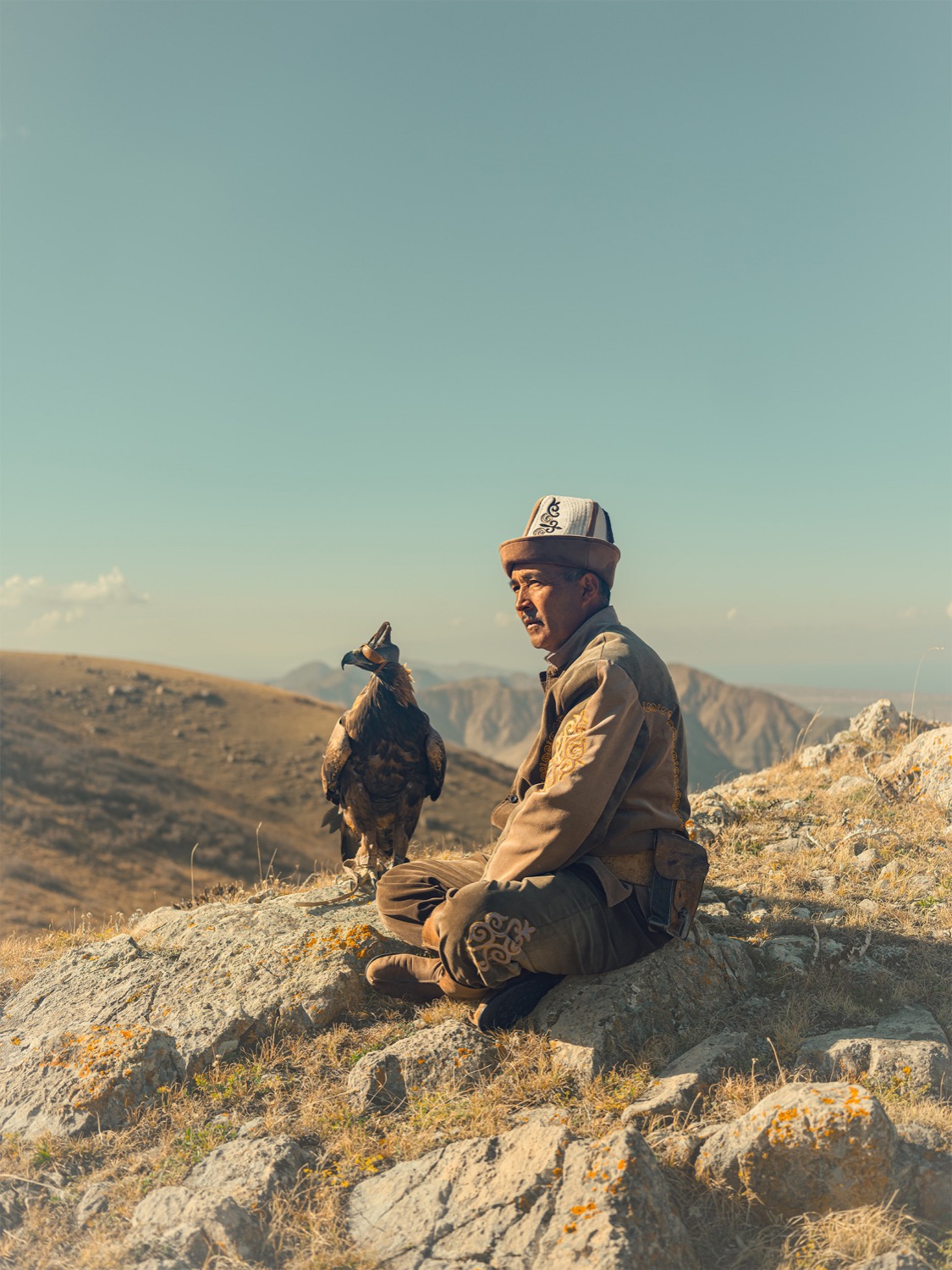
© Adam Docker | Eagle Hunter, Motion And Emotion

1 Start with respect and dignity
Show respect, dignity, and empathy when engaging with people. Emphasise what makes those you photograph unique. Around the world, many value a respectful depiction of themselves in photos, which can be sensitive in various cultures. Approach your subjects with empathy and understanding, maintaining an open, interested, and respectful attitude to encourage trust. Respectful photography doesn’t mean ignoring challenges or vulnerabilities—rather, it involves portraying individuals not as pitiable victims, but as resilient people making their own life choices.
2 Make a genuine connection
Establish a connection with your subject by engaging in a brief conversation and asking about their life. Even a short exchange can strengthen the connection. Clearly communicate your purpose in doing so, as your information helps deepen the bond. Most importantly, establish trust first. The expression in the portrait will reflect the connection you shared during the shoot. The look in their eyes is the window to their feelings, so take enough shots to capture that moment. Maintain the connection throughout, allowing their strength to naturally come through in your photos.
3 Create a story
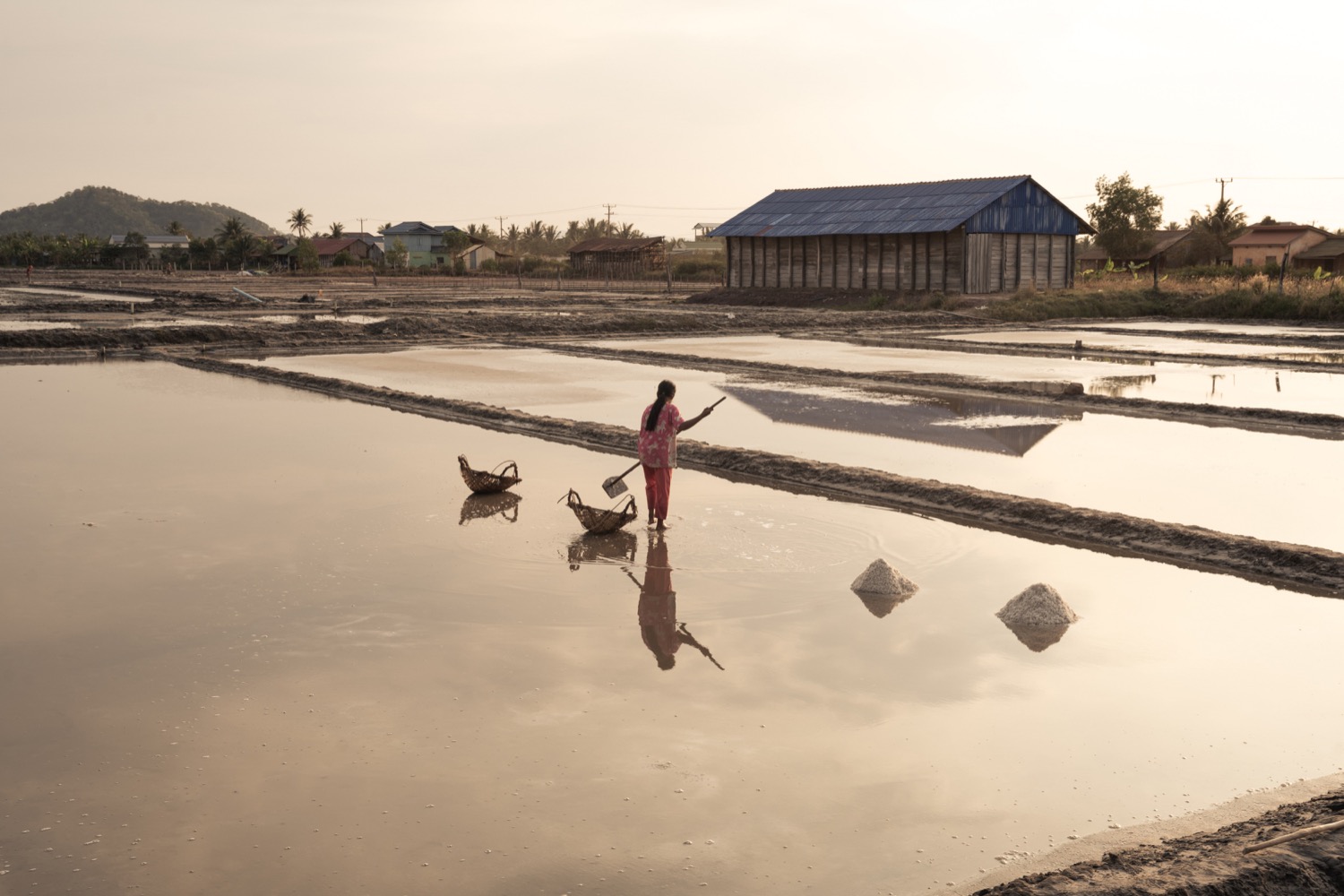
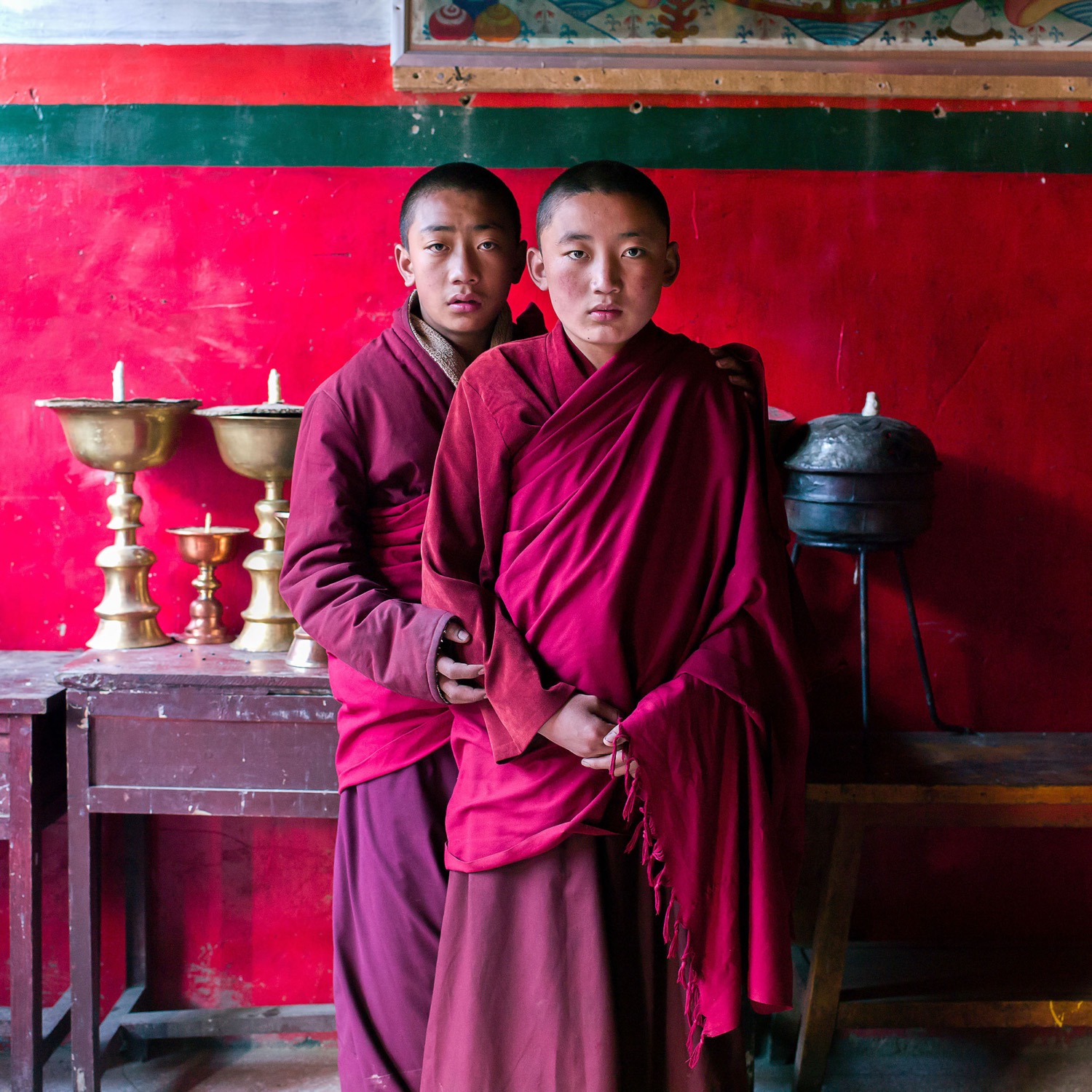
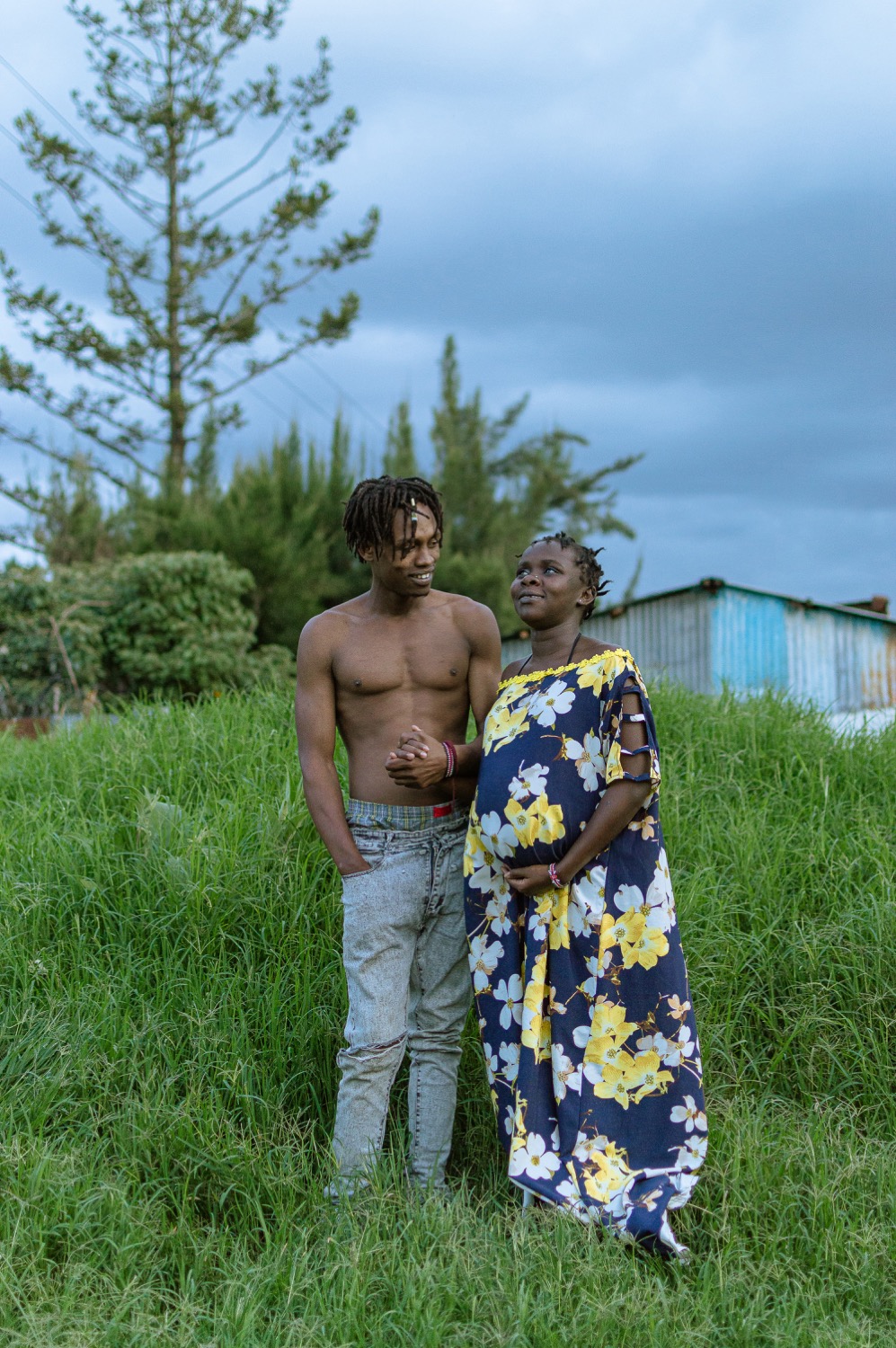
Take your time selecting the ideal location for your portrait. When choosing the pose, carefully observe the person’s posture, paying special attention to their hands if visible in the frame. Ensure the person appears relaxed. Have them stand or sit naturally within their environment. Notice objects that reflect their life, as each element can tell a story. While capturing their surroundings, subtly isolate the person to make them the main focus. During direction, aim to tell a small story about the individual and their social group. A documentary-style portrait of one person can represent the broader social and cultural group they belong to.
4 Ensure good lighting
Good lighting is essential for a quality portrait. If the sunlight is too harsh, there are several ways to soften it. You can find shade and photograph the subject in the softer light there. Alternatively, using a reflector can help. The most effective option is a portable flash with a softbox, which offers full control over the lighting and lets you match the flash to the daylight. A flash effectively creates a spotlight on the subject, making them the main focus of the photo. It also separates the individual from the background, which can serve as an effective backdrop. This adds impact and draws attention directly to the person.
5 Position and composition
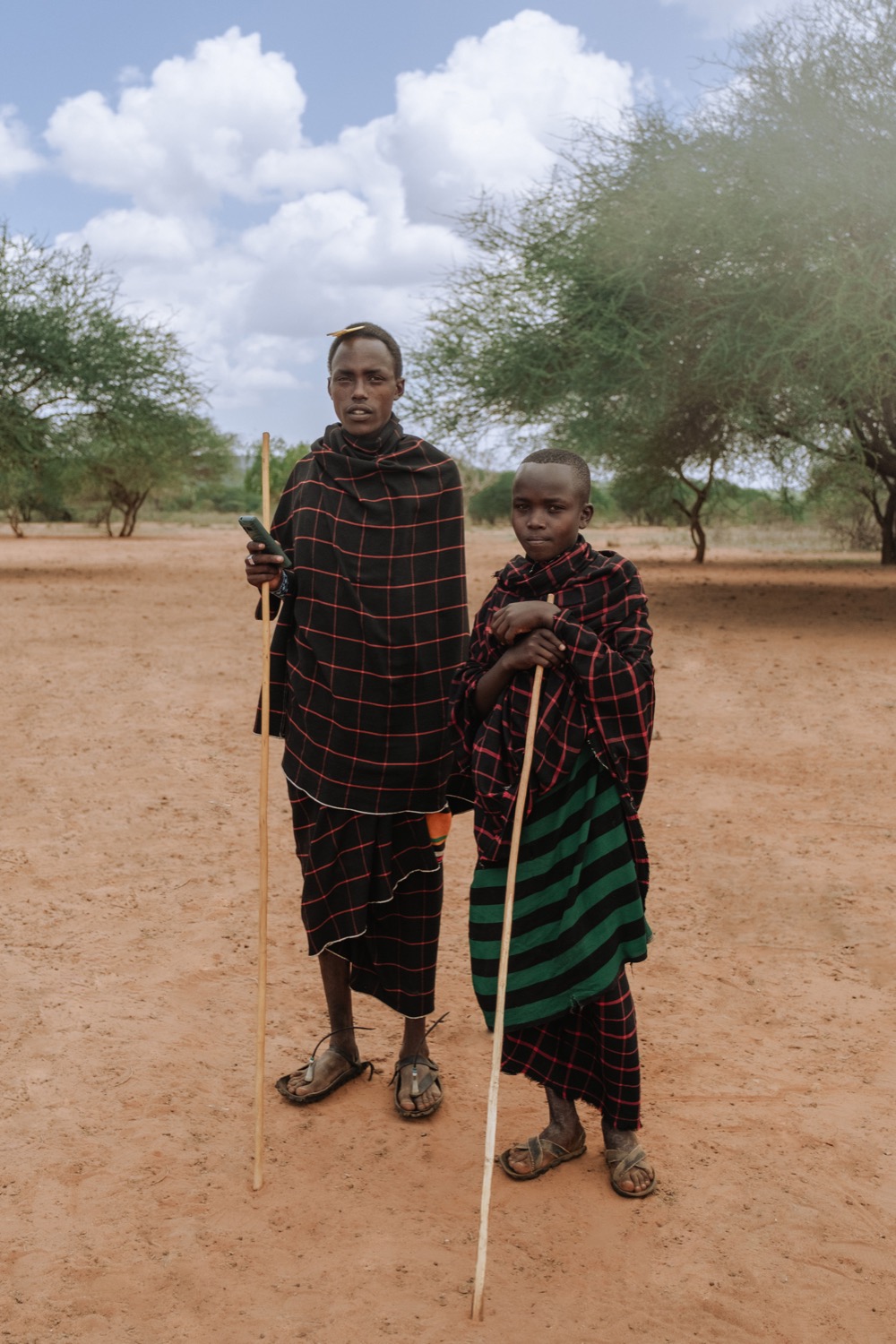
Select an angle that truly emphasises the person. Be aware of how you use the lens and the resulting effect. To have the background enhance the story about the individual, position them appropriately in their natural surroundings and use a wide-angle lens. Alternatively, a standard lens can be used to make the person seem closer while blurring the background, highlighting elements like clothing, jewellery, headwear, or a basket on the head. If the person's face is expressive and reveals their situation, a portrait lens is ideal. Maintain consistency in your composition within a single style.
6 Choose a subjective approach
As a photographer, your images are inherently subjective because you're the one telling your story. To achieve this, you must make deliberate choices and pick key perspectives. Are there individuals you feel connected to whose stories or situations resonate most with you? Base your selections on your personal sensibilities and interests, reflecting this through a consistent approach. Choose subjects for your portraits that support your narrative, ensuring all elements are executed in a unified style. In post-processing, also maintain a consistent editing style across all portraits. This becomes your signature and your personal, subjective story.
.svg)


.svg)
.svg)

1 Start with respect and dignity
Show respect, dignity, and empathy when engaging with people. Emphasise what makes those you photograph unique. Around the world, many value a respectful depiction of themselves in photos, which can be sensitive in various cultures. Approach your subjects with empathy and understanding, maintaining an open, interested, and respectful attitude to encourage trust. Respectful photography doesn’t mean ignoring challenges or vulnerabilities—rather, it involves portraying individuals not as pitiable victims, but as resilient people making their own life choices.
2 Make a genuine connection
Establish a connection with your subject by engaging in a brief conversation and asking about their life. Even a short exchange can strengthen the connection. Clearly communicate your purpose in doing so, as your information helps deepen the bond. Most importantly, establish trust first. The expression in the portrait will reflect the connection you shared during the shoot. The look in their eyes is the window to their feelings, so take enough shots to capture that moment. Maintain the connection throughout, allowing their strength to naturally come through in your photos.
3 Create a story
Take your time selecting the ideal location for your portrait. When choosing the pose, carefully observe the person’s posture, paying special attention to their hands if visible in the frame. Ensure the person appears relaxed. Have them stand or sit naturally within their environment. Notice objects that reflect their life, as each element can tell a story. While capturing their surroundings, subtly isolate the person to make them the main focus. During direction, aim to tell a small story about the individual and their social group. A documentary-style portrait of one person can represent the broader social and cultural group they belong to.
4 Ensure good lighting
Good lighting is essential for a quality portrait. If the sunlight is too harsh, there are several ways to soften it. You can find shade and photograph the subject in the softer light there. Alternatively, using a reflector can help. The most effective option is a portable flash with a softbox, which offers full control over the lighting and lets you match the flash to the daylight. A flash effectively creates a spotlight on the subject, making them the main focus of the photo. It also separates the individual from the background, which can serve as an effective backdrop. This adds impact and draws attention directly to the person.
5 Position and composition
Select an angle that truly emphasises the person. Be aware of how you use the lens and the resulting effect. To have the background enhance the story about the individual, position them appropriately in their natural surroundings and use a wide-angle lens. Alternatively, a standard lens can be used to make the person seem closer while blurring the background, highlighting elements like clothing, jewellery, headwear, or a basket on the head. If the person's face is expressive and reveals their situation, a portrait lens is ideal. Maintain consistency in your composition within a single style.
6 Choose a subjective approach
As a photographer, your images are inherently subjective because you're the one telling your story. To achieve this, you must make deliberate choices and pick key perspectives. Are there individuals you feel connected to whose stories or situations resonate most with you? Base your selections on your personal sensibilities and interests, reflecting this through a consistent approach. Choose subjects for your portraits that support your narrative, ensuring all elements are executed in a unified style. In post-processing, also maintain a consistent editing style across all portraits. This becomes your signature and your personal, subjective story.
1 Start with respect and dignity
Show respect, dignity, and empathy when engaging with people. Emphasise what makes those you photograph unique. Around the world, many value a respectful depiction of themselves in photos, which can be sensitive in various cultures. Approach your subjects with empathy and understanding, maintaining an open, interested, and respectful attitude to encourage trust. Respectful photography doesn’t mean ignoring challenges or vulnerabilities—rather, it involves portraying individuals not as pitiable victims, but as resilient people making their own life choices.
2 Make a genuine connection
Establish a connection with your subject by engaging in a brief conversation and asking about their life. Even a short exchange can strengthen the connection. Clearly communicate your purpose in doing so, as your information helps deepen the bond. Most importantly, establish trust first. The expression in the portrait will reflect the connection you shared during the shoot. The look in their eyes is the window to their feelings, so take enough shots to capture that moment. Maintain the connection throughout, allowing their strength to naturally come through in your photos.
3 Create a story
Take your time selecting the ideal location for your portrait. When choosing the pose, carefully observe the person’s posture, paying special attention to their hands if visible in the frame. Ensure the person appears relaxed. Have them stand or sit naturally within their environment. Notice objects that reflect their life, as each element can tell a story. While capturing their surroundings, subtly isolate the person to make them the main focus. During direction, aim to tell a small story about the individual and their social group. A documentary-style portrait of one person can represent the broader social and cultural group they belong to.
4 Ensure good lighting
Good lighting is essential for a quality portrait. If the sunlight is too harsh, there are several ways to soften it. You can find shade and photograph the subject in the softer light there. Alternatively, using a reflector can help. The most effective option is a portable flash with a softbox, which offers full control over the lighting and lets you match the flash to the daylight. A flash effectively creates a spotlight on the subject, making them the main focus of the photo. It also separates the individual from the background, which can serve as an effective backdrop. This adds impact and draws attention directly to the person.
5 Position and composition
Select an angle that truly emphasises the person. Be aware of how you use the lens and the resulting effect. To have the background enhance the story about the individual, position them appropriately in their natural surroundings and use a wide-angle lens. Alternatively, a standard lens can be used to make the person seem closer while blurring the background, highlighting elements like clothing, jewellery, headwear, or a basket on the head. If the person's face is expressive and reveals their situation, a portrait lens is ideal. Maintain consistency in your composition within a single style.
6 Choose a subjective approach
As a photographer, your images are inherently subjective because you're the one telling your story. To achieve this, you must make deliberate choices and pick key perspectives. Are there individuals you feel connected to whose stories or situations resonate most with you? Base your selections on your personal sensibilities and interests, reflecting this through a consistent approach. Choose subjects for your portraits that support your narrative, ensuring all elements are executed in a unified style. In post-processing, also maintain a consistent editing style across all portraits. This becomes your signature and your personal, subjective story.