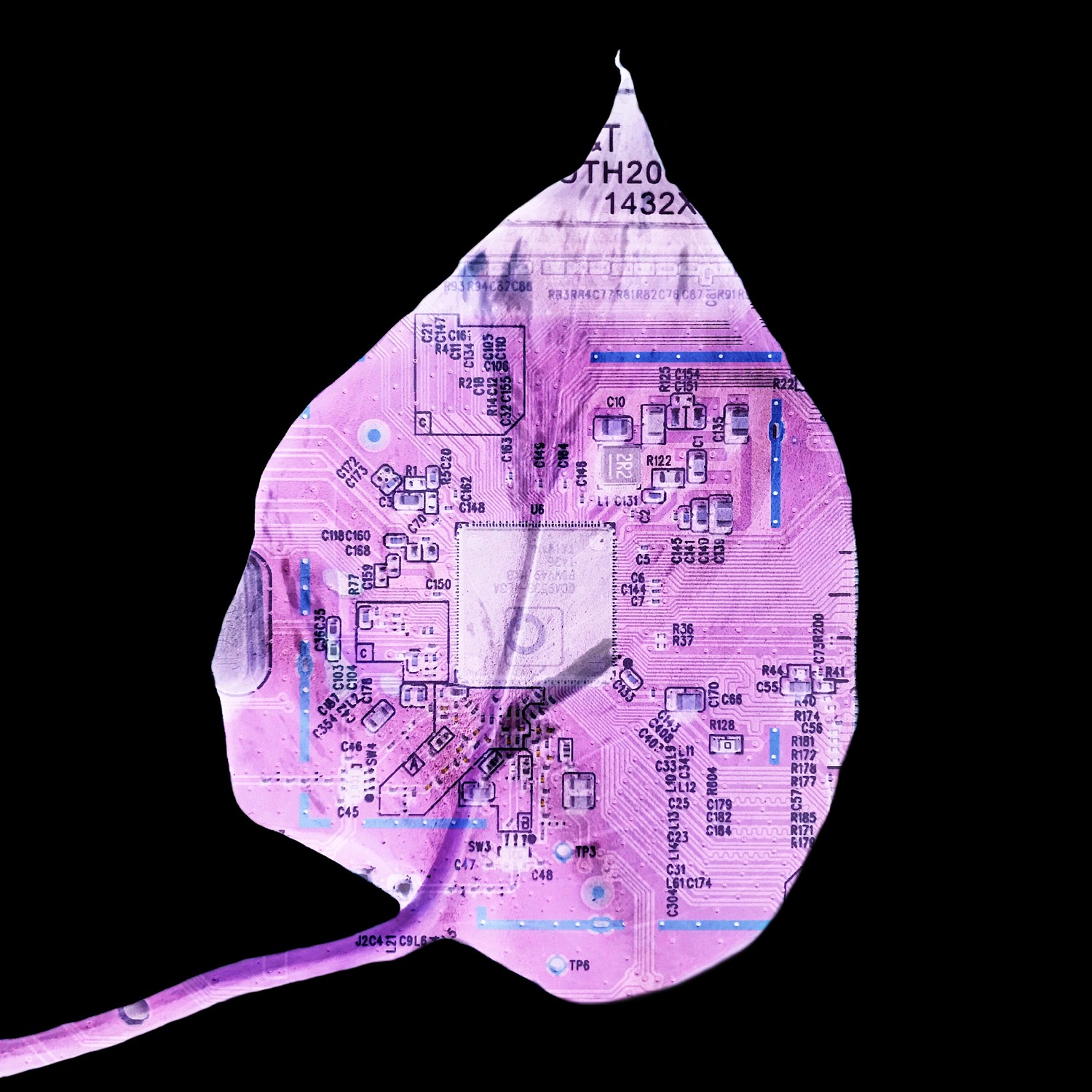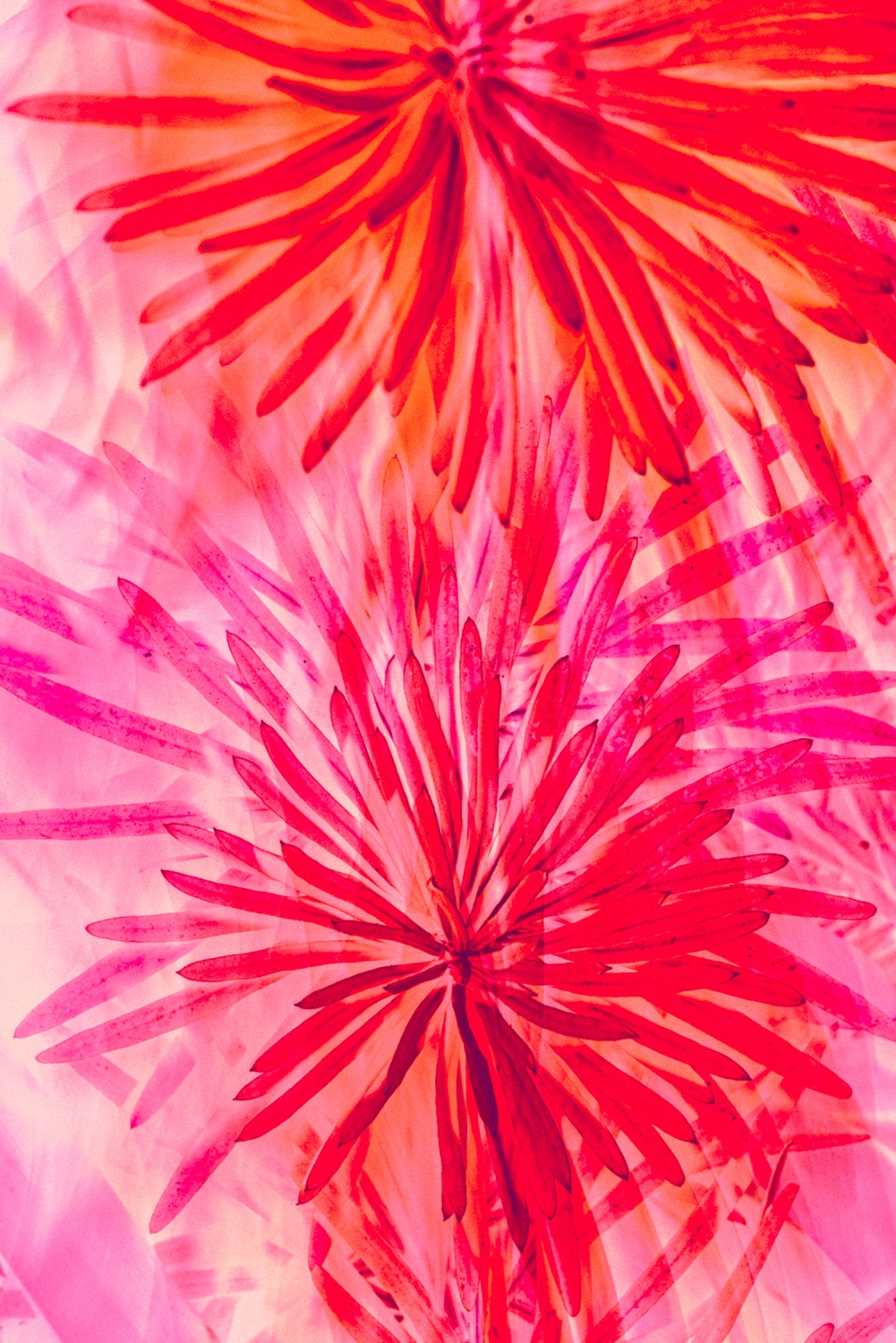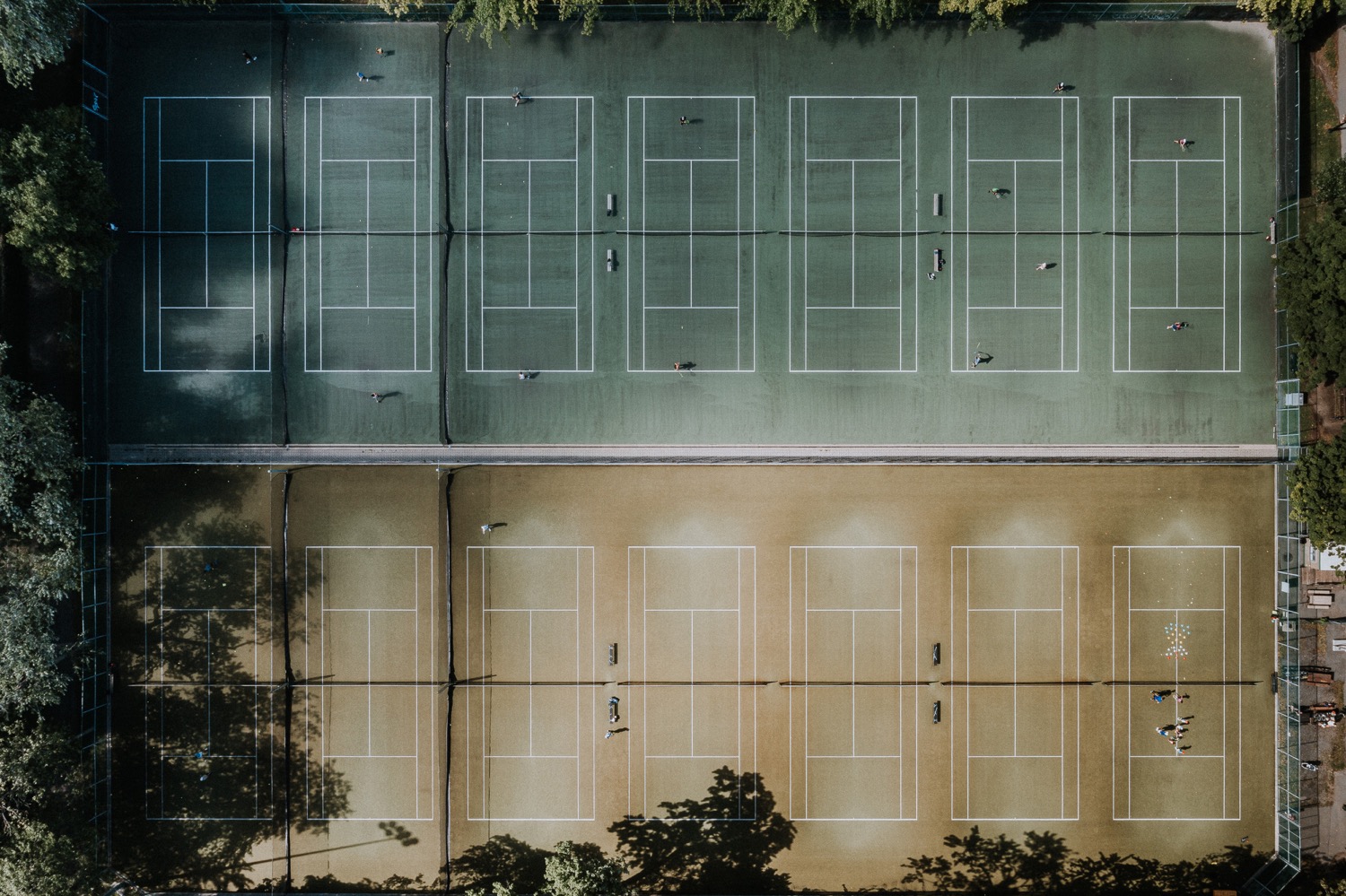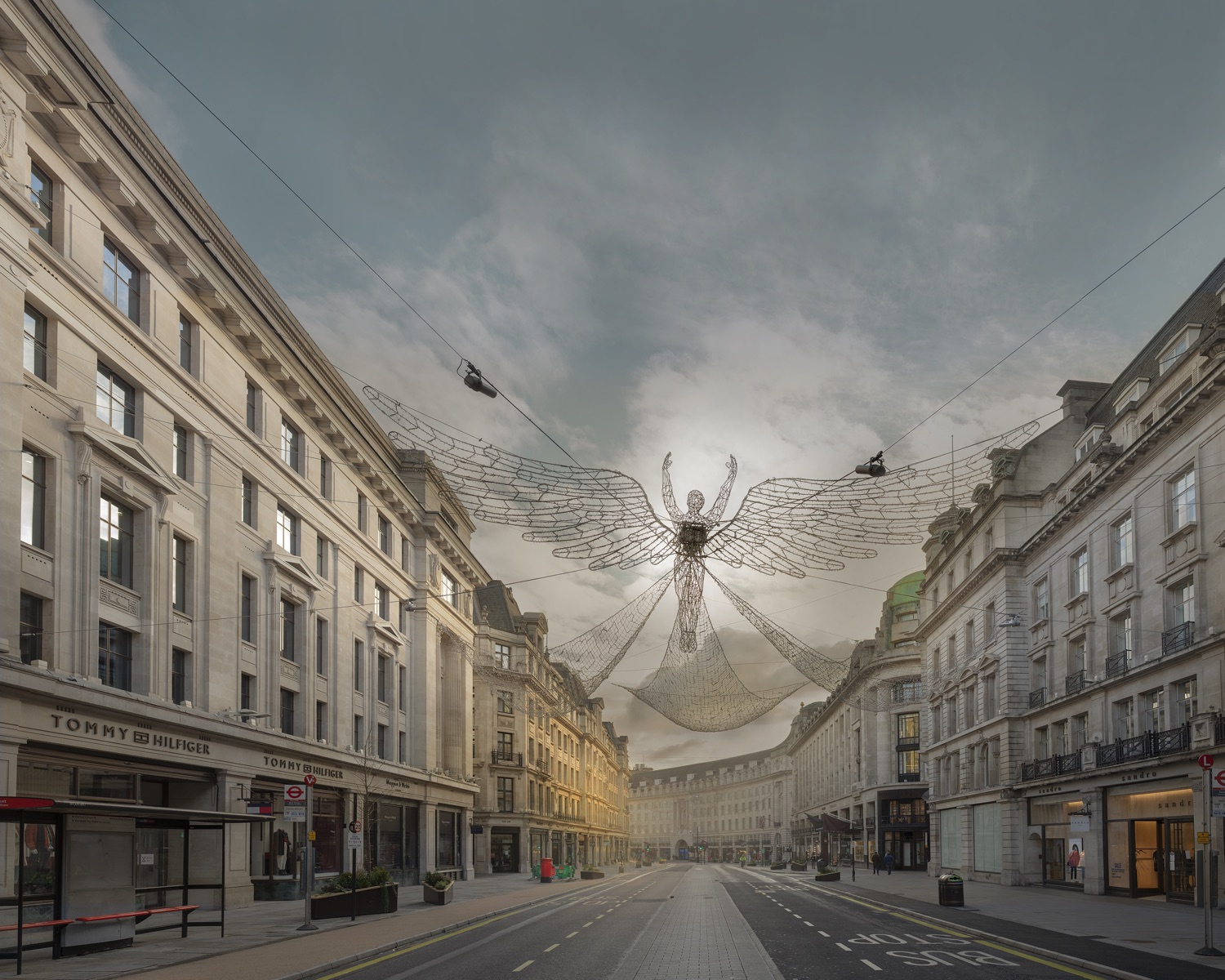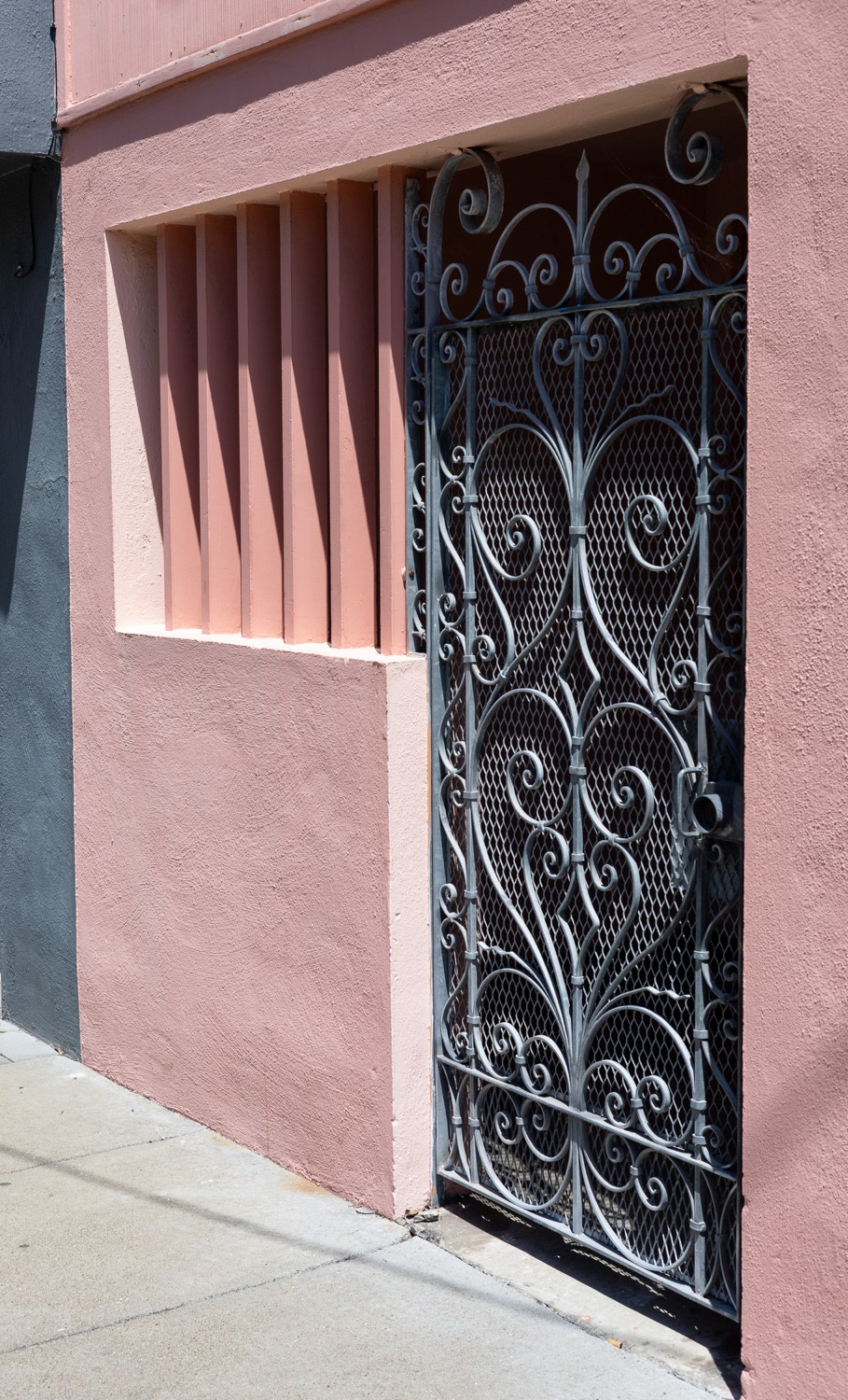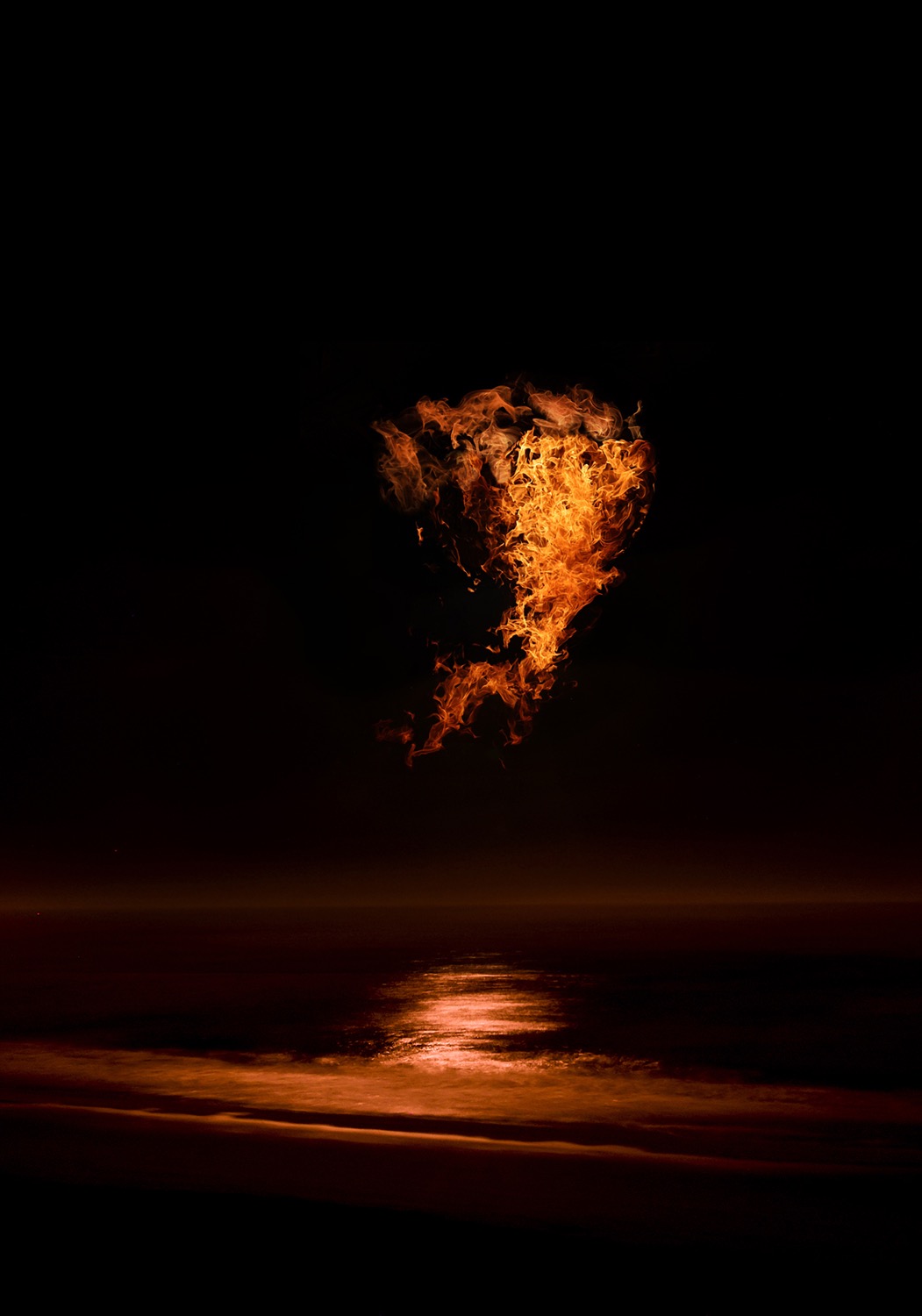
© Justin Pumfrey | Dreaming
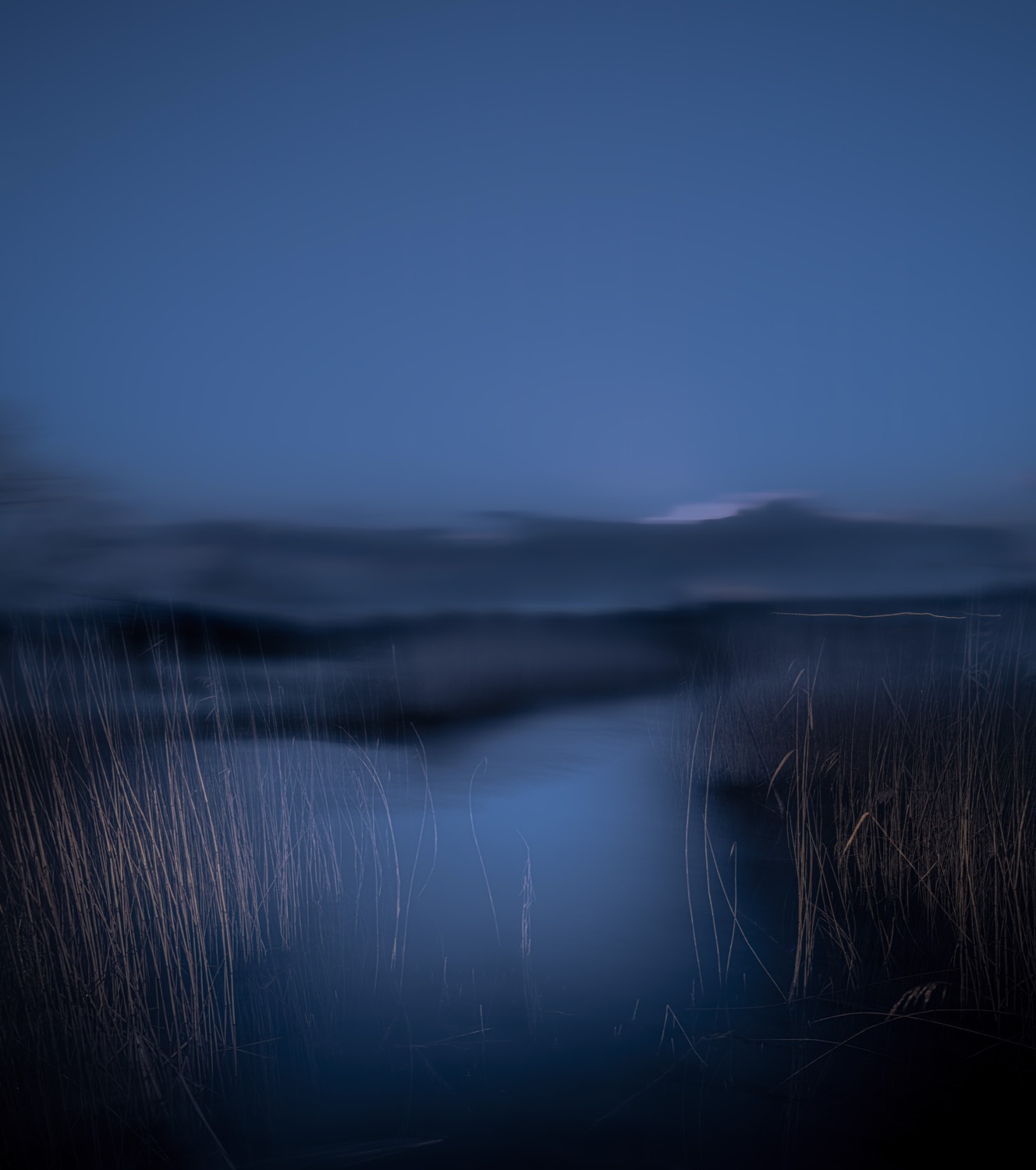
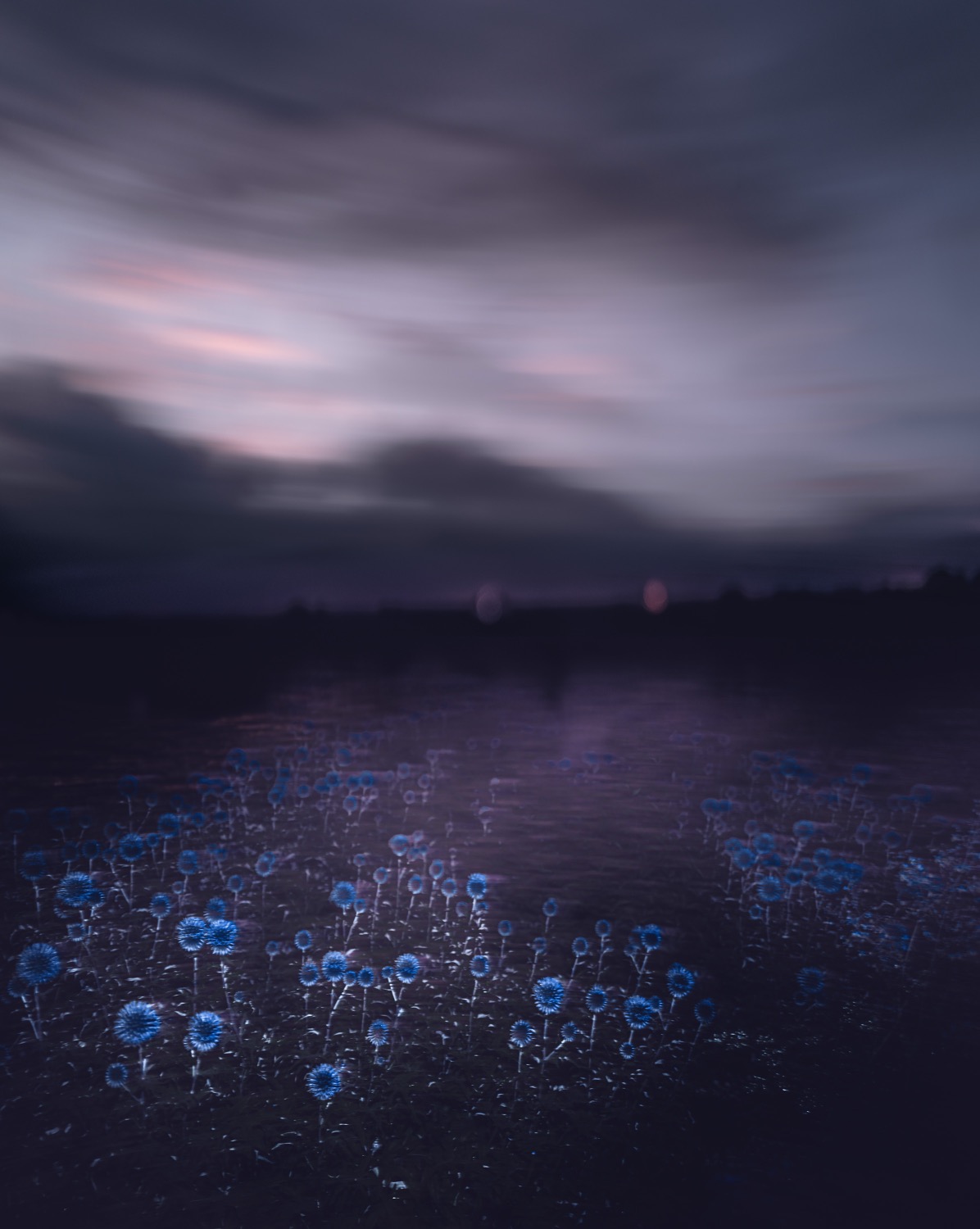
For Pumfrey, the point of departure is not a concept but a condition. His work begins before language, before categorisation, in what he describes as an unnamed space of awareness. “The place I always begin from is something without a name. A kind of zero-point. It’s a dimension where the things that rise up in my awareness stand there without labels, bare and undecorated, as if language hadn’t yet touched them.” Working from this place requires relinquishing certainty. Pumfrey does not frame photography as an act of control or mastery, but as a yielding to something less easily articulated.
This openness also shapes his relationship to time. Images do not announce themselves on demand, nor do they necessarily resolve themselves immediately. “The process isn’t linear. It loops and spirals, like a dream you wake from but keep walking through anyway. We are all, in our own way, dreaming the world into being—each one of us sealed inside the borders of our own experience, drifting along the constant wave of perception whether our eyes are open or closed. And in that drifting, each soul leaves its own small trace, something continuous and unrepeatable.”
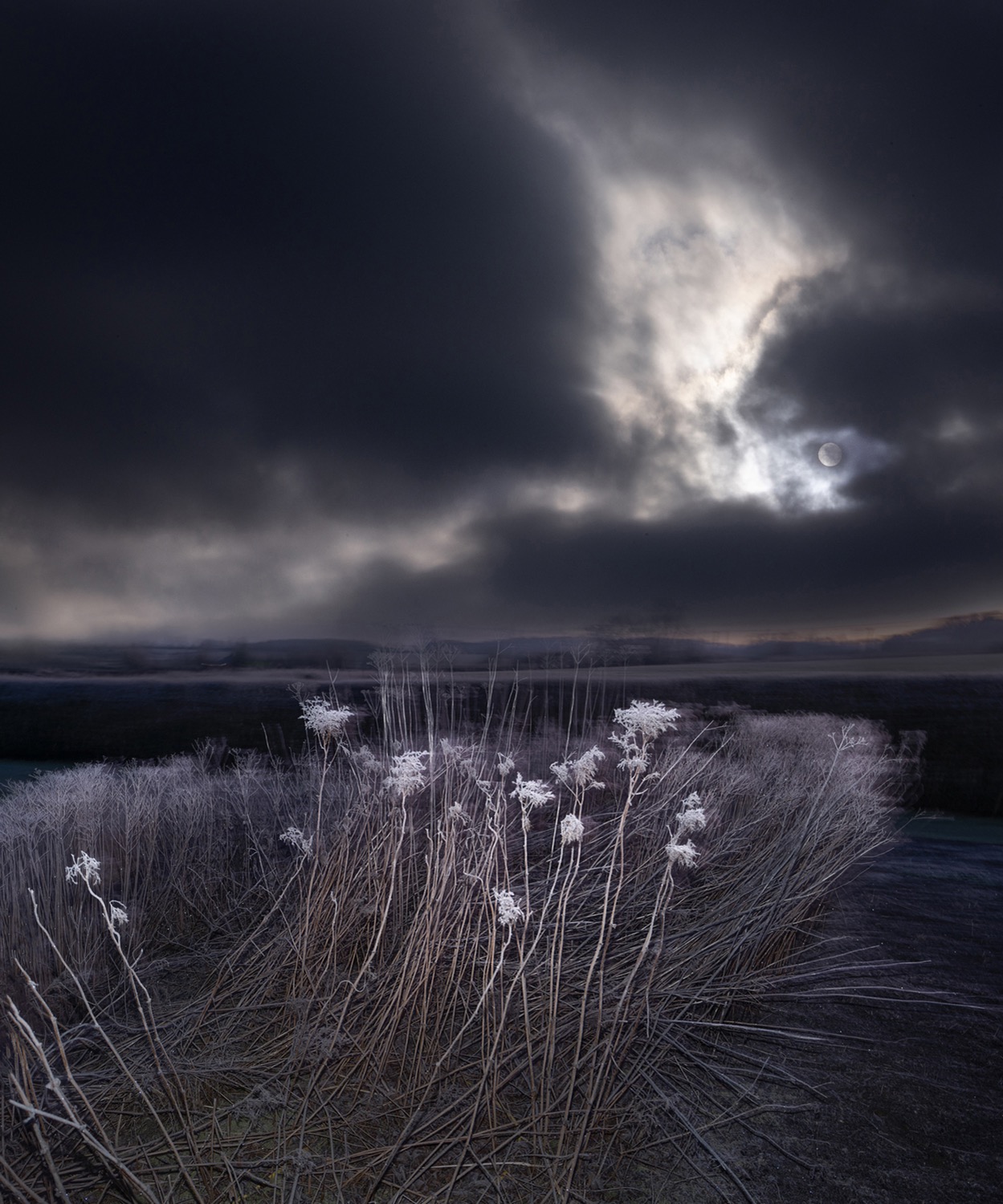

Walking with the natural world
Pumfrey’s work has been shaped by extended periods spent in nature, and the natural world shifted for him from backdrop to companion. “These days, the natural world feels less like a place I visit and more like a companion I’ve fallen into step with—a kind of unexpected love affair. When the world tightened around itself in fear, I would take my camera and disappear into the woods.”
The pace of his working process slowed accordingly. Rather than seeking out subjects, he learned to wait for them. “I tried to stay close to my senses, walking without hurry, waiting for the subjects—not just to appear, but to notice me. The process reminds me of painting. I try to distil things down to whatever speaks directly to the quiet core inside me. The act itself is what matters—the simple fact of being present.”
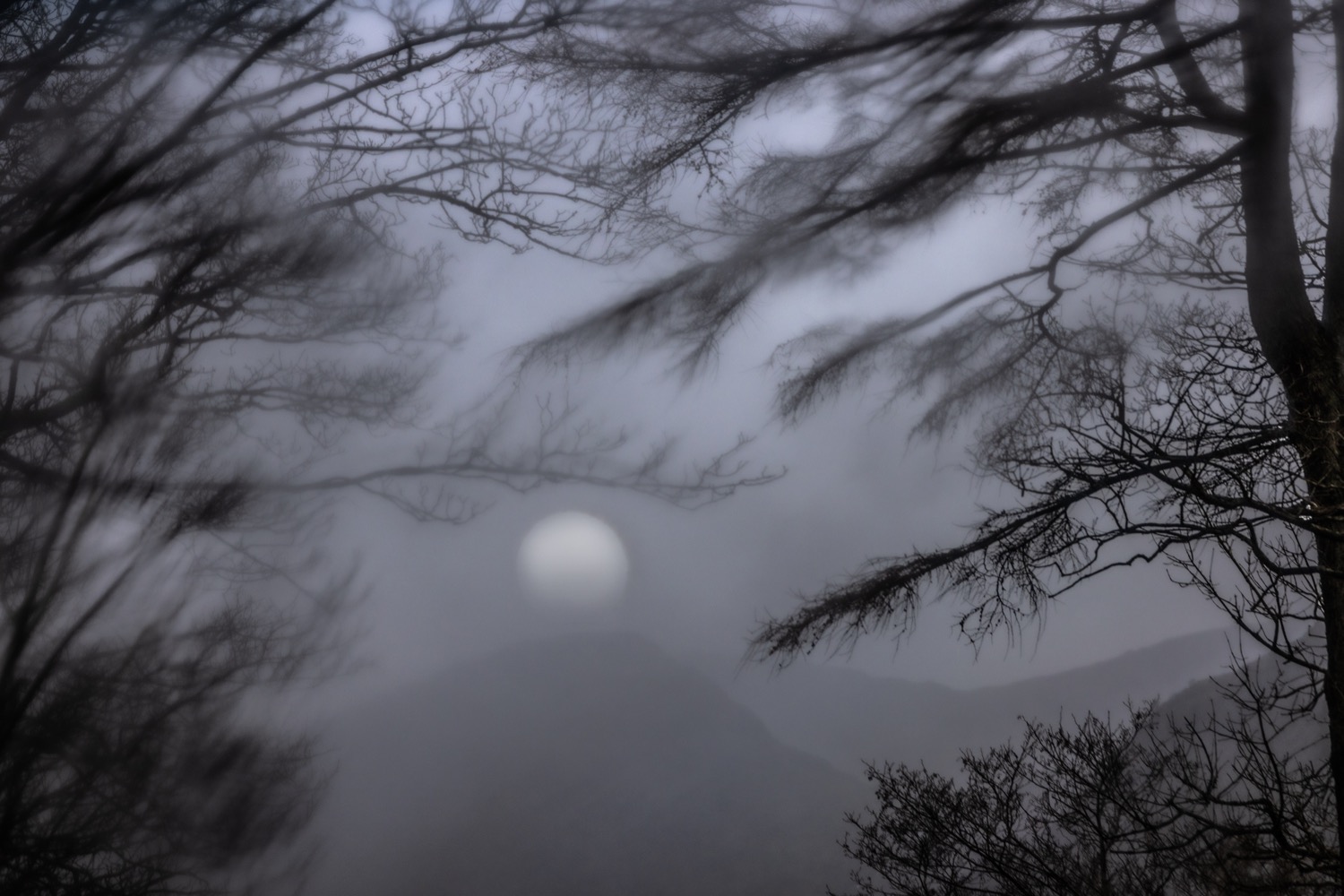
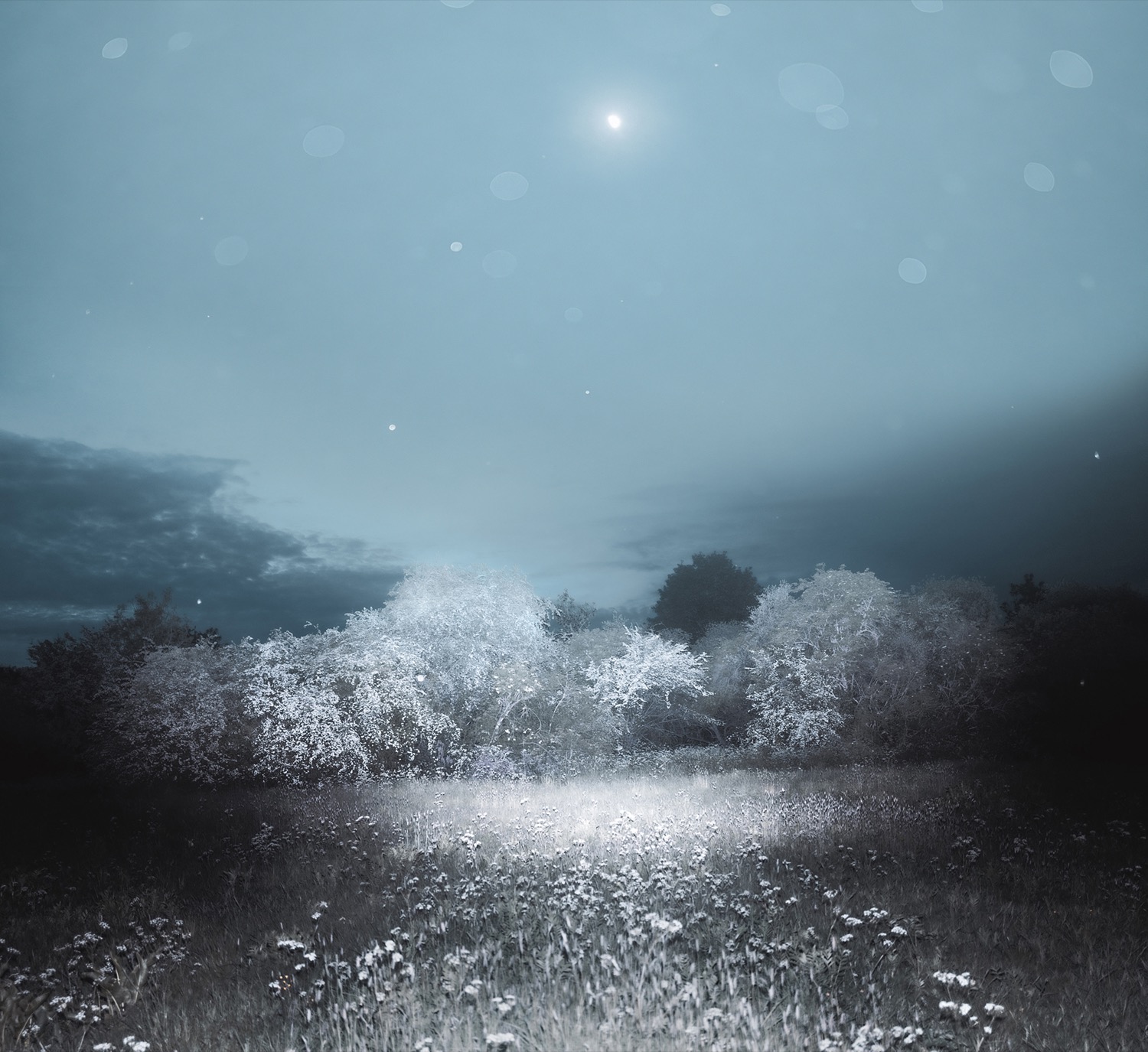
His walks became acts of recalibration. “Out there, beyond the churn of human worry, spring was unfolding with its usual indifference. Plants pushed through soil, animals went about their practical business, and everything seemed to move to a rhythm older than language.” In this widening gap between human discourse and physical reality, he made a conscious decision to trust a quieter form of wisdom, one that does not argue but persists. The reference to poetry is telling, aligning his practice with a lineage that values attentiveness over assertion. “Somewhere in that gap I made a quiet decision—to trust what poets like E. E. Cummings seemed to understand: that nature answers the world not with arguments, but with spring. Our arrogance looks almost comical against such simplicity.”
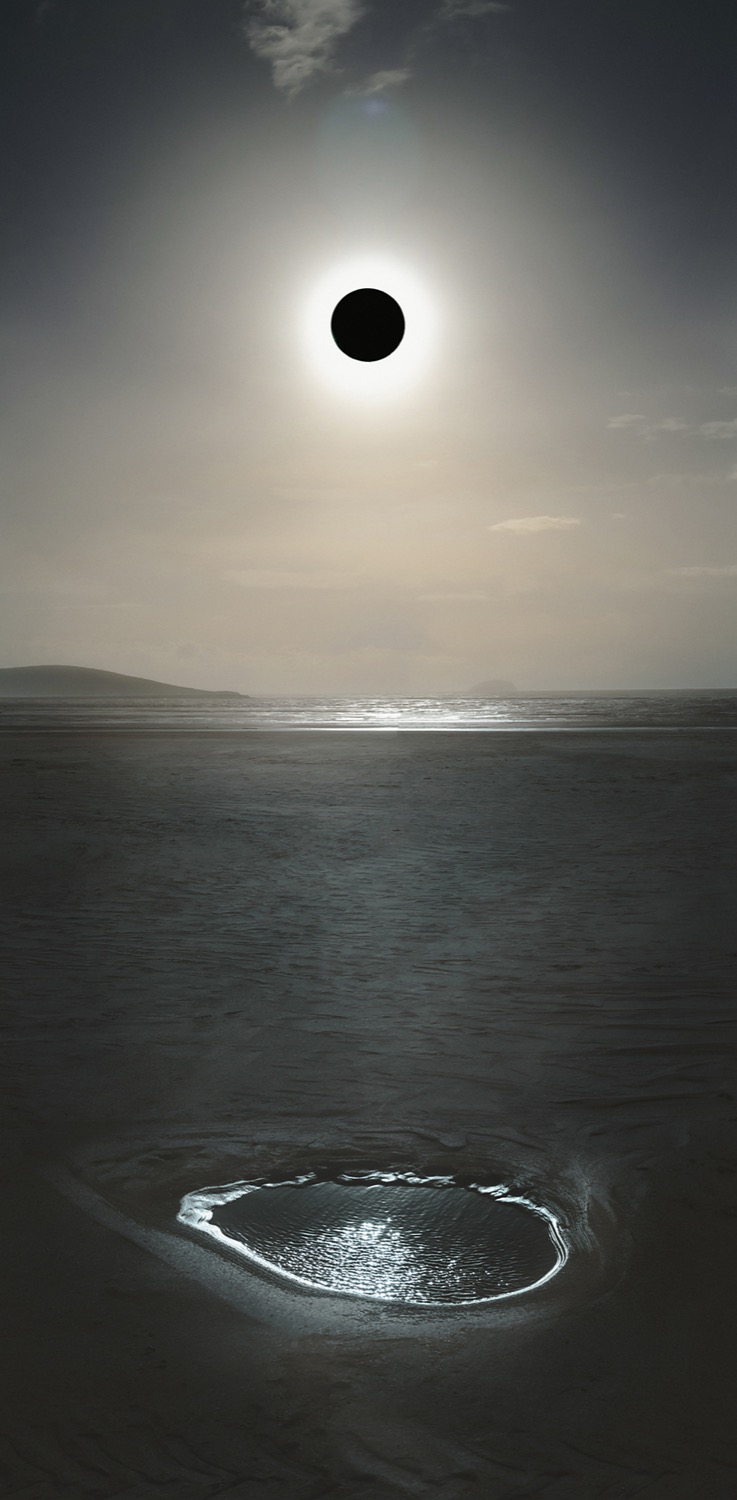
Presence, poetry, and mysticism
Pumfrey describes his practice in terms borrowed from poetry rather than photography, not as a metaphorical flourish but as a practical orientation. “I feel my way into life itself—to catch the subtle current that moves through the natural world, the quiet emotion in things that don’t speak. Poems don’t explain; they open a door and leave you to cross the threshold alone.” His images aim to function in much the same way, offering an opening rather than a conclusion.
Underlying this approach is a view of nature that dissolves the boundary between inside and outside. His sense of kinship with the material world is grounded in an acceptance of mortality and continuity. “Nature inspires me not only because it exists outside—trees, stones, birds, wind—but because it exists inside. I’m made of the same raw material. Earth shaped me, and someday it will take me back. That thought doesn’t frighten me; it steadies me. Humans are complicated creatures, tangled in our emotions and old thoughts, tied to the machinery of the cultures we inherit. Nature, by contrast, just goes on being itself. It doesn’t choose sides, doesn’t scheme or regret. It simply is.”
For Pumfrey, life itself is understood as an animating presence rather than a concept to be explained. “When I speak of life, I mean that animating pulse inside all things—the force that lets a blade of grass push through a sidewalk and a cloud drift over a mountain. Moving toward that kind of simplicity feels like walking into the territory of mystics, where ordinary logic loses its footing and something quieter begins to guide you.”
Nature inspires me not only because it exists outside—trees, stones, birds, wind—but because it exists inside.
Darkness as a passage
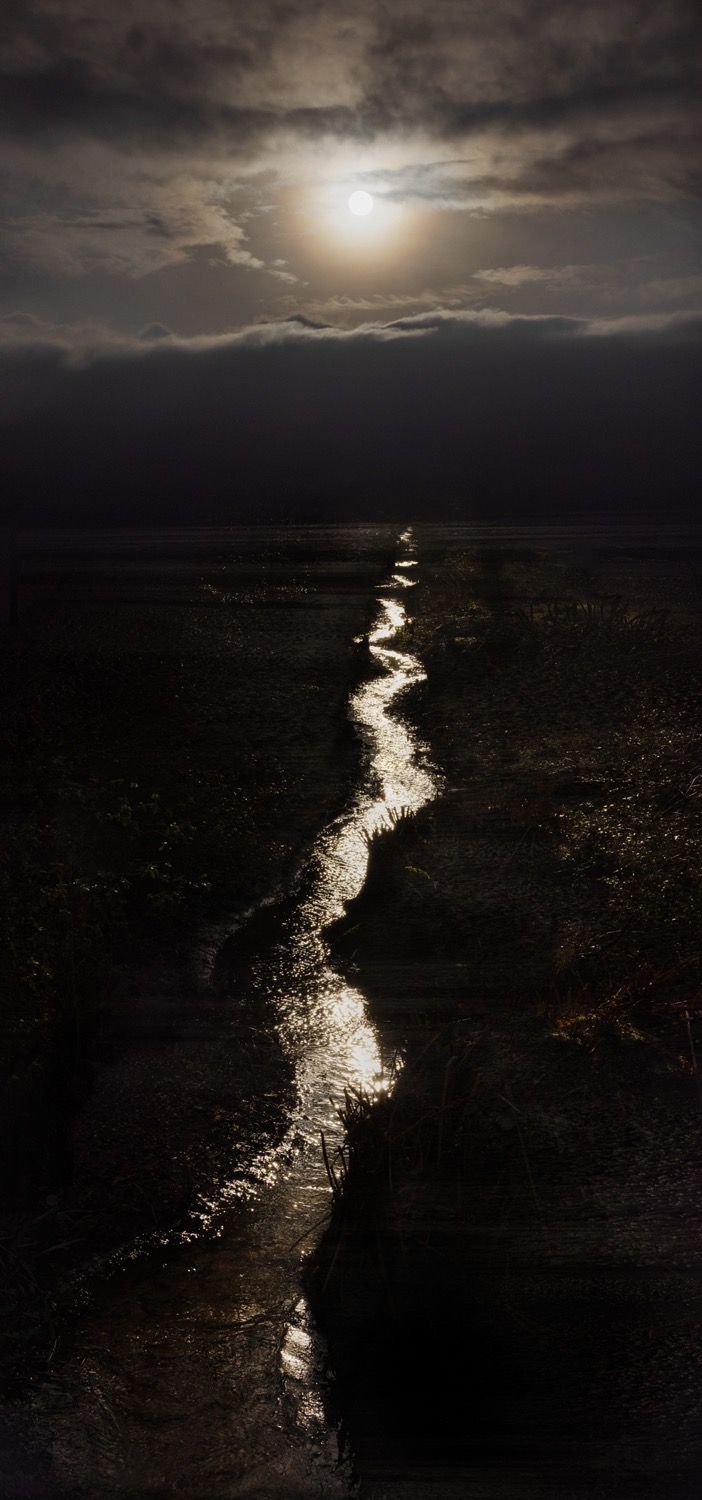
Among the recurring motifs in Pumfrey’s work, darkness occupies a central and carefully differentiated place. He speaks of two distinct forms, each carrying its own emotional and symbolic weight. “In both images and words, I’ve come to recognise two very different kinds of darkness. The first is the one we all know too well—shadowed, unsettled, shaped by the unconscious. But the second kind is something else entirely. A luminous darkness—thick, velvety, almost tender in the way it surrounds you. You can’t enter it unless you’ve already faced the first darkness with whatever courage and curiosity you can muster. Only then does it unfold—calm, still, strangely full of wonder.”
Pumfrey understands his work as pointing towards this second darkness, not as a destination but as a process. “When we step into the unknown, the unconscious begins to surface, and what once frightened us reveals itself as something intimate, unexpected, sometimes even joyful. When I take photographs, I feel as if I’m walking through that alchemical corridor—letting the unseen rise up, allowing something inside me to shift. Because while the mystic turns inward, down into the quiet depths, that same gaze eventually circles back to show us something astonishing: that we, too, are shaped from pieces of the sun.”
When I make an image holding the weight of fear, I always try to weave in a second note— something calmer, like peace.


Turning towards the light
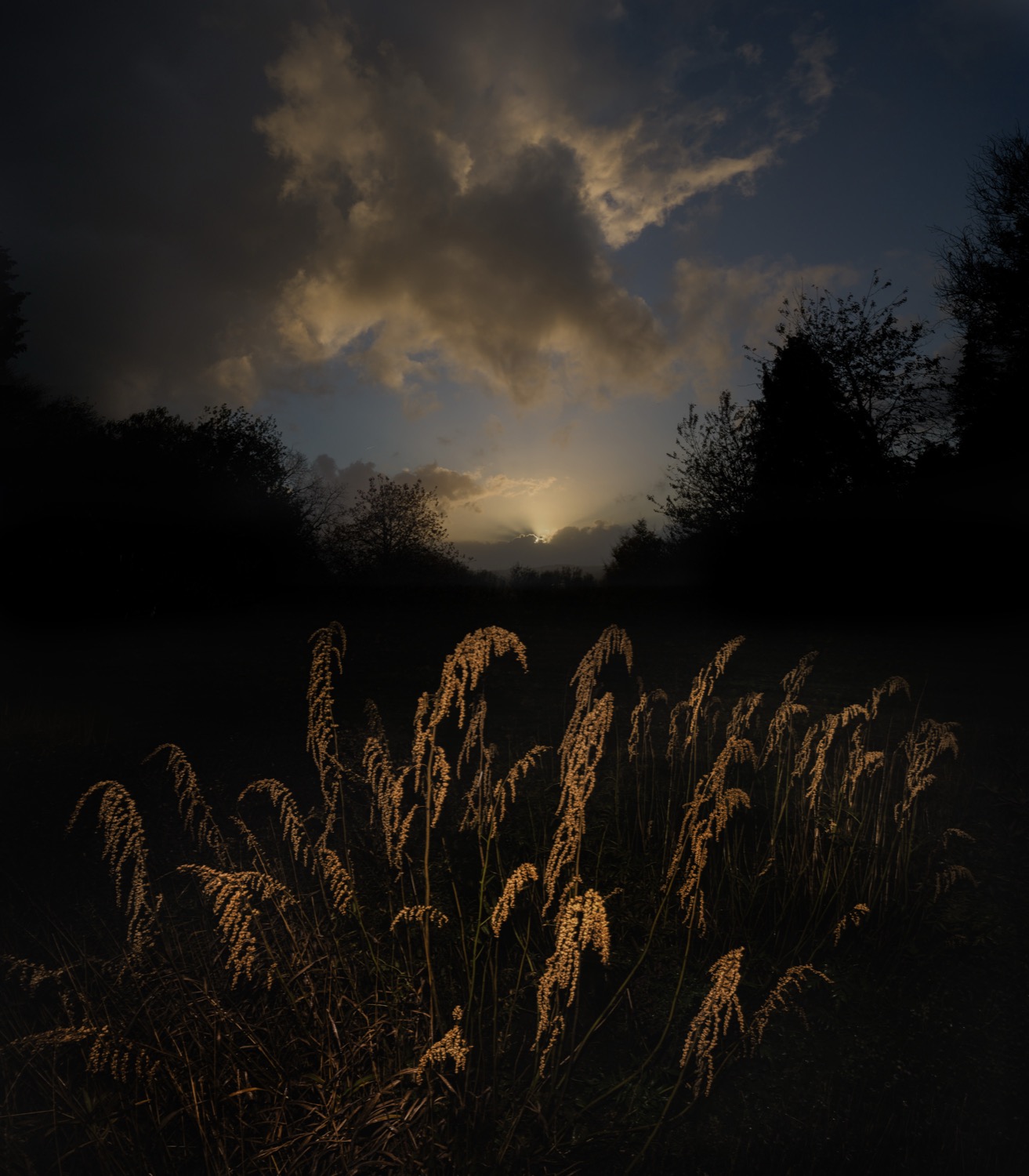
In recent work, Pumfrey’s attention has been drawn to the liminal interval between night and day, a fragile seam that carries a sense of familiarity and return. This threshold feels like a homecoming to something essential yet easily overlooked, a space where darkness loosens its hold without entirely giving way to light. Reflecting on earlier phases of his practice, he recognises a clear shift. “The work I made before was different. It circled around the sadness of being caught inside darkness, the pain of not knowing how to step beyond it. But now I sense another phase approaching, something gentler and more spacious. A slow turning toward the light, and perhaps—if I’m patient—standing in it more and more fully.” The movement is neither abrupt nor declarative, but gradual, shaped by attentiveness rather than intention.
This orientation is closely tied to his understanding of connection, which he treats as incidental rather than pursued. “If we manage to hold a steady measure of self-love—calm, unshowy—then connection with others happens on its own.” His primary responsibility remains inward, guided by a need for honesty rather than affirmation. “My only intention is to stay aligned with whatever inner rhythm keeps me honest—to find that faint resonance that tells me I’m still myself.”
When evaluating the work, he returns to it quietly, listening rather than judging. “When the work is finally in front of me, I study it in the same way I might listen to a far-off sound at night. If something in it reaches out and touches me, then I know it’s true in the only way that matters.” Any shared response is received as a gift rather than a goal. “And if someone else feels that same vibration—well, that’s just a small bonus life tosses in, like finding an extra coin in an old coat pocket.”
Making The Moon
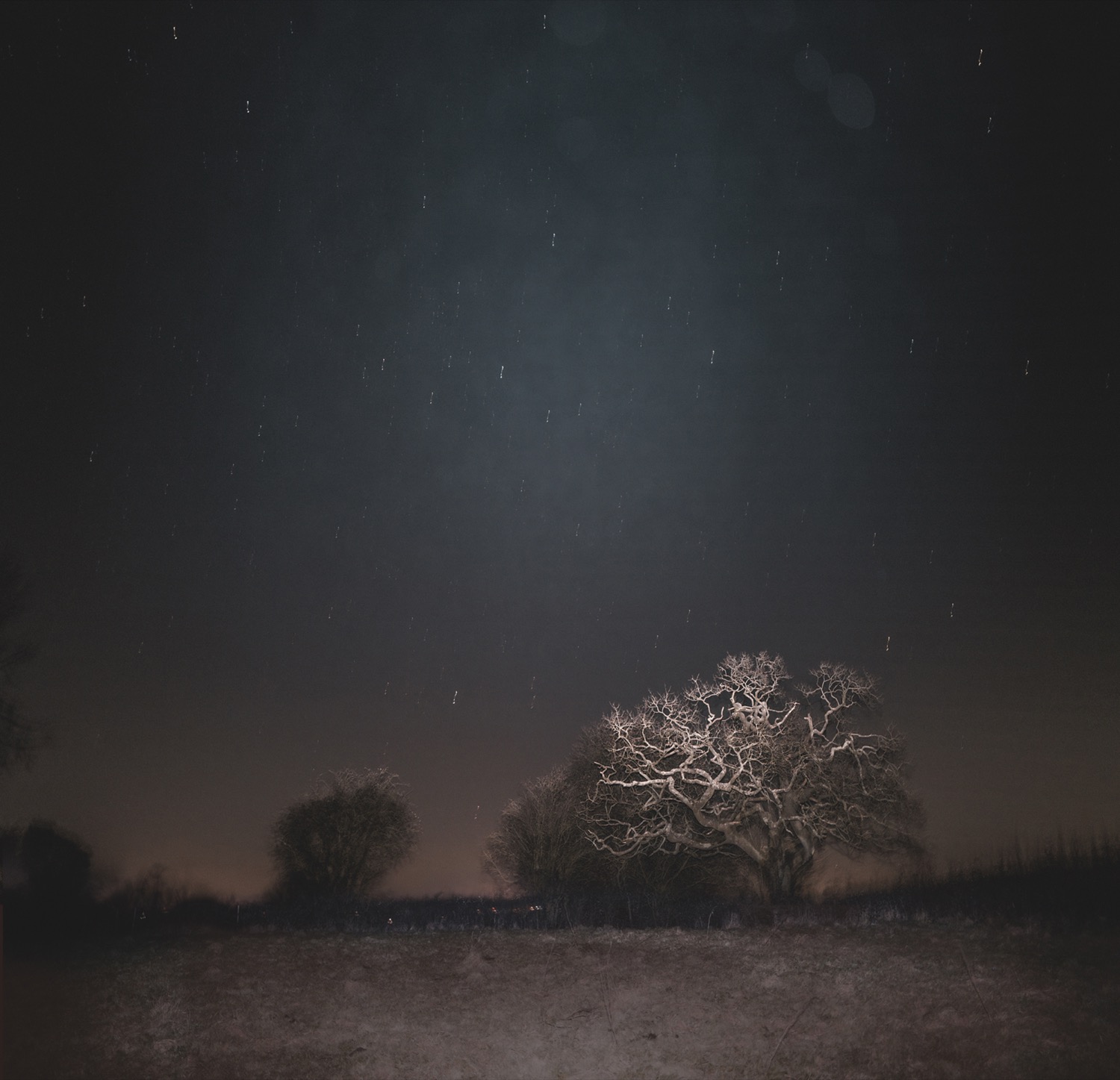
This evolution is currently finding form in a forthcoming book, Making The Moon, which continues to explore these themes with the same restraint and attentiveness that characterise his photographic practice. As with the images themselves, the work does not seek to explain its own meaning. Instead, it invites the viewer to pause, to stand quietly within the frame, and to feel—if only briefly—the subtle alignment between inner and outer worlds.

.svg)


.svg)
.svg)

For Pumfrey, the point of departure is not a concept but a condition. His work begins before language, before categorisation, in what he describes as an unnamed space of awareness. “The place I always begin from is something without a name. A kind of zero-point. It’s a dimension where the things that rise up in my awareness stand there without labels, bare and undecorated, as if language hadn’t yet touched them.” Working from this place requires relinquishing certainty. Pumfrey does not frame photography as an act of control or mastery, but as a yielding to something less easily articulated.
This openness also shapes his relationship to time. Images do not announce themselves on demand, nor do they necessarily resolve themselves immediately. “The process isn’t linear. It loops and spirals, like a dream you wake from but keep walking through anyway. We are all, in our own way, dreaming the world into being—each one of us sealed inside the borders of our own experience, drifting along the constant wave of perception whether our eyes are open or closed. And in that drifting, each soul leaves its own small trace, something continuous and unrepeatable.”
Walking with the natural world
Pumfrey’s work has been shaped by extended periods spent in nature, and the natural world shifted for him from backdrop to companion. “These days, the natural world feels less like a place I visit and more like a companion I’ve fallen into step with—a kind of unexpected love affair. When the world tightened around itself in fear, I would take my camera and disappear into the woods.”
The pace of his working process slowed accordingly. Rather than seeking out subjects, he learned to wait for them. “I tried to stay close to my senses, walking without hurry, waiting for the subjects—not just to appear, but to notice me. The process reminds me of painting. I try to distil things down to whatever speaks directly to the quiet core inside me. The act itself is what matters—the simple fact of being present.”
His walks became acts of recalibration. “Out there, beyond the churn of human worry, spring was unfolding with its usual indifference. Plants pushed through soil, animals went about their practical business, and everything seemed to move to a rhythm older than language.” In this widening gap between human discourse and physical reality, he made a conscious decision to trust a quieter form of wisdom, one that does not argue but persists. The reference to poetry is telling, aligning his practice with a lineage that values attentiveness over assertion. “Somewhere in that gap I made a quiet decision—to trust what poets like E. E. Cummings seemed to understand: that nature answers the world not with arguments, but with spring. Our arrogance looks almost comical against such simplicity.”
Presence, poetry, and mysticism
Pumfrey describes his practice in terms borrowed from poetry rather than photography, not as a metaphorical flourish but as a practical orientation. “I feel my way into life itself—to catch the subtle current that moves through the natural world, the quiet emotion in things that don’t speak. Poems don’t explain; they open a door and leave you to cross the threshold alone.” His images aim to function in much the same way, offering an opening rather than a conclusion.
Underlying this approach is a view of nature that dissolves the boundary between inside and outside. His sense of kinship with the material world is grounded in an acceptance of mortality and continuity. “Nature inspires me not only because it exists outside—trees, stones, birds, wind—but because it exists inside. I’m made of the same raw material. Earth shaped me, and someday it will take me back. That thought doesn’t frighten me; it steadies me. Humans are complicated creatures, tangled in our emotions and old thoughts, tied to the machinery of the cultures we inherit. Nature, by contrast, just goes on being itself. It doesn’t choose sides, doesn’t scheme or regret. It simply is.”
For Pumfrey, life itself is understood as an animating presence rather than a concept to be explained. “When I speak of life, I mean that animating pulse inside all things—the force that lets a blade of grass push through a sidewalk and a cloud drift over a mountain. Moving toward that kind of simplicity feels like walking into the territory of mystics, where ordinary logic loses its footing and something quieter begins to guide you.”
Nature inspires me not only because it exists outside—trees, stones, birds, wind—but because it exists inside.
Darkness as a passage
Among the recurring motifs in Pumfrey’s work, darkness occupies a central and carefully differentiated place. He speaks of two distinct forms, each carrying its own emotional and symbolic weight. “In both images and words, I’ve come to recognise two very different kinds of darkness. The first is the one we all know too well—shadowed, unsettled, shaped by the unconscious. But the second kind is something else entirely. A luminous darkness—thick, velvety, almost tender in the way it surrounds you. You can’t enter it unless you’ve already faced the first darkness with whatever courage and curiosity you can muster. Only then does it unfold—calm, still, strangely full of wonder.”
Pumfrey understands his work as pointing towards this second darkness, not as a destination but as a process. “When we step into the unknown, the unconscious begins to surface, and what once frightened us reveals itself as something intimate, unexpected, sometimes even joyful. When I take photographs, I feel as if I’m walking through that alchemical corridor—letting the unseen rise up, allowing something inside me to shift. Because while the mystic turns inward, down into the quiet depths, that same gaze eventually circles back to show us something astonishing: that we, too, are shaped from pieces of the sun.”
When I make an image holding the weight of fear, I always try to weave in a second note— something calmer, like peace.
Turning towards the light
In recent work, Pumfrey’s attention has been drawn to the liminal interval between night and day, a fragile seam that carries a sense of familiarity and return. This threshold feels like a homecoming to something essential yet easily overlooked, a space where darkness loosens its hold without entirely giving way to light. Reflecting on earlier phases of his practice, he recognises a clear shift. “The work I made before was different. It circled around the sadness of being caught inside darkness, the pain of not knowing how to step beyond it. But now I sense another phase approaching, something gentler and more spacious. A slow turning toward the light, and perhaps—if I’m patient—standing in it more and more fully.” The movement is neither abrupt nor declarative, but gradual, shaped by attentiveness rather than intention.
This orientation is closely tied to his understanding of connection, which he treats as incidental rather than pursued. “If we manage to hold a steady measure of self-love—calm, unshowy—then connection with others happens on its own.” His primary responsibility remains inward, guided by a need for honesty rather than affirmation. “My only intention is to stay aligned with whatever inner rhythm keeps me honest—to find that faint resonance that tells me I’m still myself.”
When evaluating the work, he returns to it quietly, listening rather than judging. “When the work is finally in front of me, I study it in the same way I might listen to a far-off sound at night. If something in it reaches out and touches me, then I know it’s true in the only way that matters.” Any shared response is received as a gift rather than a goal. “And if someone else feels that same vibration—well, that’s just a small bonus life tosses in, like finding an extra coin in an old coat pocket.”
Making The Moon
This evolution is currently finding form in a forthcoming book, Making The Moon, which continues to explore these themes with the same restraint and attentiveness that characterise his photographic practice. As with the images themselves, the work does not seek to explain its own meaning. Instead, it invites the viewer to pause, to stand quietly within the frame, and to feel—if only briefly—the subtle alignment between inner and outer worlds.
For Pumfrey, the point of departure is not a concept but a condition. His work begins before language, before categorisation, in what he describes as an unnamed space of awareness. “The place I always begin from is something without a name. A kind of zero-point. It’s a dimension where the things that rise up in my awareness stand there without labels, bare and undecorated, as if language hadn’t yet touched them.” Working from this place requires relinquishing certainty. Pumfrey does not frame photography as an act of control or mastery, but as a yielding to something less easily articulated.
This openness also shapes his relationship to time. Images do not announce themselves on demand, nor do they necessarily resolve themselves immediately. “The process isn’t linear. It loops and spirals, like a dream you wake from but keep walking through anyway. We are all, in our own way, dreaming the world into being—each one of us sealed inside the borders of our own experience, drifting along the constant wave of perception whether our eyes are open or closed. And in that drifting, each soul leaves its own small trace, something continuous and unrepeatable.”
Walking with the natural world
Pumfrey’s work has been shaped by extended periods spent in nature, and the natural world shifted for him from backdrop to companion. “These days, the natural world feels less like a place I visit and more like a companion I’ve fallen into step with—a kind of unexpected love affair. When the world tightened around itself in fear, I would take my camera and disappear into the woods.”
The pace of his working process slowed accordingly. Rather than seeking out subjects, he learned to wait for them. “I tried to stay close to my senses, walking without hurry, waiting for the subjects—not just to appear, but to notice me. The process reminds me of painting. I try to distil things down to whatever speaks directly to the quiet core inside me. The act itself is what matters—the simple fact of being present.”
His walks became acts of recalibration. “Out there, beyond the churn of human worry, spring was unfolding with its usual indifference. Plants pushed through soil, animals went about their practical business, and everything seemed to move to a rhythm older than language.” In this widening gap between human discourse and physical reality, he made a conscious decision to trust a quieter form of wisdom, one that does not argue but persists. The reference to poetry is telling, aligning his practice with a lineage that values attentiveness over assertion. “Somewhere in that gap I made a quiet decision—to trust what poets like E. E. Cummings seemed to understand: that nature answers the world not with arguments, but with spring. Our arrogance looks almost comical against such simplicity.”
Presence, poetry, and mysticism
Pumfrey describes his practice in terms borrowed from poetry rather than photography, not as a metaphorical flourish but as a practical orientation. “I feel my way into life itself—to catch the subtle current that moves through the natural world, the quiet emotion in things that don’t speak. Poems don’t explain; they open a door and leave you to cross the threshold alone.” His images aim to function in much the same way, offering an opening rather than a conclusion.
Underlying this approach is a view of nature that dissolves the boundary between inside and outside. His sense of kinship with the material world is grounded in an acceptance of mortality and continuity. “Nature inspires me not only because it exists outside—trees, stones, birds, wind—but because it exists inside. I’m made of the same raw material. Earth shaped me, and someday it will take me back. That thought doesn’t frighten me; it steadies me. Humans are complicated creatures, tangled in our emotions and old thoughts, tied to the machinery of the cultures we inherit. Nature, by contrast, just goes on being itself. It doesn’t choose sides, doesn’t scheme or regret. It simply is.”
For Pumfrey, life itself is understood as an animating presence rather than a concept to be explained. “When I speak of life, I mean that animating pulse inside all things—the force that lets a blade of grass push through a sidewalk and a cloud drift over a mountain. Moving toward that kind of simplicity feels like walking into the territory of mystics, where ordinary logic loses its footing and something quieter begins to guide you.”
Nature inspires me not only because it exists outside—trees, stones, birds, wind—but because it exists inside.
Darkness as a passage
Among the recurring motifs in Pumfrey’s work, darkness occupies a central and carefully differentiated place. He speaks of two distinct forms, each carrying its own emotional and symbolic weight. “In both images and words, I’ve come to recognise two very different kinds of darkness. The first is the one we all know too well—shadowed, unsettled, shaped by the unconscious. But the second kind is something else entirely. A luminous darkness—thick, velvety, almost tender in the way it surrounds you. You can’t enter it unless you’ve already faced the first darkness with whatever courage and curiosity you can muster. Only then does it unfold—calm, still, strangely full of wonder.”
Pumfrey understands his work as pointing towards this second darkness, not as a destination but as a process. “When we step into the unknown, the unconscious begins to surface, and what once frightened us reveals itself as something intimate, unexpected, sometimes even joyful. When I take photographs, I feel as if I’m walking through that alchemical corridor—letting the unseen rise up, allowing something inside me to shift. Because while the mystic turns inward, down into the quiet depths, that same gaze eventually circles back to show us something astonishing: that we, too, are shaped from pieces of the sun.”
When I make an image holding the weight of fear, I always try to weave in a second note— something calmer, like peace.
Turning towards the light
In recent work, Pumfrey’s attention has been drawn to the liminal interval between night and day, a fragile seam that carries a sense of familiarity and return. This threshold feels like a homecoming to something essential yet easily overlooked, a space where darkness loosens its hold without entirely giving way to light. Reflecting on earlier phases of his practice, he recognises a clear shift. “The work I made before was different. It circled around the sadness of being caught inside darkness, the pain of not knowing how to step beyond it. But now I sense another phase approaching, something gentler and more spacious. A slow turning toward the light, and perhaps—if I’m patient—standing in it more and more fully.” The movement is neither abrupt nor declarative, but gradual, shaped by attentiveness rather than intention.
This orientation is closely tied to his understanding of connection, which he treats as incidental rather than pursued. “If we manage to hold a steady measure of self-love—calm, unshowy—then connection with others happens on its own.” His primary responsibility remains inward, guided by a need for honesty rather than affirmation. “My only intention is to stay aligned with whatever inner rhythm keeps me honest—to find that faint resonance that tells me I’m still myself.”
When evaluating the work, he returns to it quietly, listening rather than judging. “When the work is finally in front of me, I study it in the same way I might listen to a far-off sound at night. If something in it reaches out and touches me, then I know it’s true in the only way that matters.” Any shared response is received as a gift rather than a goal. “And if someone else feels that same vibration—well, that’s just a small bonus life tosses in, like finding an extra coin in an old coat pocket.”
Making The Moon
This evolution is currently finding form in a forthcoming book, Making The Moon, which continues to explore these themes with the same restraint and attentiveness that characterise his photographic practice. As with the images themselves, the work does not seek to explain its own meaning. Instead, it invites the viewer to pause, to stand quietly within the frame, and to feel—if only briefly—the subtle alignment between inner and outer worlds.