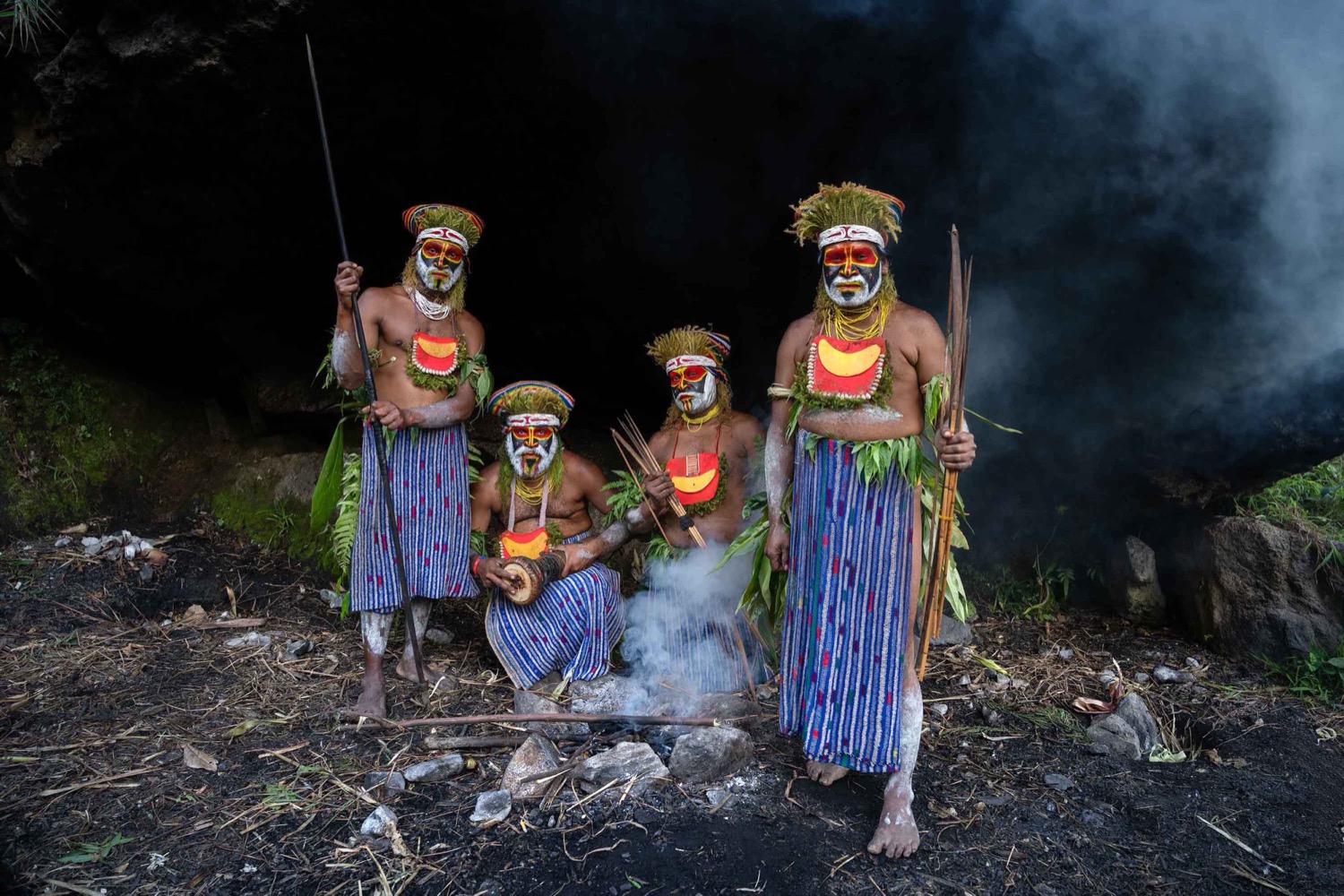
© Roberto Pazzi | Papua New Guinea
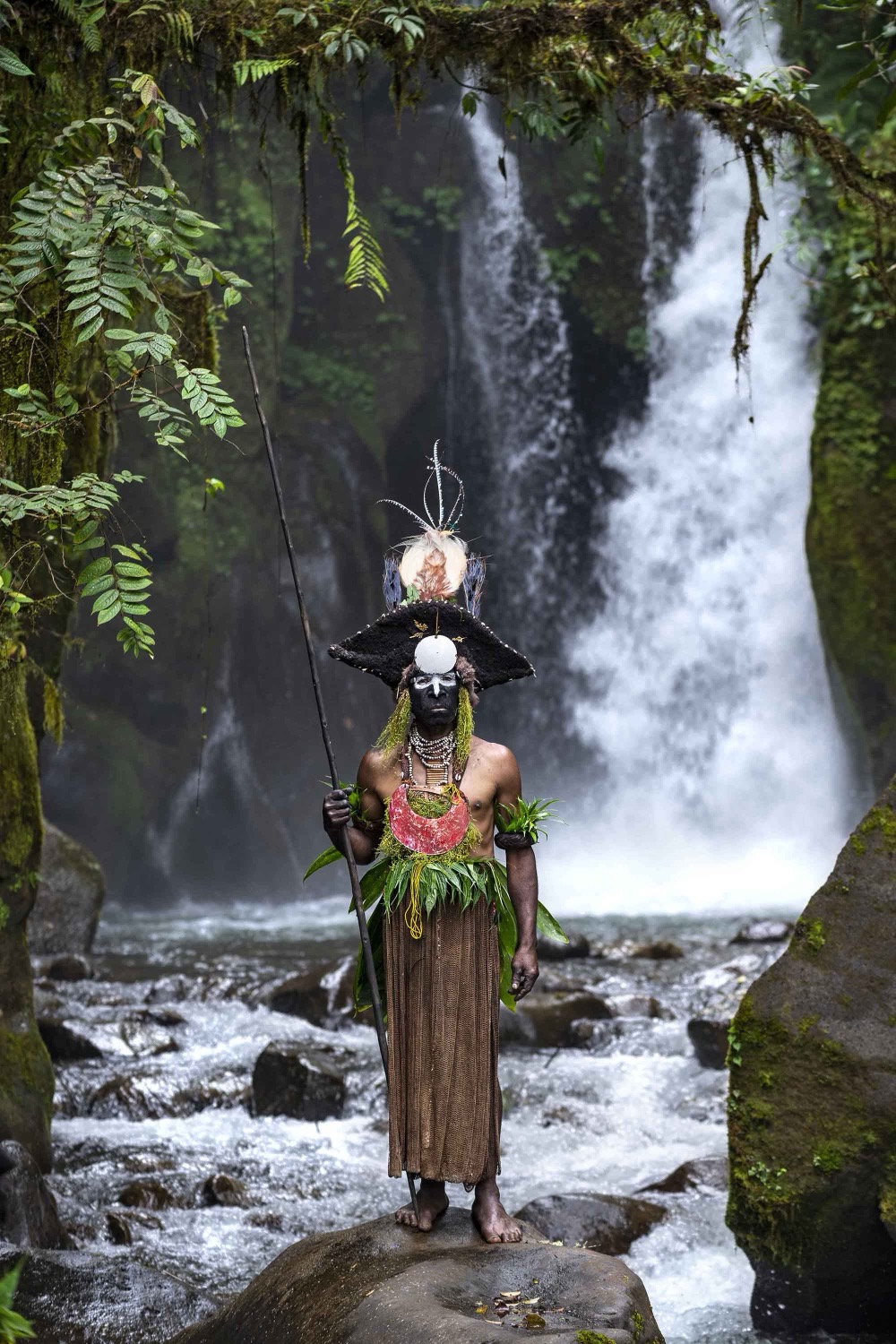
After working as an engineer, Italian photographer Roberto Pazzi relocated to Spain to begin a new chapter in his life. This relocation was a natural extension of his youthful backpacking trips across the world. From a young age, he was passionate about geography and history, influenced by his parents. “In 2013, I started with photography. I wanted to connect with others and reinvent myself. I began collecting memories and emotions. Additionally, I needed a life change, leaving my previous life behind and starting anew, driven by my passions for travel and photography,” he explained.
Our human heritage
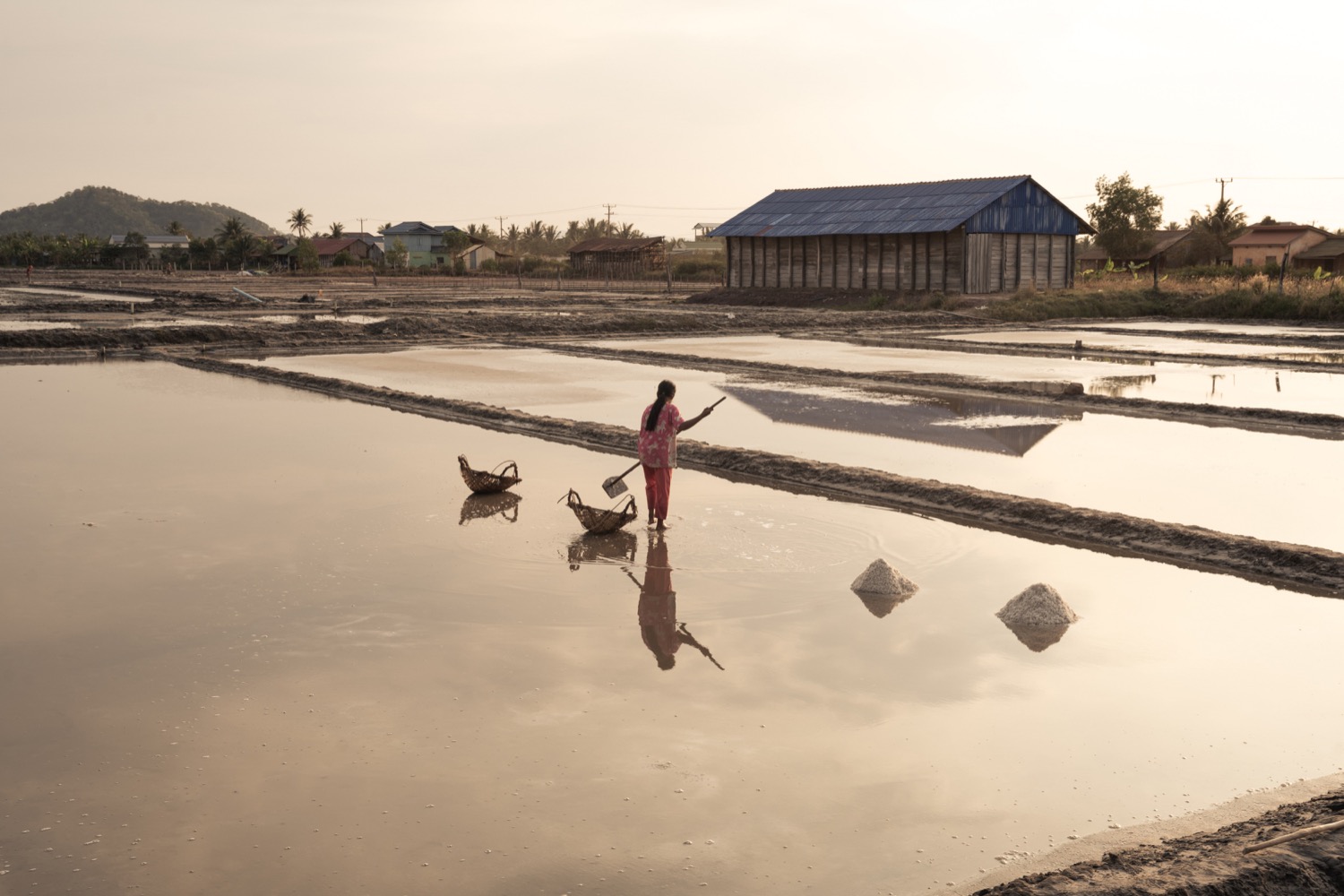
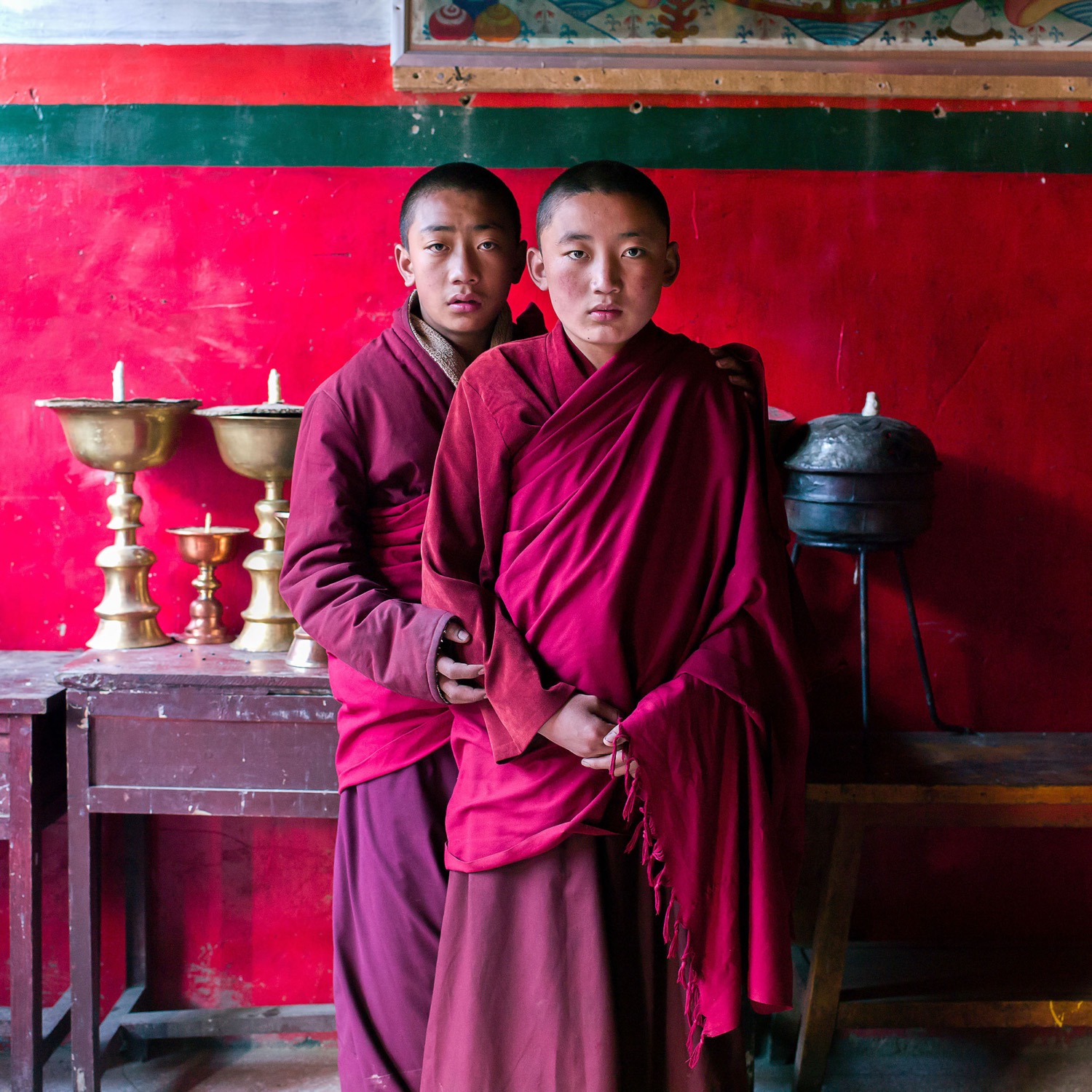
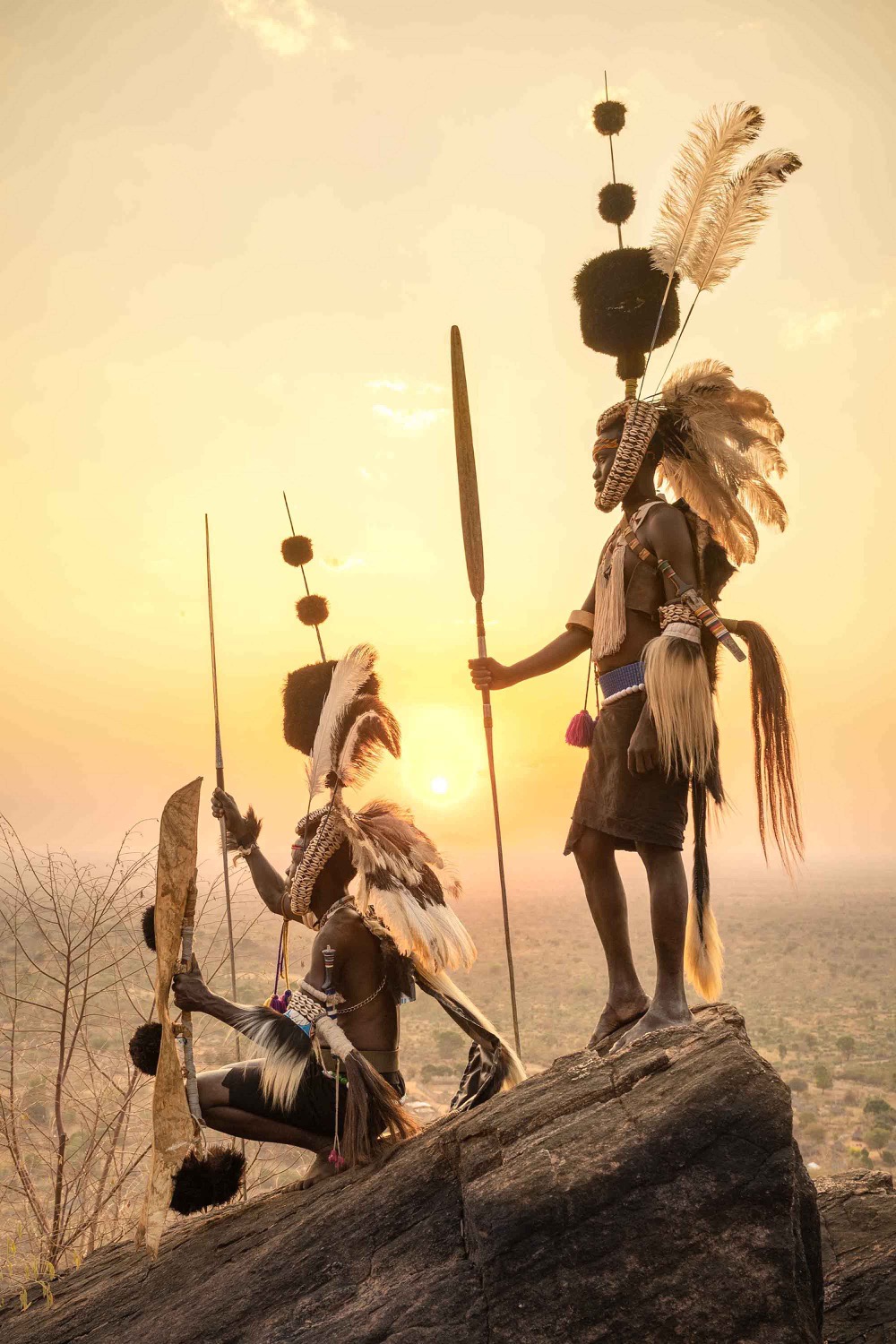
His primary motivation for visiting a country, ethnic group, or tribe is not merely their remoteness or untouched state. “My goal is to document fading traditions and cultures. Because these traditions are at risk of disappearing, I feel compelled to photograph them. These people are part of our shared heritage—our human origins. They represent a genuine heritage that we must protect and preserve as a memory of our roots.”
In the developed world, we can learn from these communities. Pazzi explains: “Basic human values are crucial to maintaining social cohesion. In modern societies, individuals tend to be highly independent, often resolving issues with financial resources. By contrast, traditional communities rely on mutual support to face difficulties. For instance, if a hut's roof collapses, the community comes together to repair it. Their strong community spirit offers valuable lessons. An essential value is the intergenerational bond. I frequently observed elderly individuals sitting on the ground with younger people, conversing as if they were close friends. Unfortunately, we have largely lost this connection in our society.”
Because these traditions are at risk of disappearing, I feel compelled to photograph them.
Humankind
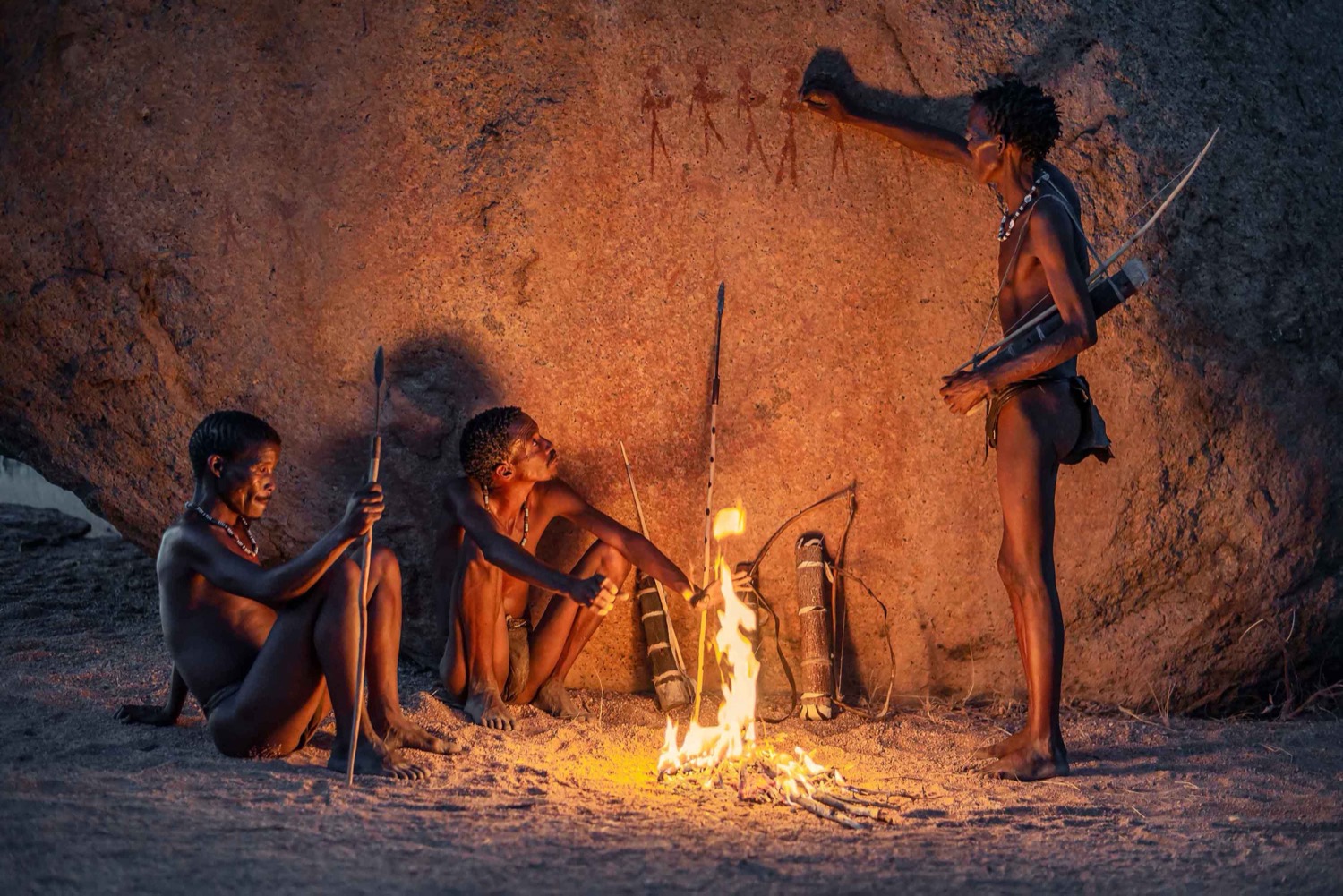
Roberto Pazzi released a book titled Humankind, featuring more than 200 large-format photographs. It offers a photographic journey across three continents, examining human identity, cultural expression, and the delicate heritage of remote communities. The book celebrates human beauty and diversity, highlights the resilience of these communities, and encourages reflection on their fragile, irreplaceable legacies. Pazzi explains: “As modernity progresses, ancient lifestyles face a crossroads, caught between preservation and change. By showcasing these remarkable cultures, I aim to deepen appreciation for their importance and highlight their vulnerability. True preservation starts with knowledge and awareness, the first steps towards respect and protection.”
Two approaches, one ethical stance
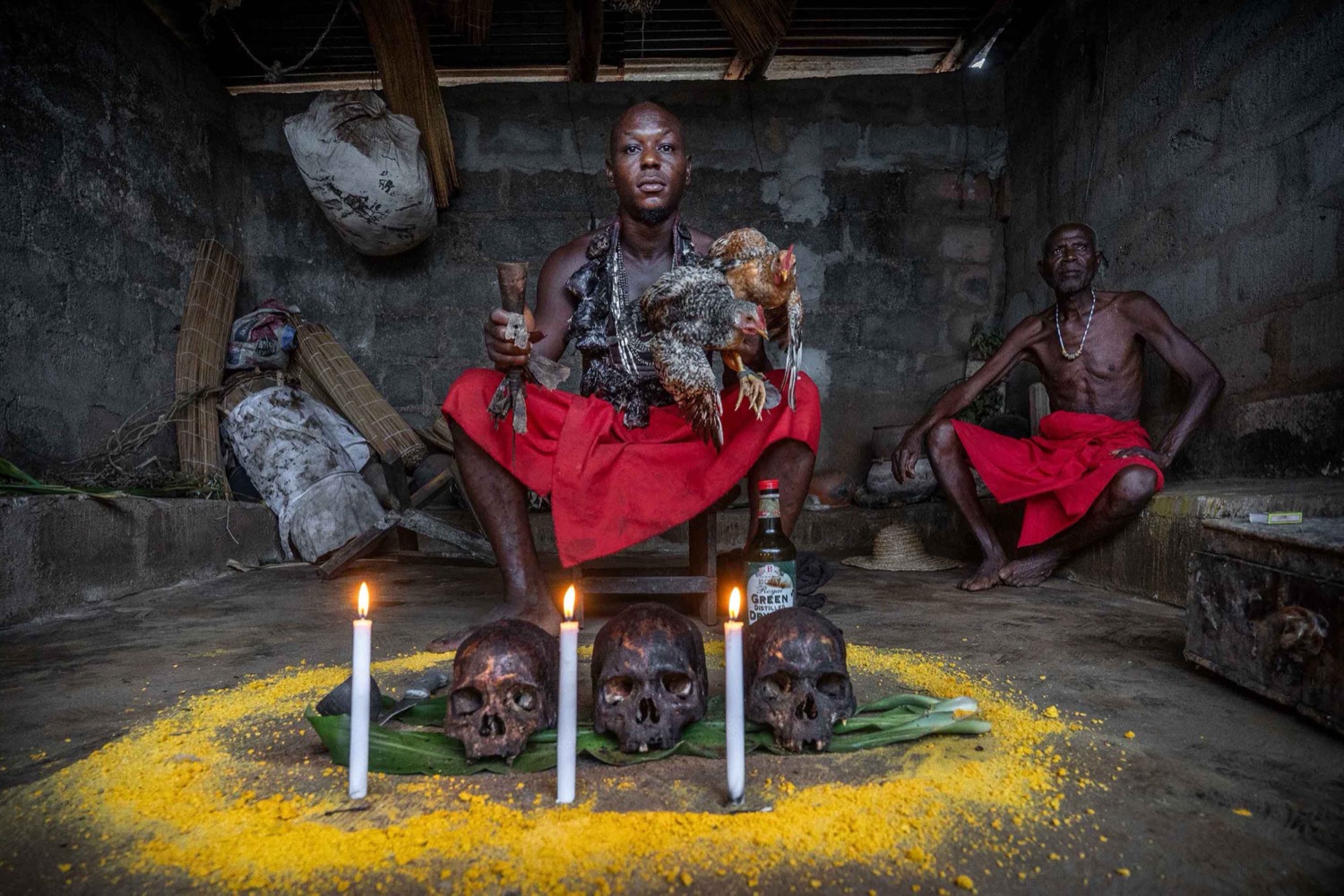
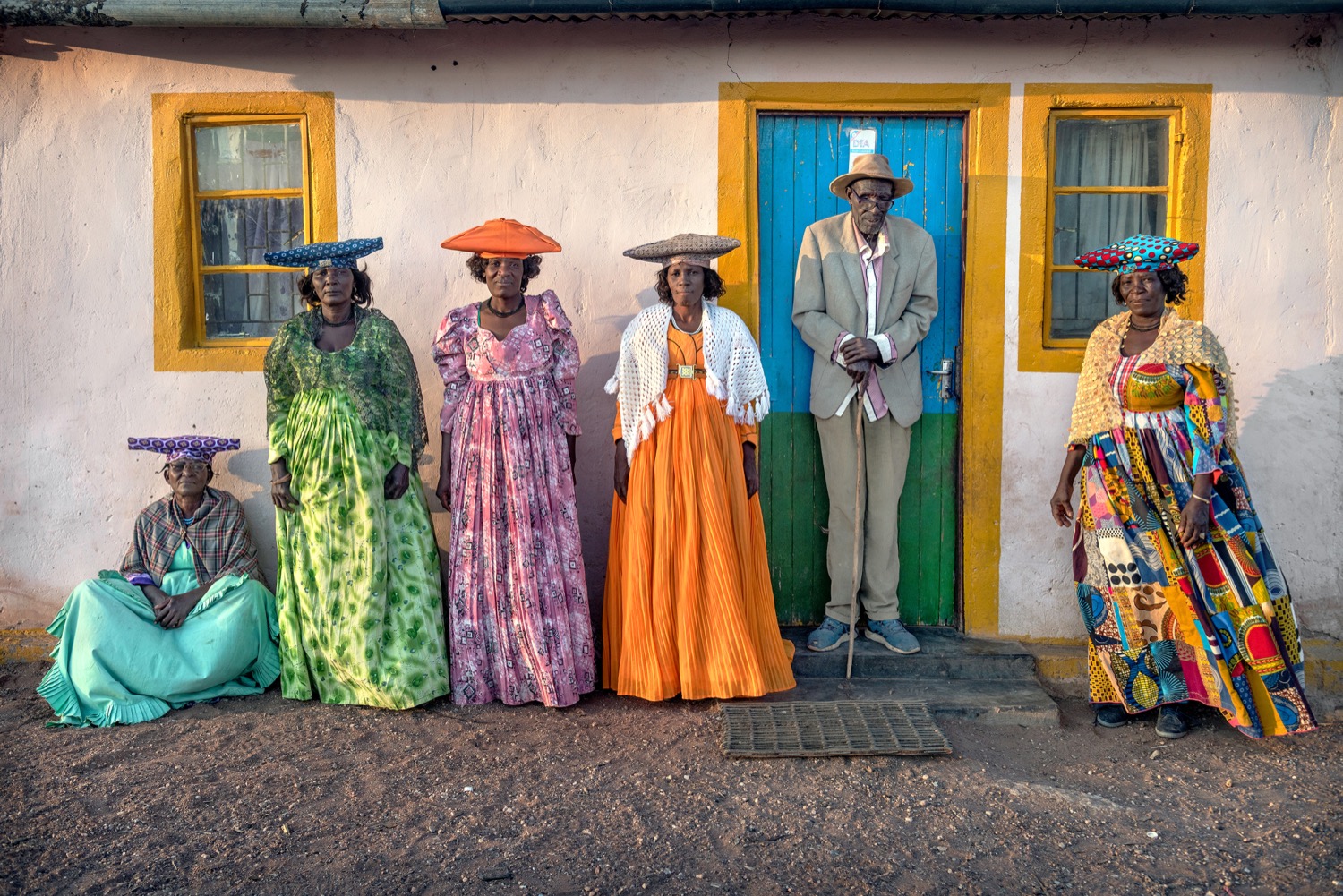
Pazzi employs two main methods in his photography: capturing spontaneous moments, typical of reportage and photojournalism, and staging portraits in which he invites sitters to slow down and look into the camera. “The situation determines the style I choose. I wander with my camera, taking pictures when something catches my interest. In other cases, I engage with people, spending time talking and interacting to build trust and learn about their backgrounds. This trust enables me to create posed portraits, sometimes using traditional tools or meaningful objects. I see myself as a witness. My ethical stance echoes Chief Seattle's quote: Take nothing but memories; leave nothing but footprints. My role is to document what already exists.”
Inspiration of the masters
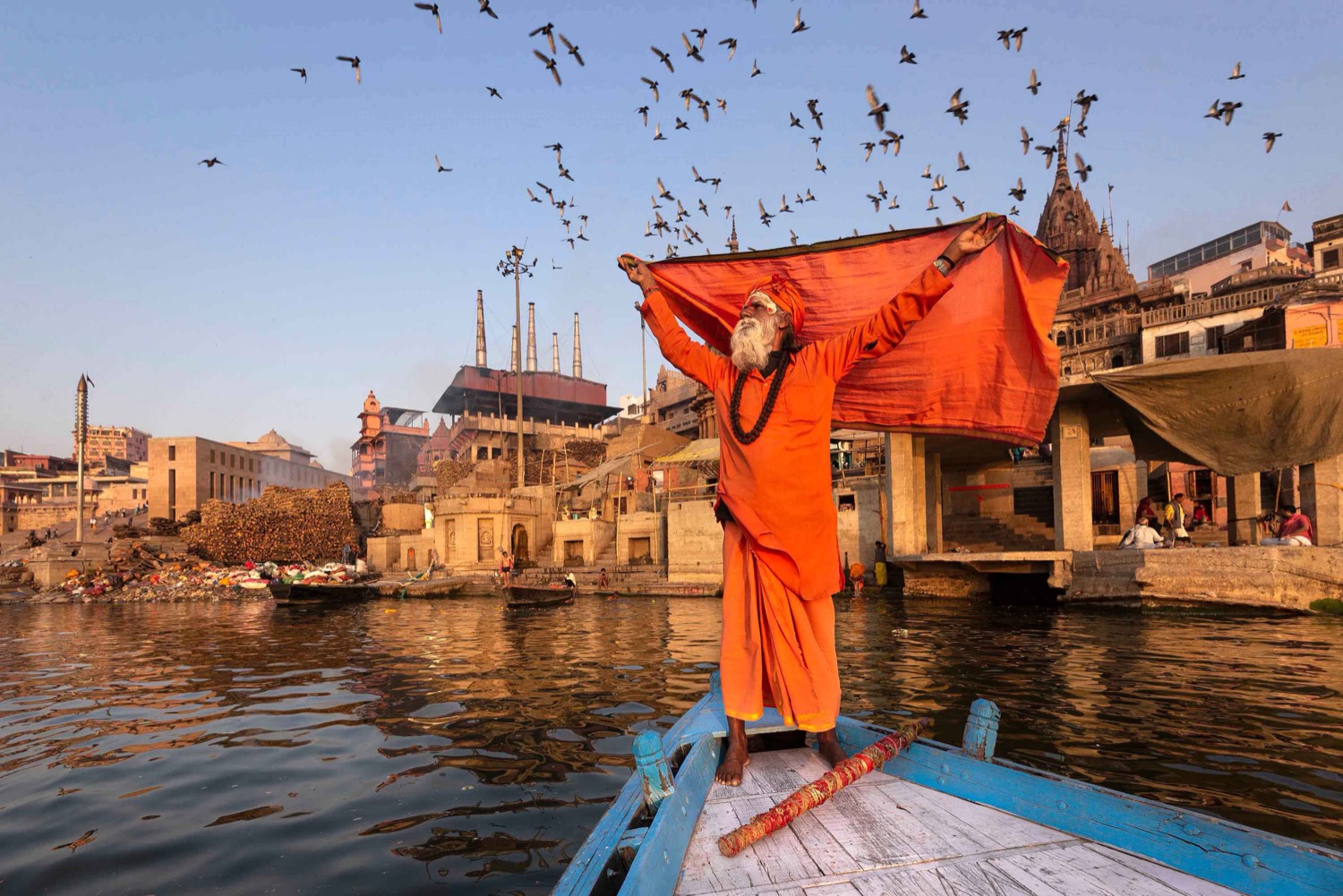
At the beginning of his career, two giants in photography inspired Pazzi: Sebastião Salgado and Steve McCurry. They are recognised as masters of humanistic and travel photography, each focusing on different aspects of the craft. “I am deeply inspired by Salgado. He has been my favourite photographer since the first day. He was a master, but the only thing I would rather not bring into my photography is black-and-white because I want to capture people's cultural aspects, where colour is an essential element. Steve McCurry always works in colour. I fell in love with his work when I saw it.” Of course, Jimmy Nelson’s work cannot be left unmentioned. “It is fascinating to see that he works analogue, with his wooden field camera on a tripod. He cautiously prepares all his shoots.”
Mind, eyes, and heart
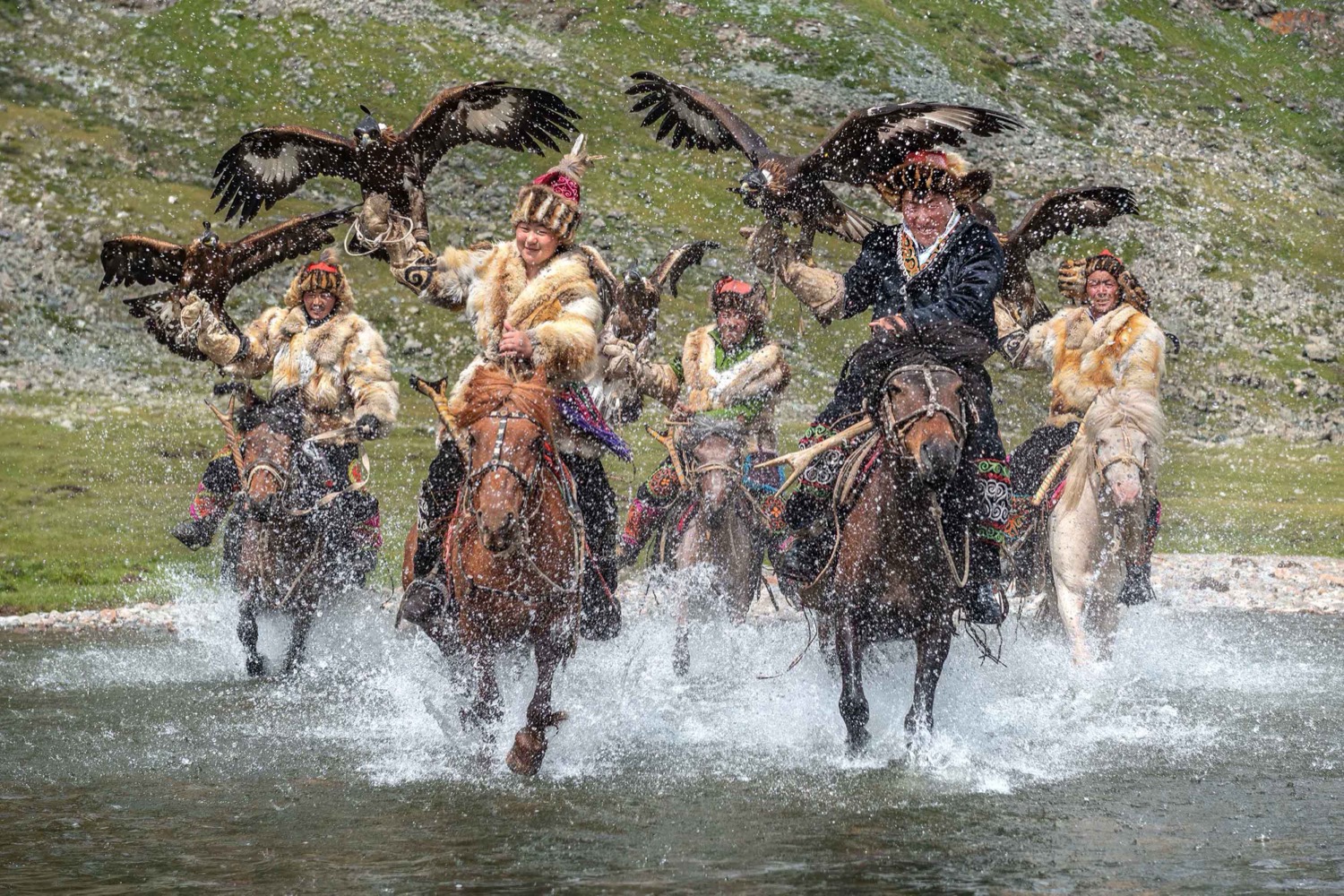
Pazzi explains that effective photography engages viewers on three levels: rational, aesthetic, and emotional. “I began with straightforward documentary images, then added emotional expression through the people's faces. Ultimately, the beauty of the photos merges these elements. My goal is for viewers to enjoy my work. When they are emotionally moved by the story in each picture, it resonates deeply with them. I strive to use aesthetics as a bridge between the documentary and emotional aspects.”
Photography is an art that effectively connects people of different origins. Pazzi explains: “Our world is a world of image. A good image can convey more information quicker and a wider range of value than words.”
I strive to use aesthetics as a bridge between the documentary and emotional aspects.
.svg)


.svg)
.svg)

After working as an engineer, Italian photographer Roberto Pazzi relocated to Spain to begin a new chapter in his life. This relocation was a natural extension of his youthful backpacking trips across the world. From a young age, he was passionate about geography and history, influenced by his parents. “In 2013, I started with photography. I wanted to connect with others and reinvent myself. I began collecting memories and emotions. Additionally, I needed a life change, leaving my previous life behind and starting anew, driven by my passions for travel and photography,” he explained.
Our human heritage
His primary motivation for visiting a country, ethnic group, or tribe is not merely their remoteness or untouched state. “My goal is to document fading traditions and cultures. Because these traditions are at risk of disappearing, I feel compelled to photograph them. These people are part of our shared heritage—our human origins. They represent a genuine heritage that we must protect and preserve as a memory of our roots.”
In the developed world, we can learn from these communities. Pazzi explains: “Basic human values are crucial to maintaining social cohesion. In modern societies, individuals tend to be highly independent, often resolving issues with financial resources. By contrast, traditional communities rely on mutual support to face difficulties. For instance, if a hut's roof collapses, the community comes together to repair it. Their strong community spirit offers valuable lessons. An essential value is the intergenerational bond. I frequently observed elderly individuals sitting on the ground with younger people, conversing as if they were close friends. Unfortunately, we have largely lost this connection in our society.”
Because these traditions are at risk of disappearing, I feel compelled to photograph them.
Humankind
Roberto Pazzi released a book titled Humankind, featuring more than 200 large-format photographs. It offers a photographic journey across three continents, examining human identity, cultural expression, and the delicate heritage of remote communities. The book celebrates human beauty and diversity, highlights the resilience of these communities, and encourages reflection on their fragile, irreplaceable legacies. Pazzi explains: “As modernity progresses, ancient lifestyles face a crossroads, caught between preservation and change. By showcasing these remarkable cultures, I aim to deepen appreciation for their importance and highlight their vulnerability. True preservation starts with knowledge and awareness, the first steps towards respect and protection.”
Two approaches, one ethical stance
Pazzi employs two main methods in his photography: capturing spontaneous moments, typical of reportage and photojournalism, and staging portraits in which he invites sitters to slow down and look into the camera. “The situation determines the style I choose. I wander with my camera, taking pictures when something catches my interest. In other cases, I engage with people, spending time talking and interacting to build trust and learn about their backgrounds. This trust enables me to create posed portraits, sometimes using traditional tools or meaningful objects. I see myself as a witness. My ethical stance echoes Chief Seattle's quote: Take nothing but memories; leave nothing but footprints. My role is to document what already exists.”
Inspiration of the masters
At the beginning of his career, two giants in photography inspired Pazzi: Sebastião Salgado and Steve McCurry. They are recognised as masters of humanistic and travel photography, each focusing on different aspects of the craft. “I am deeply inspired by Salgado. He has been my favourite photographer since the first day. He was a master, but the only thing I would rather not bring into my photography is black-and-white because I want to capture people's cultural aspects, where colour is an essential element. Steve McCurry always works in colour. I fell in love with his work when I saw it.” Of course, Jimmy Nelson’s work cannot be left unmentioned. “It is fascinating to see that he works analogue, with his wooden field camera on a tripod. He cautiously prepares all his shoots.”
Mind, eyes, and heart
Pazzi explains that effective photography engages viewers on three levels: rational, aesthetic, and emotional. “I began with straightforward documentary images, then added emotional expression through the people's faces. Ultimately, the beauty of the photos merges these elements. My goal is for viewers to enjoy my work. When they are emotionally moved by the story in each picture, it resonates deeply with them. I strive to use aesthetics as a bridge between the documentary and emotional aspects.”
Photography is an art that effectively connects people of different origins. Pazzi explains: “Our world is a world of image. A good image can convey more information quicker and a wider range of value than words.”
I strive to use aesthetics as a bridge between the documentary and emotional aspects.
After working as an engineer, Italian photographer Roberto Pazzi relocated to Spain to begin a new chapter in his life. This relocation was a natural extension of his youthful backpacking trips across the world. From a young age, he was passionate about geography and history, influenced by his parents. “In 2013, I started with photography. I wanted to connect with others and reinvent myself. I began collecting memories and emotions. Additionally, I needed a life change, leaving my previous life behind and starting anew, driven by my passions for travel and photography,” he explained.
Our human heritage
His primary motivation for visiting a country, ethnic group, or tribe is not merely their remoteness or untouched state. “My goal is to document fading traditions and cultures. Because these traditions are at risk of disappearing, I feel compelled to photograph them. These people are part of our shared heritage—our human origins. They represent a genuine heritage that we must protect and preserve as a memory of our roots.”
In the developed world, we can learn from these communities. Pazzi explains: “Basic human values are crucial to maintaining social cohesion. In modern societies, individuals tend to be highly independent, often resolving issues with financial resources. By contrast, traditional communities rely on mutual support to face difficulties. For instance, if a hut's roof collapses, the community comes together to repair it. Their strong community spirit offers valuable lessons. An essential value is the intergenerational bond. I frequently observed elderly individuals sitting on the ground with younger people, conversing as if they were close friends. Unfortunately, we have largely lost this connection in our society.”
Because these traditions are at risk of disappearing, I feel compelled to photograph them.
Humankind
Roberto Pazzi released a book titled Humankind, featuring more than 200 large-format photographs. It offers a photographic journey across three continents, examining human identity, cultural expression, and the delicate heritage of remote communities. The book celebrates human beauty and diversity, highlights the resilience of these communities, and encourages reflection on their fragile, irreplaceable legacies. Pazzi explains: “As modernity progresses, ancient lifestyles face a crossroads, caught between preservation and change. By showcasing these remarkable cultures, I aim to deepen appreciation for their importance and highlight their vulnerability. True preservation starts with knowledge and awareness, the first steps towards respect and protection.”
Two approaches, one ethical stance
Pazzi employs two main methods in his photography: capturing spontaneous moments, typical of reportage and photojournalism, and staging portraits in which he invites sitters to slow down and look into the camera. “The situation determines the style I choose. I wander with my camera, taking pictures when something catches my interest. In other cases, I engage with people, spending time talking and interacting to build trust and learn about their backgrounds. This trust enables me to create posed portraits, sometimes using traditional tools or meaningful objects. I see myself as a witness. My ethical stance echoes Chief Seattle's quote: Take nothing but memories; leave nothing but footprints. My role is to document what already exists.”
Inspiration of the masters
At the beginning of his career, two giants in photography inspired Pazzi: Sebastião Salgado and Steve McCurry. They are recognised as masters of humanistic and travel photography, each focusing on different aspects of the craft. “I am deeply inspired by Salgado. He has been my favourite photographer since the first day. He was a master, but the only thing I would rather not bring into my photography is black-and-white because I want to capture people's cultural aspects, where colour is an essential element. Steve McCurry always works in colour. I fell in love with his work when I saw it.” Of course, Jimmy Nelson’s work cannot be left unmentioned. “It is fascinating to see that he works analogue, with his wooden field camera on a tripod. He cautiously prepares all his shoots.”
Mind, eyes, and heart
Pazzi explains that effective photography engages viewers on three levels: rational, aesthetic, and emotional. “I began with straightforward documentary images, then added emotional expression through the people's faces. Ultimately, the beauty of the photos merges these elements. My goal is for viewers to enjoy my work. When they are emotionally moved by the story in each picture, it resonates deeply with them. I strive to use aesthetics as a bridge between the documentary and emotional aspects.”
Photography is an art that effectively connects people of different origins. Pazzi explains: “Our world is a world of image. A good image can convey more information quicker and a wider range of value than words.”
I strive to use aesthetics as a bridge between the documentary and emotional aspects.