© Tracy Longley-Cook | Eating the Same Stone
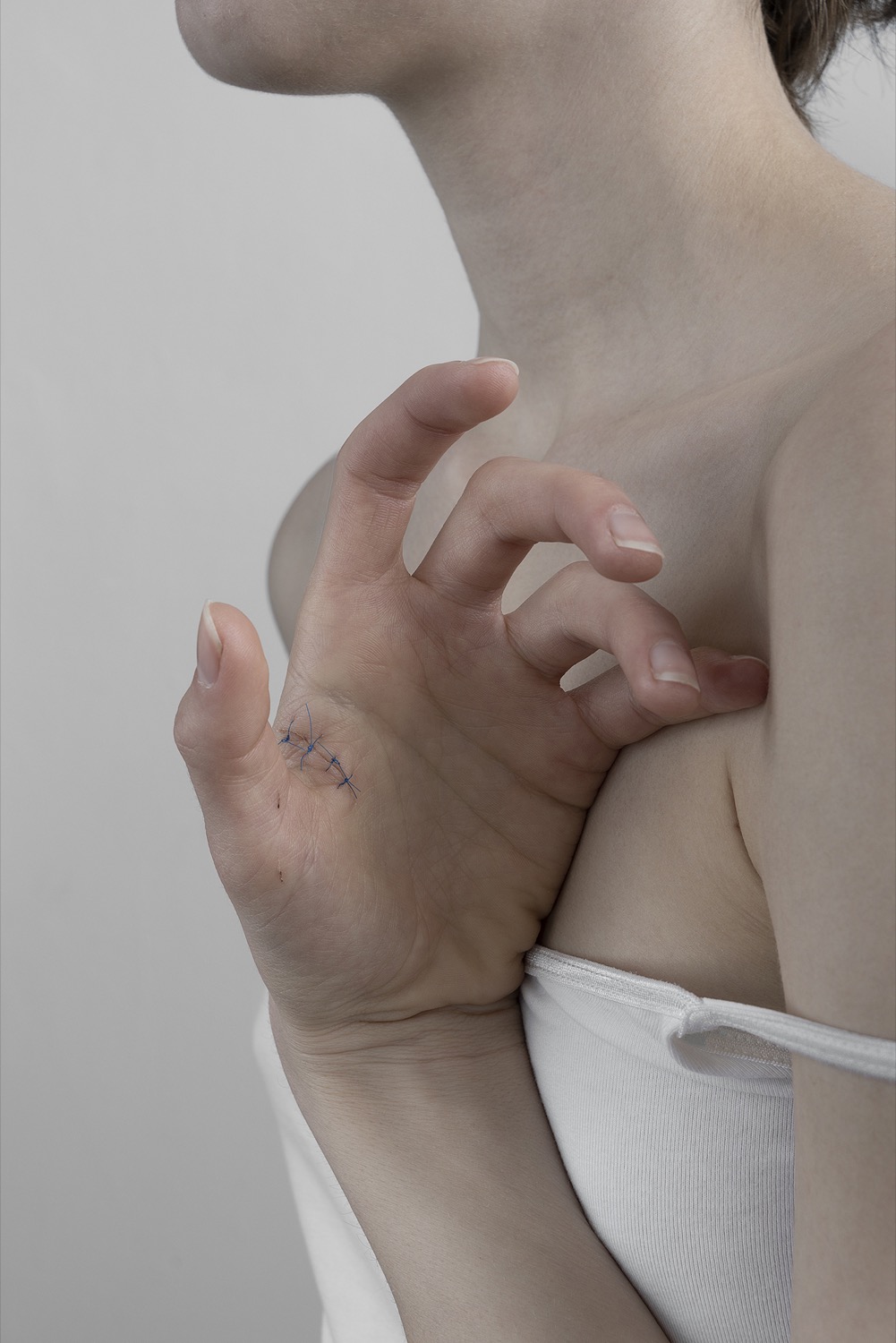
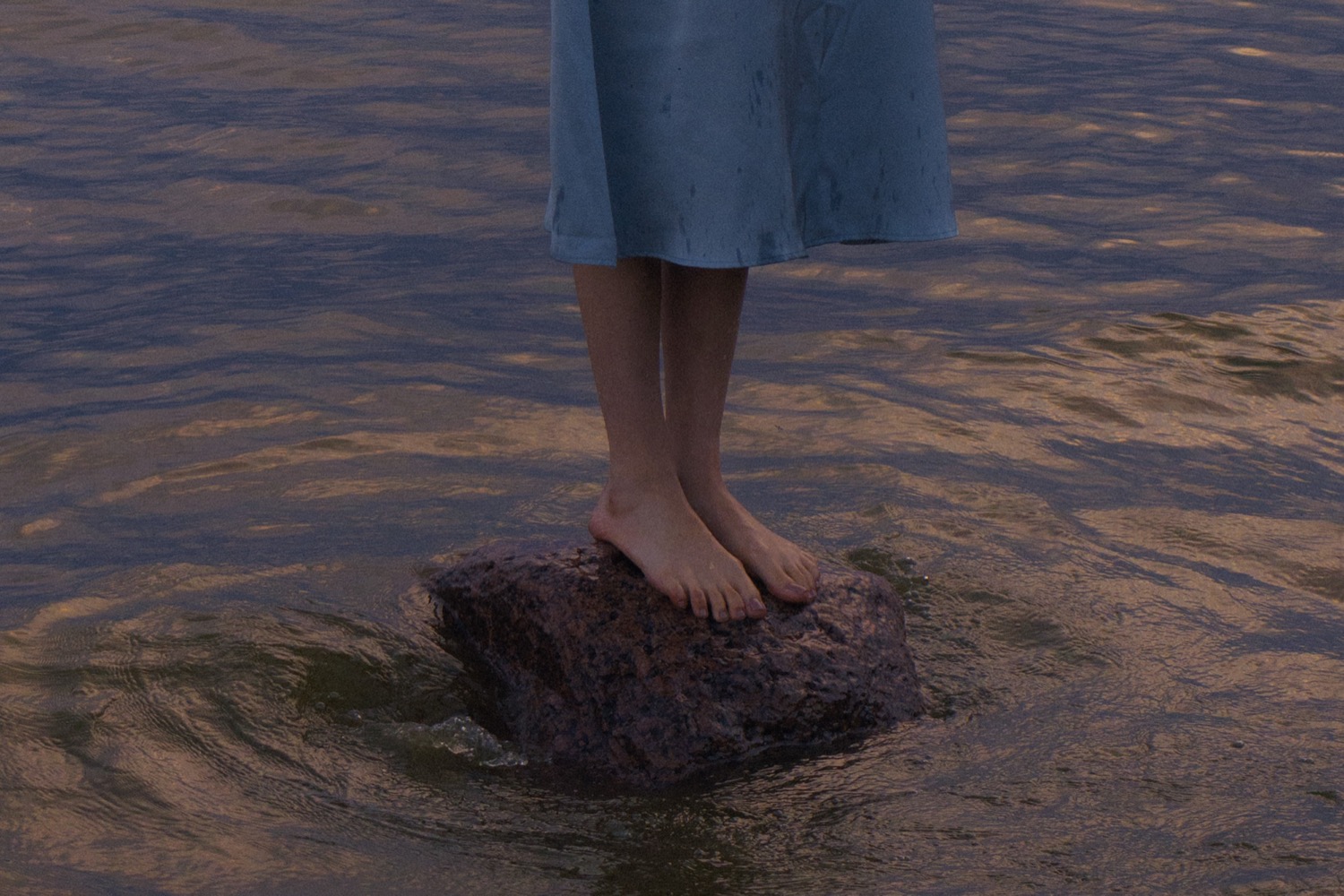
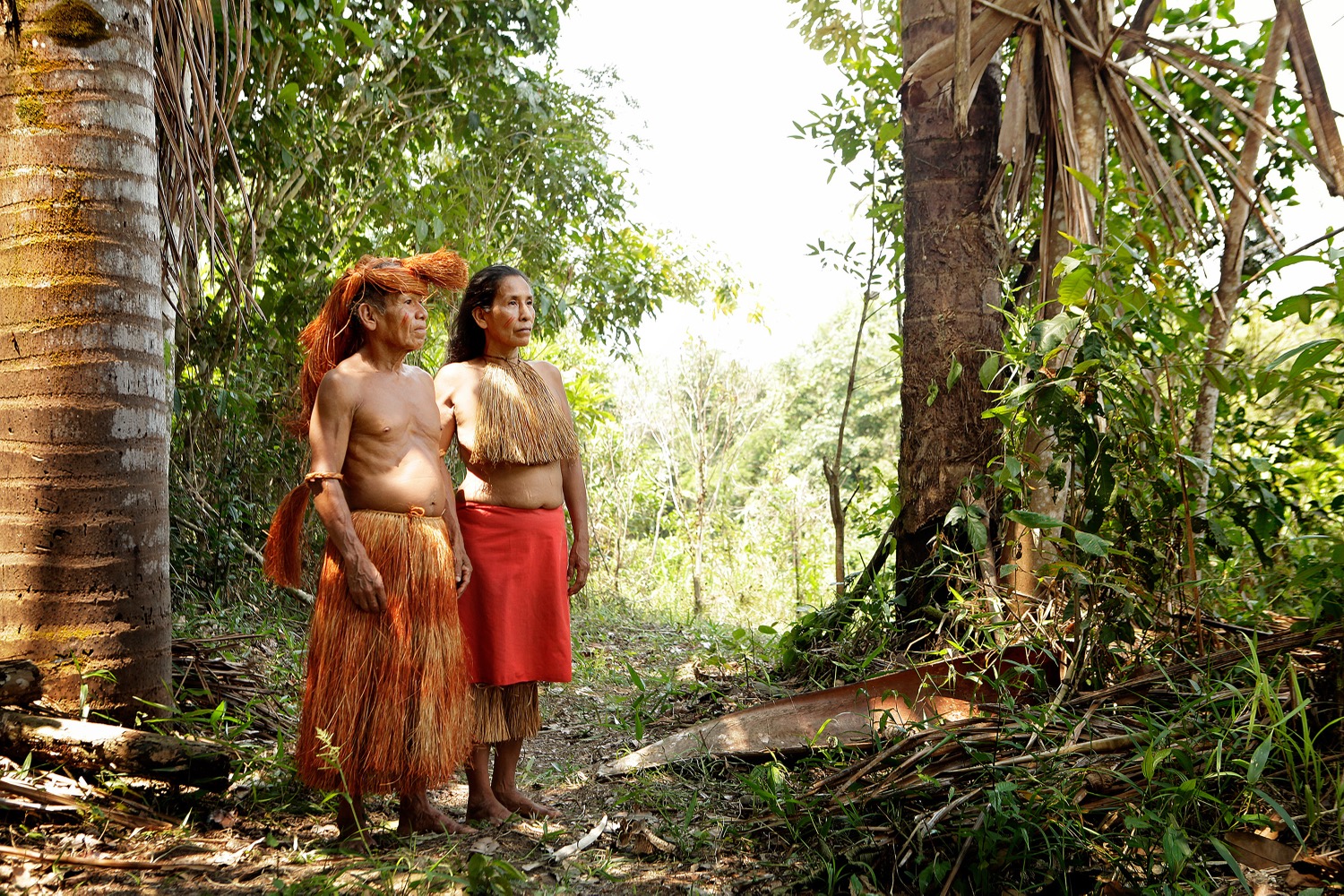
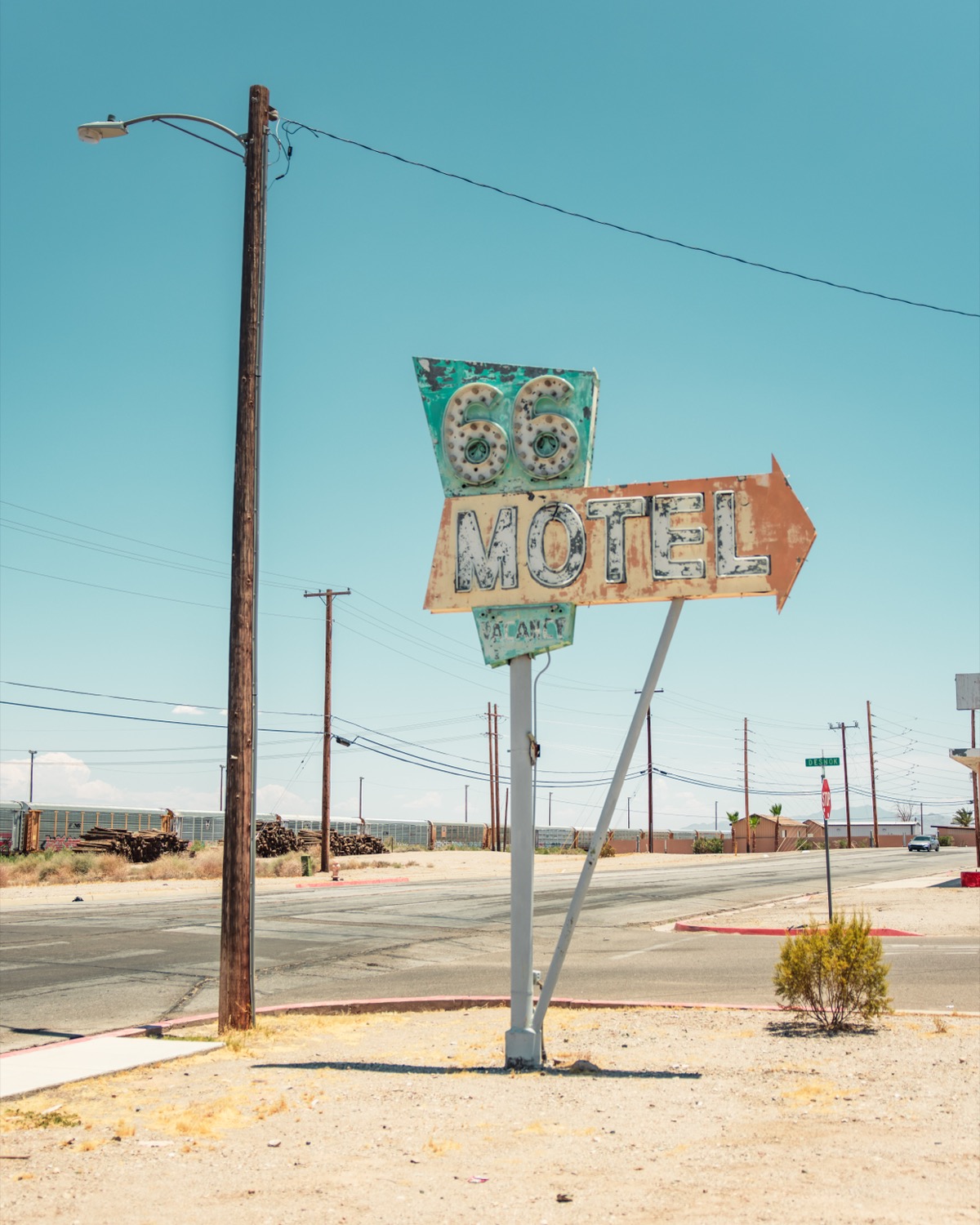
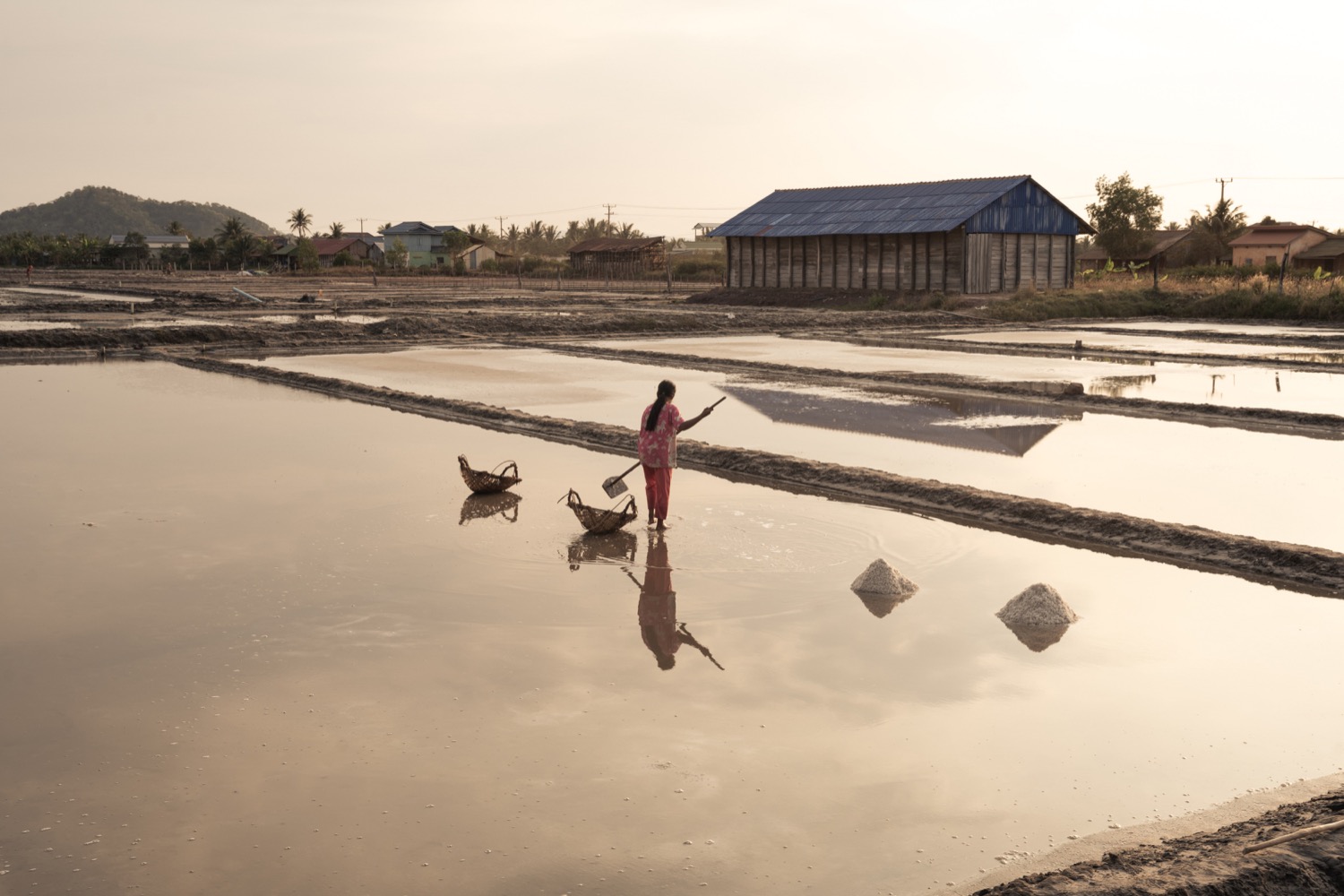
The photographic image is a fitting medium through which to reflect on what once lived. The past is inherently suspended, stilled, and silenced in any photograph, leaving the viewer to contemplate what once was. In the words of Harry Carroll, “photography takes the life out of living subjects and renders them into ‘corpses’.” These photographs serve as permanent relics, embodying ritualistic observances related to personal loss.
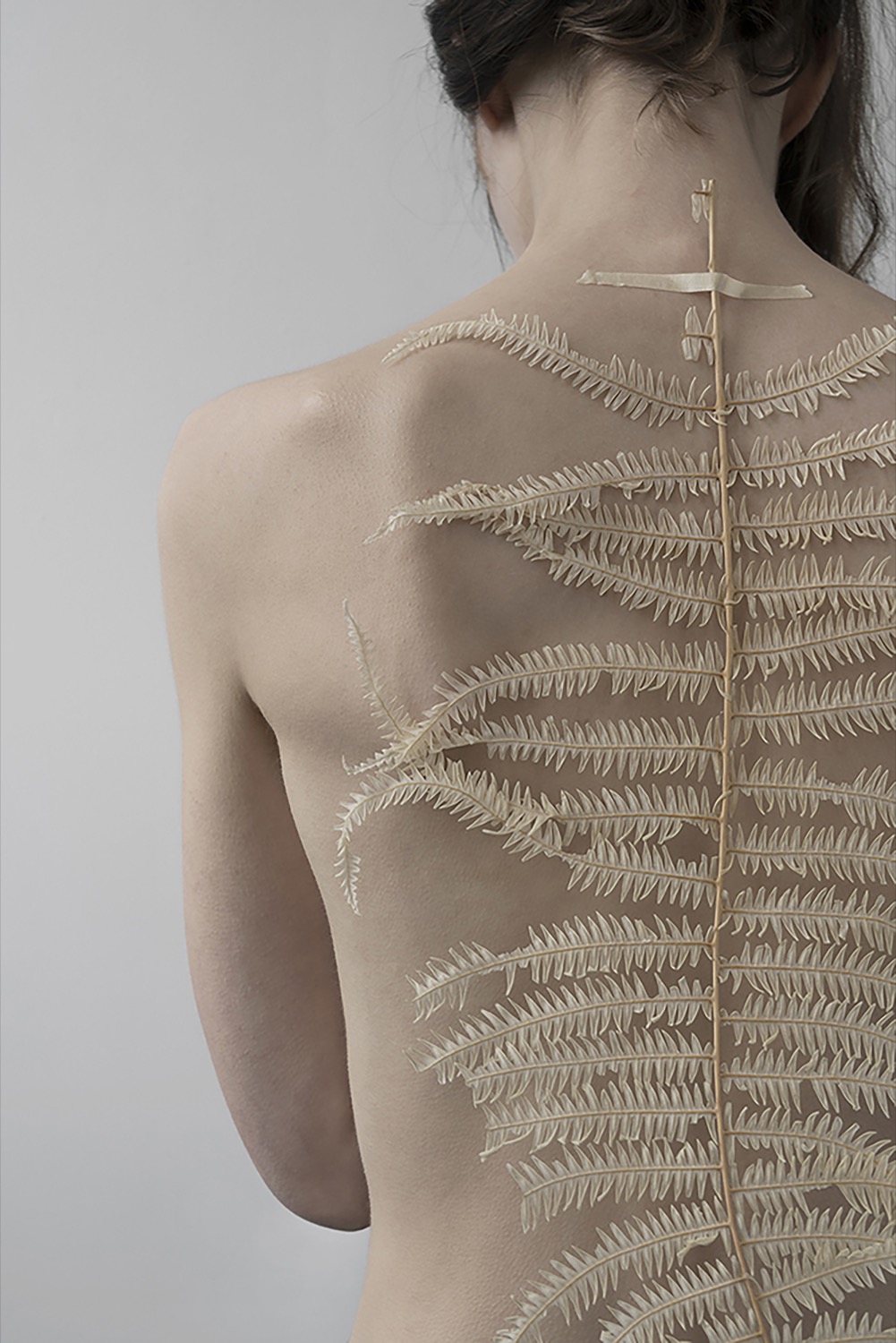

Inhabiting a visually austere environment, an isolated and anonymous figure engages in reserved and symbolic acts of bereavement. These performances draw inspiration from various traditional cultural and religious mourning practices, as well as personal reflections on loss, memory, and the passage of time.
Contemporary society—particularly within Western cultures—struggles with how to negotiate and process grief.
Contemporary society—particularly within Western cultures—struggles with how to negotiate and process grief. Presenting this subject in a public setting asks the audience to reflect upon, and respond to personal and communal loss to find solace.


.svg)


.svg)
.svg)

The photographic image is a fitting medium through which to reflect on what once lived. The past is inherently suspended, stilled, and silenced in any photograph, leaving the viewer to contemplate what once was. In the words of Harry Carroll, “photography takes the life out of living subjects and renders them into ‘corpses’.” These photographs serve as permanent relics, embodying ritualistic observances related to personal loss.
Inhabiting a visually austere environment, an isolated and anonymous figure engages in reserved and symbolic acts of bereavement. These performances draw inspiration from various traditional cultural and religious mourning practices, as well as personal reflections on loss, memory, and the passage of time.
Contemporary society—particularly within Western cultures—struggles with how to negotiate and process grief.
Contemporary society—particularly within Western cultures—struggles with how to negotiate and process grief. Presenting this subject in a public setting asks the audience to reflect upon, and respond to personal and communal loss to find solace.
The photographic image is a fitting medium through which to reflect on what once lived. The past is inherently suspended, stilled, and silenced in any photograph, leaving the viewer to contemplate what once was. In the words of Harry Carroll, “photography takes the life out of living subjects and renders them into ‘corpses’.” These photographs serve as permanent relics, embodying ritualistic observances related to personal loss.
Inhabiting a visually austere environment, an isolated and anonymous figure engages in reserved and symbolic acts of bereavement. These performances draw inspiration from various traditional cultural and religious mourning practices, as well as personal reflections on loss, memory, and the passage of time.
Contemporary society—particularly within Western cultures—struggles with how to negotiate and process grief.
Contemporary society—particularly within Western cultures—struggles with how to negotiate and process grief. Presenting this subject in a public setting asks the audience to reflect upon, and respond to personal and communal loss to find solace.