© Madina Baymirzaeva | Tactile Memory

Far from digital noise and urban detachment, the series restores intimacy between body and landscape, reminding us that memory is held as much in touch as in thought. Baymirzaeva’s work is both poetic and radical, urging a reconnection with the primal language of the senses. In doing so, Tactile Memory proposes a profound message: that through embodied experience, we remain deeply human and inextricably bound to the earth.
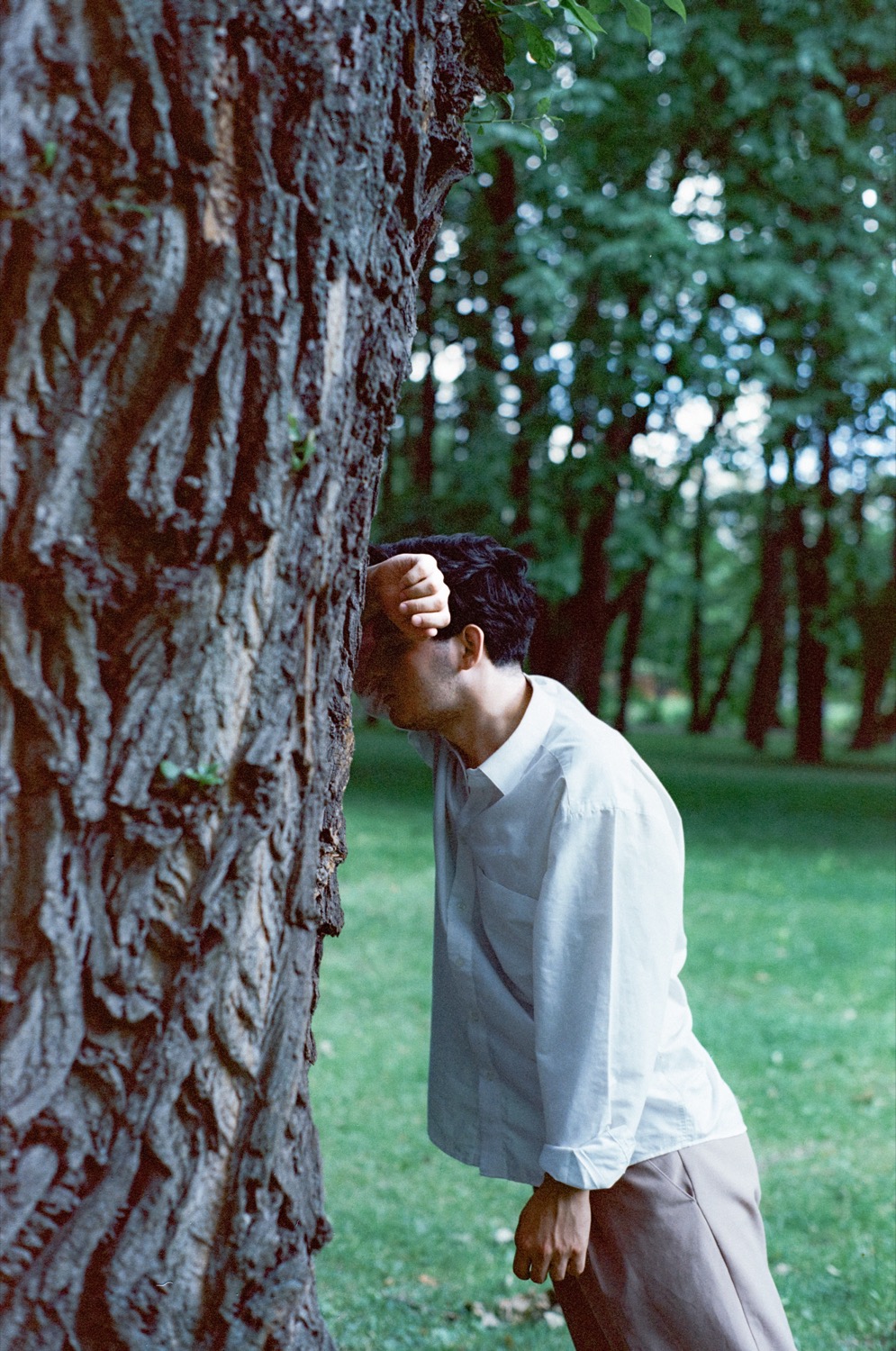
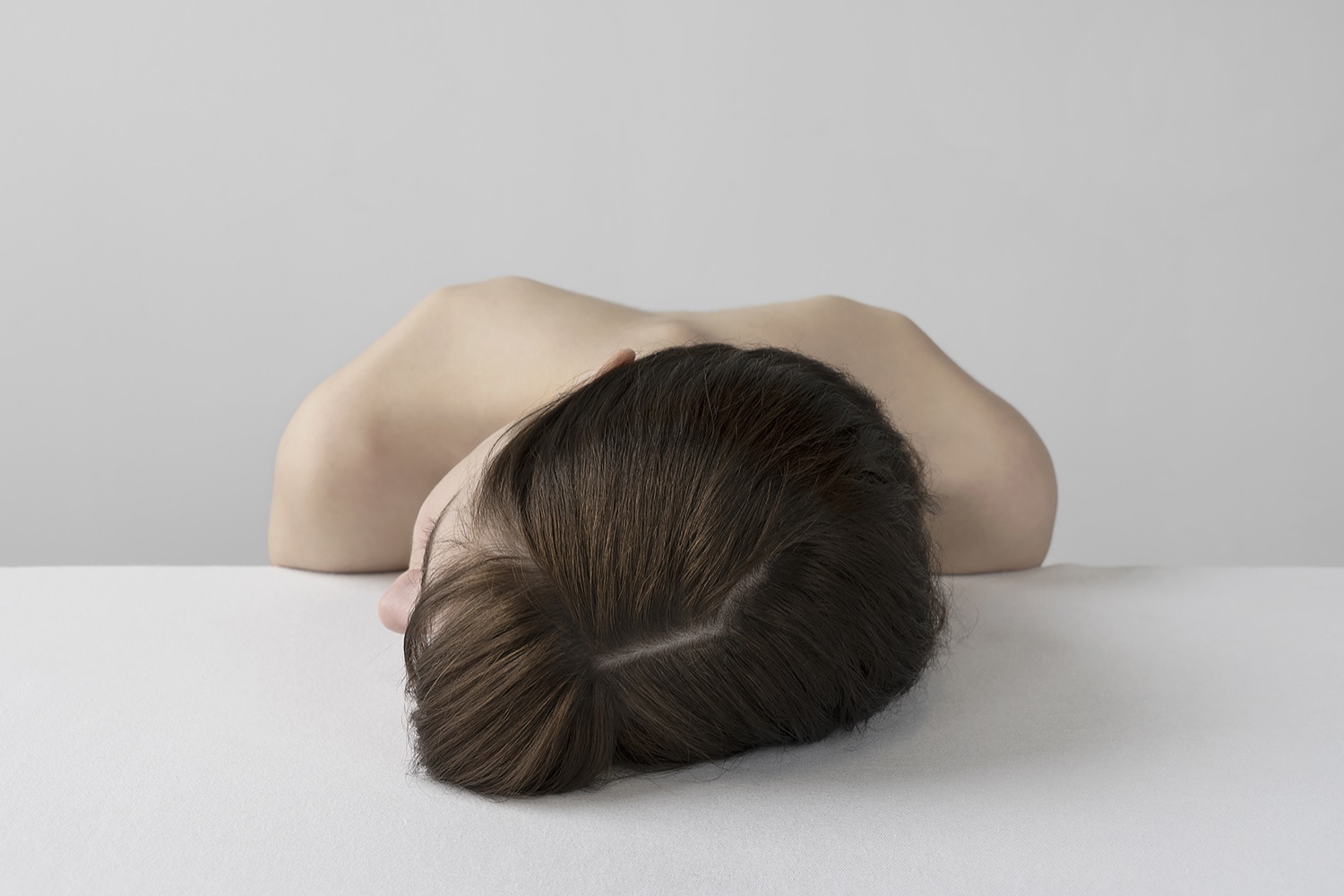
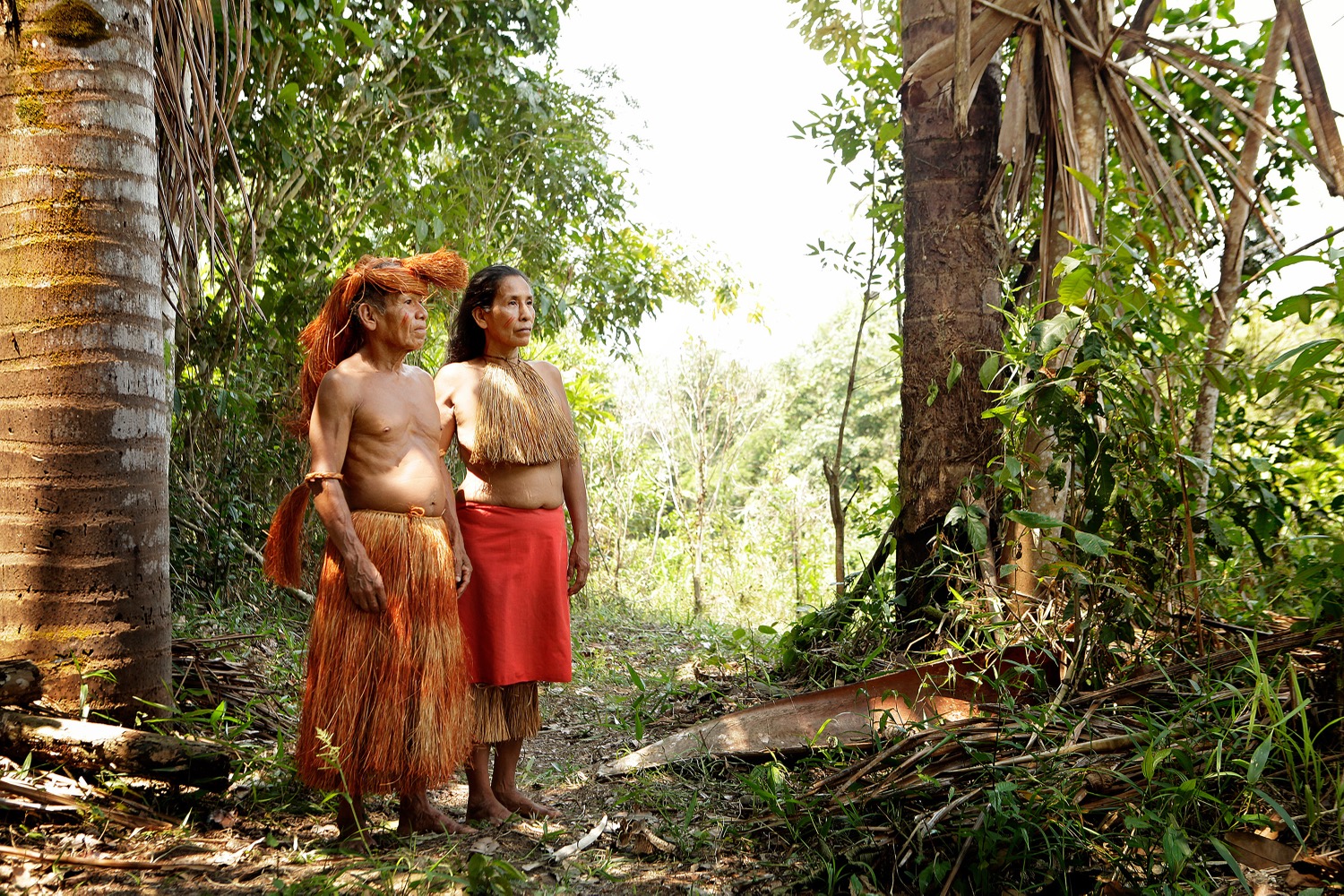
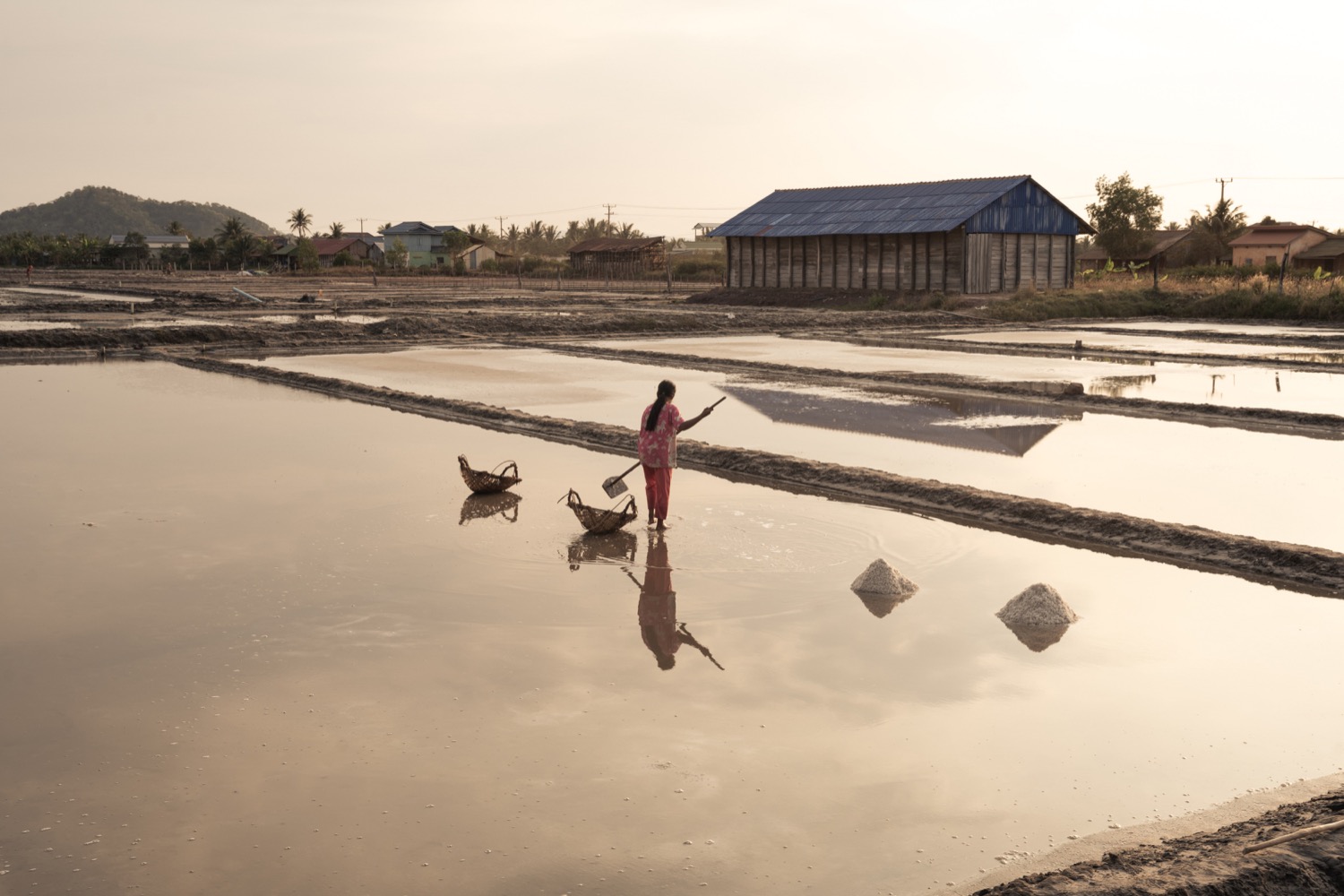
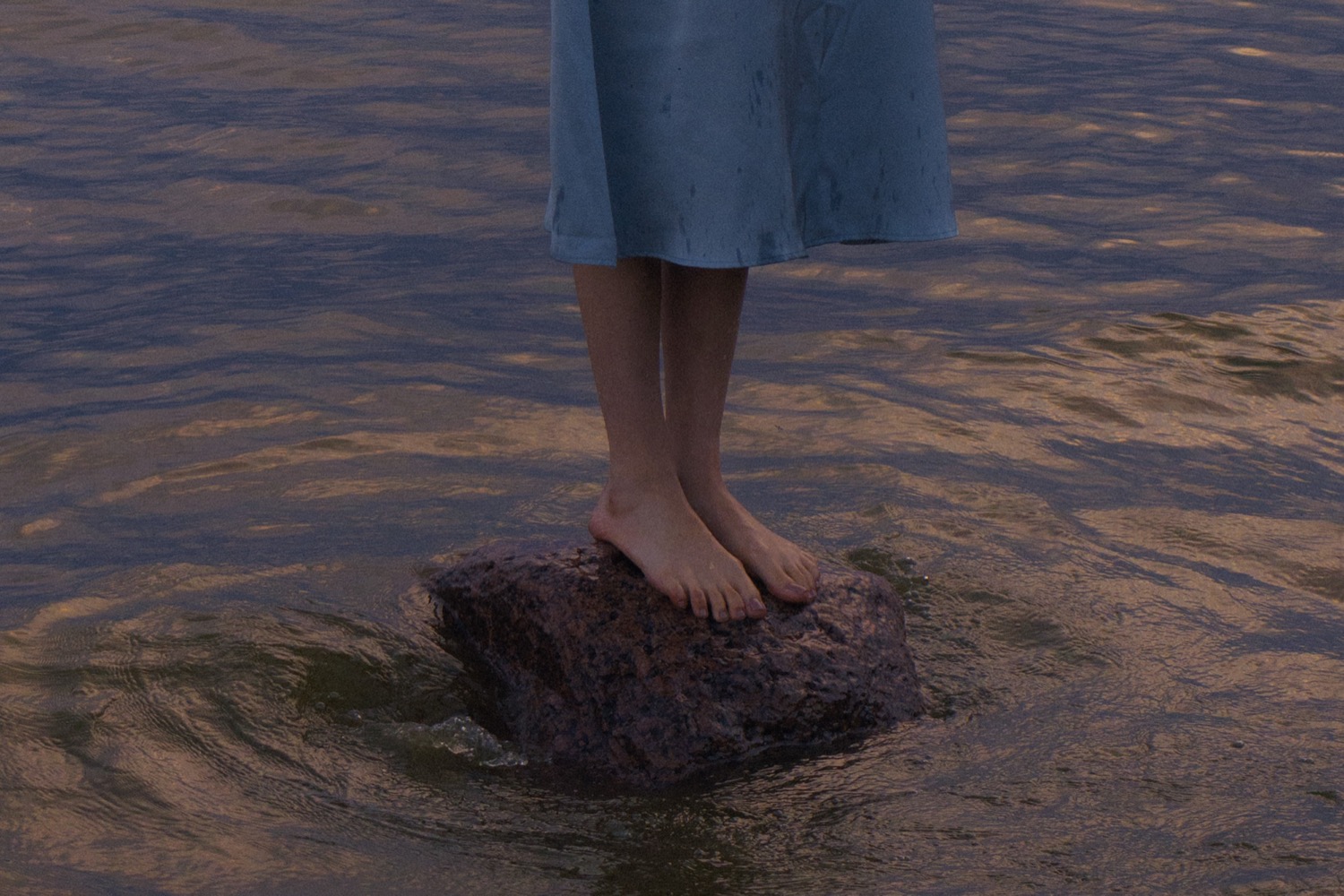
Madina Baymirzaeva: Tactile Memory is a photographic exploration of what it means to truly inhabit the present—through the body, through the senses, and through our deep-rooted connection to the natural world. In these images, the human figure returns to landscapes far removed from digital noise and urban fragmentation, reawakening to the primal sensations of touch, temperature, and texture: moss beneath bare feet, the warmth of sunlight on skin, wind moving across the body, the cool shock of water.

These photographs are more than visual records—they are sensory archives. Each frame captures a moment of embodied stillness and presence, reminding us of the universal language of touch and the intimate knowledge held by the skin, even as memory fades.
Each frame captures a moment of embodied stillness and presence, reminding us of the universal language of touch and the intimate knowledge held by the skin, even as memory fades.
In a time when many feel increasingly disembodied—lost in screens, in speed, in disconnection—this work proposes a quiet but radical act: to reclaim the body as our first site of belonging, of memory, and of humanity. It calls for a return to ourselves, not through thought alone, but through sensation, vulnerability, and presence in the living world.

If we were to send a message into space to represent who we are—not as consumers or data, but as humans—let it be this: that we feel, that we remember, and that through the body, we remain connected to one another and to the earth.
.svg)


.svg)
.svg)

Far from digital noise and urban detachment, the series restores intimacy between body and landscape, reminding us that memory is held as much in touch as in thought. Baymirzaeva’s work is both poetic and radical, urging a reconnection with the primal language of the senses. In doing so, Tactile Memory proposes a profound message: that through embodied experience, we remain deeply human and inextricably bound to the earth.
Madina Baymirzaeva: Tactile Memory is a photographic exploration of what it means to truly inhabit the present—through the body, through the senses, and through our deep-rooted connection to the natural world. In these images, the human figure returns to landscapes far removed from digital noise and urban fragmentation, reawakening to the primal sensations of touch, temperature, and texture: moss beneath bare feet, the warmth of sunlight on skin, wind moving across the body, the cool shock of water.
These photographs are more than visual records—they are sensory archives. Each frame captures a moment of embodied stillness and presence, reminding us of the universal language of touch and the intimate knowledge held by the skin, even as memory fades.
Each frame captures a moment of embodied stillness and presence, reminding us of the universal language of touch and the intimate knowledge held by the skin, even as memory fades.
In a time when many feel increasingly disembodied—lost in screens, in speed, in disconnection—this work proposes a quiet but radical act: to reclaim the body as our first site of belonging, of memory, and of humanity. It calls for a return to ourselves, not through thought alone, but through sensation, vulnerability, and presence in the living world.
If we were to send a message into space to represent who we are—not as consumers or data, but as humans—let it be this: that we feel, that we remember, and that through the body, we remain connected to one another and to the earth.
Far from digital noise and urban detachment, the series restores intimacy between body and landscape, reminding us that memory is held as much in touch as in thought. Baymirzaeva’s work is both poetic and radical, urging a reconnection with the primal language of the senses. In doing so, Tactile Memory proposes a profound message: that through embodied experience, we remain deeply human and inextricably bound to the earth.
Madina Baymirzaeva: Tactile Memory is a photographic exploration of what it means to truly inhabit the present—through the body, through the senses, and through our deep-rooted connection to the natural world. In these images, the human figure returns to landscapes far removed from digital noise and urban fragmentation, reawakening to the primal sensations of touch, temperature, and texture: moss beneath bare feet, the warmth of sunlight on skin, wind moving across the body, the cool shock of water.
These photographs are more than visual records—they are sensory archives. Each frame captures a moment of embodied stillness and presence, reminding us of the universal language of touch and the intimate knowledge held by the skin, even as memory fades.
Each frame captures a moment of embodied stillness and presence, reminding us of the universal language of touch and the intimate knowledge held by the skin, even as memory fades.
In a time when many feel increasingly disembodied—lost in screens, in speed, in disconnection—this work proposes a quiet but radical act: to reclaim the body as our first site of belonging, of memory, and of humanity. It calls for a return to ourselves, not through thought alone, but through sensation, vulnerability, and presence in the living world.
If we were to send a message into space to represent who we are—not as consumers or data, but as humans—let it be this: that we feel, that we remember, and that through the body, we remain connected to one another and to the earth.