© Giles Price | Restricted Residence
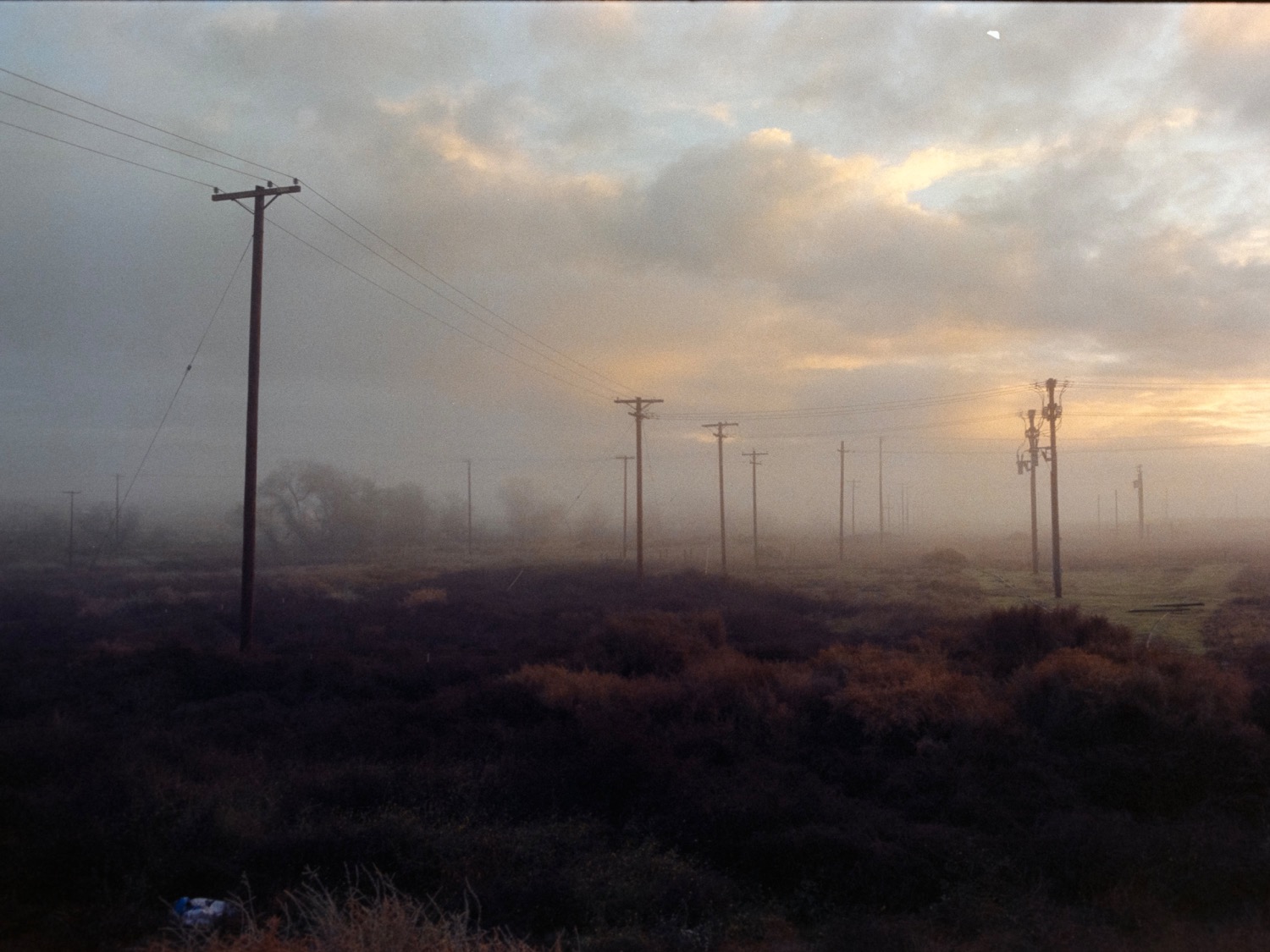
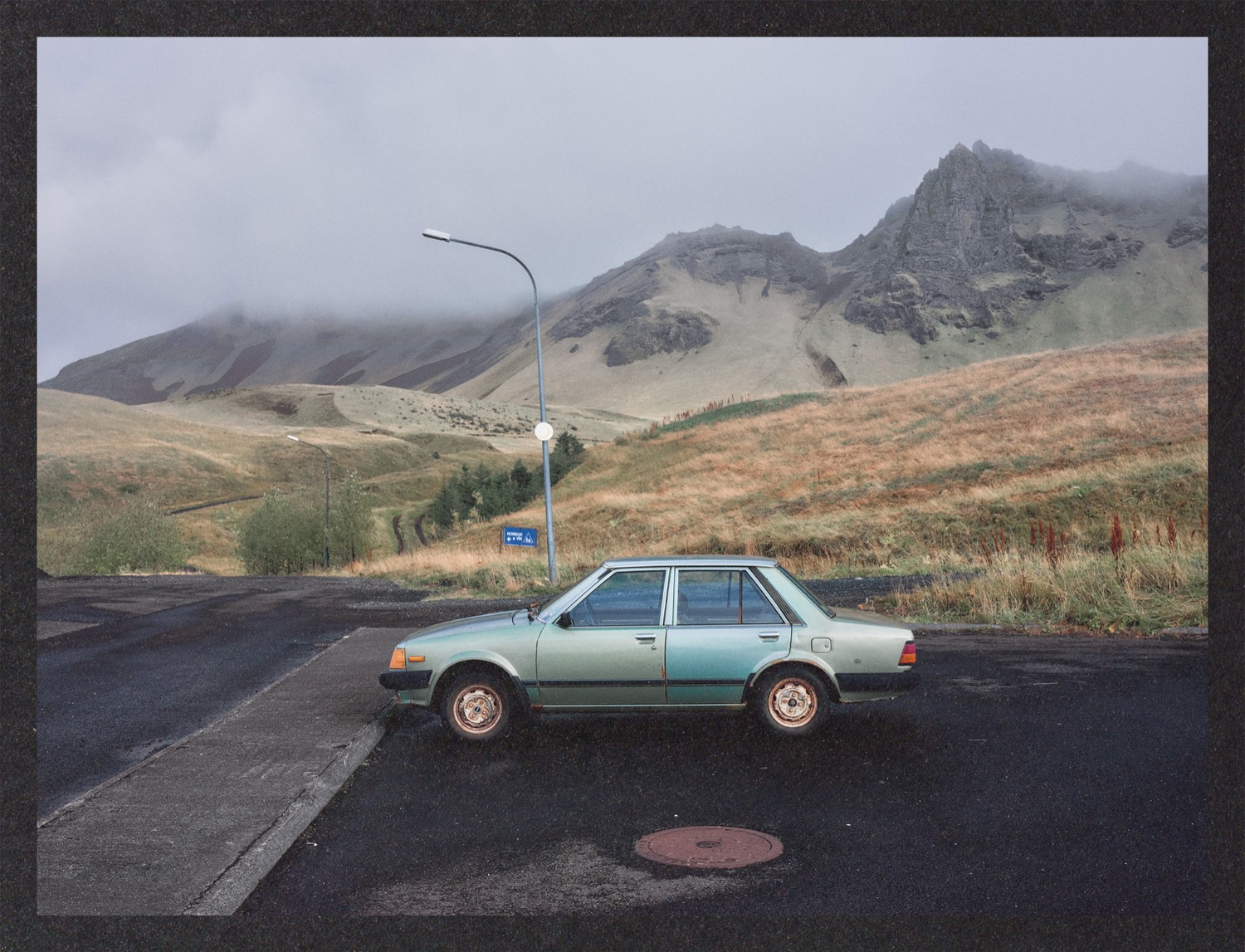
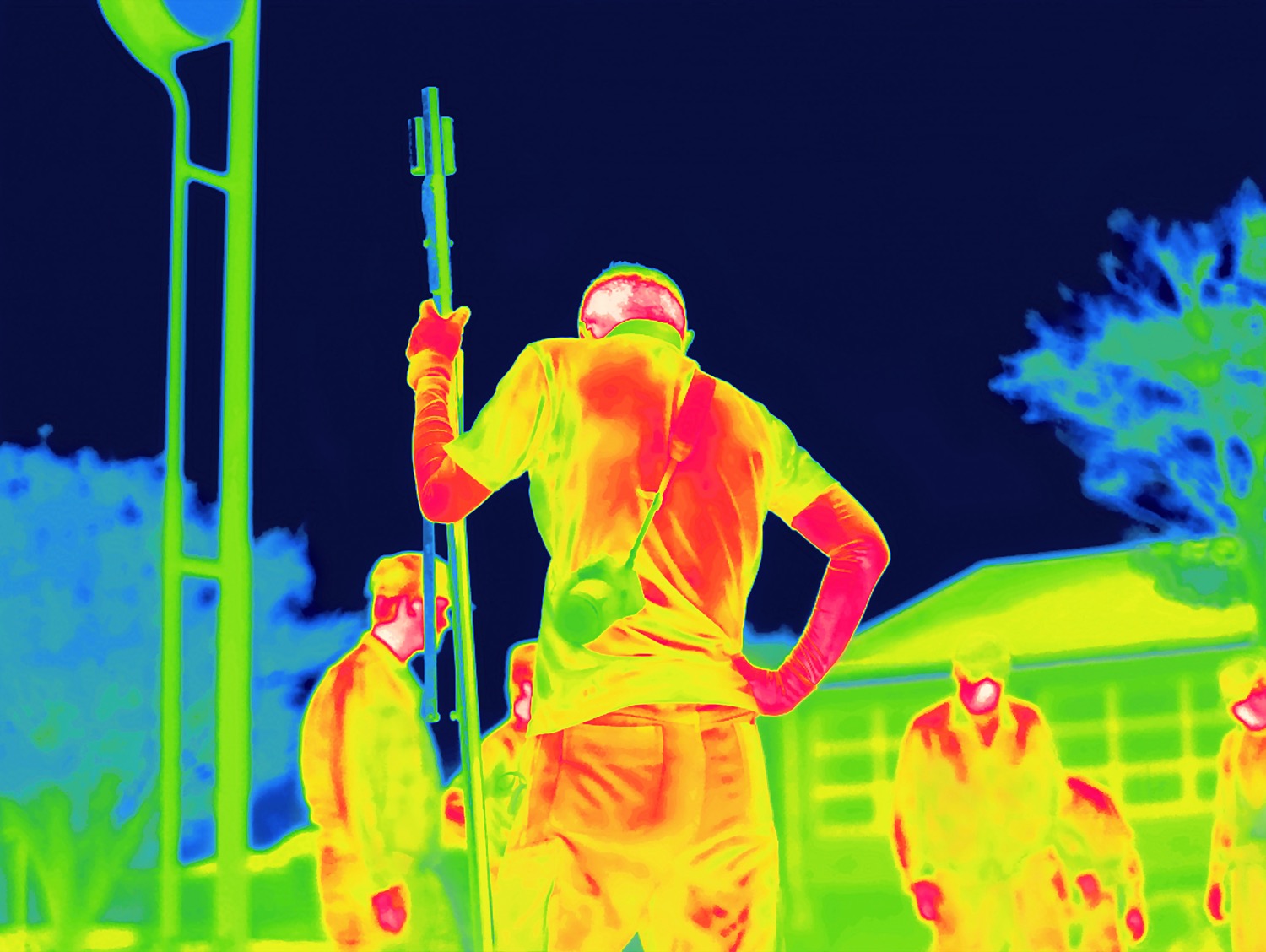
Photographed between 2017 and 2018 in the affected communities of Namie and Iitate, the series uses thermal imaging to evoke the invisible threat of radiation and the enduring uncertainty surrounding its effects. Price explores how displacement, fear and the loss of community continue to shape lives years after the disaster. His work raises questions about the human cost of nuclear energy and the long-term consequences of environmental catastrophe.
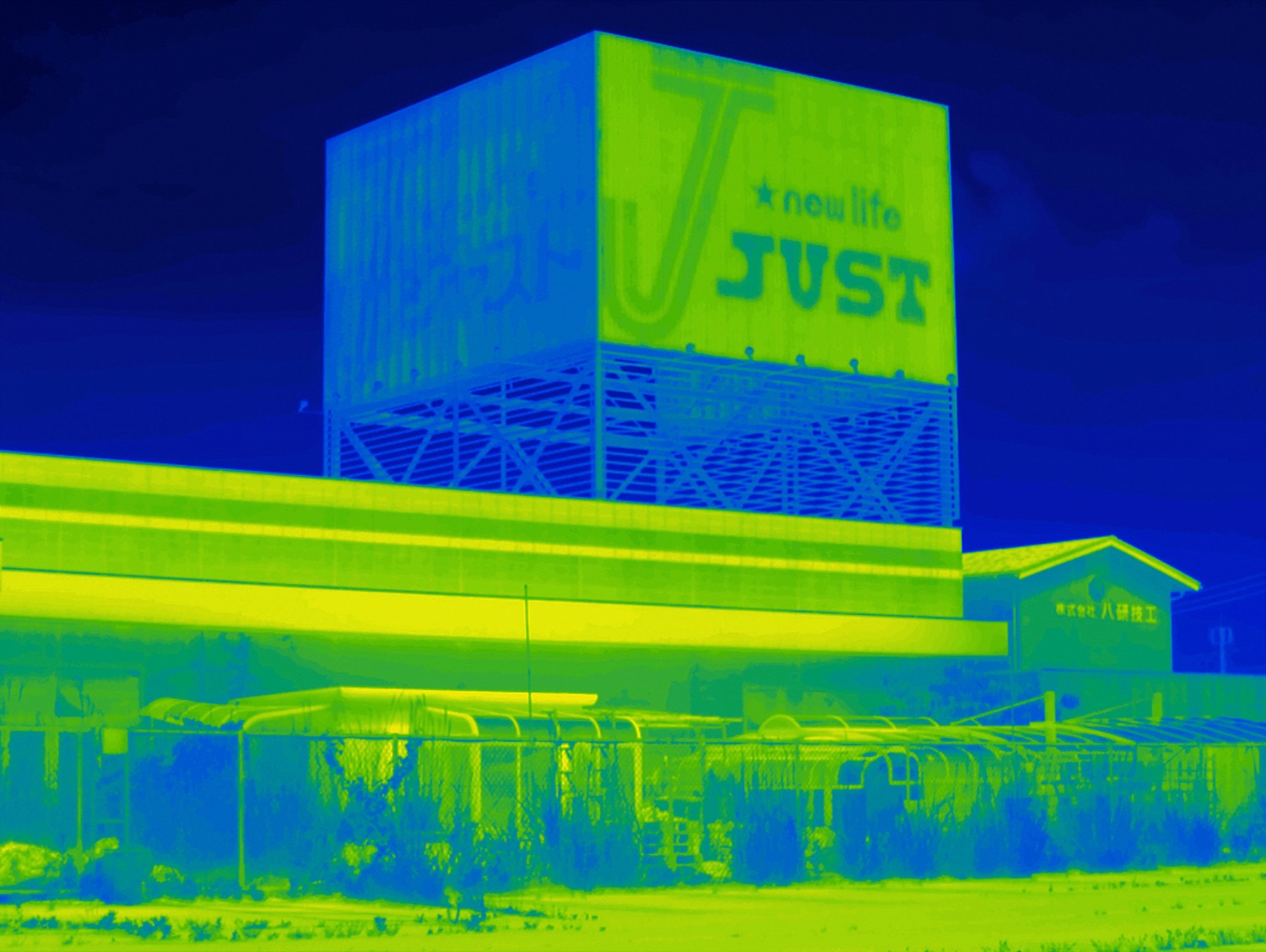
Giles Price: Restricted Residence (2017–2018) examines the human consequences of the Fukushima Daiichi nuclear disaster, triggered by the 2011 Great East Japan earthquake and tsunami. The project focuses on Namie and Iitate, two communities severely affected by radioactive contamination following three reactor meltdowns and subsequent hydrogen explosions.
Restricted Residence (2017–2018) examines the human consequences of the Fukushima Daiichi nuclear disaster, triggered by the 2011 Great East Japan earthquake and tsunami.
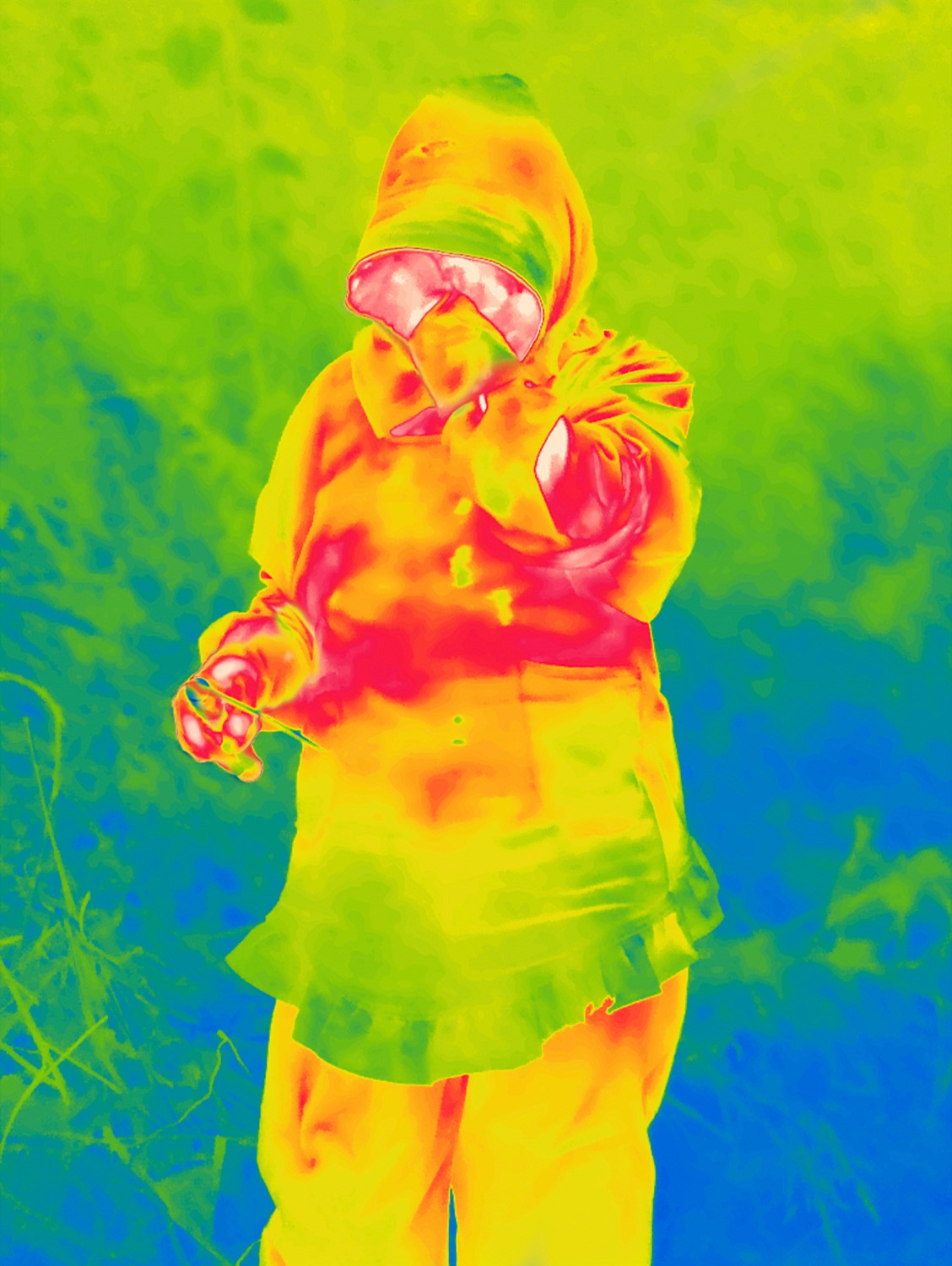
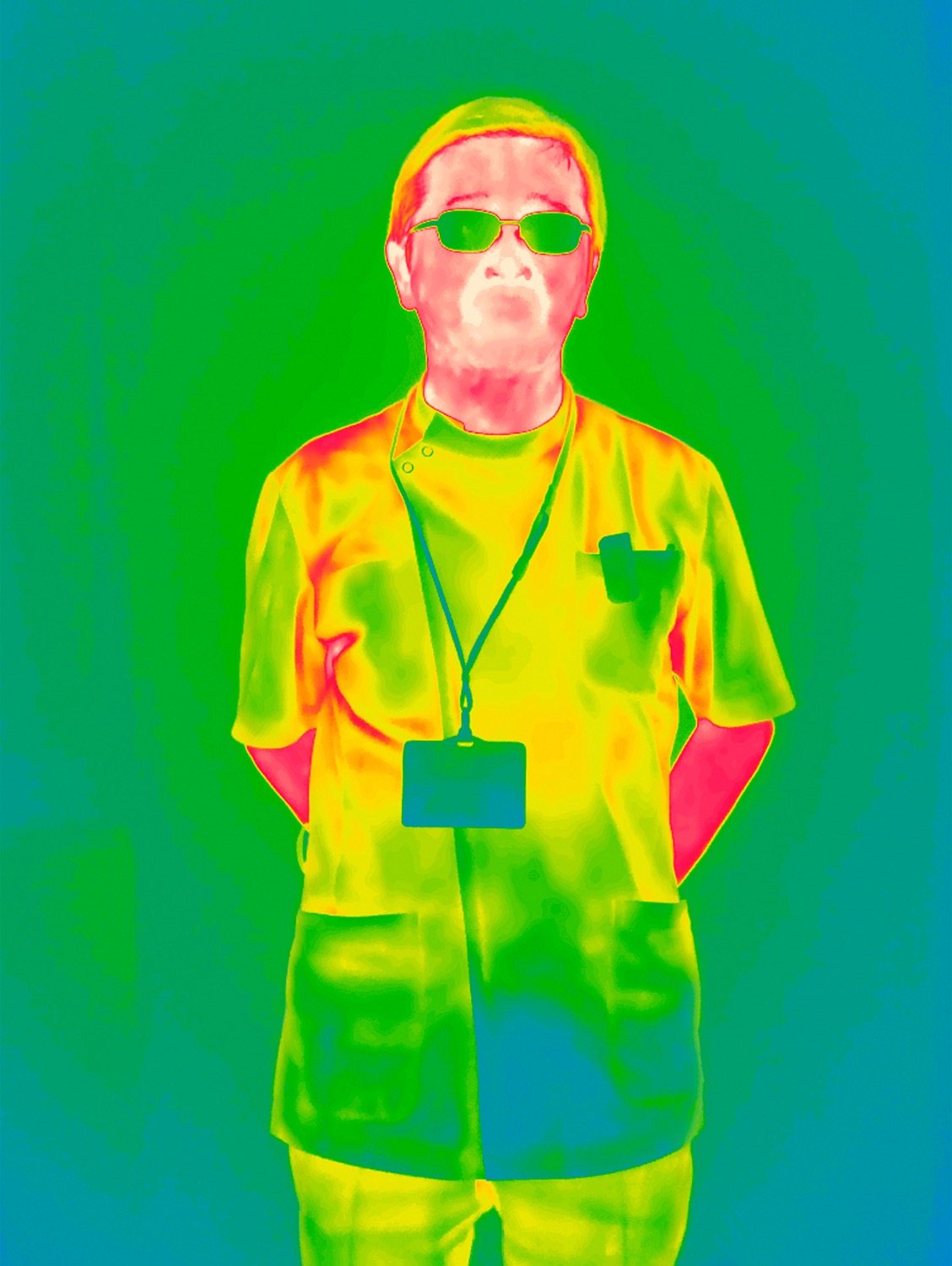
The work explores the fear of radiation: an invisible, odourless and intangible threat that cannot be detected by the human senses. The trauma of the explosions and the evacuation has become deeply embedded in collective memory, while uncertainty about radiation exposure has contributed to chronic anxiety, sometimes described as “radiophobia”.
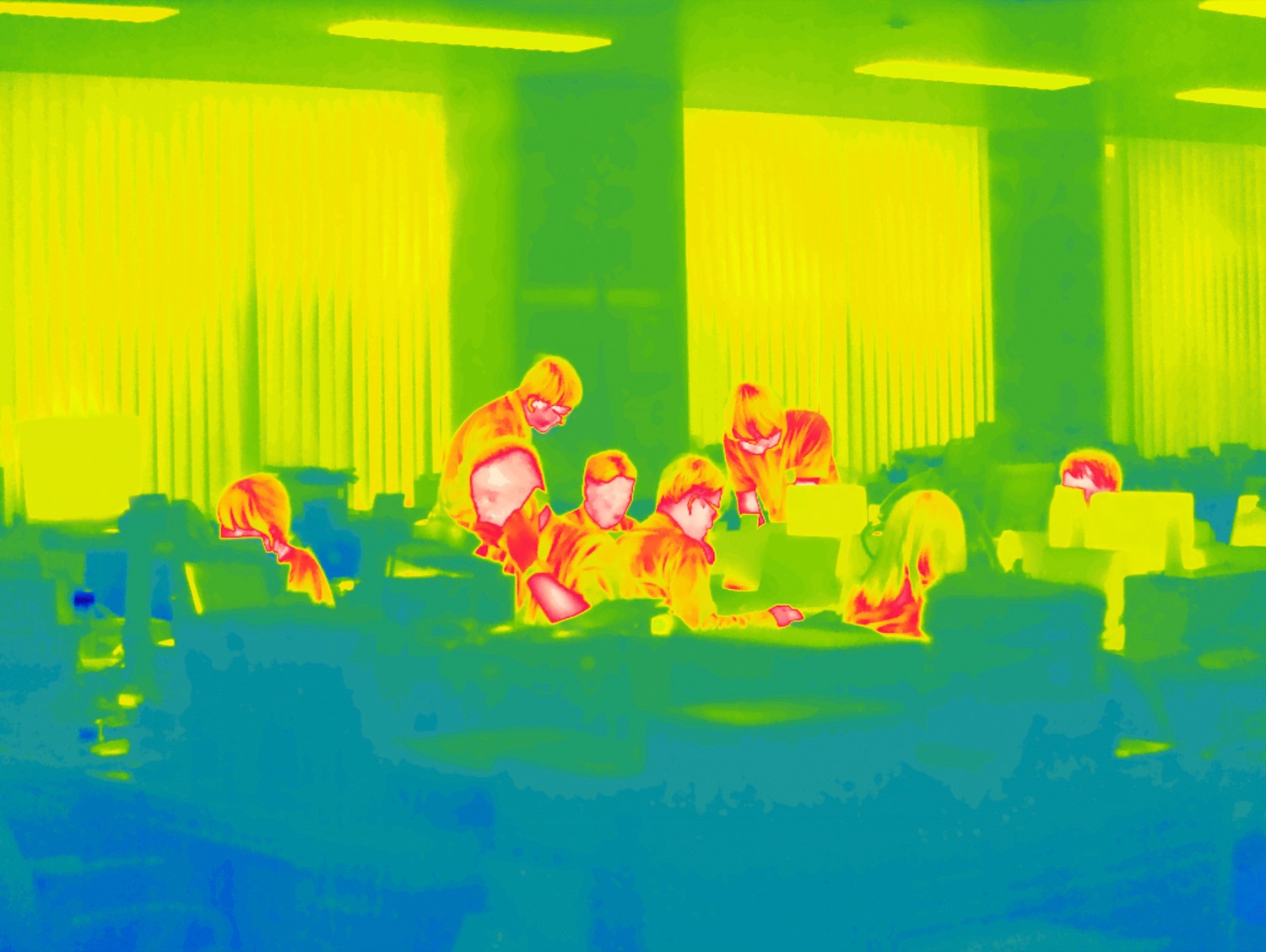
Beyond physical health concerns, displacement has disrupted livelihoods, families and social networks. Anxiety about compensation, employment and the future of contaminated communities has contributed to wider social and health problems, including addiction and suicide. More than 2,250 deaths have been attributed to the disaster and its aftermath.
Despite uncertainty surrounding the long-term effects of radiation, the Japanese government began reducing exclusion zones in 2017 and offered financial incentives to encourage residents to return. However, only a small proportion have returned, leaving once-thriving communities largely deserted.
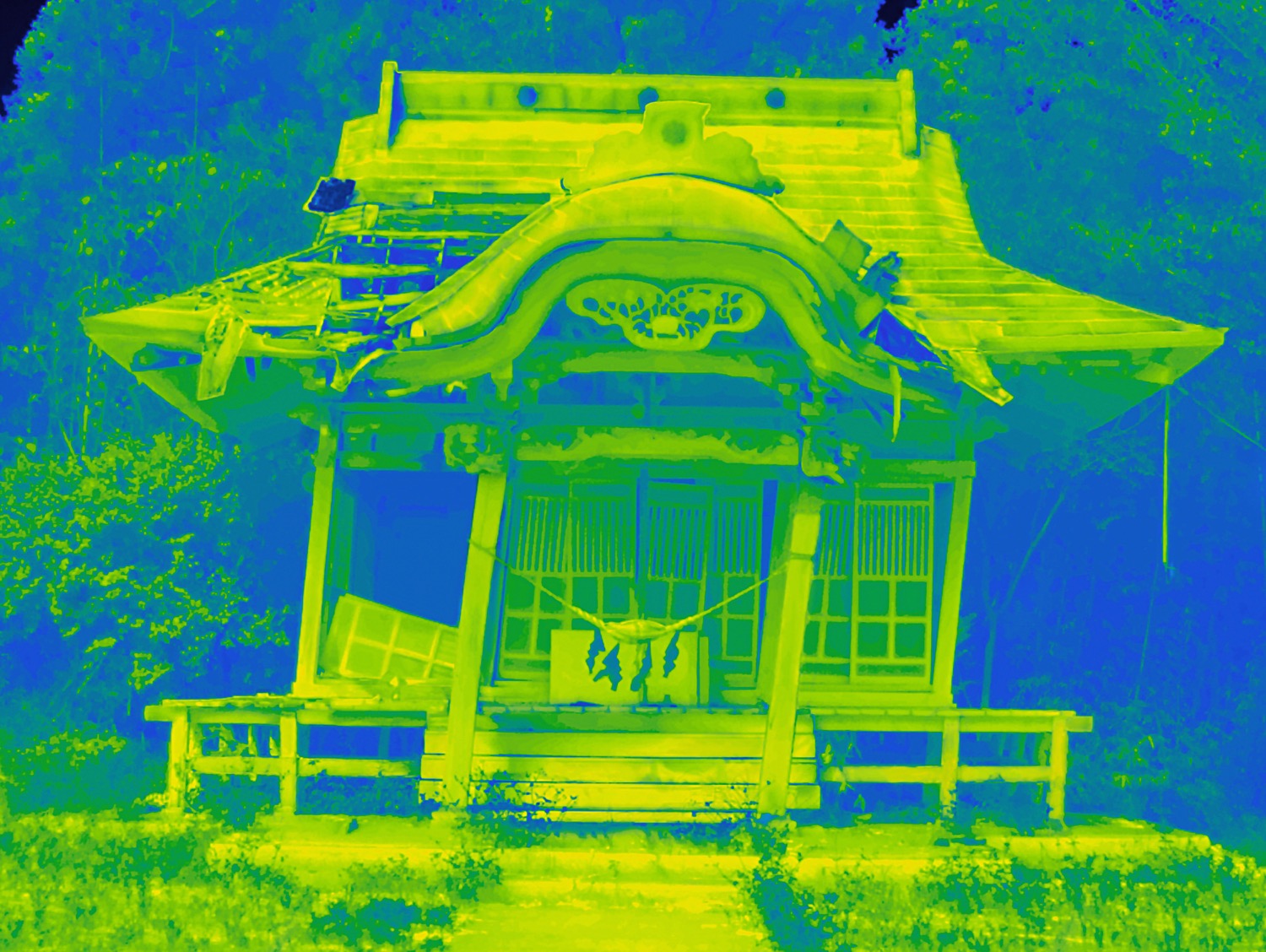
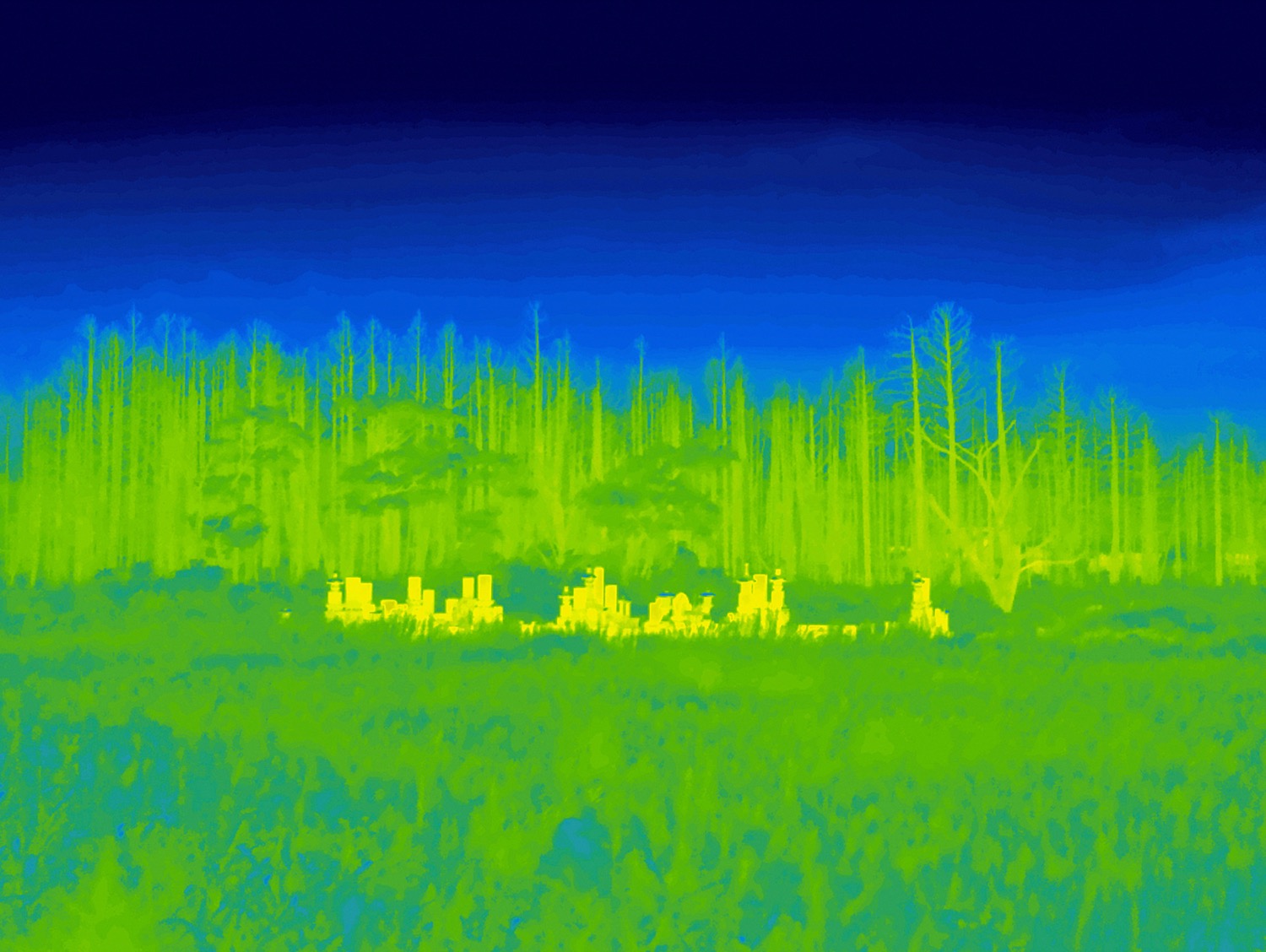
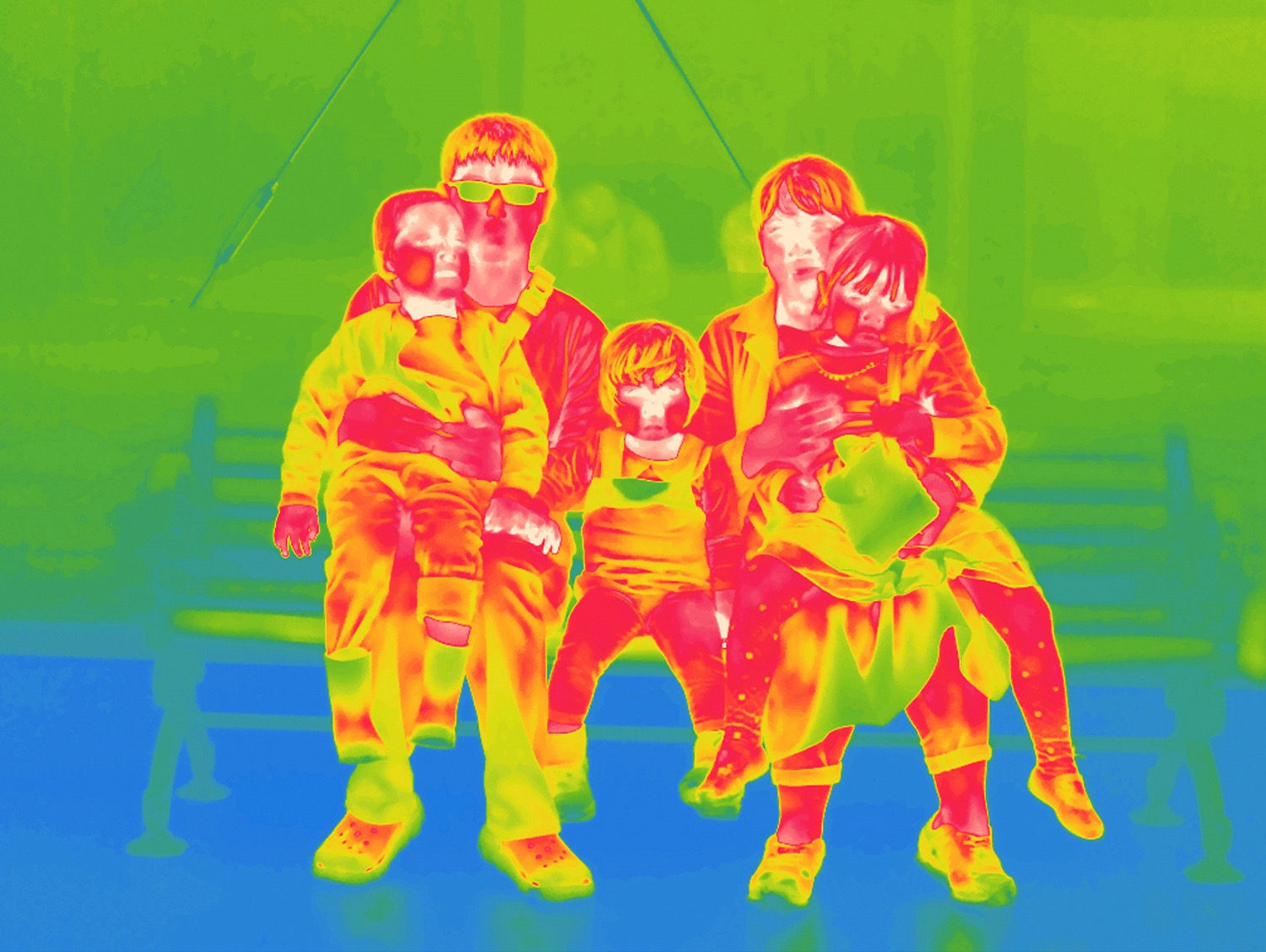
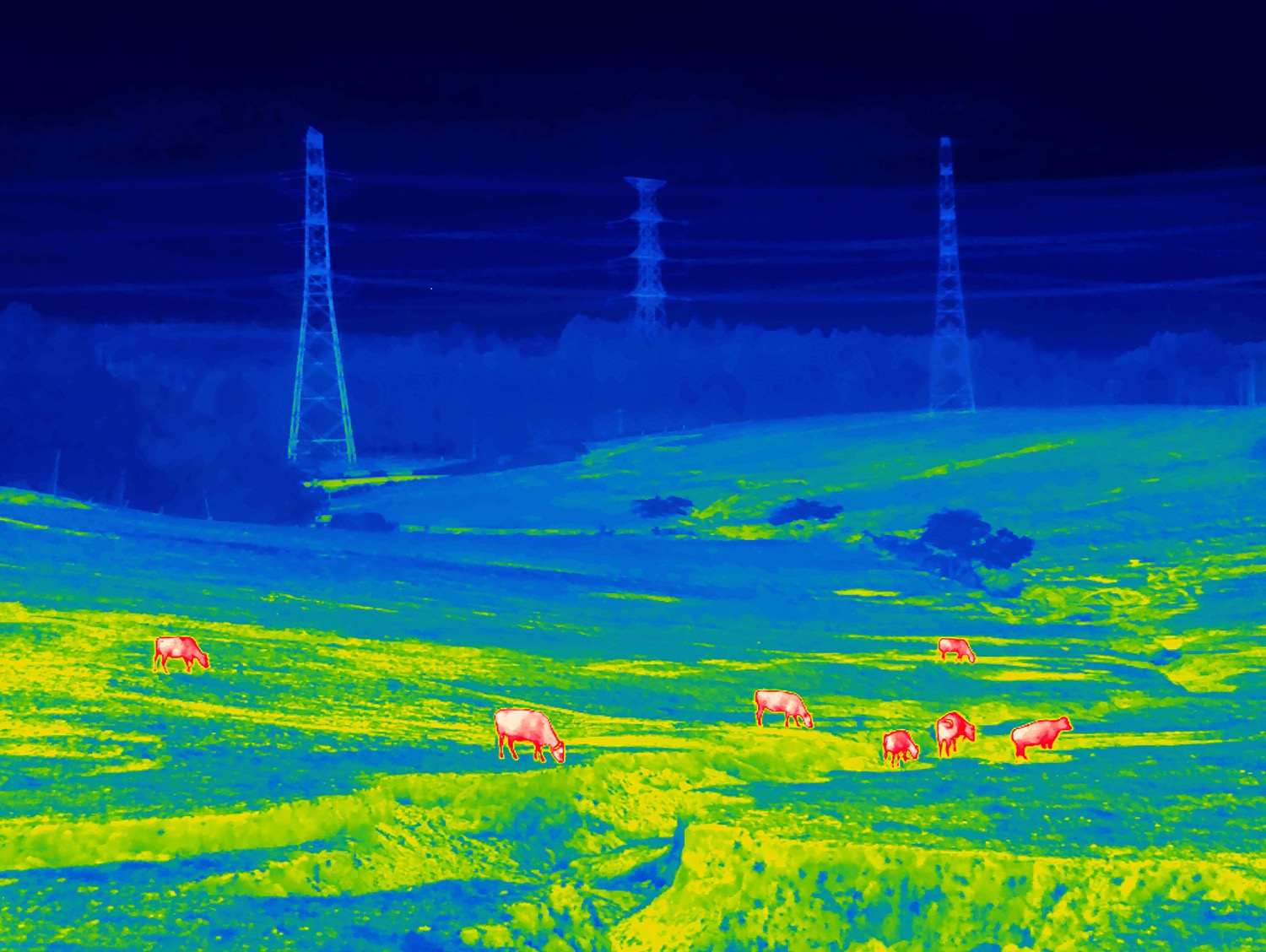
Restricted Residence uses thermal imaging technology, traditionally employed in industrial surveying and medicine, as a metaphor for the invisible stresses of living within a potentially toxic environment. The project questions the human cost of technological disasters and highlights the need for safer, more sustainable energy systems for future generations.


Photographed between 2017 and 2018 in the affected communities of Namie and Iitate, the series uses thermal imaging to evoke the invisible threat of radiation and the enduring uncertainty surrounding its effects. Price explores how displacement, fear and the loss of community continue to shape lives years after the disaster. His work raises questions about the human cost of nuclear energy and the long-term consequences of environmental catastrophe.
Giles Price: Restricted Residence (2017–2018) examines the human consequences of the Fukushima Daiichi nuclear disaster, triggered by the 2011 Great East Japan earthquake and tsunami. The project focuses on Namie and Iitate, two communities severely affected by radioactive contamination following three reactor meltdowns and subsequent hydrogen explosions.
Restricted Residence (2017–2018) examines the human consequences of the Fukushima Daiichi nuclear disaster, triggered by the 2011 Great East Japan earthquake and tsunami.
The work explores the fear of radiation: an invisible, odourless and intangible threat that cannot be detected by the human senses. The trauma of the explosions and the evacuation has become deeply embedded in collective memory, while uncertainty about radiation exposure has contributed to chronic anxiety, sometimes described as “radiophobia”.
Beyond physical health concerns, displacement has disrupted livelihoods, families and social networks. Anxiety about compensation, employment and the future of contaminated communities has contributed to wider social and health problems, including addiction and suicide. More than 2,250 deaths have been attributed to the disaster and its aftermath.
Despite uncertainty surrounding the long-term effects of radiation, the Japanese government began reducing exclusion zones in 2017 and offered financial incentives to encourage residents to return. However, only a small proportion have returned, leaving once-thriving communities largely deserted.
Restricted Residence uses thermal imaging technology, traditionally employed in industrial surveying and medicine, as a metaphor for the invisible stresses of living within a potentially toxic environment. The project questions the human cost of technological disasters and highlights the need for safer, more sustainable energy systems for future generations.