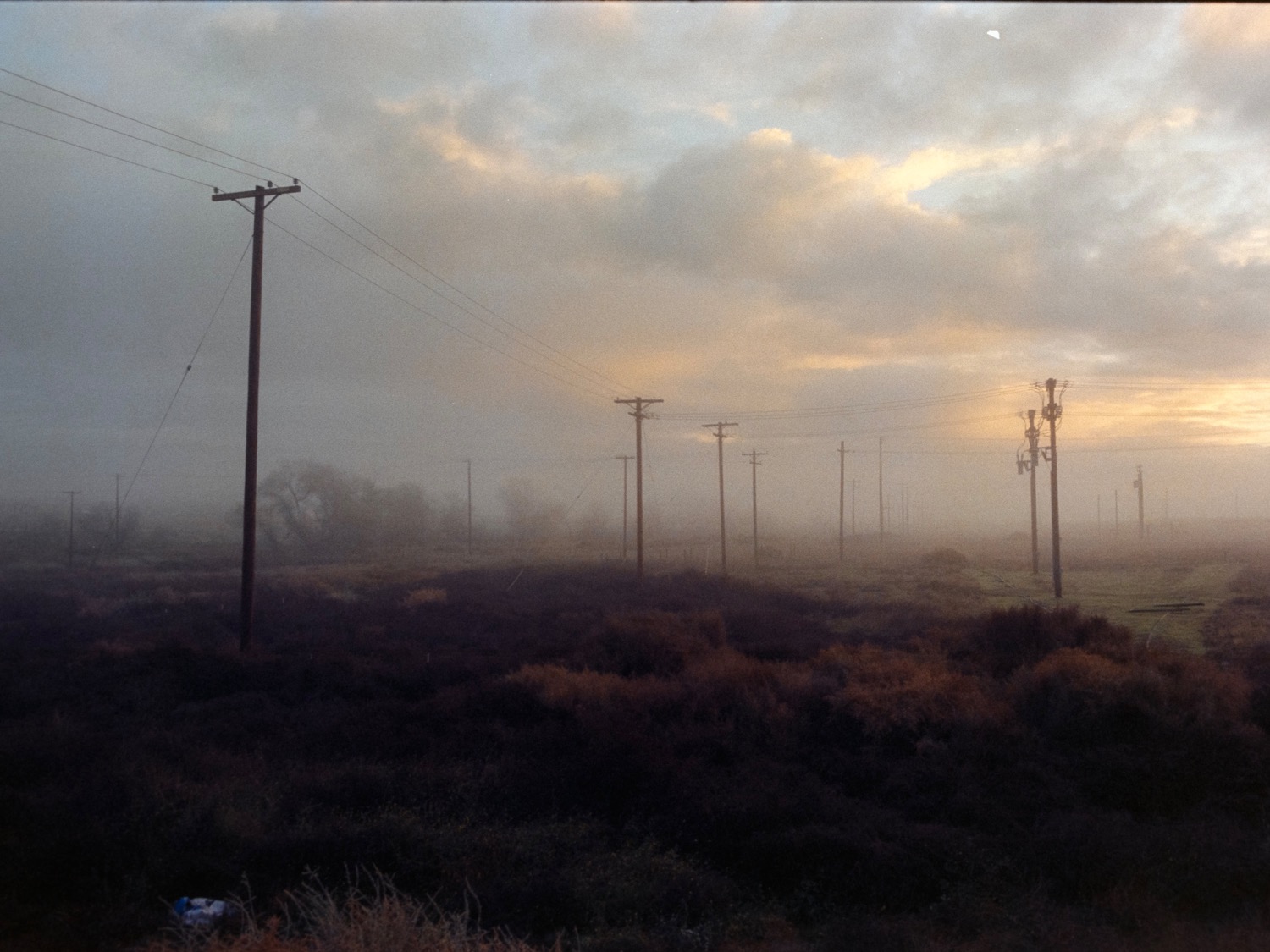
© Wangkai Wei | American Vacation
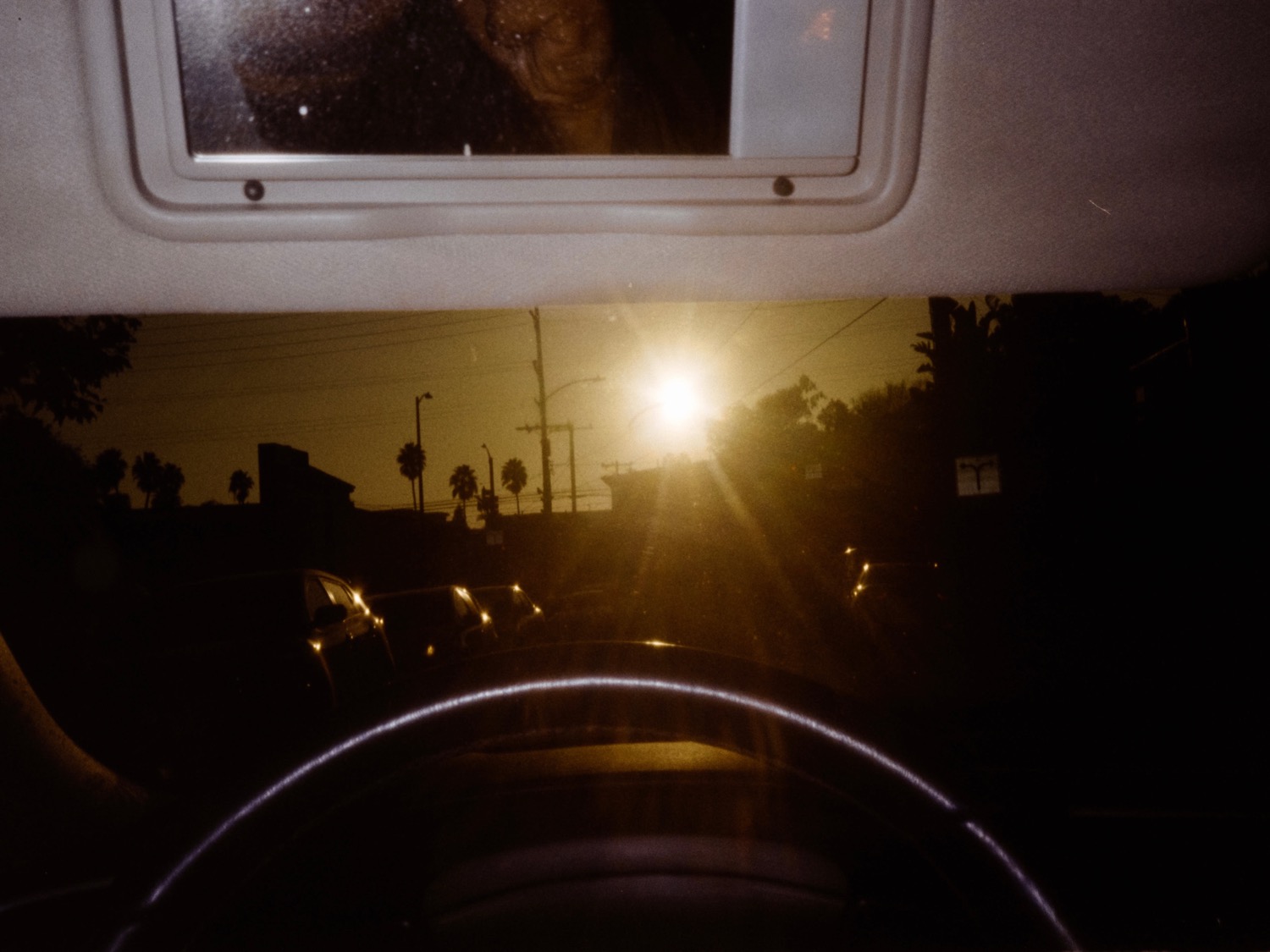
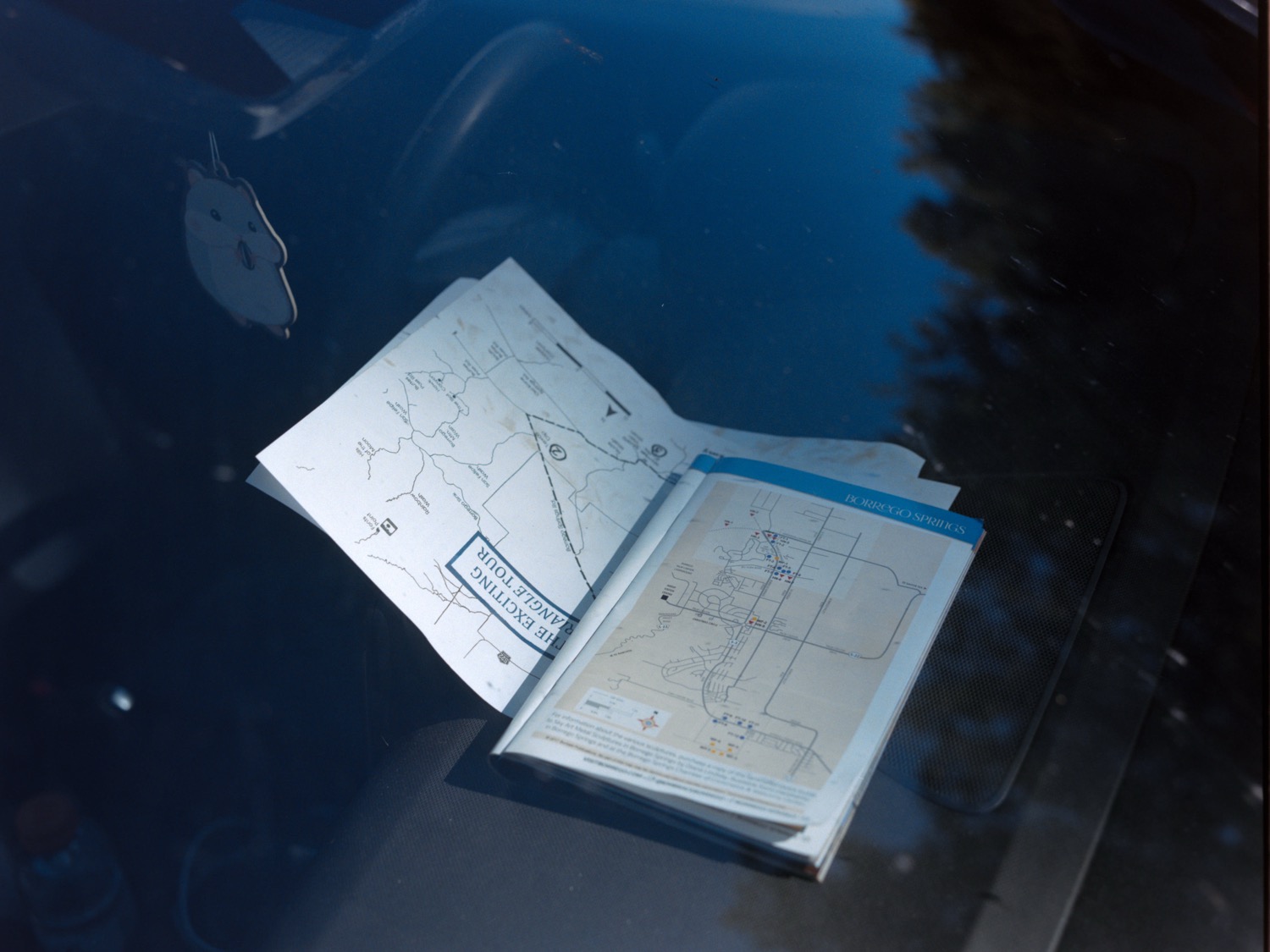
Photographing ageing infrastructure and suburban edges, Wei explores the American landscape as a built environment shaped by human use and intervention. Working in the tradition of New Topographics, Wei combines intimacy with distance, shaped by his experience of both China and the United States. American Vacation turns ordinary American landscapes into reflections on displacement, belonging and cultural identity.
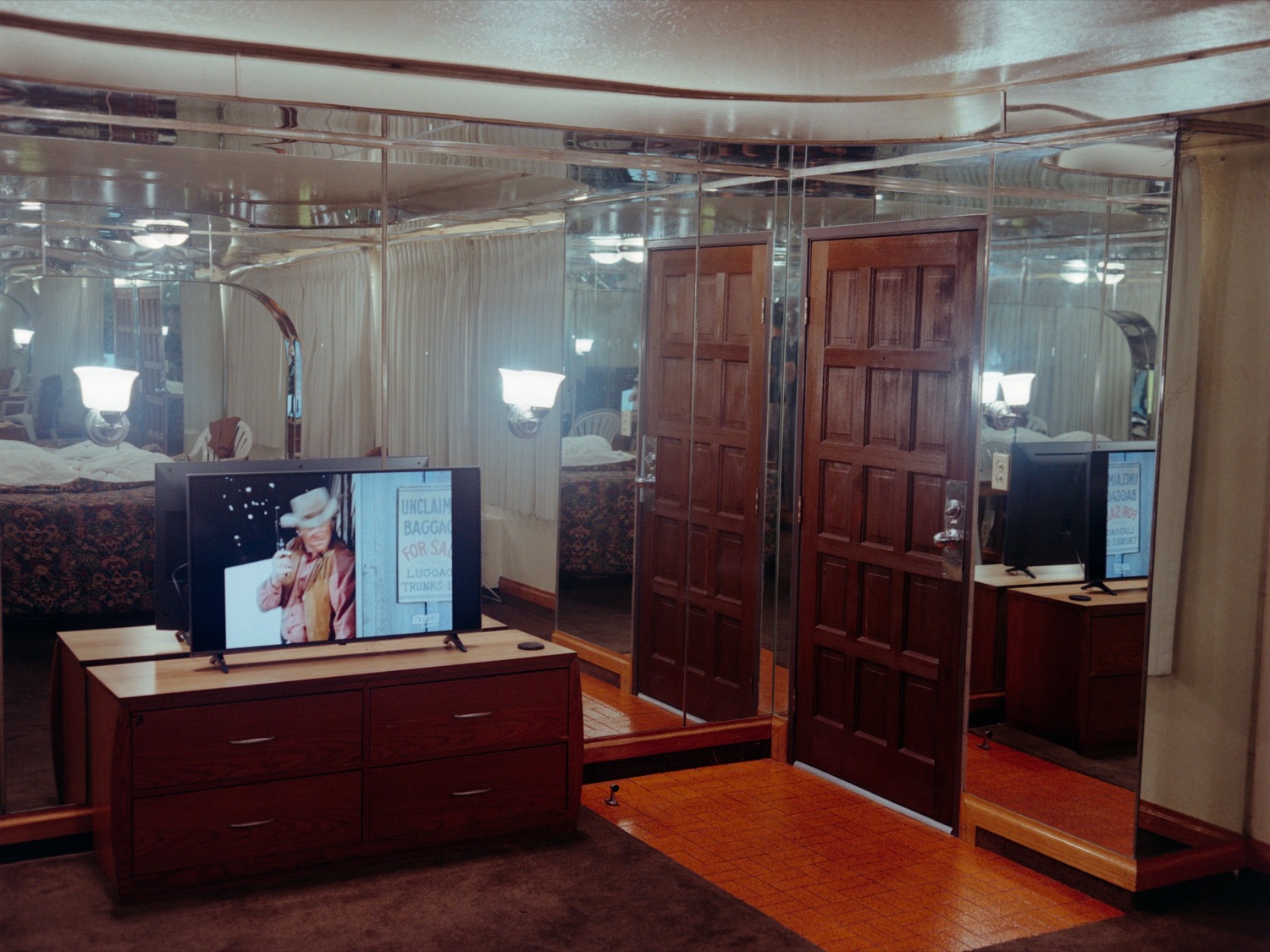
Wangkai Wei: I have lived roughly half my life in China and half in the United States. This is not a story of departure and arrival — it is a condition, ongoing and without resolution. My work begins there, in the space where neither country is home and both are.
My work begins there, in the space where neither country is home and both are.
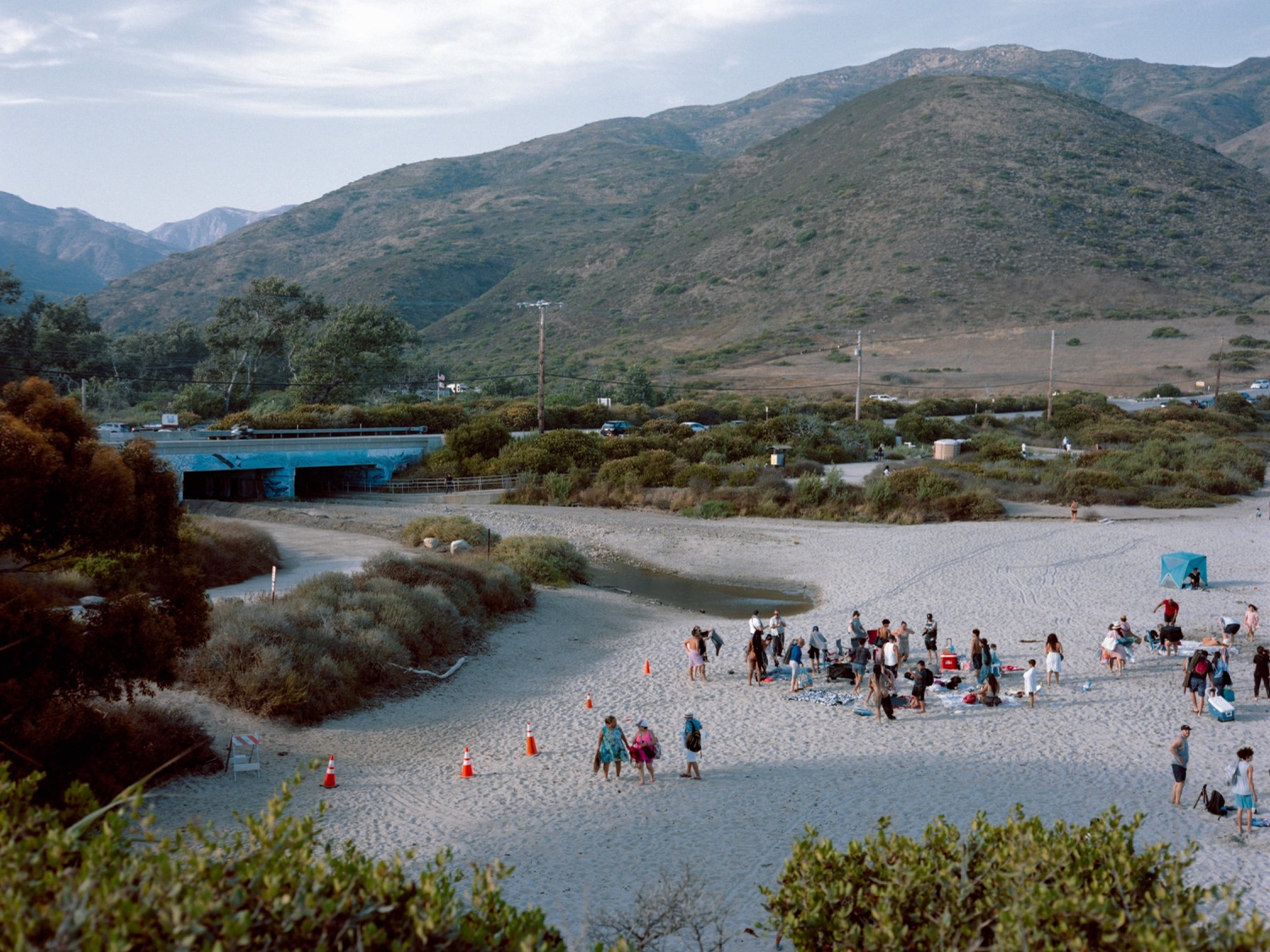
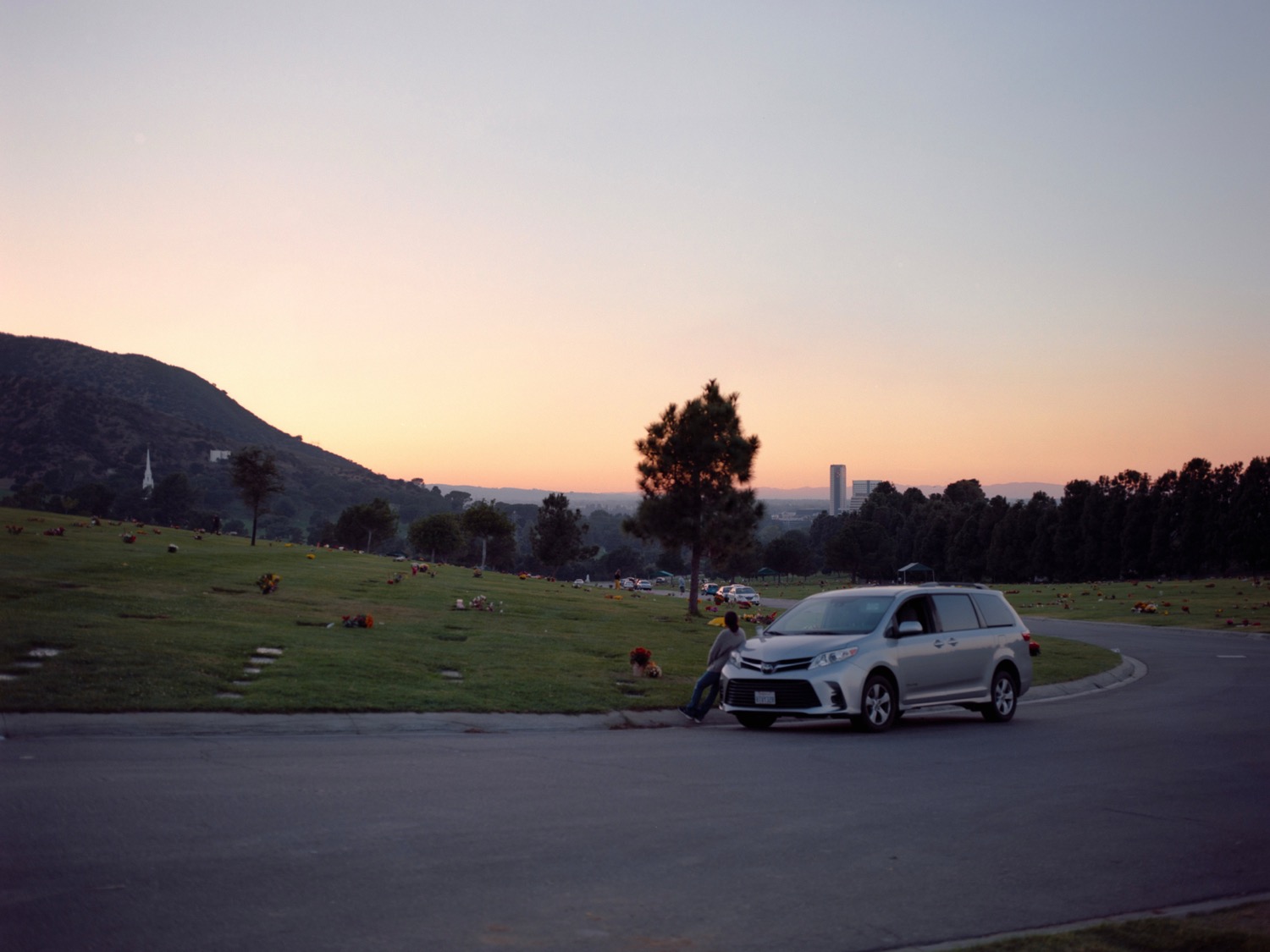
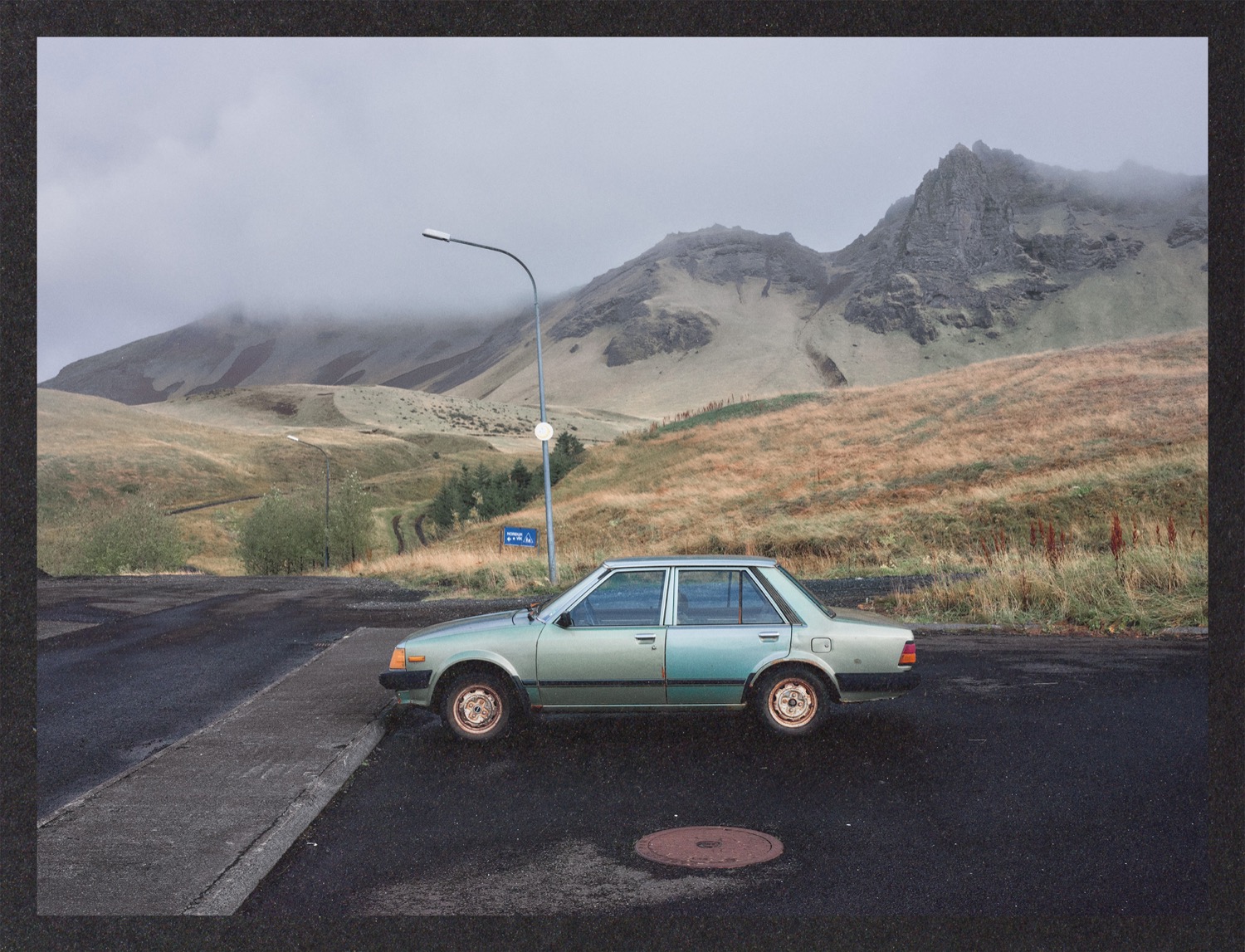
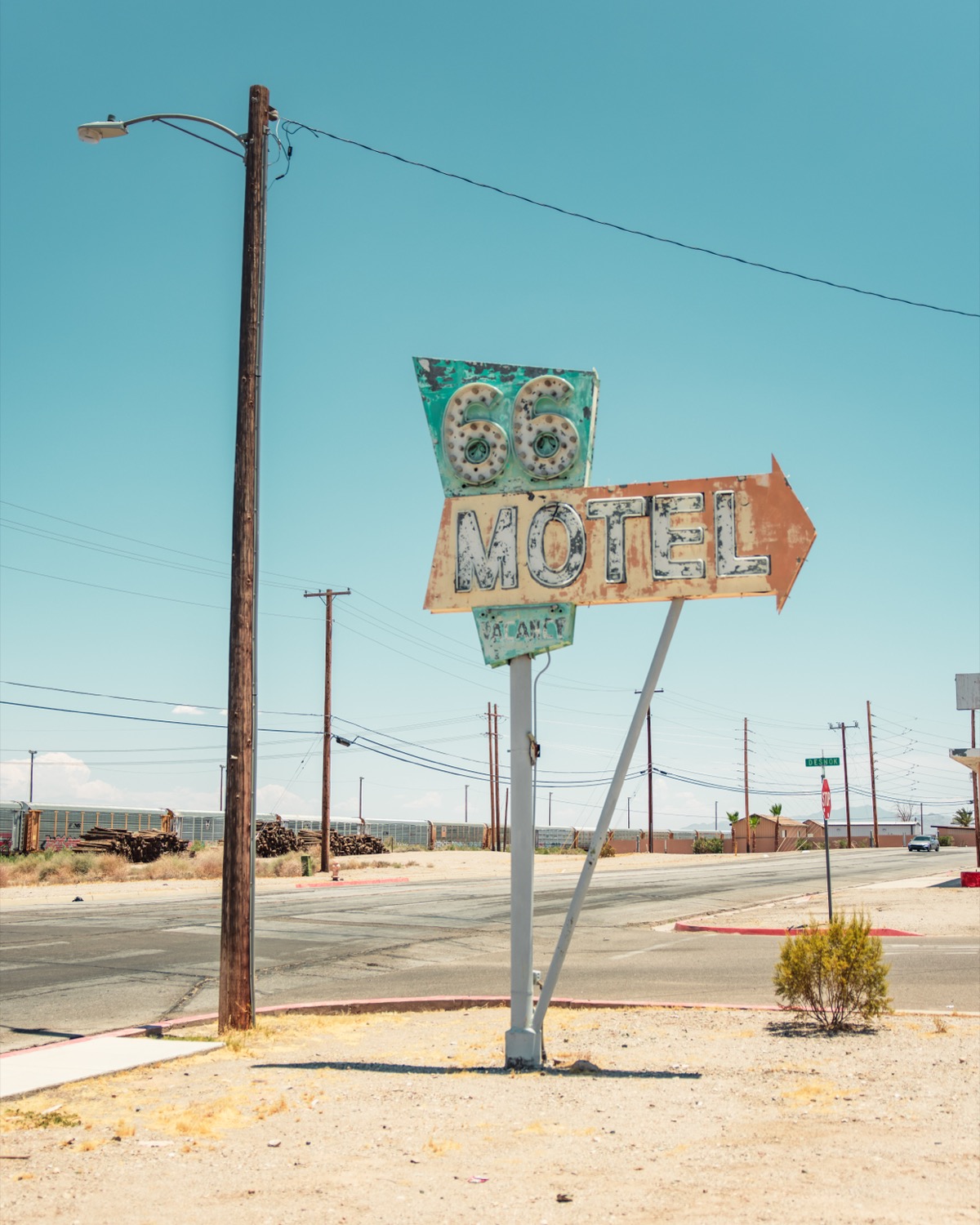
I photograph landscapes that resist the picturesque: highway margins, ageing infrastructure, suburban edges, surfaces marked by weather and use. I am drawn to what remains after attention has gone — the material evidence of habitation. Working in the tradition of the New Topographics, I treat the American terrain not as wilderness but as built environment, shaped by ordinary decisions.
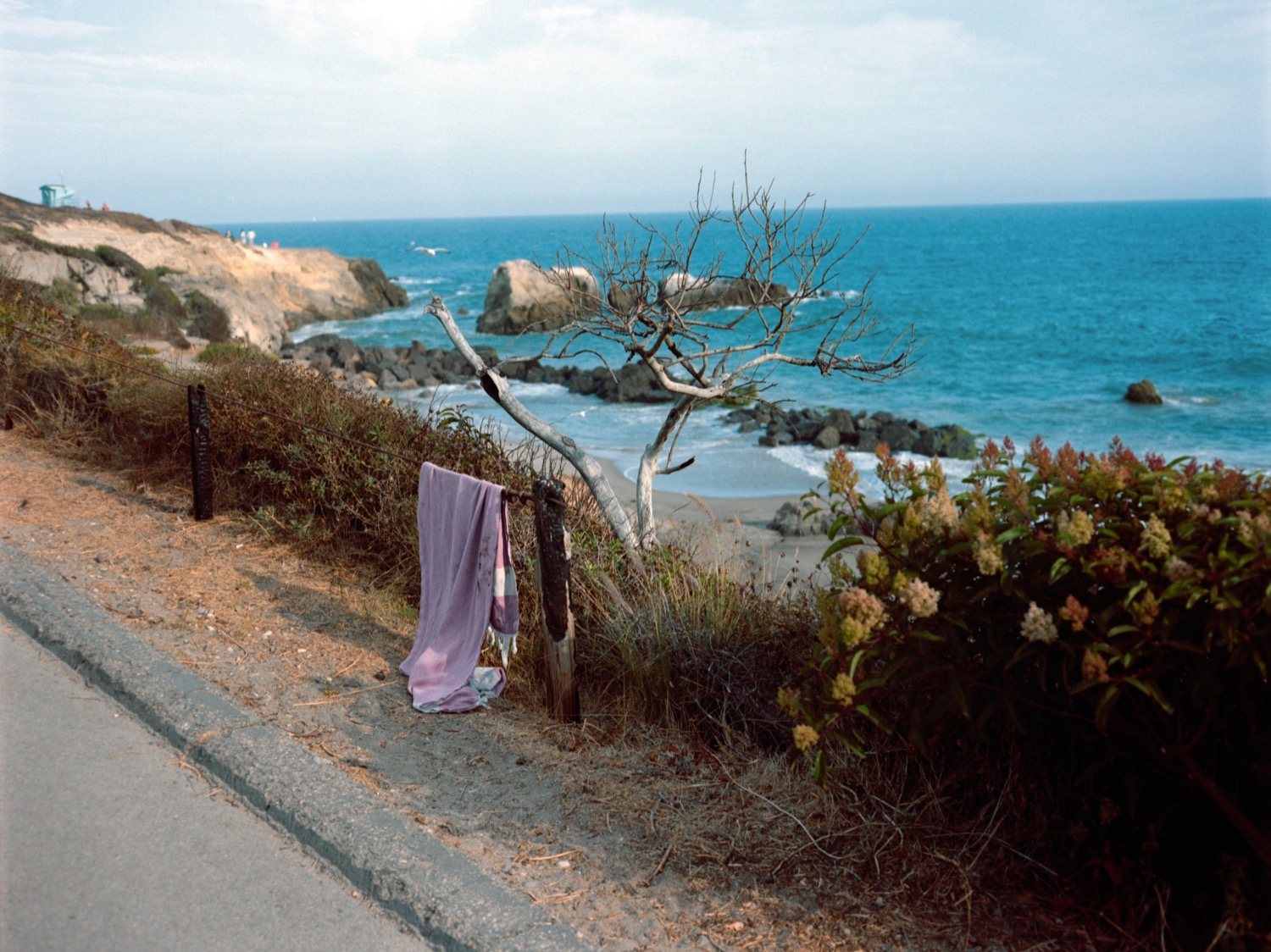
What interests me is not displacement as crisis but as a sustained, habituated state — a way of seeing that comes from long suspension between cultures. When I stand before a landscape in the interior West or along a coastal road, I am aware of looking both as someone who grew up here and as someone who didn't. This double awareness produces images that hover between intimacy and distance. Nothing is exotic. Nothing is quite ordinary either.
.svg)


.svg)
.svg)

Photographing ageing infrastructure and suburban edges, Wei explores the American landscape as a built environment shaped by human use and intervention. Working in the tradition of New Topographics, Wei combines intimacy with distance, shaped by his experience of both China and the United States. American Vacation turns ordinary American landscapes into reflections on displacement, belonging and cultural identity.
Wangkai Wei: I have lived roughly half my life in China and half in the United States. This is not a story of departure and arrival — it is a condition, ongoing and without resolution. My work begins there, in the space where neither country is home and both are.
My work begins there, in the space where neither country is home and both are.
I photograph landscapes that resist the picturesque: highway margins, ageing infrastructure, suburban edges, surfaces marked by weather and use. I am drawn to what remains after attention has gone — the material evidence of habitation. Working in the tradition of the New Topographics, I treat the American terrain not as wilderness but as built environment, shaped by ordinary decisions.
What interests me is not displacement as crisis but as a sustained, habituated state — a way of seeing that comes from long suspension between cultures. When I stand before a landscape in the interior West or along a coastal road, I am aware of looking both as someone who grew up here and as someone who didn't. This double awareness produces images that hover between intimacy and distance. Nothing is exotic. Nothing is quite ordinary either.
Photographing ageing infrastructure and suburban edges, Wei explores the American landscape as a built environment shaped by human use and intervention. Working in the tradition of New Topographics, Wei combines intimacy with distance, shaped by his experience of both China and the United States. American Vacation turns ordinary American landscapes into reflections on displacement, belonging and cultural identity.
Wangkai Wei: I have lived roughly half my life in China and half in the United States. This is not a story of departure and arrival — it is a condition, ongoing and without resolution. My work begins there, in the space where neither country is home and both are.
My work begins there, in the space where neither country is home and both are.
I photograph landscapes that resist the picturesque: highway margins, ageing infrastructure, suburban edges, surfaces marked by weather and use. I am drawn to what remains after attention has gone — the material evidence of habitation. Working in the tradition of the New Topographics, I treat the American terrain not as wilderness but as built environment, shaped by ordinary decisions.
What interests me is not displacement as crisis but as a sustained, habituated state — a way of seeing that comes from long suspension between cultures. When I stand before a landscape in the interior West or along a coastal road, I am aware of looking both as someone who grew up here and as someone who didn't. This double awareness produces images that hover between intimacy and distance. Nothing is exotic. Nothing is quite ordinary either.