© Jadwiga Janowska | Green Calms
Her photographic practice focuses on large retail environments, including shopping centres and malls, as well as older facilities that have closed, deteriorated or stand empty. The series explores disappearing spaces and the introduction of vegetation into them, drawing attention to the associations of green with nature, wellbeing and restoration. Through analytical observation, Janowska records changes taking place in these environments. Set against the context of the climate crisis, Green Calms reflects on the disappearance of open space and the presence of greenery within contemporary urban and peripheral landscapes.
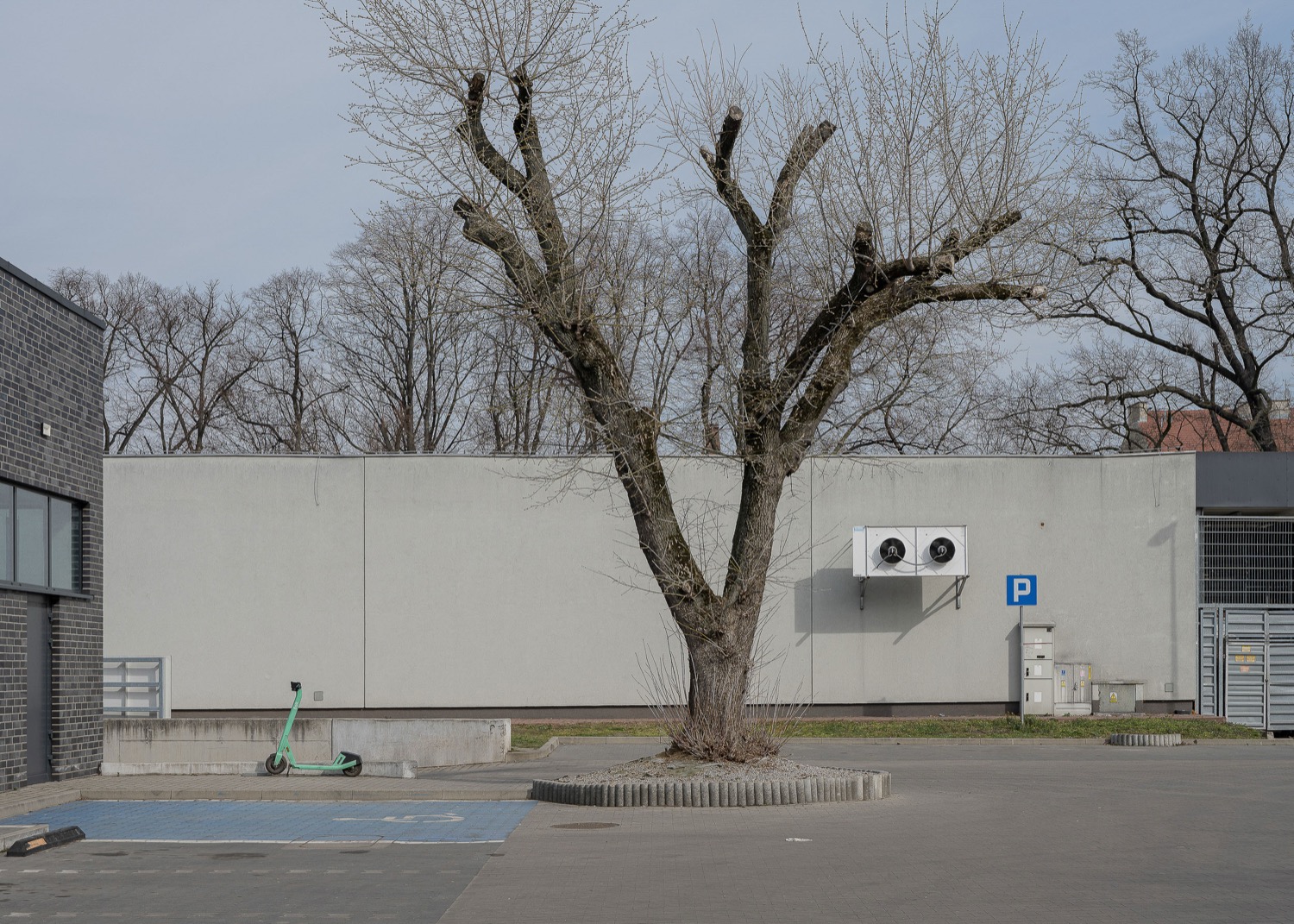
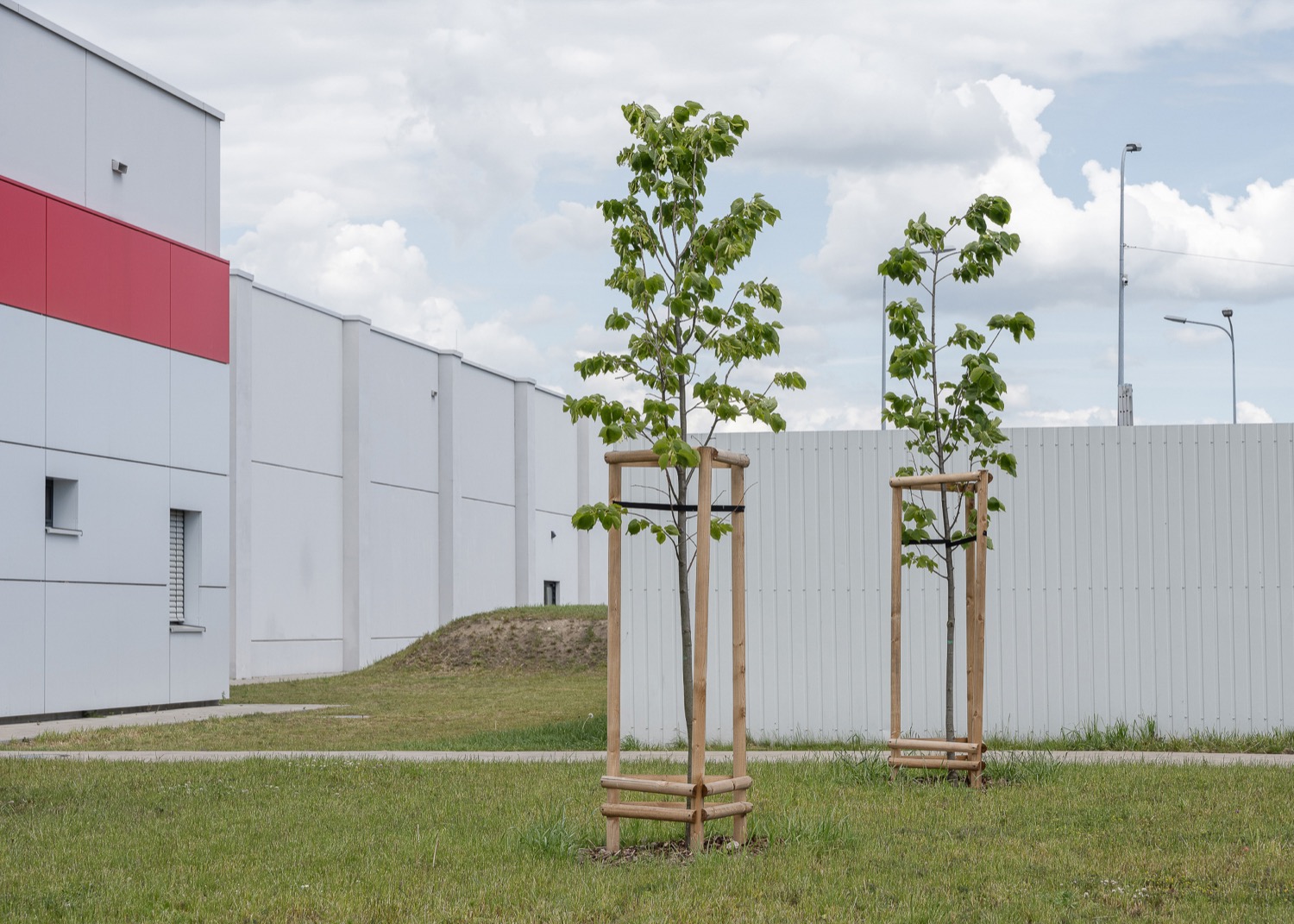
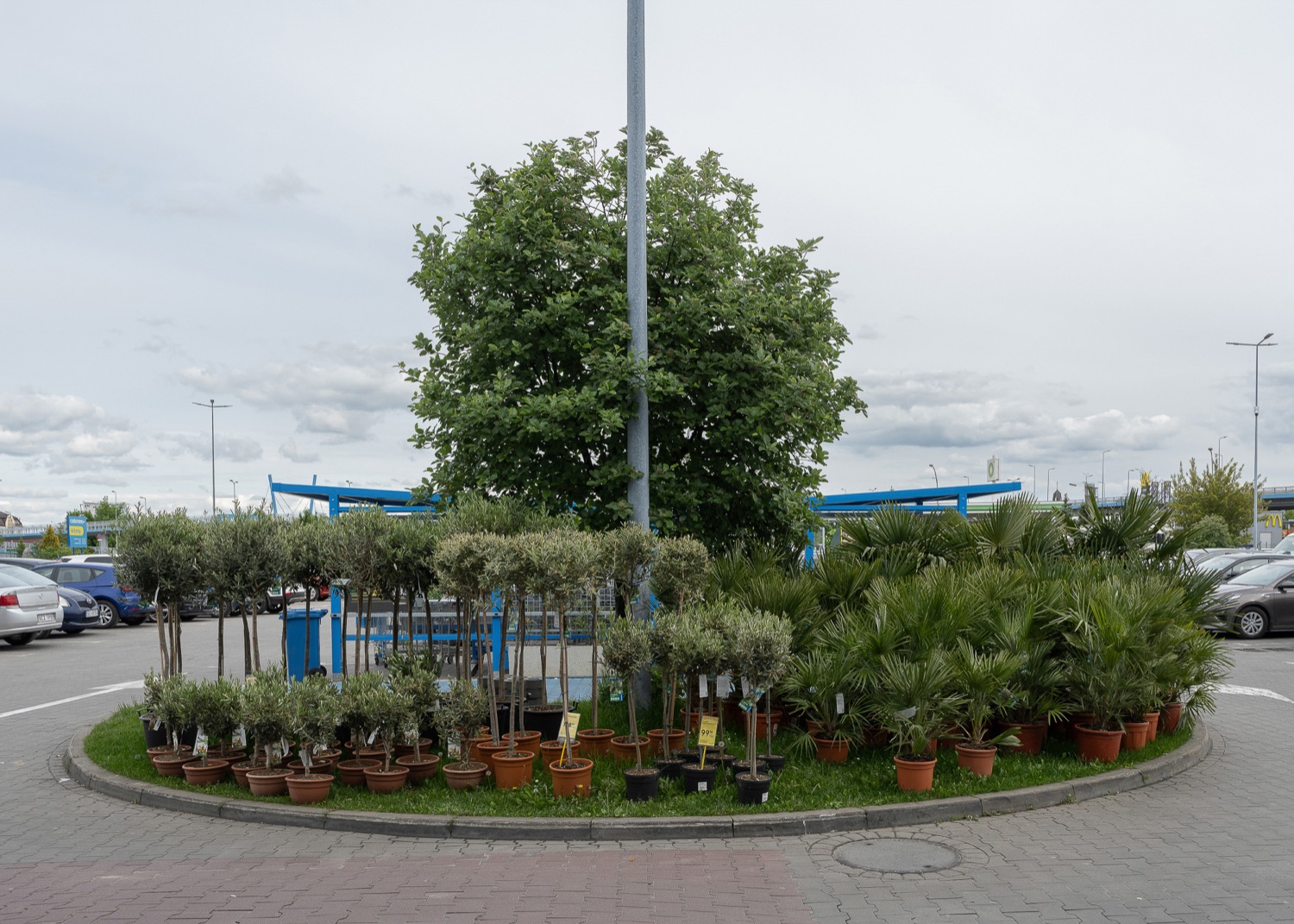
Jadwiga Janowska: Empty, wild areas and small islands of greenery in cities and on the outskirts are disappearing. These places are being replaced by buildings, often shops and large commercial facilities. Green Calms is a visual story about disappearing space and the introduction of vegetation into it, because “green calms.”
Empty, wild areas and small islands of greenery in cities and on the outskirts are disappearing.
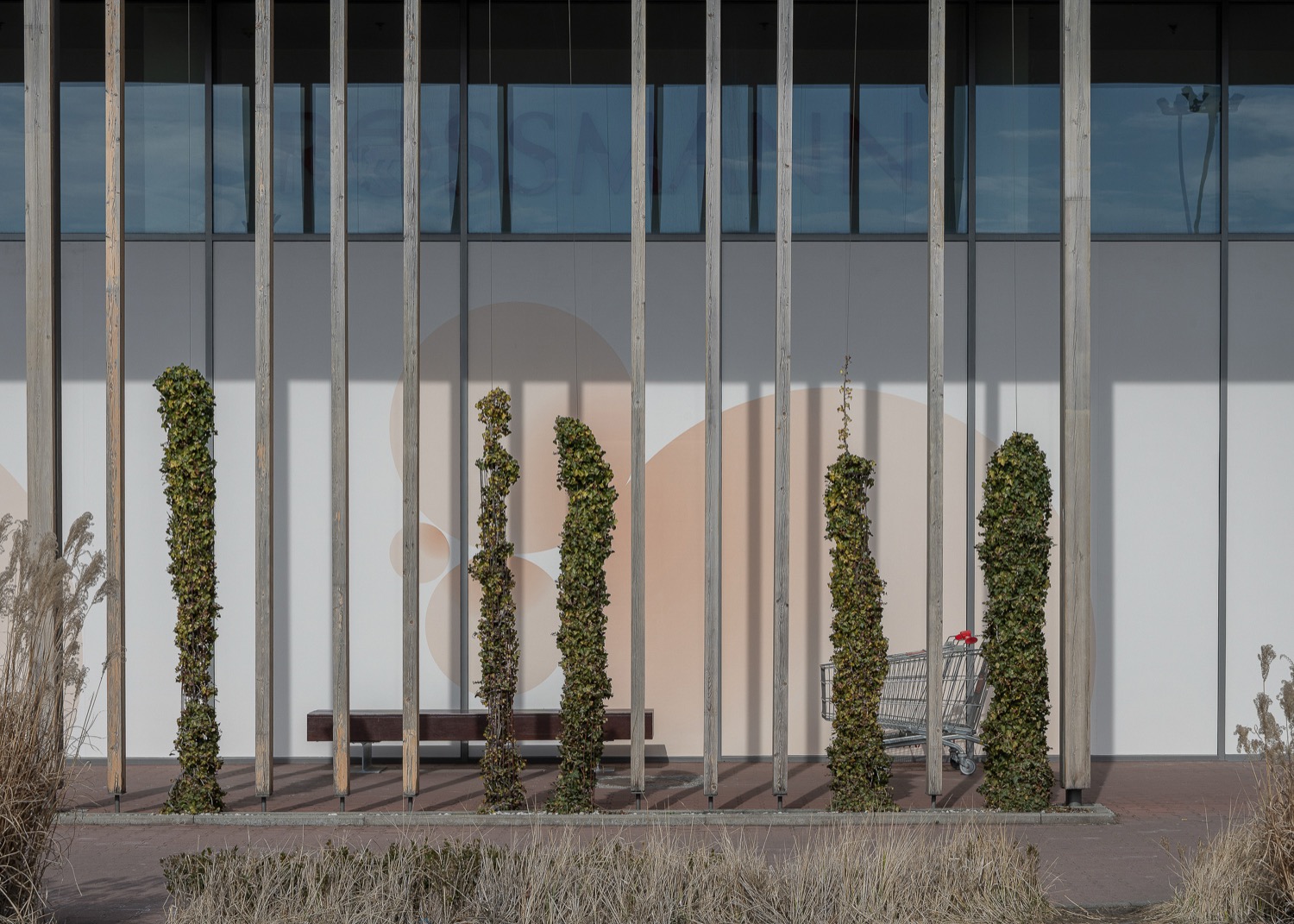
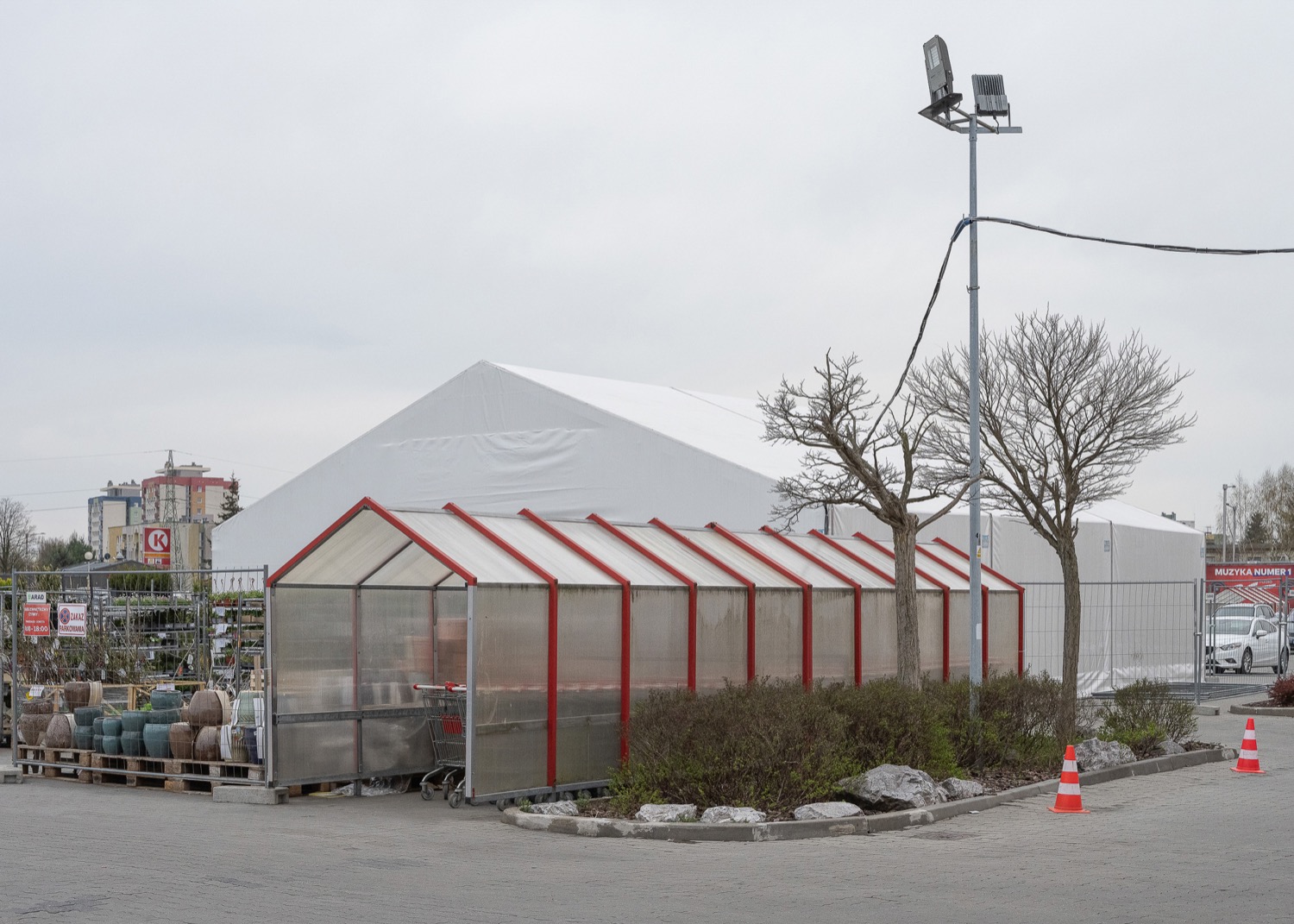
The title itself refers to the colour green, which is associated with vegetation, and according to the biophilia hypothesis, people tend to feel harmony with nature. People who are in contact with nature feel less stress, regain their inner peace more quickly, and regain their health. Green, when used to describe someone or something, can mean immature, inexperienced, or lacking knowledge on a subject.

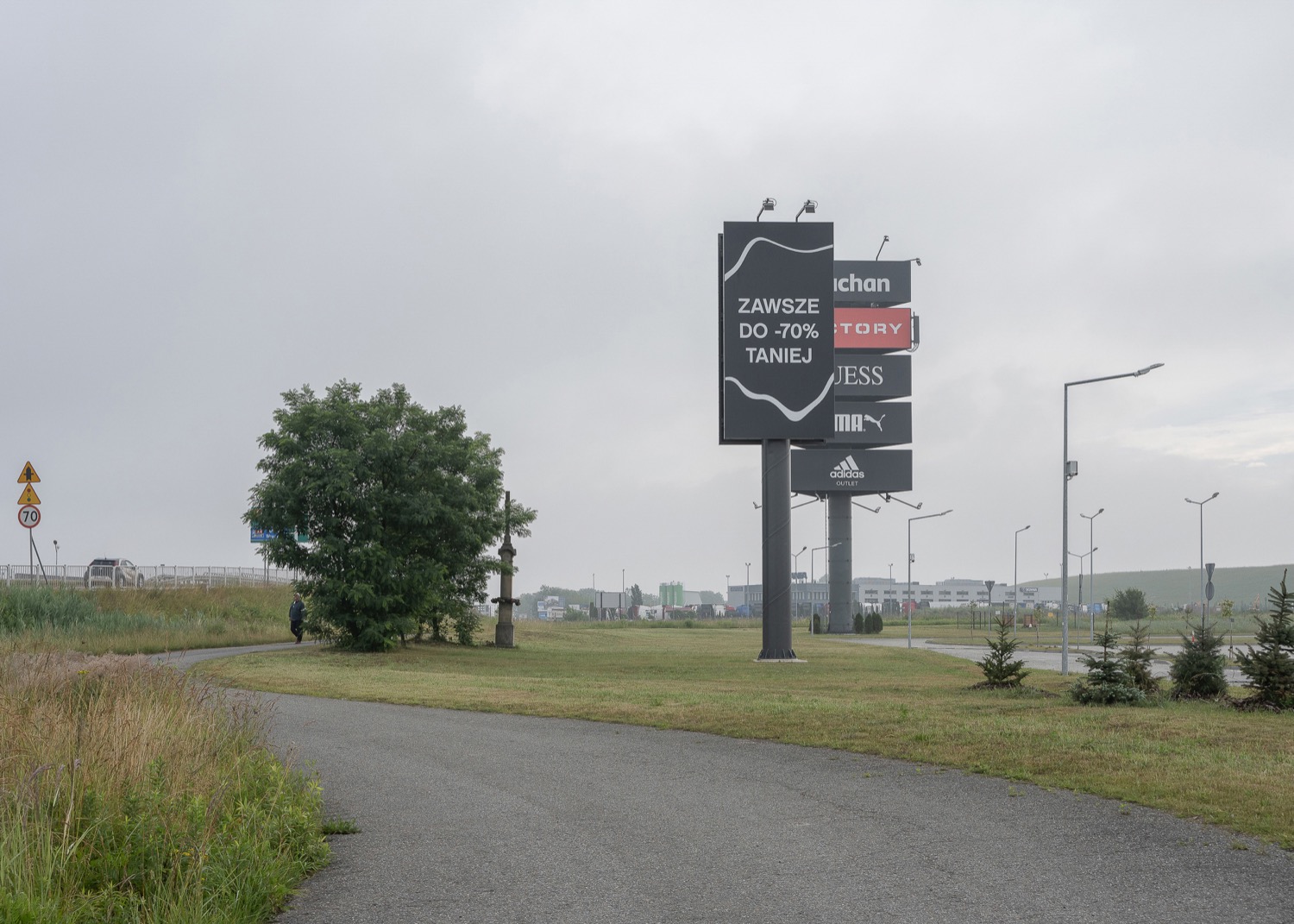
My main medium is photography. In my creative practice, I focus primarily on documenting large retail spaces, including malls and shopping centres, which are growing in number, while many older facilities are falling into disrepair, closing down, and standing empty.
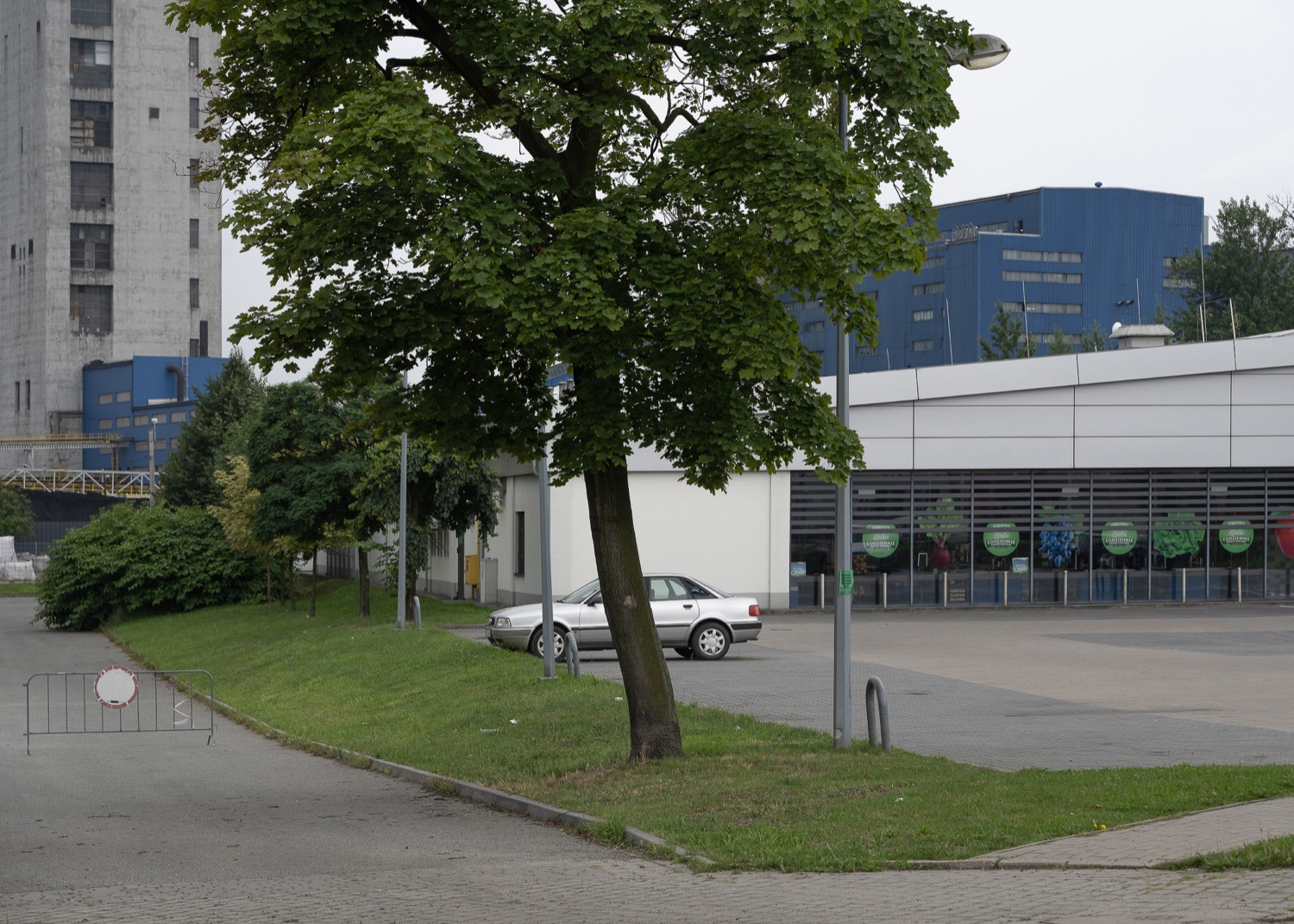
The subject is particularly relevant in the context of the climate crisis and reflects the growing importance of environmental and socially engaged art. In both subject matter and photographic approach, this project closely aligns with the tradition of New Topographics. Rather than seeking Bresson’s decisive moment or seducing the viewer with aesthetics, the photographs take an analytical approach to observing changes in the landscape.
.svg)


.svg)
.svg)

Her photographic practice focuses on large retail environments, including shopping centres and malls, as well as older facilities that have closed, deteriorated or stand empty. The series explores disappearing spaces and the introduction of vegetation into them, drawing attention to the associations of green with nature, wellbeing and restoration. Through analytical observation, Janowska records changes taking place in these environments. Set against the context of the climate crisis, Green Calms reflects on the disappearance of open space and the presence of greenery within contemporary urban and peripheral landscapes.
Jadwiga Janowska: Empty, wild areas and small islands of greenery in cities and on the outskirts are disappearing. These places are being replaced by buildings, often shops and large commercial facilities. Green Calms is a visual story about disappearing space and the introduction of vegetation into it, because “green calms.”
Empty, wild areas and small islands of greenery in cities and on the outskirts are disappearing.
The title itself refers to the colour green, which is associated with vegetation, and according to the biophilia hypothesis, people tend to feel harmony with nature. People who are in contact with nature feel less stress, regain their inner peace more quickly, and regain their health. Green, when used to describe someone or something, can mean immature, inexperienced, or lacking knowledge on a subject.
My main medium is photography. In my creative practice, I focus primarily on documenting large retail spaces, including malls and shopping centres, which are growing in number, while many older facilities are falling into disrepair, closing down, and standing empty.
The subject is particularly relevant in the context of the climate crisis and reflects the growing importance of environmental and socially engaged art. In both subject matter and photographic approach, this project closely aligns with the tradition of New Topographics. Rather than seeking Bresson’s decisive moment or seducing the viewer with aesthetics, the photographs take an analytical approach to observing changes in the landscape.
Her photographic practice focuses on large retail environments, including shopping centres and malls, as well as older facilities that have closed, deteriorated or stand empty. The series explores disappearing spaces and the introduction of vegetation into them, drawing attention to the associations of green with nature, wellbeing and restoration. Through analytical observation, Janowska records changes taking place in these environments. Set against the context of the climate crisis, Green Calms reflects on the disappearance of open space and the presence of greenery within contemporary urban and peripheral landscapes.
Jadwiga Janowska: Empty, wild areas and small islands of greenery in cities and on the outskirts are disappearing. These places are being replaced by buildings, often shops and large commercial facilities. Green Calms is a visual story about disappearing space and the introduction of vegetation into it, because “green calms.”
Empty, wild areas and small islands of greenery in cities and on the outskirts are disappearing.
The title itself refers to the colour green, which is associated with vegetation, and according to the biophilia hypothesis, people tend to feel harmony with nature. People who are in contact with nature feel less stress, regain their inner peace more quickly, and regain their health. Green, when used to describe someone or something, can mean immature, inexperienced, or lacking knowledge on a subject.
My main medium is photography. In my creative practice, I focus primarily on documenting large retail spaces, including malls and shopping centres, which are growing in number, while many older facilities are falling into disrepair, closing down, and standing empty.
The subject is particularly relevant in the context of the climate crisis and reflects the growing importance of environmental and socially engaged art. In both subject matter and photographic approach, this project closely aligns with the tradition of New Topographics. Rather than seeking Bresson’s decisive moment or seducing the viewer with aesthetics, the photographs take an analytical approach to observing changes in the landscape.