© Marcus Jendretzke | City of Non-Places
Marcus Jendretzke’s photography examines how society shapes its surroundings, particularly beyond structures designed to aesthetic criteria or conceived as architectural ‘flagship projects’. Jendretzke explains: “The term ‘non-places’ was coined by the French ethnologist Marc Augé to describe urban spaces in the modern Western world that lack a distinct identity and have no regional or historical references. As strange as it may sound, these scenes inspire me. They encourage me to reflect on why they appear as they do, how they might be creatively transformed, and how they could develop a ‘personality’ to become more liveable.”
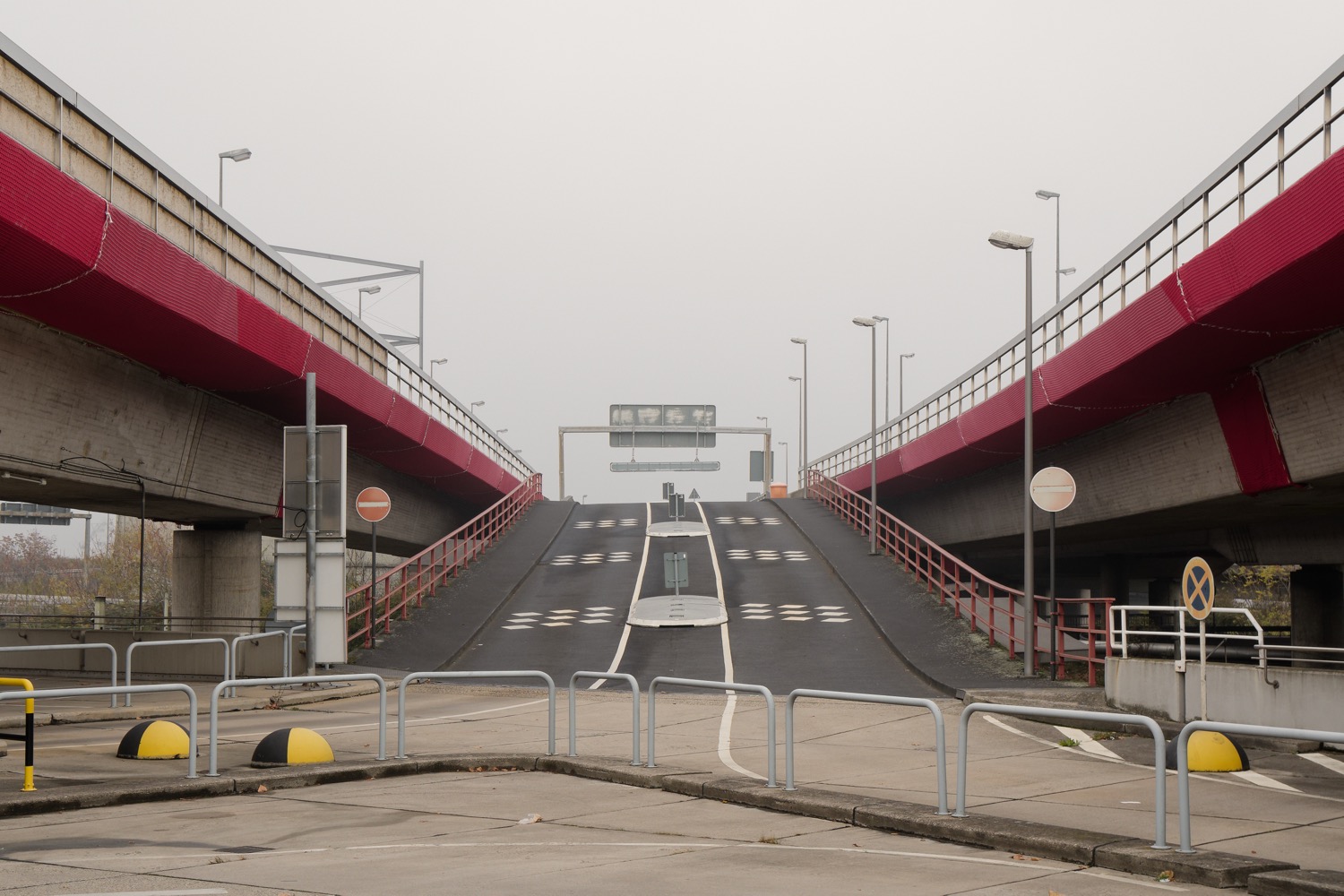
Jendretzke’s images explore absence and emptiness. Although they focus on environments and spaces created by people, they are paradoxically almost always devoid of human presence.


Fascination and Conflict
Jendretzke explores themes of absence, emptiness, desolation, and decay in urban and suburban settings, aiming to highlight the inherent beauty in the ordinary and the ugly found in these ‘non-places’. “Architecture in general, and deserted everyday places like supermarket car parks on Sundays, isolated petrol stations, or abandoned buildings in particular, have held a special fascination for me ever since I was a child. Perhaps because they reflect something within me. In any case, a preference for the aesthetics of the ugly has remained, born in part from the desire to develop an alternative perspective on ‘beauty’. Overall, I feel a tension between my fascination with these places and the understanding that they aren’t meant to be that way.”

Jendretzke’s photographic approach leaves room for viewers to respond according to their own perceptions of aesthetics and emptiness. “Of course, most of my photographs do not conform to conventional notions of beauty. I am aware that the subjects may also be met with rejection, which I have no problem with. My hope, however, is that viewers will sense the emptiness yet recognise that the series speaks its own language, one that deserves to be heard.”
I feel a tension between my fascination with these places and the understanding that they aren’t meant to be that way.


The Impact of Place
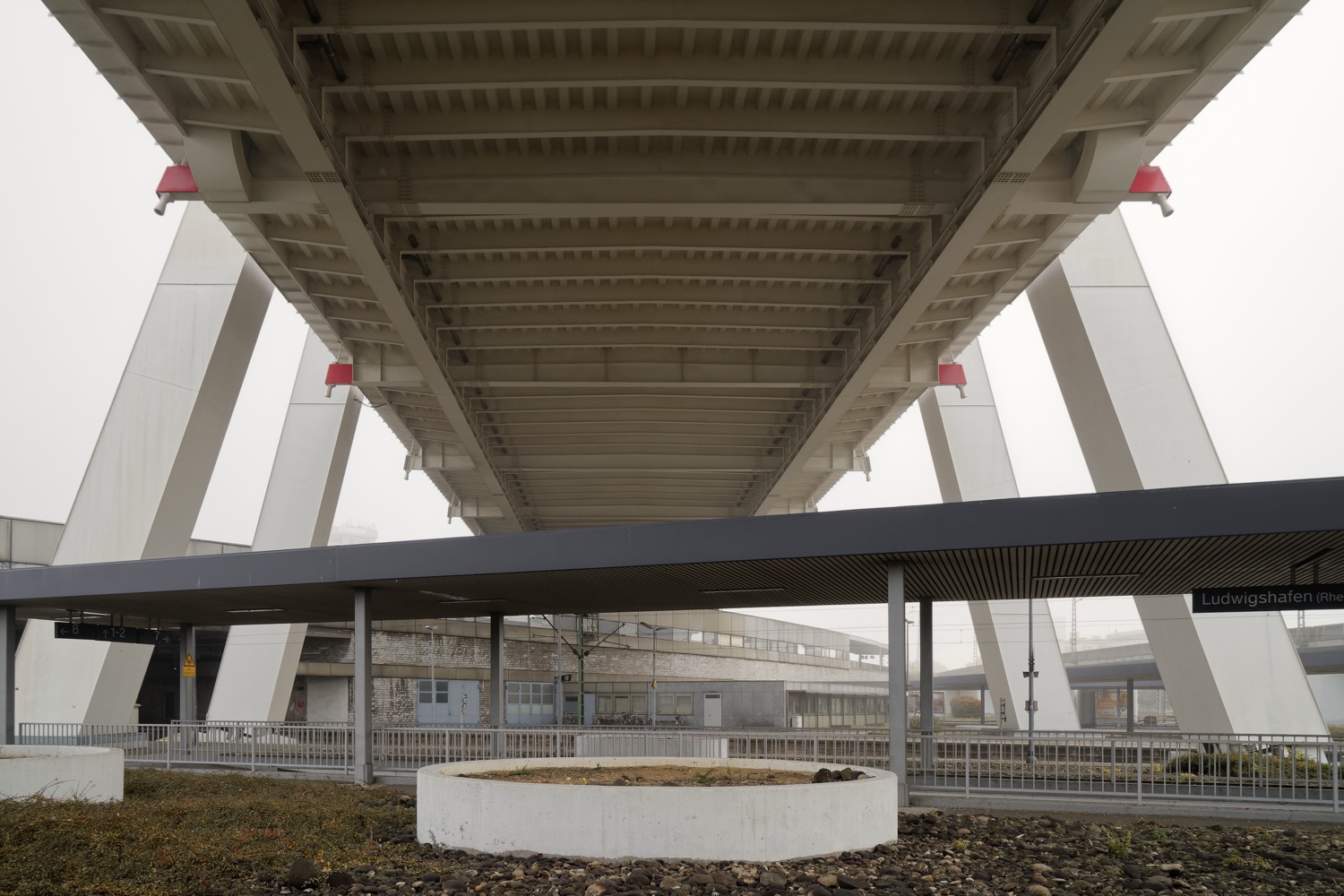
Marcus Jendretzke suggests that the built environment can influence people's emotions, often subconsciously. “I’m convinced that environments designed without thought create an inner emptiness when we spend a lot of time there or visit them frequently. Specifically, this applies not only to what we now view as urban planning failures from the 1950s through the 1970s, with their architectural eyesores and the ‘car-oriented city’, of which Ludwigshafen am Rhein in my series City of Non-Places is a prime example, but also to some extent, to what has been built in more recent times.”
His concerns also extend to uniform, uninspired new housing developments on the outskirts of towns. “Society and politicians need to assume greater responsibility in this area and should also scrutinise capital-driven construction projects more closely.” His goal is to prompt viewers to question why the locations he captures appear as they do and to think about whether more focus on human-centred urban design is needed.
I’m convinced that environments designed without thought create an inner emptiness when we spend a lot of time there or visit them frequently.

Finding the Subject
He finds his subjects through repeated observation, prior research, and unexpected encounters. Familiar locations gradually reveal themselves as photographic subjects, sometimes only after he has passed them several times. “I usually find subjects in everyday life. On my way to work, for example. I often pass by such places several times before I ‘see’ them and perceive them through the lens. Or I’ll specifically plan a visit to an area I’ve researched beforehand. Sometimes I also let myself wander with my eyes open and without a set plan, ideally allowing myself to be surprised by subjects. Holiday trips also provide inspiration time and again.”
Once a location has caught his attention, he studies its structures and allows time for the composition to develop, testing different perspectives until he finds the right composition. This approach does not include building a narrative around the image. “It is not my intention to tell stories. I aim to present ‘what is’ and what I observe. I leave it up to the viewer to interpret their own stories from the photographs and develop their own reflections.” In his depictions of abandoned properties, the locations carry their own stories and histories, conveyed through traces of the past within the images.

Signs and Contradictions
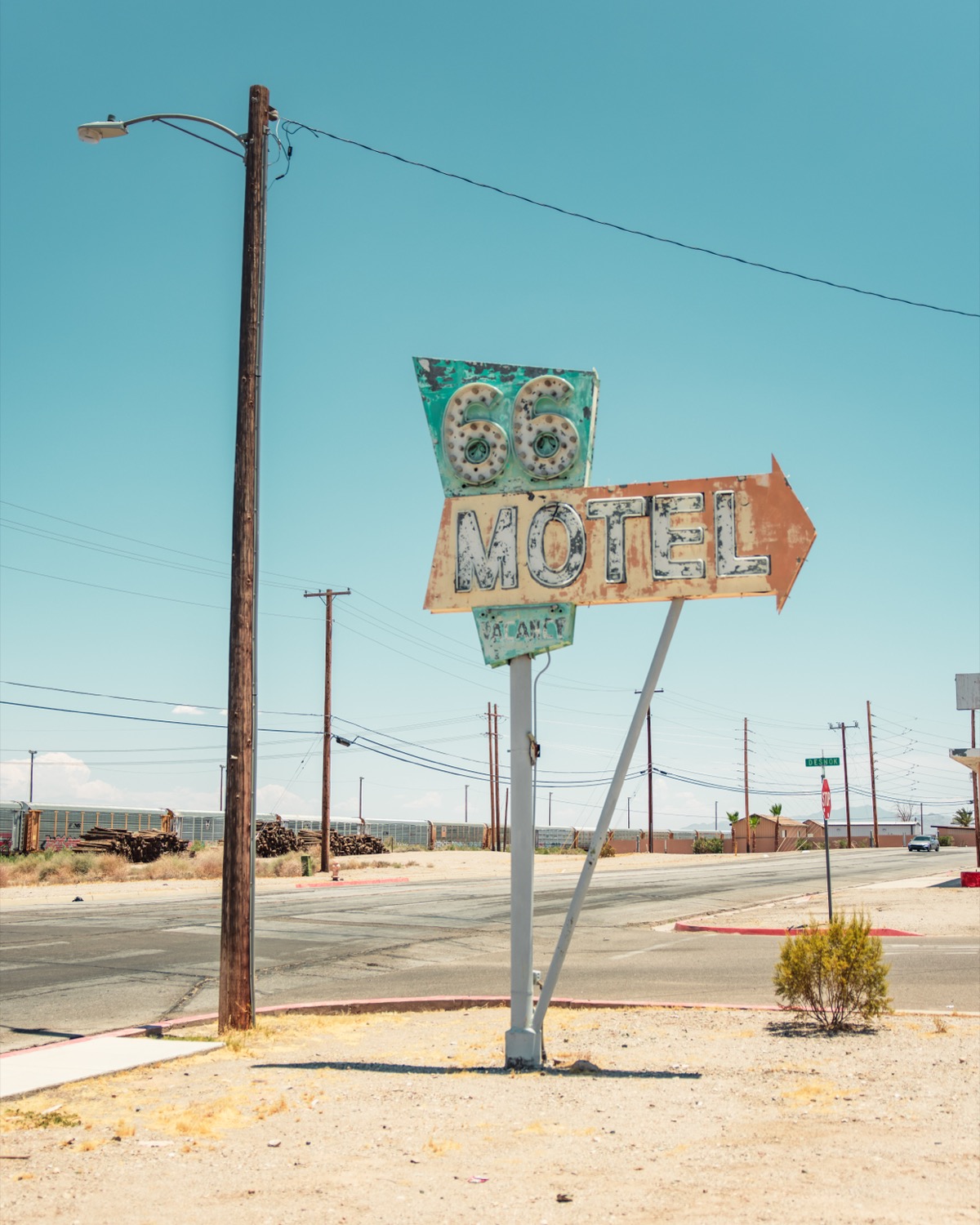
The emptiness he depicts can be seen as a blank canvas for hidden signs. Within these largely empty spaces, occasional signs and posters add another layer of meaning. “Sometimes I manage to incorporate posters or signs that, without intending to, either describe or even contradict the depicted environment, thereby adding a touch of irony to the shot.” In City of Non-Places, examples include the poster Heaven and Hell. Life in the City Is No Child’s Play on an advertising column and the sign The Box. Passion and Solidarity in another photograph. The messages of these posters take on unintended significance within their surroundings, at times reinforcing what the photographs reveal and at other times creating an ironic contradiction.

Restrained Visual Language
His sources of inspiration include photographers associated with the New Topographics movement and the Düsseldorf School of Photography. In his practice, composition is fundamental, with lines and perspectives shaping the frame. His use of colour and form remains similarly restrained. “I use a visual language that is reduced in terms of colours and shapes, verging on the minimalist. Most of the time, I focus on a specific colour palette, like faded shades of yellow, red, and green, while toning down the blues. However, the degree of reduction always depends on the subjects and the scenes as well.”
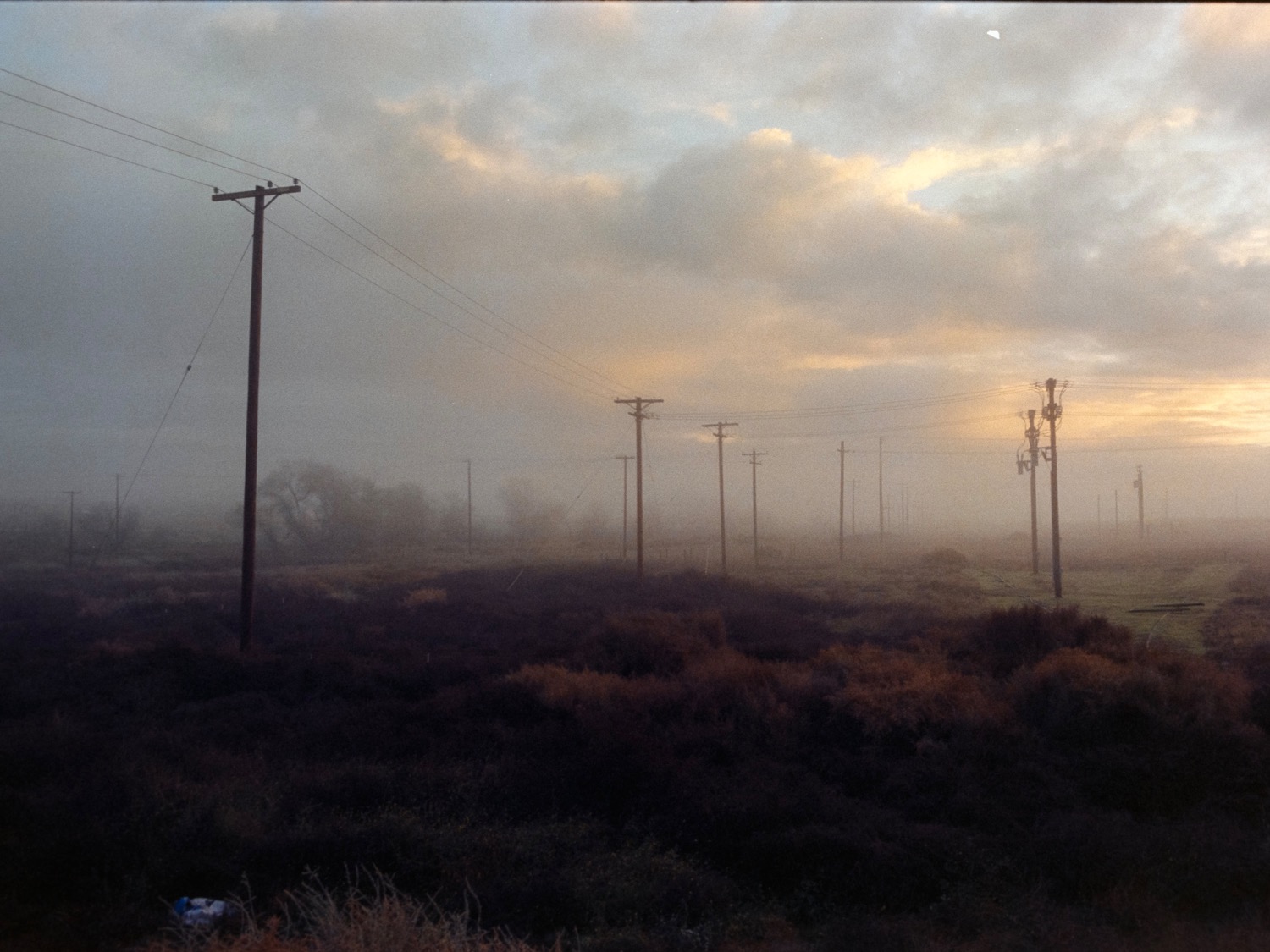
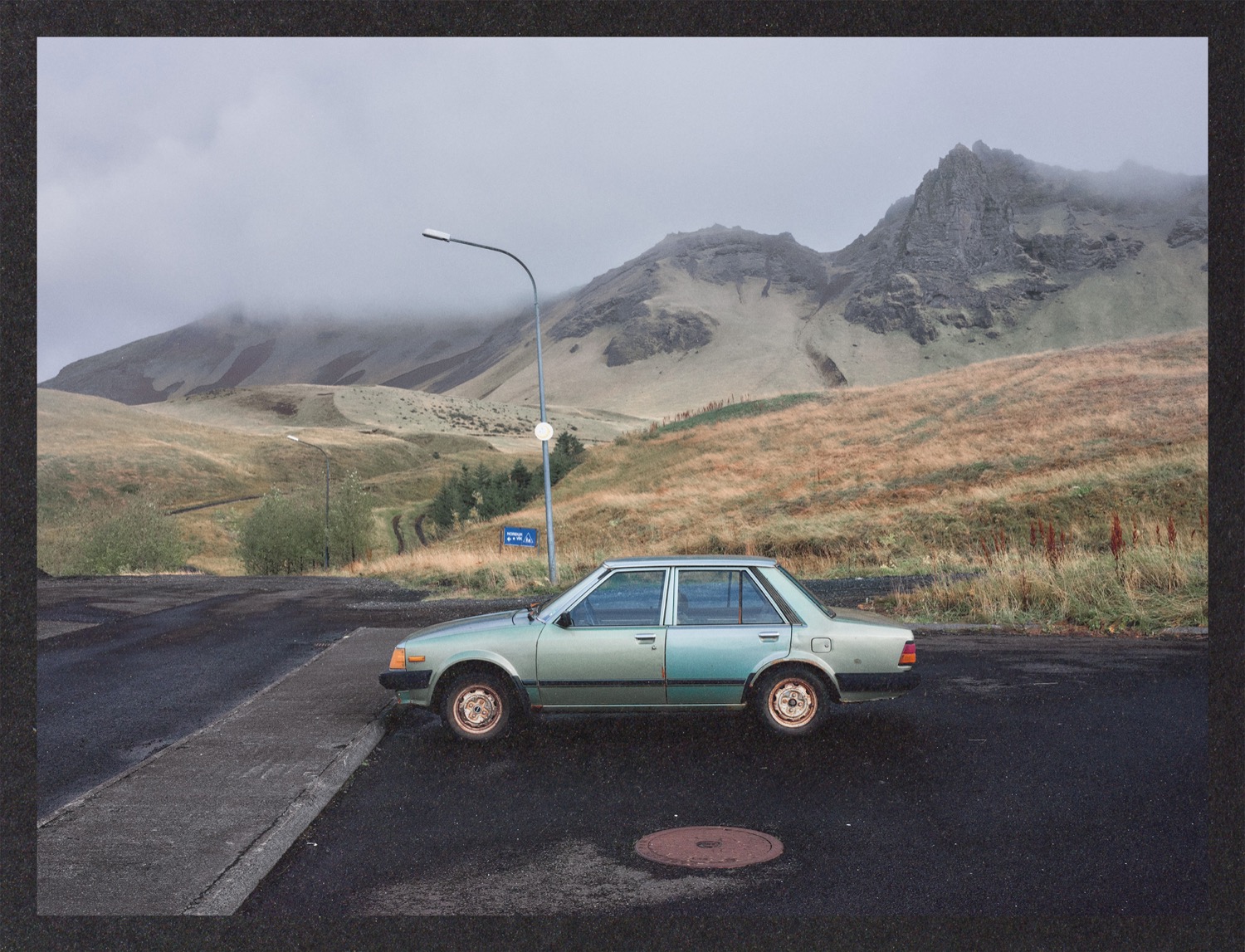
Weather conditions reinforce this approach, with subdued light allowing the subjects, colours and structural elements to remain the primary focus of the image. “I usually take photos when the sky is consistently overcast, so that no light effects or a dramatic cloudy sky distract from the actual subject. Fog can also help set the mood.” These choices collectively minimize distractions in the frame and focus attention on the subject.

Evolving Perspectives
Looking ahead, Jendretzke plans to turn his attention increasingly towards successful modern architecture, which he describes as the antithesis of ‘non-places’. He has observed urban development placing greater emphasis on social needs, climate change and the integration of nature. “I’ve noticed that in recent years, there has been an increase in urban development projects that once again place people and their social needs at the centre and also respond to climate change, both in construction and renovation and in the integration of nature.” His photography aims to contribute to this process by showing what the present looks and feels like.
Another direction is an ongoing, long-term project along the Neckar River, which Jendretzke follows on foot, in stages, through the Stuttgart metropolitan area. “I’m curious to see what subjects await me along the riverbanks among the industrial areas, recreational spaces, and natural surroundings.” The project extends his continuing observation of the built environment into the changing spaces and surroundings of the river.
.svg)


.svg)
.svg)

Marcus Jendretzke’s photography examines how society shapes its surroundings, particularly beyond structures designed to aesthetic criteria or conceived as architectural ‘flagship projects’. Jendretzke explains: “The term ‘non-places’ was coined by the French ethnologist Marc Augé to describe urban spaces in the modern Western world that lack a distinct identity and have no regional or historical references. As strange as it may sound, these scenes inspire me. They encourage me to reflect on why they appear as they do, how they might be creatively transformed, and how they could develop a ‘personality’ to become more liveable.”
Jendretzke’s images explore absence and emptiness. Although they focus on environments and spaces created by people, they are paradoxically almost always devoid of human presence.
Fascination and Conflict
Jendretzke explores themes of absence, emptiness, desolation, and decay in urban and suburban settings, aiming to highlight the inherent beauty in the ordinary and the ugly found in these ‘non-places’. “Architecture in general, and deserted everyday places like supermarket car parks on Sundays, isolated petrol stations, or abandoned buildings in particular, have held a special fascination for me ever since I was a child. Perhaps because they reflect something within me. In any case, a preference for the aesthetics of the ugly has remained, born in part from the desire to develop an alternative perspective on ‘beauty’. Overall, I feel a tension between my fascination with these places and the understanding that they aren’t meant to be that way.”
Jendretzke’s photographic approach leaves room for viewers to respond according to their own perceptions of aesthetics and emptiness. “Of course, most of my photographs do not conform to conventional notions of beauty. I am aware that the subjects may also be met with rejection, which I have no problem with. My hope, however, is that viewers will sense the emptiness yet recognise that the series speaks its own language, one that deserves to be heard.”
I feel a tension between my fascination with these places and the understanding that they aren’t meant to be that way.
The Impact of Place
Marcus Jendretzke suggests that the built environment can influence people's emotions, often subconsciously. “I’m convinced that environments designed without thought create an inner emptiness when we spend a lot of time there or visit them frequently. Specifically, this applies not only to what we now view as urban planning failures from the 1950s through the 1970s, with their architectural eyesores and the ‘car-oriented city’, of which Ludwigshafen am Rhein in my series City of Non-Places is a prime example, but also to some extent, to what has been built in more recent times.”
His concerns also extend to uniform, uninspired new housing developments on the outskirts of towns. “Society and politicians need to assume greater responsibility in this area and should also scrutinise capital-driven construction projects more closely.” His goal is to prompt viewers to question why the locations he captures appear as they do and to think about whether more focus on human-centred urban design is needed.
I’m convinced that environments designed without thought create an inner emptiness when we spend a lot of time there or visit them frequently.
Finding the Subject
He finds his subjects through repeated observation, prior research, and unexpected encounters. Familiar locations gradually reveal themselves as photographic subjects, sometimes only after he has passed them several times. “I usually find subjects in everyday life. On my way to work, for example. I often pass by such places several times before I ‘see’ them and perceive them through the lens. Or I’ll specifically plan a visit to an area I’ve researched beforehand. Sometimes I also let myself wander with my eyes open and without a set plan, ideally allowing myself to be surprised by subjects. Holiday trips also provide inspiration time and again.”
Once a location has caught his attention, he studies its structures and allows time for the composition to develop, testing different perspectives until he finds the right composition. This approach does not include building a narrative around the image. “It is not my intention to tell stories. I aim to present ‘what is’ and what I observe. I leave it up to the viewer to interpret their own stories from the photographs and develop their own reflections.” In his depictions of abandoned properties, the locations carry their own stories and histories, conveyed through traces of the past within the images.
Signs and Contradictions
The emptiness he depicts can be seen as a blank canvas for hidden signs. Within these largely empty spaces, occasional signs and posters add another layer of meaning. “Sometimes I manage to incorporate posters or signs that, without intending to, either describe or even contradict the depicted environment, thereby adding a touch of irony to the shot.” In City of Non-Places, examples include the poster Heaven and Hell. Life in the City Is No Child’s Play on an advertising column and the sign The Box. Passion and Solidarity in another photograph. The messages of these posters take on unintended significance within their surroundings, at times reinforcing what the photographs reveal and at other times creating an ironic contradiction.
Restrained Visual Language
His sources of inspiration include photographers associated with the New Topographics movement and the Düsseldorf School of Photography. In his practice, composition is fundamental, with lines and perspectives shaping the frame. His use of colour and form remains similarly restrained. “I use a visual language that is reduced in terms of colours and shapes, verging on the minimalist. Most of the time, I focus on a specific colour palette, like faded shades of yellow, red, and green, while toning down the blues. However, the degree of reduction always depends on the subjects and the scenes as well.”
Weather conditions reinforce this approach, with subdued light allowing the subjects, colours and structural elements to remain the primary focus of the image. “I usually take photos when the sky is consistently overcast, so that no light effects or a dramatic cloudy sky distract from the actual subject. Fog can also help set the mood.” These choices collectively minimize distractions in the frame and focus attention on the subject.
Evolving Perspectives
Looking ahead, Jendretzke plans to turn his attention increasingly towards successful modern architecture, which he describes as the antithesis of ‘non-places’. He has observed urban development placing greater emphasis on social needs, climate change and the integration of nature. “I’ve noticed that in recent years, there has been an increase in urban development projects that once again place people and their social needs at the centre and also respond to climate change, both in construction and renovation and in the integration of nature.” His photography aims to contribute to this process by showing what the present looks and feels like.
Another direction is an ongoing, long-term project along the Neckar River, which Jendretzke follows on foot, in stages, through the Stuttgart metropolitan area. “I’m curious to see what subjects await me along the riverbanks among the industrial areas, recreational spaces, and natural surroundings.” The project extends his continuing observation of the built environment into the changing spaces and surroundings of the river.
Marcus Jendretzke’s photography examines how society shapes its surroundings, particularly beyond structures designed to aesthetic criteria or conceived as architectural ‘flagship projects’. Jendretzke explains: “The term ‘non-places’ was coined by the French ethnologist Marc Augé to describe urban spaces in the modern Western world that lack a distinct identity and have no regional or historical references. As strange as it may sound, these scenes inspire me. They encourage me to reflect on why they appear as they do, how they might be creatively transformed, and how they could develop a ‘personality’ to become more liveable.”
Jendretzke’s images explore absence and emptiness. Although they focus on environments and spaces created by people, they are paradoxically almost always devoid of human presence.
Fascination and Conflict
Jendretzke explores themes of absence, emptiness, desolation, and decay in urban and suburban settings, aiming to highlight the inherent beauty in the ordinary and the ugly found in these ‘non-places’. “Architecture in general, and deserted everyday places like supermarket car parks on Sundays, isolated petrol stations, or abandoned buildings in particular, have held a special fascination for me ever since I was a child. Perhaps because they reflect something within me. In any case, a preference for the aesthetics of the ugly has remained, born in part from the desire to develop an alternative perspective on ‘beauty’. Overall, I feel a tension between my fascination with these places and the understanding that they aren’t meant to be that way.”
Jendretzke’s photographic approach leaves room for viewers to respond according to their own perceptions of aesthetics and emptiness. “Of course, most of my photographs do not conform to conventional notions of beauty. I am aware that the subjects may also be met with rejection, which I have no problem with. My hope, however, is that viewers will sense the emptiness yet recognise that the series speaks its own language, one that deserves to be heard.”
I feel a tension between my fascination with these places and the understanding that they aren’t meant to be that way.
The Impact of Place
Marcus Jendretzke suggests that the built environment can influence people's emotions, often subconsciously. “I’m convinced that environments designed without thought create an inner emptiness when we spend a lot of time there or visit them frequently. Specifically, this applies not only to what we now view as urban planning failures from the 1950s through the 1970s, with their architectural eyesores and the ‘car-oriented city’, of which Ludwigshafen am Rhein in my series City of Non-Places is a prime example, but also to some extent, to what has been built in more recent times.”
His concerns also extend to uniform, uninspired new housing developments on the outskirts of towns. “Society and politicians need to assume greater responsibility in this area and should also scrutinise capital-driven construction projects more closely.” His goal is to prompt viewers to question why the locations he captures appear as they do and to think about whether more focus on human-centred urban design is needed.
I’m convinced that environments designed without thought create an inner emptiness when we spend a lot of time there or visit them frequently.
Finding the Subject
He finds his subjects through repeated observation, prior research, and unexpected encounters. Familiar locations gradually reveal themselves as photographic subjects, sometimes only after he has passed them several times. “I usually find subjects in everyday life. On my way to work, for example. I often pass by such places several times before I ‘see’ them and perceive them through the lens. Or I’ll specifically plan a visit to an area I’ve researched beforehand. Sometimes I also let myself wander with my eyes open and without a set plan, ideally allowing myself to be surprised by subjects. Holiday trips also provide inspiration time and again.”
Once a location has caught his attention, he studies its structures and allows time for the composition to develop, testing different perspectives until he finds the right composition. This approach does not include building a narrative around the image. “It is not my intention to tell stories. I aim to present ‘what is’ and what I observe. I leave it up to the viewer to interpret their own stories from the photographs and develop their own reflections.” In his depictions of abandoned properties, the locations carry their own stories and histories, conveyed through traces of the past within the images.
Signs and Contradictions
The emptiness he depicts can be seen as a blank canvas for hidden signs. Within these largely empty spaces, occasional signs and posters add another layer of meaning. “Sometimes I manage to incorporate posters or signs that, without intending to, either describe or even contradict the depicted environment, thereby adding a touch of irony to the shot.” In City of Non-Places, examples include the poster Heaven and Hell. Life in the City Is No Child’s Play on an advertising column and the sign The Box. Passion and Solidarity in another photograph. The messages of these posters take on unintended significance within their surroundings, at times reinforcing what the photographs reveal and at other times creating an ironic contradiction.
Restrained Visual Language
His sources of inspiration include photographers associated with the New Topographics movement and the Düsseldorf School of Photography. In his practice, composition is fundamental, with lines and perspectives shaping the frame. His use of colour and form remains similarly restrained. “I use a visual language that is reduced in terms of colours and shapes, verging on the minimalist. Most of the time, I focus on a specific colour palette, like faded shades of yellow, red, and green, while toning down the blues. However, the degree of reduction always depends on the subjects and the scenes as well.”
Weather conditions reinforce this approach, with subdued light allowing the subjects, colours and structural elements to remain the primary focus of the image. “I usually take photos when the sky is consistently overcast, so that no light effects or a dramatic cloudy sky distract from the actual subject. Fog can also help set the mood.” These choices collectively minimize distractions in the frame and focus attention on the subject.
Evolving Perspectives
Looking ahead, Jendretzke plans to turn his attention increasingly towards successful modern architecture, which he describes as the antithesis of ‘non-places’. He has observed urban development placing greater emphasis on social needs, climate change and the integration of nature. “I’ve noticed that in recent years, there has been an increase in urban development projects that once again place people and their social needs at the centre and also respond to climate change, both in construction and renovation and in the integration of nature.” His photography aims to contribute to this process by showing what the present looks and feels like.
Another direction is an ongoing, long-term project along the Neckar River, which Jendretzke follows on foot, in stages, through the Stuttgart metropolitan area. “I’m curious to see what subjects await me along the riverbanks among the industrial areas, recreational spaces, and natural surroundings.” The project extends his continuing observation of the built environment into the changing spaces and surroundings of the river.