© Suzanne Theodora White | New American Landscape; Looking Back


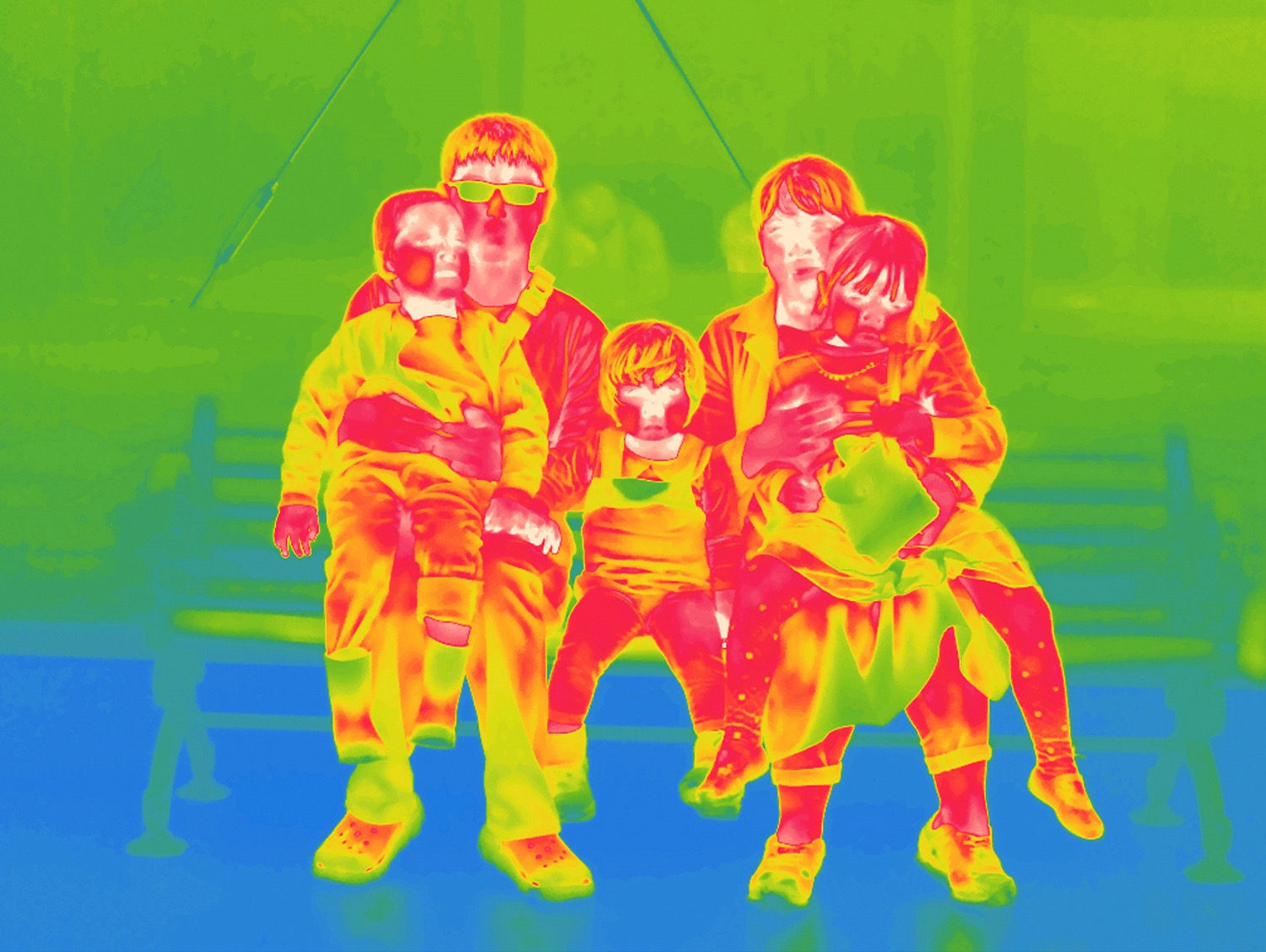
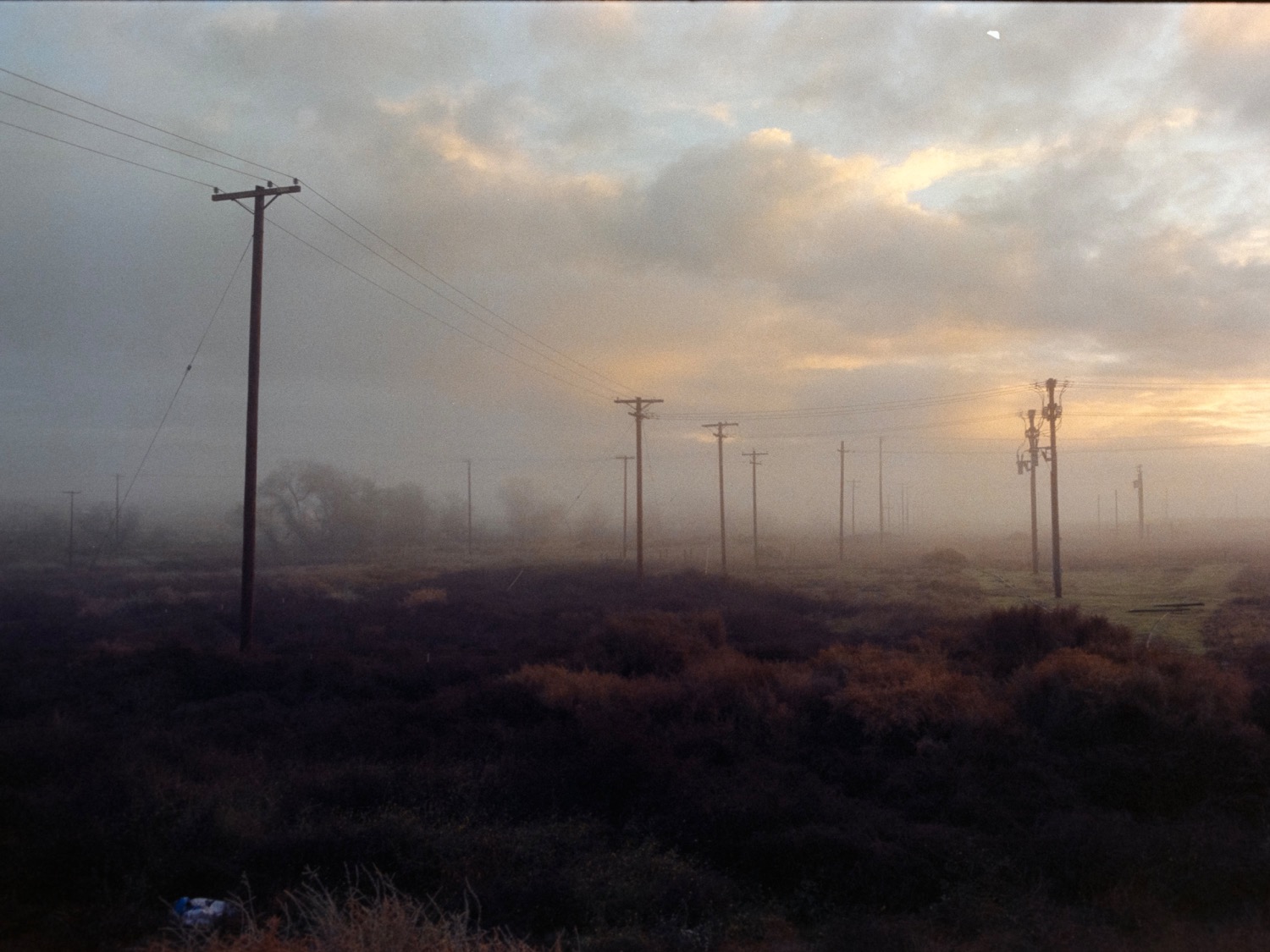
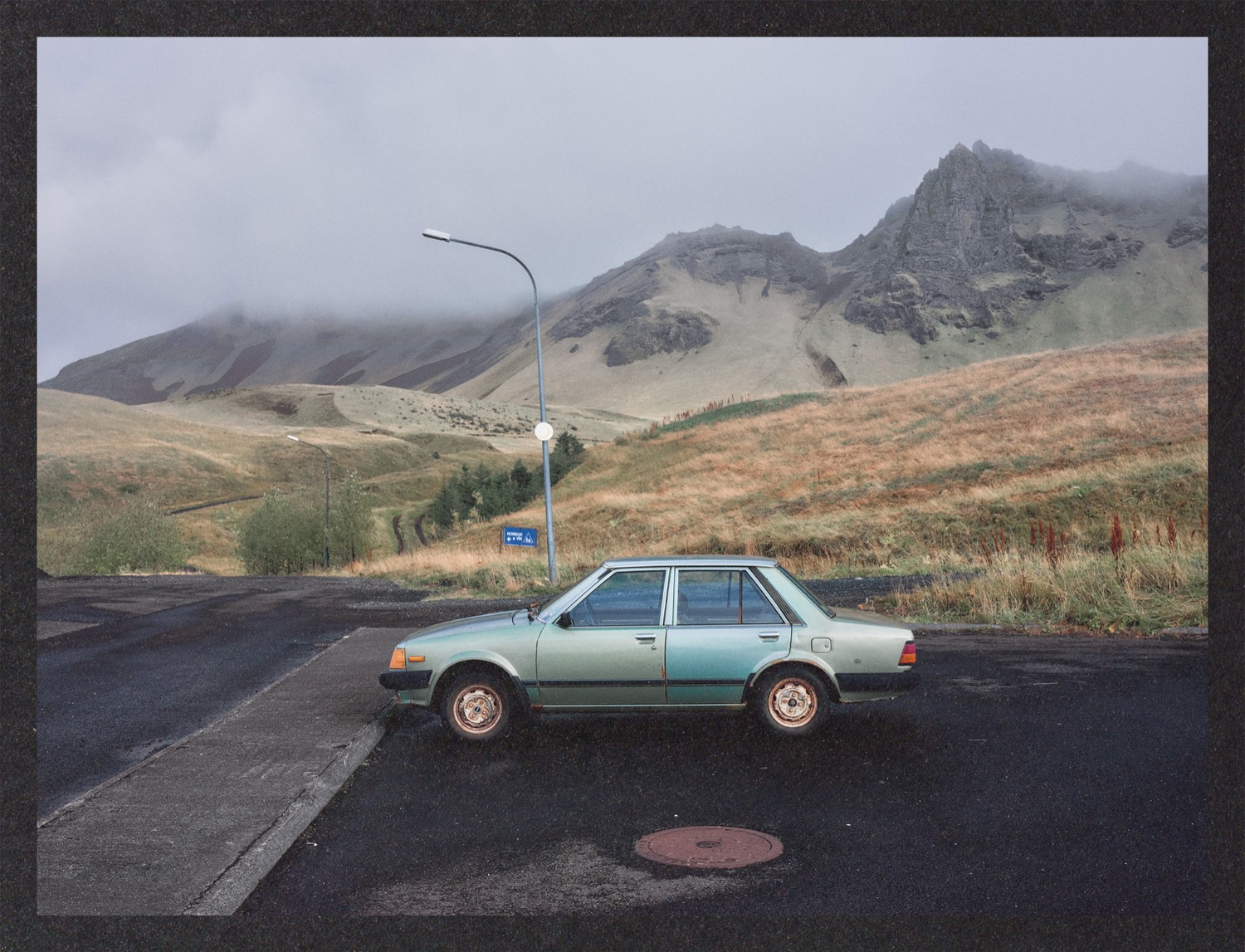
Suzanne Theodora White’s work centres on the farm where she has lived for 45 years, making her artistic journey deeply personal. She approaches New American Landscape as a form of time travel, altering photographs from her archive to bring together the past, present and possible future of the landscape. “I am now a part of the history of a farm that was established in 1800. It is land, nature, and landscape I love that is being altered by droughts, invasive species, and severe storms.”


She explores landscapes altered by human activity, seeking to provoke wonder, unease, curiosity and a sense of loss. Her photographs of the farm, her memories and experiences of living on the land, and her manipulation of photographic images become metaphors for land fragmentation on a wider scale. “In my series Dry Stone No Sound of Water, a title borrowed from T. S. Eliot’s poem The Waste Land, I attempt to address the fragmentation of nature and landscape.”

Shifting Baseline Syndrome
White sees herself as the farm’s present caretaker, recognising that the land will continue to change long after she is gone. Her work also addresses shifting baseline syndrome, the gradual acceptance of environmental decline as each generation becomes accustomed to a diminished natural world. “There is a scientific theory called Shifting Baseline Syndrome, and it's one that scares me, because the idea behind it is that each generation gets used to a new normal in nature. Pretty soon, nobody is going to remember when the skies were full of birds, and when the grass was green, or when there were forests. And so, each generation gets used to a diminished environment, and that becomes the new normal. What will happen when the human population does not remember?”

Theatrical Landscapes
For White, mark-making is deeply rooted in human nature, from ancient cave paintings to modern graffiti. She uses light, composition, colour and texture to invite viewers to examine the images and engage with mark-making as a form of human communication. “My constructions, like my theatres, invite viewers to enter the photograph visually and emotionally: to sit, watch, and listen to the performance; to see the tearing, marking, folding, and crumbling as a world defined by damage, wounds, abrasions, colour, and tension—a landscape that is not a backdrop but an all-encompassing, active part of the story.”


White hopes viewers will return to her work, as they might to a book they want to read again. She arranges her photographic constructions as theatrical stages, inviting viewers to become increasingly aware and concerned—and perhaps to take action. “My images are intimate theatres of memory and metaphors representing the fractured nature of our contemporary world and our day-to-day lives. I construct my photographic scenes with a stage, backdrop and subject, creating narratives that resemble dramas, tragedies and occasionally comedies. Beauty invites viewers to look closely and discover the message within the work.”
Beauty invites viewers to look closely and discover the message within the work.


The Sacred Grandmother
Rocks are a recurring motif in White’s work. In her long-term project The Sacred Grandmother, she constructs installations around a glacial erratic boulder on her farm. These installations pay homage to women's strength and power and their connection to the natural world. “They are offerings, a gesture of respect, a conversation, an entry into her story, and perhaps a shield for her protection.”
In The Sacred Grandmother, White explores spirituality, meaning, and purpose, seeing the boulder as a witness to her life and the farm's history. “She is my touchstone and guide as I explore my own origin story rooted in the history of the farm and the land I walk on.”


The Power of Images
Through the visual appeal of her photographic constructions, White communicates her love, passion, anger and fears for the future of the natural world and humanity. She believes that making climate disruption visible can deepen public awareness and encourage action. “I suspect we are all aware of climate disruption, but the more it is visualised, the more the message gets across and the more action will be taken to address it. Or, at the very least, there might be a photographic historical record.”
For White, photography also offers a way to process personal experiences and respond to the challenges of the contemporary world. “Making art is how I travel through the day, and if it goes out into the world, I hope it will enhance someone's life while bringing attention to the crisis we are facing, and that activism will be a result.”

Art as an Act of Hope
For Suzanne Theodora White, making art provides a sense of purpose and connection to the world. She finds resonance in a passage from Robert Adams’s book Beauty in Photography, published by Aperture: “Why is Form beautiful? Because, I think, it helps us meet our worst fear, the suspicion that life may be chaos and that therefore our suffering is without meaning.” White recognises in Adams’s words the value she places on making art. “This speaks to art in general, and it is how I feel about making art. It is grounding, subversive, the ultimate act of optimism and hope in a troubled world.”
My reimagined landscapes illustrate wounds, the passage of time, our ecological crisis and our systemic cultural alienation from the natural world.


Suzanne Theodora White’s work centres on the farm where she has lived for 45 years, making her artistic journey deeply personal. She approaches New American Landscape as a form of time travel, altering photographs from her archive to bring together the past, present and possible future of the landscape. “I am now a part of the history of a farm that was established in 1800. It is land, nature, and landscape I love that is being altered by droughts, invasive species, and severe storms.”
She explores landscapes altered by human activity, seeking to provoke wonder, unease, curiosity and a sense of loss. Her photographs of the farm, her memories and experiences of living on the land, and her manipulation of photographic images become metaphors for land fragmentation on a wider scale. “In my series Dry Stone No Sound of Water, a title borrowed from T. S. Eliot’s poem The Waste Land, I attempt to address the fragmentation of nature and landscape.”
Shifting Baseline Syndrome
White sees herself as the farm’s present caretaker, recognising that the land will continue to change long after she is gone. Her work also addresses shifting baseline syndrome, the gradual acceptance of environmental decline as each generation becomes accustomed to a diminished natural world. “There is a scientific theory called Shifting Baseline Syndrome, and it's one that scares me, because the idea behind it is that each generation gets used to a new normal in nature. Pretty soon, nobody is going to remember when the skies were full of birds, and when the grass was green, or when there were forests. And so, each generation gets used to a diminished environment, and that becomes the new normal. What will happen when the human population does not remember?”
Theatrical Landscapes
For White, mark-making is deeply rooted in human nature, from ancient cave paintings to modern graffiti. She uses light, composition, colour and texture to invite viewers to examine the images and engage with mark-making as a form of human communication. “My constructions, like my theatres, invite viewers to enter the photograph visually and emotionally: to sit, watch, and listen to the performance; to see the tearing, marking, folding, and crumbling as a world defined by damage, wounds, abrasions, colour, and tension—a landscape that is not a backdrop but an all-encompassing, active part of the story.”
White hopes viewers will return to her work, as they might to a book they want to read again. She arranges her photographic constructions as theatrical stages, inviting viewers to become increasingly aware and concerned—and perhaps to take action. “My images are intimate theatres of memory and metaphors representing the fractured nature of our contemporary world and our day-to-day lives. I construct my photographic scenes with a stage, backdrop and subject, creating narratives that resemble dramas, tragedies and occasionally comedies. Beauty invites viewers to look closely and discover the message within the work.”
Beauty invites viewers to look closely and discover the message within the work.
The Sacred Grandmother
Rocks are a recurring motif in White’s work. In her long-term project The Sacred Grandmother, she constructs installations around a glacial erratic boulder on her farm. These installations pay homage to women's strength and power and their connection to the natural world. “They are offerings, a gesture of respect, a conversation, an entry into her story, and perhaps a shield for her protection.”
In The Sacred Grandmother, White explores spirituality, meaning, and purpose, seeing the boulder as a witness to her life and the farm's history. “She is my touchstone and guide as I explore my own origin story rooted in the history of the farm and the land I walk on.”
The Power of Images
Through the visual appeal of her photographic constructions, White communicates her love, passion, anger and fears for the future of the natural world and humanity. She believes that making climate disruption visible can deepen public awareness and encourage action. “I suspect we are all aware of climate disruption, but the more it is visualised, the more the message gets across and the more action will be taken to address it. Or, at the very least, there might be a photographic historical record.”
For White, photography also offers a way to process personal experiences and respond to the challenges of the contemporary world. “Making art is how I travel through the day, and if it goes out into the world, I hope it will enhance someone's life while bringing attention to the crisis we are facing, and that activism will be a result.”
Art as an Act of Hope
For Suzanne Theodora White, making art provides a sense of purpose and connection to the world. She finds resonance in a passage from Robert Adams’s book Beauty in Photography, published by Aperture: “Why is Form beautiful? Because, I think, it helps us meet our worst fear, the suspicion that life may be chaos and that therefore our suffering is without meaning.” White recognises in Adams’s words the value she places on making art. “This speaks to art in general, and it is how I feel about making art. It is grounding, subversive, the ultimate act of optimism and hope in a troubled world.”
My reimagined landscapes illustrate wounds, the passage of time, our ecological crisis and our systemic cultural alienation from the natural world.