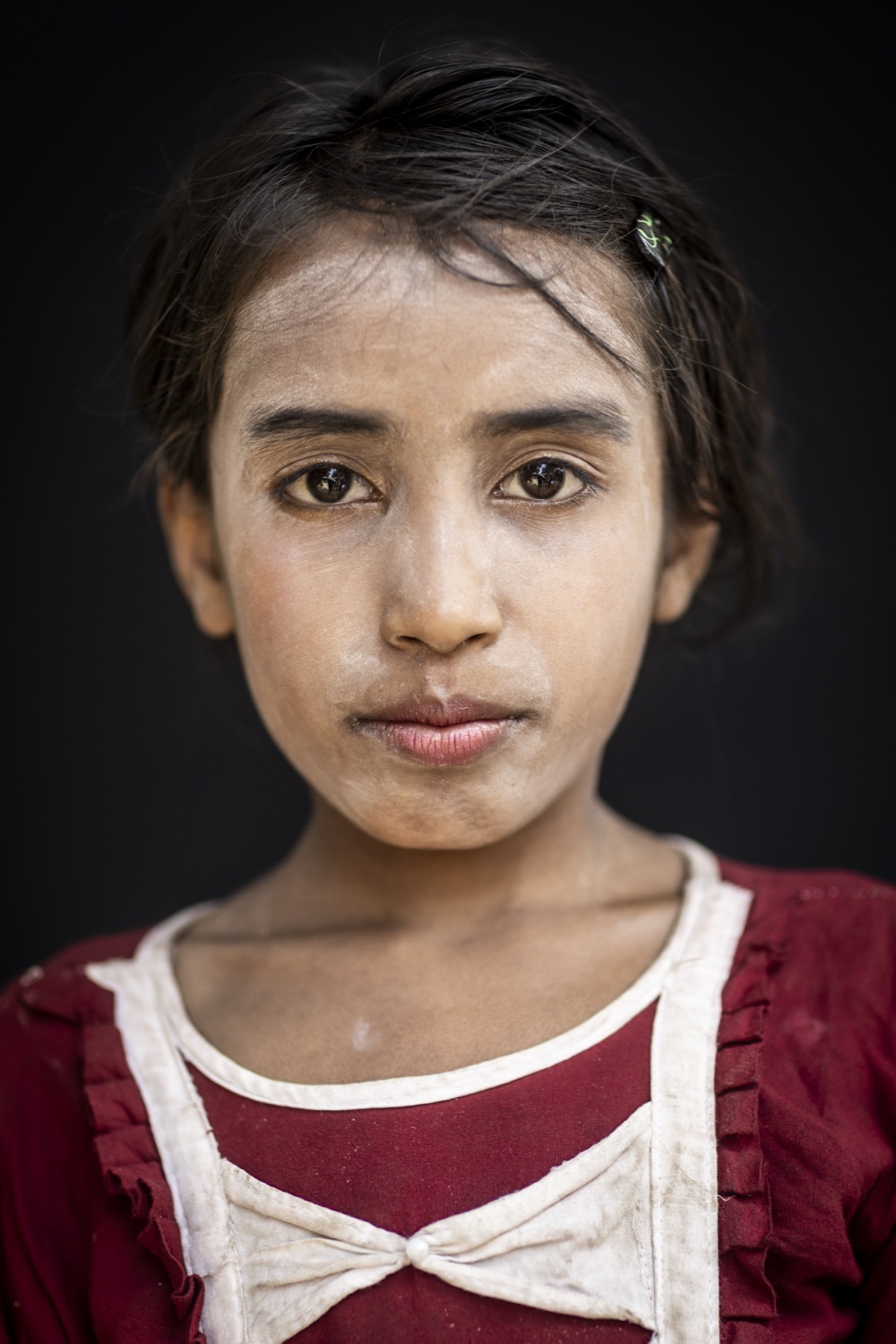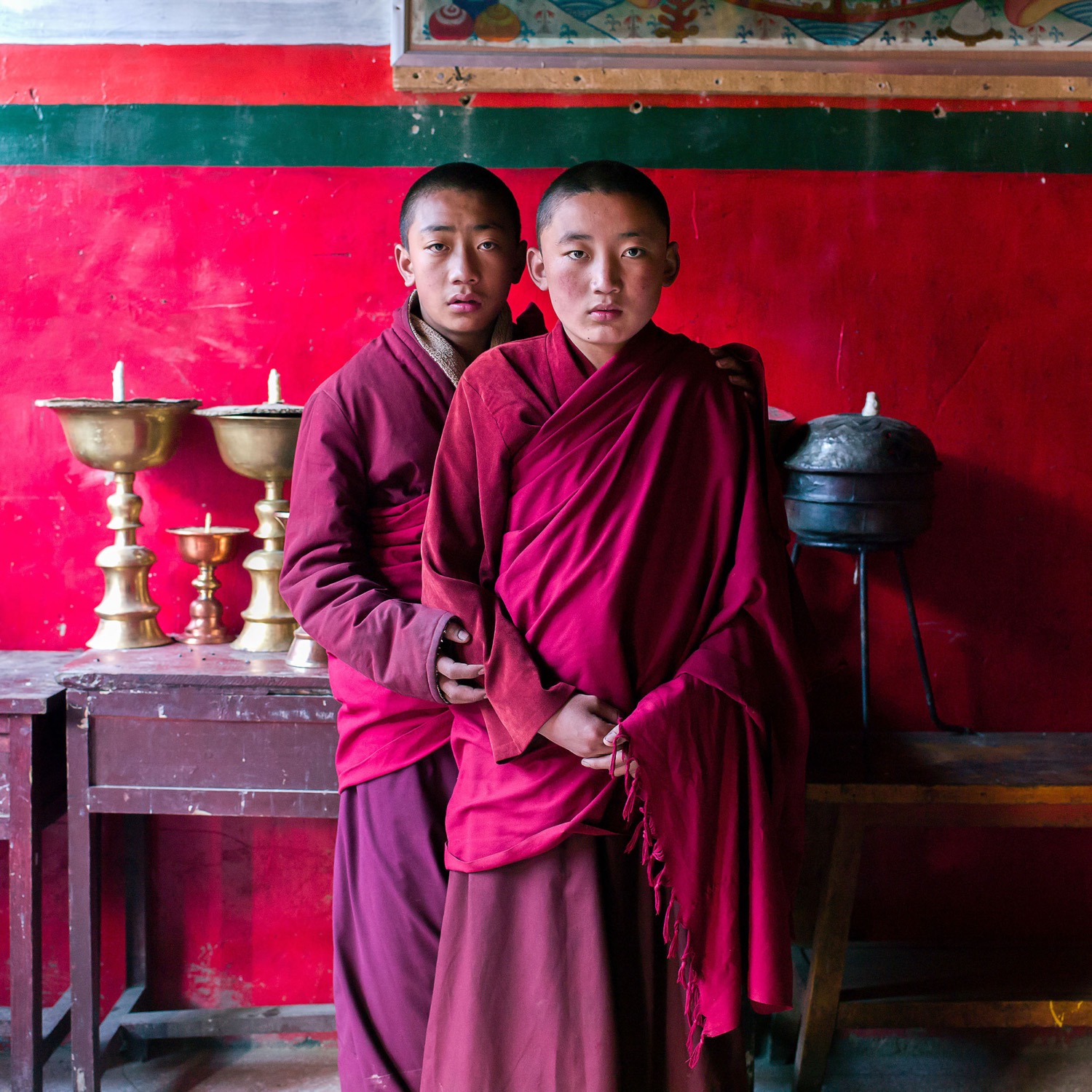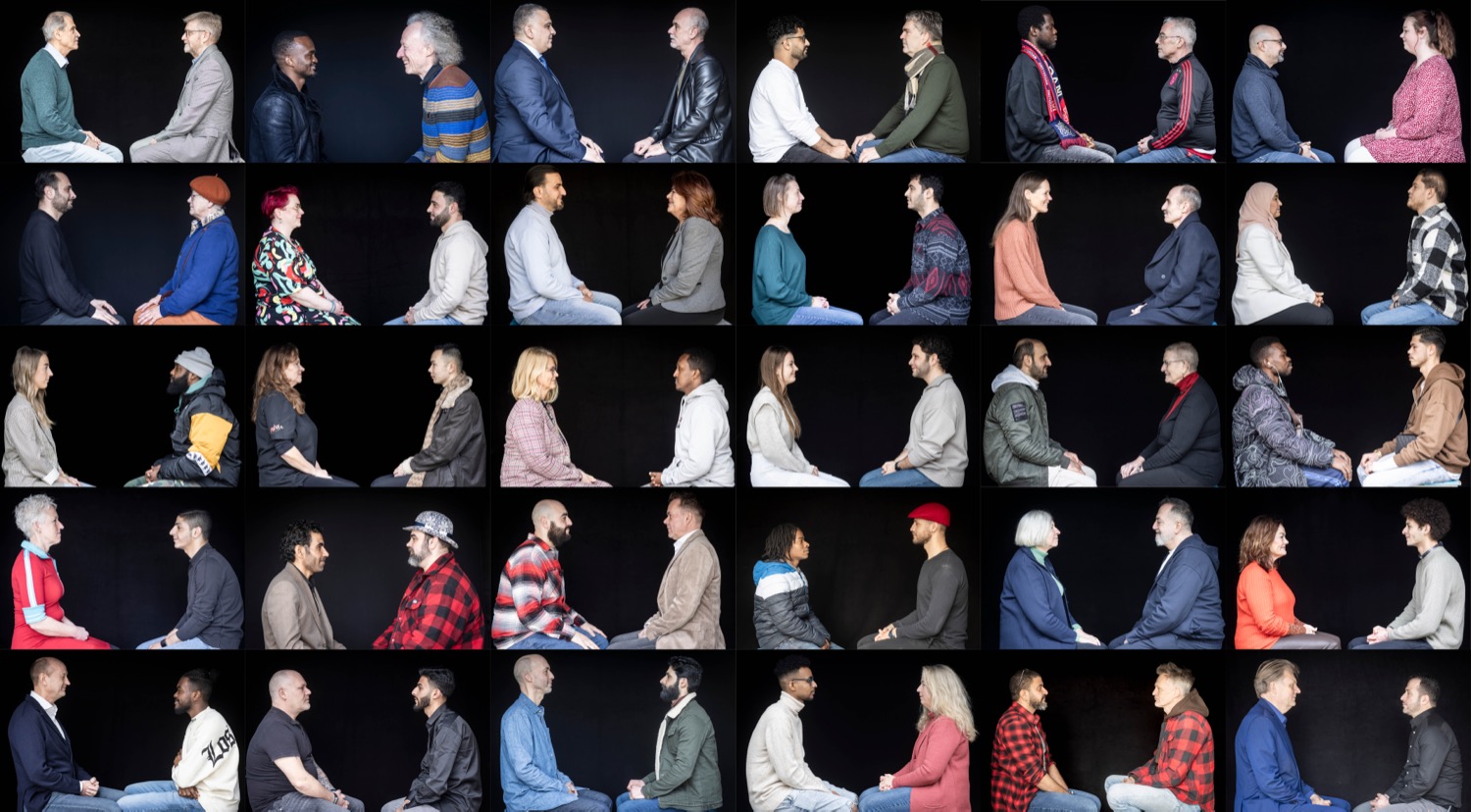


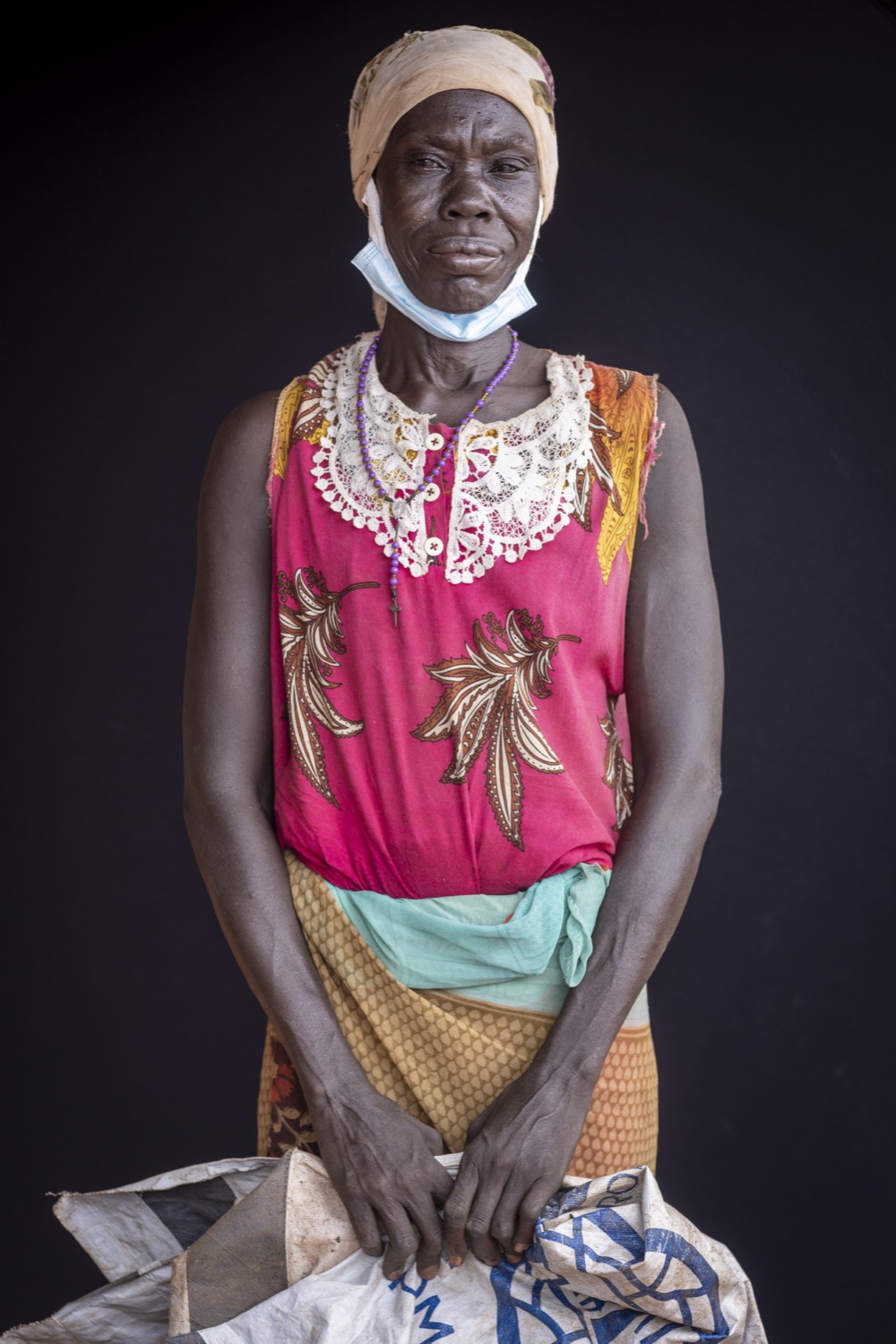
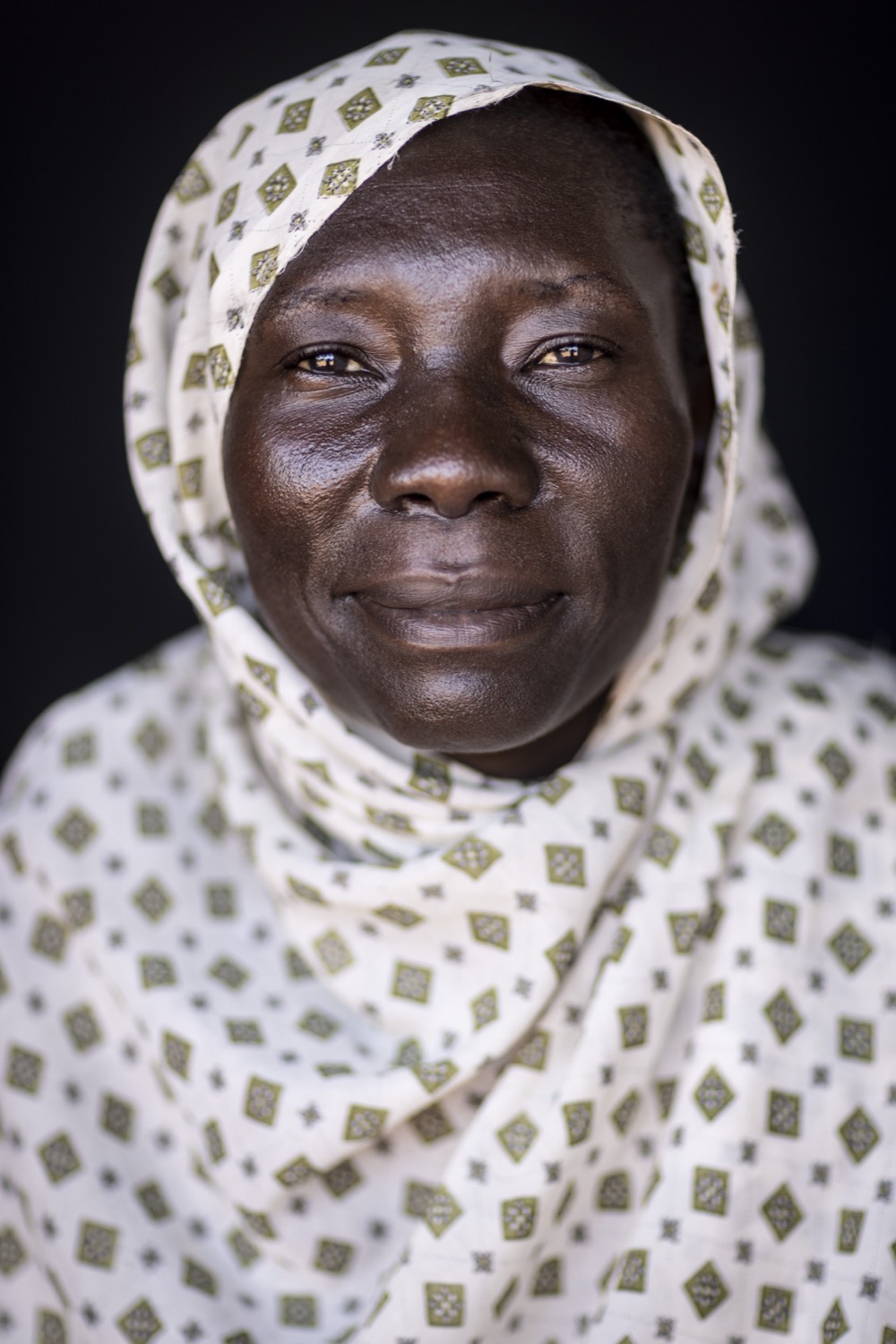
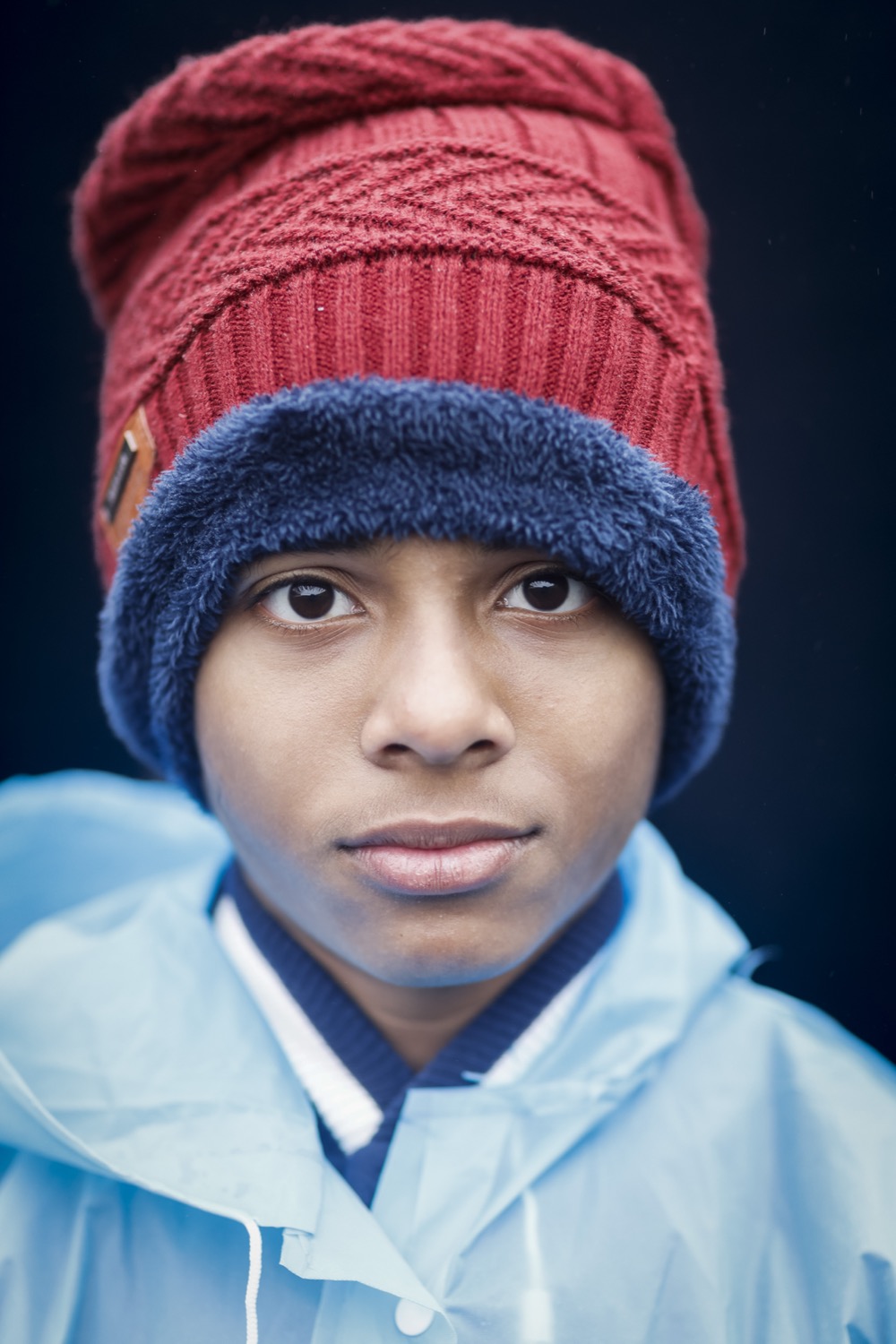
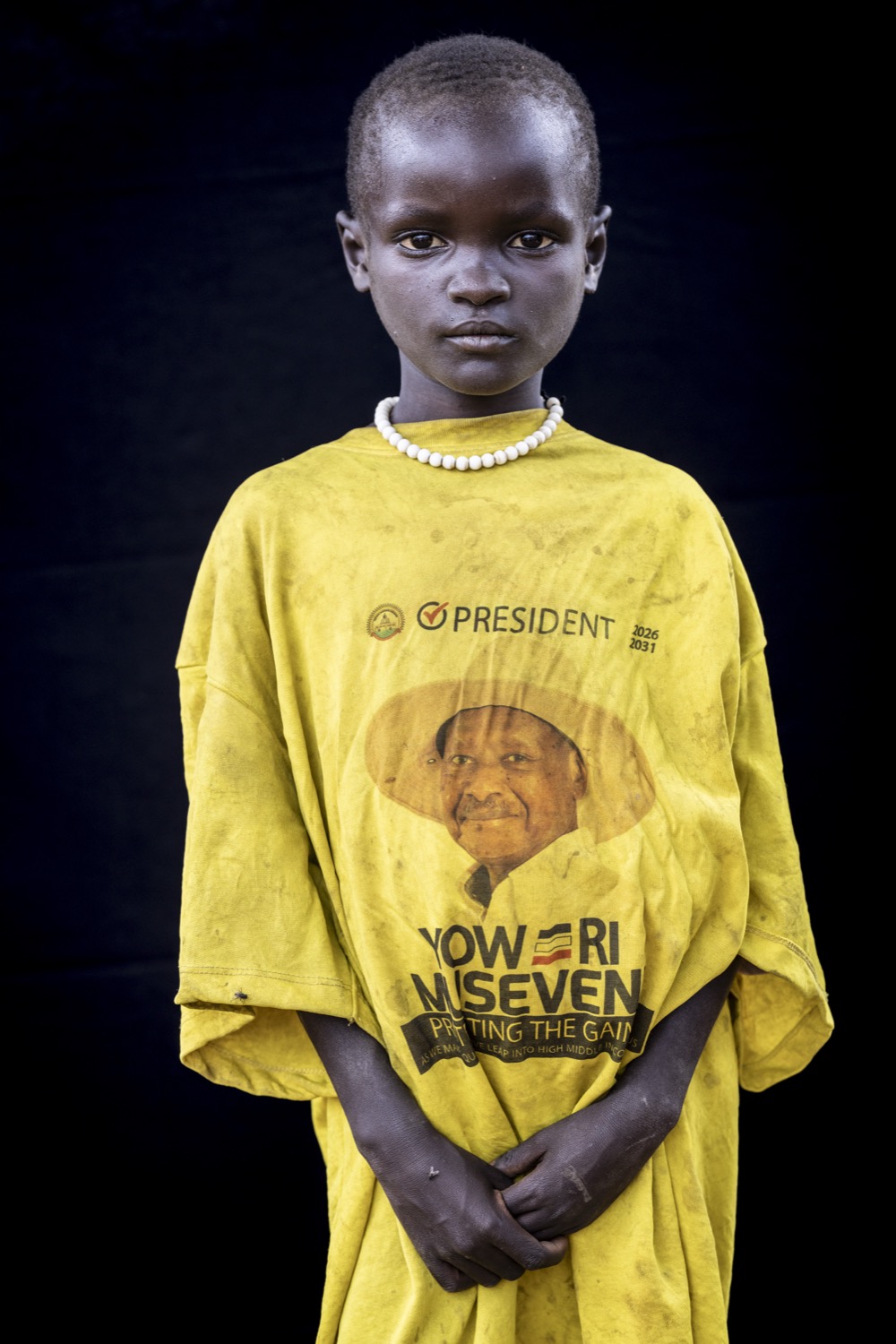
Timman travelled to numerous countries, including Iraq, Mongolia, Italy, Madagascar, Ecuador, South Sudan, Sri Lanka, and Ghana. His trips were driven partly by various assignments and partly by personal initiative, with expenses paid out of his own pocket. His mission was clear: “I wanted to highlight people who, in my view, deserve attention.” The neutral black backdrop serves a thoughtful purpose: “After my dream, I aimed to depict human dignity and emphasise that each individual matters and has value. For instance, I visited the Calais Jungle—a place of despair. When I photographed someone there against that backdrop, you see a person rather than societal labels—refugee, fortune-seeker, or loser—stereotypes I sometimes struggle with, too. However, when you hang a black cloth behind them, you see a human being. This highlights their humanity, independent of the circumstances that often dominate the scene. The neutral background allows viewers to look a little less biased.”
After my dream, I aimed to depict human dignity and emphasise that each individual matters and has value.

Prejudices dispelled
Many people view strangers with prejudice as a natural act of self-protection. They typically judge strangers based on unseen fears rooted in inherited habits of defending one’s community, position, and sense of security. The unfamiliar person then becomes a threat instead of a person: a representative of another culture, religion, or nationality. At this point, prejudice obstructs empathy, curiosity, and shared understanding. Ruben Timman aims to neutralise these innate biases. “We, as Europeans, especially with the influx of asylum seekers, have preconceived notions about strangers. We often have prejudices. That’s also part of our survival mechanism. We categorise to understand where we belong and when to be cautious.” He focuses on the faces of those he photographs, emphasising their gaze and the message within. “I try to capture their inner world. But more importantly, the photographs emphasise the encounter — making eye contact. The photo is not the final goal; it’s a means to meet people. Ultimately, the encounter matters most, which is also the aim of the Museum of Humanity.”
Timman references philosopher Emmanuel Levinas, who sees the face of the other as a moral summons: their presence compels us to respond, care, and accept a responsibility that precedes judgment. For Levinas, the Other pushes us beyond our fears and categories. Their presence reminds us that humans cannot be reduced to judgments or prejudices. The Other calls us to empathy and understanding. “In the past, I lost my dignity and had to learn to love myself. Perhaps, those portraits helped me do that, as I received something in return from those people — they recognised their dignity, and in turn, restored mine.”

Back to childhood
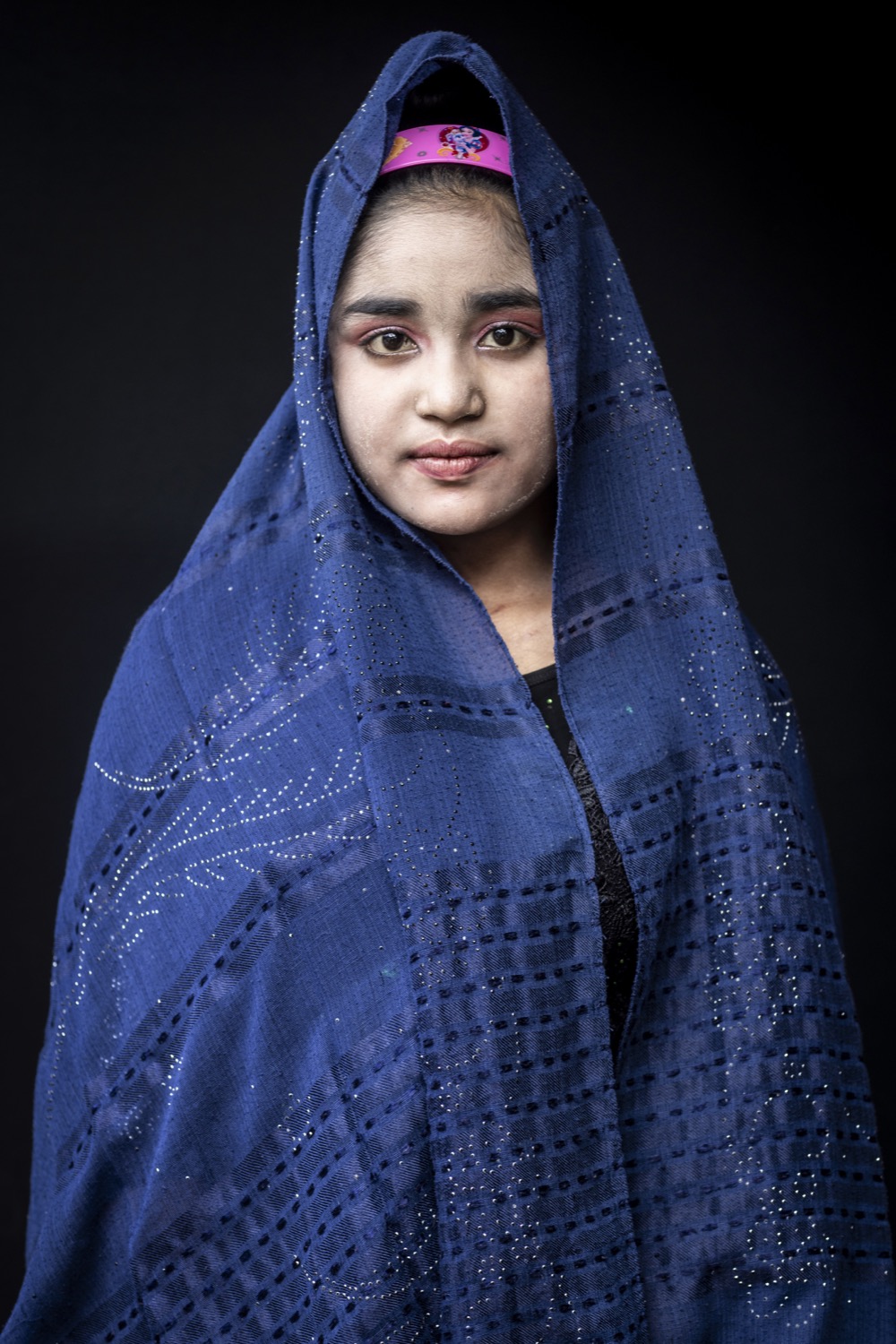
As adults, we often feel stressed and less tolerant, especially lately with rising social polarisation. We forget the open-mindedness we had as children. That's why Timman aims to connect with his sitters' inner worlds by sparking their imagination. “I want to create a dialogue between myself and the sitter. I ask them to revisit their early youth and rekindle their childhood enthusiasm for life. I try to lead someone to a place, a memory, or a person where something happens inside. In the photo, you see a kind of positive energy emanating. Children can still dream freely about their lives, while adults often lose that ability. I want to evoke the purity and openness of the child's mind in everyone. This started with my own search within, looking for the child I was. I hope that, for everyone, the child inside remains very much alive. Perhaps a photoshoot can be a first step toward that. Yes, I invite people to reconnect with that inner child because it’s a wonderful thing.”
I want to evoke the purity and openness of the child's mind in everyone.
The Museum as a space of action
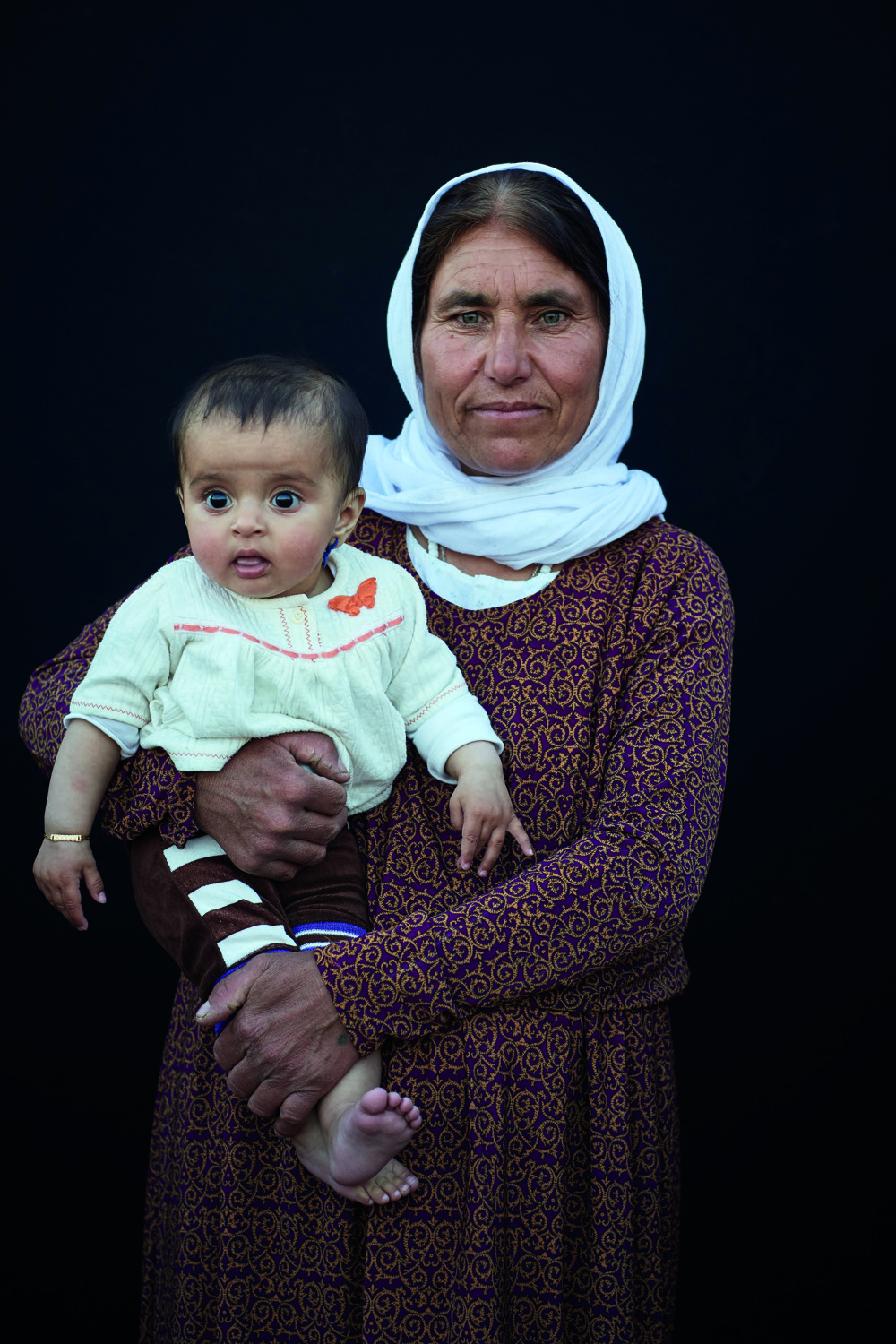
The Museum of Humanity is not just a place to view photographs; it functions as an active space for social encounters. “As a museum, we aim to encourage loving yourself more, caring for those close to you, and extending kindness to those you might normally avoid, such as refugees or local community members. Today, we set up an outdoor studio where we interviewed and photographed people from the asylum seekers’ centre.” In a nearby town, the museum hosted a meeting between newcomers and locals, where photography helped foster understanding and empathy. “They spent half a day together, having coffee and exploring the museum. Afterwards, they took photos and recorded videos. Their portraits will be displayed on the streets.”
The Museum exceeds being just an exhibition space. It hosts various outdoor initiatives called ‘Humanity on the Move,’ including pop-up exhibitions both locally and internationally. “Sometimes, that involves occupying a building or covering a basketball court with photos. We undertake diverse projects addressing social issues, such as asylum seekers, but we also focus on topics like homelessness, loneliness, or femicide.” Additional initiatives include Humanity at Work, inviting companies to participate, and School at Work, targeting schoolchildren. A recurring theme across these activities is ‘lost and found.’ Timman explains: “You’re lost, but we’ll find you again. Ultimately, it’s about connecting, about meeting each other. That can happen through photos. The creation process is primarily an initiative for personal meetings, inviting open spaces between different people.”


Timman travelled to numerous countries, including Iraq, Mongolia, Italy, Madagascar, Ecuador, South Sudan, Sri Lanka, and Ghana. His trips were driven partly by various assignments and partly by personal initiative, with expenses paid out of his own pocket. His mission was clear: “I wanted to highlight people who, in my view, deserve attention.” The neutral black backdrop serves a thoughtful purpose: “After my dream, I aimed to depict human dignity and emphasise that each individual matters and has value. For instance, I visited the Calais Jungle—a place of despair. When I photographed someone there against that backdrop, you see a person rather than societal labels—refugee, fortune-seeker, or loser—stereotypes I sometimes struggle with, too. However, when you hang a black cloth behind them, you see a human being. This highlights their humanity, independent of the circumstances that often dominate the scene. The neutral background allows viewers to look a little less biased.”
After my dream, I aimed to depict human dignity and emphasise that each individual matters and has value.


Prejudices dispelled
Many people view strangers with prejudice as a natural act of self-protection. They typically judge strangers based on unseen fears rooted in inherited habits of defending one’s community, position, and sense of security. The unfamiliar person then becomes a threat instead of a person: a representative of another culture, religion, or nationality. At this point, prejudice obstructs empathy, curiosity, and shared understanding. Ruben Timman aims to neutralise these innate biases. “We, as Europeans, especially with the influx of asylum seekers, have preconceived notions about strangers. We often have prejudices. That’s also part of our survival mechanism. We categorise to understand where we belong and when to be cautious.” He focuses on the faces of those he photographs, emphasising their gaze and the message within. “I try to capture their inner world. But more importantly, the photographs emphasise the encounter — making eye contact. The photo is not the final goal; it’s a means to meet people. Ultimately, the encounter matters most, which is also the aim of the Museum of Humanity.”
Timman references philosopher Emmanuel Levinas, who sees the face of the other as a moral summons: their presence compels us to respond, care, and accept a responsibility that precedes judgment. For Levinas, the Other pushes us beyond our fears and categories. Their presence reminds us that humans cannot be reduced to judgments or prejudices. The Other calls us to empathy and understanding. “In the past, I lost my dignity and had to learn to love myself. Perhaps, those portraits helped me do that, as I received something in return from those people — they recognised their dignity, and in turn, restored mine.”


Back to childhood
As adults, we often feel stressed and less tolerant, especially lately with rising social polarisation. We forget the open-mindedness we had as children. That's why Timman aims to connect with his sitters' inner worlds by sparking their imagination. “I want to create a dialogue between myself and the sitter. I ask them to revisit their early youth and rekindle their childhood enthusiasm for life. I try to lead someone to a place, a memory, or a person where something happens inside. In the photo, you see a kind of positive energy emanating. Children can still dream freely about their lives, while adults often lose that ability. I want to evoke the purity and openness of the child's mind in everyone. This started with my own search within, looking for the child I was. I hope that, for everyone, the child inside remains very much alive. Perhaps a photoshoot can be a first step toward that. Yes, I invite people to reconnect with that inner child because it’s a wonderful thing.”
I want to evoke the purity and openness of the child's mind in everyone.


The Museum as a space of action
The Museum of Humanity is not just a place to view photographs; it functions as an active space for social encounters. “As a museum, we aim to encourage loving yourself more, caring for those close to you, and extending kindness to those you might normally avoid, such as refugees or local community members. Today, we set up an outdoor studio where we interviewed and photographed people from the asylum seekers’ centre.” In a nearby town, the museum hosted a meeting between newcomers and locals, where photography helped foster understanding and empathy. “They spent half a day together, having coffee and exploring the museum. Afterwards, they took photos and recorded videos. Their portraits will be displayed on the streets.”
The Museum exceeds being just an exhibition space. It hosts various outdoor initiatives called ‘Humanity on the Move,’ including pop-up exhibitions both locally and internationally. “Sometimes, that involves occupying a building or covering a basketball court with photos. We undertake diverse projects addressing social issues, such as asylum seekers, but we also focus on topics like homelessness, loneliness, or femicide.” Additional initiatives include Humanity at Work, inviting companies to participate, and School at Work, targeting schoolchildren. A recurring theme across these activities is ‘lost and found.’ Timman explains: “You’re lost, but we’ll find you again. Ultimately, it’s about connecting, about meeting each other. That can happen through photos. The creation process is primarily an initiative for personal meetings, inviting open spaces between different people.”


Timman travelled to numerous countries, including Iraq, Mongolia, Italy, Madagascar, Ecuador, South Sudan, Sri Lanka, and Ghana. His trips were driven partly by various assignments and partly by personal initiative, with expenses paid out of his own pocket. His mission was clear: “I wanted to highlight people who, in my view, deserve attention.” The neutral black backdrop serves a thoughtful purpose: “After my dream, I aimed to depict human dignity and emphasise that each individual matters and has value. For instance, I visited the Calais Jungle—a place of despair. When I photographed someone there against that backdrop, you see a person rather than societal labels—refugee, fortune-seeker, or loser—stereotypes I sometimes struggle with, too. However, when you hang a black cloth behind them, you see a human being. This highlights their humanity, independent of the circumstances that often dominate the scene. The neutral background allows viewers to look a little less biased.”
After my dream, I aimed to depict human dignity and emphasise that each individual matters and has value.


Prejudices dispelled
Many people view strangers with prejudice as a natural act of self-protection. They typically judge strangers based on unseen fears rooted in inherited habits of defending one’s community, position, and sense of security. The unfamiliar person then becomes a threat instead of a person: a representative of another culture, religion, or nationality. At this point, prejudice obstructs empathy, curiosity, and shared understanding. Ruben Timman aims to neutralise these innate biases. “We, as Europeans, especially with the influx of asylum seekers, have preconceived notions about strangers. We often have prejudices. That’s also part of our survival mechanism. We categorise to understand where we belong and when to be cautious.” He focuses on the faces of those he photographs, emphasising their gaze and the message within. “I try to capture their inner world. But more importantly, the photographs emphasise the encounter — making eye contact. The photo is not the final goal; it’s a means to meet people. Ultimately, the encounter matters most, which is also the aim of the Museum of Humanity.”
Timman references philosopher Emmanuel Levinas, who sees the face of the other as a moral summons: their presence compels us to respond, care, and accept a responsibility that precedes judgment. For Levinas, the Other pushes us beyond our fears and categories. Their presence reminds us that humans cannot be reduced to judgments or prejudices. The Other calls us to empathy and understanding. “In the past, I lost my dignity and had to learn to love myself. Perhaps, those portraits helped me do that, as I received something in return from those people — they recognised their dignity, and in turn, restored mine.”


Back to childhood
As adults, we often feel stressed and less tolerant, especially lately with rising social polarisation. We forget the open-mindedness we had as children. That's why Timman aims to connect with his sitters' inner worlds by sparking their imagination. “I want to create a dialogue between myself and the sitter. I ask them to revisit their early youth and rekindle their childhood enthusiasm for life. I try to lead someone to a place, a memory, or a person where something happens inside. In the photo, you see a kind of positive energy emanating. Children can still dream freely about their lives, while adults often lose that ability. I want to evoke the purity and openness of the child's mind in everyone. This started with my own search within, looking for the child I was. I hope that, for everyone, the child inside remains very much alive. Perhaps a photoshoot can be a first step toward that. Yes, I invite people to reconnect with that inner child because it’s a wonderful thing.”
I want to evoke the purity and openness of the child's mind in everyone.


The Museum as a space of action
The Museum of Humanity is not just a place to view photographs; it functions as an active space for social encounters. “As a museum, we aim to encourage loving yourself more, caring for those close to you, and extending kindness to those you might normally avoid, such as refugees or local community members. Today, we set up an outdoor studio where we interviewed and photographed people from the asylum seekers’ centre.” In a nearby town, the museum hosted a meeting between newcomers and locals, where photography helped foster understanding and empathy. “They spent half a day together, having coffee and exploring the museum. Afterwards, they took photos and recorded videos. Their portraits will be displayed on the streets.”
The Museum exceeds being just an exhibition space. It hosts various outdoor initiatives called ‘Humanity on the Move,’ including pop-up exhibitions both locally and internationally. “Sometimes, that involves occupying a building or covering a basketball court with photos. We undertake diverse projects addressing social issues, such as asylum seekers, but we also focus on topics like homelessness, loneliness, or femicide.” Additional initiatives include Humanity at Work, inviting companies to participate, and School at Work, targeting schoolchildren. A recurring theme across these activities is ‘lost and found.’ Timman explains: “You’re lost, but we’ll find you again. Ultimately, it’s about connecting, about meeting each other. That can happen through photos. The creation process is primarily an initiative for personal meetings, inviting open spaces between different people.”