Under the Desert Sun — Those Who Remain

Nina Golob explores the Tuareg people’s resilience and deep connection to desert homelands.

Words by  

Nina Golob

Save
Unsave
© Nina Golob | Under the Desert Sun — Those Who Remain

Nina Golob documents Tuareg nomadic life, exploring resilience, tradition, and human connection within the Sahara’s desert landscapes.

Payment Failed

Hey there. We tried to charge your card but, something went wrong. Please update your payment method below to continue reading Artdoc Magazine.
Update Payment Method
Have a question? Contact Support
© Nina Golob | Under the Desert Sun — Those Who Remain

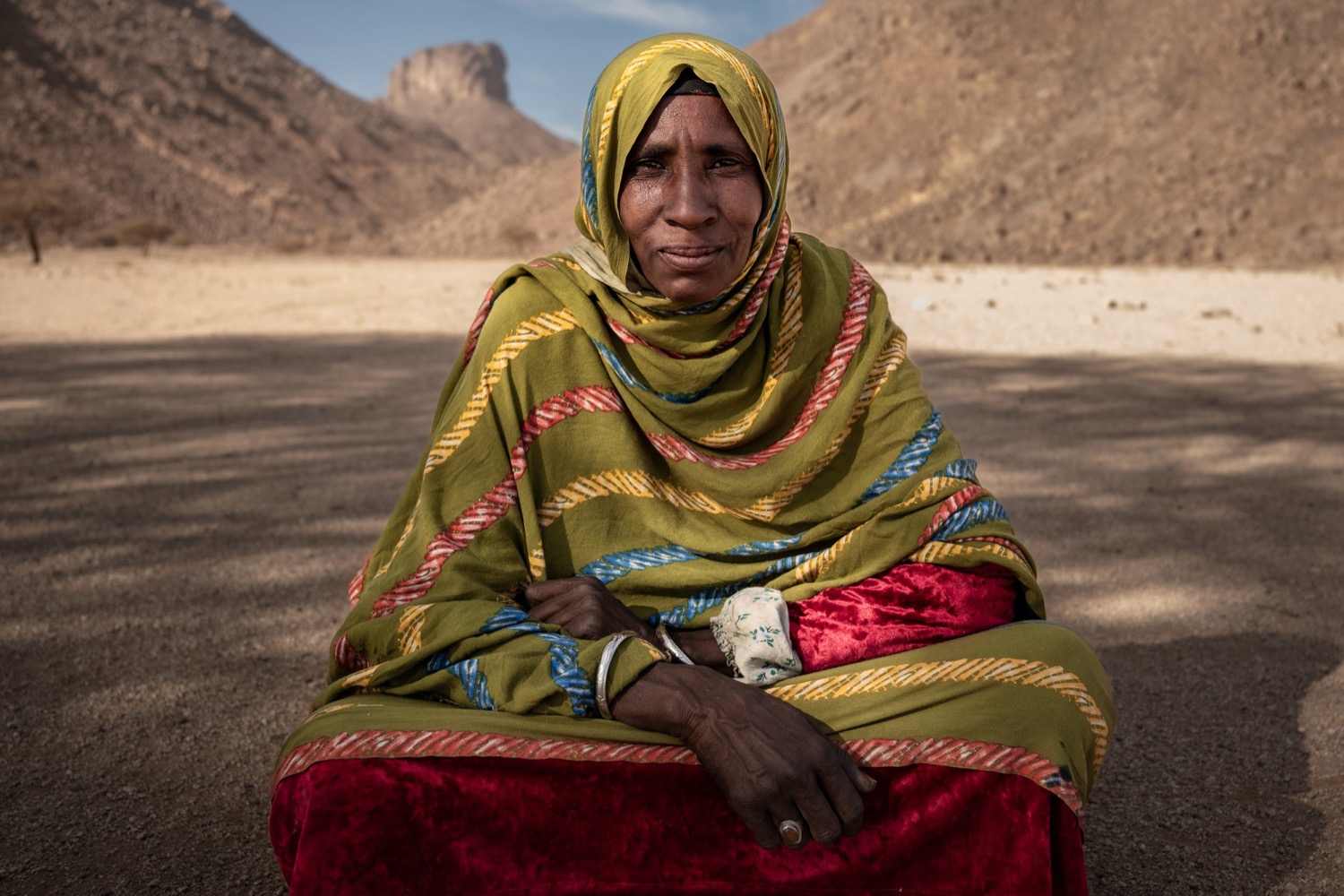
Under the Desert Sun: Those Who Remain explores the quiet resilience of the Tuareg people and their deep connection to the desert land they call home. Through this work, I document moments from the everyday lives of nomadic women, shaped by movement, tradition, and survival within one of the harshest environments on earth.

© Nina Golob | Under the Desert Sun — Those Who Remain

My images focus on subtle gestures, light, and the relationship between people, animals, and the land. By spending time with Tuareg nomads, I realised how deeply connected we are beyond language. We do not need to speak the same language to feel, understand, and share moments together.

We do not need to speak the same language to feel, understand, and share moments together.

© Nina Golob | Under the Desert Sun — Those Who Remain

We followed the rhythm of the animals, sharing music, singing, dancing, and simply being present. This series is both a personal and visual journey — an attempt to preserve fleeting moments of a culture that remains deeply rooted in the desert and its traditions.

© Nina Golob | Under the Desert Sun — Those Who Remain
About
Nina Golob is a Slovenian photographer working primarily in documentary and travel photography. Her work focuses on human stories, cultural identity, and everyday life. She has recently been developing long-term projects in the Sahara, Algeria, where she explores the lives and traditions of the Tuareg people and their deep connection to the land and their cultural heritage.

Under the Desert Sun — Those Who Remain

Nina Golob explores the Tuareg people’s resilience and deep connection to desert homelands.

Words by  

Nina Golob

Save
Unsave
Nina Golob explores the Tuareg people’s resilience and deep connection to desert homelands.
© Nina Golob | Under the Desert Sun — Those Who Remain

Nina Golob documents Tuareg nomadic life, exploring resilience, tradition, and human connection within the Sahara’s desert landscapes.

© Nina Golob | Under the Desert Sun — Those Who Remain

Under the Desert Sun: Those Who Remain explores the quiet resilience of the Tuareg people and their deep connection to the desert land they call home. Through this work, I document moments from the everyday lives of nomadic women, shaped by movement, tradition, and survival within one of the harshest environments on earth.

© Nina Golob | Under the Desert Sun — Those Who Remain

My images focus on subtle gestures, light, and the relationship between people, animals, and the land. By spending time with Tuareg nomads, I realised how deeply connected we are beyond language. We do not need to speak the same language to feel, understand, and share moments together.

We do not need to speak the same language to feel, understand, and share moments together.

© Nina Golob | Under the Desert Sun — Those Who Remain

We followed the rhythm of the animals, sharing music, singing, dancing, and simply being present. This series is both a personal and visual journey — an attempt to preserve fleeting moments of a culture that remains deeply rooted in the desert and its traditions.

© Nina Golob | Under the Desert Sun — Those Who Remain
About
Nina Golob is a Slovenian photographer working primarily in documentary and travel photography. Her work focuses on human stories, cultural identity, and everyday life. She has recently been developing long-term projects in the Sahara, Algeria, where she explores the lives and traditions of the Tuareg people and their deep connection to the land and their cultural heritage.
Save
Unsave

Under the Desert Sun — Those Who Remain

Nina Golob explores the Tuareg people’s resilience and deep connection to desert homelands.

Words by

Nina Golob

Under the Desert Sun — Those Who Remain
© Nina Golob | Under the Desert Sun — Those Who Remain

Nina Golob documents Tuareg nomadic life, exploring resilience, tradition, and human connection within the Sahara’s desert landscapes.

© Nina Golob | Under the Desert Sun — Those Who Remain

Under the Desert Sun: Those Who Remain explores the quiet resilience of the Tuareg people and their deep connection to the desert land they call home. Through this work, I document moments from the everyday lives of nomadic women, shaped by movement, tradition, and survival within one of the harshest environments on earth.

© Nina Golob | Under the Desert Sun — Those Who Remain

My images focus on subtle gestures, light, and the relationship between people, animals, and the land. By spending time with Tuareg nomads, I realised how deeply connected we are beyond language. We do not need to speak the same language to feel, understand, and share moments together.

We do not need to speak the same language to feel, understand, and share moments together.
© Nina Golob | Under the Desert Sun — Those Who Remain

We followed the rhythm of the animals, sharing music, singing, dancing, and simply being present. This series is both a personal and visual journey — an attempt to preserve fleeting moments of a culture that remains deeply rooted in the desert and its traditions.

© Nina Golob | Under the Desert Sun — Those Who Remain
About
Nina Golob is a Slovenian photographer working primarily in documentary and travel photography. Her work focuses on human stories, cultural identity, and everyday life. She has recently been developing long-term projects in the Sahara, Algeria, where she explores the lives and traditions of the Tuareg people and their deep connection to the land and their cultural heritage.
Save
Unsave