© Steff Gruber | Dignity and Identity — Waste Pickers of Phnom Penh
Using a direct documentary style, it explores themes of labour, migration, poverty, and social exclusion amid rapid urban expansion. Gruber’s photographs showcase the resilience and self-reliance of individuals working in hazardous conditions, while also shining a light on often-overlooked communities. The project thoughtfully reflects on issues of dignity, survival, and recognition at society’s margins.
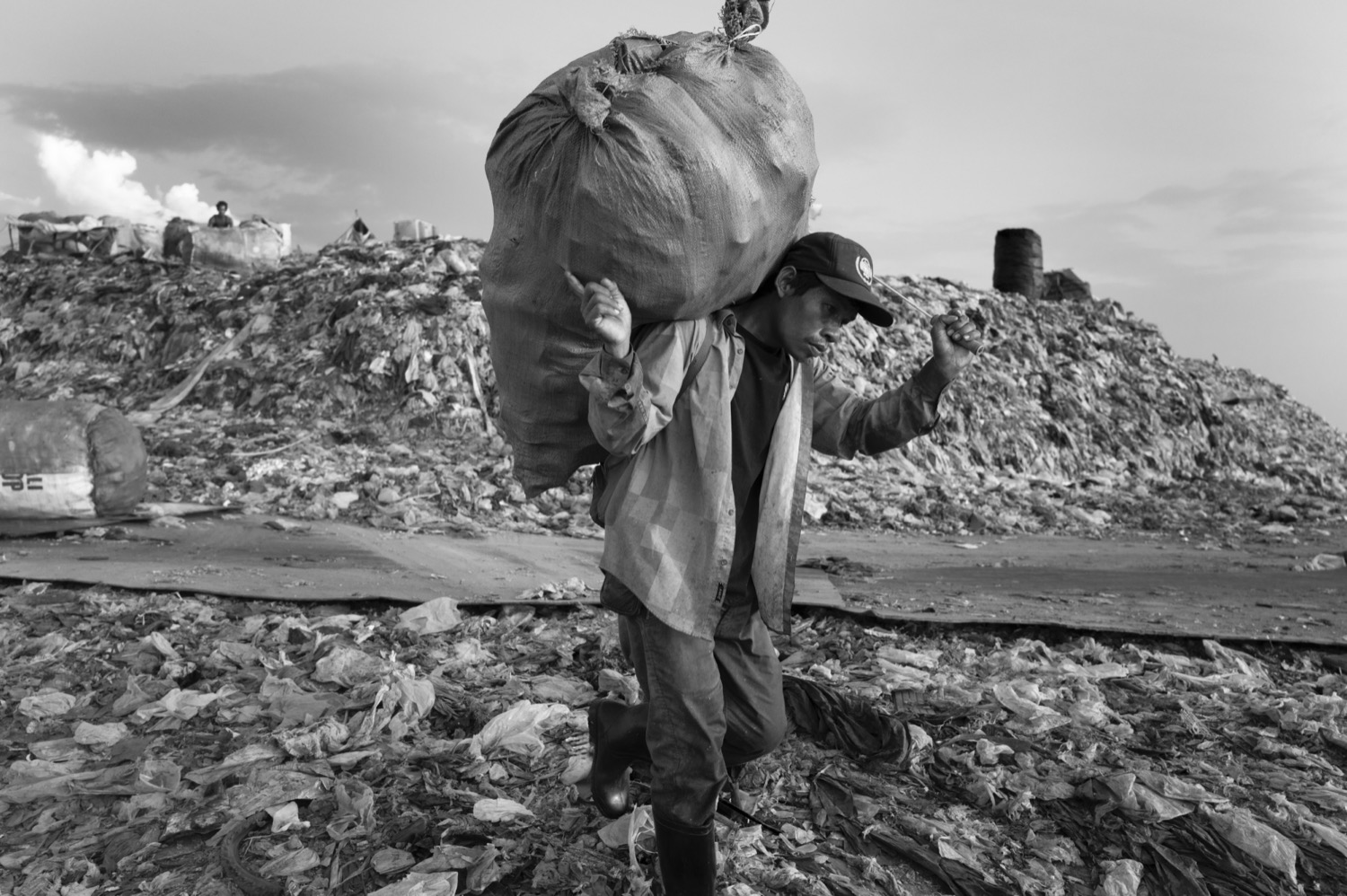
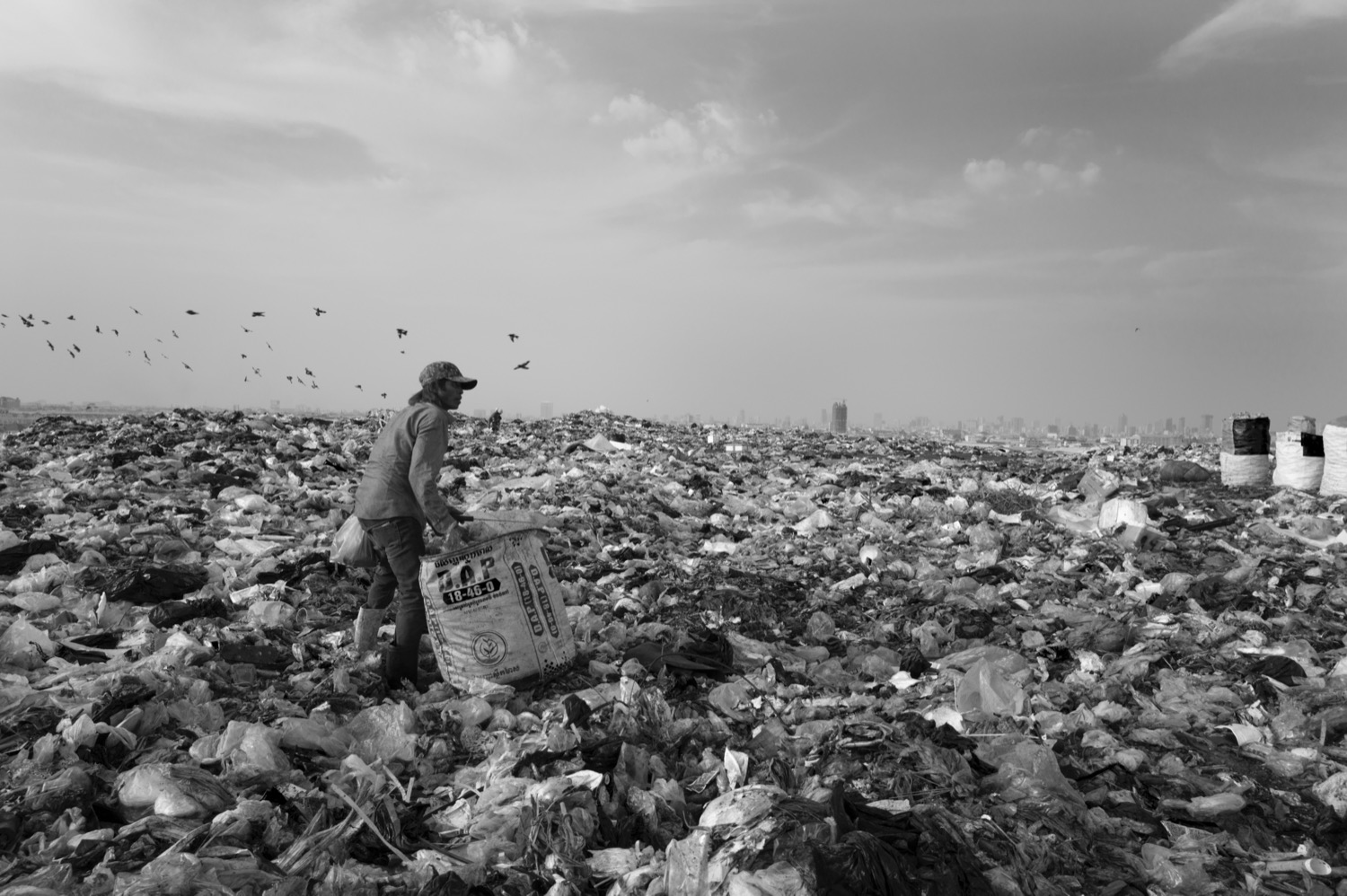
Steff Gruber: In Phnom Penh, Cambodia's lively capital, an alternative reality exists in the shadow of economic progress. In the Dangkor district, a landfill spanning 31-hectare landfill receives roughly 80% of the city’s daily waste, amounting to 3,000 tons. Each day, hundreds scavenge this site looking for recyclables. With just their hands and basic tools, they extract plastic, metal, and glass to sell for a small amount of Cambodian riels.
Garbage trucks deliver waste that bulldozers spread across large piles. Pickers sort recyclables on-site and store them in sacks made from old fertiliser bags. In the evening, they sell their findings to traders who weigh the materials and pay cash.
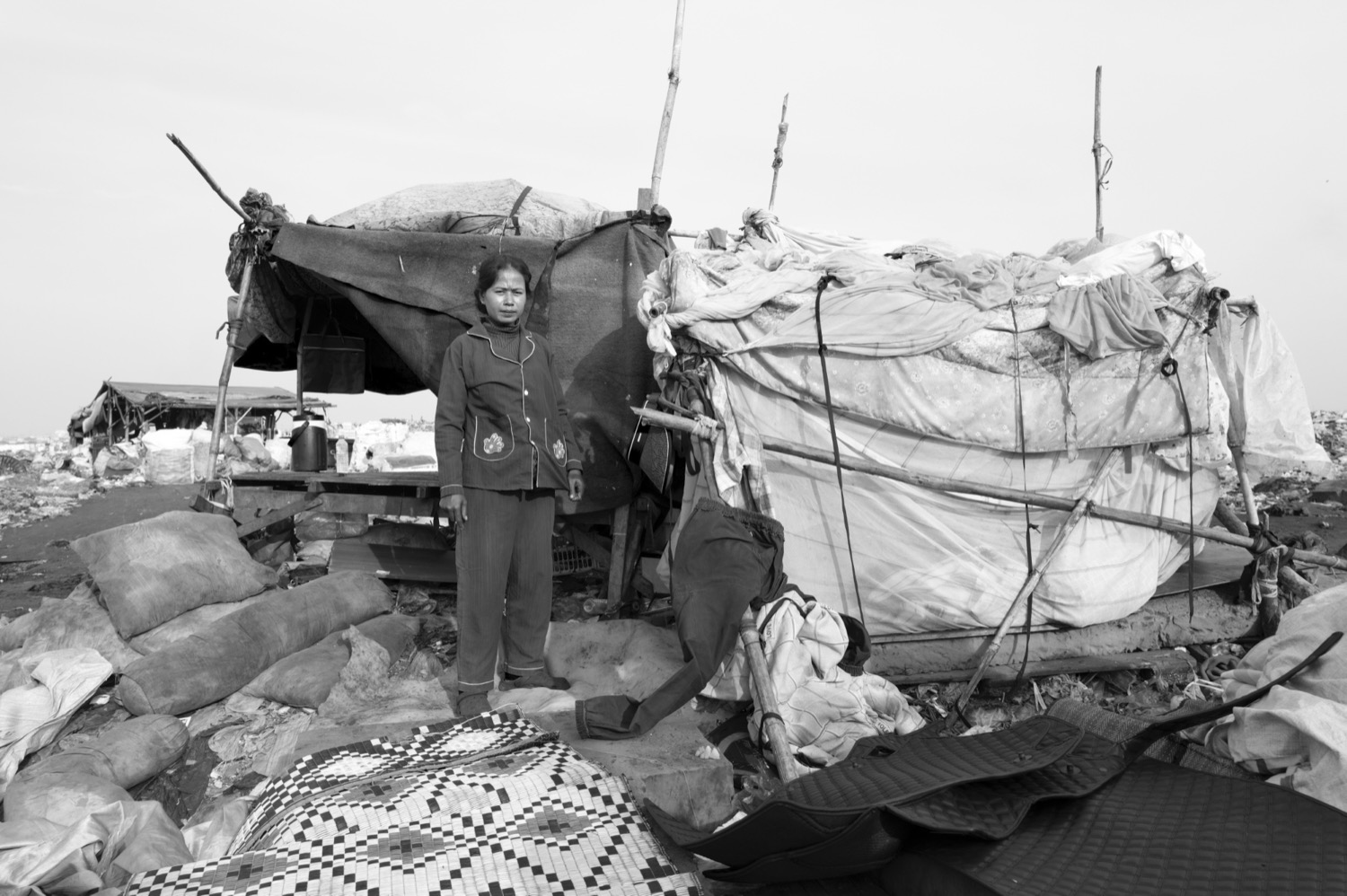
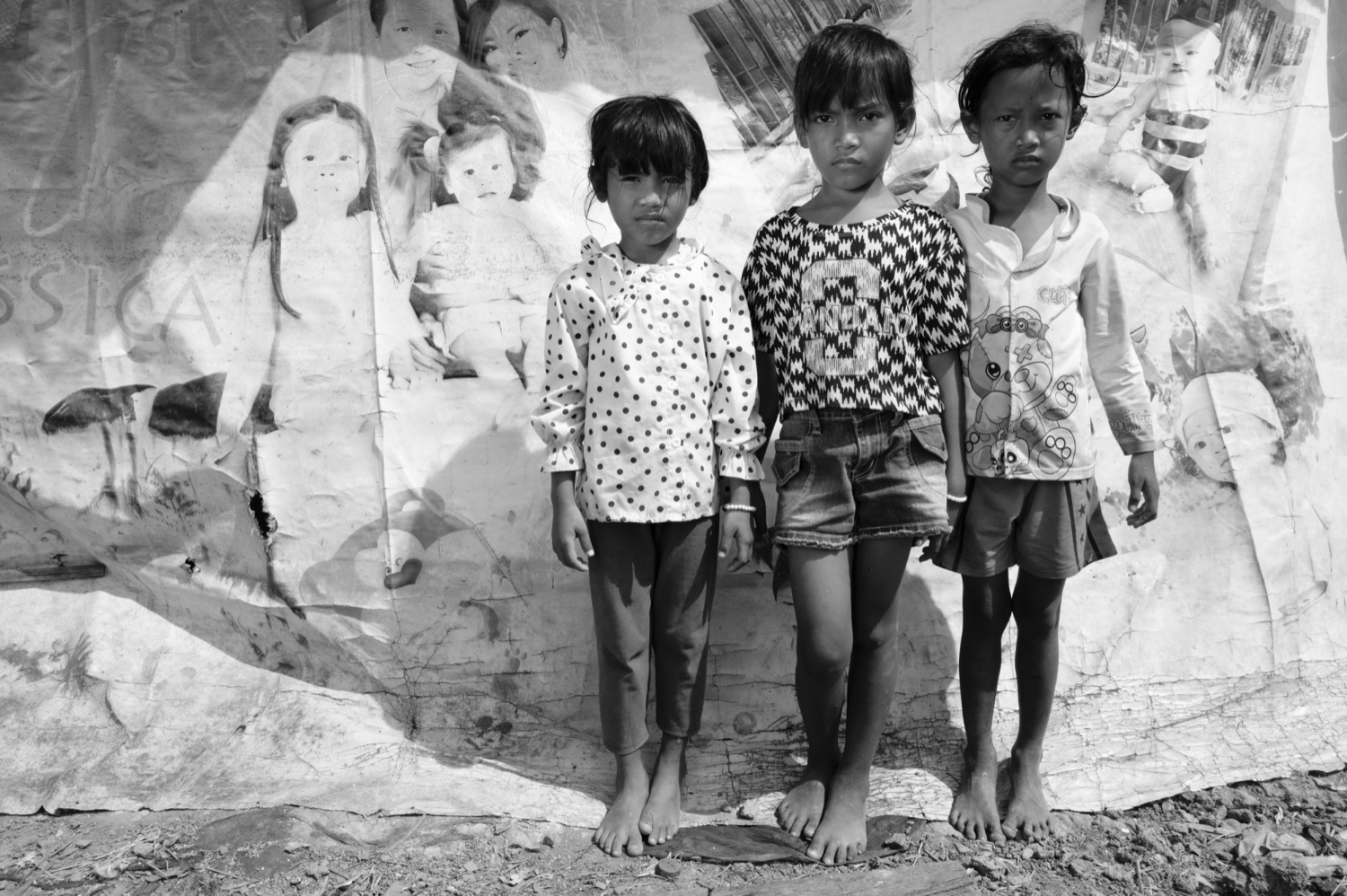
Experienced workers earn only 8–10 US dollars per day, often insufficient to support a family. Most belong to the poorest segments of society, many having migrated from rural areas with limited education and no social security. Children frequently work at the landfill, sometimes instead of attending school. Around 400 people live nearby in basic huts without reliable access to water, electricity, or sanitation.
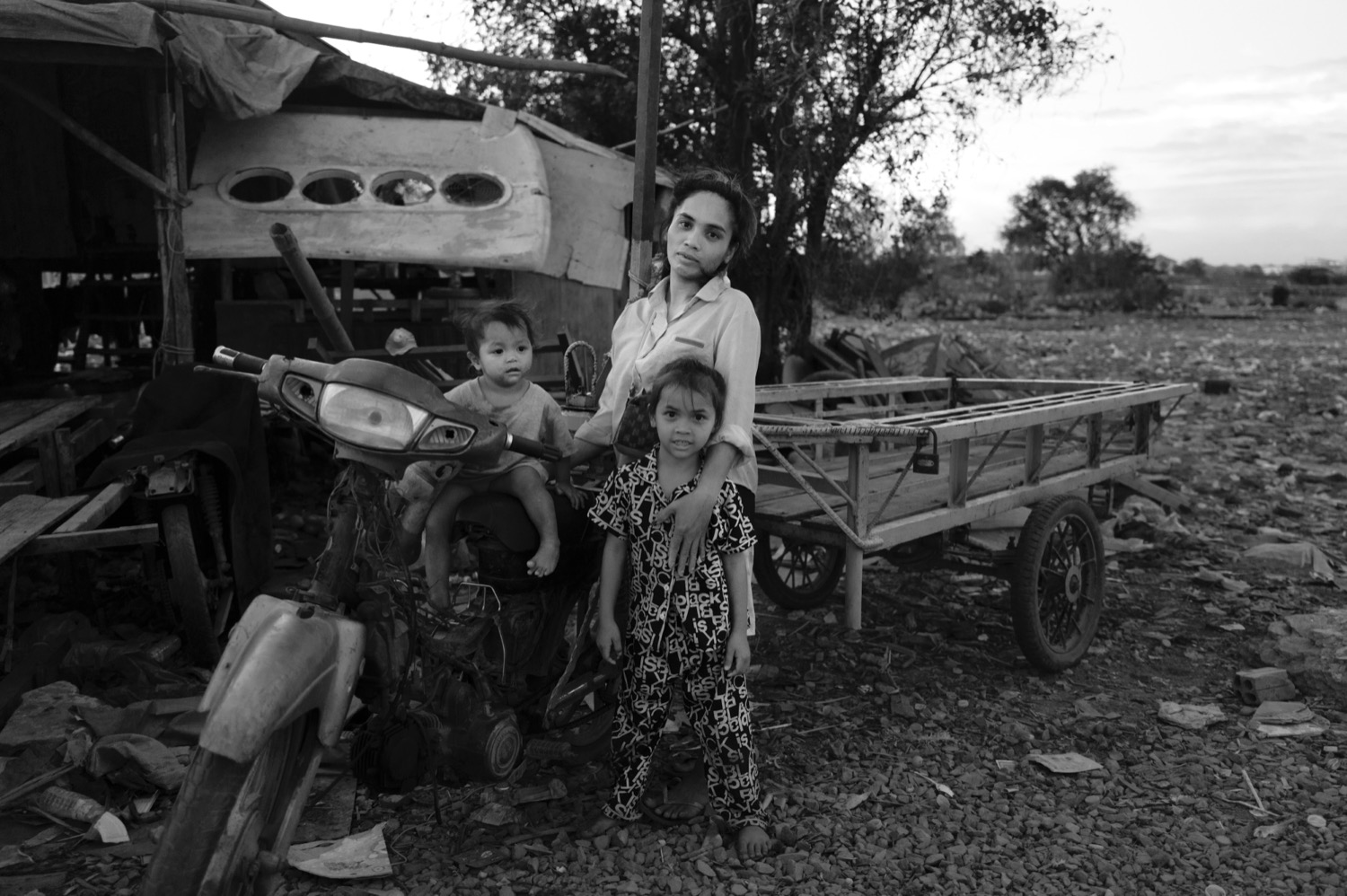
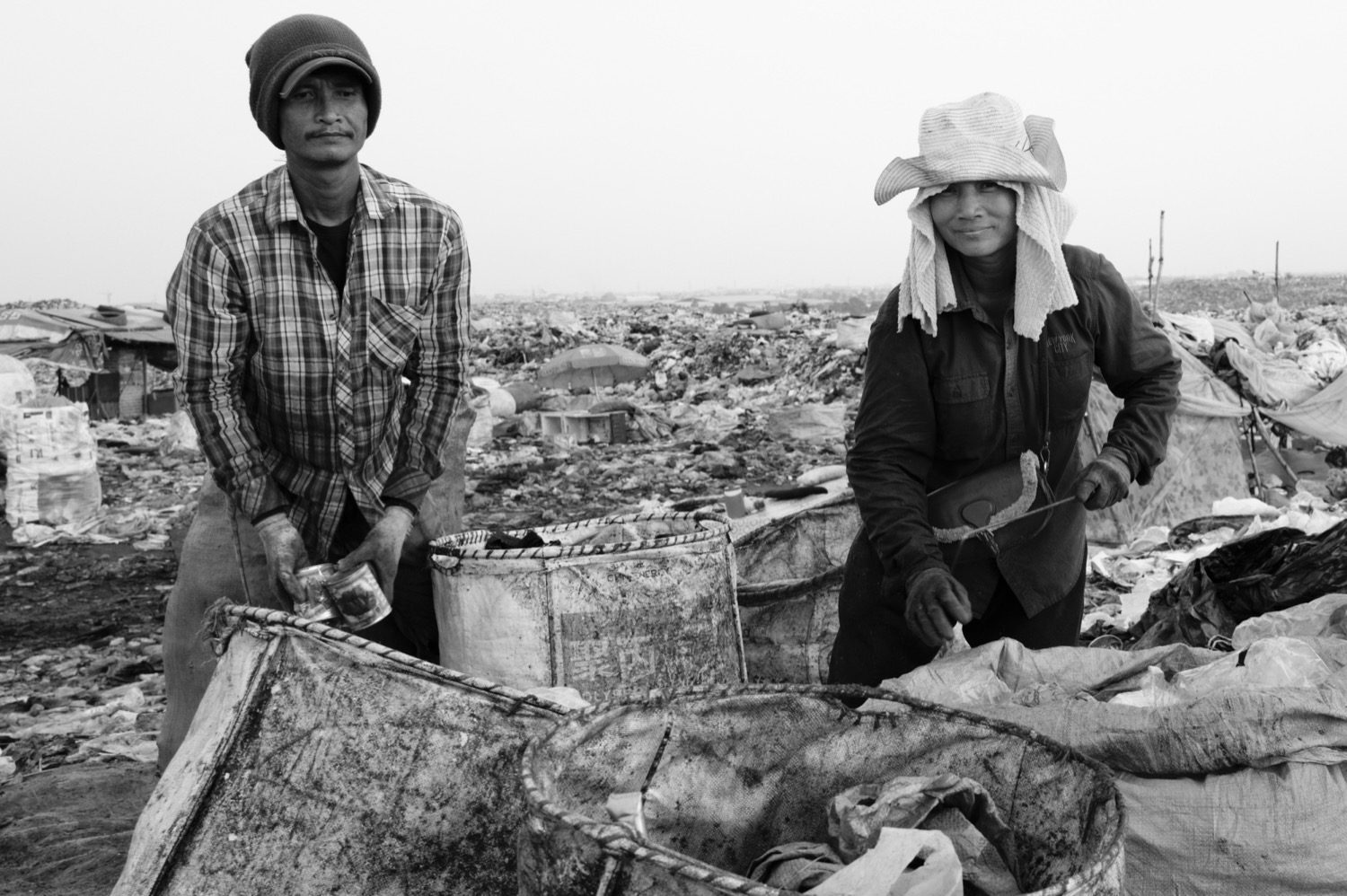
Working conditions are hazardous, with exposure to toxic fumes, chemicals, and sharp objects leading to injuries and illness. Despite these hardships, the pickers take pride in their work, as it provides a degree of independence. In society, however, they remain stigmatised and largely unrecognised.
Despite these hardships, the pickers take pride in their work, as it provides a degree of independence.
.svg)


.svg)
.svg)

Using a direct documentary style, it explores themes of labour, migration, poverty, and social exclusion amid rapid urban expansion. Gruber’s photographs showcase the resilience and self-reliance of individuals working in hazardous conditions, while also shining a light on often-overlooked communities. The project thoughtfully reflects on issues of dignity, survival, and recognition at society’s margins.
Steff Gruber: In Phnom Penh, Cambodia's lively capital, an alternative reality exists in the shadow of economic progress. In the Dangkor district, a landfill spanning 31-hectare landfill receives roughly 80% of the city’s daily waste, amounting to 3,000 tons. Each day, hundreds scavenge this site looking for recyclables. With just their hands and basic tools, they extract plastic, metal, and glass to sell for a small amount of Cambodian riels.
Garbage trucks deliver waste that bulldozers spread across large piles. Pickers sort recyclables on-site and store them in sacks made from old fertiliser bags. In the evening, they sell their findings to traders who weigh the materials and pay cash.
Experienced workers earn only 8–10 US dollars per day, often insufficient to support a family. Most belong to the poorest segments of society, many having migrated from rural areas with limited education and no social security. Children frequently work at the landfill, sometimes instead of attending school. Around 400 people live nearby in basic huts without reliable access to water, electricity, or sanitation.
Working conditions are hazardous, with exposure to toxic fumes, chemicals, and sharp objects leading to injuries and illness. Despite these hardships, the pickers take pride in their work, as it provides a degree of independence. In society, however, they remain stigmatised and largely unrecognised.
Despite these hardships, the pickers take pride in their work, as it provides a degree of independence.
Using a direct documentary style, it explores themes of labour, migration, poverty, and social exclusion amid rapid urban expansion. Gruber’s photographs showcase the resilience and self-reliance of individuals working in hazardous conditions, while also shining a light on often-overlooked communities. The project thoughtfully reflects on issues of dignity, survival, and recognition at society’s margins.
Steff Gruber: In Phnom Penh, Cambodia's lively capital, an alternative reality exists in the shadow of economic progress. In the Dangkor district, a landfill spanning 31-hectare landfill receives roughly 80% of the city’s daily waste, amounting to 3,000 tons. Each day, hundreds scavenge this site looking for recyclables. With just their hands and basic tools, they extract plastic, metal, and glass to sell for a small amount of Cambodian riels.
Garbage trucks deliver waste that bulldozers spread across large piles. Pickers sort recyclables on-site and store them in sacks made from old fertiliser bags. In the evening, they sell their findings to traders who weigh the materials and pay cash.
Experienced workers earn only 8–10 US dollars per day, often insufficient to support a family. Most belong to the poorest segments of society, many having migrated from rural areas with limited education and no social security. Children frequently work at the landfill, sometimes instead of attending school. Around 400 people live nearby in basic huts without reliable access to water, electricity, or sanitation.
Working conditions are hazardous, with exposure to toxic fumes, chemicals, and sharp objects leading to injuries and illness. Despite these hardships, the pickers take pride in their work, as it provides a degree of independence. In society, however, they remain stigmatised and largely unrecognised.
Despite these hardships, the pickers take pride in their work, as it provides a degree of independence.