© Luca Locatelli | Marsh #1, The Netherlands, 2026
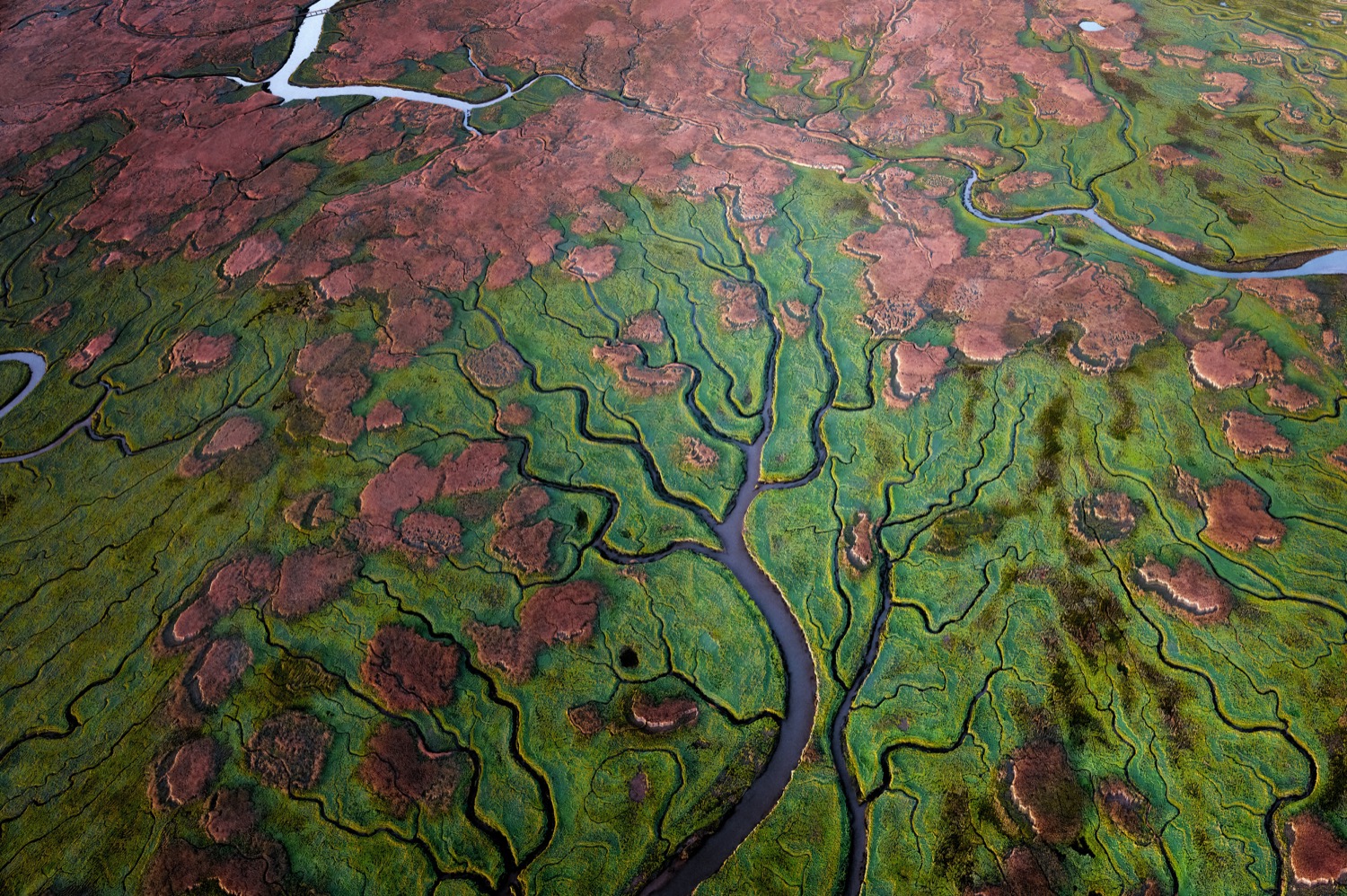
In a photograph from the series Zeeland, a Dutch province where sea meets land, we see red, green, and blue hues reminiscent of a painting by modernist Barnett Newman. The view is from the submerged Land of Saeftinghe, showing a protected marsh transformed into a delta as it was before the dykes. On his website, Luca Locatelli describes his work as an intersection of humanity, technology, and the environment—big themes that call for further explanation. Asked what he means by this, he replies: “For the last 15 years, I have been focused on trying to explore possible solutions for our future regarding the climate crisis. We have now, unfortunately, a lot of information about the consequences of the climate crisis. Each of us can imagine wildfires and floods, but we don't see how we can confront the climate crisis. Technology is the filter we use to speed up processes and drive advancement. The intersection is about humanity and the usage of technology in order to eventually create systems that can address the climate crisis.”
Photographer as activist
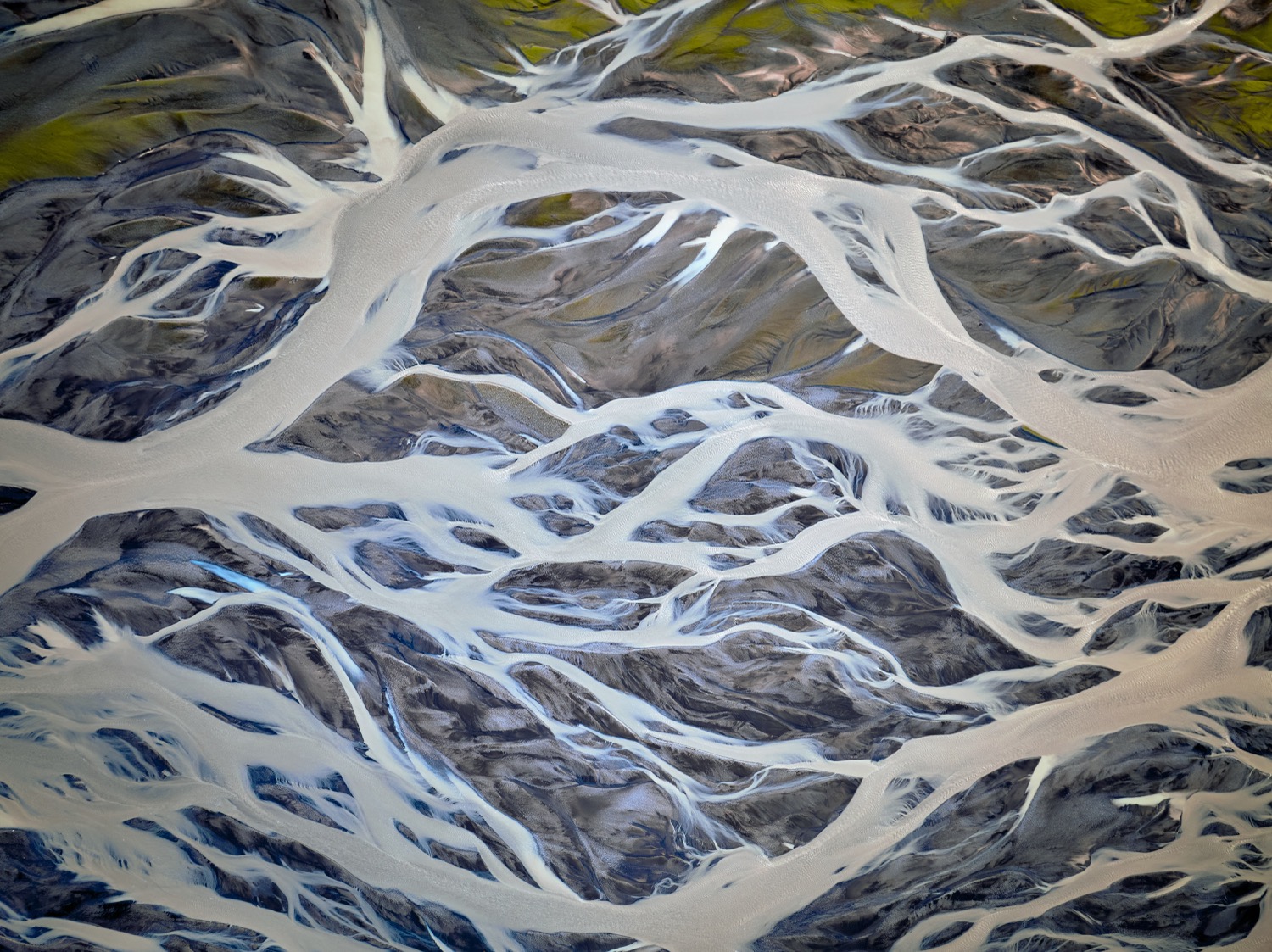
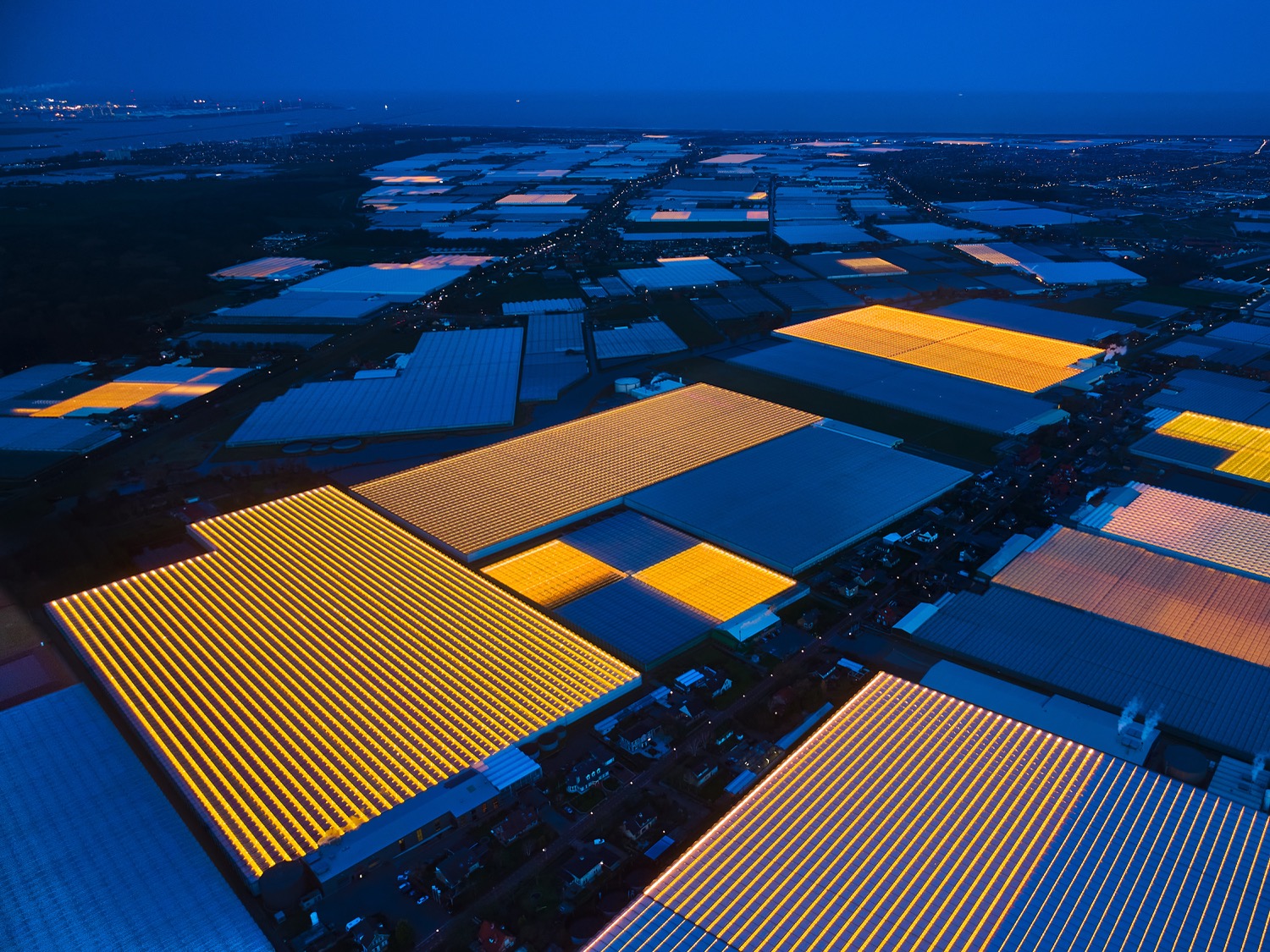
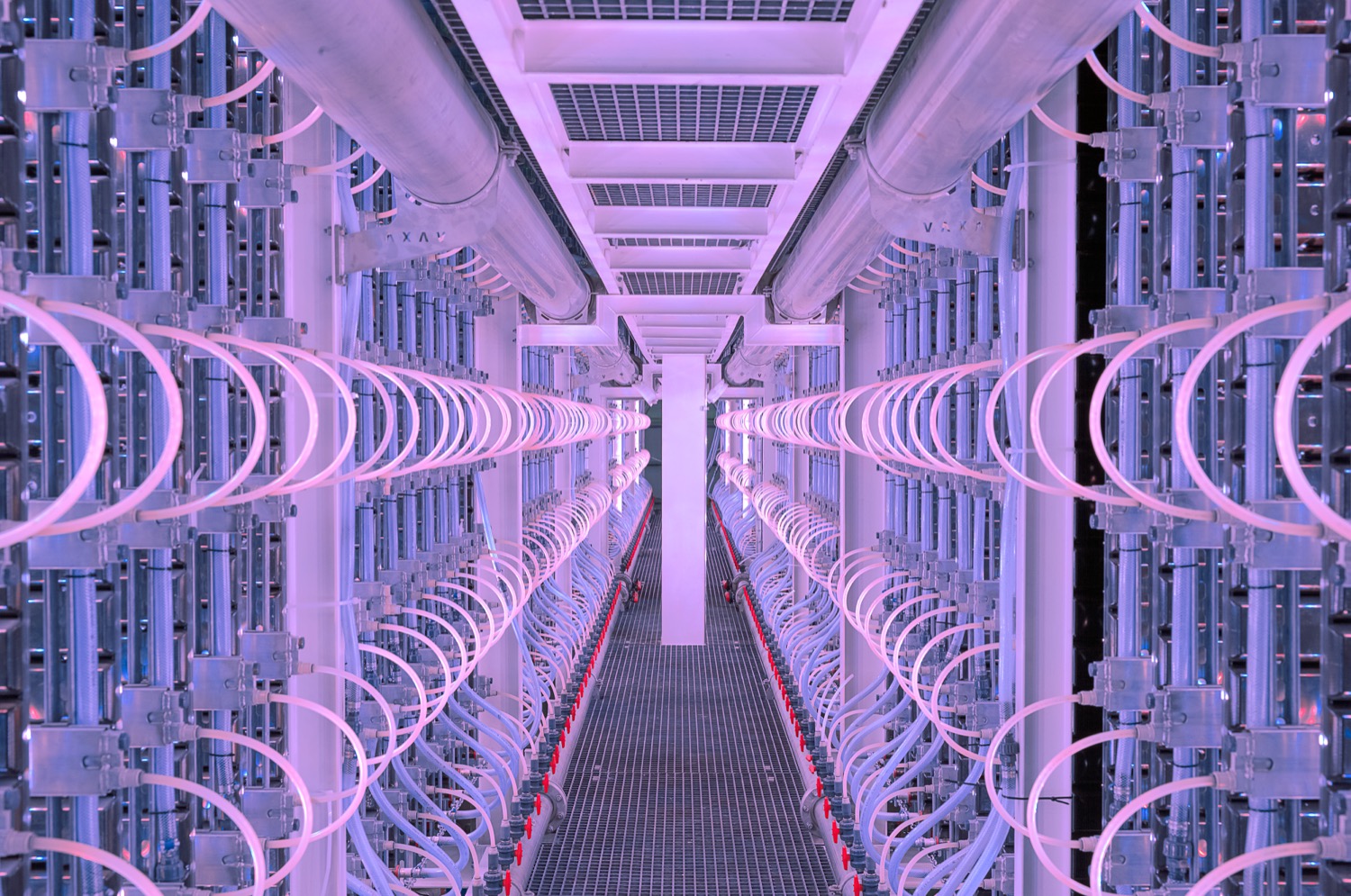
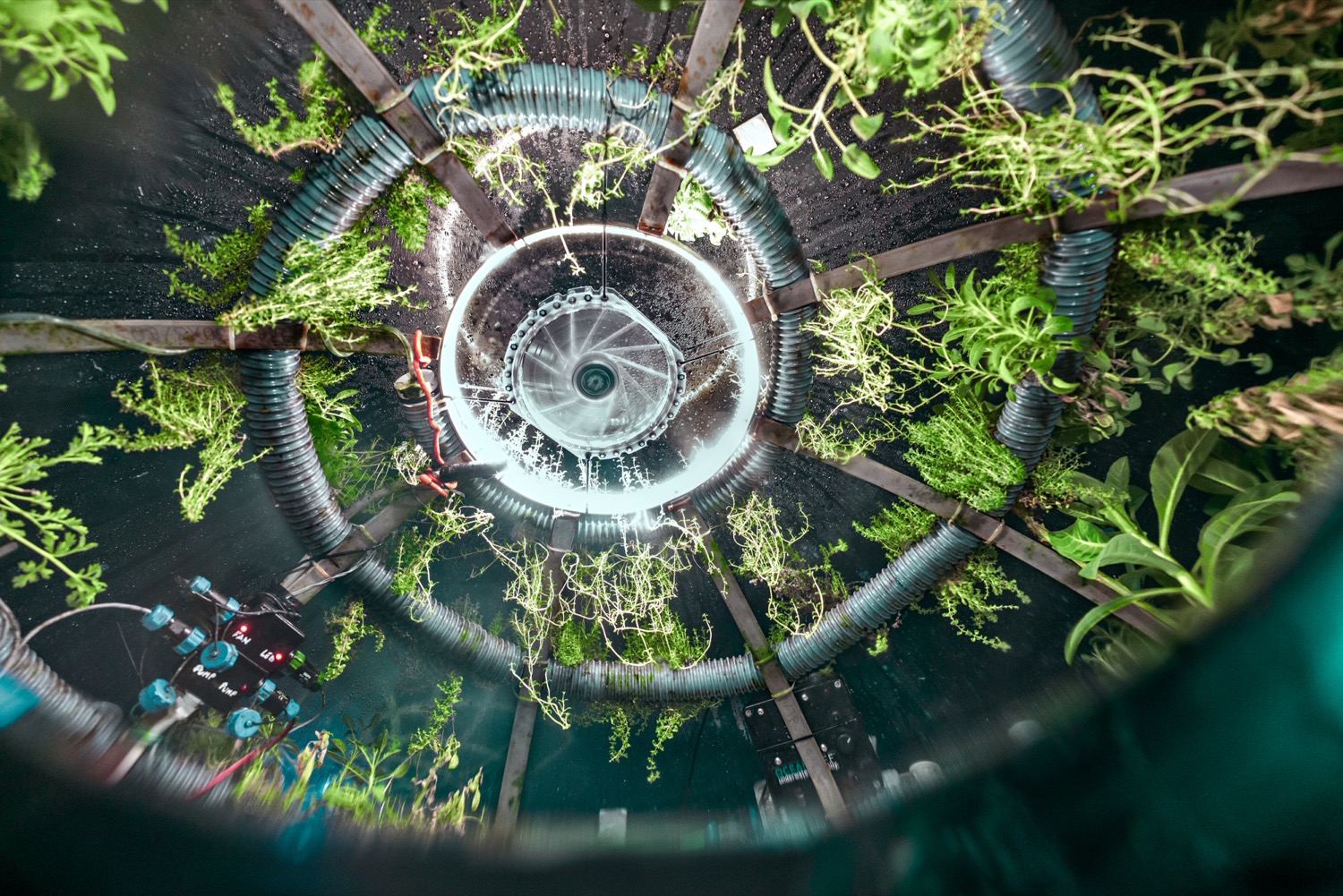
Many contemporary photographers addressing current societal issues present themselves as visual activists. They not only create aesthetically compelling work but also use photography’s power to shift public opinion and, ultimately, influence policymakers. Locatelli belongs in this category. He doesn't see his photographs as the final outcome of his efforts; he wants audiences to engage with them—to reflect on them and explore their meaning. “When you are translating dramas into photography, sometimes dramas are very picturesque. But when you are in front of solutions, it is really hard to find a visual language that can trigger curiosity in the audience. My practice is to extract from reality, abstract it, and create images that aren't immediately recognisable. In this way, I create a trigger that prompts the audience to engage with the photo and ask themselves, "What are we looking at?” This urges the audience to dig deeper into the underlying message, read the caption, and try to understand the supplied information. My work provokes and sparks a debate, not to give a clear-cut solution.”
My practice is to extract from reality, abstract it, and create images that aren't immediately recognisable.
Searching visual ideas
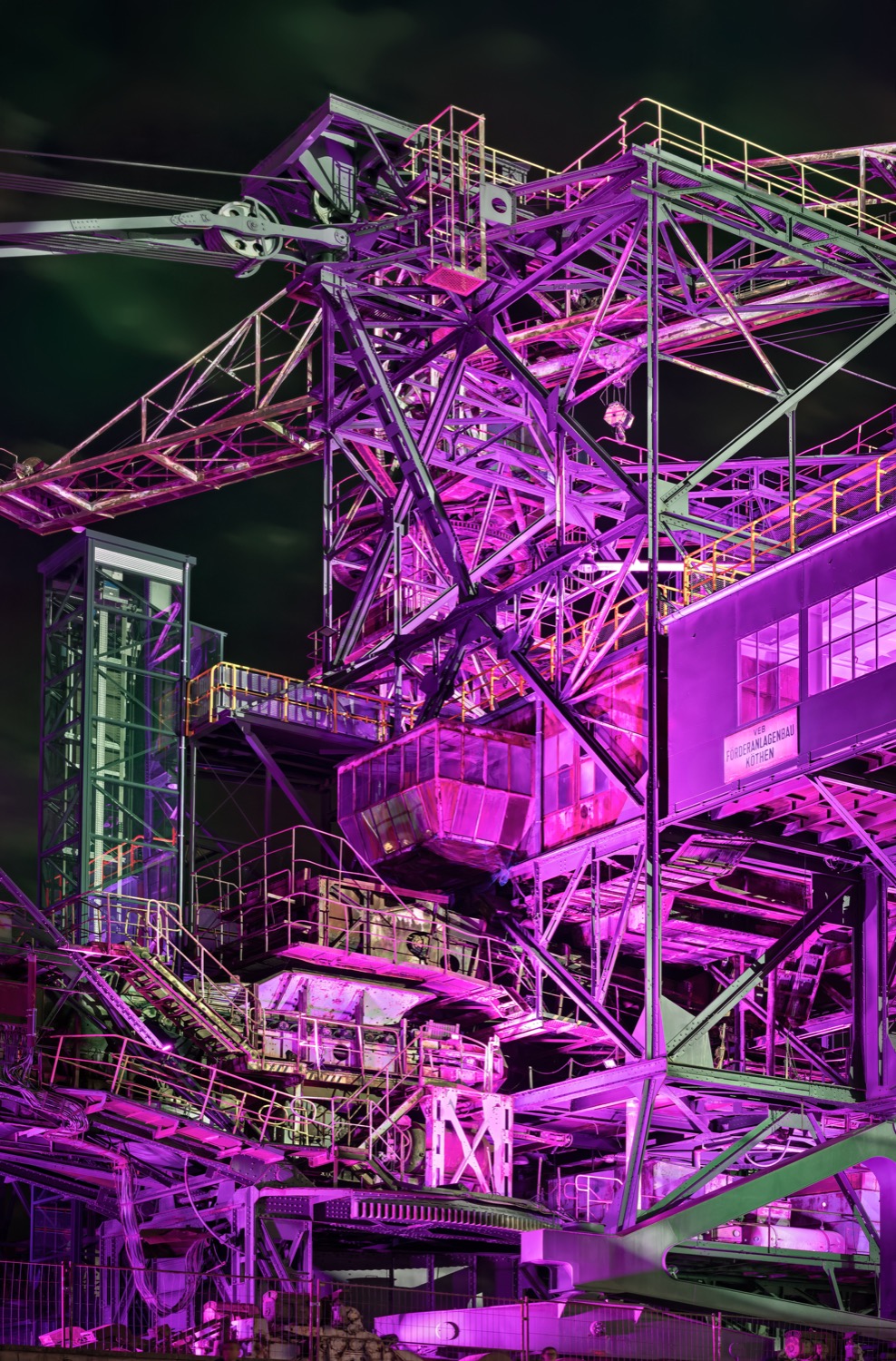
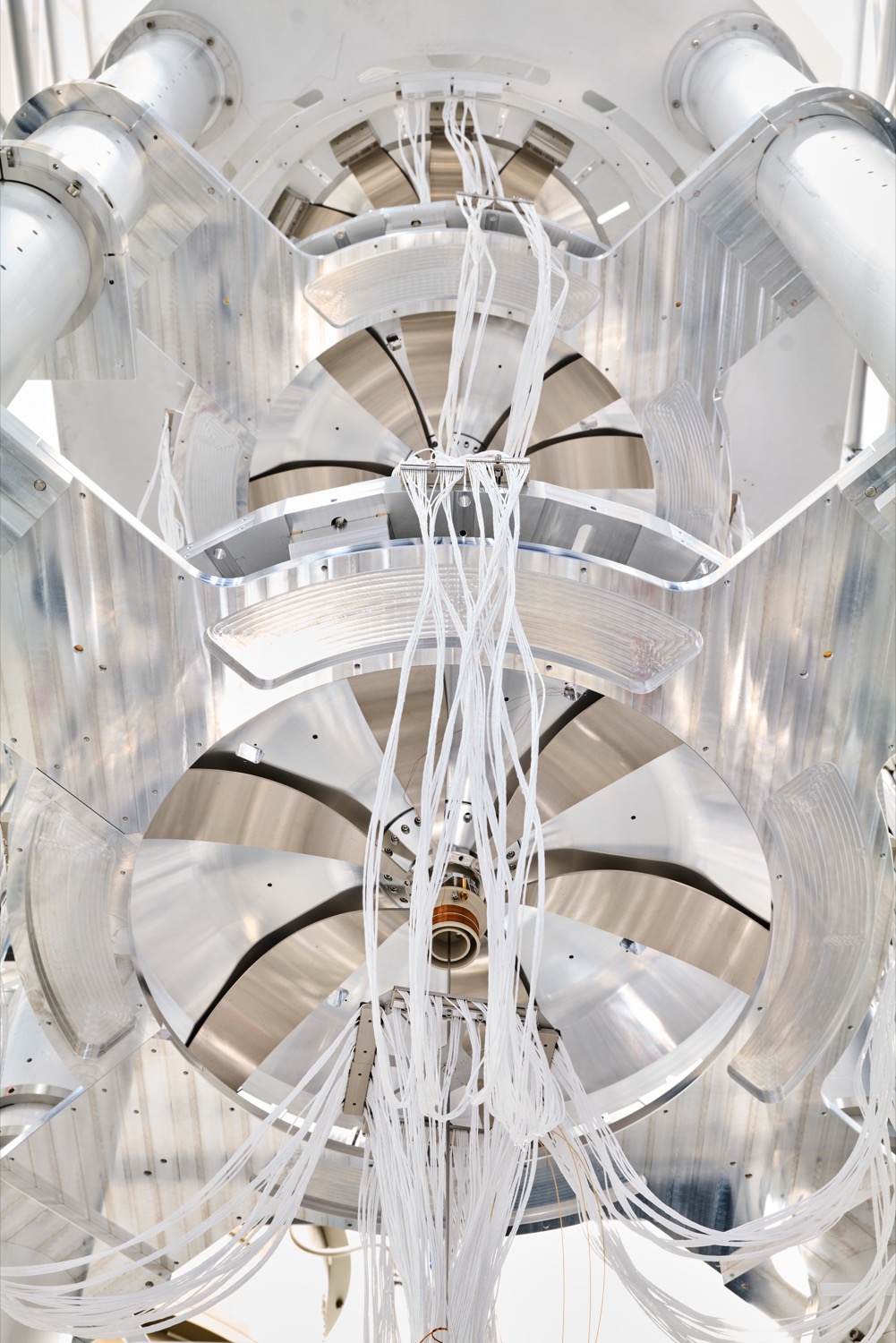
For Luca Locatelli, the challenge is engaging the public because he photographs the scientific solutions to climate change, rather than its visually striking, destructive effects, such as wildfires. After reading many reports, he must find a visual language that captures the audience’s interest. Working on site in laboratories, he has to quickly develop ideas for compelling images that connect with the innovations he wants to highlight. “Basically, 95% of my work is research. Because I need to delve into science. And then you have to get an idea of how to translate that complicated issue into a visually compelling image or video. There's a lot of interpretation in order to achieve that goal. Often, I find myself in a room with scientists, looking at investigations that aren't visually appealing. When I have an idea, it tends to change when I talk to scientists. My approach requires a lot of work, abilities, and skills that grow over time. I usually try my best to optimise the production time. The scientists don't have any idea of what is visually interesting. I always try to reserve a space to come back. Sometimes I ask them to show me things online, showing me the lab. This gives me more ideas and materials to study. But sometimes, on location, they open a door which they haven't considered at all as something interesting for me, but it appears to be very interesting.”
Abstraction and curiosity
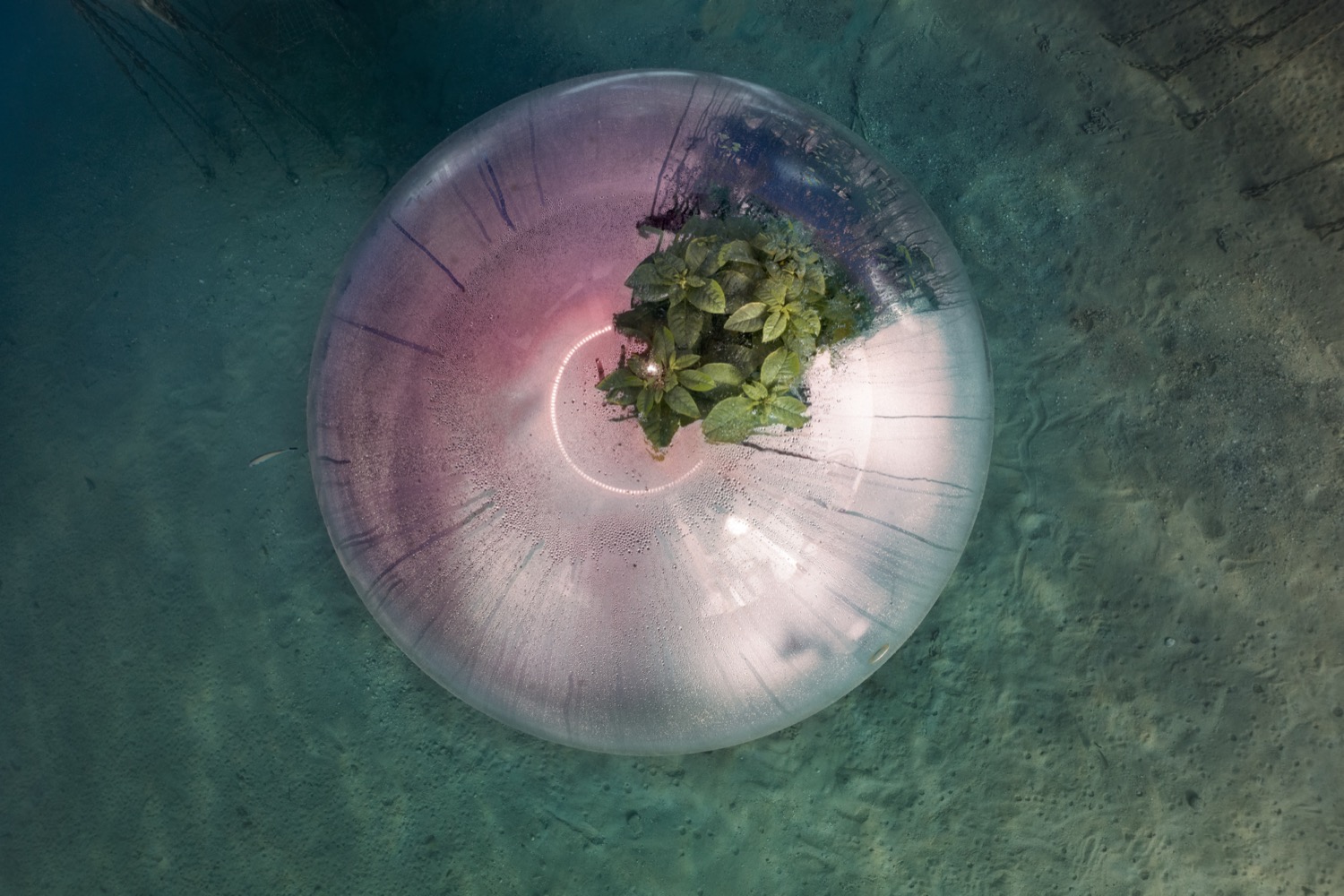
On his website, we see an image from his current exhibition, Future Studies, at the Leica Gallery in Milan, reflecting his ongoing exploration of food production. Locatelli presents a mysterious, large, green, round object whose purpose and meaning are not immediately clear. The caption reads: Nova Innova, Rotterdam. A light by designer Ermi van Oers, powered by microbes in the water and changing colour according to its quality. She developed a light installation that runs entirely on electricity generated by bacteria in the water. These microorganisms break down organic material, producing electrons that can be converted into electricity. Sensors also measure water quality, which is visualised through changing light colours: blue-green indicates healthy water, while orange and red signal ecological disturbances. The project shows how biotechnology and design can work in harmony with natural processes—an innovative application that re-examines our relationship with nature. At first glance, the photograph resembles a Mark Rothko painting, yet behind its abstract appearance lies a concrete scientific innovation. “When the spectator has too much of a sense of the scale, I'm giving too much information, so triggering less curiosity in the audience. I combine the DNA of documentarism and fine art. I give just enough to understand that it is real. The point for me is combining art and information. When someone watches the picture, he would like to understand what he is looking at. I want to create visuals that attract the viewer to the point that he wants to know what it is.”
I give just enough to understand that it is real. The point for me is combining art and information.
Visual storytelling and Art
Locatelli considers himself a visual storyteller, for whom the substance of the story is the essential part of his work. After meeting with gallery owners, however, he began to see his work as art too—a turning point for him. “Some of the iconic images I was shooting attracted the interest of galleries and collectors. I started engaging more with the concept of art and began printing my work. I realised that some of my photographs have the power to be looked at every day and become what could be considered art. My practice fuses art and information. My work becomes art when it not only endures but also communicates something meaningful. By combining these aspects, I want the audience to be more engaged. This is, for me, visual storytelling.”


In a photograph from the series Zeeland, a Dutch province where sea meets land, we see red, green, and blue hues reminiscent of a painting by modernist Barnett Newman. The view is from the submerged Land of Saeftinghe, showing a protected marsh transformed into a delta as it was before the dykes. On his website, Luca Locatelli describes his work as an intersection of humanity, technology, and the environment—big themes that call for further explanation. Asked what he means by this, he replies: “For the last 15 years, I have been focused on trying to explore possible solutions for our future regarding the climate crisis. We have now, unfortunately, a lot of information about the consequences of the climate crisis. Each of us can imagine wildfires and floods, but we don't see how we can confront the climate crisis. Technology is the filter we use to speed up processes and drive advancement. The intersection is about humanity and the usage of technology in order to eventually create systems that can address the climate crisis.”
Photographer as activist
Many contemporary photographers addressing current societal issues present themselves as visual activists. They not only create aesthetically compelling work but also use photography’s power to shift public opinion and, ultimately, influence policymakers. Locatelli belongs in this category. He doesn't see his photographs as the final outcome of his efforts; he wants audiences to engage with them—to reflect on them and explore their meaning. “When you are translating dramas into photography, sometimes dramas are very picturesque. But when you are in front of solutions, it is really hard to find a visual language that can trigger curiosity in the audience. My practice is to extract from reality, abstract it, and create images that aren't immediately recognisable. In this way, I create a trigger that prompts the audience to engage with the photo and ask themselves, "What are we looking at?” This urges the audience to dig deeper into the underlying message, read the caption, and try to understand the supplied information. My work provokes and sparks a debate, not to give a clear-cut solution.”
My practice is to extract from reality, abstract it, and create images that aren't immediately recognisable.
Searching visual ideas
For Luca Locatelli, the challenge is engaging the public because he photographs the scientific solutions to climate change, rather than its visually striking, destructive effects, such as wildfires. After reading many reports, he must find a visual language that captures the audience’s interest. Working on site in laboratories, he has to quickly develop ideas for compelling images that connect with the innovations he wants to highlight. “Basically, 95% of my work is research. Because I need to delve into science. And then you have to get an idea of how to translate that complicated issue into a visually compelling image or video. There's a lot of interpretation in order to achieve that goal. Often, I find myself in a room with scientists, looking at investigations that aren't visually appealing. When I have an idea, it tends to change when I talk to scientists. My approach requires a lot of work, abilities, and skills that grow over time. I usually try my best to optimise the production time. The scientists don't have any idea of what is visually interesting. I always try to reserve a space to come back. Sometimes I ask them to show me things online, showing me the lab. This gives me more ideas and materials to study. But sometimes, on location, they open a door which they haven't considered at all as something interesting for me, but it appears to be very interesting.”
Abstraction and curiosity
On his website, we see an image from his current exhibition, Future Studies, at the Leica Gallery in Milan, reflecting his ongoing exploration of food production. Locatelli presents a mysterious, large, green, round object whose purpose and meaning are not immediately clear. The caption reads: Nova Innova, Rotterdam. A light by designer Ermi van Oers, powered by microbes in the water and changing colour according to its quality. She developed a light installation that runs entirely on electricity generated by bacteria in the water. These microorganisms break down organic material, producing electrons that can be converted into electricity. Sensors also measure water quality, which is visualised through changing light colours: blue-green indicates healthy water, while orange and red signal ecological disturbances. The project shows how biotechnology and design can work in harmony with natural processes—an innovative application that re-examines our relationship with nature. At first glance, the photograph resembles a Mark Rothko painting, yet behind its abstract appearance lies a concrete scientific innovation. “When the spectator has too much of a sense of the scale, I'm giving too much information, so triggering less curiosity in the audience. I combine the DNA of documentarism and fine art. I give just enough to understand that it is real. The point for me is combining art and information. When someone watches the picture, he would like to understand what he is looking at. I want to create visuals that attract the viewer to the point that he wants to know what it is.”
I give just enough to understand that it is real. The point for me is combining art and information.
Visual storytelling and Art
Locatelli considers himself a visual storyteller, for whom the substance of the story is the essential part of his work. After meeting with gallery owners, however, he began to see his work as art too—a turning point for him. “Some of the iconic images I was shooting attracted the interest of galleries and collectors. I started engaging more with the concept of art and began printing my work. I realised that some of my photographs have the power to be looked at every day and become what could be considered art. My practice fuses art and information. My work becomes art when it not only endures but also communicates something meaningful. By combining these aspects, I want the audience to be more engaged. This is, for me, visual storytelling.”