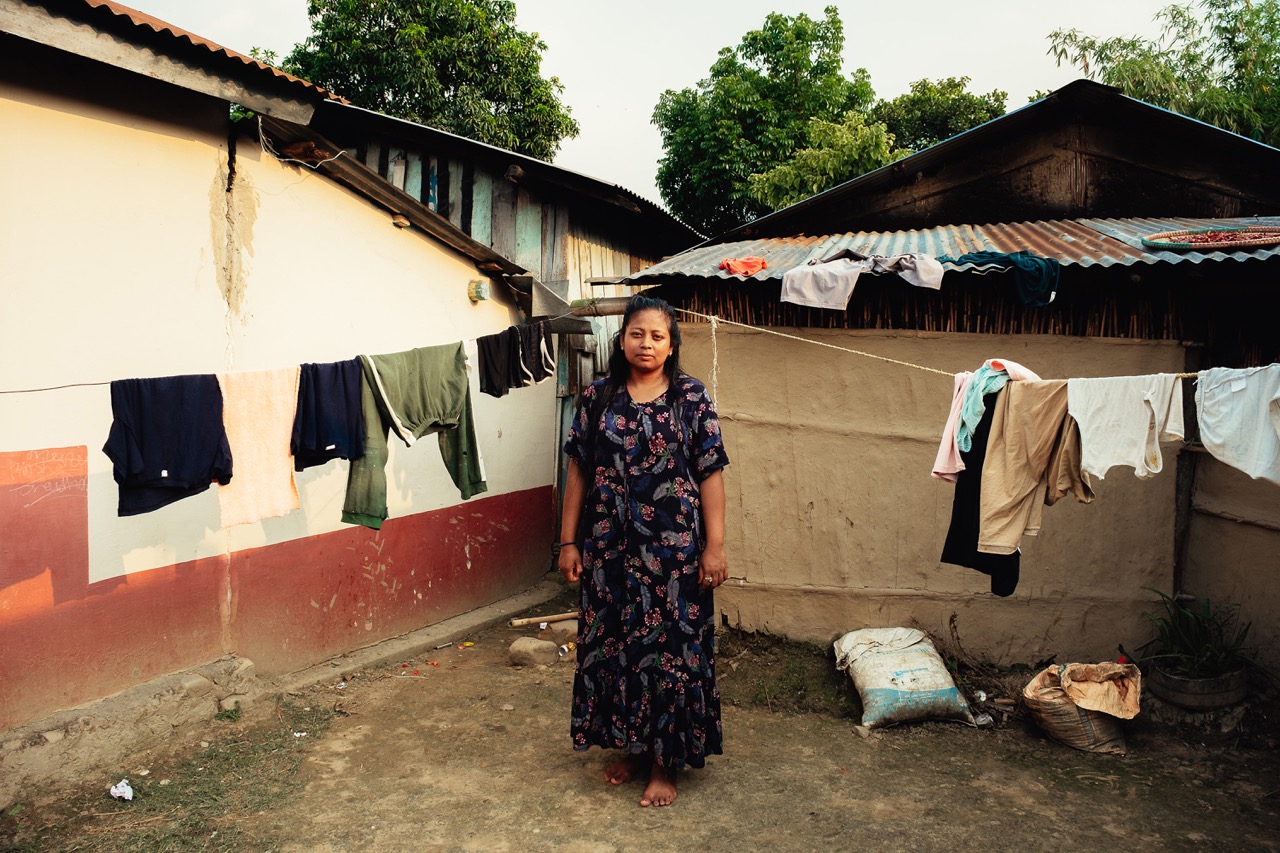
© Carolina Ludwig Agudelo | Coming Home

Rooted in intimate encounters in Chitwan, the series captures the fragile space between departure and return, questioning what “home” truly signifies beyond walls and geography. By foregrounding voices often silenced by restrictive migration policies and societal inequities, Agudelo highlights both the courage and vulnerability of these women. Her work not only illuminates the injustices of displacement and exploitation but also honours the dignity and agency of those who navigate them. In doing so, Coming Home reframes migration as a deeply human story of struggle, belonging, and the search for emotional refuge.
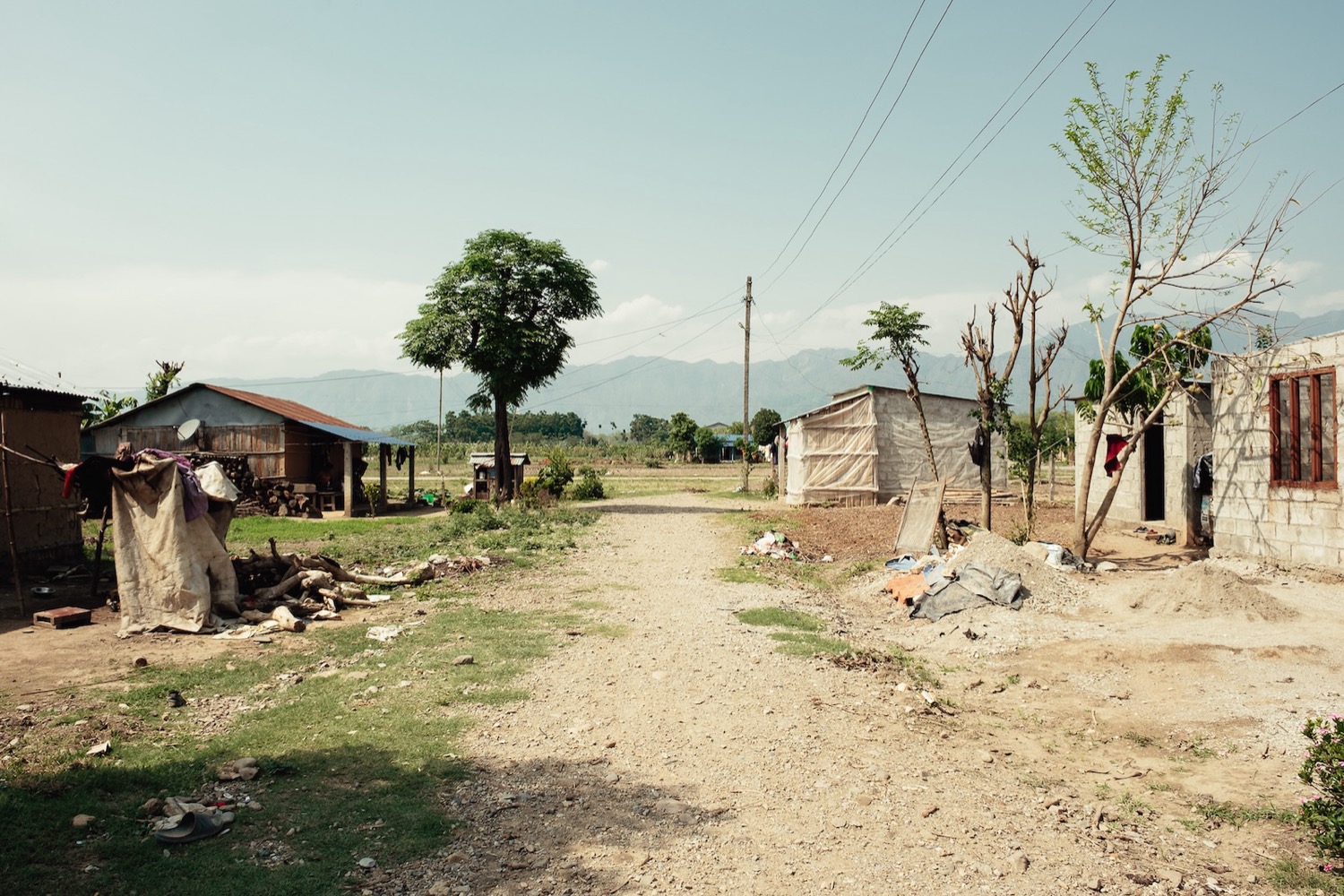
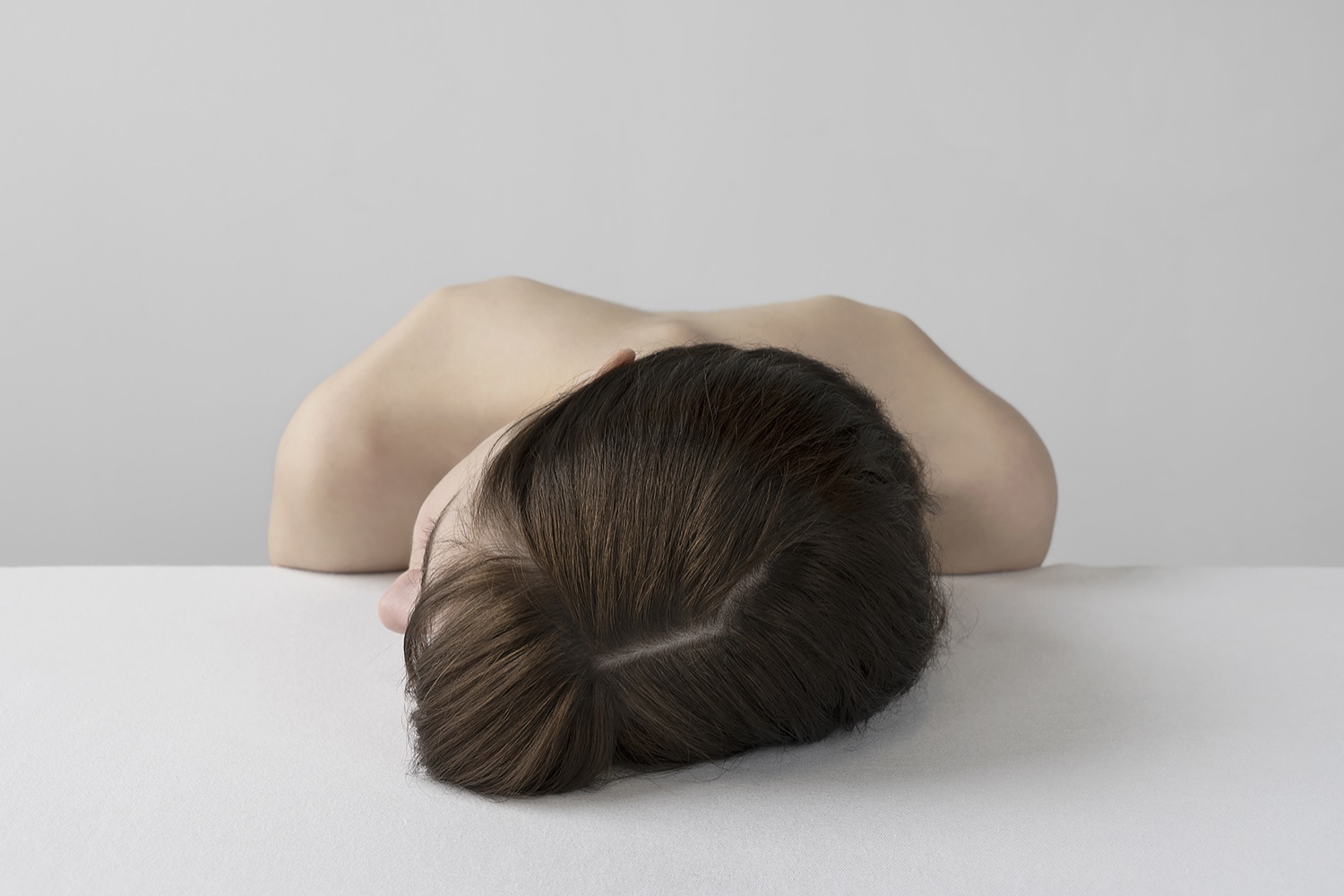
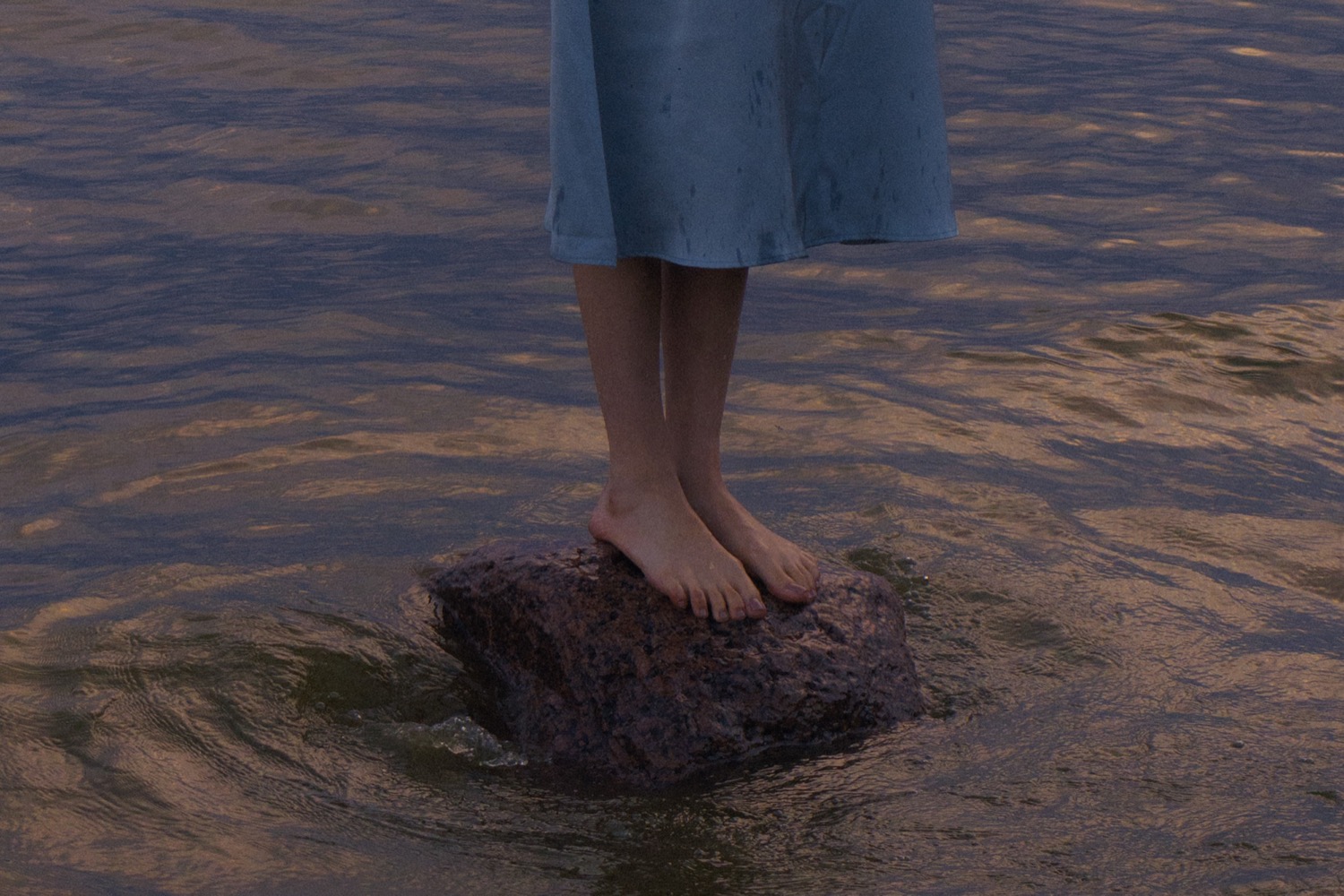
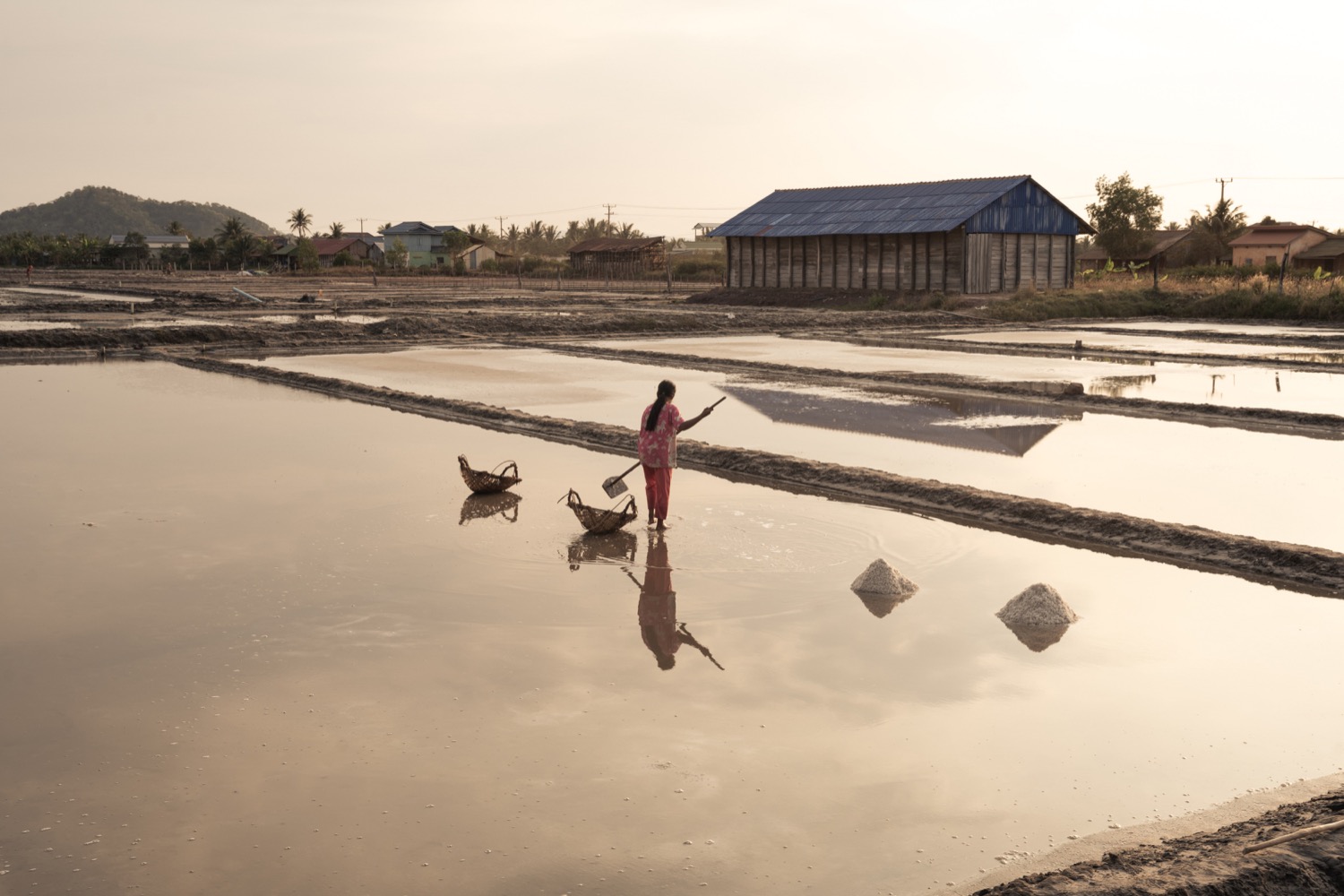
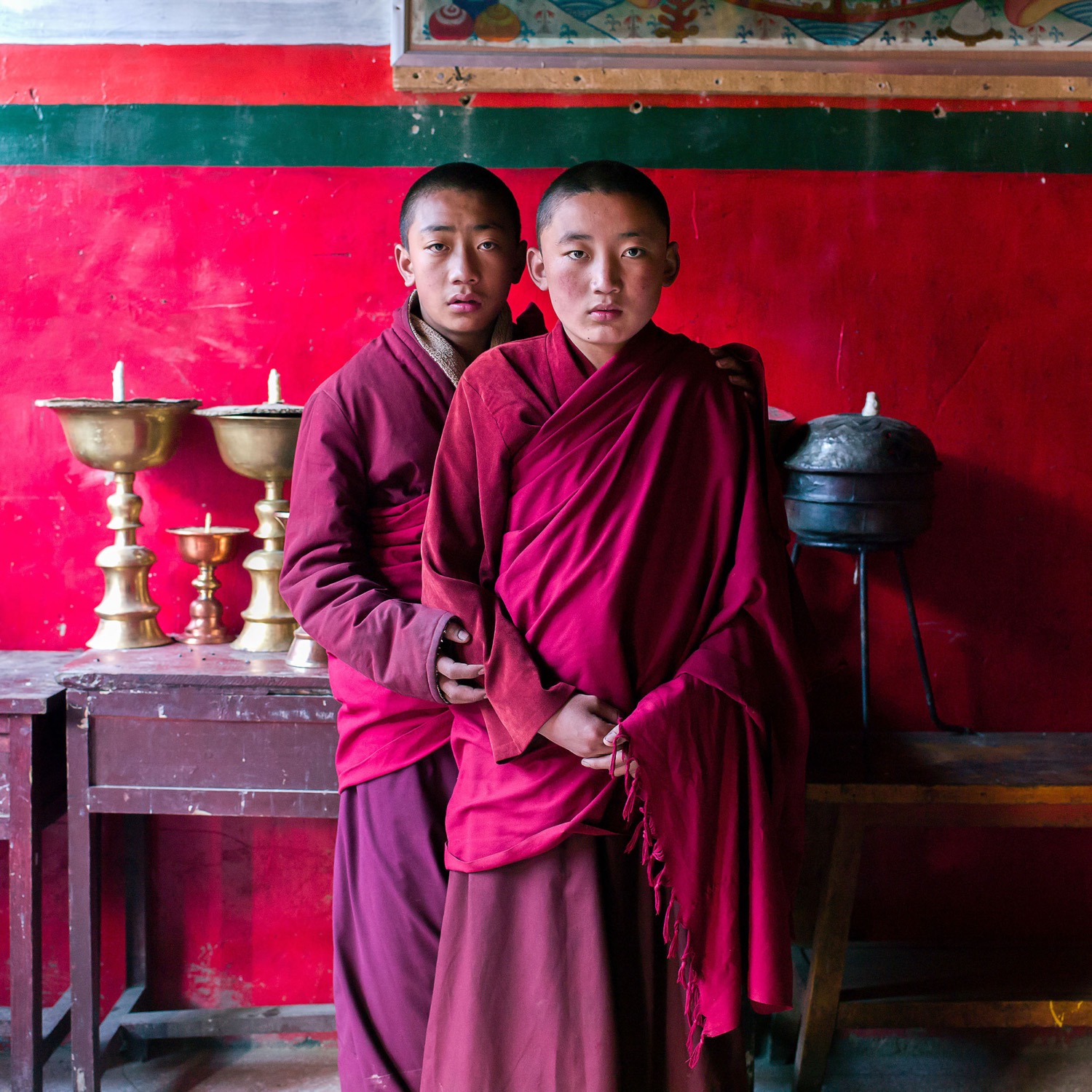
Carolina Ludwig Agudelo: Coming Home is a photographic series that explores the emotional weight of departure and return, of borders crossed and those imposed, and the complex notion of what it means to come home. Through the personal stories of Nepali returnees who migrated to Gulf countries to work as domestic workers, this body of work highlights their struggles, courage, and autonomy, while exploring the significance of home—not as a domestic unit, but as a feeling: one of familiarity, security, and emotional connection.

In response to frequent reports of abuse and exploitation in the domestic work sector, the Nepali government has, since 1998, implemented various migration bans and restrictions for women, specifically targeting those travelling to Gulf countries. While framed as protective, these policies challenge women’s fundamental right to mobility and fail to address the root causes of migration, such as economic hardship, gender inequality, and caste-based discrimination. As a result, many women from disadvantaged backgrounds are often pushed to migrate through informal and unsafe channels.
By sharing their stories, I hope to humanise the complexities of temporary labour migration and provide a space where the resilience, agency, and diverse experiences of Nepali returnees are seen and remembered.
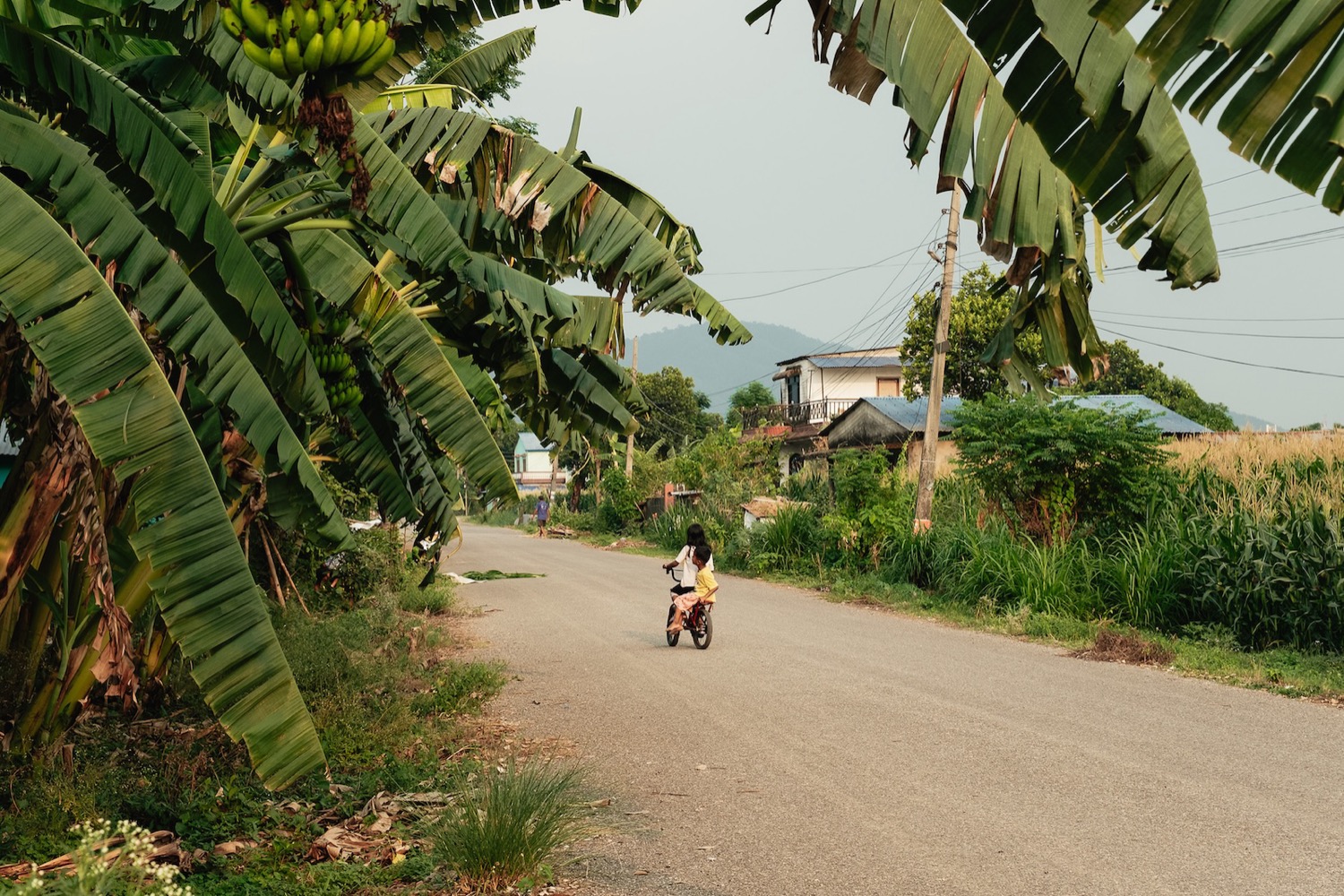
Taking place in Chitwan, Nepal, this series emerged from intimate encounters with returnee women who welcomed me into their homes and, with kindness and patience, said: “Please, sister, sit down.” By sharing their stories, I hope to humanise the complexities of temporary labour migration and provide a space where the resilience, agency, and diverse experiences of Nepali returnees are seen and remembered.

About
Carolina Agudelo is a Brazilian photographer based in Copenhagen. Through her practice, she explores the intricate relationship between people and their environments, creating images that invite viewers to contemplate and connect. With an MSc in Global Development, she integrates her background in social sciences into her photography, aiming to produce work that enriches our understanding of people and place relationships.
.svg)


.svg)
.svg)

Rooted in intimate encounters in Chitwan, the series captures the fragile space between departure and return, questioning what “home” truly signifies beyond walls and geography. By foregrounding voices often silenced by restrictive migration policies and societal inequities, Agudelo highlights both the courage and vulnerability of these women. Her work not only illuminates the injustices of displacement and exploitation but also honours the dignity and agency of those who navigate them. In doing so, Coming Home reframes migration as a deeply human story of struggle, belonging, and the search for emotional refuge.
Carolina Ludwig Agudelo: Coming Home is a photographic series that explores the emotional weight of departure and return, of borders crossed and those imposed, and the complex notion of what it means to come home. Through the personal stories of Nepali returnees who migrated to Gulf countries to work as domestic workers, this body of work highlights their struggles, courage, and autonomy, while exploring the significance of home—not as a domestic unit, but as a feeling: one of familiarity, security, and emotional connection.
In response to frequent reports of abuse and exploitation in the domestic work sector, the Nepali government has, since 1998, implemented various migration bans and restrictions for women, specifically targeting those travelling to Gulf countries. While framed as protective, these policies challenge women’s fundamental right to mobility and fail to address the root causes of migration, such as economic hardship, gender inequality, and caste-based discrimination. As a result, many women from disadvantaged backgrounds are often pushed to migrate through informal and unsafe channels.
By sharing their stories, I hope to humanise the complexities of temporary labour migration and provide a space where the resilience, agency, and diverse experiences of Nepali returnees are seen and remembered.
Taking place in Chitwan, Nepal, this series emerged from intimate encounters with returnee women who welcomed me into their homes and, with kindness and patience, said: “Please, sister, sit down.” By sharing their stories, I hope to humanise the complexities of temporary labour migration and provide a space where the resilience, agency, and diverse experiences of Nepali returnees are seen and remembered.
About
Carolina Agudelo is a Brazilian photographer based in Copenhagen. Through her practice, she explores the intricate relationship between people and their environments, creating images that invite viewers to contemplate and connect. With an MSc in Global Development, she integrates her background in social sciences into her photography, aiming to produce work that enriches our understanding of people and place relationships.
Rooted in intimate encounters in Chitwan, the series captures the fragile space between departure and return, questioning what “home” truly signifies beyond walls and geography. By foregrounding voices often silenced by restrictive migration policies and societal inequities, Agudelo highlights both the courage and vulnerability of these women. Her work not only illuminates the injustices of displacement and exploitation but also honours the dignity and agency of those who navigate them. In doing so, Coming Home reframes migration as a deeply human story of struggle, belonging, and the search for emotional refuge.
Carolina Ludwig Agudelo: Coming Home is a photographic series that explores the emotional weight of departure and return, of borders crossed and those imposed, and the complex notion of what it means to come home. Through the personal stories of Nepali returnees who migrated to Gulf countries to work as domestic workers, this body of work highlights their struggles, courage, and autonomy, while exploring the significance of home—not as a domestic unit, but as a feeling: one of familiarity, security, and emotional connection.
In response to frequent reports of abuse and exploitation in the domestic work sector, the Nepali government has, since 1998, implemented various migration bans and restrictions for women, specifically targeting those travelling to Gulf countries. While framed as protective, these policies challenge women’s fundamental right to mobility and fail to address the root causes of migration, such as economic hardship, gender inequality, and caste-based discrimination. As a result, many women from disadvantaged backgrounds are often pushed to migrate through informal and unsafe channels.
By sharing their stories, I hope to humanise the complexities of temporary labour migration and provide a space where the resilience, agency, and diverse experiences of Nepali returnees are seen and remembered.
Taking place in Chitwan, Nepal, this series emerged from intimate encounters with returnee women who welcomed me into their homes and, with kindness and patience, said: “Please, sister, sit down.” By sharing their stories, I hope to humanise the complexities of temporary labour migration and provide a space where the resilience, agency, and diverse experiences of Nepali returnees are seen and remembered.
About
Carolina Agudelo is a Brazilian photographer based in Copenhagen. Through her practice, she explores the intricate relationship between people and their environments, creating images that invite viewers to contemplate and connect. With an MSc in Global Development, she integrates her background in social sciences into her photography, aiming to produce work that enriches our understanding of people and place relationships.