© Crystal Bennes | We Eat the Earth
We Eat the Earth brings together photographs, drawings, maps, texts and historical documents. Rather than a conventional photobook, it is a research-based investigation of how fertilisers are extracted, produced and used, and of their political and environmental consequences. Across five chapters, Bennes draws on archival research, writing and photographs made on location. A passage in the opening chapter, which moves between Sweden and Western Sahara, sets out the scale of the problem: “The fertiliser industry contributes more to the climate crisis than many people realise. Fertiliser production alone accounts for roughly five per cent of global carbon emissions.” Asked how fertiliser production in Sweden led her to investigate phosphate mining in Western Sahara, Bennes describes an industrial waste site on the Swedish island of Gipsön: “There's been phosphate production in that part of Sweden for more than 100 years, so it had a long history. The island appeared to be a spider in a web of pollution. I started to investigate from there, asking where the phosphate came from. What I found out was that almost all of the phosphate coming into Europe at the time was coming from Morocco, a massive exporter of phosphate. Looking into the history of phosphate mining in Morocco then led me to its illegal occupation of Western Sahara. Mining everywhere is environmentally harmful and destructive for local communities, but my investigations opened up questions of mining in relation to settler colonialism and occupation and militarisation.”

Counter-narrative
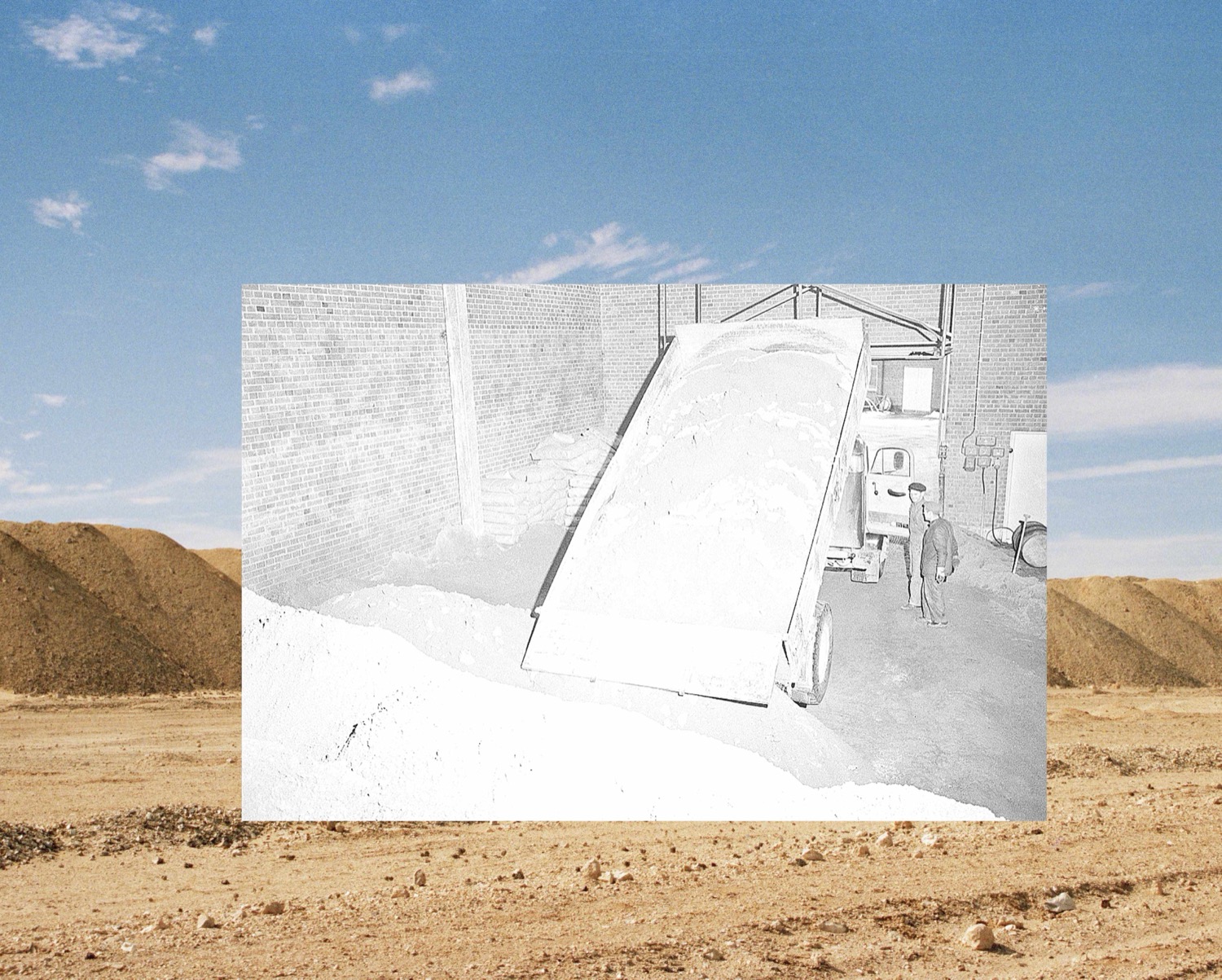
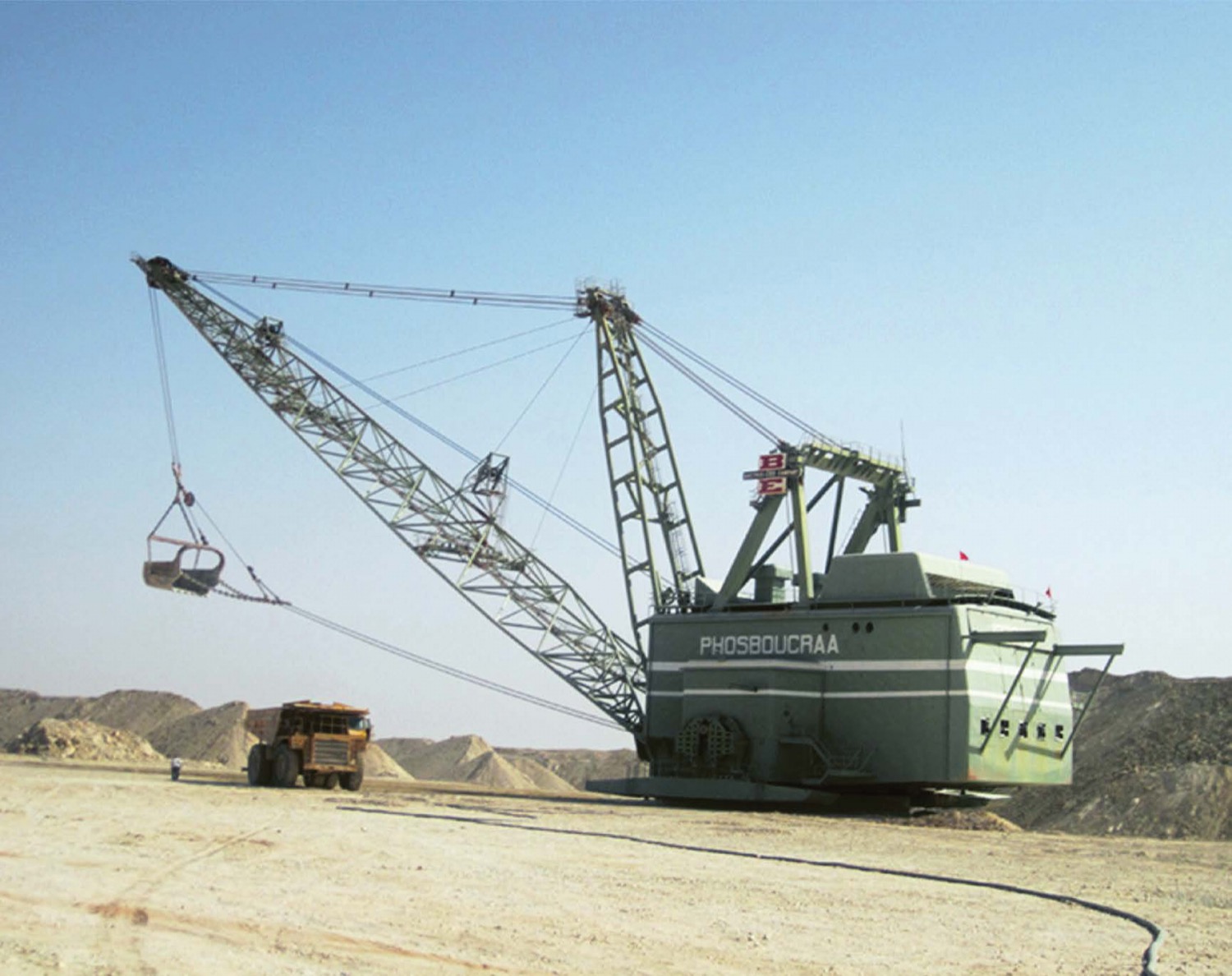
Bennes combines research with photography made on location. In Western Sahara, she set out to photograph the 100-kilometre conveyor belt that carries phosphate rock from the Bou Craa mine to the Atlantic coast. For her, documenting this restricted industrial landscape was a way to challenge the official narrative. She says security officials repeatedly refused her permission to photograph the area because it was a military zone. “Official journalists are largely not allowed to enter the area. So I went pretending to be a tourist spotting rare bird species. I went to the mine and was surprised by the spoil heaps. They dig up large quantities of material to extract and process the phosphate rock. There's a lot of economically unviable waste left over, which is then piled up into these huge mountains. While photographing there, I was stopped by the Moroccan military police and private security contractors at the mine. It's a Moroccan state-owned company that manages the phosphate mine in Western Sahara. Those dominant forces present a very particular narrative, both in images and in words. And one way to counter these narratives is by doing it yourself. I feel we must be active in creating counter-narratives.”
Munitions and weapons
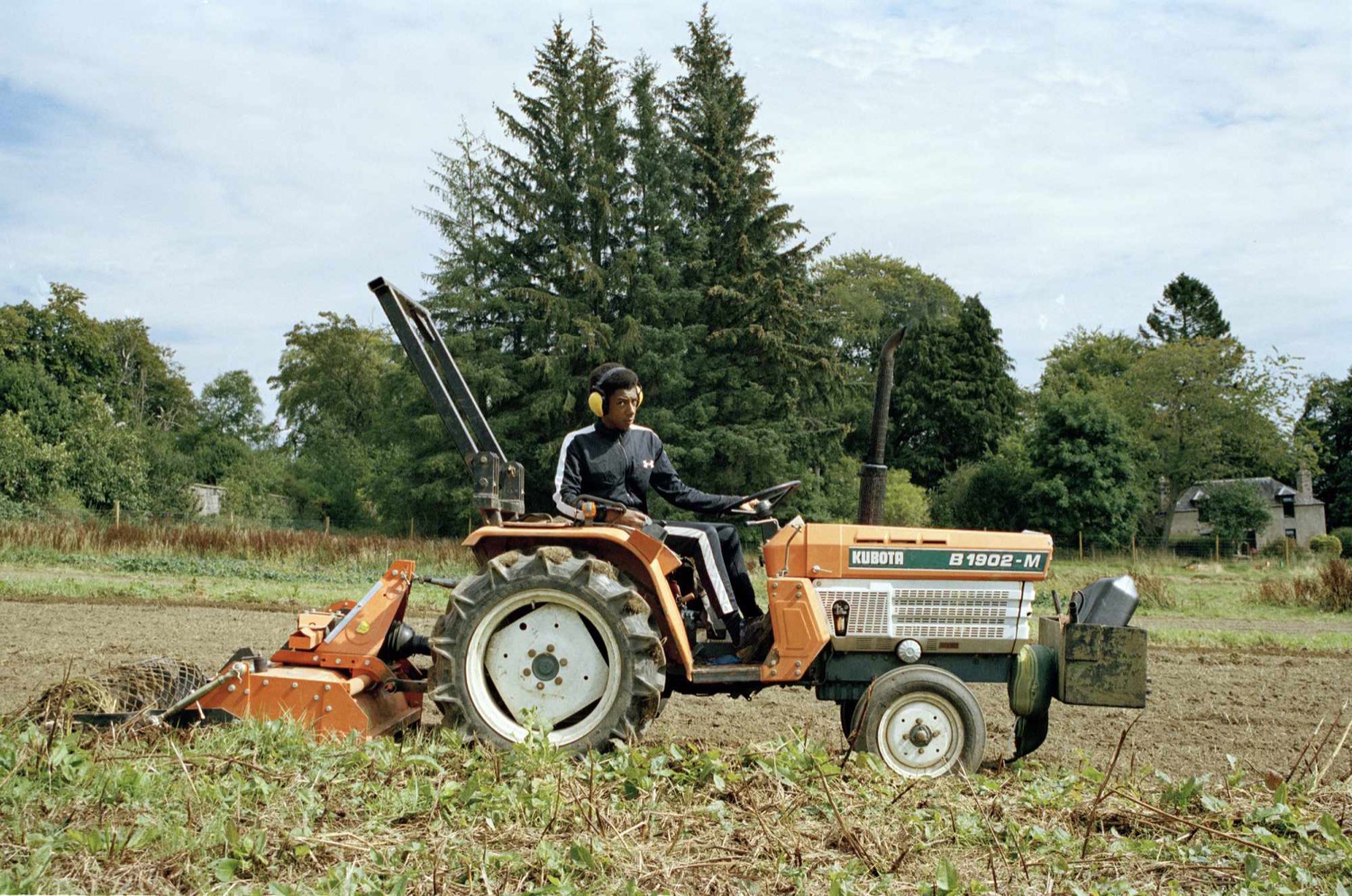
In north-east England, on the edge of the North York Moors, Bennes visited Boulby Mine, a former potash mine that now extracts polyhalite from deposits extending beneath the North Sea. “It had been a potash mine for a long time, and it became exhausted and was no longer commercially viable as a potash mine. But they had discovered a new seam of a different mineral, polyhalite. This mineral is similar to potash, but they were marketing it as the future of fertiliser because it was also relatively environmentally friendly. I went to the mine and saw a sign: ICL, the name of the owner of the mine. After researching, I found out what ICL is: Israel Chemicals Limited.”

In We Eat the Earth, Bennes also examines the political history she associates with ICL, the owner of Boulby Mine: “Israel Chemicals Limited has its roots in the world-building imagination of lawyer Theodor Herzl. A driving force behind the Zionist vision of a separate Jewish homeland, in 1902 Herzl published The Old New Land, a utopian novel setting out possibilities for a techno-futuristic Jewish state in Palestine.” Her investigation then turns to the company's involvement in the US military's white phosphorus supply chain, raising questions about links between agriculture and warfare. As she puts it: “Israel's Chemical Limited is a supplier of white phosphorus munitions to the US military. Fertilisers have this two-faced characteristic, which is that they can be used to facilitate plant growth, but they're also often used to make munitions and weapons.”
Fertilisers have this two-faced characteristic, which is that they can be used to facilitate plant growth, but they're also often used to make munitions and weapons.
Nitrogen and warfare
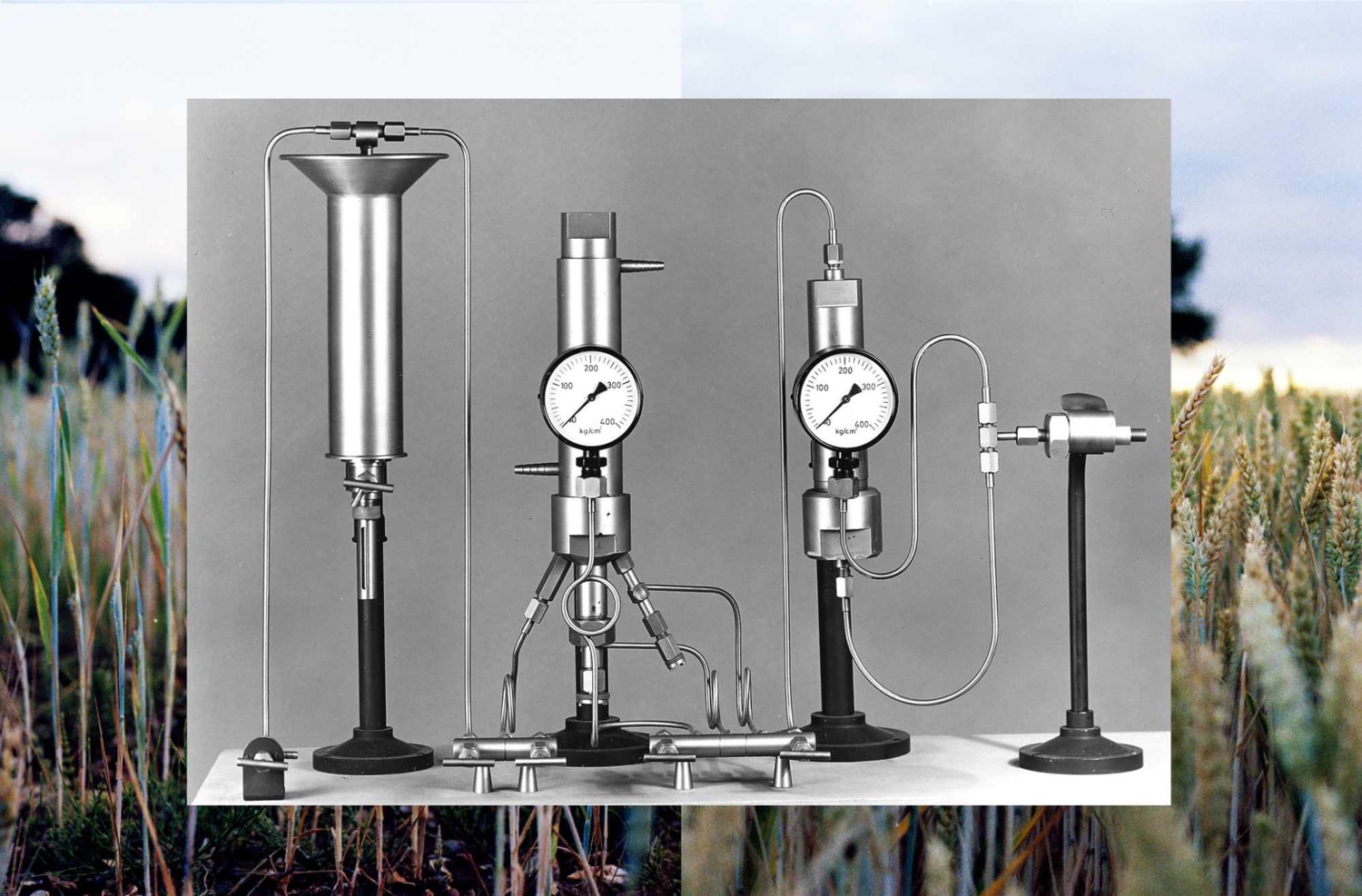
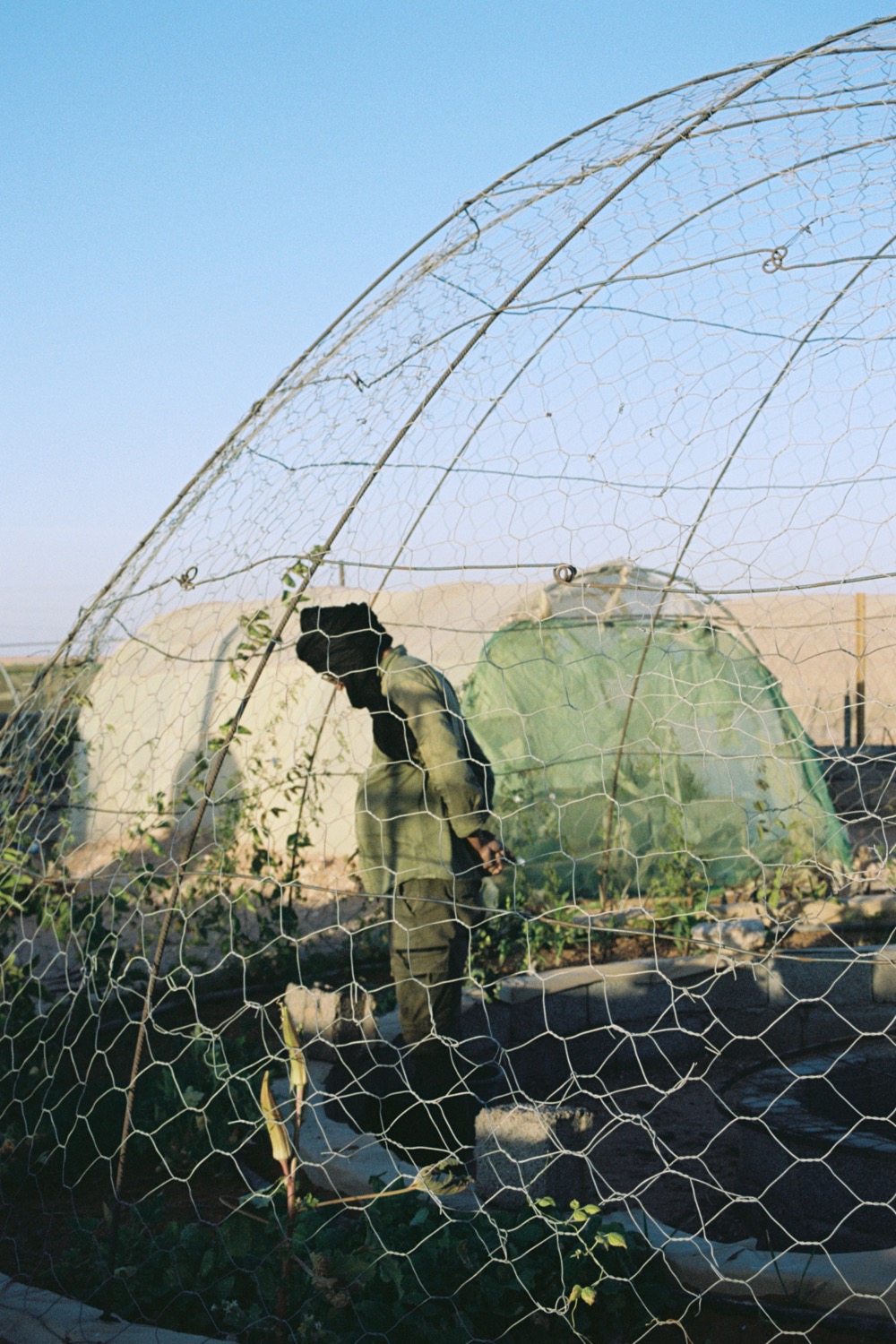
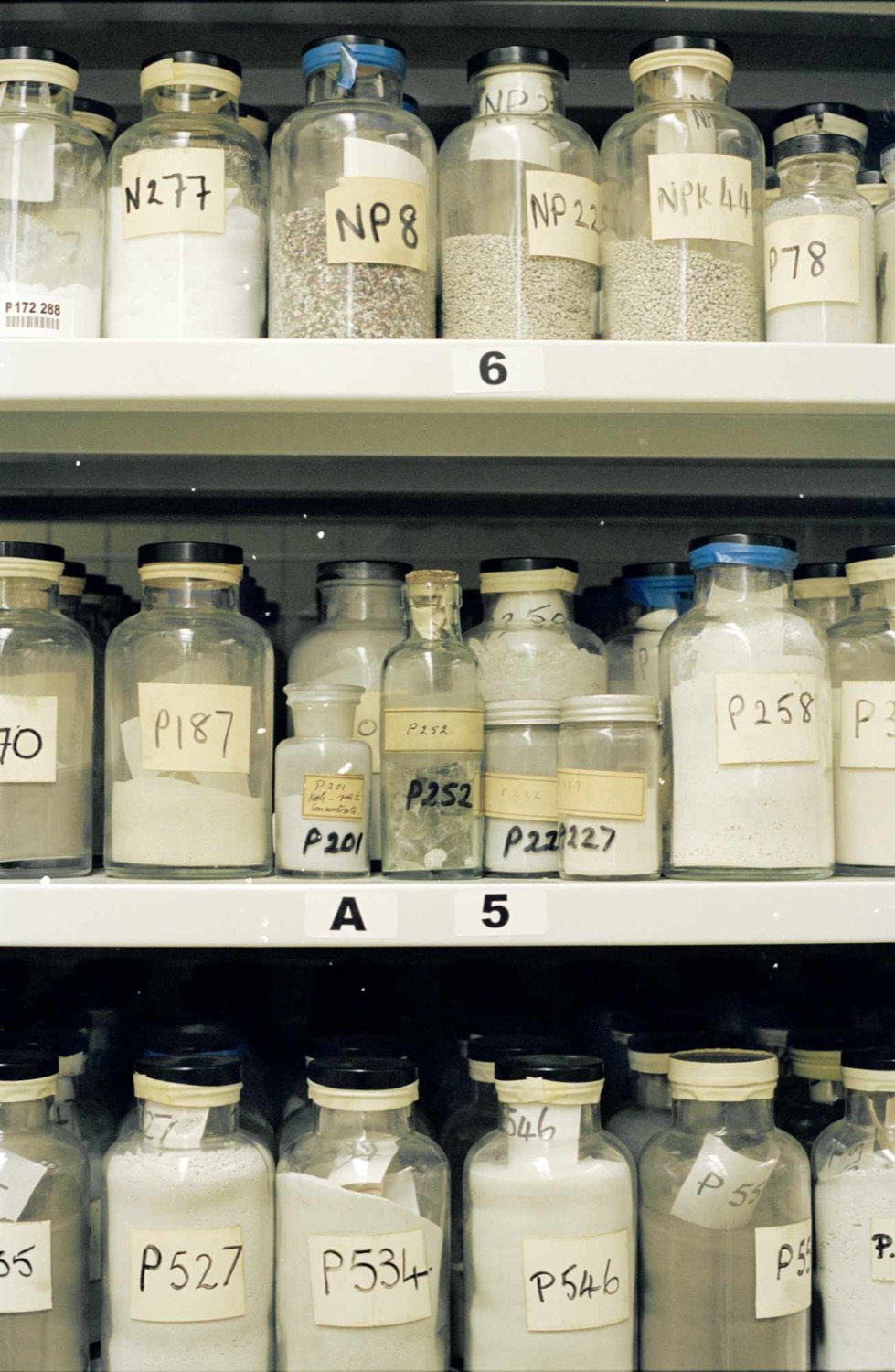
The fourth chapter turns to nitrogen, which makes up about 78 per cent of the atmosphere. In the nineteenth century, growing populations increased the demand for food, while intensive cultivation depleted nutrients in agricultural soils. Scientists looked for ways to make atmospheric nitrogen available to crops. In the early twentieth century, German chemist Fritz Haber developed a method of producing ammonia from nitrogen and hydrogen; Carl Bosch helped turn it into an industrial process. The breakthrough transformed fertiliser production, but also enabled the industrial manufacture of explosives. Bennes also draws attention to Haber's role in chemical warfare during the First World War: “Fritz Haber, the chemist whose name the process bears, was Jewish and a fervent German nationalist. During the First World War he turned his expertise toward warfare, overseeing the first large-scale deployment of chlorine gas at Ypres in 1915.” Excess nitrogen from agriculture can also pollute waterways and contribute to harmful algal blooms. Bennes links this problem to intensive farming in the Netherlands: “I studied the history connected to water pollution in the Netherlands from agriculture. There is a reciprocal connection with Germany, where the nitrogen fertiliser was industrialised, and the Netherlands has the worst water quality in Europe.”
Web of stories
Bennes's investigation into the uses and consequences of fertilisers goes beyond the photographic image. Her installations bring together photographs, texts and other materials to explore connections between industries, places and political systems. “I do installations because I find that they help me lay out all of these kinds of connections across different levels.”
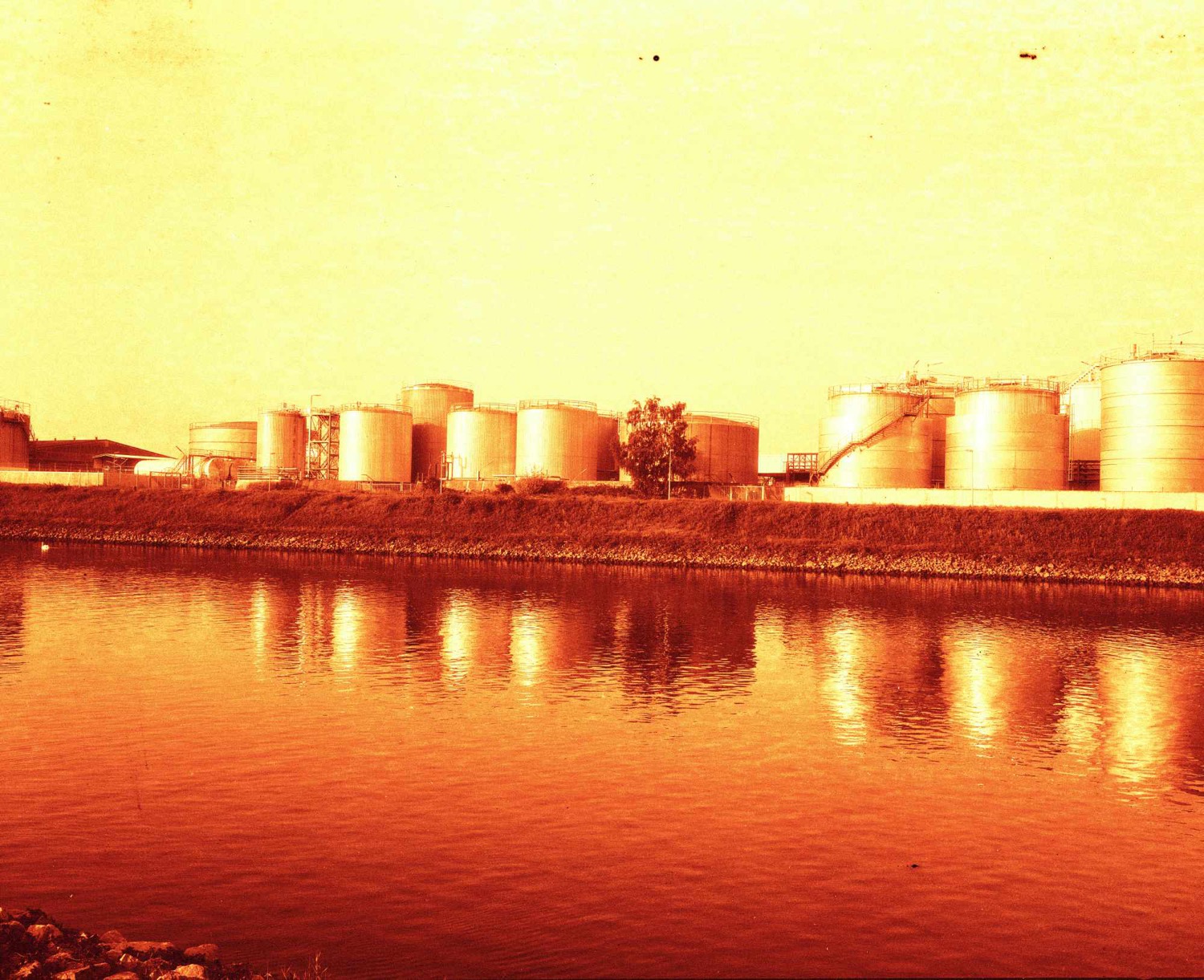
Bennes does not approach documentary photography as a transparent record of a single, objective truth. Instead, the design of her book encourages readers to make connections, question individual images and consider what remains outside the frame. “For me, it's a different way of both approaching the material and the subjects, as well as thinking through the material and the subjects. There is a kind of truth claim in there, but not the same as the truth claims that were made in the older school of the documentary news media. The way that we've structured the book, combining photography, graphs and texts, speaks to that as well. The images cut across pages; they can be cropped or partly shown. The book consists of a continuous stream of pictures, asking the viewer to make associations himself. But also kind of destabilising as well, because the images are being cut across the page. The book is more like a web of stories.”
This approach extends to her installations, where spatial arrangements create new relationships between images. “I think layering is a huge part of how I'm thinking about the topics I treat in my work. You can do that in an exhibition where you see how the positioning of one image on top of another changes the reading and creates different meanings. There are collages in the book as well: images layered on top of each other.”
Art and activism
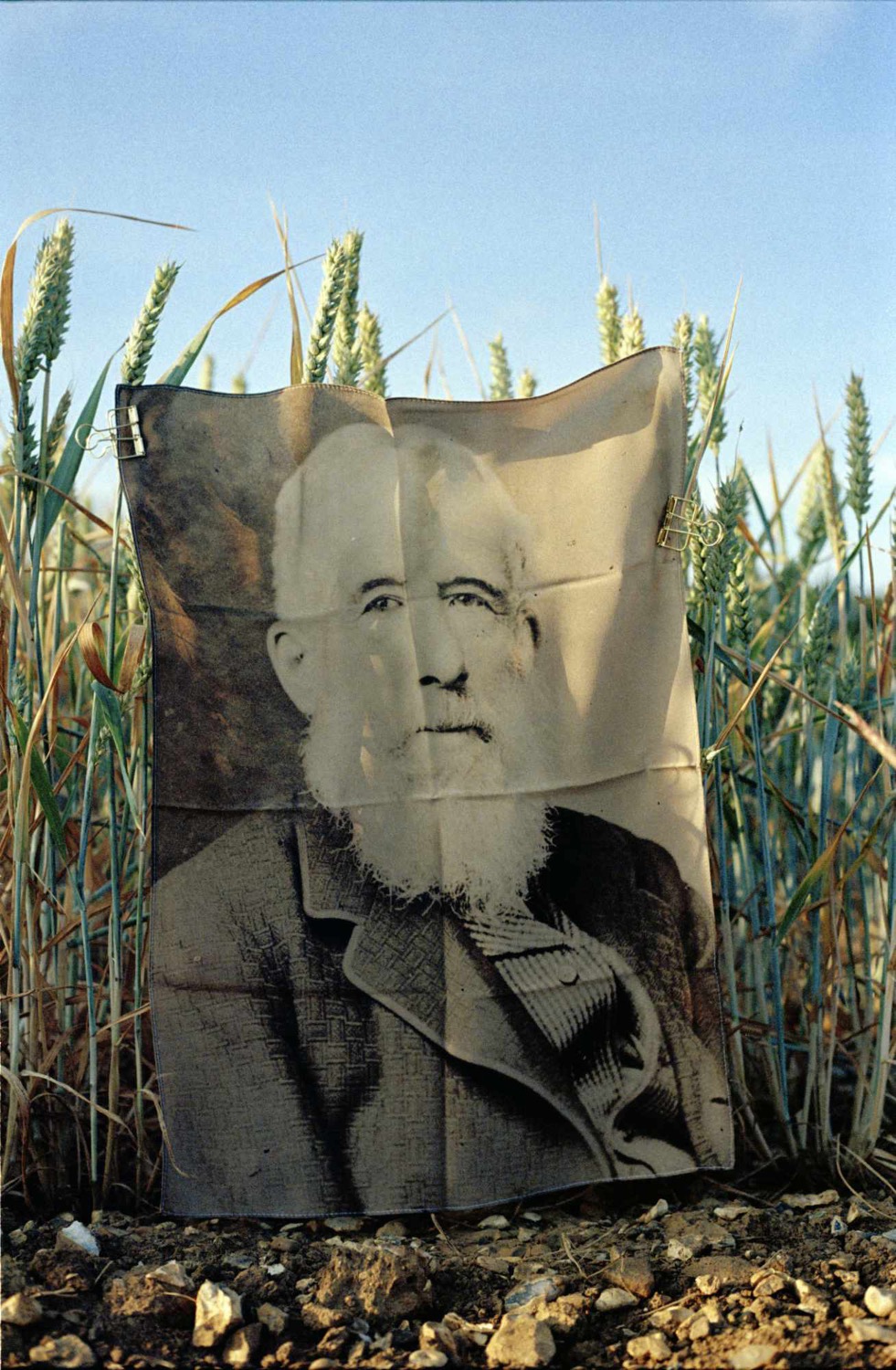
For Bennes, aesthetics and political engagement are not opposites. She uses the visual appeal of photography to bring viewers closer to complex and often uncomfortable subjects. “Art creates a different way for people to engage, especially when something is very political and heavy. Sometimes people just want to switch off. But I think if you have an aesthetic, if you have these images that are seductive or compelling, it draws people differently. I don’t see art as separate from activism. This kind of activism is an essential part of my life. I'm also involved in Palestine solidarity organising, for example. In my work, I always look at the interconnectedness of the military, state, financial structures, and regulations, and how companies fit into that. Art reaches people, and I think I have more faith in people than in politicians.”
Art reaches people, and I think I have more faith in people than in politicians.


We Eat the Earth brings together photographs, drawings, maps, texts and historical documents. Rather than a conventional photobook, it is a research-based investigation of how fertilisers are extracted, produced and used, and of their political and environmental consequences. Across five chapters, Bennes draws on archival research, writing and photographs made on location. A passage in the opening chapter, which moves between Sweden and Western Sahara, sets out the scale of the problem: “The fertiliser industry contributes more to the climate crisis than many people realise. Fertiliser production alone accounts for roughly five per cent of global carbon emissions.” Asked how fertiliser production in Sweden led her to investigate phosphate mining in Western Sahara, Bennes describes an industrial waste site on the Swedish island of Gipsön: “There's been phosphate production in that part of Sweden for more than 100 years, so it had a long history. The island appeared to be a spider in a web of pollution. I started to investigate from there, asking where the phosphate came from. What I found out was that almost all of the phosphate coming into Europe at the time was coming from Morocco, a massive exporter of phosphate. Looking into the history of phosphate mining in Morocco then led me to its illegal occupation of Western Sahara. Mining everywhere is environmentally harmful and destructive for local communities, but my investigations opened up questions of mining in relation to settler colonialism and occupation and militarisation.”
Counter-narrative
Bennes combines research with photography made on location. In Western Sahara, she set out to photograph the 100-kilometre conveyor belt that carries phosphate rock from the Bou Craa mine to the Atlantic coast. For her, documenting this restricted industrial landscape was a way to challenge the official narrative. She says security officials repeatedly refused her permission to photograph the area because it was a military zone. “Official journalists are largely not allowed to enter the area. So I went pretending to be a tourist spotting rare bird species. I went to the mine and was surprised by the spoil heaps. They dig up large quantities of material to extract and process the phosphate rock. There's a lot of economically unviable waste left over, which is then piled up into these huge mountains. While photographing there, I was stopped by the Moroccan military police and private security contractors at the mine. It's a Moroccan state-owned company that manages the phosphate mine in Western Sahara. Those dominant forces present a very particular narrative, both in images and in words. And one way to counter these narratives is by doing it yourself. I feel we must be active in creating counter-narratives.”
Munitions and weapons
In north-east England, on the edge of the North York Moors, Bennes visited Boulby Mine, a former potash mine that now extracts polyhalite from deposits extending beneath the North Sea. “It had been a potash mine for a long time, and it became exhausted and was no longer commercially viable as a potash mine. But they had discovered a new seam of a different mineral, polyhalite. This mineral is similar to potash, but they were marketing it as the future of fertiliser because it was also relatively environmentally friendly. I went to the mine and saw a sign: ICL, the name of the owner of the mine. After researching, I found out what ICL is: Israel Chemicals Limited.”
In We Eat the Earth, Bennes also examines the political history she associates with ICL, the owner of Boulby Mine: “Israel Chemicals Limited has its roots in the world-building imagination of lawyer Theodor Herzl. A driving force behind the Zionist vision of a separate Jewish homeland, in 1902 Herzl published The Old New Land, a utopian novel setting out possibilities for a techno-futuristic Jewish state in Palestine.” Her investigation then turns to the company's involvement in the US military's white phosphorus supply chain, raising questions about links between agriculture and warfare. As she puts it: “Israel's Chemical Limited is a supplier of white phosphorus munitions to the US military. Fertilisers have this two-faced characteristic, which is that they can be used to facilitate plant growth, but they're also often used to make munitions and weapons.”
Fertilisers have this two-faced characteristic, which is that they can be used to facilitate plant growth, but they're also often used to make munitions and weapons.
Nitrogen and warfare
The fourth chapter turns to nitrogen, which makes up about 78 per cent of the atmosphere. In the nineteenth century, growing populations increased the demand for food, while intensive cultivation depleted nutrients in agricultural soils. Scientists looked for ways to make atmospheric nitrogen available to crops. In the early twentieth century, German chemist Fritz Haber developed a method of producing ammonia from nitrogen and hydrogen; Carl Bosch helped turn it into an industrial process. The breakthrough transformed fertiliser production, but also enabled the industrial manufacture of explosives. Bennes also draws attention to Haber's role in chemical warfare during the First World War: “Fritz Haber, the chemist whose name the process bears, was Jewish and a fervent German nationalist. During the First World War he turned his expertise toward warfare, overseeing the first large-scale deployment of chlorine gas at Ypres in 1915.” Excess nitrogen from agriculture can also pollute waterways and contribute to harmful algal blooms. Bennes links this problem to intensive farming in the Netherlands: “I studied the history connected to water pollution in the Netherlands from agriculture. There is a reciprocal connection with Germany, where the nitrogen fertiliser was industrialised, and the Netherlands has the worst water quality in Europe.”
Web of stories
Bennes's investigation into the uses and consequences of fertilisers goes beyond the photographic image. Her installations bring together photographs, texts and other materials to explore connections between industries, places and political systems. “I do installations because I find that they help me lay out all of these kinds of connections across different levels.”
Bennes does not approach documentary photography as a transparent record of a single, objective truth. Instead, the design of her book encourages readers to make connections, question individual images and consider what remains outside the frame. “For me, it's a different way of both approaching the material and the subjects, as well as thinking through the material and the subjects. There is a kind of truth claim in there, but not the same as the truth claims that were made in the older school of the documentary news media. The way that we've structured the book, combining photography, graphs and texts, speaks to that as well. The images cut across pages; they can be cropped or partly shown. The book consists of a continuous stream of pictures, asking the viewer to make associations himself. But also kind of destabilising as well, because the images are being cut across the page. The book is more like a web of stories.”
This approach extends to her installations, where spatial arrangements create new relationships between images. “I think layering is a huge part of how I'm thinking about the topics I treat in my work. You can do that in an exhibition where you see how the positioning of one image on top of another changes the reading and creates different meanings. There are collages in the book as well: images layered on top of each other.”
Art and activism
For Bennes, aesthetics and political engagement are not opposites. She uses the visual appeal of photography to bring viewers closer to complex and often uncomfortable subjects. “Art creates a different way for people to engage, especially when something is very political and heavy. Sometimes people just want to switch off. But I think if you have an aesthetic, if you have these images that are seductive or compelling, it draws people differently. I don’t see art as separate from activism. This kind of activism is an essential part of my life. I'm also involved in Palestine solidarity organising, for example. In my work, I always look at the interconnectedness of the military, state, financial structures, and regulations, and how companies fit into that. Art reaches people, and I think I have more faith in people than in politicians.”
Art reaches people, and I think I have more faith in people than in politicians.