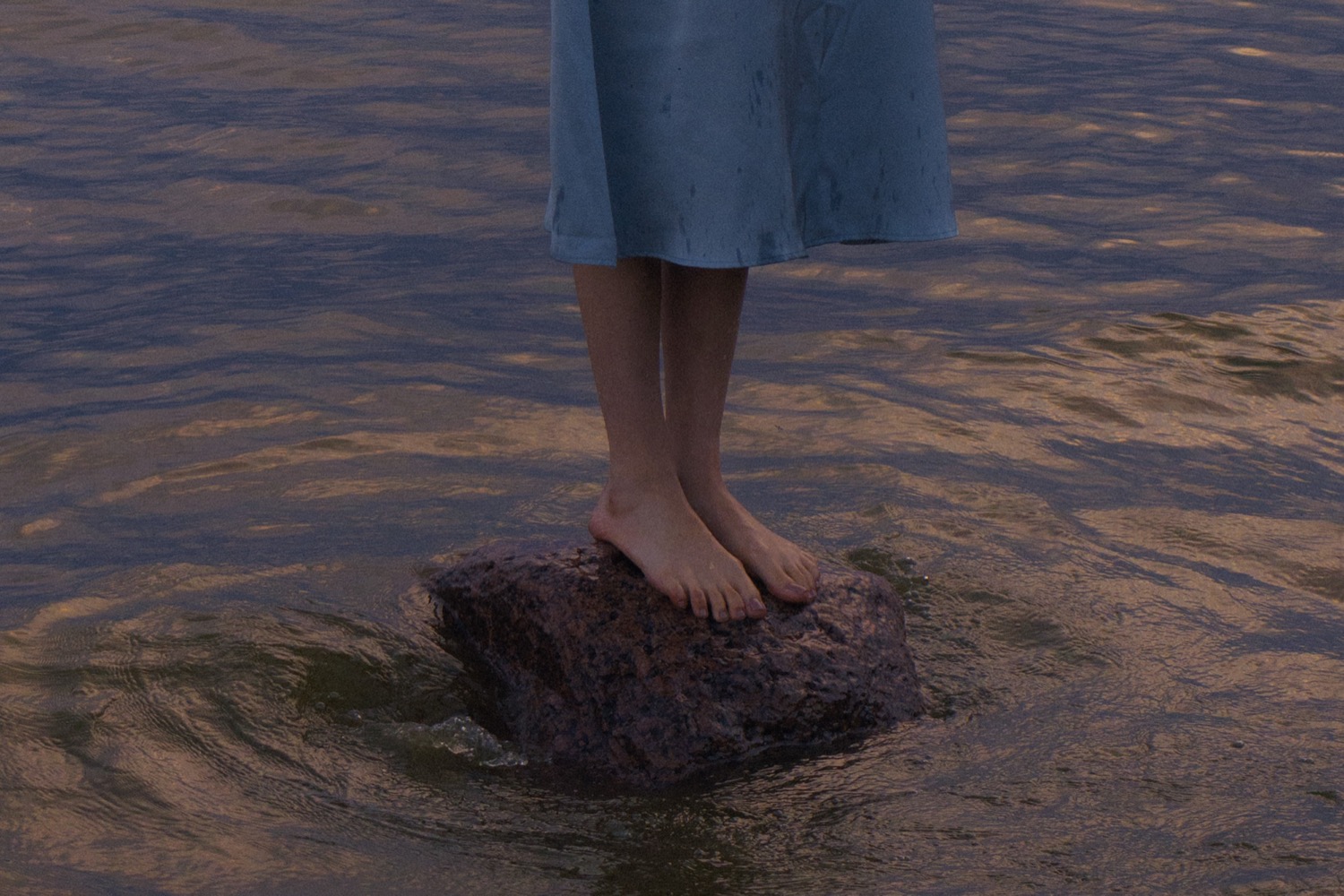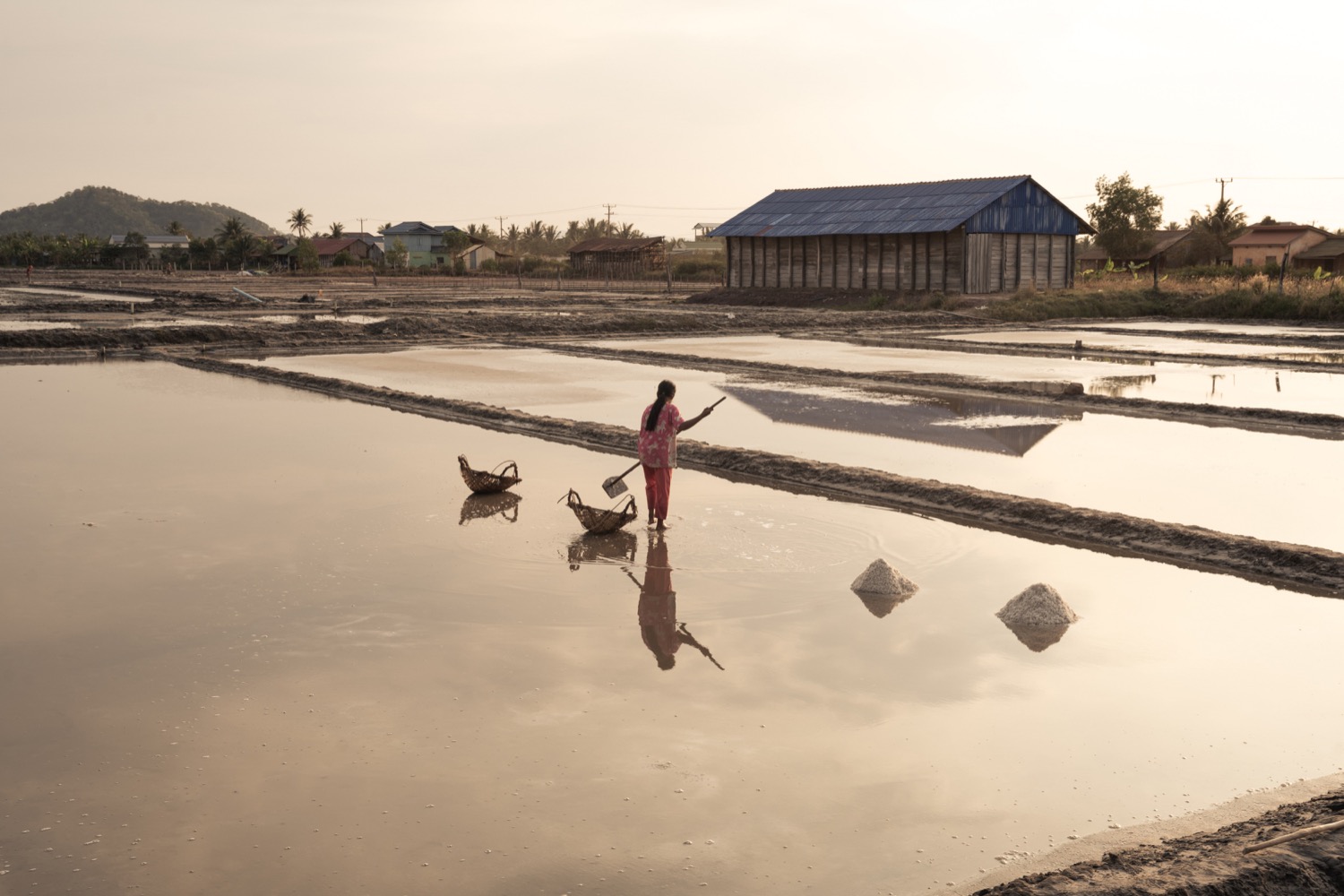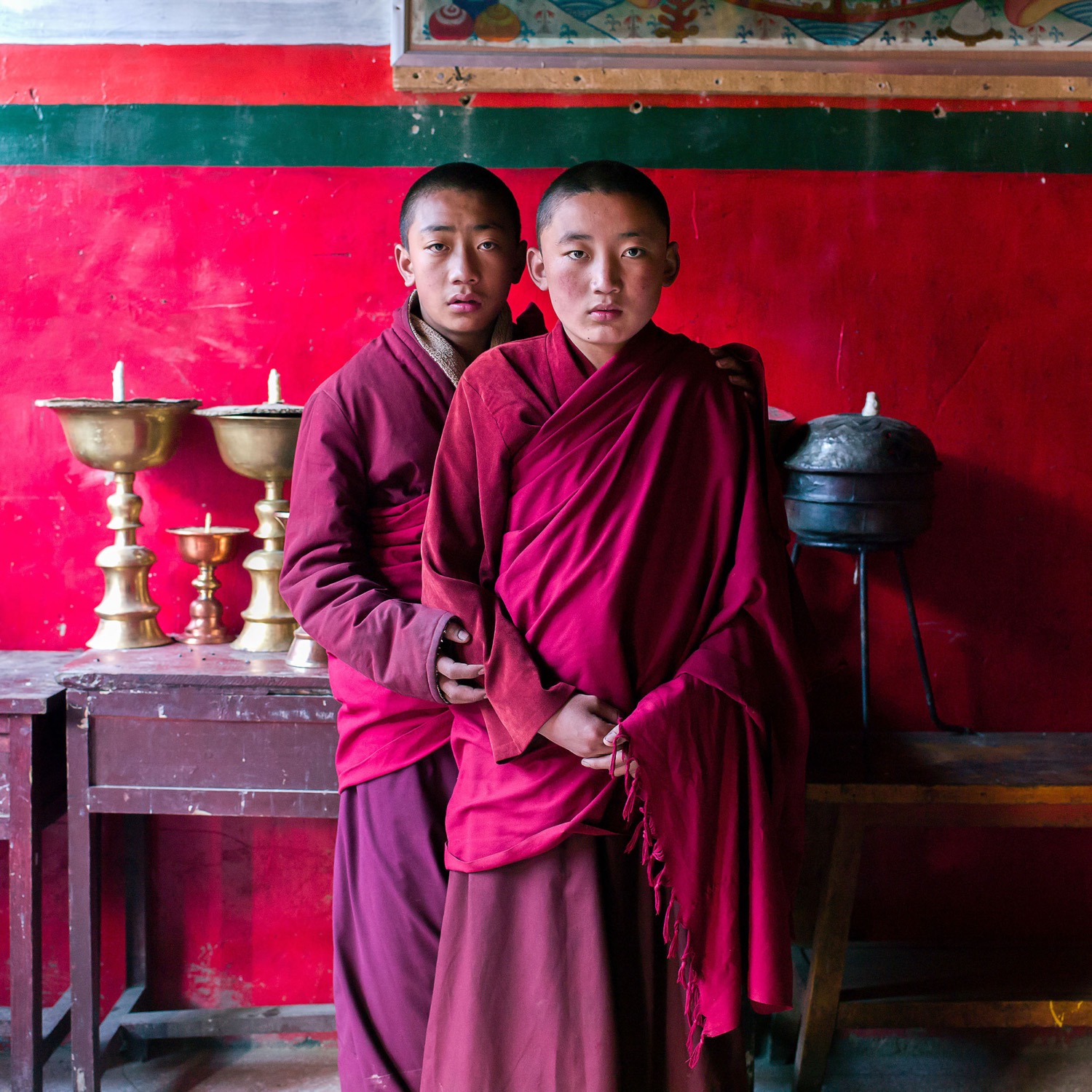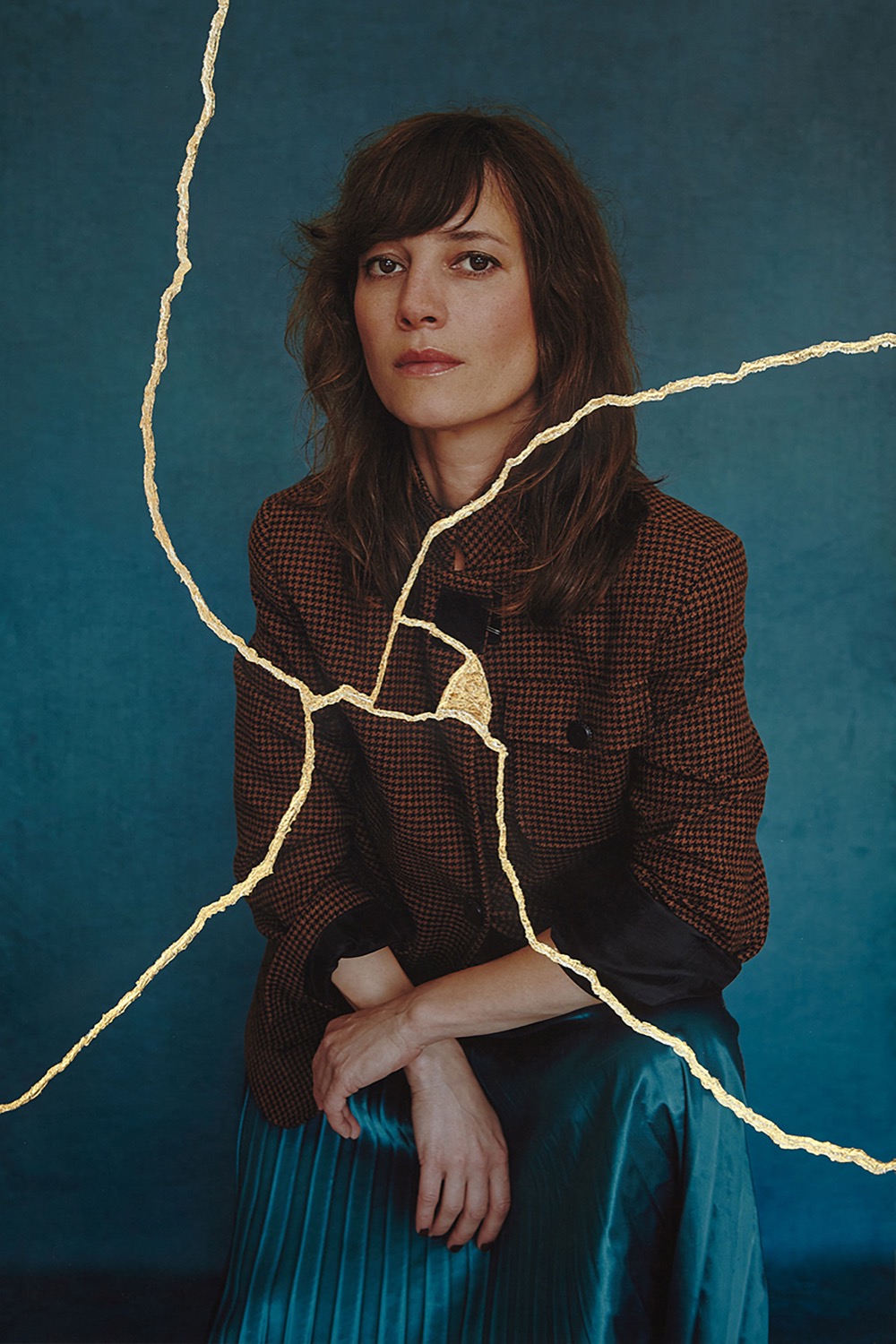
© Gala Semenova | There is a crack in everything, that’s how the light gets in

Each image, fractured and reassembled with golden seams, symbolises lives scarred by domestic violence yet bound by courage and the possibility of healing. Drawing from her own journey, Semenova rejects narratives of victimhood, choosing instead to illuminate hope and dignity. Presented as striking large-scale prints, the series stands as both a testament to survival and a call to action—urging society to confront violence while empowering those who rise beyond it.
Gala Semenova: My project emphasises the need for hope in the face of adversity, particularly for victims of domestic violence. Rather than portraying them as mere victims, I aim to highlight their strength, courage, and humanity, inspiring others to turn tragedy into triumph. Drawing from my own healing journey, I infuse art with a message of hope and transcendence.
My project emphasises the need for hope in the face of adversity, particularly for victims of domestic violence.
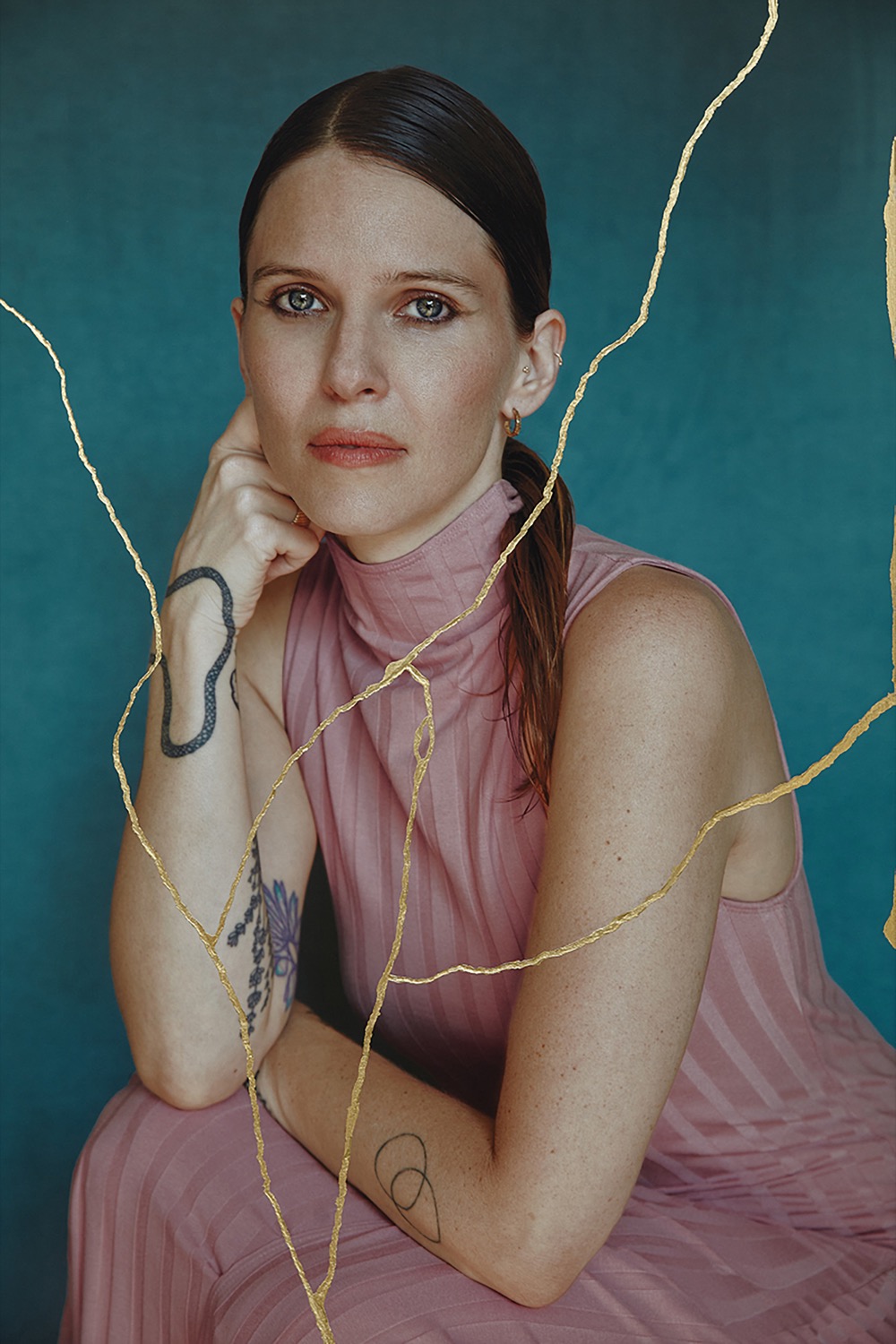
To visually convey this sentiment, I found inspiration in Kintsugi, the Japanese philosophy that embraces imperfections as unique and beautiful. Applying this concept to portraiture, I showcase the beauty and resilience of individuals who have experienced domestic abuse, emphasising their strength and capacity for healing.
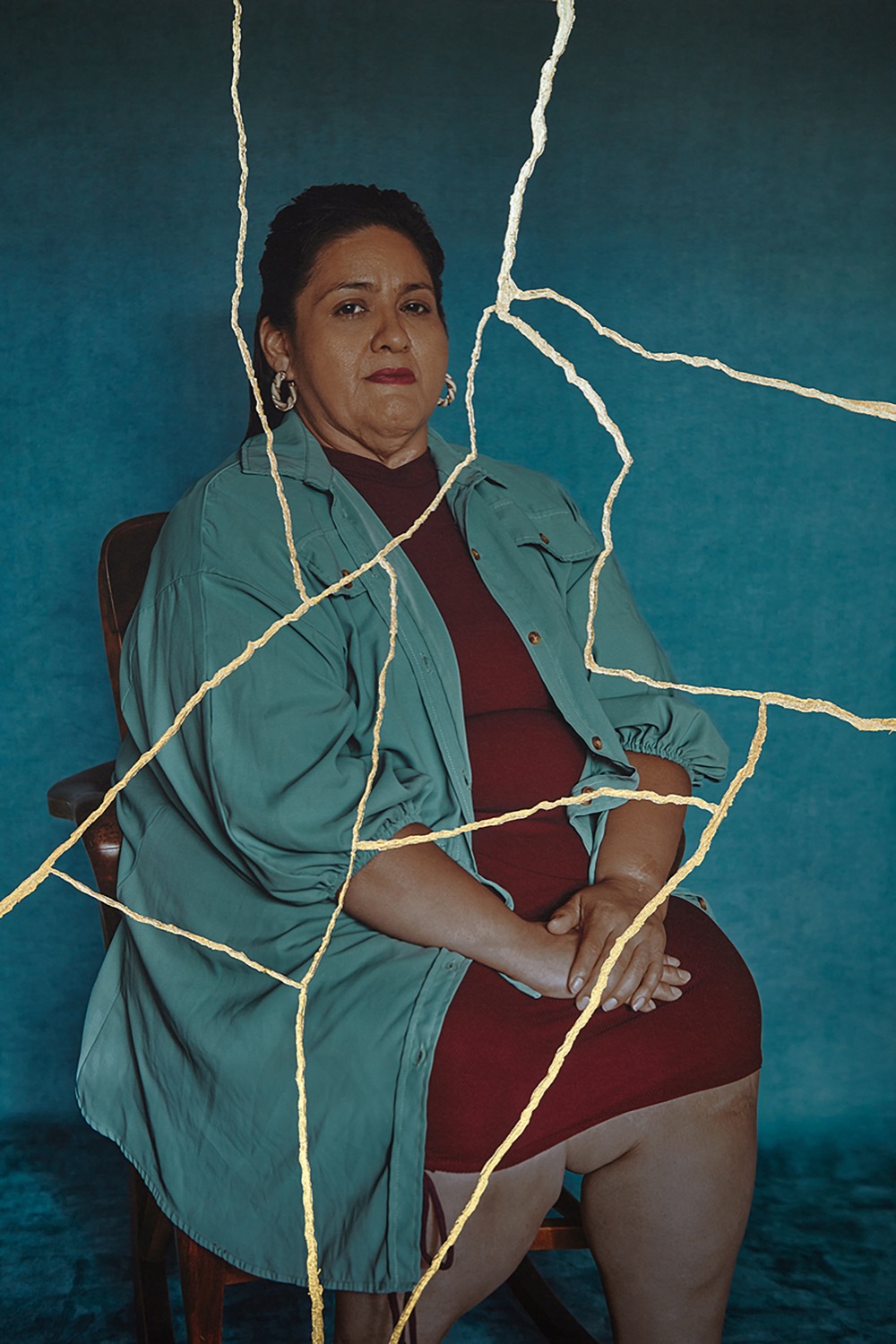
This project does not seek to glorify domestic abuse or its effects. Instead, it raises awareness while empowering survivors by depicting them as beautiful, strong, and resilient individuals who refuse to be defined by their past. Each subject’s portrait is disassembled and reassembled with decorative gold, symbolising fractured lives being mended with positive intention. The final works are presented as large archival prints.
Initial progress has already been promising, motivating me to expand on the original vision. Working closely with the subjects, my goal is to guide them towards acknowledging their journeys, facilitating catharsis and closure. To further promote and distribute this work, I intend to collaborate with domestic violence and human rights organisations. With their support, I hope to reach those who will benefit from this project and mobilise others to bring about meaningful change.
.svg)


.svg)
.svg)

Each image, fractured and reassembled with golden seams, symbolises lives scarred by domestic violence yet bound by courage and the possibility of healing. Drawing from her own journey, Semenova rejects narratives of victimhood, choosing instead to illuminate hope and dignity. Presented as striking large-scale prints, the series stands as both a testament to survival and a call to action—urging society to confront violence while empowering those who rise beyond it.
Gala Semenova: My project emphasises the need for hope in the face of adversity, particularly for victims of domestic violence. Rather than portraying them as mere victims, I aim to highlight their strength, courage, and humanity, inspiring others to turn tragedy into triumph. Drawing from my own healing journey, I infuse art with a message of hope and transcendence.
My project emphasises the need for hope in the face of adversity, particularly for victims of domestic violence.
To visually convey this sentiment, I found inspiration in Kintsugi, the Japanese philosophy that embraces imperfections as unique and beautiful. Applying this concept to portraiture, I showcase the beauty and resilience of individuals who have experienced domestic abuse, emphasising their strength and capacity for healing.
This project does not seek to glorify domestic abuse or its effects. Instead, it raises awareness while empowering survivors by depicting them as beautiful, strong, and resilient individuals who refuse to be defined by their past. Each subject’s portrait is disassembled and reassembled with decorative gold, symbolising fractured lives being mended with positive intention. The final works are presented as large archival prints.
Initial progress has already been promising, motivating me to expand on the original vision. Working closely with the subjects, my goal is to guide them towards acknowledging their journeys, facilitating catharsis and closure. To further promote and distribute this work, I intend to collaborate with domestic violence and human rights organisations. With their support, I hope to reach those who will benefit from this project and mobilise others to bring about meaningful change.
Each image, fractured and reassembled with golden seams, symbolises lives scarred by domestic violence yet bound by courage and the possibility of healing. Drawing from her own journey, Semenova rejects narratives of victimhood, choosing instead to illuminate hope and dignity. Presented as striking large-scale prints, the series stands as both a testament to survival and a call to action—urging society to confront violence while empowering those who rise beyond it.
Gala Semenova: My project emphasises the need for hope in the face of adversity, particularly for victims of domestic violence. Rather than portraying them as mere victims, I aim to highlight their strength, courage, and humanity, inspiring others to turn tragedy into triumph. Drawing from my own healing journey, I infuse art with a message of hope and transcendence.
My project emphasises the need for hope in the face of adversity, particularly for victims of domestic violence.
To visually convey this sentiment, I found inspiration in Kintsugi, the Japanese philosophy that embraces imperfections as unique and beautiful. Applying this concept to portraiture, I showcase the beauty and resilience of individuals who have experienced domestic abuse, emphasising their strength and capacity for healing.
This project does not seek to glorify domestic abuse or its effects. Instead, it raises awareness while empowering survivors by depicting them as beautiful, strong, and resilient individuals who refuse to be defined by their past. Each subject’s portrait is disassembled and reassembled with decorative gold, symbolising fractured lives being mended with positive intention. The final works are presented as large archival prints.
Initial progress has already been promising, motivating me to expand on the original vision. Working closely with the subjects, my goal is to guide them towards acknowledging their journeys, facilitating catharsis and closure. To further promote and distribute this work, I intend to collaborate with domestic violence and human rights organisations. With their support, I hope to reach those who will benefit from this project and mobilise others to bring about meaningful change.