© Donna Bassin | Portraits of the Precarious Earth - Environmental Melancholia
Bringing together landscapes from geographically distant regions, she creates composite photographs that reveal the fragility and interconnectedness of the natural world. Through layering, tearing and stitching, Bassin makes environmental damage visible while suggesting the possibility of repair. Her work examines grief, resilience and our relationship with threatened landscapes, inviting viewers to consider how sustained attention and care can shape our response to the ecological crisis.

Donna Bassin: Portraits of the Precarious Earth: Environmental Melancholia is an ongoing photographic series exploring life amid landscapes altered by environmental change. I approach the landscape not as scenery but as a psychic encounter in which rupture and fragility become visible. The work examines how climate change and human activity reshape environments beyond the scale of immediate perception.
The work examines how climate change and human activity reshape environments beyond the scale of immediate perception.

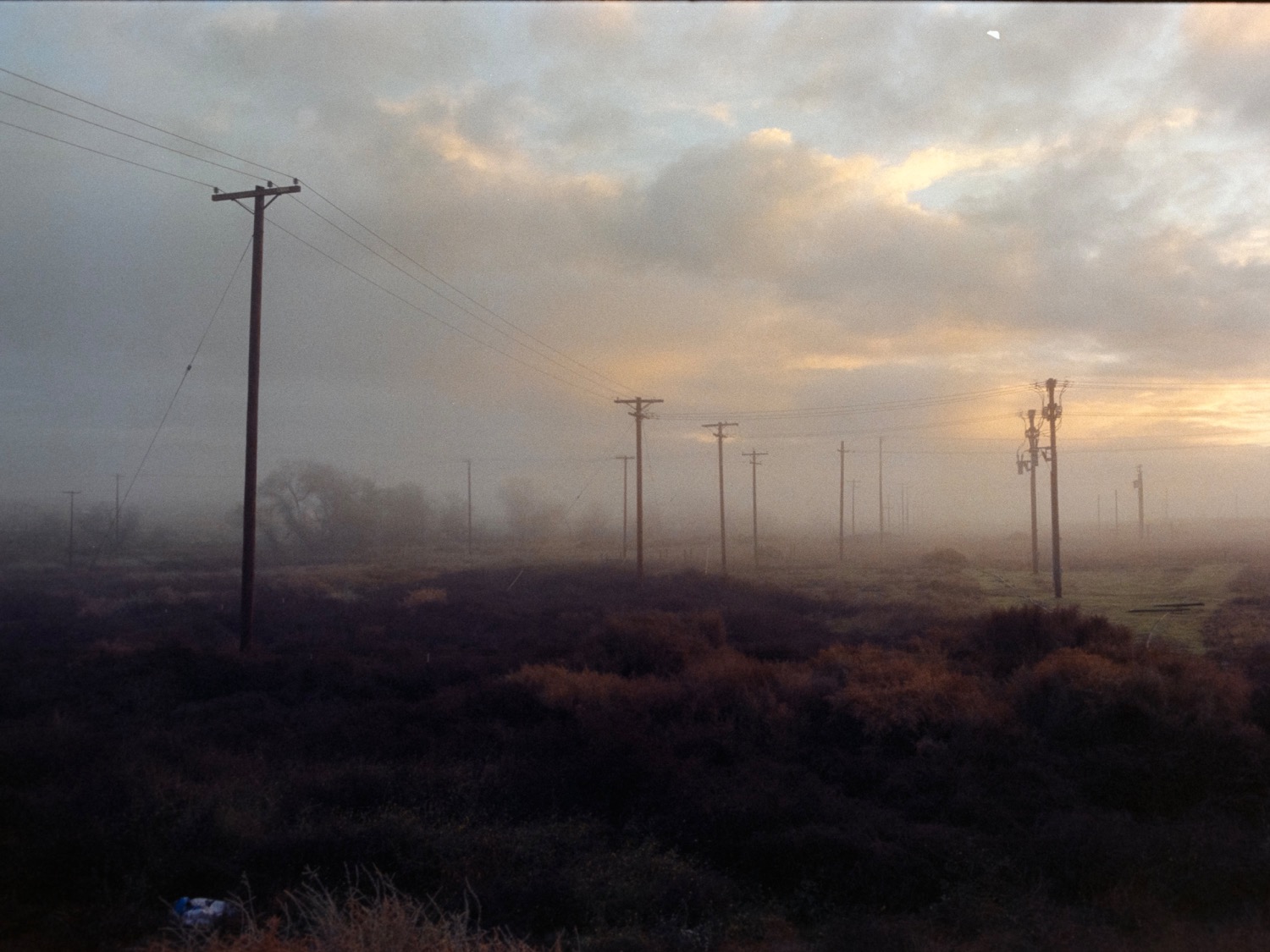
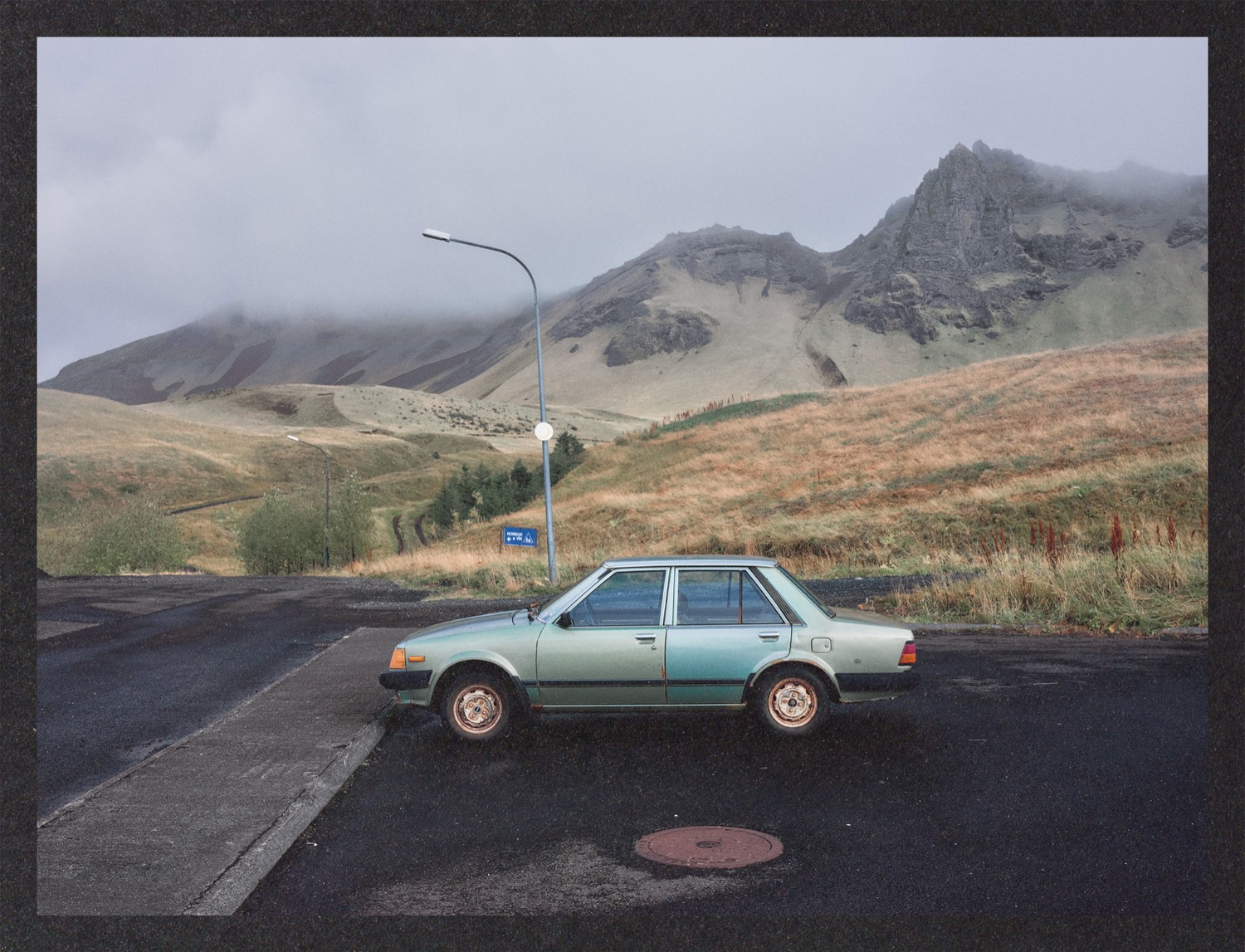
Working across deserts, alpine regions, forests, and coasts, I bring geographically distant terrains into composite images. A fragment of water, ice, or forest may appear within another landscape; their meeting is both possible and unsettled. The seams become sutures and fault lines, joining places while keeping their differences visible.

I alter the photographs by layering, cutting, tearing, and stitching with embroidery thread. These interventions make rupture tangible and slow the act of looking. They do not restore what has been lost. Instead, they hold damage and persistence together.

Environmental melancholia names a grief bound to attention. To mourn a damaged place, we must first encounter it and recognise our entanglement with it. These images are less records of discrete sites than portraits of a precarious emotional climate shared by the Earth and ourselves. They ask us to stay with what is disappearing, what endures, and the responsibility that follows from seeing. The work offers no resolution, but it makes space for attention and care that begin when we remain present without turning away.


Bringing together landscapes from geographically distant regions, she creates composite photographs that reveal the fragility and interconnectedness of the natural world. Through layering, tearing and stitching, Bassin makes environmental damage visible while suggesting the possibility of repair. Her work examines grief, resilience and our relationship with threatened landscapes, inviting viewers to consider how sustained attention and care can shape our response to the ecological crisis.
Donna Bassin: Portraits of the Precarious Earth: Environmental Melancholia is an ongoing photographic series exploring life amid landscapes altered by environmental change. I approach the landscape not as scenery but as a psychic encounter in which rupture and fragility become visible. The work examines how climate change and human activity reshape environments beyond the scale of immediate perception.
The work examines how climate change and human activity reshape environments beyond the scale of immediate perception.
Working across deserts, alpine regions, forests, and coasts, I bring geographically distant terrains into composite images. A fragment of water, ice, or forest may appear within another landscape; their meeting is both possible and unsettled. The seams become sutures and fault lines, joining places while keeping their differences visible.
I alter the photographs by layering, cutting, tearing, and stitching with embroidery thread. These interventions make rupture tangible and slow the act of looking. They do not restore what has been lost. Instead, they hold damage and persistence together.
Environmental melancholia names a grief bound to attention. To mourn a damaged place, we must first encounter it and recognise our entanglement with it. These images are less records of discrete sites than portraits of a precarious emotional climate shared by the Earth and ourselves. They ask us to stay with what is disappearing, what endures, and the responsibility that follows from seeing. The work offers no resolution, but it makes space for attention and care that begin when we remain present without turning away.