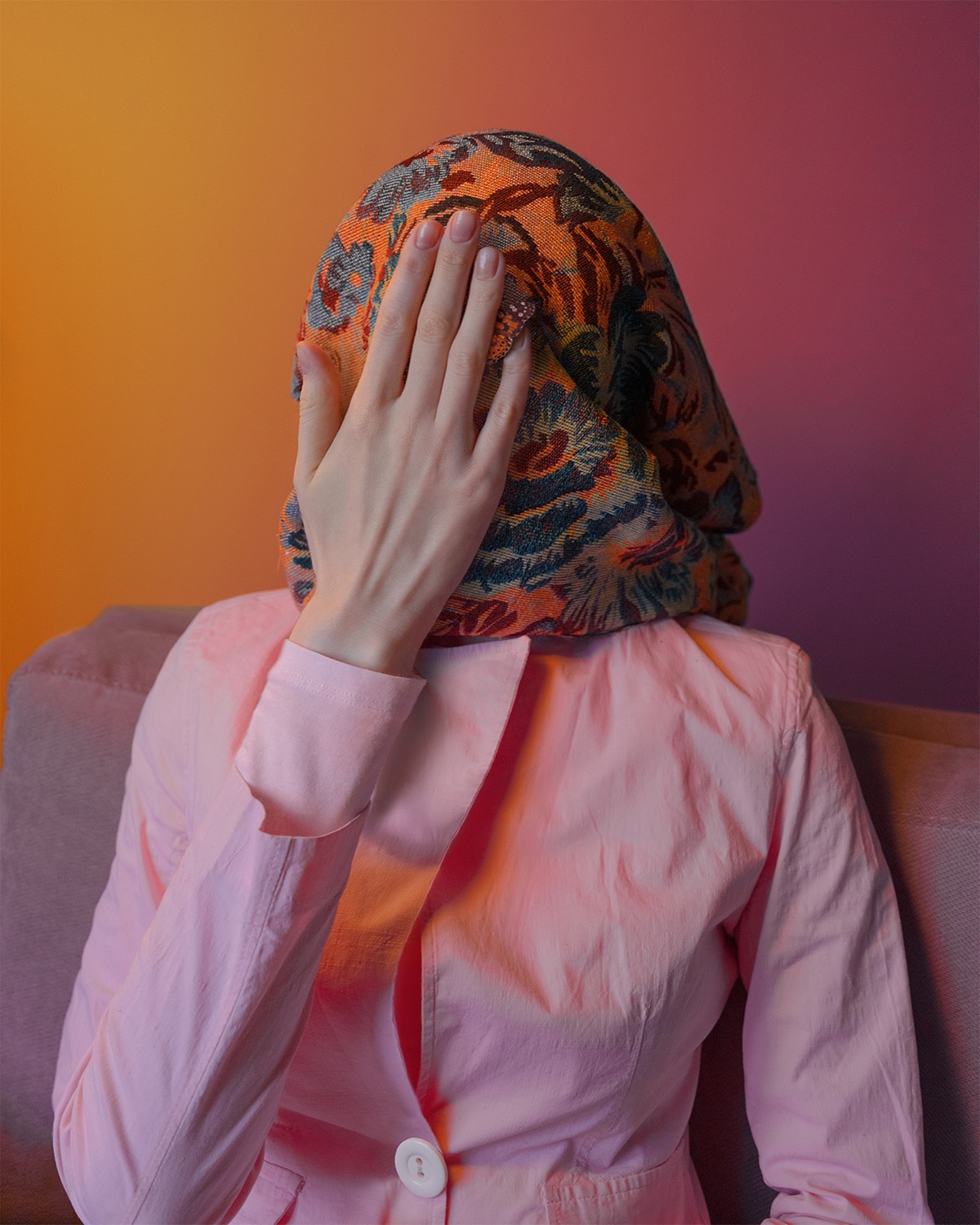
© Pavlo Fyshar | Catcher - Prisoners
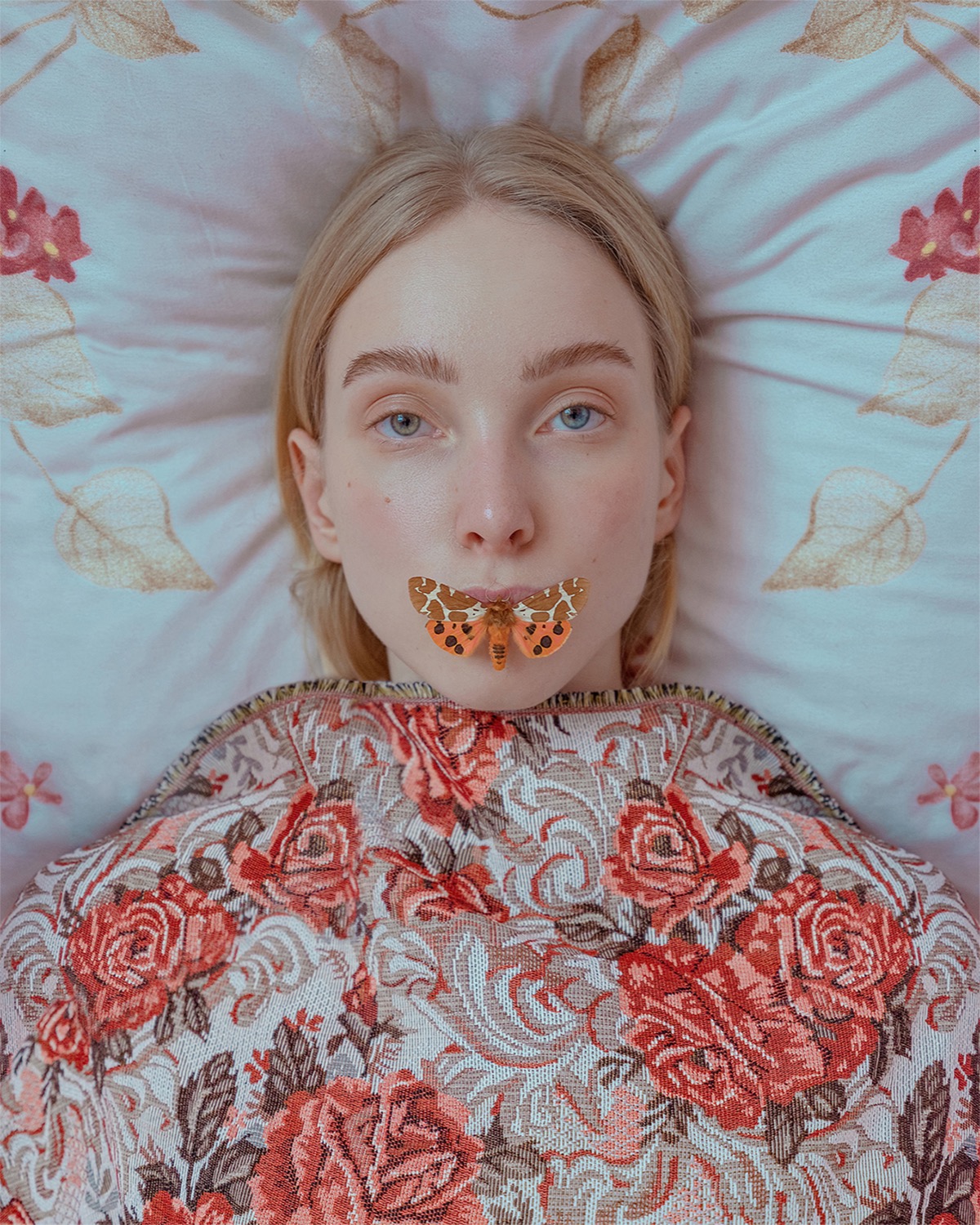
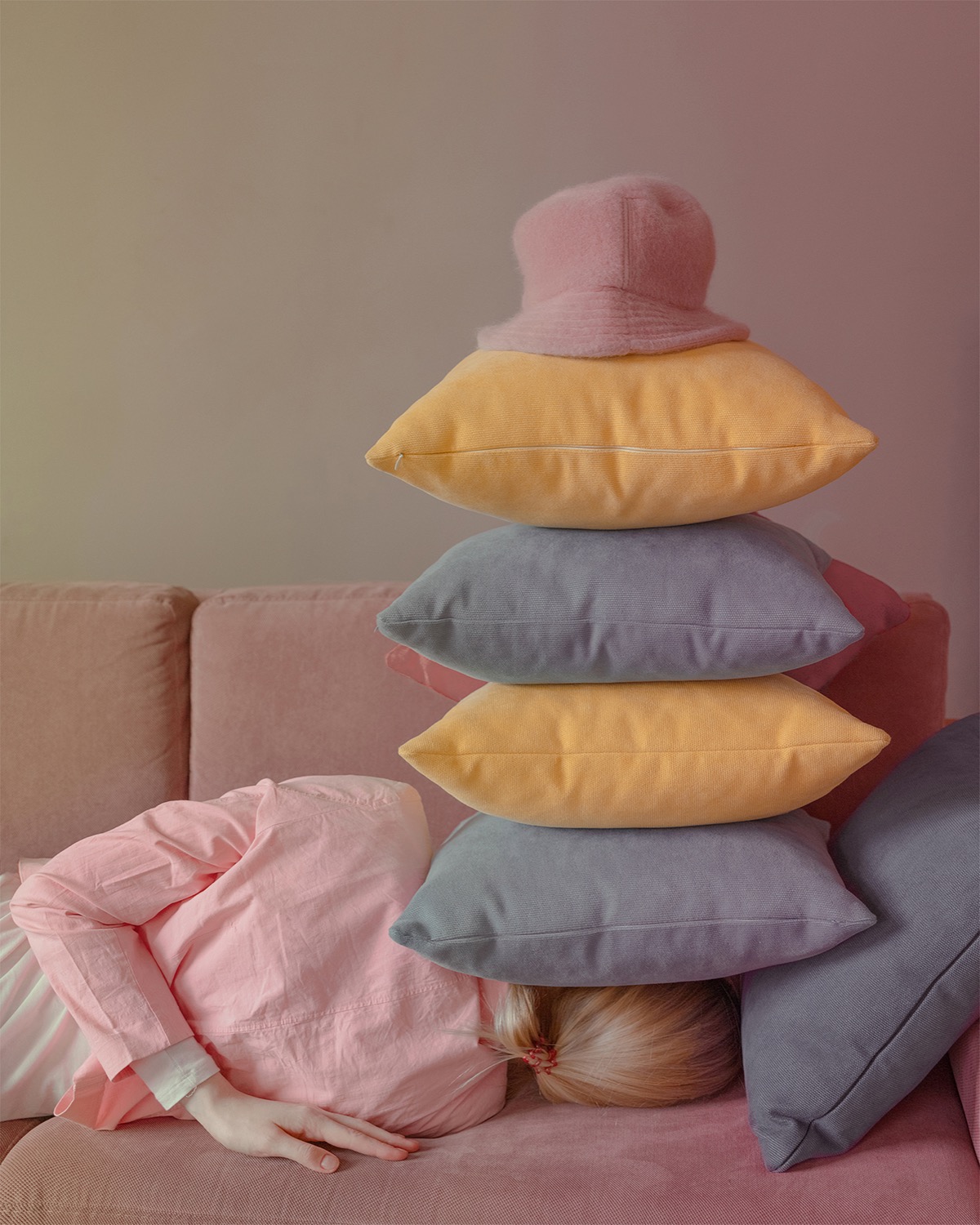
Figures appear fragmented or obscured, caught between reality and illusion, reflecting the subtle ways we confine ourselves through routines, expectations, and doubt. Fyshar's surreal aesthetic softens the weight of isolation while sharpening its resonance, revealing how invisible boundaries shape our inner lives. With a delicate tension between comfort and constraint, Prisoners invites viewers to reflect on where freedom ends and quiet captivity begins.
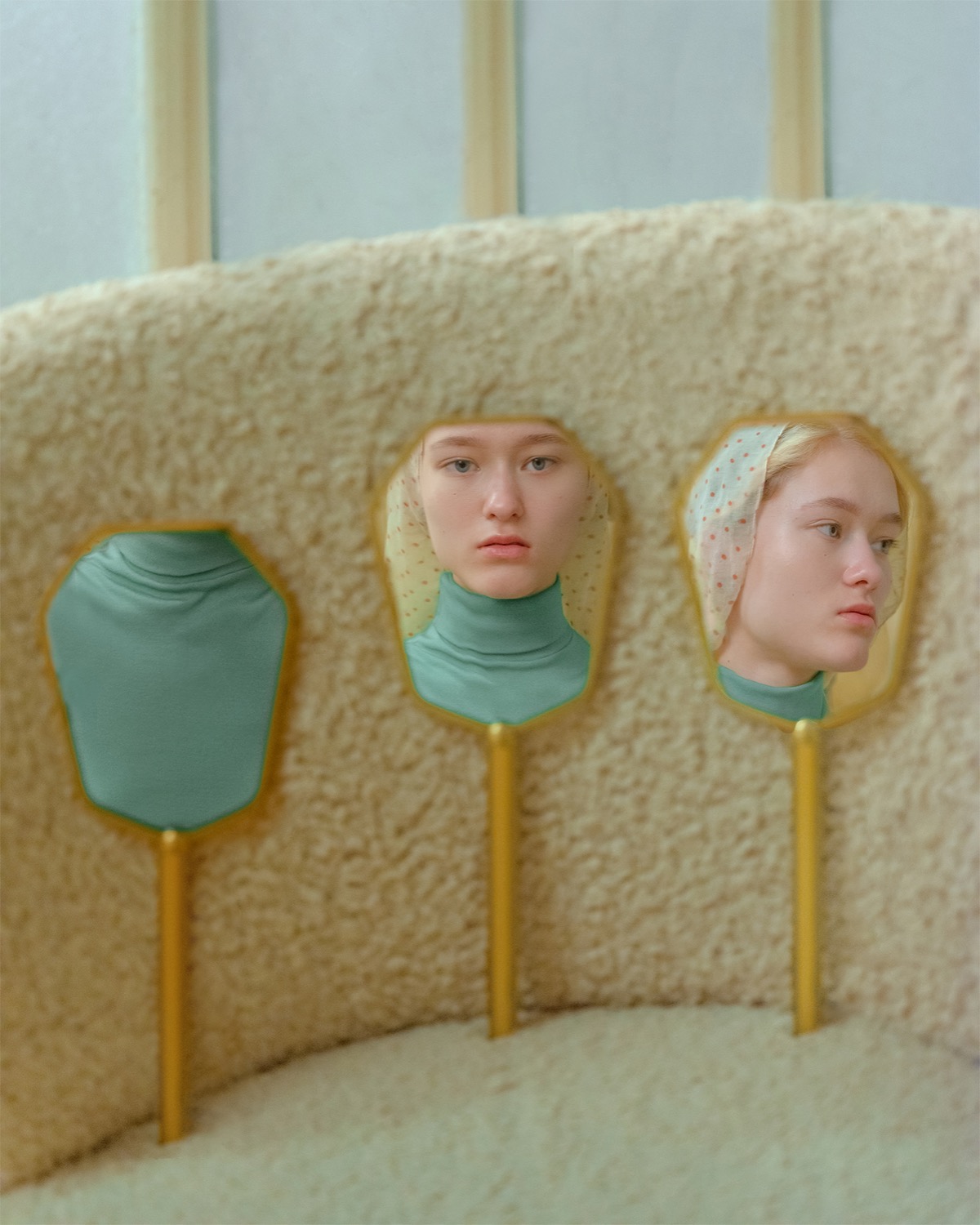
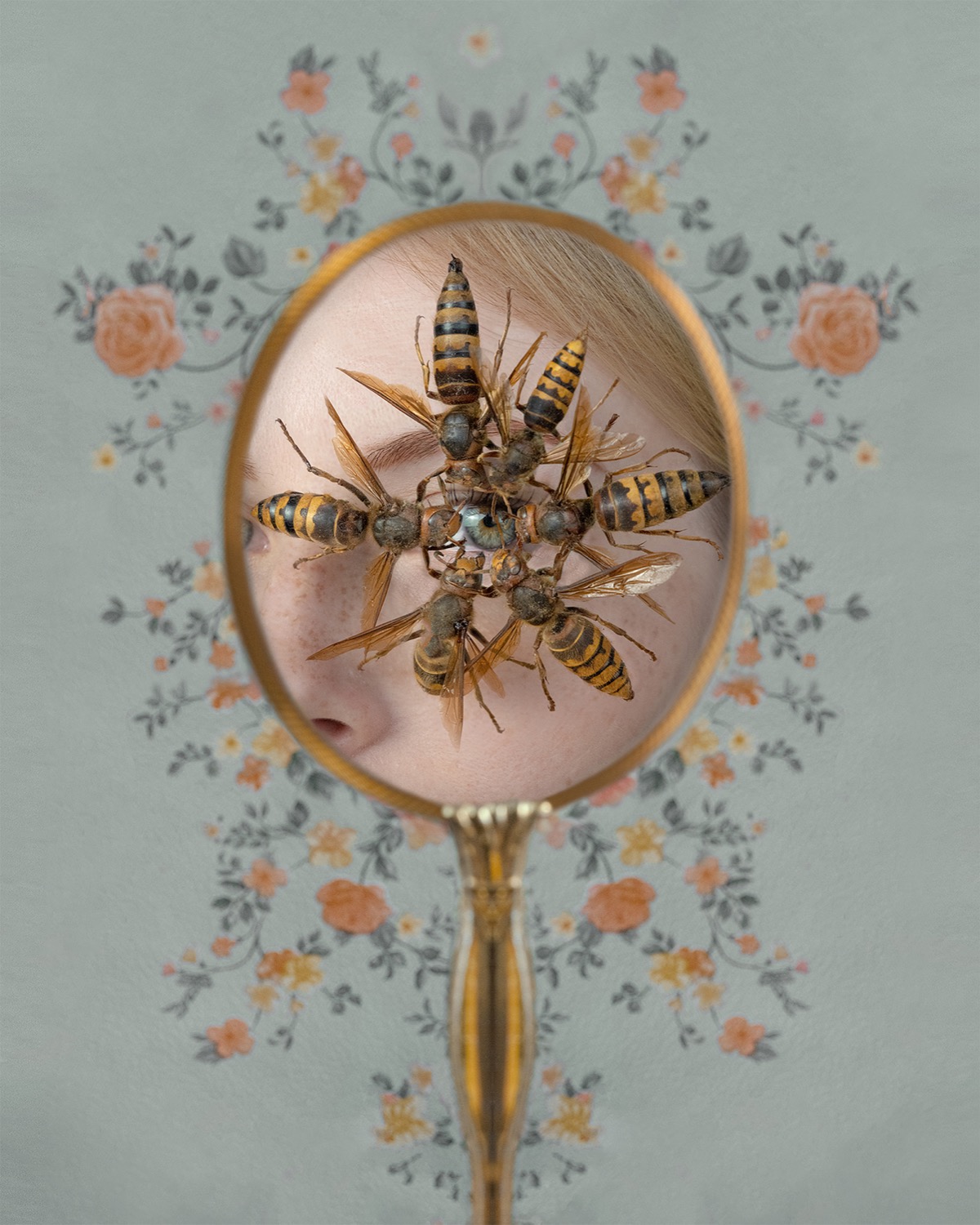
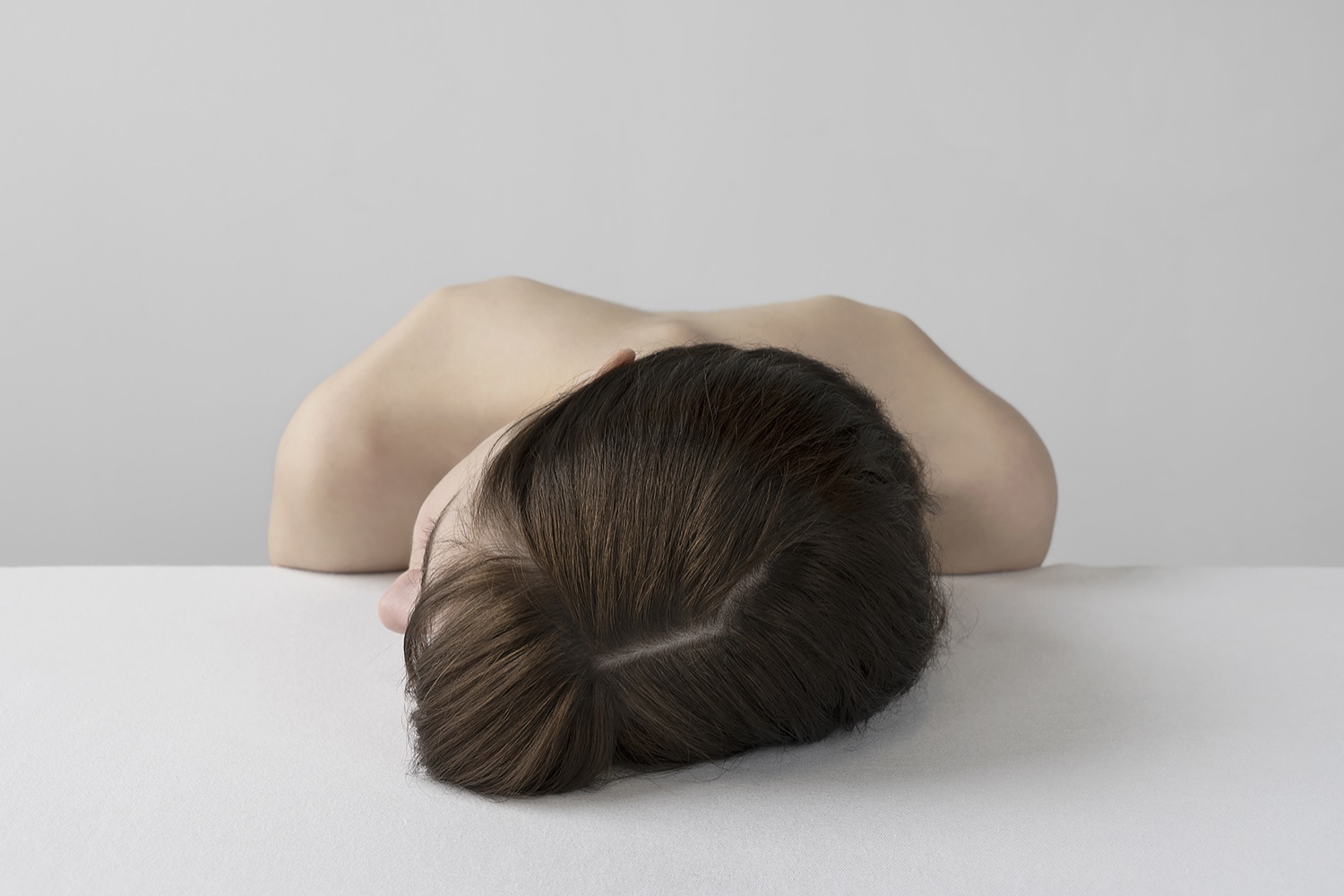
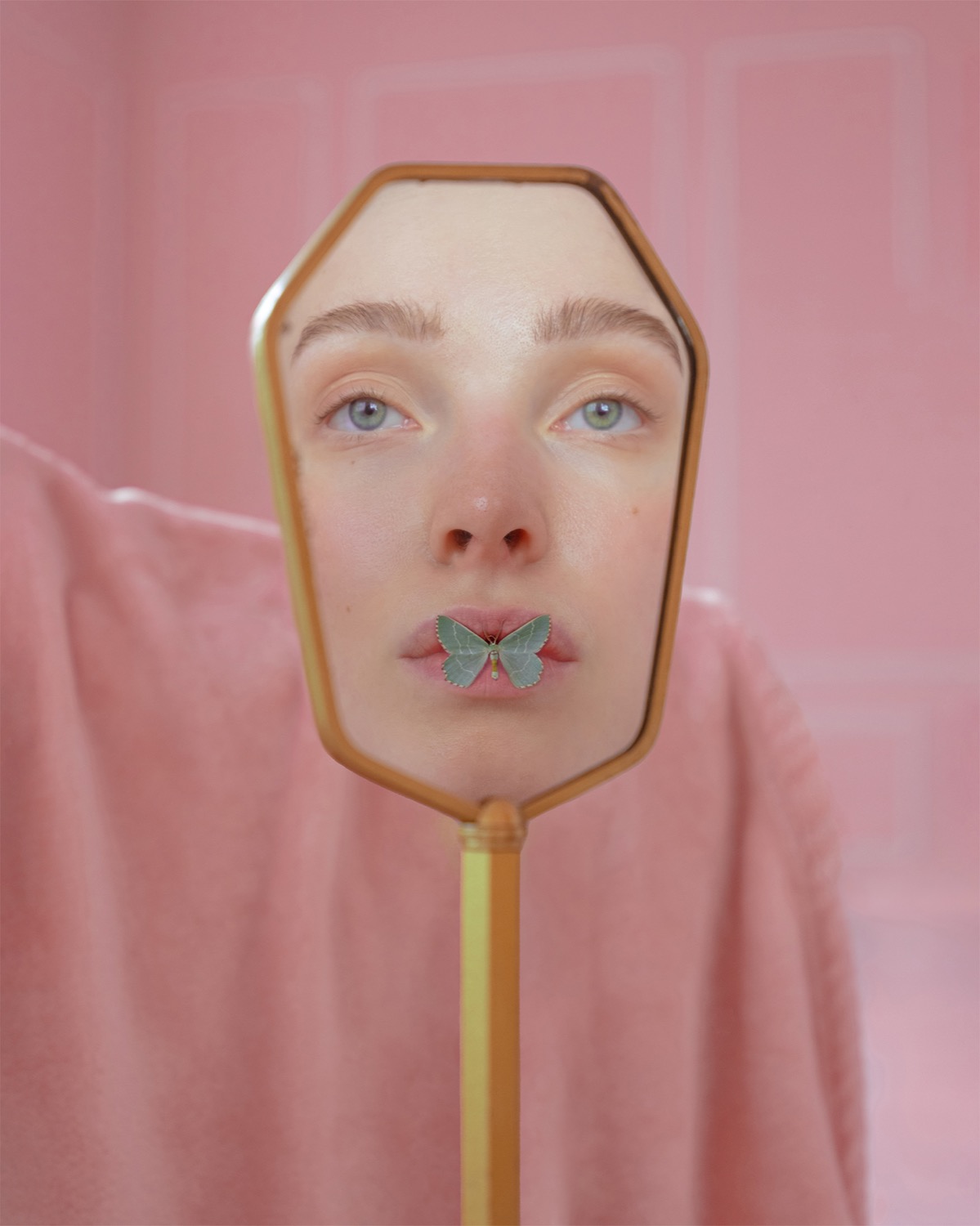
Pavlo Fyshar: The Prisoners series explores the feeling of being trapped — not always by walls, but by everyday life, personal doubts, and invisible boundaries. The photographs use mirrors, pillows, soft fabrics, and pastel colours to create a quiet, surreal atmosphere in which ordinary objects become symbols of limitation.
The Prisoners series explores the feeling of being trapped — not always by walls, but by everyday life, personal doubts, and invisible boundaries.
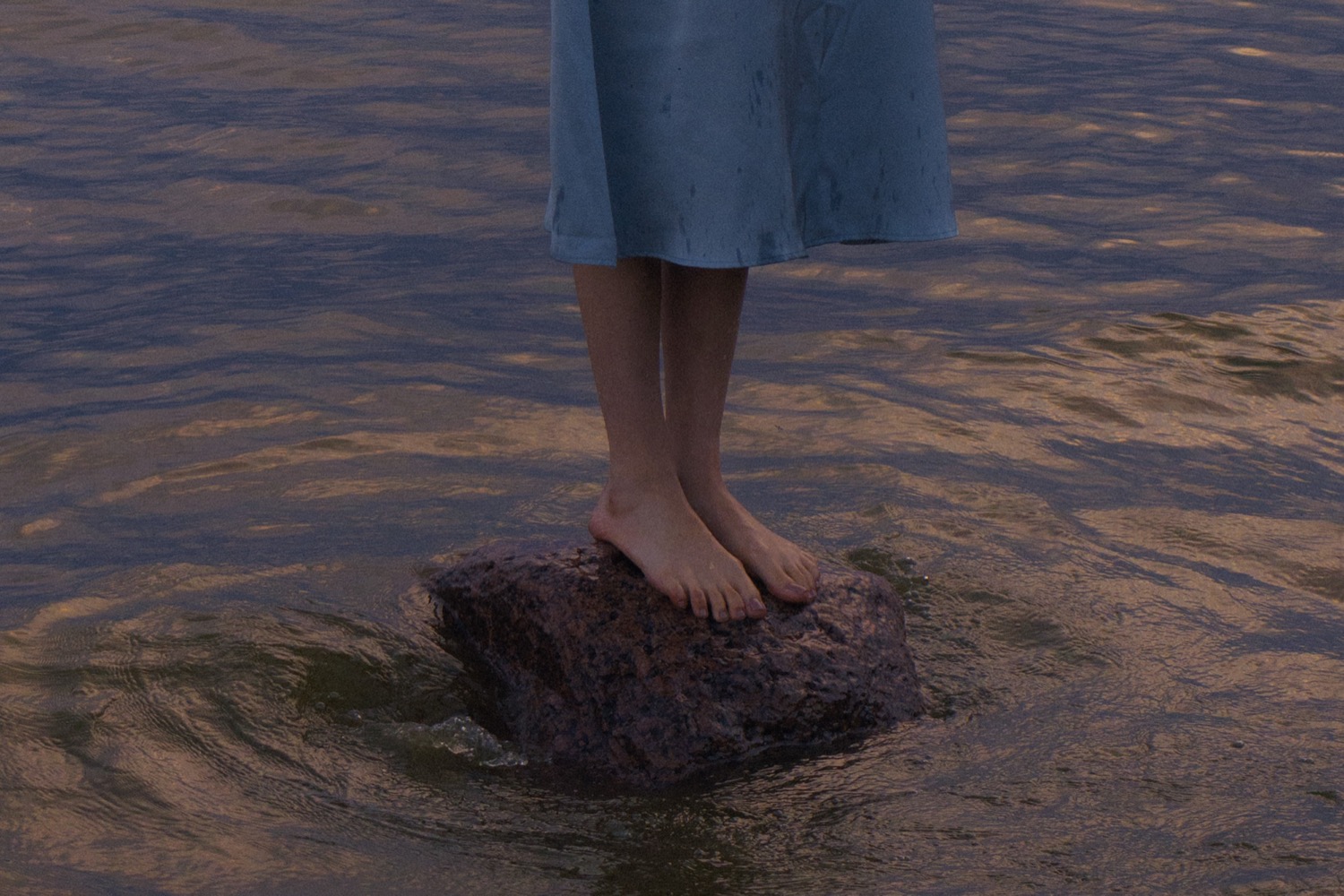
The people in these images appear suspended between reality and illusion. Their bodies are hidden, fragmented, or distorted, reflecting how we sometimes lose ourselves in routines, roles, or expectations. The soft tones contrast with the deeper, slightly absurd, and ironic message about inner isolation.

.svg)


.svg)
.svg)

Figures appear fragmented or obscured, caught between reality and illusion, reflecting the subtle ways we confine ourselves through routines, expectations, and doubt. Fyshar's surreal aesthetic softens the weight of isolation while sharpening its resonance, revealing how invisible boundaries shape our inner lives. With a delicate tension between comfort and constraint, Prisoners invites viewers to reflect on where freedom ends and quiet captivity begins.
Pavlo Fyshar: The Prisoners series explores the feeling of being trapped — not always by walls, but by everyday life, personal doubts, and invisible boundaries. The photographs use mirrors, pillows, soft fabrics, and pastel colours to create a quiet, surreal atmosphere in which ordinary objects become symbols of limitation.
The Prisoners series explores the feeling of being trapped — not always by walls, but by everyday life, personal doubts, and invisible boundaries.
The people in these images appear suspended between reality and illusion. Their bodies are hidden, fragmented, or distorted, reflecting how we sometimes lose ourselves in routines, roles, or expectations. The soft tones contrast with the deeper, slightly absurd, and ironic message about inner isolation.
Figures appear fragmented or obscured, caught between reality and illusion, reflecting the subtle ways we confine ourselves through routines, expectations, and doubt. Fyshar's surreal aesthetic softens the weight of isolation while sharpening its resonance, revealing how invisible boundaries shape our inner lives. With a delicate tension between comfort and constraint, Prisoners invites viewers to reflect on where freedom ends and quiet captivity begins.
Pavlo Fyshar: The Prisoners series explores the feeling of being trapped — not always by walls, but by everyday life, personal doubts, and invisible boundaries. The photographs use mirrors, pillows, soft fabrics, and pastel colours to create a quiet, surreal atmosphere in which ordinary objects become symbols of limitation.
The Prisoners series explores the feeling of being trapped — not always by walls, but by everyday life, personal doubts, and invisible boundaries.
The people in these images appear suspended between reality and illusion. Their bodies are hidden, fragmented, or distorted, reflecting how we sometimes lose ourselves in routines, roles, or expectations. The soft tones contrast with the deeper, slightly absurd, and ironic message about inner isolation.