© Daniel Hinks | The Sunshiners; Code Red In Green China
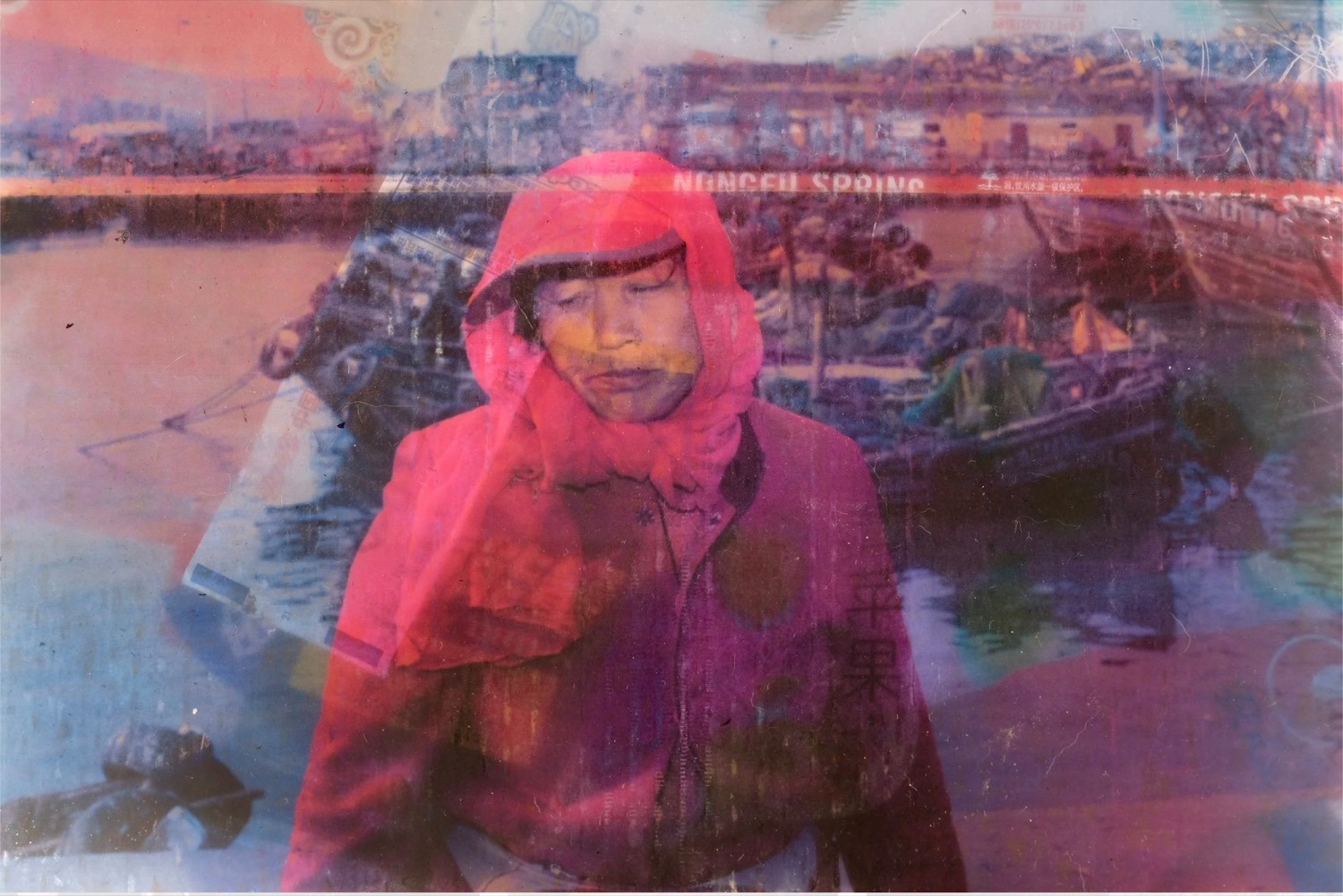
In Rizhao, a coastal city in Shandong province, generations of fishermen and women, known as the Sunshiners, have depended on the sea for their livelihoods, traditions and cultural identity. Yet decades of rapid urbanisation, marine pollution and rising sea levels threaten this relationship. Through his photographic series The Sunshiners and Code Red in Green China, Daniel Hinks documents the environmental pressures facing these communities. Incorporating acetate sheets and visual references to pollution, he explores the tension between present-day realities and the uncertain future of China's coastal regions.
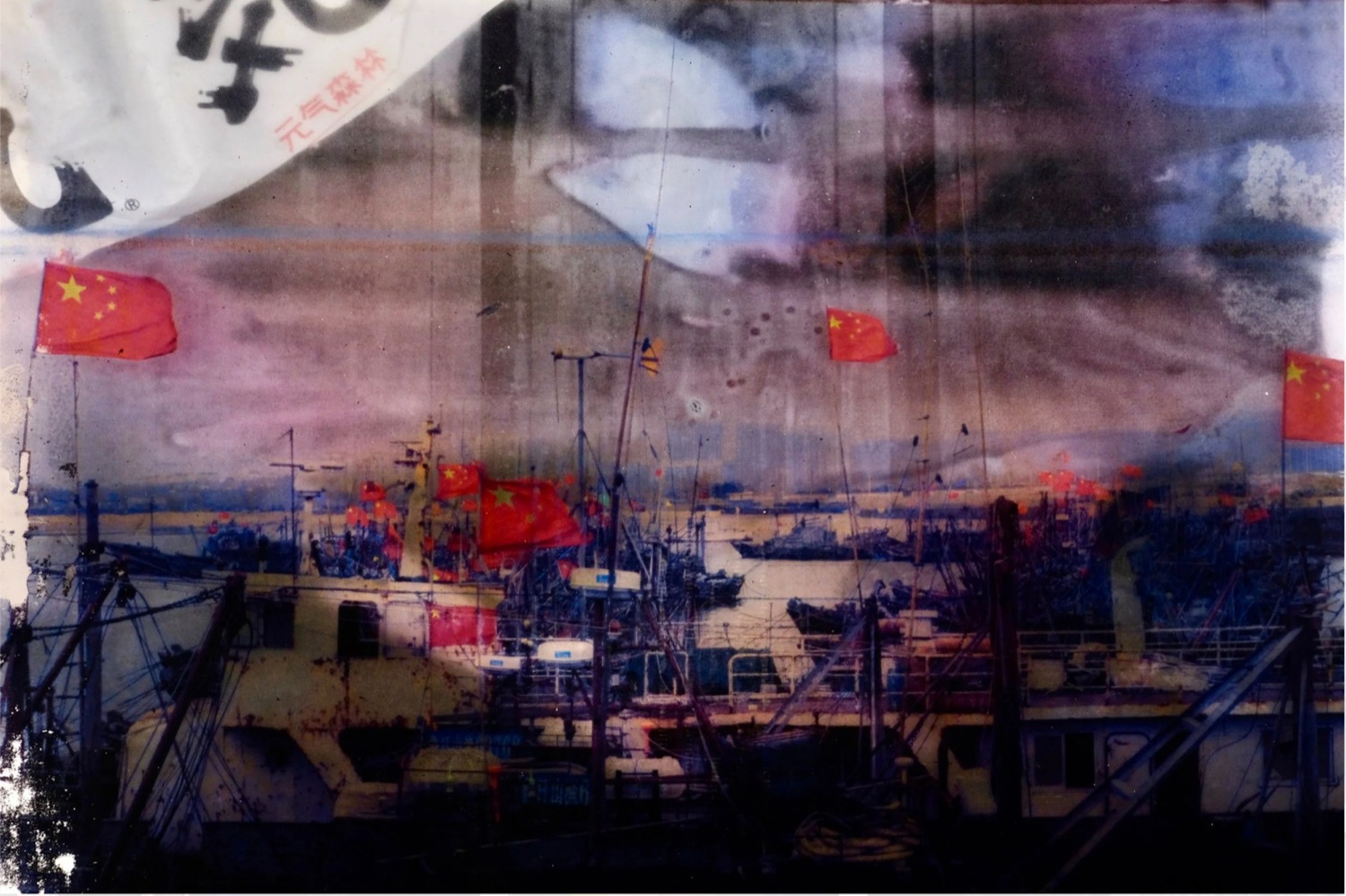
Daniel Hinks: Rizhao, a coastal city in Shandong province, China, is home to the resilient fishermen and women known as the Sunshiners. Their lives and livelihoods are intimately connected to the sea, which has provided sustenance and cultural heritage for generations.
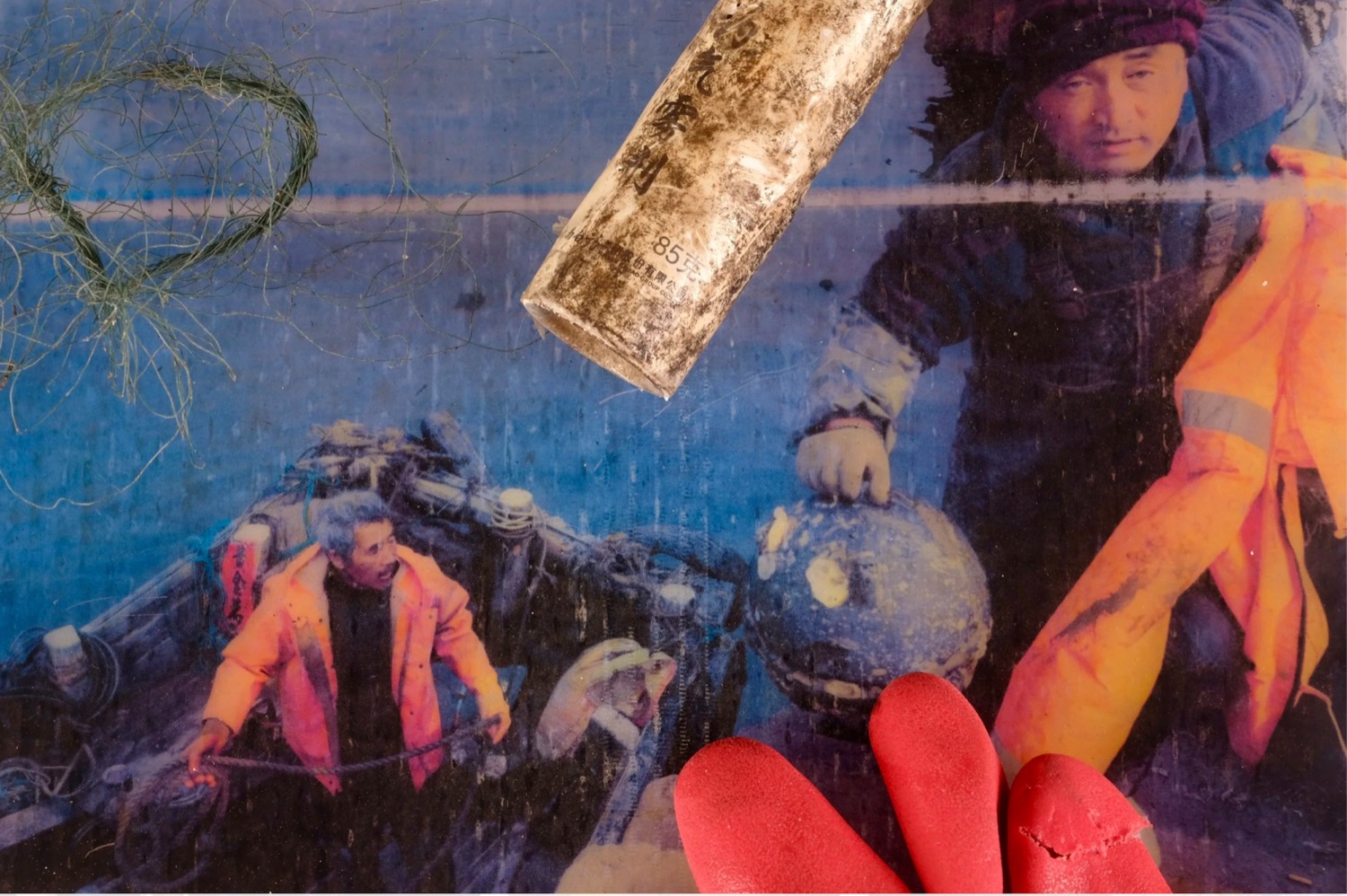
For a significant proportion of China’s population living along the coast, the ocean is indispensable. It not only provides food and jobs but also enriches their cultural fabric. Seafood is integral to their traditions, whether it’s fish for the Lunar New Year or crab and lobster for wedding banquets.
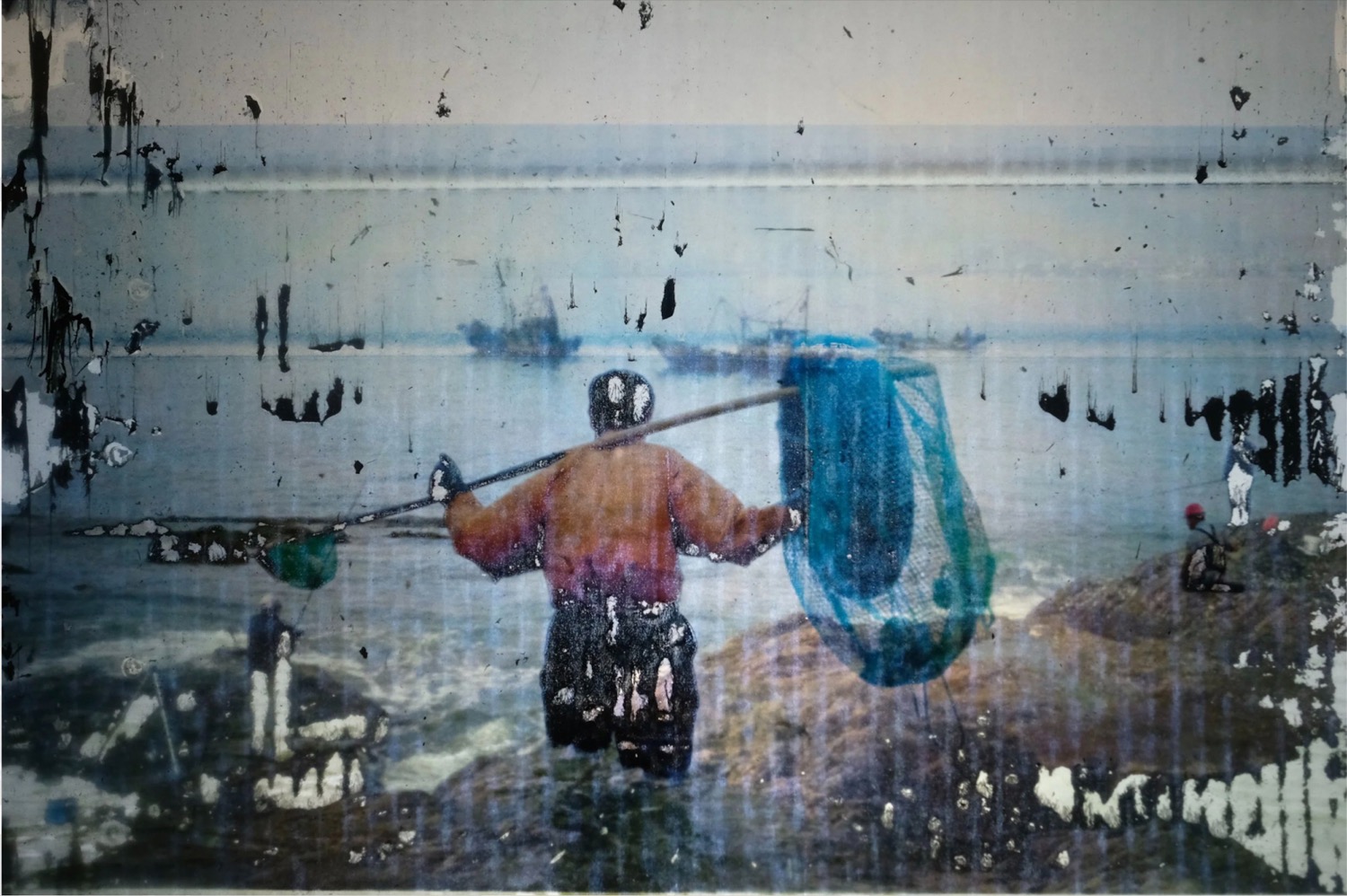
However, China’s domestic waters face a dire crisis, having endured decades of ocean pollution, rampant urbanisation, climate change and rising sea levels. The coastlines have been reshaped, and fish stocks are rapidly declining. Yet this growing appetite, coupled with the demands of the world’s largest fishing fleet, has severely strained China’s seas. By 2050, there could be more plastic in the sea than fish.
By 2050, there could be more plastic in the sea than fish.
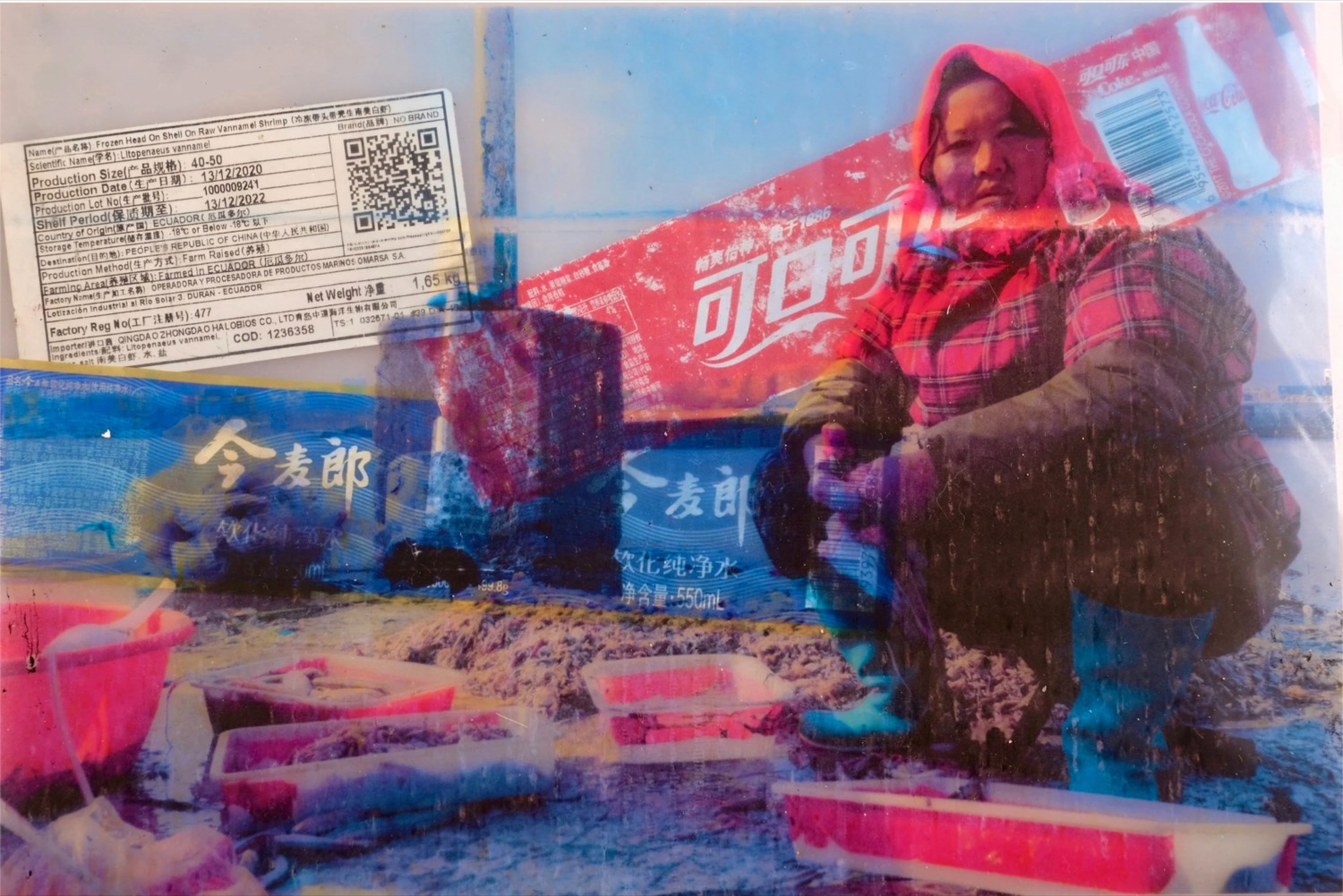
I delve into the complexities of plastic pollution, overfishing and rising sea levels, all of which are impacting the coastal regions of China and are exacerbated by the climate crisis. My goal is to capture and convey the stark realities facing the Sunshiners and their environment.
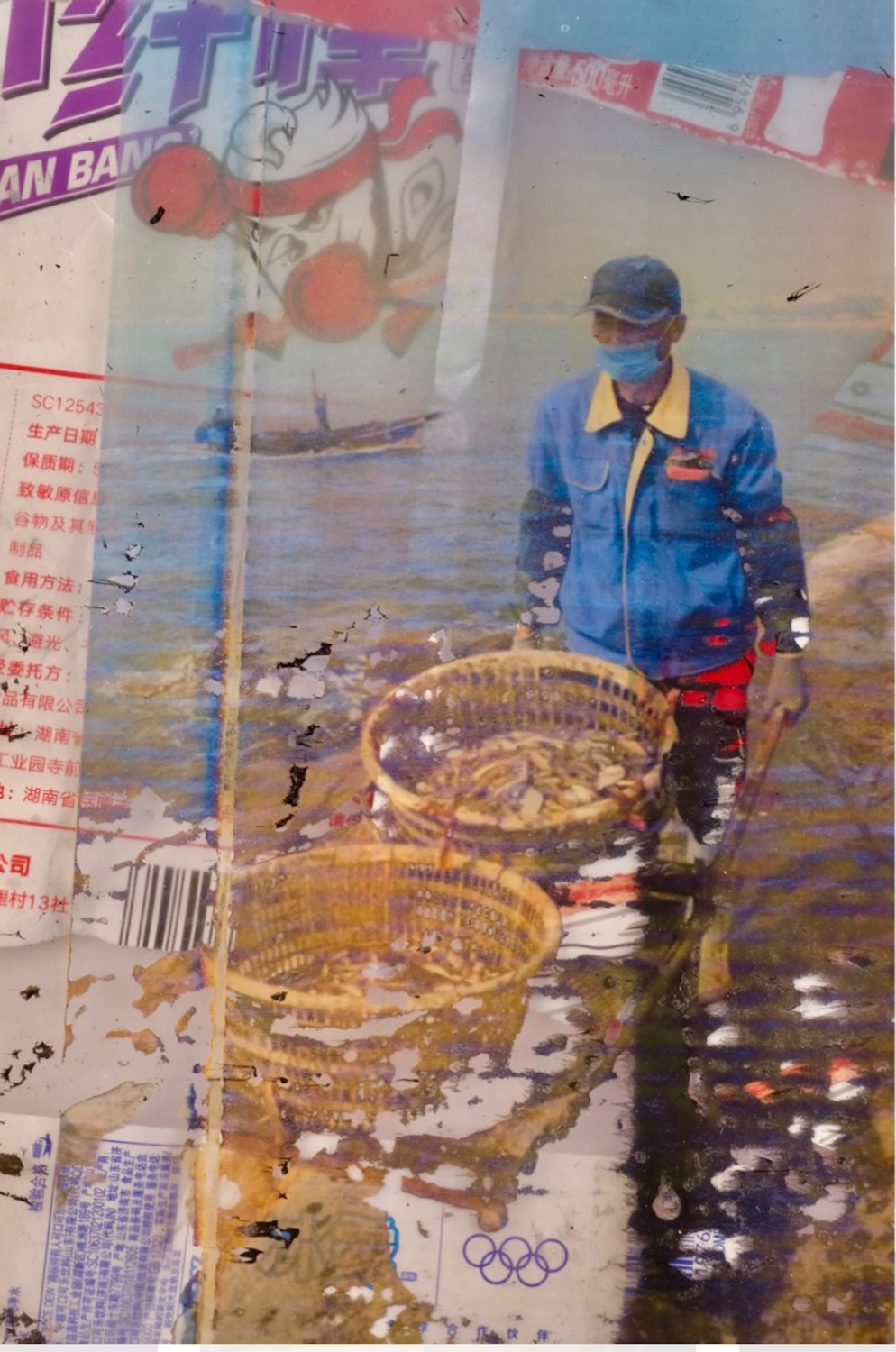
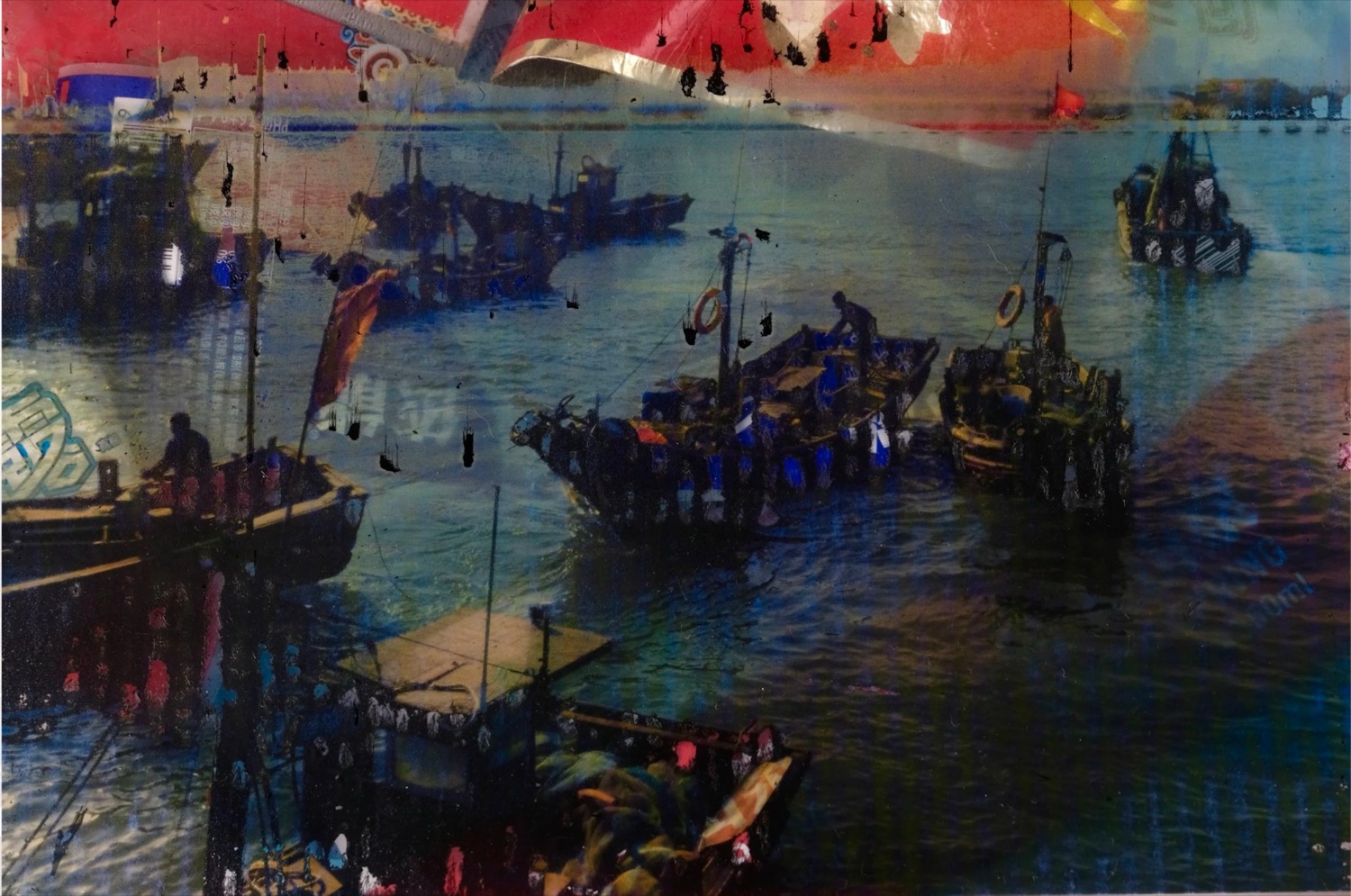
By incorporating external pollutants, I highlight the alarming facts and their connection to the lives and locations I document. Using acetate sheets to accentuate the degradation in the images, I juxtapose the present reality with the looming deterioration that awaits if current practices persist, taking us back and forth between the present and the future consequences of failing to adapt and change our ways.


In Rizhao, a coastal city in Shandong province, generations of fishermen and women, known as the Sunshiners, have depended on the sea for their livelihoods, traditions and cultural identity. Yet decades of rapid urbanisation, marine pollution and rising sea levels threaten this relationship. Through his photographic series The Sunshiners and Code Red in Green China, Daniel Hinks documents the environmental pressures facing these communities. Incorporating acetate sheets and visual references to pollution, he explores the tension between present-day realities and the uncertain future of China's coastal regions.
Daniel Hinks: Rizhao, a coastal city in Shandong province, China, is home to the resilient fishermen and women known as the Sunshiners. Their lives and livelihoods are intimately connected to the sea, which has provided sustenance and cultural heritage for generations.
For a significant proportion of China’s population living along the coast, the ocean is indispensable. It not only provides food and jobs but also enriches their cultural fabric. Seafood is integral to their traditions, whether it’s fish for the Lunar New Year or crab and lobster for wedding banquets.
However, China’s domestic waters face a dire crisis, having endured decades of ocean pollution, rampant urbanisation, climate change and rising sea levels. The coastlines have been reshaped, and fish stocks are rapidly declining. Yet this growing appetite, coupled with the demands of the world’s largest fishing fleet, has severely strained China’s seas. By 2050, there could be more plastic in the sea than fish.
By 2050, there could be more plastic in the sea than fish.
I delve into the complexities of plastic pollution, overfishing and rising sea levels, all of which are impacting the coastal regions of China and are exacerbated by the climate crisis. My goal is to capture and convey the stark realities facing the Sunshiners and their environment.
By incorporating external pollutants, I highlight the alarming facts and their connection to the lives and locations I document. Using acetate sheets to accentuate the degradation in the images, I juxtapose the present reality with the looming deterioration that awaits if current practices persist, taking us back and forth between the present and the future consequences of failing to adapt and change our ways.