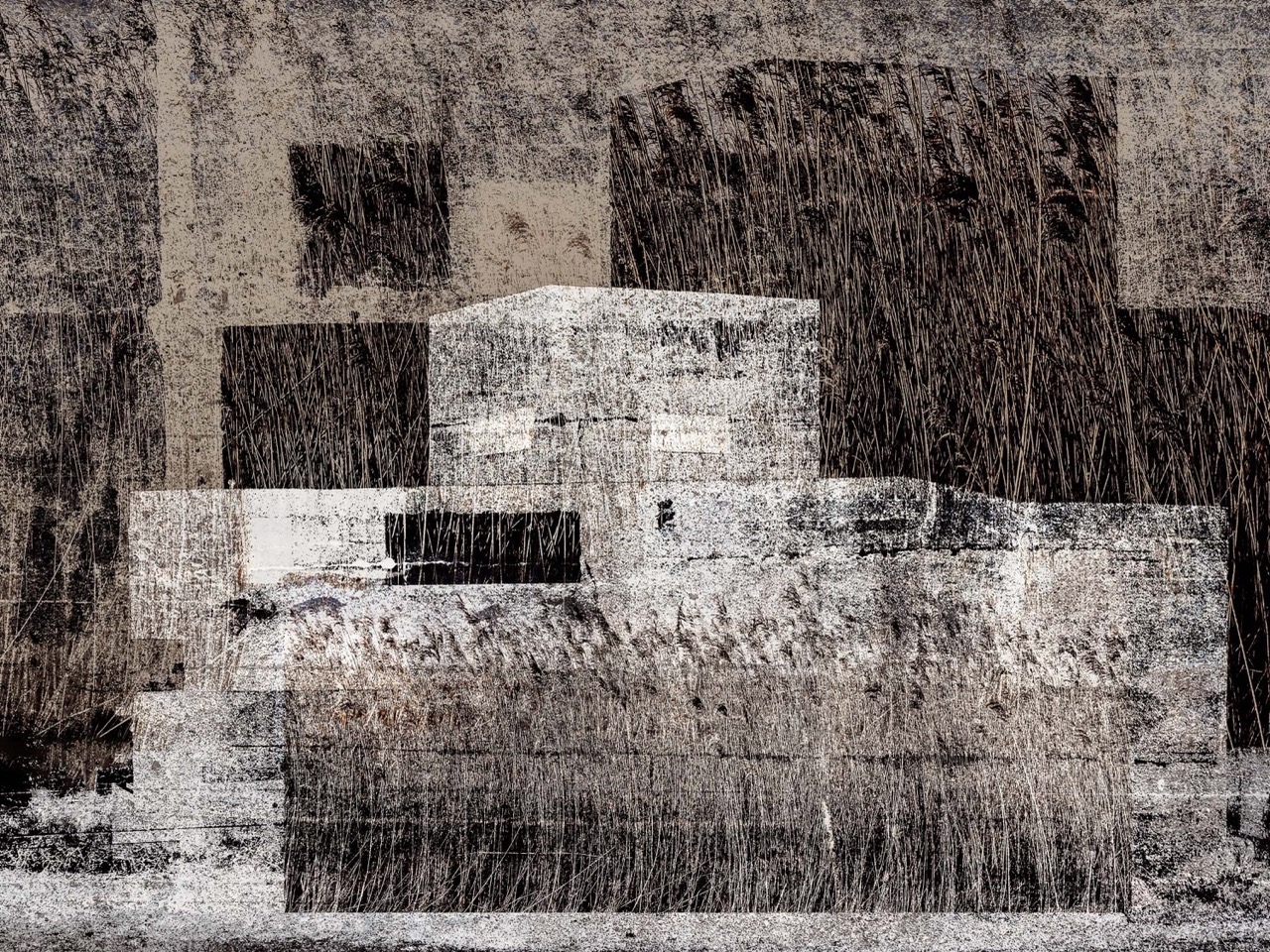
© Jan Beesley | Slow Forgetting
Her work consistently examines themes of permanence and impermanence, as well as memory and transformation. The core philosophical idea linking Beesley's practice is a strong fascination with non-linear time. "Though our daily lives are dictated by the relentless ticking of clocks and the predictable flow of past, present, and future, our experience of time is far richer and more complex.”
Two personal experiences have strengthened this belief. The first involves a photo of her father at sixteen, standing with his bicycle at a road junction. She visited the same spot to recreate the image. “While standing there, I realised that only time separated me from him. It was a strange moment, similar to the feeling in old buildings where worn stone steps witness centuries of passage.” This sense of awe is what she aims to capture visually.
Beesly shares that our sense of time is rooted in perception: “My mother had Alzheimer’s before she passed away. Watching her mind lose its grasp on the past, present, and future made me realise that time is mainly determined by our perception. For her, each memory, experience, and feeling was occurring in the present moment within her mind.” These two personal experiences shape how Beesley considers consciousness and connection.
Connection and Impermanence
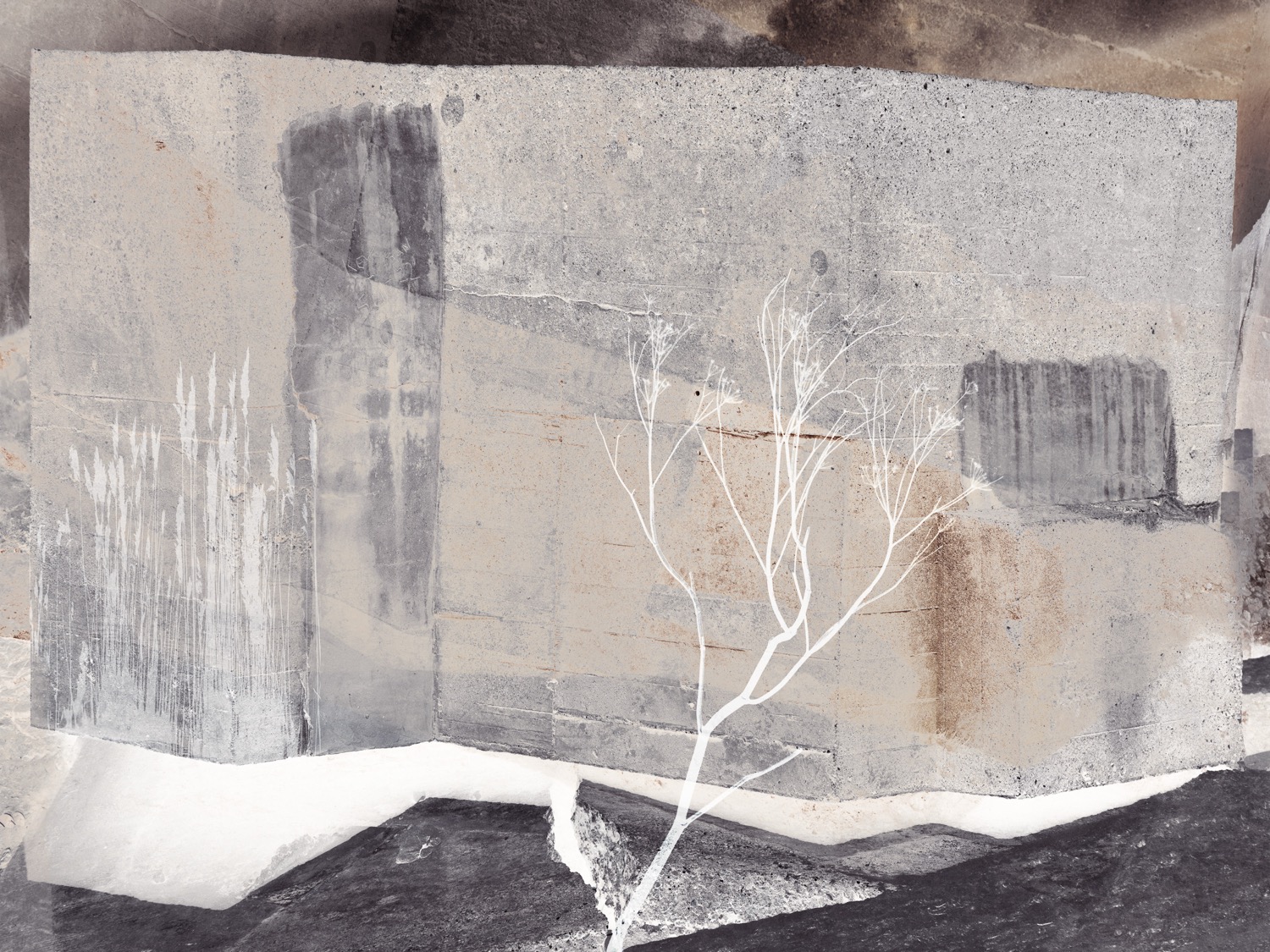
Beesley's reflection on time and impermanence naturally influences her interaction with the physical world. A common theme in her work is how human-made structures slowly blend back into the surrounding landscape. “As individuals and as a race, we are just a tiny part of a much larger whole which existed before us and will continue when we are gone. Like Ozymandias, our grand gestures and edifices will mean nothing in the end.”
This perspective extends beyond the personal. “Our modern world is increasingly divided and polarised. Never before has it been more crucial to connect with one another and the precious environment we live in. Therefore, in terms of worldview, I would echo E.M. Forster's words: Only Connect.” This urge to connect influences everything she creates. “As artists, our role is to connect with our inner worlds through our work and hope that others will discover their own connections through us.”
As artists, our role is to connect with our inner worlds through our work and hope that others will discover their own connections through us.

Slow Forgetting
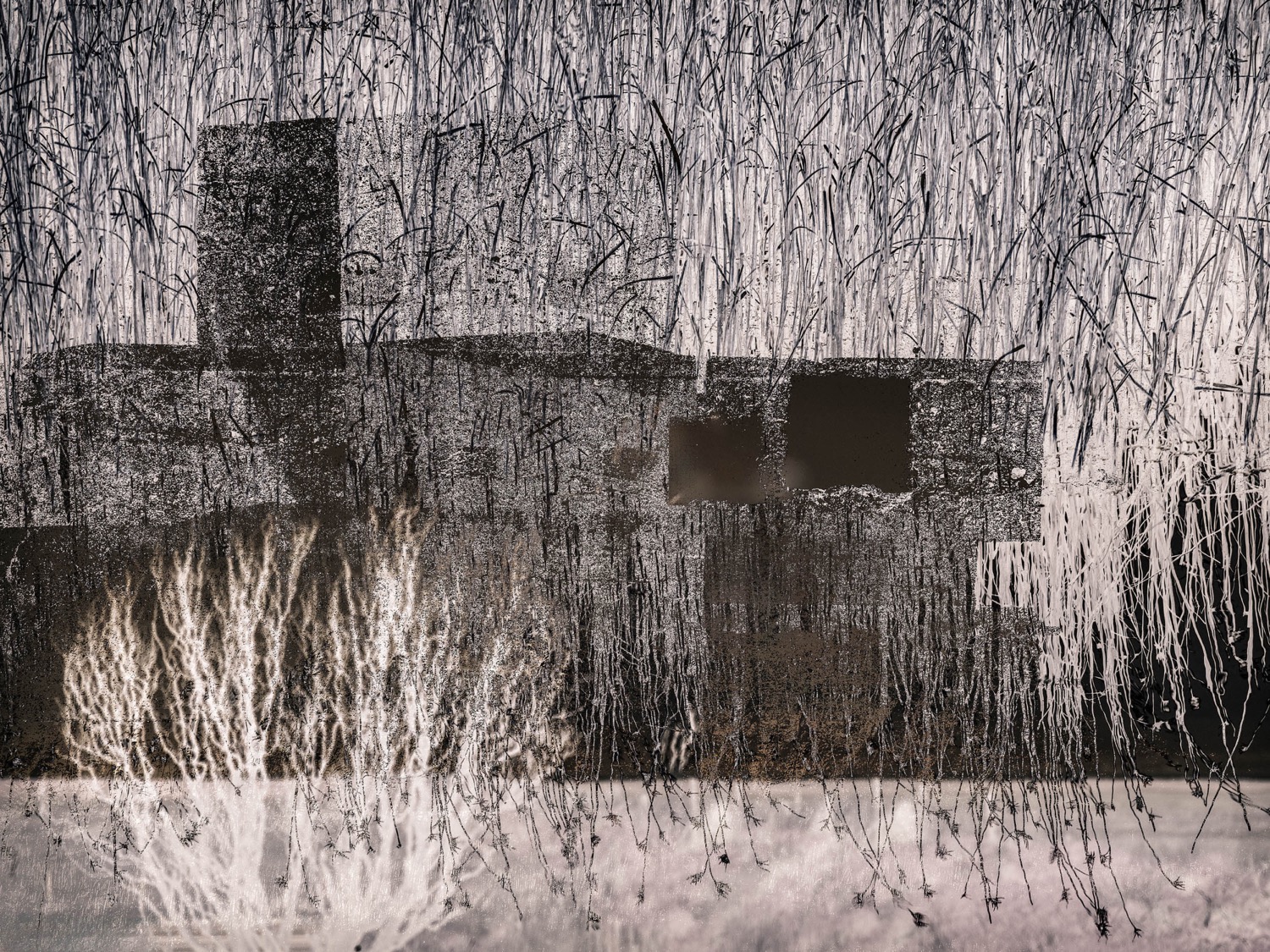
Along the shifting boundary where land meets sea, the relics of wartime coastal defences are gradually succumbing to the forces of tide and time. Beesley grew up immersed in the Second World War era. “My parents were adults during WW2, and wartime stories and memories were a part of my childhood.” As that generation passes on, the direct human remembrance of that period diminishes. “The meaning and purpose of these structures are gradually fading, along with the thoughts, memories, and emotions of those who built and used them.”
My parents were adults during WW2, and wartime stories and memories were a part of my childhood.
Beesley highlights a recurring theme of tension between geometric and organic forms. “In the Slow Forgetting series, I depict the shapes and textures of coastal defences alongside other environmental elements.”
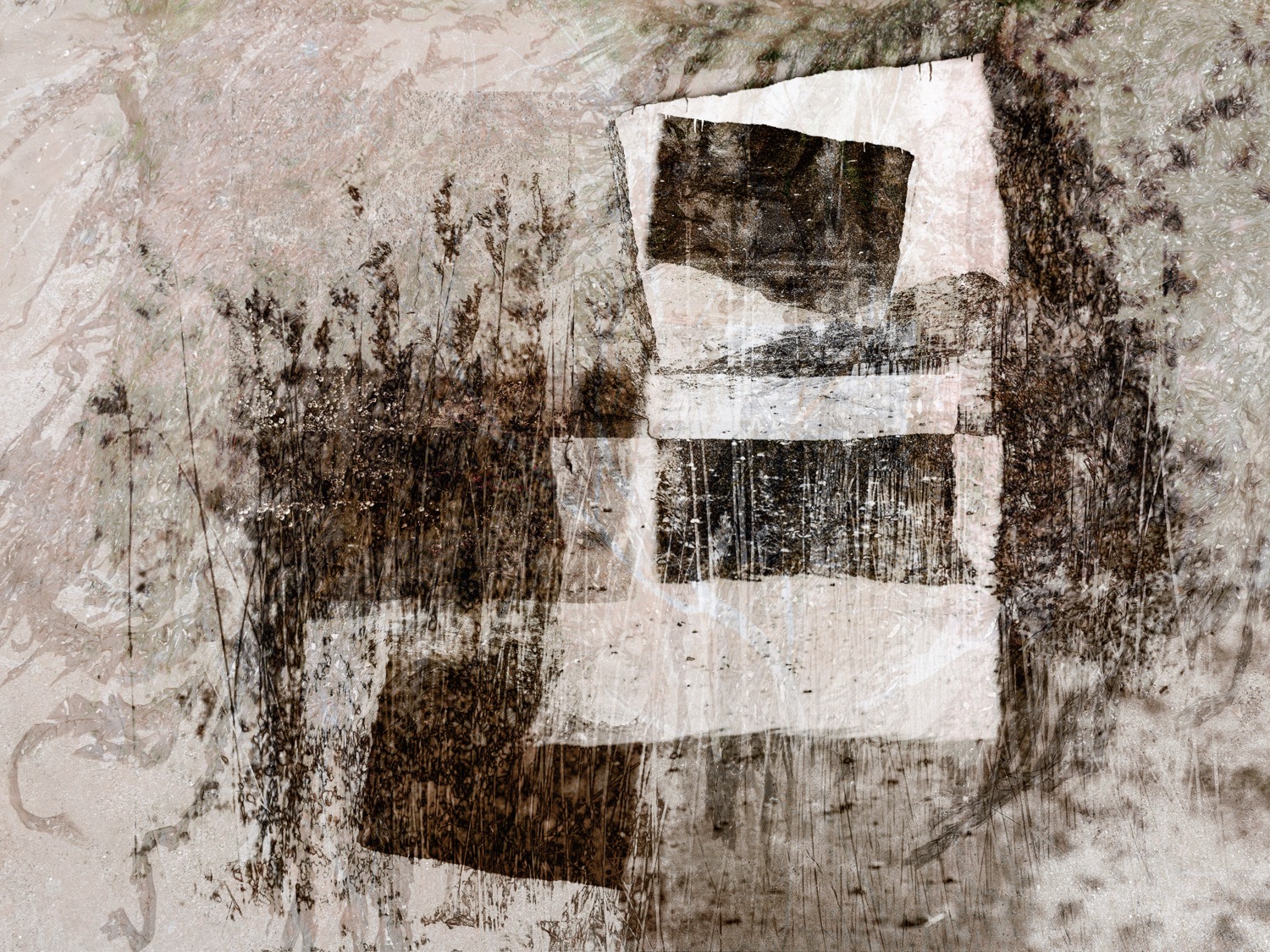
What draws her back to these sites is a conviction that the structures themselves hold something of what they witnessed. “But something remains. To me, it seems as if the concrete itself has absorbed something of these experiences. What stories have those thick concrete walls heard, what fears and feelings have they witnessed? In the same way as cathedral steps are worn by centuries of feet passing, so these structures become a tangible link to the past and a warning for the future.”
She finds them in remote and beautiful places, surrounded by birdsong, or tumbling slowly into beaches where children now play. “A reminder that all things pass and that nature will, in the end, reclaim and soften the brutality. What once stood firm is now softened, a memory pressed into the landscape, as a slow forgetting.”
Sound Mirrors
On a gravel marsh near Dungeness, on the south coast of England, stand huge concrete structures known as Sound Mirrors. “They were built in the late 1920s as acoustic devices to listen for approaching enemy planes. However, by the mid-1930s, the increased speed of planes and the development of radar rendered these devices redundant. Today they sit in splendid isolation in the bleak landscape, crumbling monuments to human ingenuity.”
These structures became the subject of her Listen series. “I was drawn by the sheer strangeness of this place and the idea of the mirrors still mutely listening, but with no one listening to them. It feels as if all those lost voices have somehow become part of their fabric. Now, as you stand among the mirrors, you hear the lapping of the water and the cries of seabirds as the gravel shifts beneath your feet, and maybe, just maybe, the echoes of lost voices whispering in the rushes.”
Another body of work reaches into different emotional territory. Hundred Acre Wood, the title of another series, invokes a landscape most readers will recognise from childhood. “To me, it represents the capacity for wonder and joy, which can sometimes be hard to reach as an adult. Trying to connect with our childhood selves is like grasping at a vanishing dream. In this series, I try to capture that elusive land and what it felt like to dream when I was small, and the world was large.”

The Language of Making
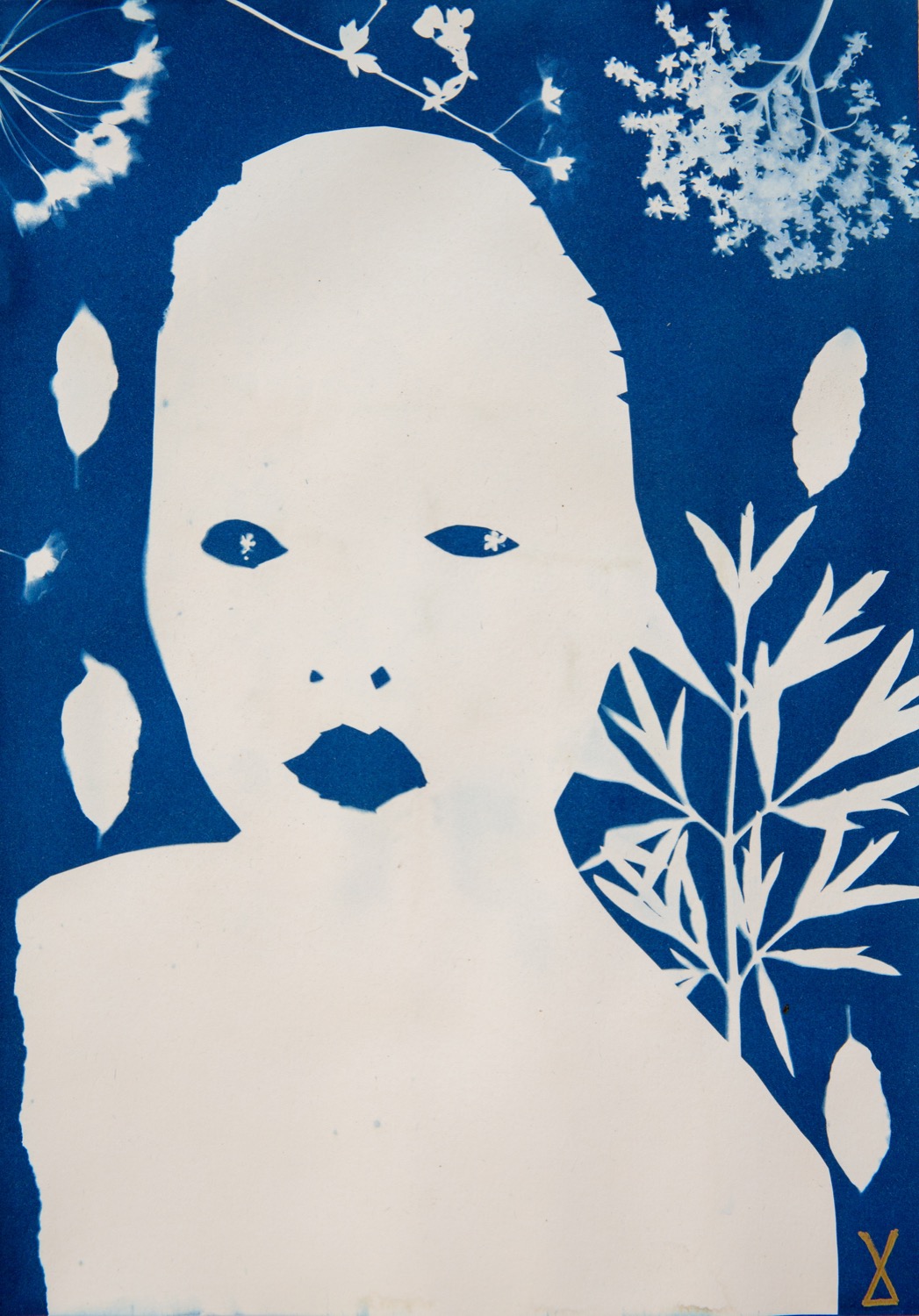
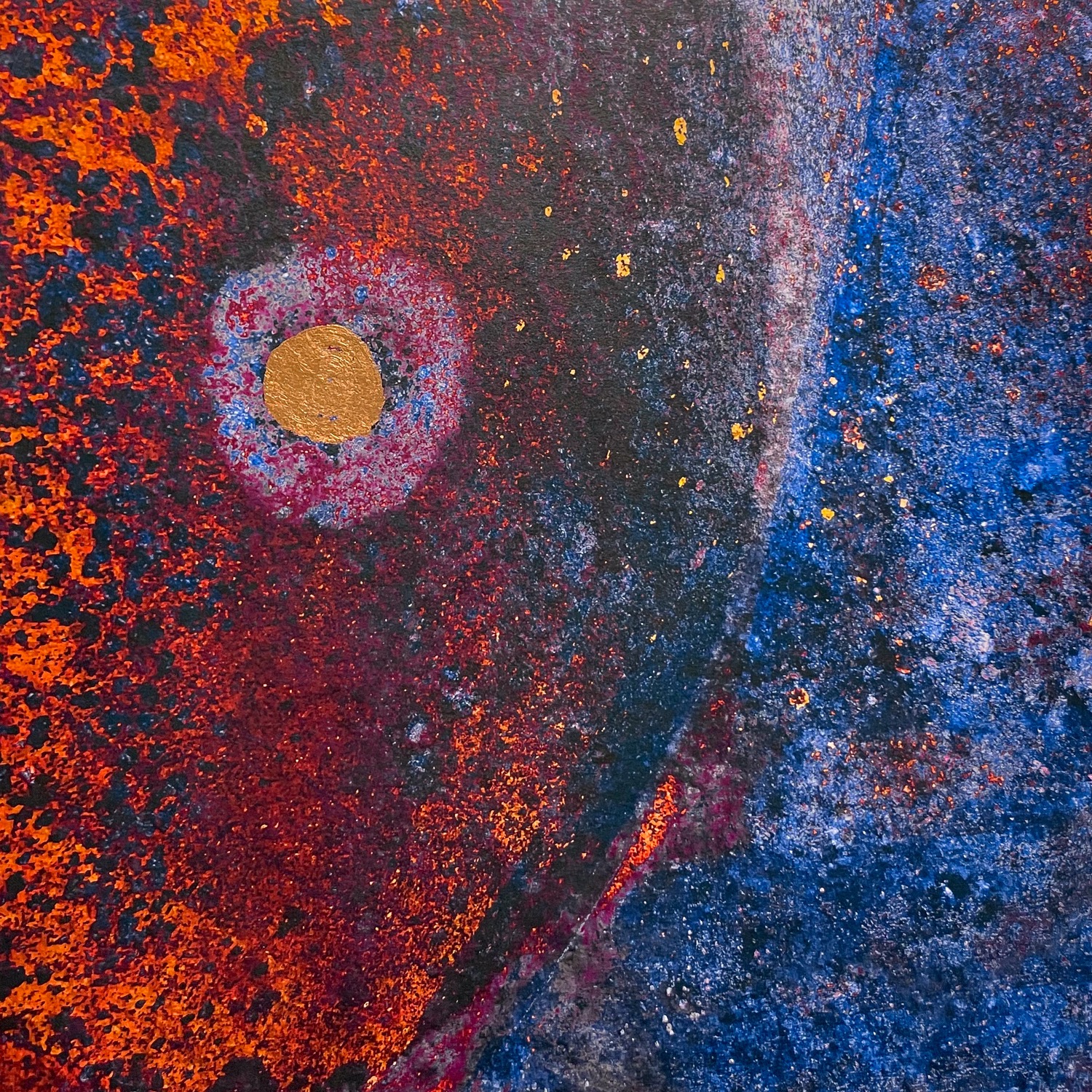
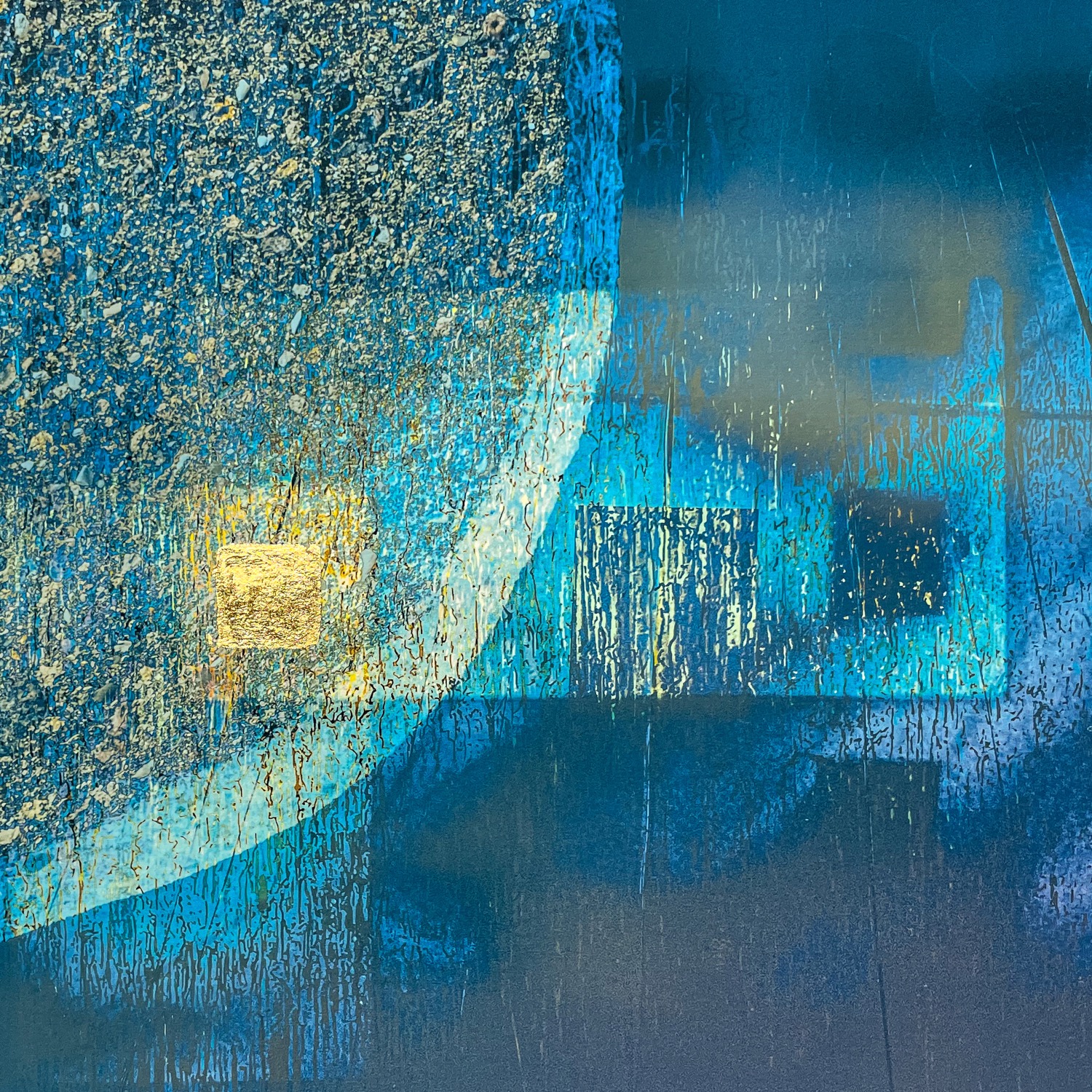
Beesley's technical process is layered and tangible, combining multiple exposures – both in-camera and in post-production – to merge various aspects of a subject within a single frame. She also incorporates materials like gold and silver leaf, paint, and stitching, adding physical and tactile elements to her photographs. In the Listen project, she uses gold and copper leaf because these metals relate to electronics, reflecting the project's focus on structures designed to capture sound. Colour plays a key role, and she plans to edit the works into a colour palette that conveys their meaning. The main colour is blue, symbolising air, electronics, and communication. Her practice extends into artist books, where she explores the relationship between word and image, combining photography with her own poetry.

.svg)


.svg)
.svg)

Her work consistently examines themes of permanence and impermanence, as well as memory and transformation. The core philosophical idea linking Beesley's practice is a strong fascination with non-linear time. "Though our daily lives are dictated by the relentless ticking of clocks and the predictable flow of past, present, and future, our experience of time is far richer and more complex.”
Two personal experiences have strengthened this belief. The first involves a photo of her father at sixteen, standing with his bicycle at a road junction. She visited the same spot to recreate the image. “While standing there, I realised that only time separated me from him. It was a strange moment, similar to the feeling in old buildings where worn stone steps witness centuries of passage.” This sense of awe is what she aims to capture visually.
Beesly shares that our sense of time is rooted in perception: “My mother had Alzheimer’s before she passed away. Watching her mind lose its grasp on the past, present, and future made me realise that time is mainly determined by our perception. For her, each memory, experience, and feeling was occurring in the present moment within her mind.” These two personal experiences shape how Beesley considers consciousness and connection.
Connection and Impermanence
Beesley's reflection on time and impermanence naturally influences her interaction with the physical world. A common theme in her work is how human-made structures slowly blend back into the surrounding landscape. “As individuals and as a race, we are just a tiny part of a much larger whole which existed before us and will continue when we are gone. Like Ozymandias, our grand gestures and edifices will mean nothing in the end.”
This perspective extends beyond the personal. “Our modern world is increasingly divided and polarised. Never before has it been more crucial to connect with one another and the precious environment we live in. Therefore, in terms of worldview, I would echo E.M. Forster's words: Only Connect.” This urge to connect influences everything she creates. “As artists, our role is to connect with our inner worlds through our work and hope that others will discover their own connections through us.”
As artists, our role is to connect with our inner worlds through our work and hope that others will discover their own connections through us.
Slow Forgetting
Along the shifting boundary where land meets sea, the relics of wartime coastal defences are gradually succumbing to the forces of tide and time. Beesley grew up immersed in the Second World War era. “My parents were adults during WW2, and wartime stories and memories were a part of my childhood.” As that generation passes on, the direct human remembrance of that period diminishes. “The meaning and purpose of these structures are gradually fading, along with the thoughts, memories, and emotions of those who built and used them.”
My parents were adults during WW2, and wartime stories and memories were a part of my childhood.
Beesley highlights a recurring theme of tension between geometric and organic forms. “In the Slow Forgetting series, I depict the shapes and textures of coastal defences alongside other environmental elements.”
What draws her back to these sites is a conviction that the structures themselves hold something of what they witnessed. “But something remains. To me, it seems as if the concrete itself has absorbed something of these experiences. What stories have those thick concrete walls heard, what fears and feelings have they witnessed? In the same way as cathedral steps are worn by centuries of feet passing, so these structures become a tangible link to the past and a warning for the future.”
She finds them in remote and beautiful places, surrounded by birdsong, or tumbling slowly into beaches where children now play. “A reminder that all things pass and that nature will, in the end, reclaim and soften the brutality. What once stood firm is now softened, a memory pressed into the landscape, as a slow forgetting.”
Sound Mirrors
On a gravel marsh near Dungeness, on the south coast of England, stand huge concrete structures known as Sound Mirrors. “They were built in the late 1920s as acoustic devices to listen for approaching enemy planes. However, by the mid-1930s, the increased speed of planes and the development of radar rendered these devices redundant. Today they sit in splendid isolation in the bleak landscape, crumbling monuments to human ingenuity.”
These structures became the subject of her Listen series. “I was drawn by the sheer strangeness of this place and the idea of the mirrors still mutely listening, but with no one listening to them. It feels as if all those lost voices have somehow become part of their fabric. Now, as you stand among the mirrors, you hear the lapping of the water and the cries of seabirds as the gravel shifts beneath your feet, and maybe, just maybe, the echoes of lost voices whispering in the rushes.”
Another body of work reaches into different emotional territory. Hundred Acre Wood, the title of another series, invokes a landscape most readers will recognise from childhood. “To me, it represents the capacity for wonder and joy, which can sometimes be hard to reach as an adult. Trying to connect with our childhood selves is like grasping at a vanishing dream. In this series, I try to capture that elusive land and what it felt like to dream when I was small, and the world was large.”
The Language of Making
Beesley's technical process is layered and tangible, combining multiple exposures – both in-camera and in post-production – to merge various aspects of a subject within a single frame. She also incorporates materials like gold and silver leaf, paint, and stitching, adding physical and tactile elements to her photographs. In the Listen project, she uses gold and copper leaf because these metals relate to electronics, reflecting the project's focus on structures designed to capture sound. Colour plays a key role, and she plans to edit the works into a colour palette that conveys their meaning. The main colour is blue, symbolising air, electronics, and communication. Her practice extends into artist books, where she explores the relationship between word and image, combining photography with her own poetry.
Her work consistently examines themes of permanence and impermanence, as well as memory and transformation. The core philosophical idea linking Beesley's practice is a strong fascination with non-linear time. "Though our daily lives are dictated by the relentless ticking of clocks and the predictable flow of past, present, and future, our experience of time is far richer and more complex.”
Two personal experiences have strengthened this belief. The first involves a photo of her father at sixteen, standing with his bicycle at a road junction. She visited the same spot to recreate the image. “While standing there, I realised that only time separated me from him. It was a strange moment, similar to the feeling in old buildings where worn stone steps witness centuries of passage.” This sense of awe is what she aims to capture visually.
Beesly shares that our sense of time is rooted in perception: “My mother had Alzheimer’s before she passed away. Watching her mind lose its grasp on the past, present, and future made me realise that time is mainly determined by our perception. For her, each memory, experience, and feeling was occurring in the present moment within her mind.” These two personal experiences shape how Beesley considers consciousness and connection.
Connection and Impermanence
Beesley's reflection on time and impermanence naturally influences her interaction with the physical world. A common theme in her work is how human-made structures slowly blend back into the surrounding landscape. “As individuals and as a race, we are just a tiny part of a much larger whole which existed before us and will continue when we are gone. Like Ozymandias, our grand gestures and edifices will mean nothing in the end.”
This perspective extends beyond the personal. “Our modern world is increasingly divided and polarised. Never before has it been more crucial to connect with one another and the precious environment we live in. Therefore, in terms of worldview, I would echo E.M. Forster's words: Only Connect.” This urge to connect influences everything she creates. “As artists, our role is to connect with our inner worlds through our work and hope that others will discover their own connections through us.”
As artists, our role is to connect with our inner worlds through our work and hope that others will discover their own connections through us.
Slow Forgetting
Along the shifting boundary where land meets sea, the relics of wartime coastal defences are gradually succumbing to the forces of tide and time. Beesley grew up immersed in the Second World War era. “My parents were adults during WW2, and wartime stories and memories were a part of my childhood.” As that generation passes on, the direct human remembrance of that period diminishes. “The meaning and purpose of these structures are gradually fading, along with the thoughts, memories, and emotions of those who built and used them.”
My parents were adults during WW2, and wartime stories and memories were a part of my childhood.
Beesley highlights a recurring theme of tension between geometric and organic forms. “In the Slow Forgetting series, I depict the shapes and textures of coastal defences alongside other environmental elements.”
What draws her back to these sites is a conviction that the structures themselves hold something of what they witnessed. “But something remains. To me, it seems as if the concrete itself has absorbed something of these experiences. What stories have those thick concrete walls heard, what fears and feelings have they witnessed? In the same way as cathedral steps are worn by centuries of feet passing, so these structures become a tangible link to the past and a warning for the future.”
She finds them in remote and beautiful places, surrounded by birdsong, or tumbling slowly into beaches where children now play. “A reminder that all things pass and that nature will, in the end, reclaim and soften the brutality. What once stood firm is now softened, a memory pressed into the landscape, as a slow forgetting.”
Sound Mirrors
On a gravel marsh near Dungeness, on the south coast of England, stand huge concrete structures known as Sound Mirrors. “They were built in the late 1920s as acoustic devices to listen for approaching enemy planes. However, by the mid-1930s, the increased speed of planes and the development of radar rendered these devices redundant. Today they sit in splendid isolation in the bleak landscape, crumbling monuments to human ingenuity.”
These structures became the subject of her Listen series. “I was drawn by the sheer strangeness of this place and the idea of the mirrors still mutely listening, but with no one listening to them. It feels as if all those lost voices have somehow become part of their fabric. Now, as you stand among the mirrors, you hear the lapping of the water and the cries of seabirds as the gravel shifts beneath your feet, and maybe, just maybe, the echoes of lost voices whispering in the rushes.”
Another body of work reaches into different emotional territory. Hundred Acre Wood, the title of another series, invokes a landscape most readers will recognise from childhood. “To me, it represents the capacity for wonder and joy, which can sometimes be hard to reach as an adult. Trying to connect with our childhood selves is like grasping at a vanishing dream. In this series, I try to capture that elusive land and what it felt like to dream when I was small, and the world was large.”
The Language of Making
Beesley's technical process is layered and tangible, combining multiple exposures – both in-camera and in post-production – to merge various aspects of a subject within a single frame. She also incorporates materials like gold and silver leaf, paint, and stitching, adding physical and tactile elements to her photographs. In the Listen project, she uses gold and copper leaf because these metals relate to electronics, reflecting the project's focus on structures designed to capture sound. Colour plays a key role, and she plans to edit the works into a colour palette that conveys their meaning. The main colour is blue, symbolising air, electronics, and communication. Her practice extends into artist books, where she explores the relationship between word and image, combining photography with her own poetry.