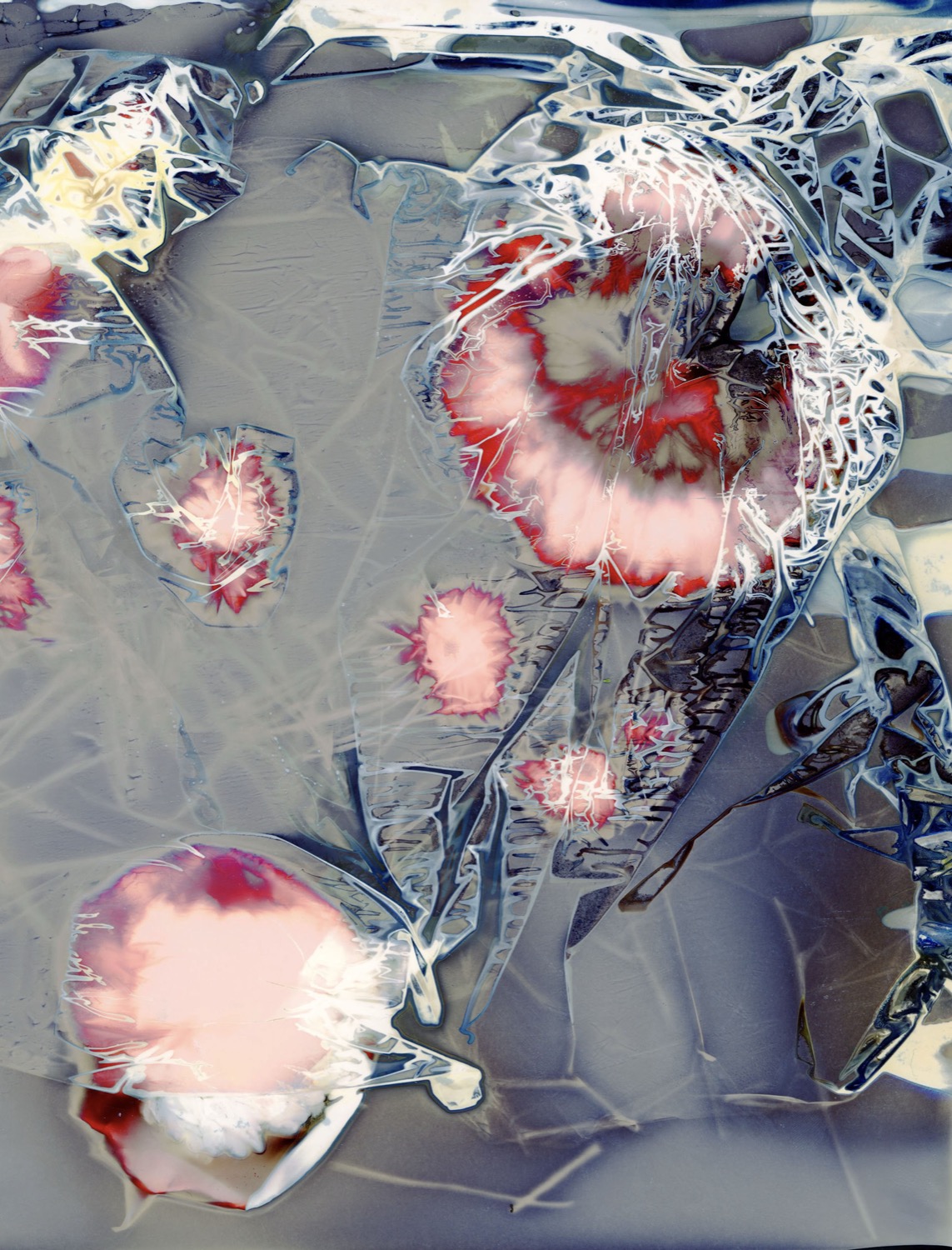
© Lori Pond | The Atlas of Chimerical States

Lori Pond openly expresses a concern she observes every day. “I feel a profound sadness when I see people walking through beautiful or interesting places with their heads down, glued to their phones. We are losing our capacity to notice small, fleeting moments — like a butterfly passing by or a stranger's smile.”
We are losing our capacity to notice small, fleeting moments — like a butterfly passing by or a stranger's smile.
Her counter-practice is both intentional and practised daily, grounded in the same curiosity that fuels her image creation. “Much of my work falls under my 'Deep Seeing' umbrella. I passionately seek objects, plants, leaves, and people that intrigue me—anything that catches my eye. I consider myself a visual omnivore.”
Her curiosity about close attention also covers how the brain influences perception and behaviour, a fascination linked to her extensive study of Buddhist philosophy. “My ongoing studies in Buddhism have deepened my understanding of impermanence and mortality. Through my studies and meditations, I have realised that only the present moment matters — the past is gone, and the future hasn't arrived yet. So, why not fully embrace the present and experiment now?”
Ultimately, she wants to share her belief in presence. “Above all, my photography stems from my conviction in living fully in the moment. When I am truly present, my senses widen, allowing me to notice and experience much more. Photography serves as my way of appreciating life and sharing that appreciation with others.”
Photography serves as my way of appreciating life and sharing that appreciation with others.

Responding to the wildfires
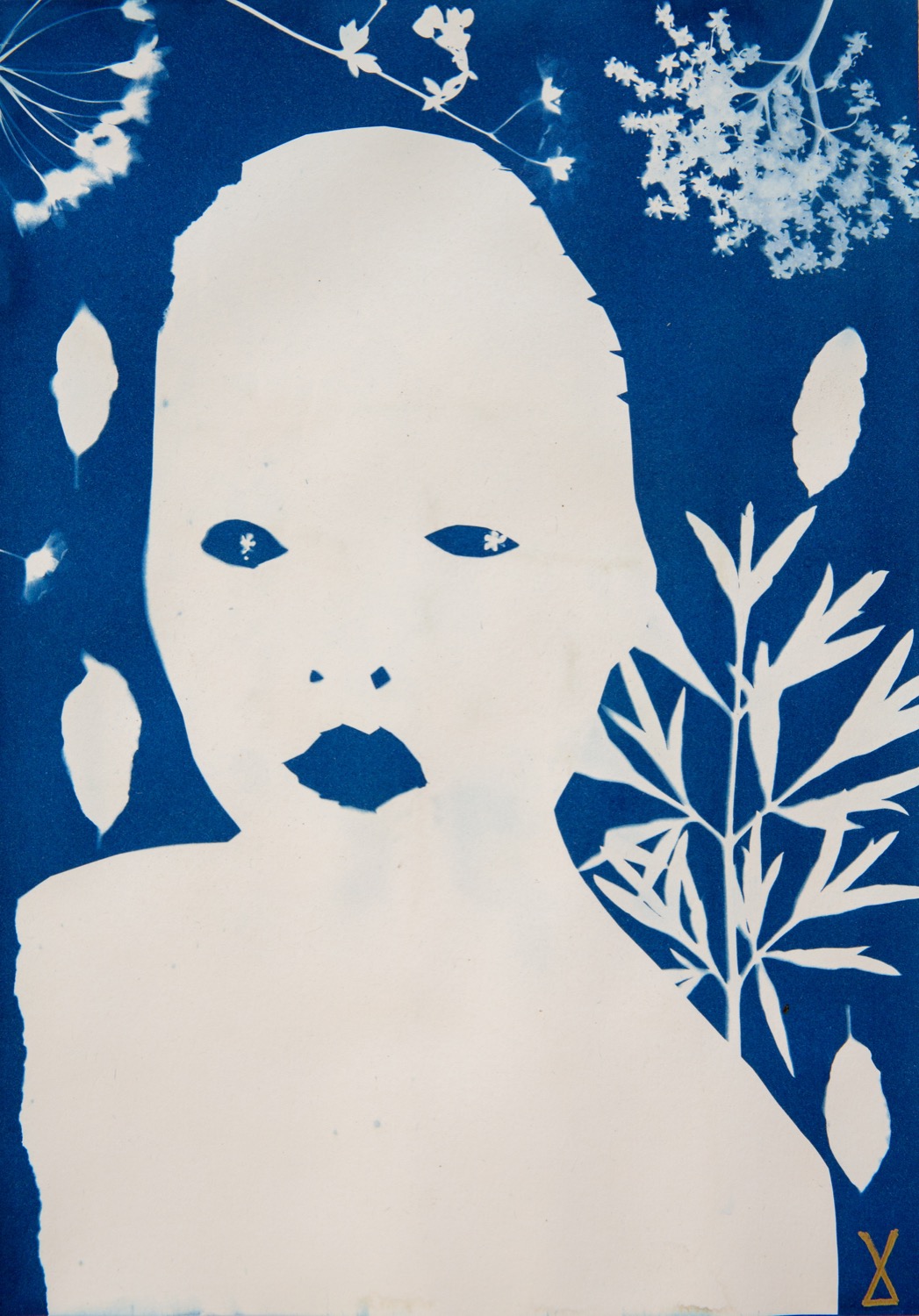
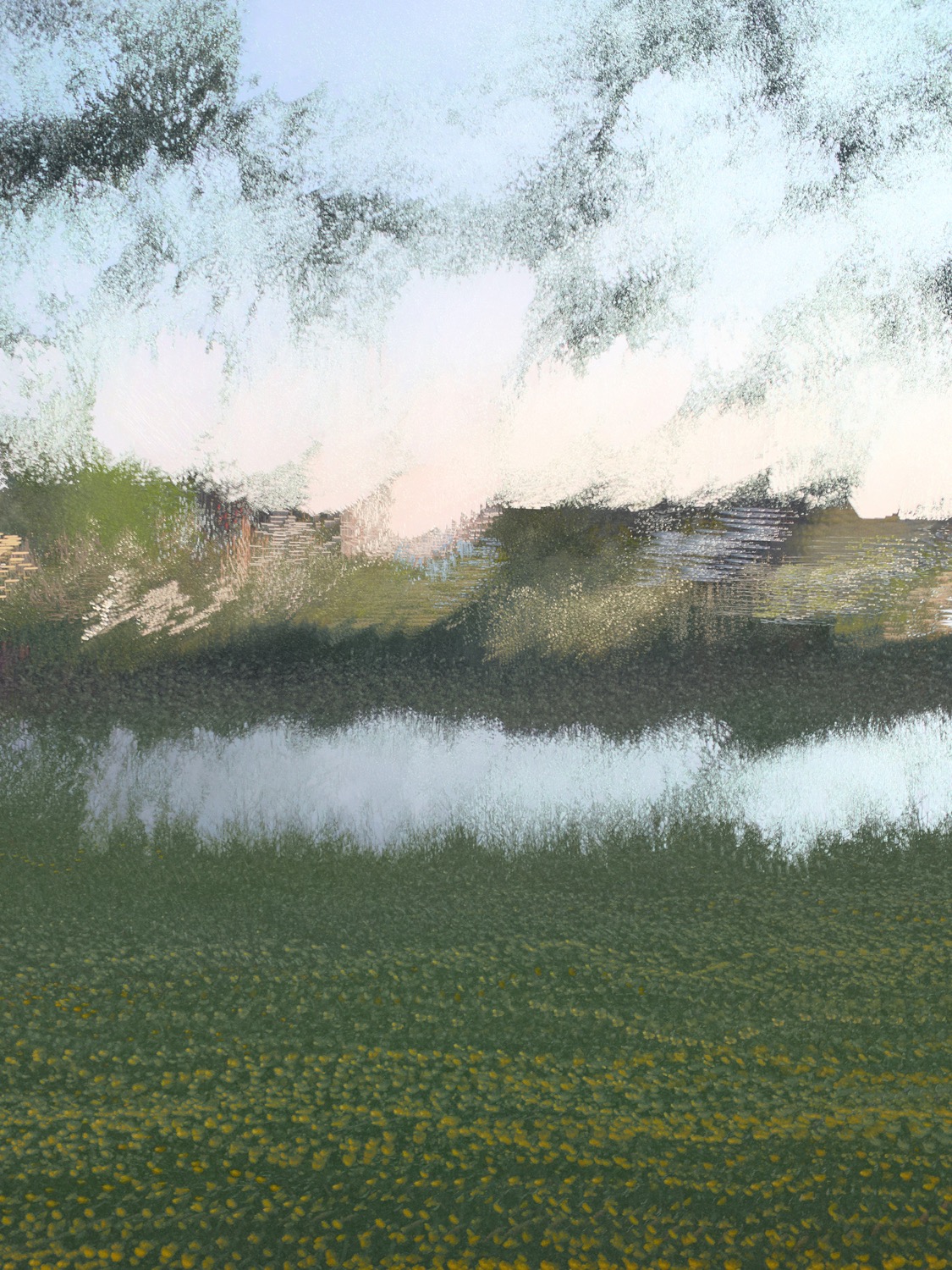
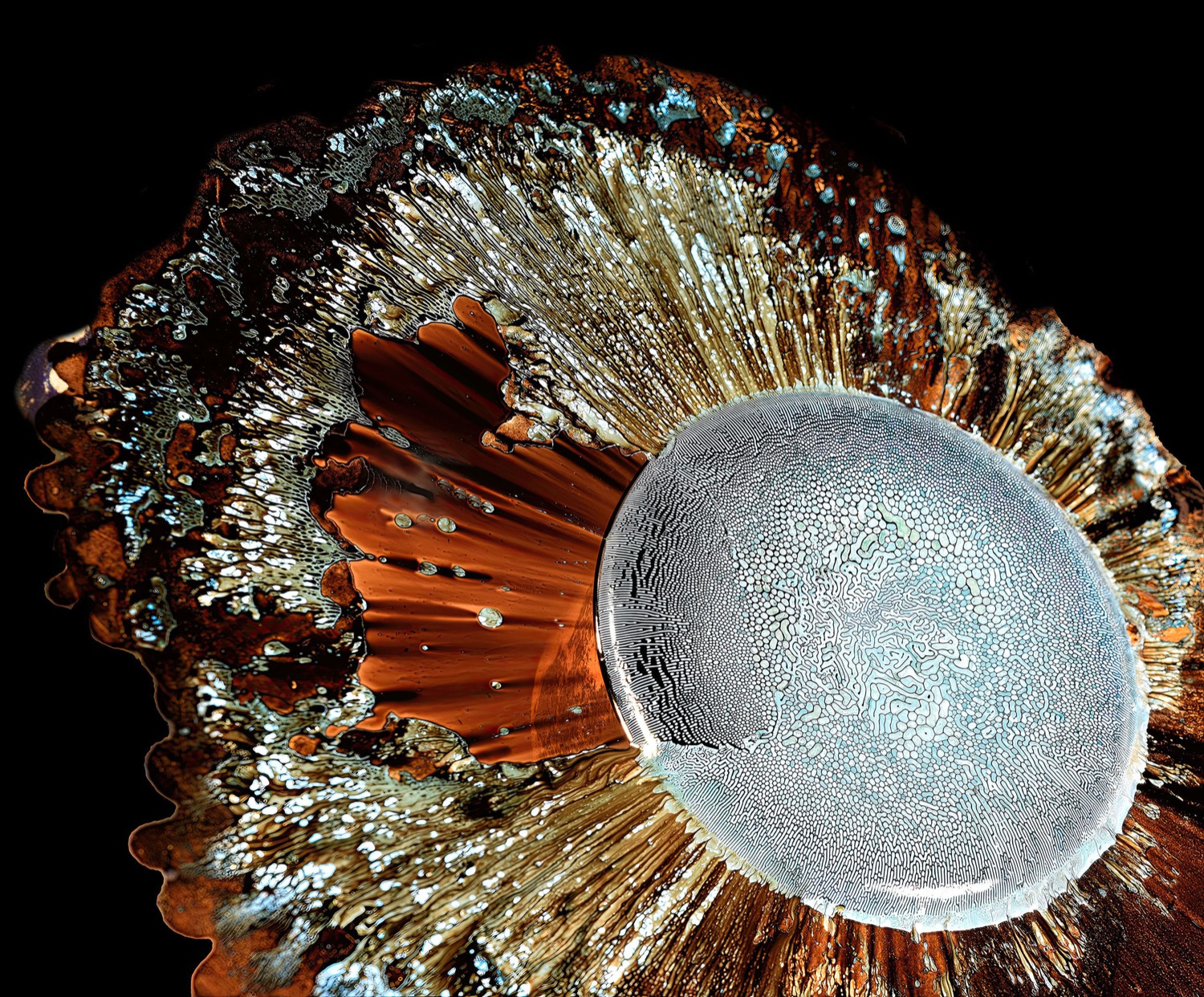
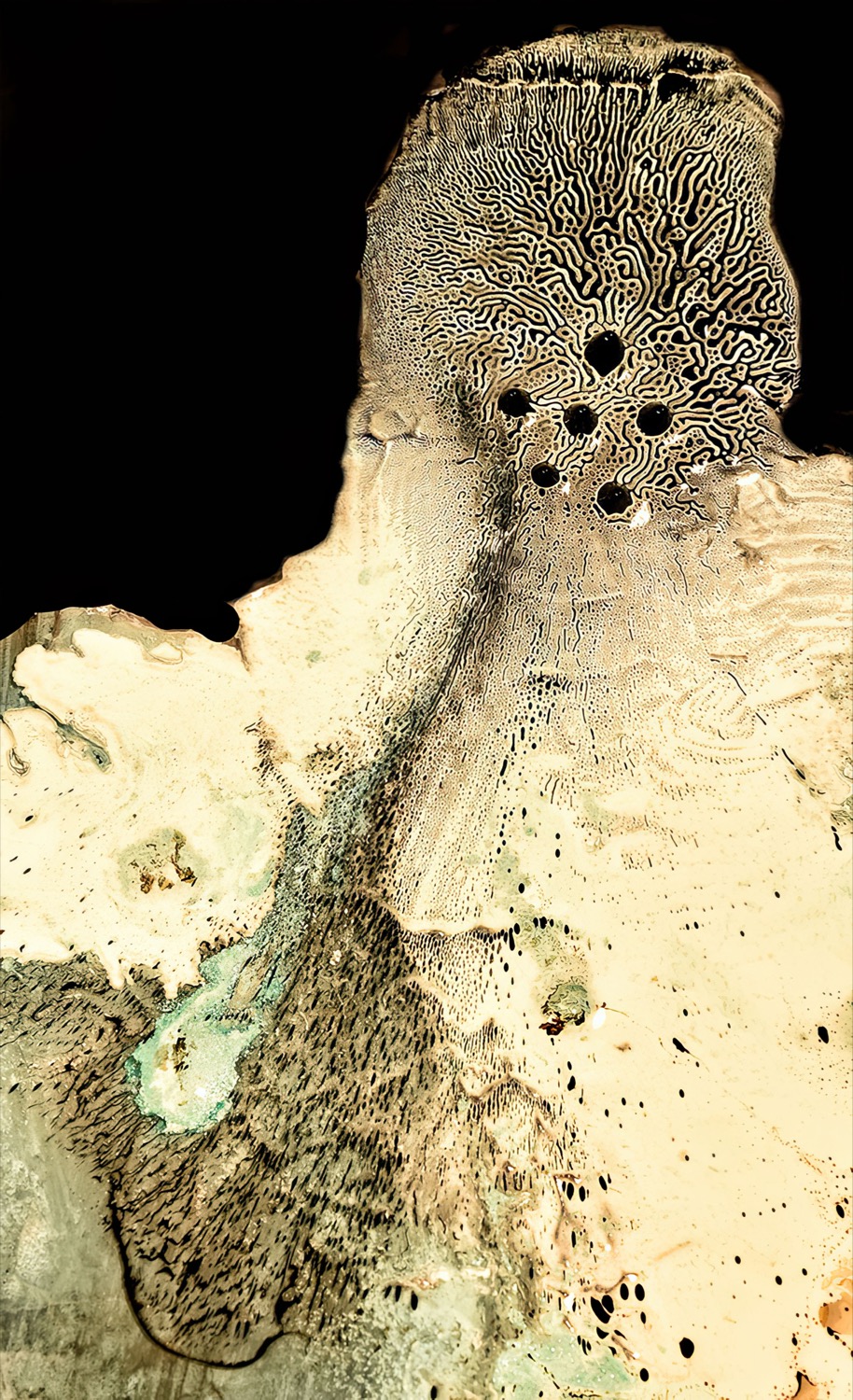
Her abstract series, The Atlas of Chimerical States, investigates randomness and transience using experimental methods such as lumens, sound waves, and magnetic fluids. Developed during a time of significant upheaval, she explains, “When wildfires ravaged Los Angeles last year, everything outside felt overwhelming. Instead of withdrawing, I embraced abstraction to confront that uncertainty. The process allowed me to find beauty, relinquish control, and remain present.”

Each image results from unpredictable conditions that can't be exactly recreated. “For lumens, I arrange foraged plants and found objects on light-sensitive paper and expose them to sunlight. The weather influences each exposure uniquely — clouds, heat, and humidity all affect how the image develops. Moisture and pigments in the plant material create halos and colour shifts as they react with the chemicals in my expired Russian photo paper from 1975. I apply the objects with small amounts of historic photographic chemicals like developer, fixer, and cyanotype solutions.”

Apart from creating lumen prints, her experimental methods venture into similarly unpredictable areas, capturing the shapes of sound waves and working with ferrofluid, magnets, and food colouring to create forms that change with each use.
The philosophical intent behind the series is clear and considered. For Pond, this project is part of a larger conversation about making work that responds directly to place, time, and change. “By working this way, I'm asking what it means to pay close attention to the present moment, accept impermanence, and use what's right in front of me as both subject and material.”
Light, Colour, and Composition
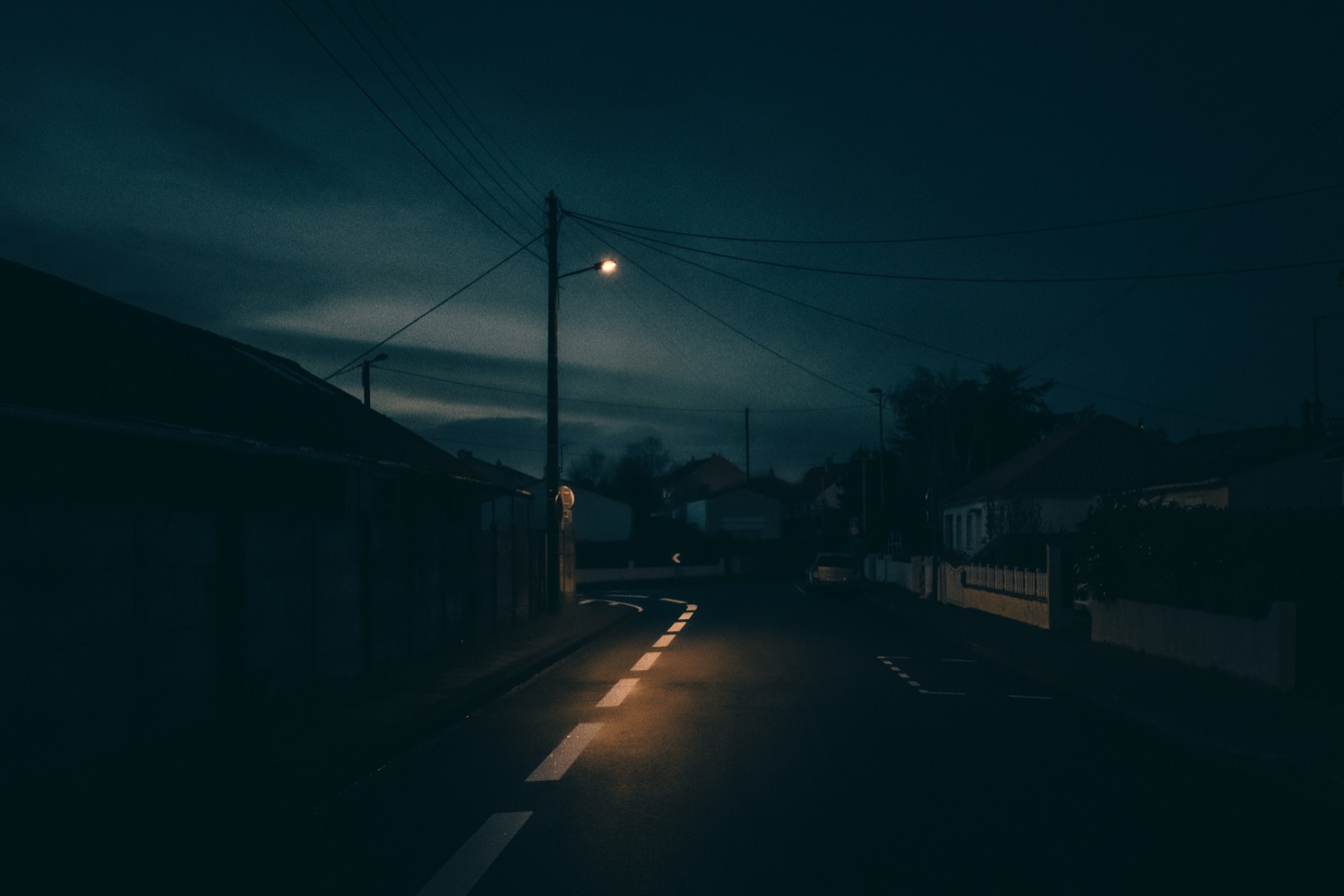
The interplay between light and dark is central to all her work. Light appears throughout all of Pond's series, explored through natural and digital sources, including blinding exposures and hour-long burns. “I love to incorporate light, whether natural or digital, into my work. I often shoot directly into the sun to produce blinding light. At the same time, I play with light when making lumen prints, which means 'light' in Greek. I experiment with exposure times from milliseconds to 24 hours.”
Her compositions emphasise proximity and precision, with the subject filling the frame and peripheral elements minimised. “My compositions tend to be tightly cropped. I avoid background distractions that don't contribute to the main subject.”

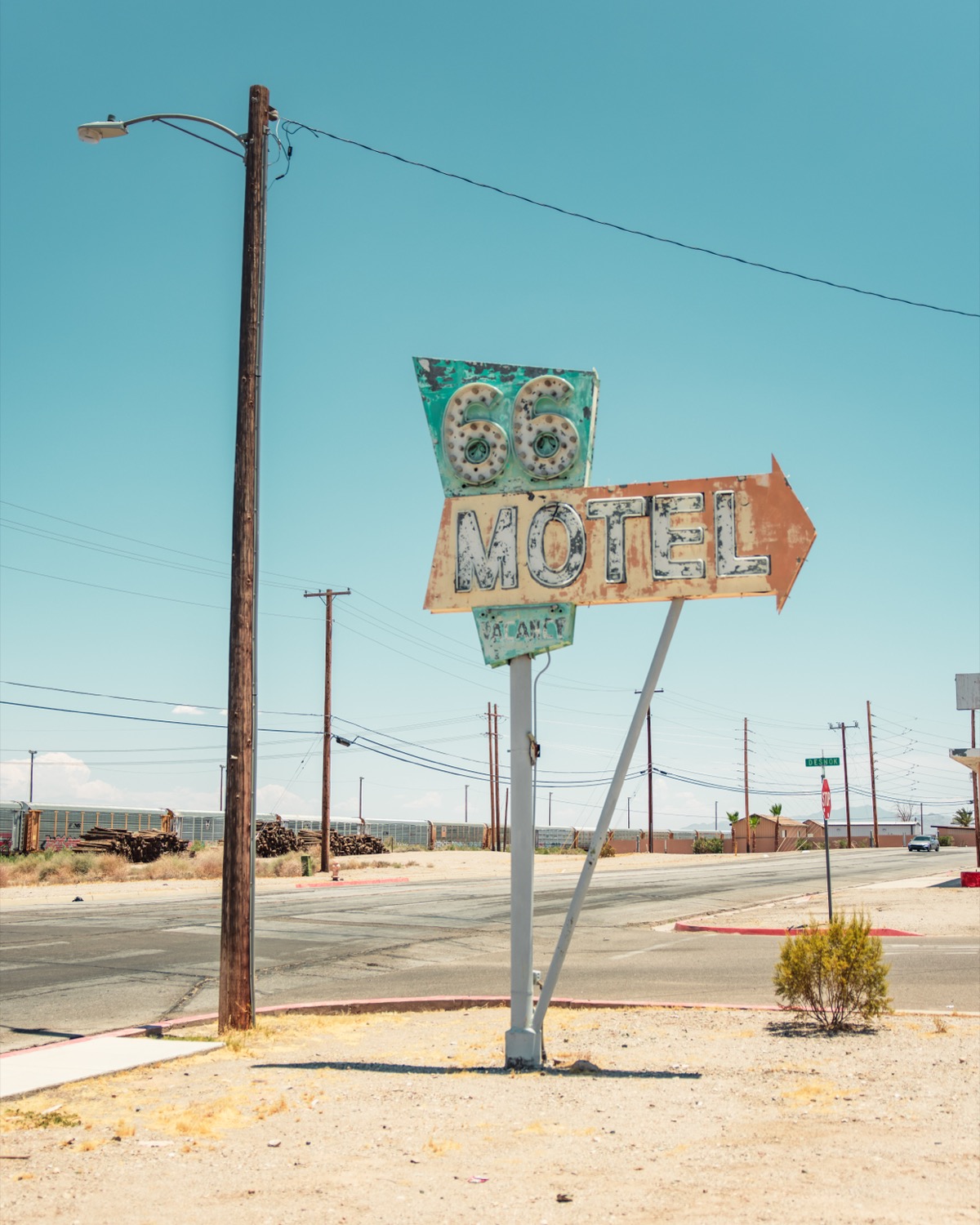
Lori Pond employs colour to isolate a single person or object in an otherwise monochrome scene. "I also enjoy using saturated colour, which can provoke vivid reactions from viewers." Her practice is moving towards more hands-on and collaborative work, integrating video, painters, sculptors, and analogue methods that allow space for spontaneity. “I aim to blend the unexpected, the 'mistakes,' and the joyful surprises that occur when I surrender control.” This intention also applies to every viewer encountering her work. “My goal is to provide an opening for each viewer to move beyond reality, or as Shakespeare described: 'the insubstantial pageant, faded.'”
Learning to Walk in the Dark
Pond's work includes photography, video, and mixed media, exploring themes such as mortality, good versus evil, impermanence, and the brain's interpretation of reality. “Each of my series is completely unique, which I attribute to my endless curiosity, what I call 'Deep Seeing,' and possibly a touch of ADHD.”
Her first series, Menace, started with a single photograph of a taxidermied bear. Another series, Bosch Redux, inspired by Hieronymus Bosch's unsettling paintings, required a much larger scale of production. “I selected details from his paintings and decided to reproduce them as centrepieces for new work. I enlisted models, prosthetics designers, costume designers, and prop builders to bring this vision to life.”
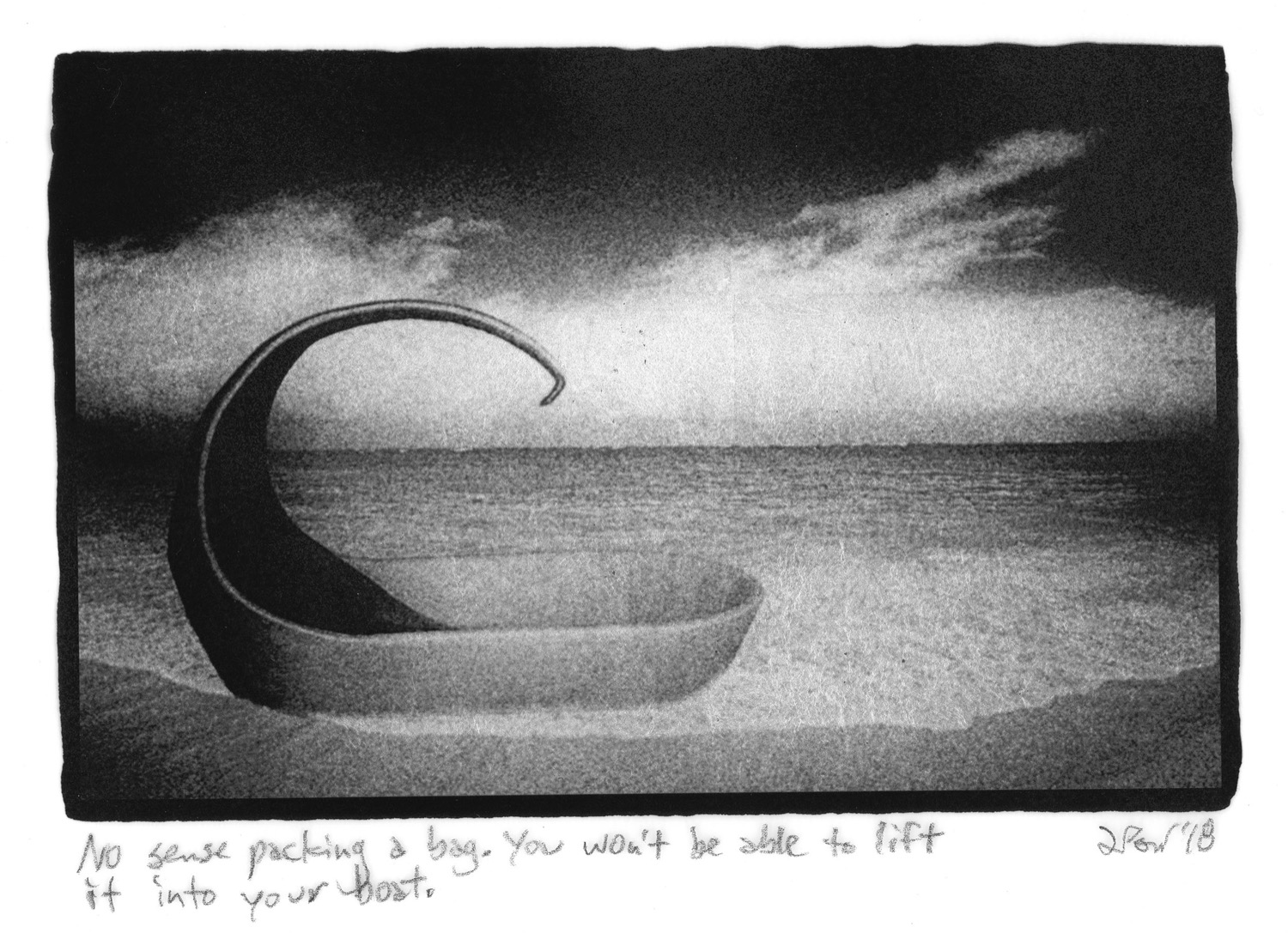
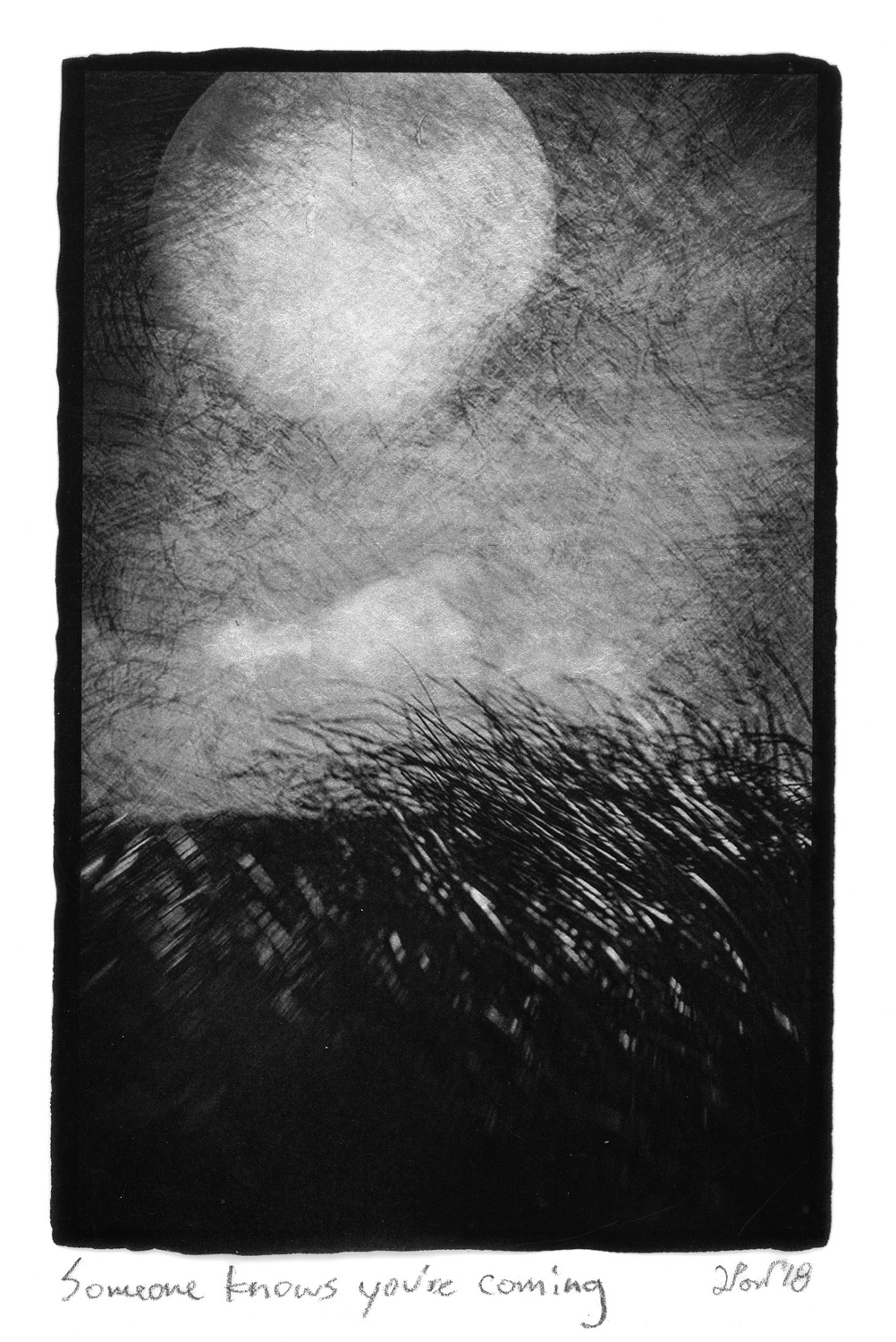
Learning to Walk in the Dark is based on a poem written by a woman nearing the end of her life at a Zen hospice. “When I first read the poem, I immediately visualised an image for each line.”
Her recurring focus is on mortality. “Learning to accept our own mortality is a theme deeply meaningful to me. My zine, Measuring the Soul, explores death using phrases from Mary Oliver's poetry alongside my own images. My series Learning to Walk in the Dark investigates how to face death with equanimity.”
From Close Looking to Full Practice
She prefers exploring close-up details, a trait she believes influences her current work, favouring tightly cropped, intimate shots over wide-angle and panoramic shots. “As a child, I was very near-sighted and introverted. I loved visiting Joshua Tree with my dad, where we used a macro lens to capture tiny spring wildflowers.” This early tendency for close observation shifted during adolescence to depression and increased introversion. “At puberty, I became depressed, and my introversion intensified. I temporarily stopped photography to focus on classical flute studies. I practised for many hours daily, which didn't necessarily help me come out of my shell.”

Over forty years in Hollywood slowly helped her open up, despite the stressful work environment and her desire for peace and beauty. “Photography came back into my life while I was working in Hollywood, but I didn't get to indulge in it much because of the long studio hours I worked. Now that I'm semi-retired, photography has ended up encompassing my entire life, and I'm very happy about that.”
.svg)


.svg)
.svg)

Lori Pond openly expresses a concern she observes every day. “I feel a profound sadness when I see people walking through beautiful or interesting places with their heads down, glued to their phones. We are losing our capacity to notice small, fleeting moments — like a butterfly passing by or a stranger's smile.”
We are losing our capacity to notice small, fleeting moments — like a butterfly passing by or a stranger's smile.
Her counter-practice is both intentional and practised daily, grounded in the same curiosity that fuels her image creation. “Much of my work falls under my 'Deep Seeing' umbrella. I passionately seek objects, plants, leaves, and people that intrigue me—anything that catches my eye. I consider myself a visual omnivore.”
Her curiosity about close attention also covers how the brain influences perception and behaviour, a fascination linked to her extensive study of Buddhist philosophy. “My ongoing studies in Buddhism have deepened my understanding of impermanence and mortality. Through my studies and meditations, I have realised that only the present moment matters — the past is gone, and the future hasn't arrived yet. So, why not fully embrace the present and experiment now?”
Ultimately, she wants to share her belief in presence. “Above all, my photography stems from my conviction in living fully in the moment. When I am truly present, my senses widen, allowing me to notice and experience much more. Photography serves as my way of appreciating life and sharing that appreciation with others.”
Photography serves as my way of appreciating life and sharing that appreciation with others.
Responding to the wildfires
Her abstract series, The Atlas of Chimerical States, investigates randomness and transience using experimental methods such as lumens, sound waves, and magnetic fluids. Developed during a time of significant upheaval, she explains, “When wildfires ravaged Los Angeles last year, everything outside felt overwhelming. Instead of withdrawing, I embraced abstraction to confront that uncertainty. The process allowed me to find beauty, relinquish control, and remain present.”
Each image results from unpredictable conditions that can't be exactly recreated. “For lumens, I arrange foraged plants and found objects on light-sensitive paper and expose them to sunlight. The weather influences each exposure uniquely — clouds, heat, and humidity all affect how the image develops. Moisture and pigments in the plant material create halos and colour shifts as they react with the chemicals in my expired Russian photo paper from 1975. I apply the objects with small amounts of historic photographic chemicals like developer, fixer, and cyanotype solutions.”
Apart from creating lumen prints, her experimental methods venture into similarly unpredictable areas, capturing the shapes of sound waves and working with ferrofluid, magnets, and food colouring to create forms that change with each use.
The philosophical intent behind the series is clear and considered. For Pond, this project is part of a larger conversation about making work that responds directly to place, time, and change. “By working this way, I'm asking what it means to pay close attention to the present moment, accept impermanence, and use what's right in front of me as both subject and material.”
Light, Colour, and Composition
The interplay between light and dark is central to all her work. Light appears throughout all of Pond's series, explored through natural and digital sources, including blinding exposures and hour-long burns. “I love to incorporate light, whether natural or digital, into my work. I often shoot directly into the sun to produce blinding light. At the same time, I play with light when making lumen prints, which means 'light' in Greek. I experiment with exposure times from milliseconds to 24 hours.”
Her compositions emphasise proximity and precision, with the subject filling the frame and peripheral elements minimised. “My compositions tend to be tightly cropped. I avoid background distractions that don't contribute to the main subject.”
Lori Pond employs colour to isolate a single person or object in an otherwise monochrome scene. "I also enjoy using saturated colour, which can provoke vivid reactions from viewers." Her practice is moving towards more hands-on and collaborative work, integrating video, painters, sculptors, and analogue methods that allow space for spontaneity. “I aim to blend the unexpected, the 'mistakes,' and the joyful surprises that occur when I surrender control.” This intention also applies to every viewer encountering her work. “My goal is to provide an opening for each viewer to move beyond reality, or as Shakespeare described: 'the insubstantial pageant, faded.'”
Learning to Walk in the Dark
Pond's work includes photography, video, and mixed media, exploring themes such as mortality, good versus evil, impermanence, and the brain's interpretation of reality. “Each of my series is completely unique, which I attribute to my endless curiosity, what I call 'Deep Seeing,' and possibly a touch of ADHD.”
Her first series, Menace, started with a single photograph of a taxidermied bear. Another series, Bosch Redux, inspired by Hieronymus Bosch's unsettling paintings, required a much larger scale of production. “I selected details from his paintings and decided to reproduce them as centrepieces for new work. I enlisted models, prosthetics designers, costume designers, and prop builders to bring this vision to life.”
Learning to Walk in the Dark is based on a poem written by a woman nearing the end of her life at a Zen hospice. “When I first read the poem, I immediately visualised an image for each line.”
Her recurring focus is on mortality. “Learning to accept our own mortality is a theme deeply meaningful to me. My zine, Measuring the Soul, explores death using phrases from Mary Oliver's poetry alongside my own images. My series Learning to Walk in the Dark investigates how to face death with equanimity.”
From Close Looking to Full Practice
She prefers exploring close-up details, a trait she believes influences her current work, favouring tightly cropped, intimate shots over wide-angle and panoramic shots. “As a child, I was very near-sighted and introverted. I loved visiting Joshua Tree with my dad, where we used a macro lens to capture tiny spring wildflowers.” This early tendency for close observation shifted during adolescence to depression and increased introversion. “At puberty, I became depressed, and my introversion intensified. I temporarily stopped photography to focus on classical flute studies. I practised for many hours daily, which didn't necessarily help me come out of my shell.”
Over forty years in Hollywood slowly helped her open up, despite the stressful work environment and her desire for peace and beauty. “Photography came back into my life while I was working in Hollywood, but I didn't get to indulge in it much because of the long studio hours I worked. Now that I'm semi-retired, photography has ended up encompassing my entire life, and I'm very happy about that.”
Lori Pond openly expresses a concern she observes every day. “I feel a profound sadness when I see people walking through beautiful or interesting places with their heads down, glued to their phones. We are losing our capacity to notice small, fleeting moments — like a butterfly passing by or a stranger's smile.”
We are losing our capacity to notice small, fleeting moments — like a butterfly passing by or a stranger's smile.
Her counter-practice is both intentional and practised daily, grounded in the same curiosity that fuels her image creation. “Much of my work falls under my 'Deep Seeing' umbrella. I passionately seek objects, plants, leaves, and people that intrigue me—anything that catches my eye. I consider myself a visual omnivore.”
Her curiosity about close attention also covers how the brain influences perception and behaviour, a fascination linked to her extensive study of Buddhist philosophy. “My ongoing studies in Buddhism have deepened my understanding of impermanence and mortality. Through my studies and meditations, I have realised that only the present moment matters — the past is gone, and the future hasn't arrived yet. So, why not fully embrace the present and experiment now?”
Ultimately, she wants to share her belief in presence. “Above all, my photography stems from my conviction in living fully in the moment. When I am truly present, my senses widen, allowing me to notice and experience much more. Photography serves as my way of appreciating life and sharing that appreciation with others.”
Photography serves as my way of appreciating life and sharing that appreciation with others.
Responding to the wildfires
Her abstract series, The Atlas of Chimerical States, investigates randomness and transience using experimental methods such as lumens, sound waves, and magnetic fluids. Developed during a time of significant upheaval, she explains, “When wildfires ravaged Los Angeles last year, everything outside felt overwhelming. Instead of withdrawing, I embraced abstraction to confront that uncertainty. The process allowed me to find beauty, relinquish control, and remain present.”
Each image results from unpredictable conditions that can't be exactly recreated. “For lumens, I arrange foraged plants and found objects on light-sensitive paper and expose them to sunlight. The weather influences each exposure uniquely — clouds, heat, and humidity all affect how the image develops. Moisture and pigments in the plant material create halos and colour shifts as they react with the chemicals in my expired Russian photo paper from 1975. I apply the objects with small amounts of historic photographic chemicals like developer, fixer, and cyanotype solutions.”
Apart from creating lumen prints, her experimental methods venture into similarly unpredictable areas, capturing the shapes of sound waves and working with ferrofluid, magnets, and food colouring to create forms that change with each use.
The philosophical intent behind the series is clear and considered. For Pond, this project is part of a larger conversation about making work that responds directly to place, time, and change. “By working this way, I'm asking what it means to pay close attention to the present moment, accept impermanence, and use what's right in front of me as both subject and material.”
Light, Colour, and Composition
The interplay between light and dark is central to all her work. Light appears throughout all of Pond's series, explored through natural and digital sources, including blinding exposures and hour-long burns. “I love to incorporate light, whether natural or digital, into my work. I often shoot directly into the sun to produce blinding light. At the same time, I play with light when making lumen prints, which means 'light' in Greek. I experiment with exposure times from milliseconds to 24 hours.”
Her compositions emphasise proximity and precision, with the subject filling the frame and peripheral elements minimised. “My compositions tend to be tightly cropped. I avoid background distractions that don't contribute to the main subject.”
Lori Pond employs colour to isolate a single person or object in an otherwise monochrome scene. "I also enjoy using saturated colour, which can provoke vivid reactions from viewers." Her practice is moving towards more hands-on and collaborative work, integrating video, painters, sculptors, and analogue methods that allow space for spontaneity. “I aim to blend the unexpected, the 'mistakes,' and the joyful surprises that occur when I surrender control.” This intention also applies to every viewer encountering her work. “My goal is to provide an opening for each viewer to move beyond reality, or as Shakespeare described: 'the insubstantial pageant, faded.'”
Learning to Walk in the Dark
Pond's work includes photography, video, and mixed media, exploring themes such as mortality, good versus evil, impermanence, and the brain's interpretation of reality. “Each of my series is completely unique, which I attribute to my endless curiosity, what I call 'Deep Seeing,' and possibly a touch of ADHD.”
Her first series, Menace, started with a single photograph of a taxidermied bear. Another series, Bosch Redux, inspired by Hieronymus Bosch's unsettling paintings, required a much larger scale of production. “I selected details from his paintings and decided to reproduce them as centrepieces for new work. I enlisted models, prosthetics designers, costume designers, and prop builders to bring this vision to life.”
Learning to Walk in the Dark is based on a poem written by a woman nearing the end of her life at a Zen hospice. “When I first read the poem, I immediately visualised an image for each line.”
Her recurring focus is on mortality. “Learning to accept our own mortality is a theme deeply meaningful to me. My zine, Measuring the Soul, explores death using phrases from Mary Oliver's poetry alongside my own images. My series Learning to Walk in the Dark investigates how to face death with equanimity.”
From Close Looking to Full Practice
She prefers exploring close-up details, a trait she believes influences her current work, favouring tightly cropped, intimate shots over wide-angle and panoramic shots. “As a child, I was very near-sighted and introverted. I loved visiting Joshua Tree with my dad, where we used a macro lens to capture tiny spring wildflowers.” This early tendency for close observation shifted during adolescence to depression and increased introversion. “At puberty, I became depressed, and my introversion intensified. I temporarily stopped photography to focus on classical flute studies. I practised for many hours daily, which didn't necessarily help me come out of my shell.”
Over forty years in Hollywood slowly helped her open up, despite the stressful work environment and her desire for peace and beauty. “Photography came back into my life while I was working in Hollywood, but I didn't get to indulge in it much because of the long studio hours I worked. Now that I'm semi-retired, photography has ended up encompassing my entire life, and I'm very happy about that.”