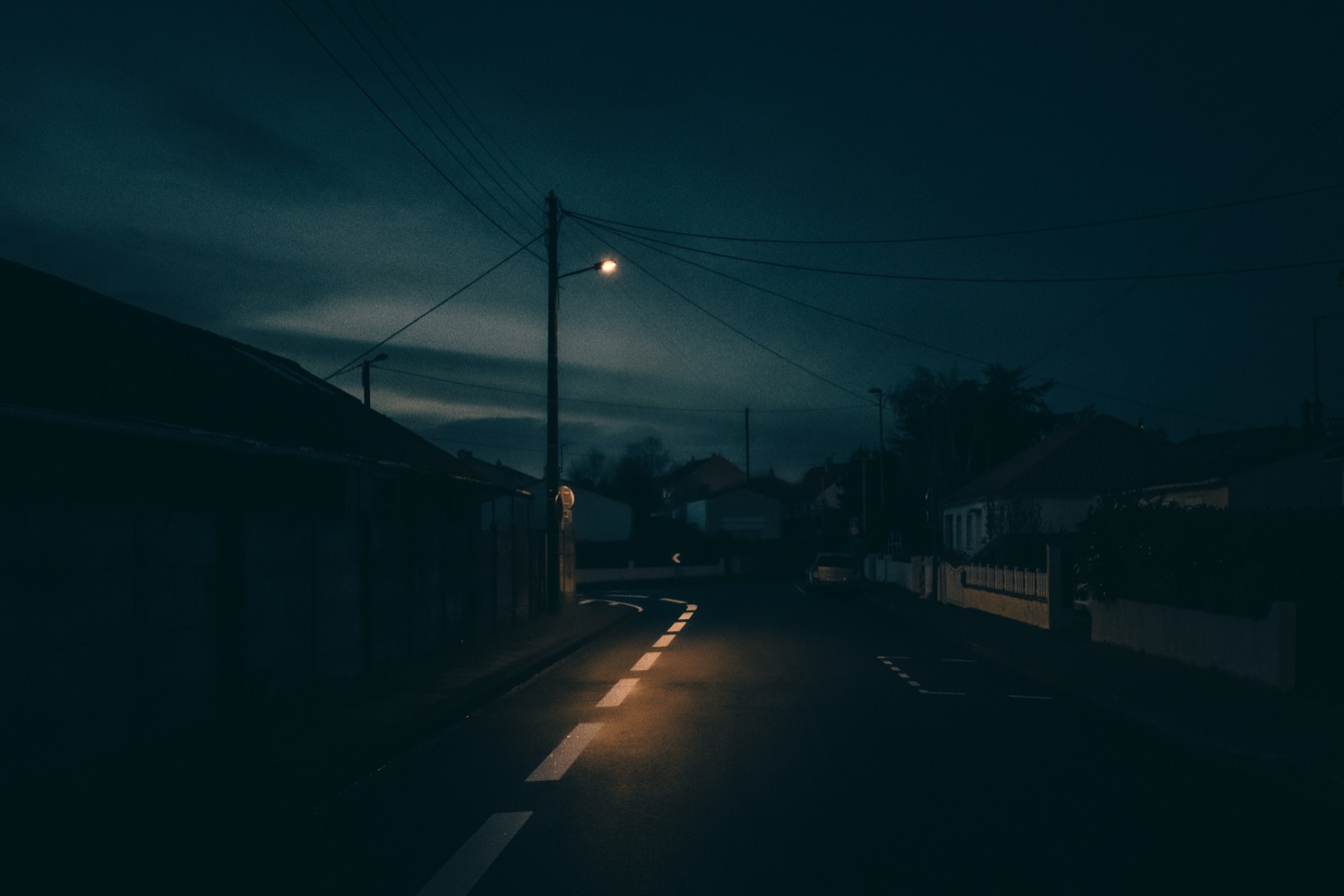
© Franck Lebegue | What Remains
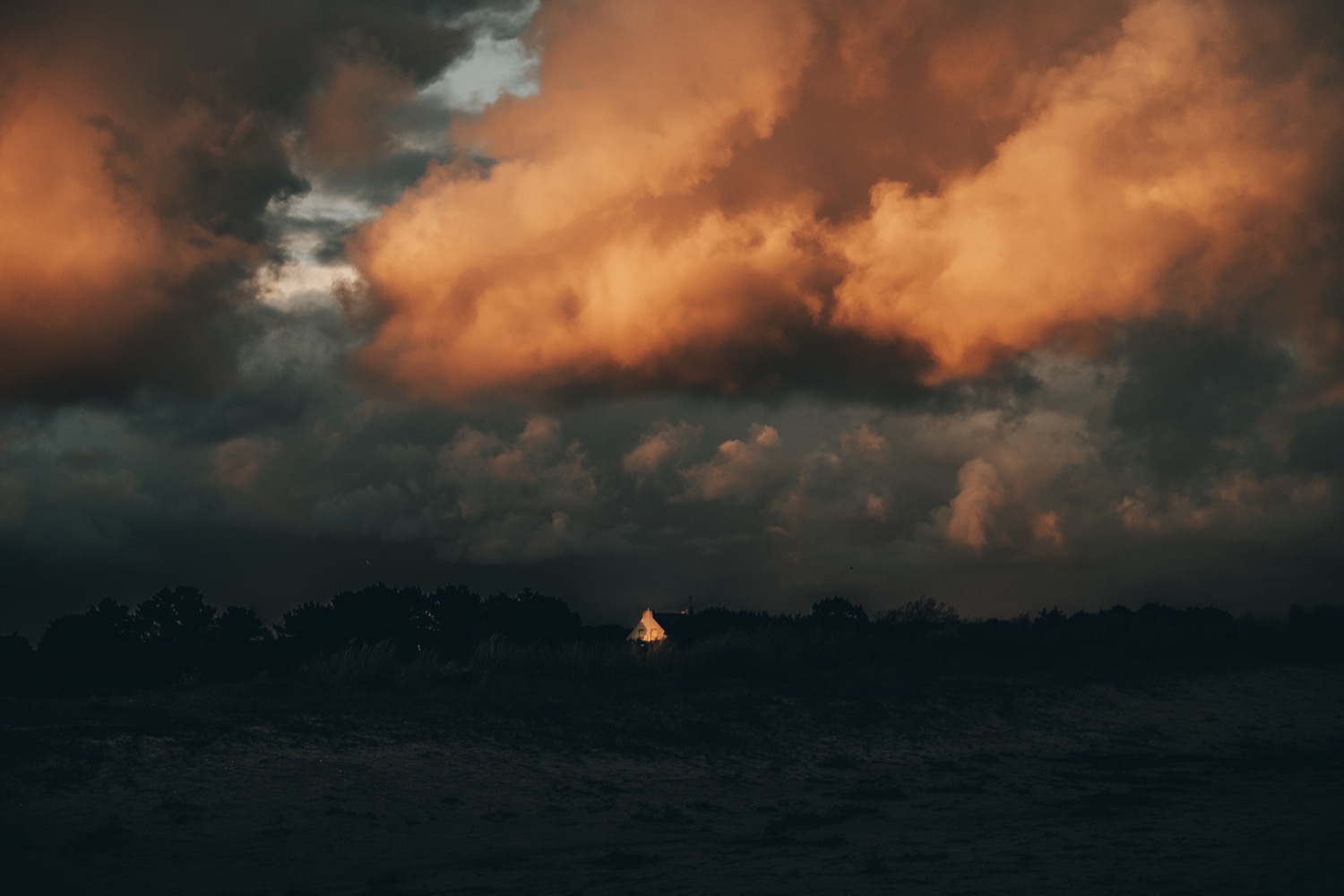
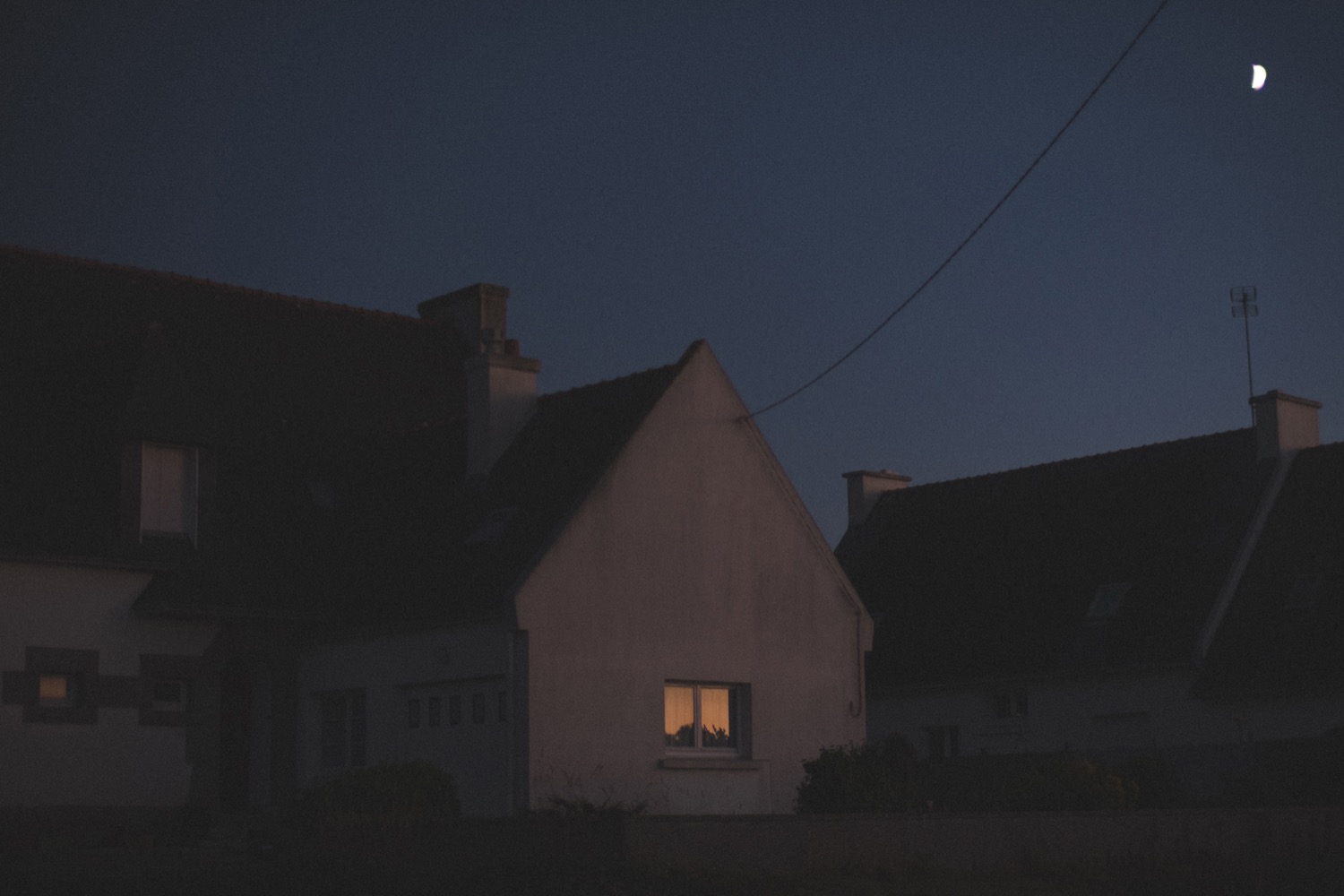
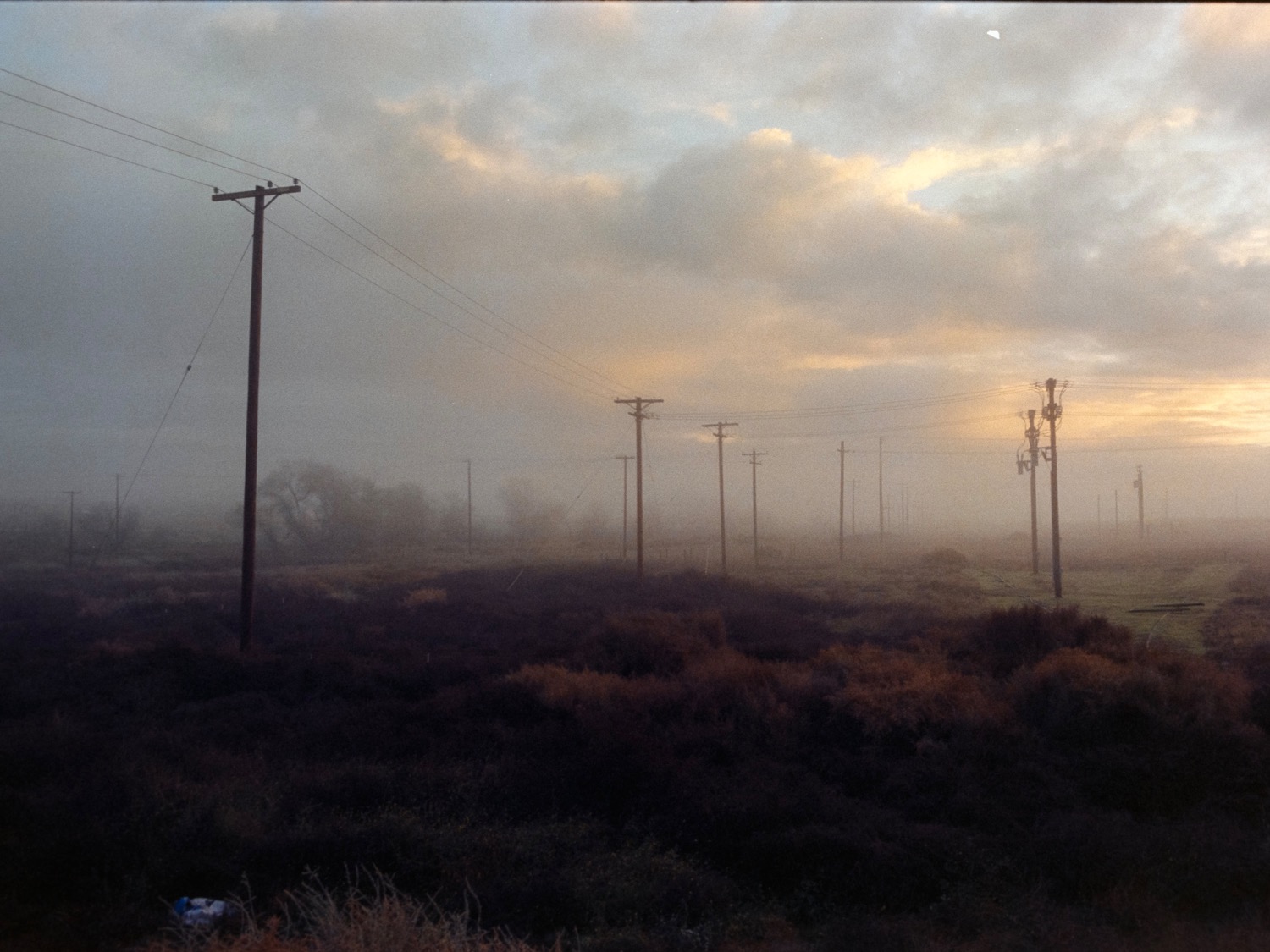
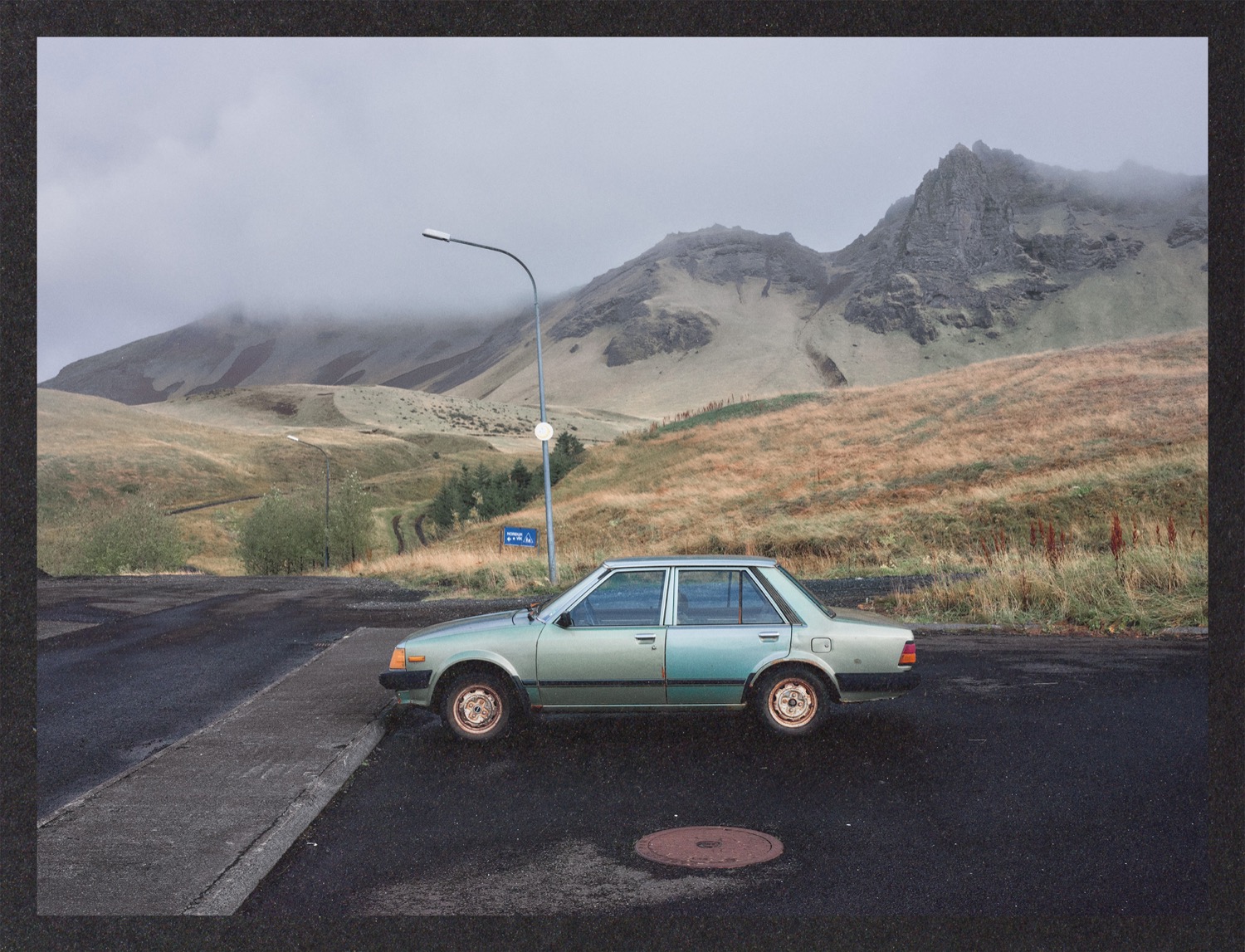
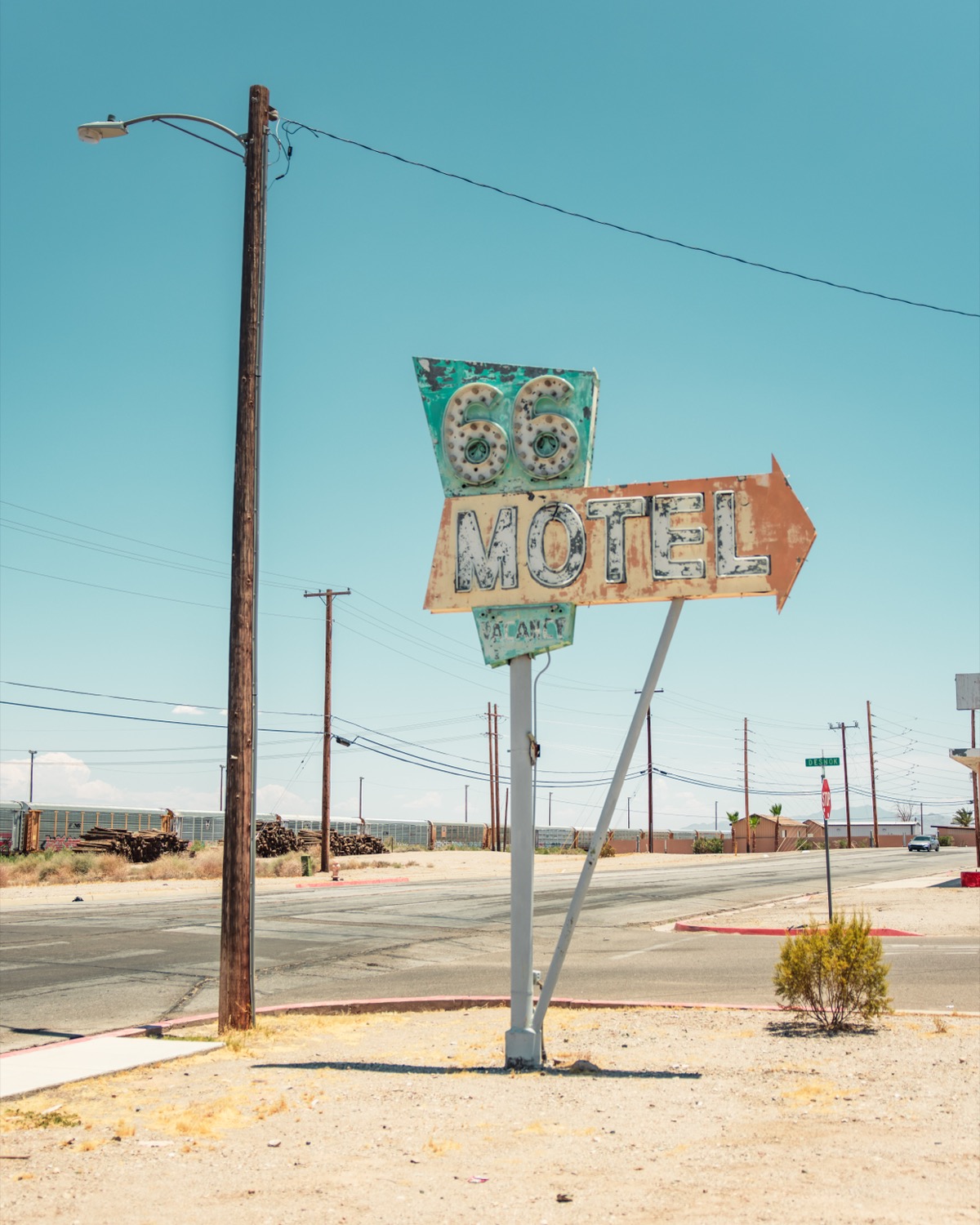
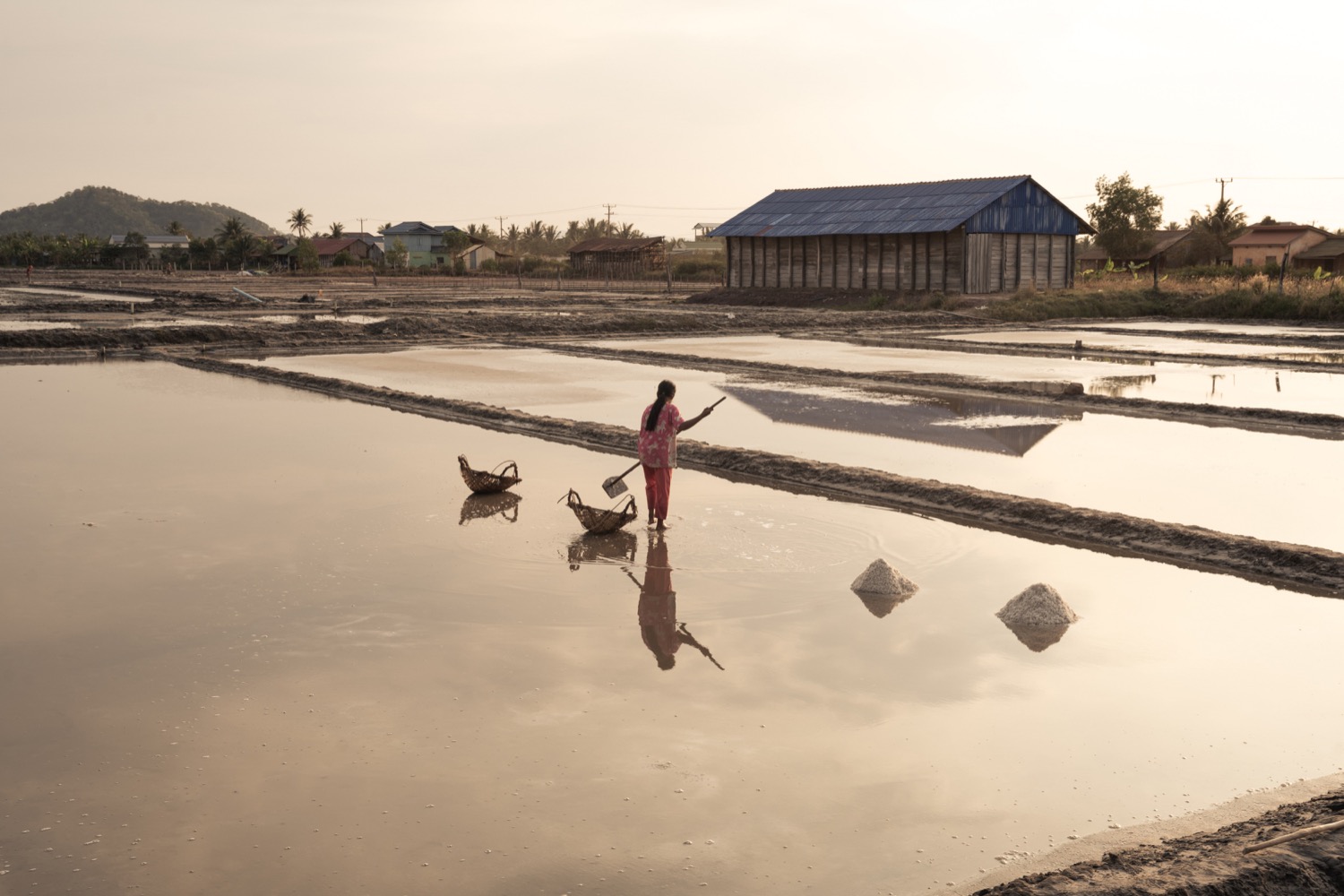
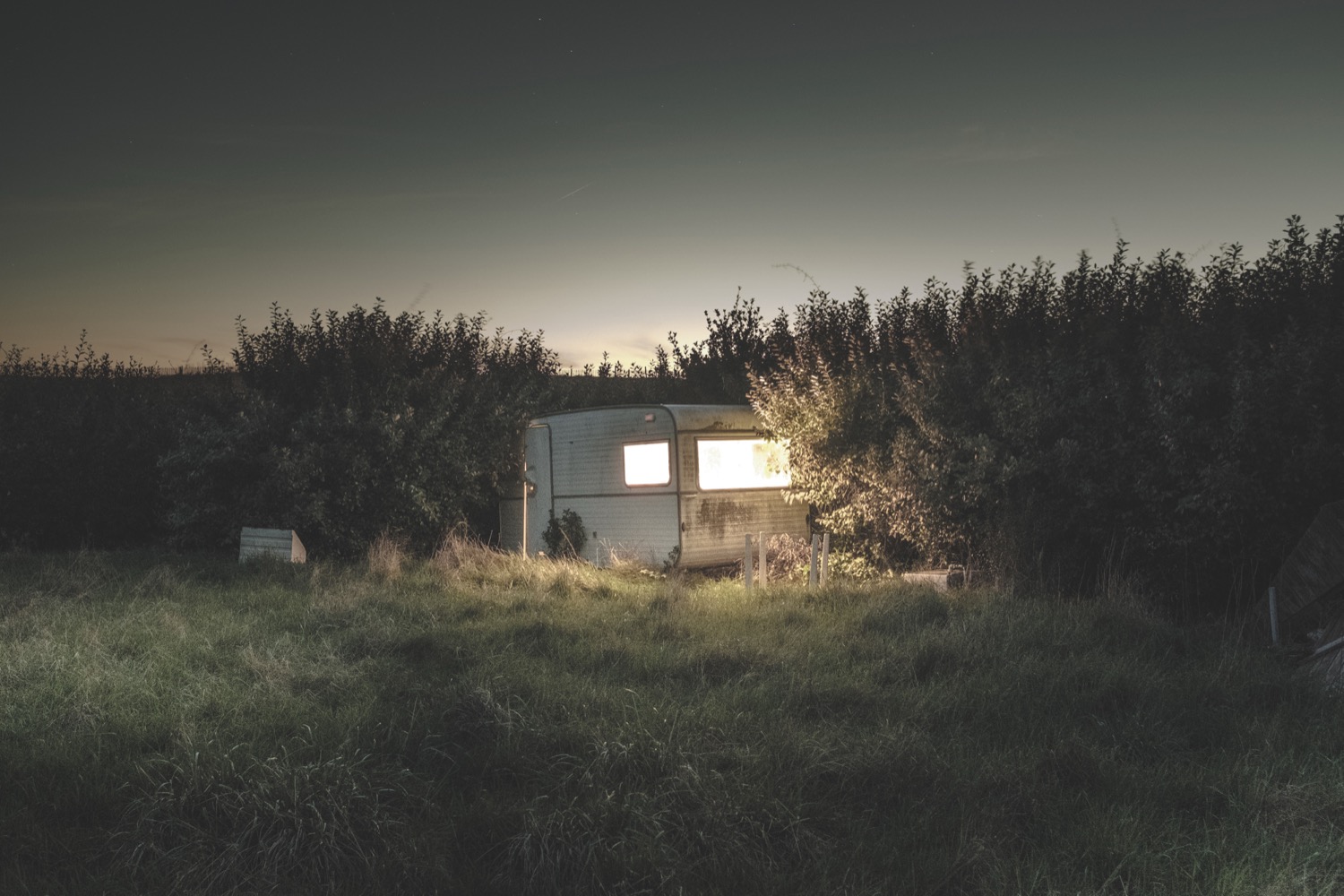
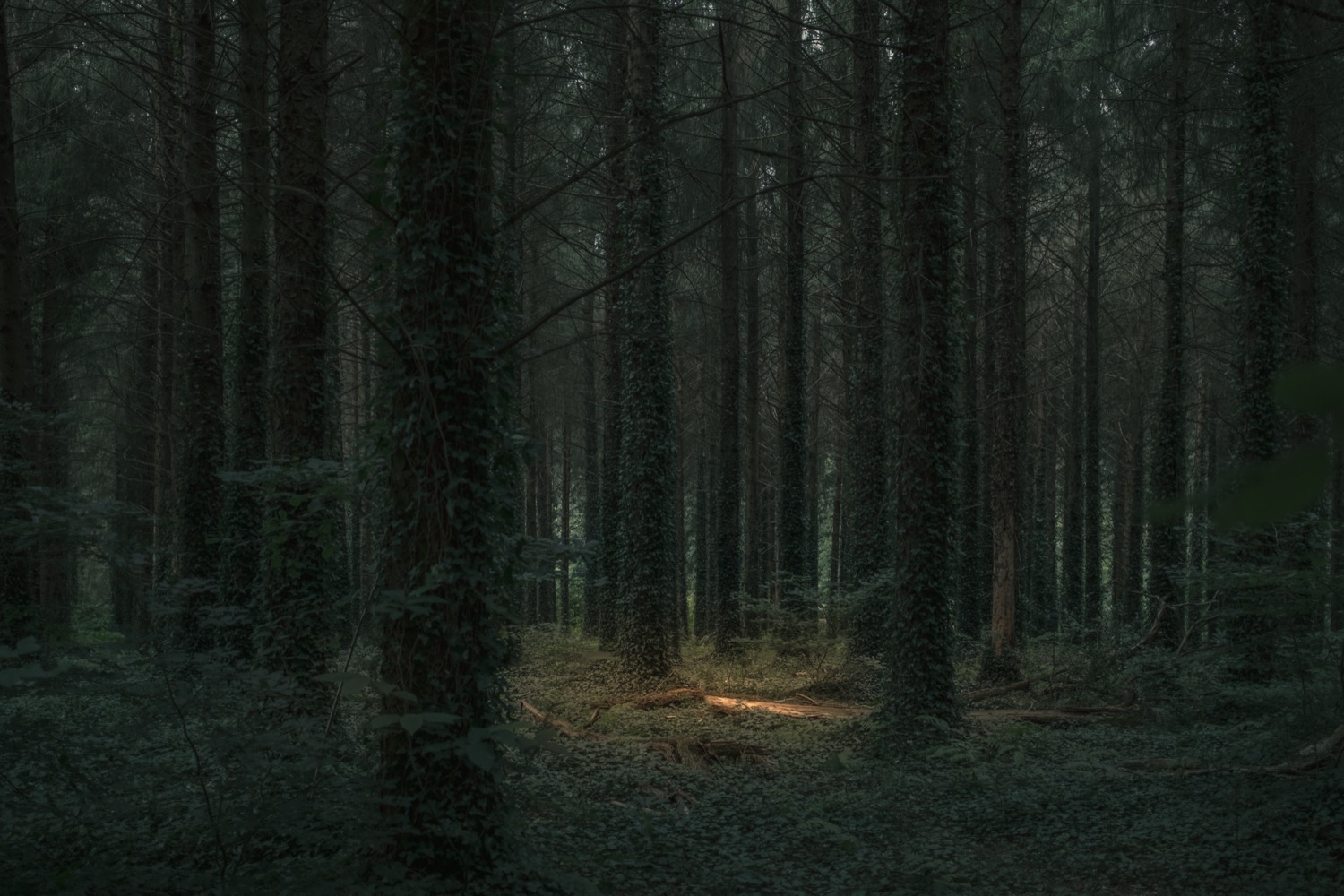
Natural and artificial illumination becomes the central element of the series, linked by Lebegue to the hearth as an early source of warmth, shelter and communal life. Against dark surroundings, these lights indicate places shaped by human presence, even when their occupants remain unseen. Their fleeting appearance gives each scene a sense of a story that extends beyond the photograph. What Remains presents light as both a physical phenomenon and a carrier of human memory, making presence perceptible within otherwise darkened landscapes.
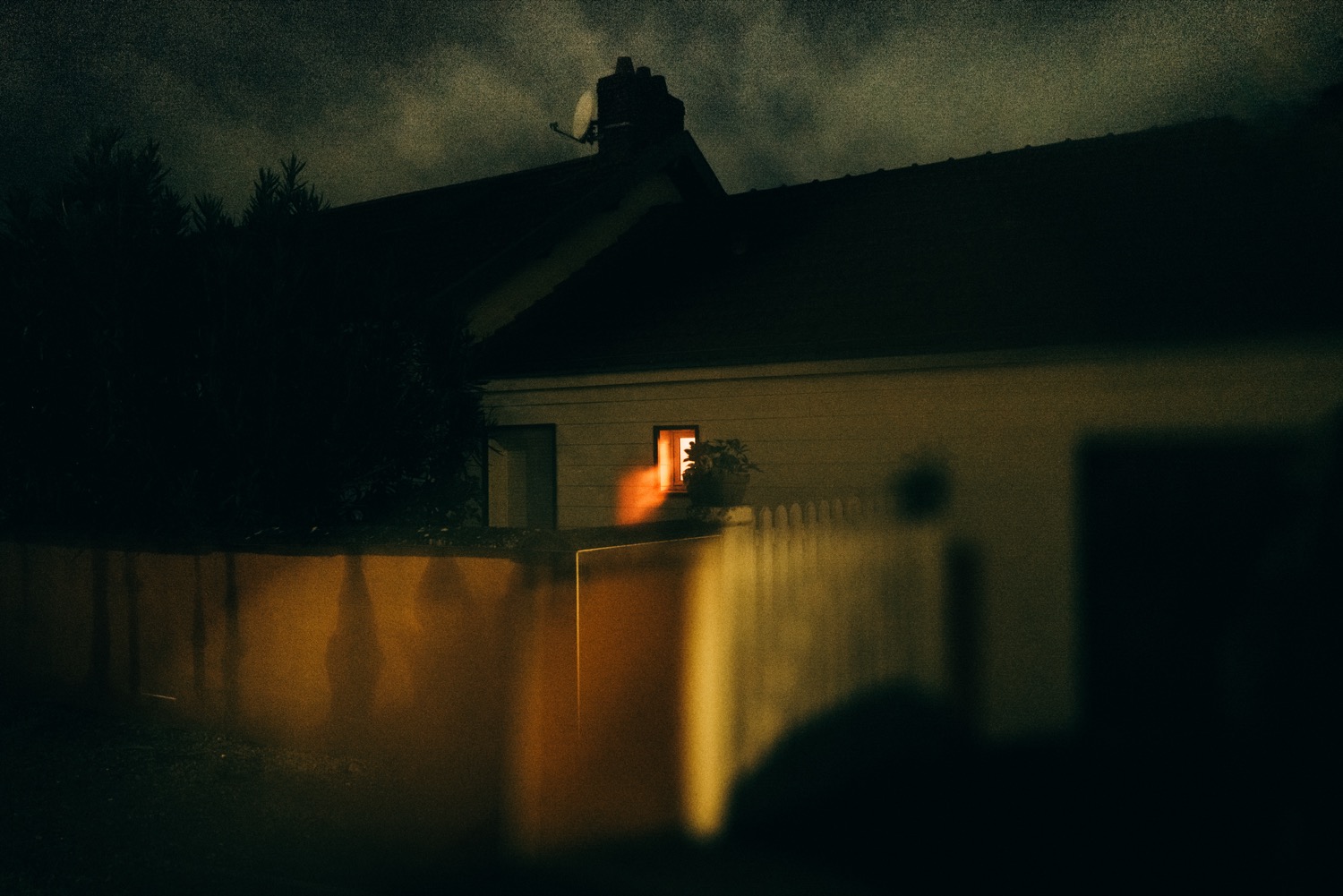
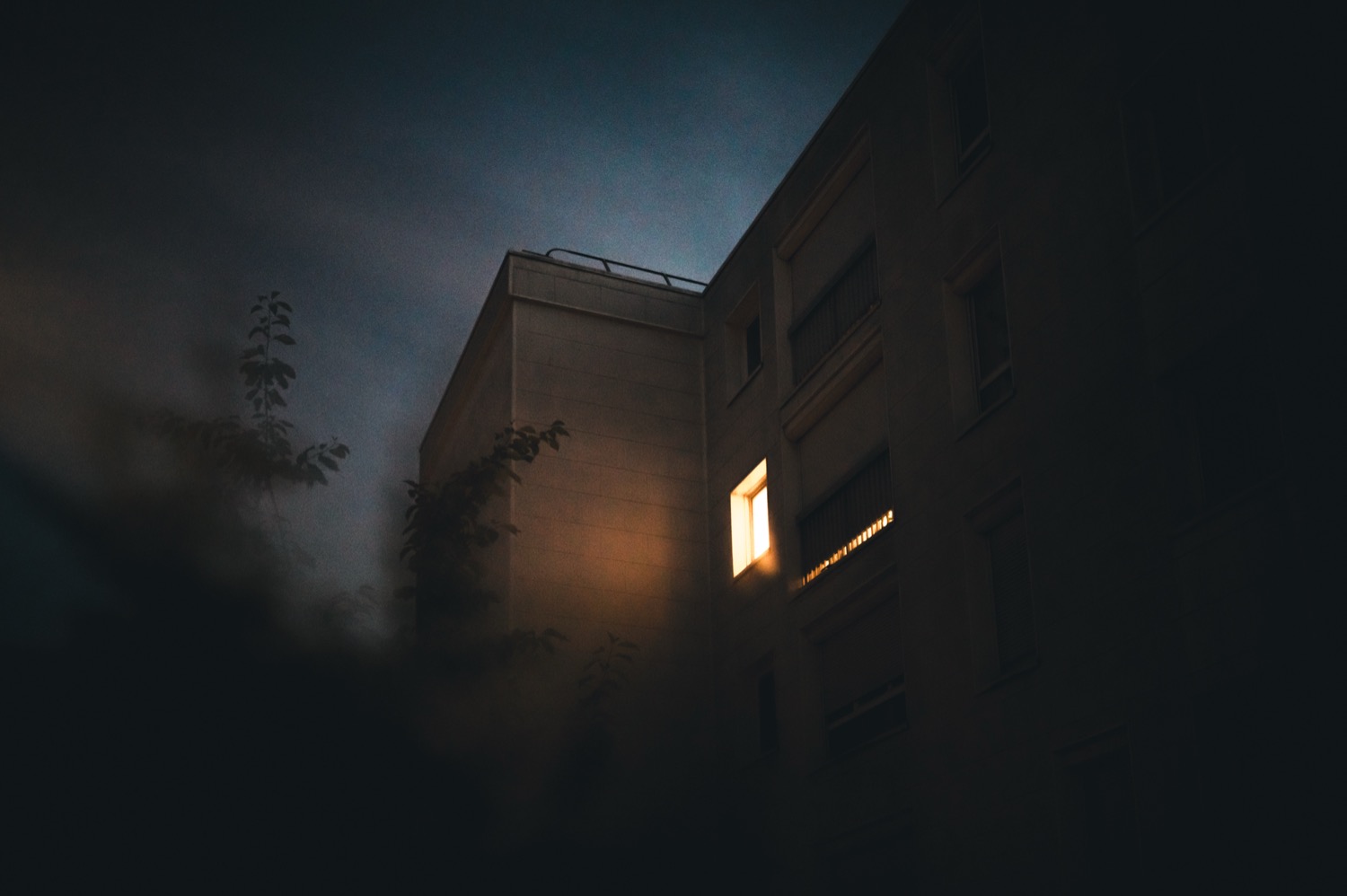
Franck Lebegue: I photograph landscapes and places where the human figure is absent, yet its presence endures in light. Whether natural or artificial, diffuse or singular, light is never merely part of the landscape; it becomes the visible expression of a presence that remains beyond sight.
The hearth is humanity's first light. Long before it illuminated our homes, it gathered people together, offered shelter, and gave the world a place to be inhabited. Every light I photograph carries something of that origin. It does more than illuminate a place—it preserves the quiet memory of a presence. I see these luminous traces as echoes of the primordial fire, still carrying its warmth, its mystery, and its promise.
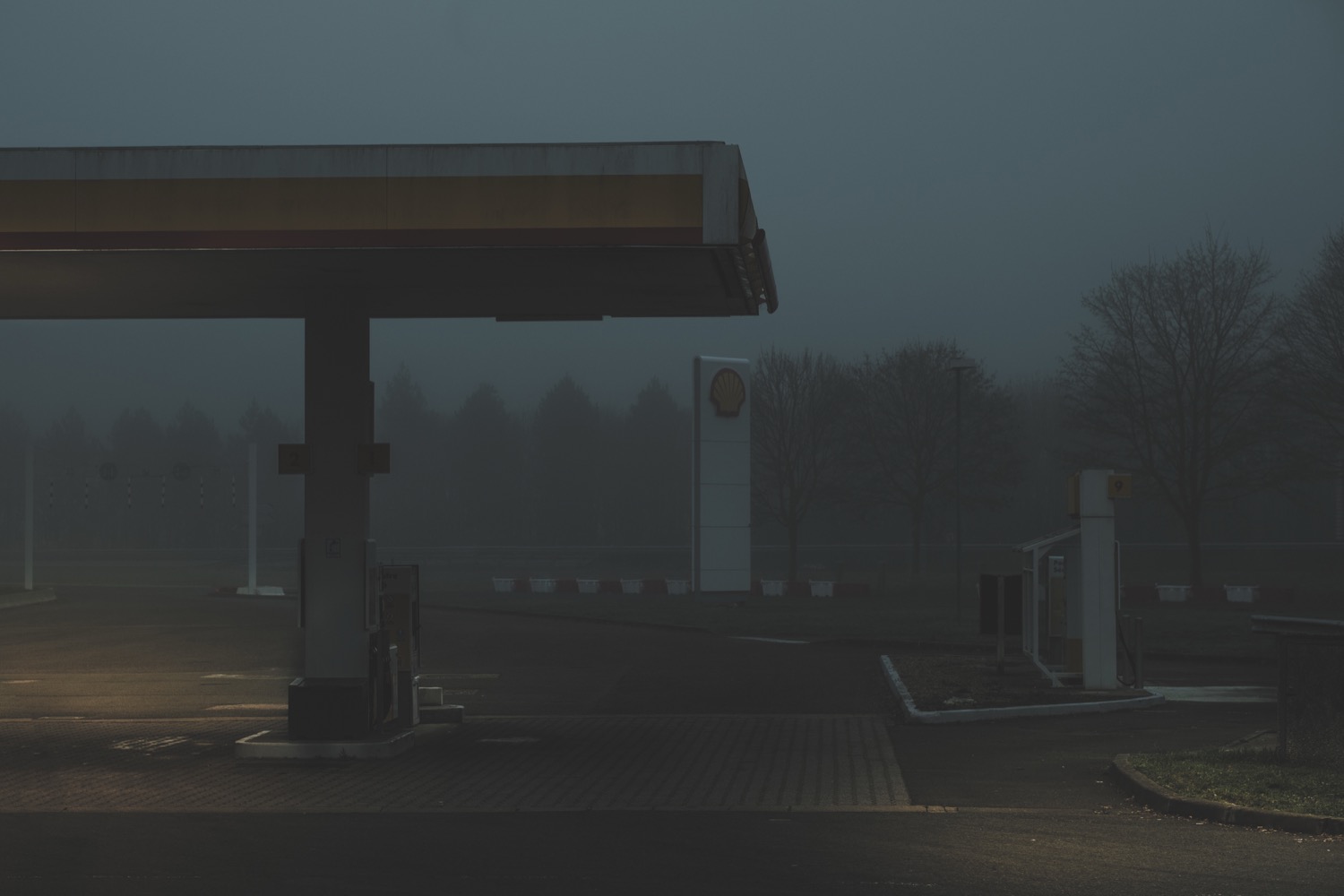
Rather than describing, I seek to suggest. Light shapes a fragile, fleeting reality, always on the verge of disappearing. It opens fragments of stories without ever completing them. Each photograph becomes a threshold where the visible yields to the imagined, allowing absence to acquire its own presence.
Through this series, I explore the fragile boundary between what is seen and what is sensed. Light ceases to be merely a physical phenomenon and becomes the last visible form of human presence. Every light is, in some way, the memory of a hearth—a quiet act of resistance against disappearance, a fragile inscription of life upon the landscape. Each image seeks the fleeting moment when light no longer reveals a presence but becomes one.
Through this series, I explore the fragile boundary between what is seen and what is sensed.
.svg)


.svg)
.svg)

Natural and artificial illumination becomes the central element of the series, linked by Lebegue to the hearth as an early source of warmth, shelter and communal life. Against dark surroundings, these lights indicate places shaped by human presence, even when their occupants remain unseen. Their fleeting appearance gives each scene a sense of a story that extends beyond the photograph. What Remains presents light as both a physical phenomenon and a carrier of human memory, making presence perceptible within otherwise darkened landscapes.
Franck Lebegue: I photograph landscapes and places where the human figure is absent, yet its presence endures in light. Whether natural or artificial, diffuse or singular, light is never merely part of the landscape; it becomes the visible expression of a presence that remains beyond sight.
The hearth is humanity's first light. Long before it illuminated our homes, it gathered people together, offered shelter, and gave the world a place to be inhabited. Every light I photograph carries something of that origin. It does more than illuminate a place—it preserves the quiet memory of a presence. I see these luminous traces as echoes of the primordial fire, still carrying its warmth, its mystery, and its promise.
Rather than describing, I seek to suggest. Light shapes a fragile, fleeting reality, always on the verge of disappearing. It opens fragments of stories without ever completing them. Each photograph becomes a threshold where the visible yields to the imagined, allowing absence to acquire its own presence.
Through this series, I explore the fragile boundary between what is seen and what is sensed. Light ceases to be merely a physical phenomenon and becomes the last visible form of human presence. Every light is, in some way, the memory of a hearth—a quiet act of resistance against disappearance, a fragile inscription of life upon the landscape. Each image seeks the fleeting moment when light no longer reveals a presence but becomes one.
Through this series, I explore the fragile boundary between what is seen and what is sensed.
Natural and artificial illumination becomes the central element of the series, linked by Lebegue to the hearth as an early source of warmth, shelter and communal life. Against dark surroundings, these lights indicate places shaped by human presence, even when their occupants remain unseen. Their fleeting appearance gives each scene a sense of a story that extends beyond the photograph. What Remains presents light as both a physical phenomenon and a carrier of human memory, making presence perceptible within otherwise darkened landscapes.
Franck Lebegue: I photograph landscapes and places where the human figure is absent, yet its presence endures in light. Whether natural or artificial, diffuse or singular, light is never merely part of the landscape; it becomes the visible expression of a presence that remains beyond sight.
The hearth is humanity's first light. Long before it illuminated our homes, it gathered people together, offered shelter, and gave the world a place to be inhabited. Every light I photograph carries something of that origin. It does more than illuminate a place—it preserves the quiet memory of a presence. I see these luminous traces as echoes of the primordial fire, still carrying its warmth, its mystery, and its promise.
Rather than describing, I seek to suggest. Light shapes a fragile, fleeting reality, always on the verge of disappearing. It opens fragments of stories without ever completing them. Each photograph becomes a threshold where the visible yields to the imagined, allowing absence to acquire its own presence.
Through this series, I explore the fragile boundary between what is seen and what is sensed. Light ceases to be merely a physical phenomenon and becomes the last visible form of human presence. Every light is, in some way, the memory of a hearth—a quiet act of resistance against disappearance, a fragile inscription of life upon the landscape. Each image seeks the fleeting moment when light no longer reveals a presence but becomes one.
Through this series, I explore the fragile boundary between what is seen and what is sensed.