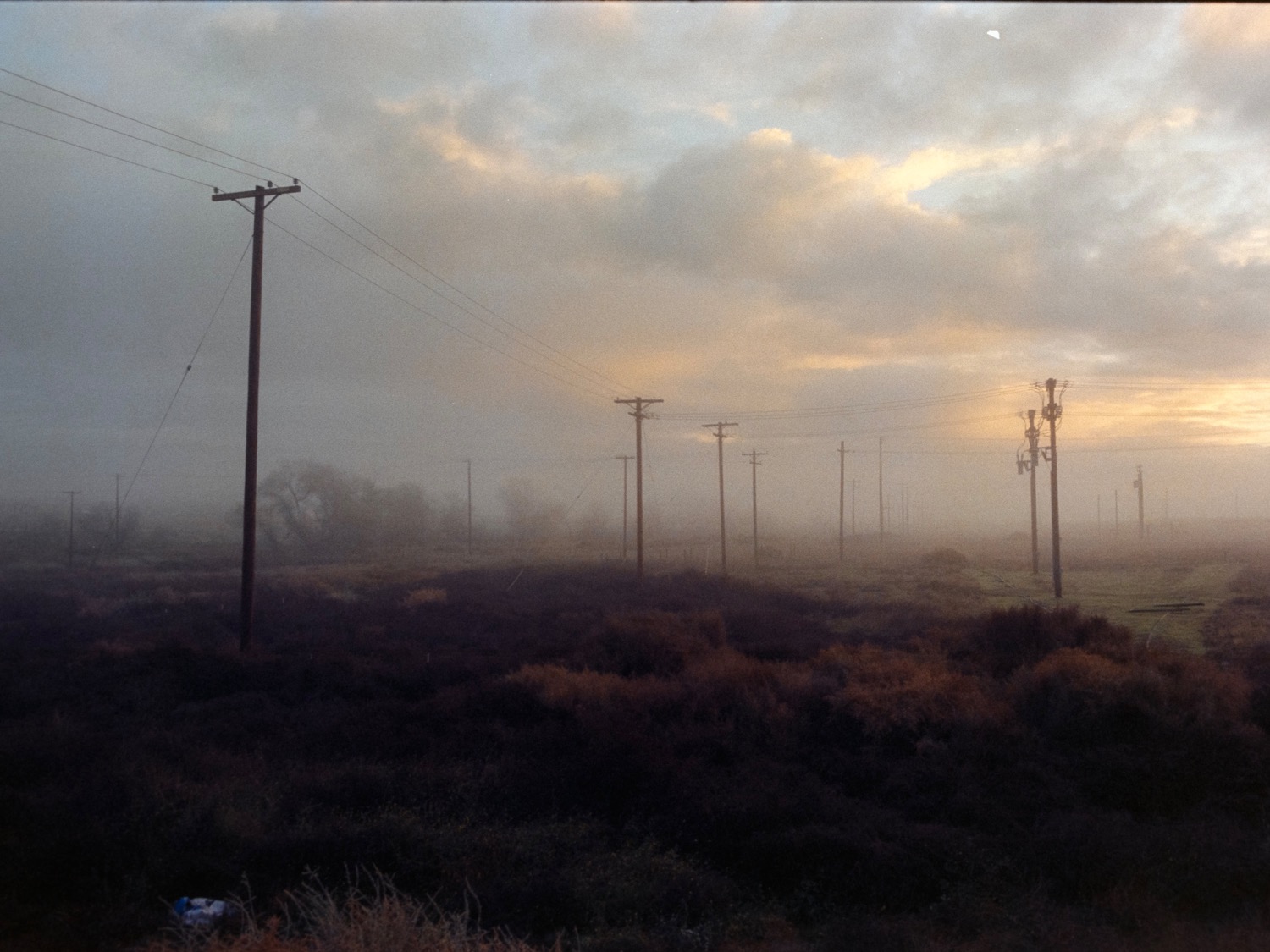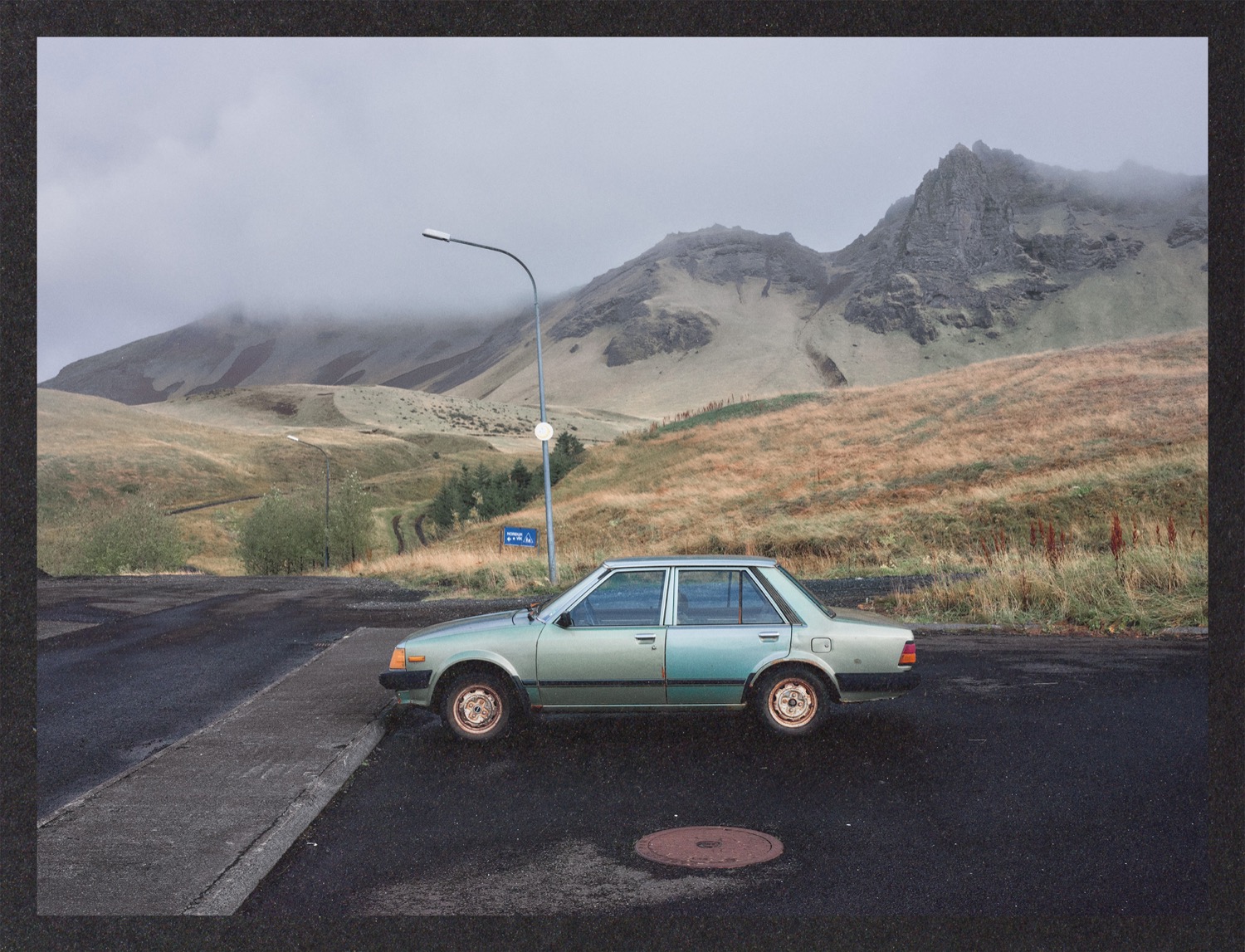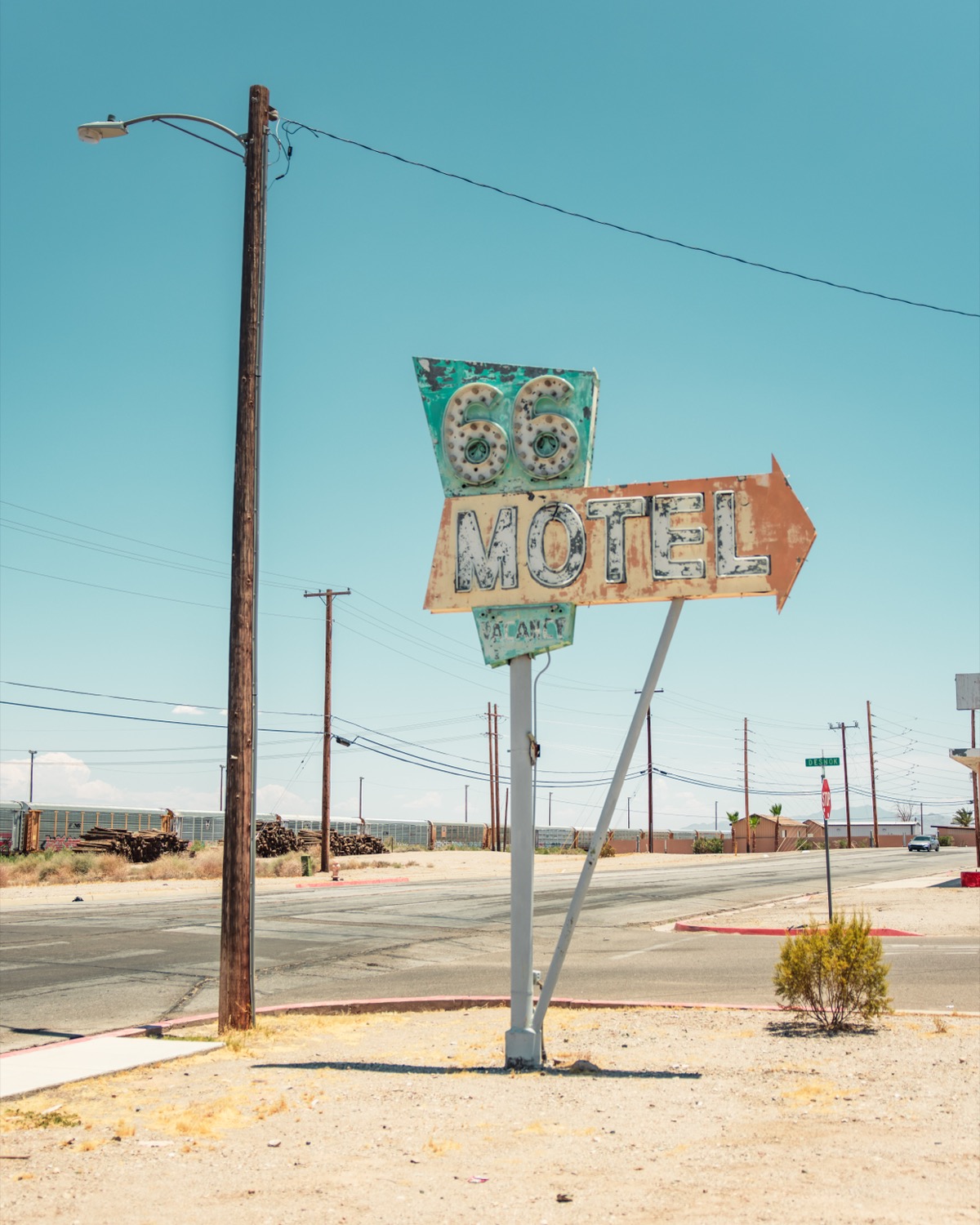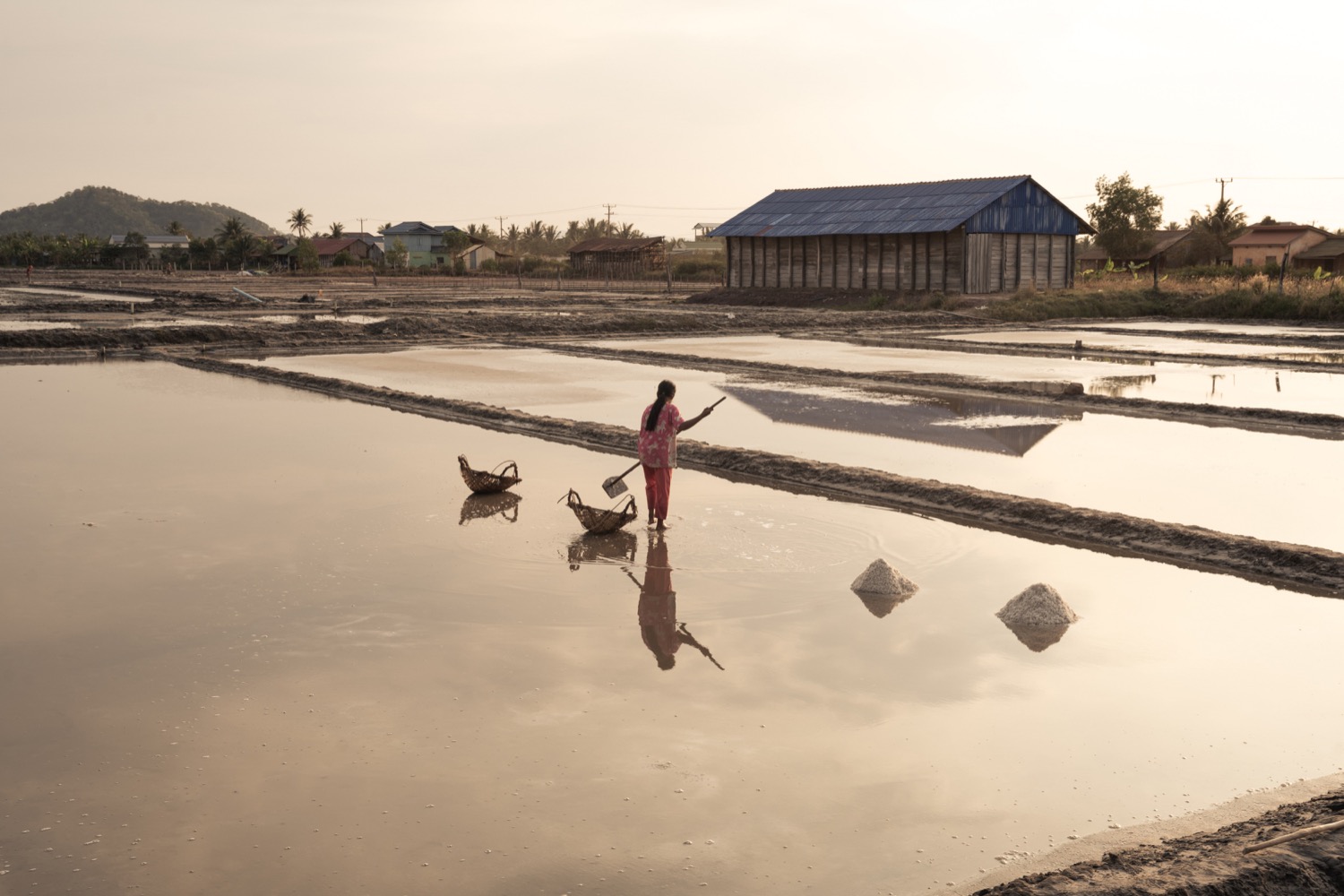
© Kaytlin Schmidt | On The Heels of My Shadow
Kaytlin Schmidt explores the relationship between infrastructure, the environment, and humanity’s capacity to adapt. She is drawn to the juxtaposition of industrial structures and the landscapes that surround them. “We critically rely on this infrastructure for electricity, transport, materials, and nearly everything the modern world has, yet it also oftentimes is slowly killing us and the natural world we also rely on. We adapted the landscape to meet our needs, and we have also adapted to the results of this terraforming, for better or worse.”
On The Heels of My Shadow touches on deindustrialisation while remaining open-ended and leaving room for interpretation. “I think my photography lightly encourages viewers to consider the complicated relationship between the environment and industry, though I don’t consider it to be a body of work that is making any hard environmentalist or capitalistic claims in either direction.” With her series, she aims to document and honour the places she photographs. “I think there’s a great deal of beauty in things people consider banal, boring, or even repulsive, and that the way we transform the world around us is awe-inspiring.”
Industrial Time Capsules
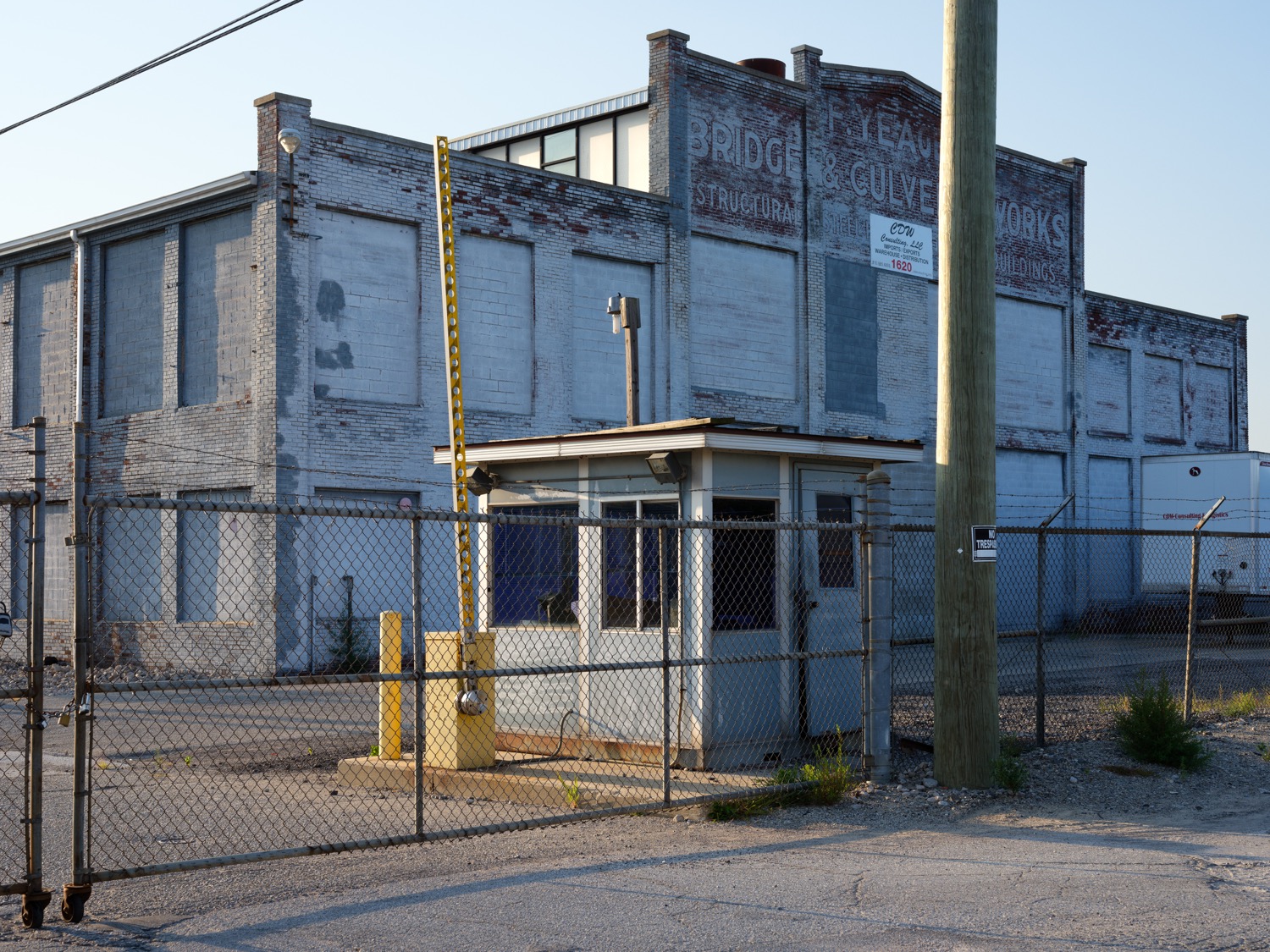
Documentation plays a central role in Schmidt’s practice. She often photographs structures like steel mills and power plants, many of which are being demolished, changing the physical landscape of the Rust Belt. “There is already a substantial difference between the present and ten years ago in many places. It’s very fulfilling to document these areas that have given so much to us over the years.” Her photos act as a record of sites and structures that might soon vanish. “I enjoy capturing these places and creating time capsules through my photographs.”
The photographs address the impact of deindustrialization and environmental contamination in areas affected by industrial decline, many of which still depend on industry for their livelihood. "I can also see my work influencing conversations about the importance of documentation of places and structures that may not stand the test of time. Rust Belt cities like Cleveland and Detroit have seen rapid demolition, making many neighbourhoods almost unrecognizable compared to ten, twenty, or thirty years ago.”
I enjoy capturing these places and creating time capsules through my photographs.
Rust Belt Landscapes
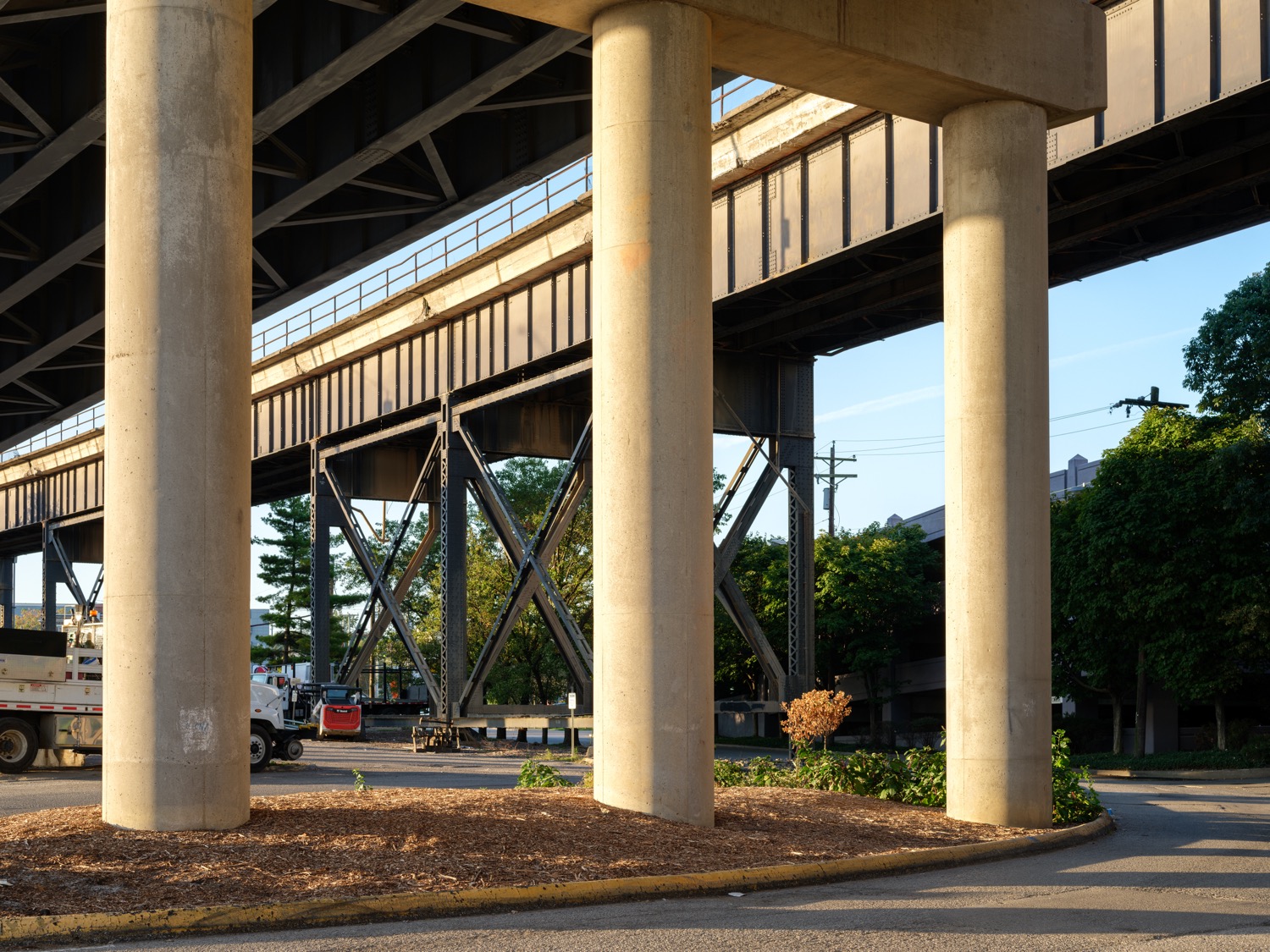
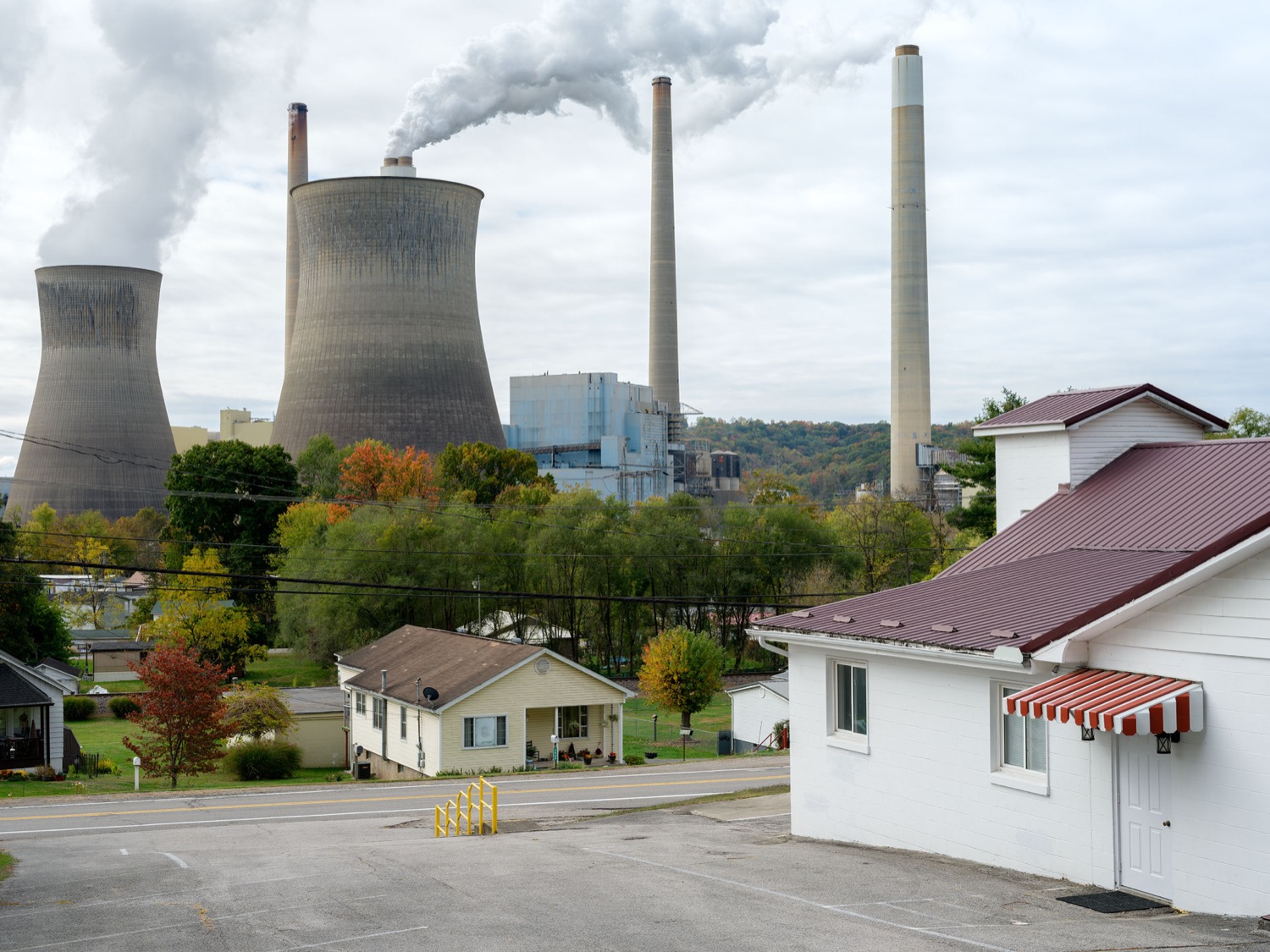
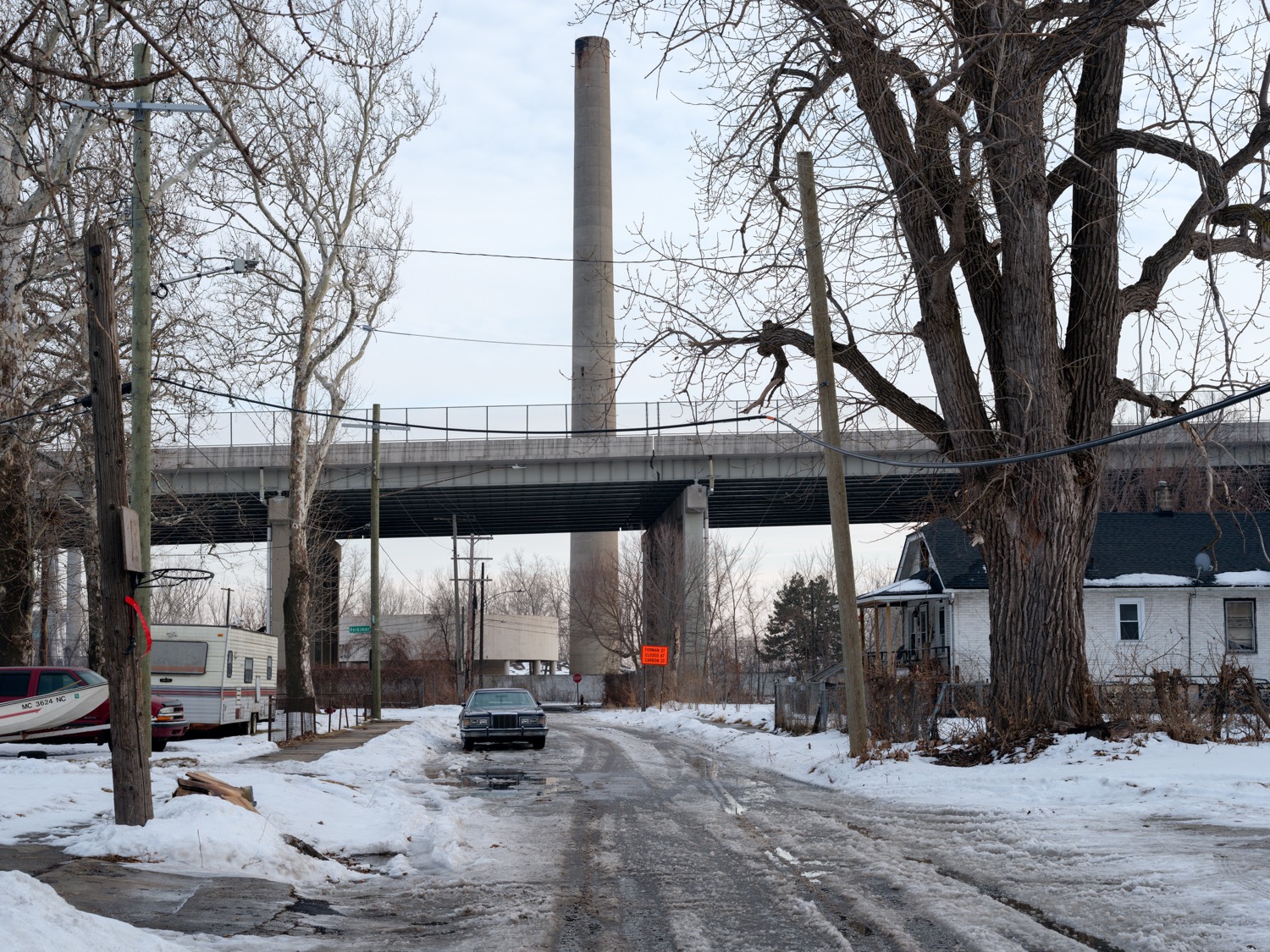
When photographing, she is drawn to the built environment and to scenes that capture the relationship between industry and the neighbourhoods, businesses and parks that surround it. “I find industrial structures to be very beautiful and awe-inspiring; to me, they feel like monoliths of humanity’s incredible ability to adapt to anything.”
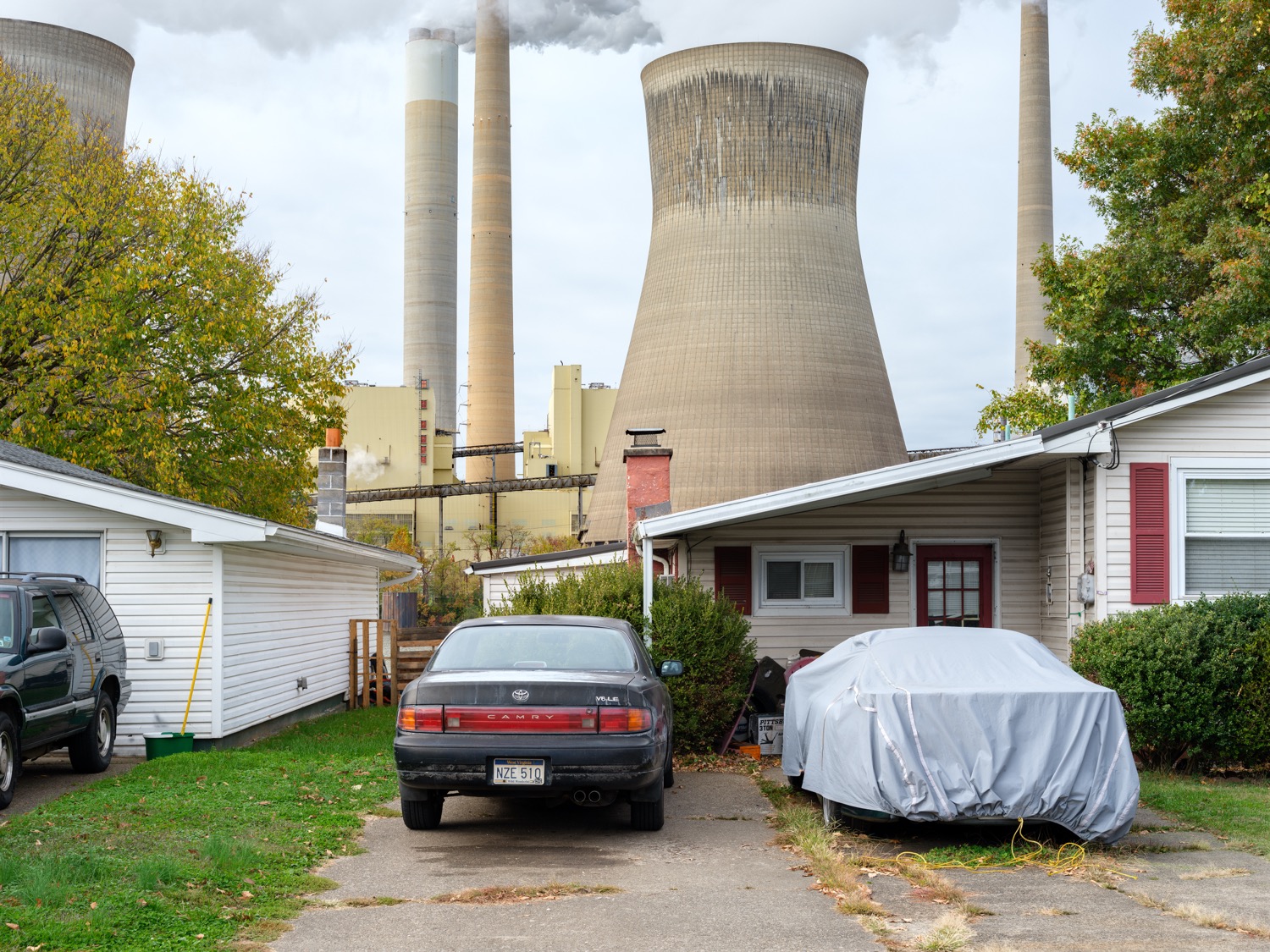
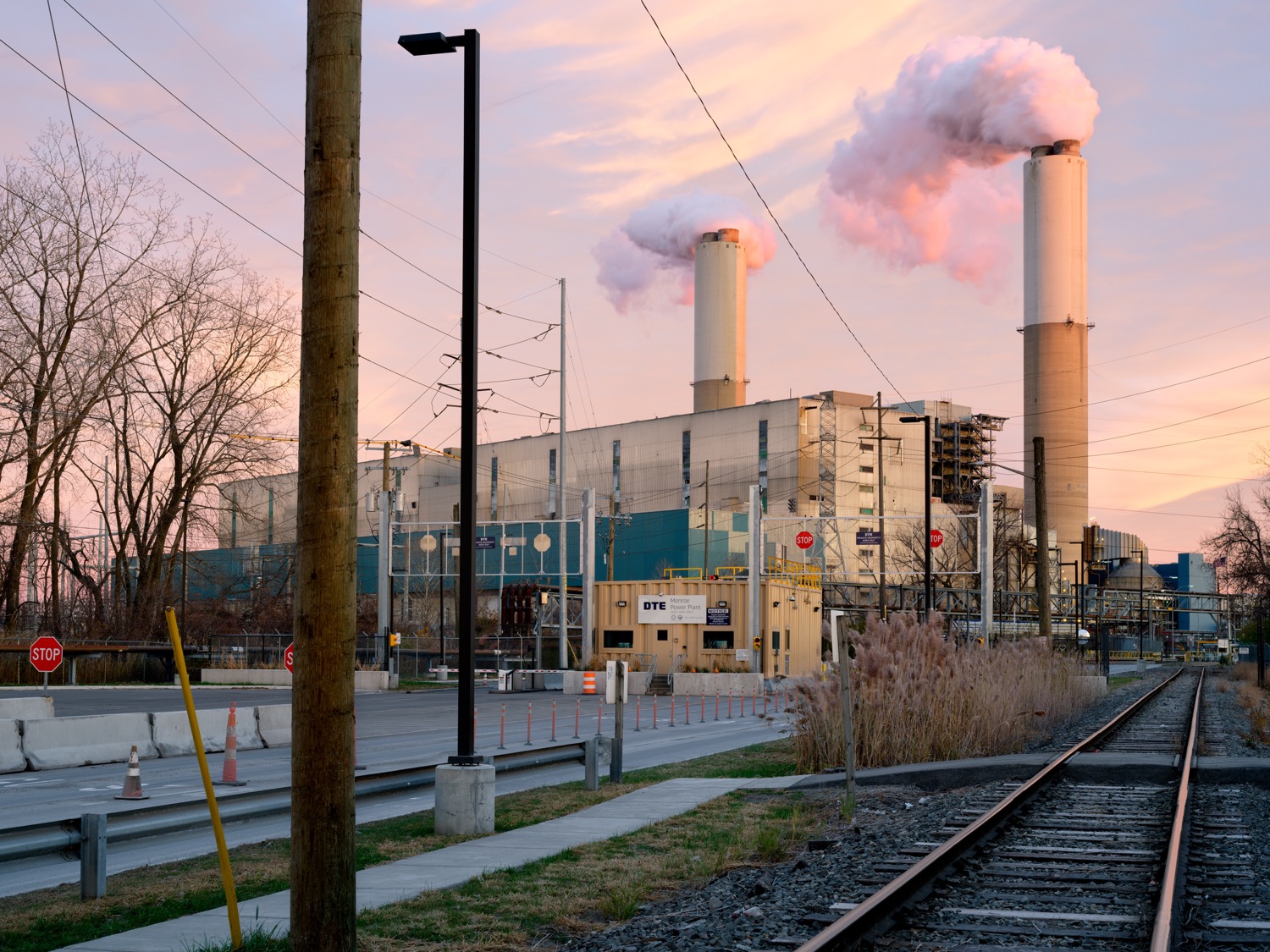
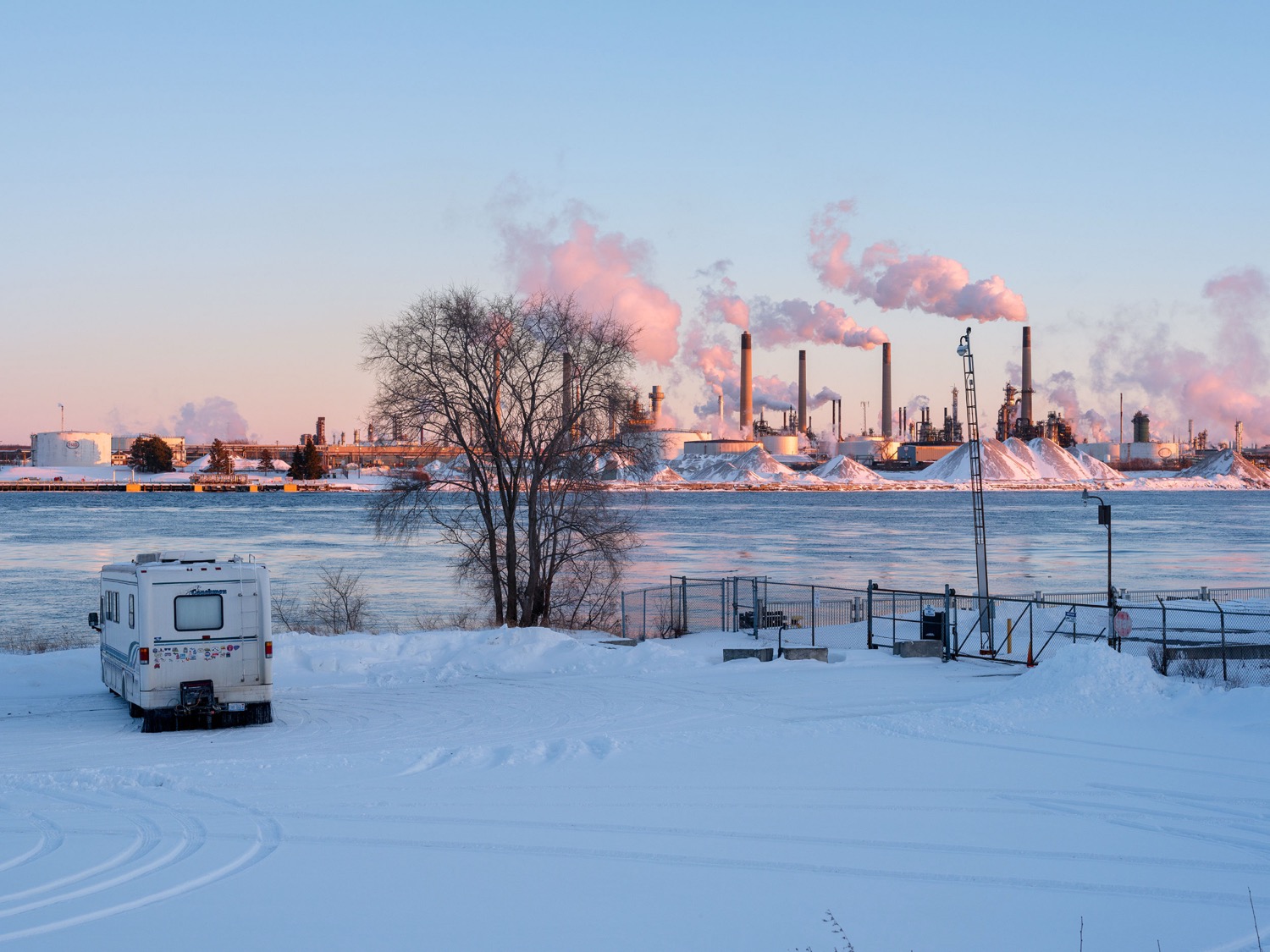
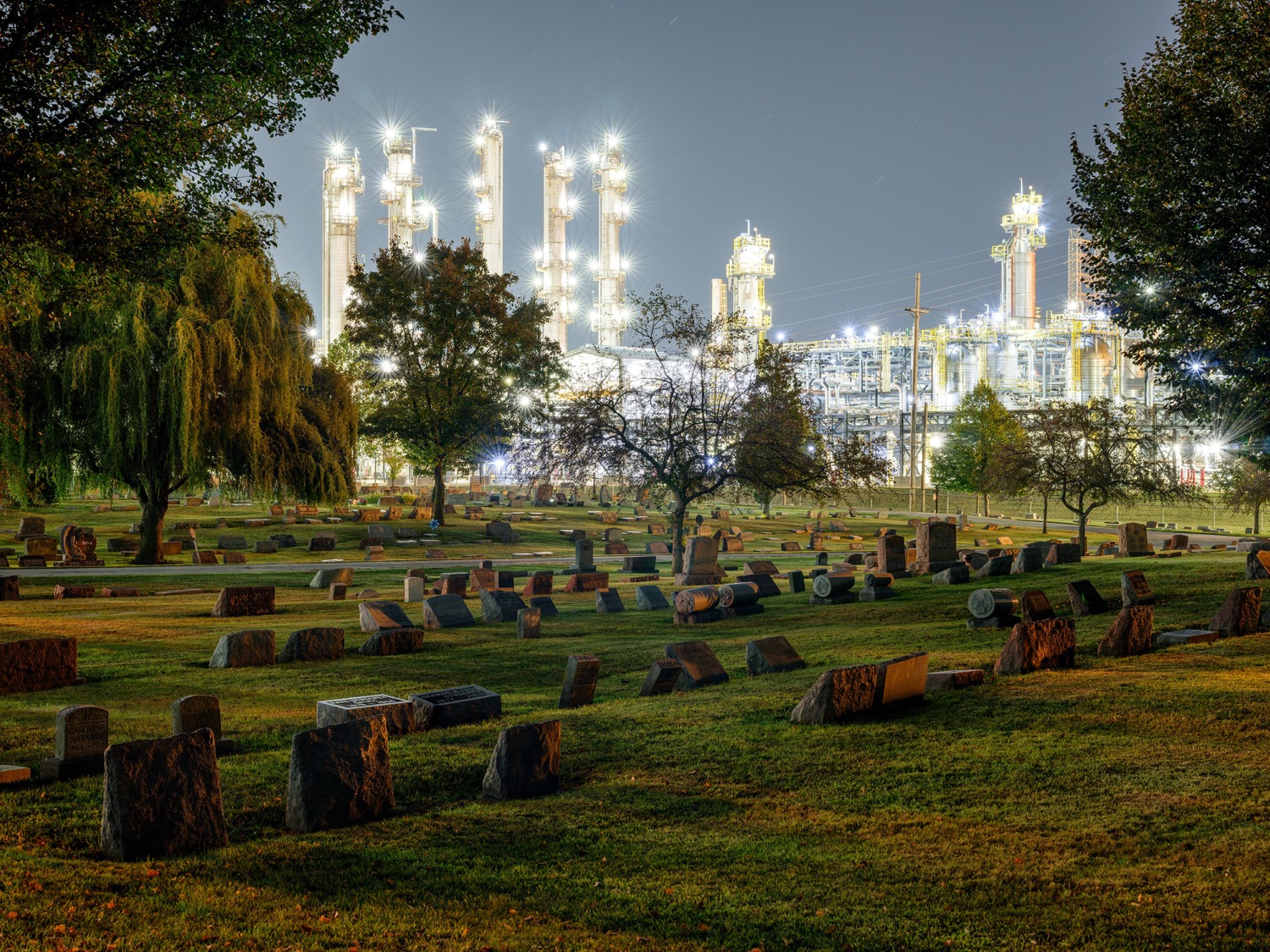
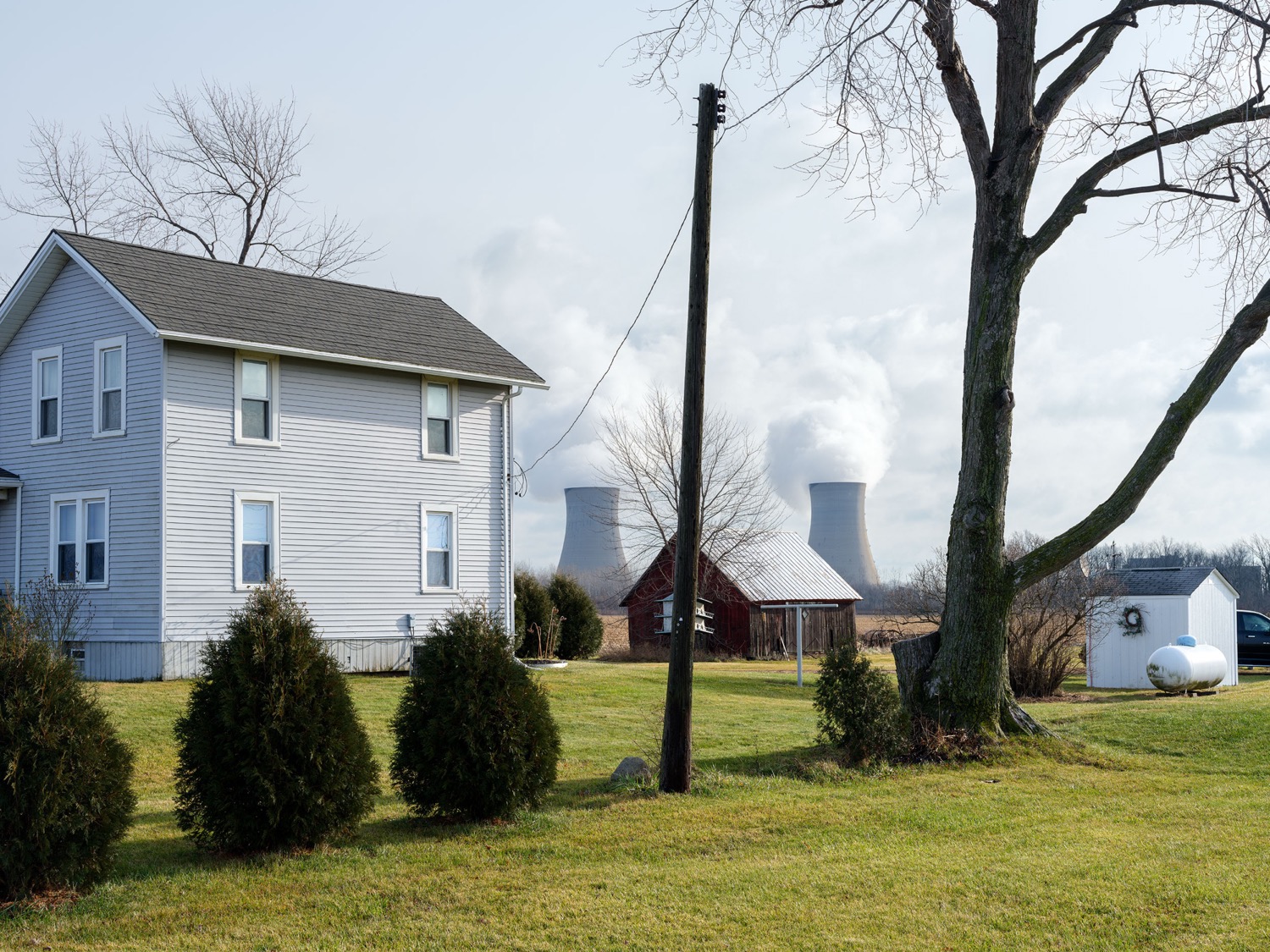
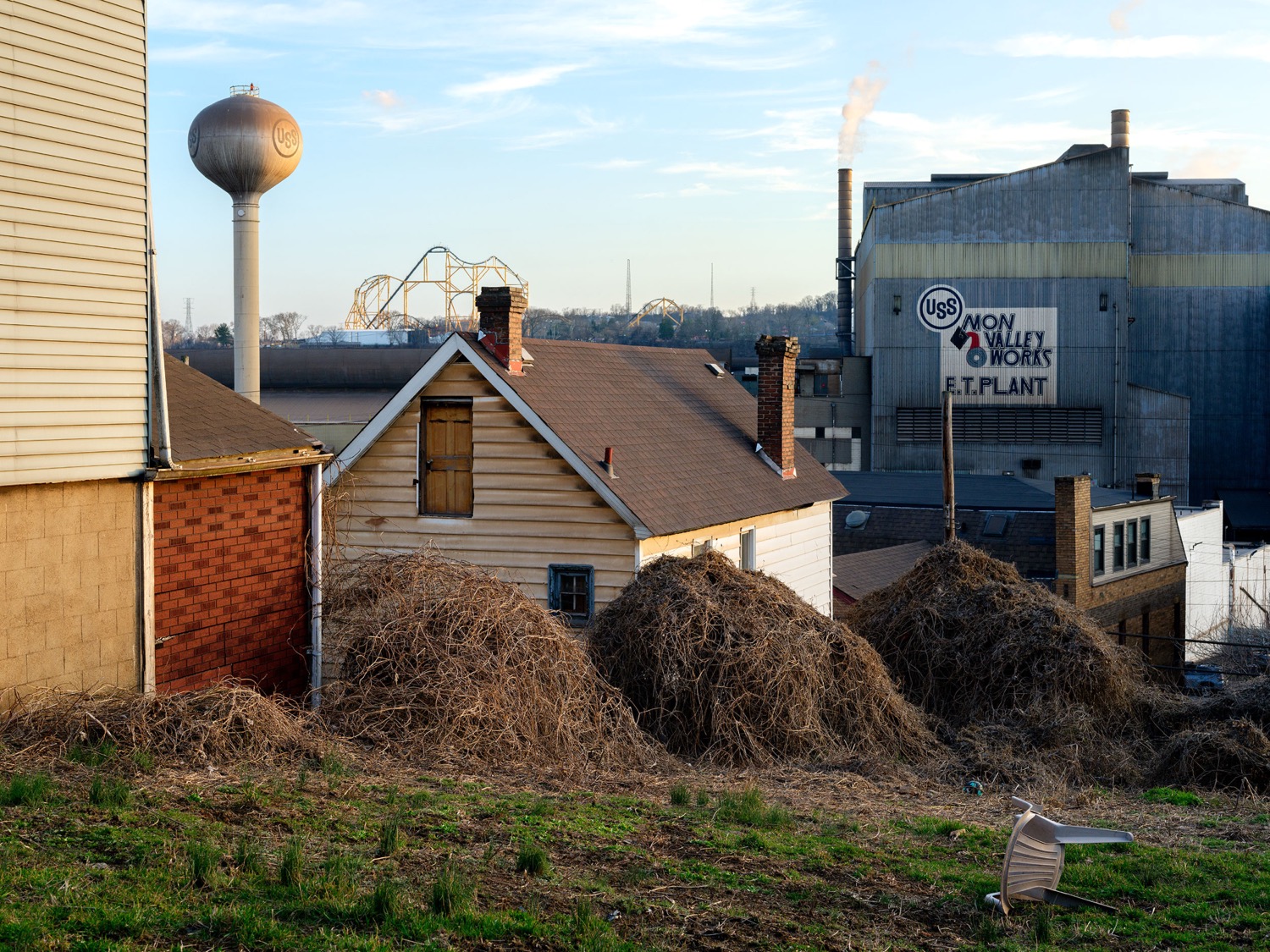
She sees a close relationship between industrialism and the world around it. “I photograph a lot of parks, homes, and businesses with refineries, bridges, steel mills, and power plants looming behind them. One cannot exist without the other.” Power plants are the most frequent industrial structures in her photographs and a current focus of her work. “I think it’s interesting how their stacks and cooling towers are almost like cloud makers and how overlooked they are despite their massive structures and importance to society.”
She generally avoids photographing people and has little interest in portraiture, focusing instead on what humanity has created. “I’m not quite sure why I have an aversion to photographing people. Maybe this is a subconscious reflection of the alienation I sometimes feel, and the kinship I have with the landscapes I photograph. I do think the lack of people helps put a focus on the place itself, while also bringing up an interesting thought: every scene is unmistakably touched by man, yet no one is captured.”
Photographic Influences
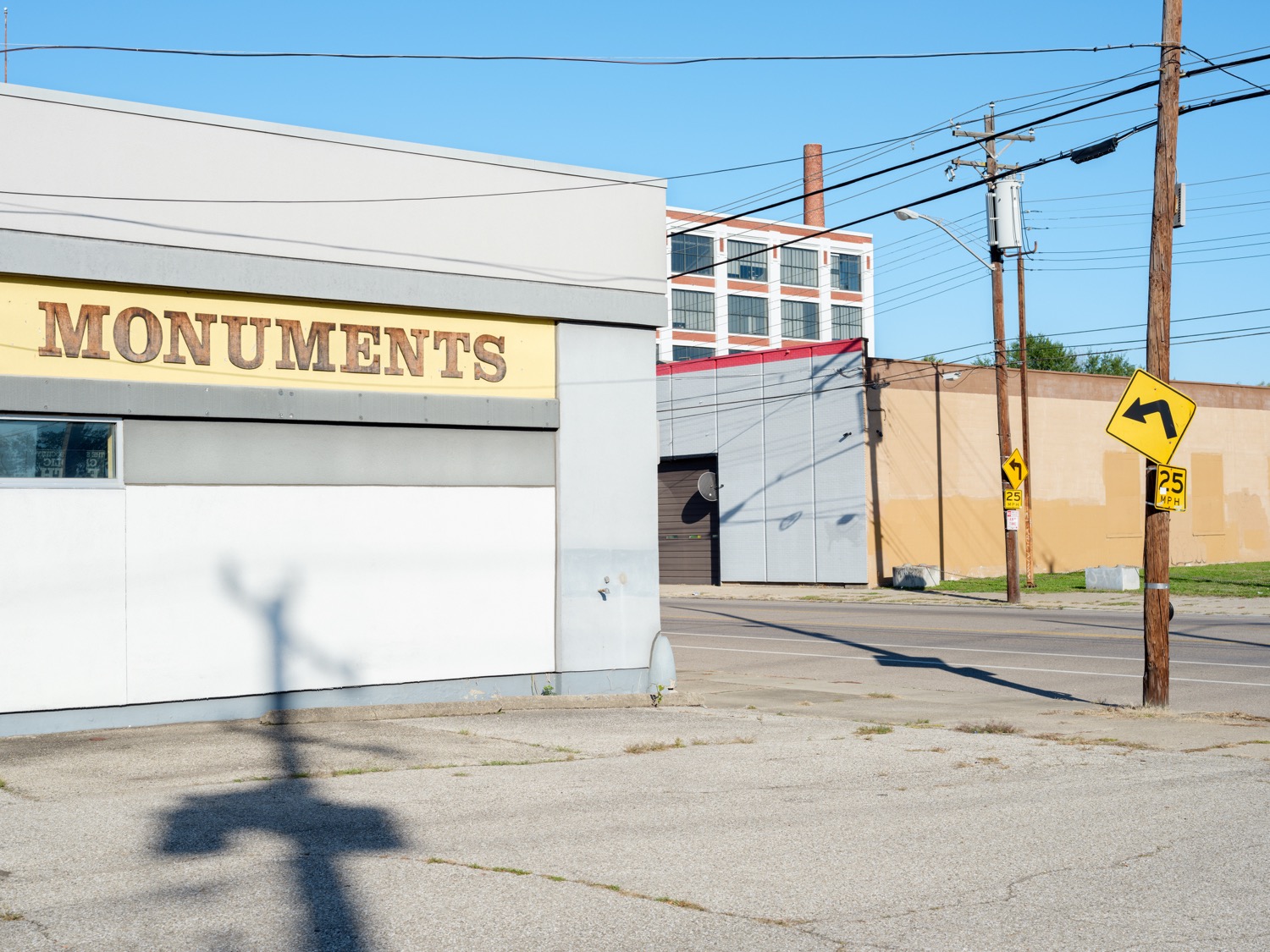
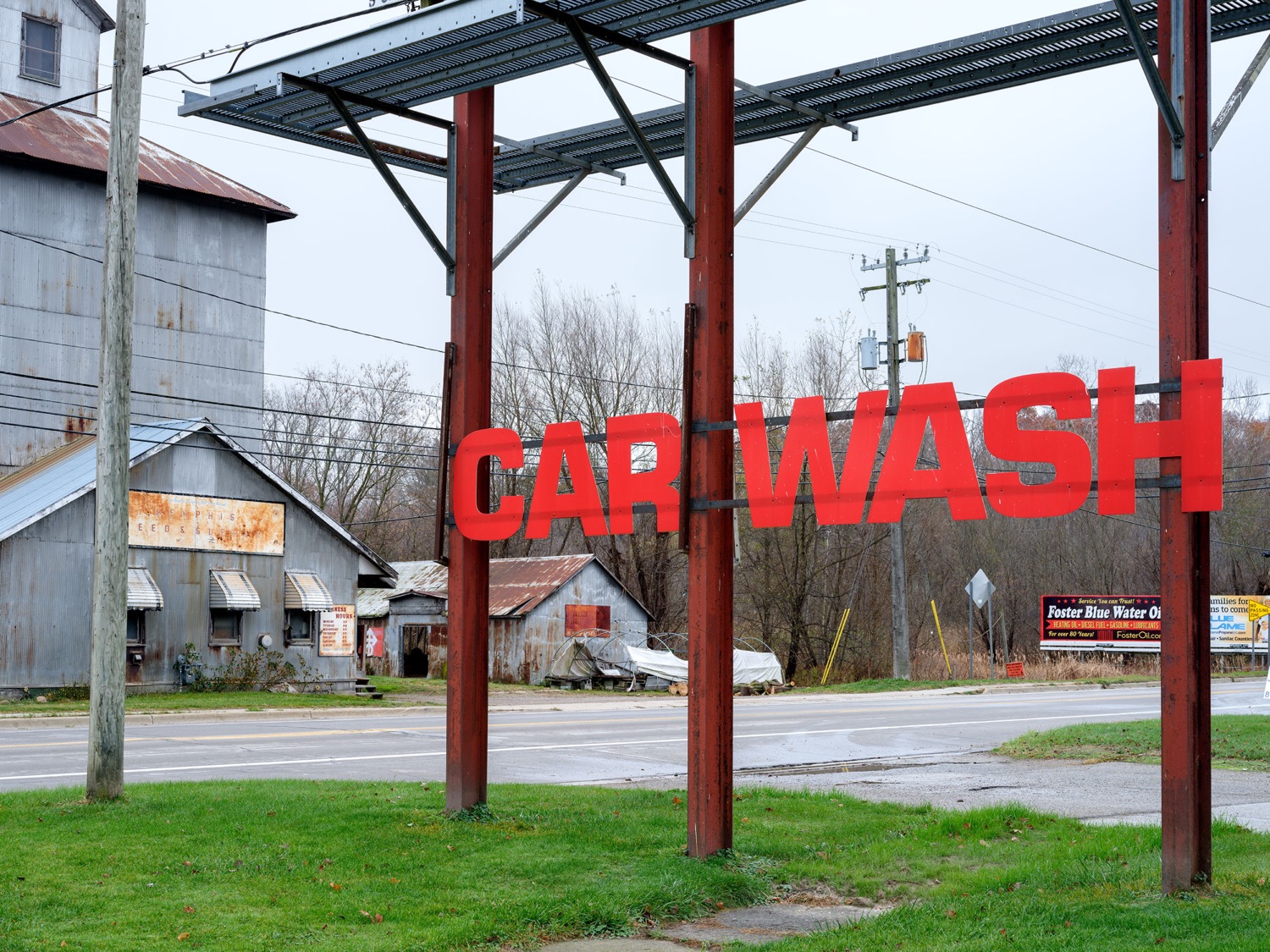
She is drawn to photographing signage, car washes, cemeteries, homes, and other elements that reflect the vernacular of a place, as well as scenes she finds humorous or bizarre. She considers these subjects part of the tradition of landscape photography. “This is very much in the tradition of masters like Stephen Shore, Joel Sternfeld, Mitch Epstein, and Richard Misrach.”
Her mentor, Noah Waldeck, has also influenced Schmidt’s approach to photography. “He instilled in me a passion for landscape photography and taught me almost everything about composition, concept, and technical skills. Much of my photographic style is a result of his guidance.”
Perfection in Perspective
Her relationship with the Rust Belt is shaped by her experiences of alienation and depression. “I sometimes feel alienated from the world around me, as well as stuck in my own head. I have some struggles with depression that have influenced the way I see the world.” These experiences have heightened her sensitivity to her surroundings and drawn her to bittersweet and often overlooked scenes. Her connection to the Rust Belt is also rooted in it being her home region.
Perfection shapes her approach to composition, viewing it as a way to honour and document the landscapes before they fade. “I think my feelings of isolation and depression have made me a bit addicted to the pursuit of the perfect image, as it gives me a surge of positive adrenaline and helps me feel connected to the world around me.”
Influenced by Sam Gulliver and Noah Waldeck, she is exploring a less controlled approach through offhand flash photography. “It could be really nice to shake off some of my perfectionist tendencies once in a while.”
Saturation and Composition
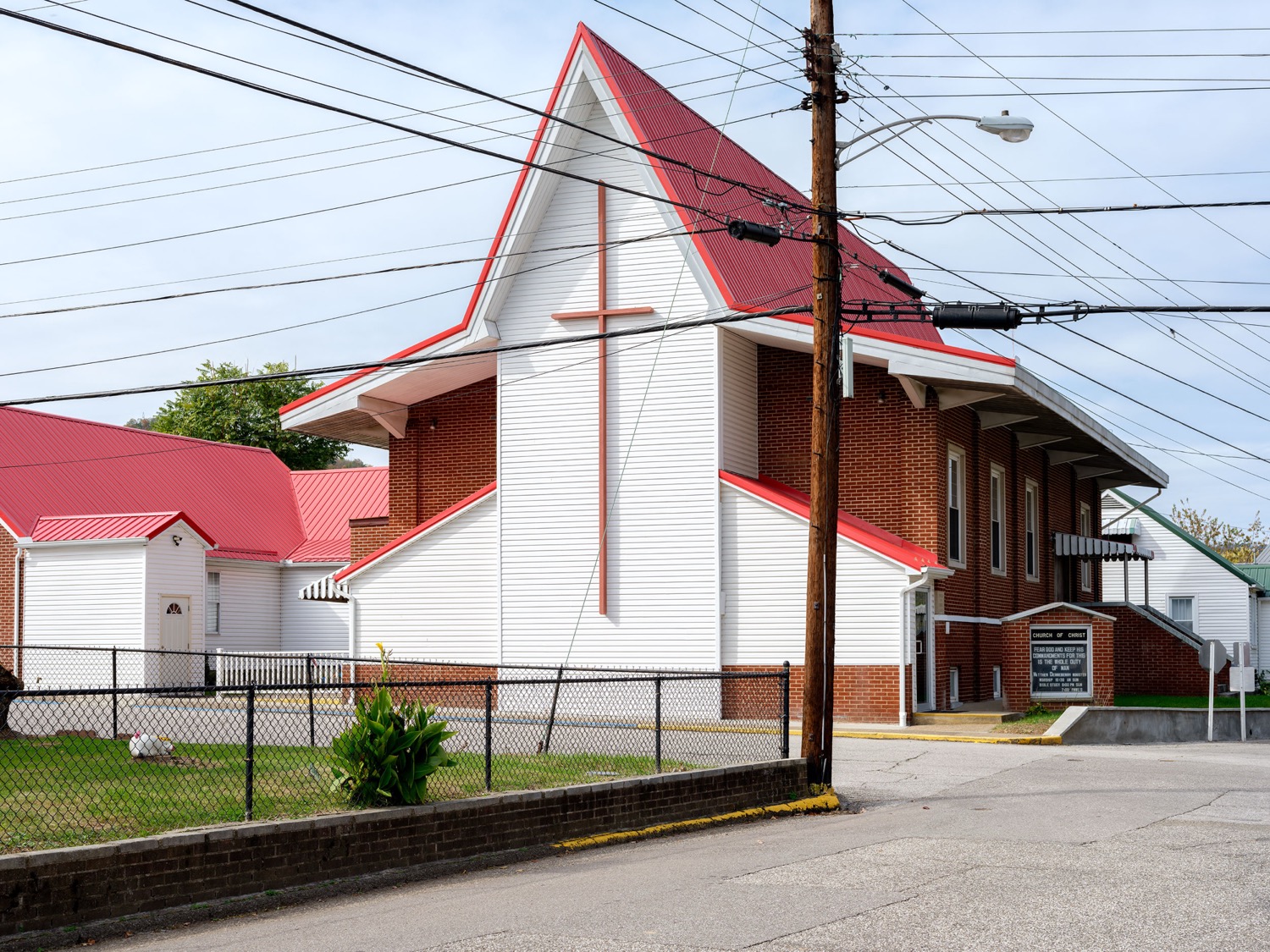
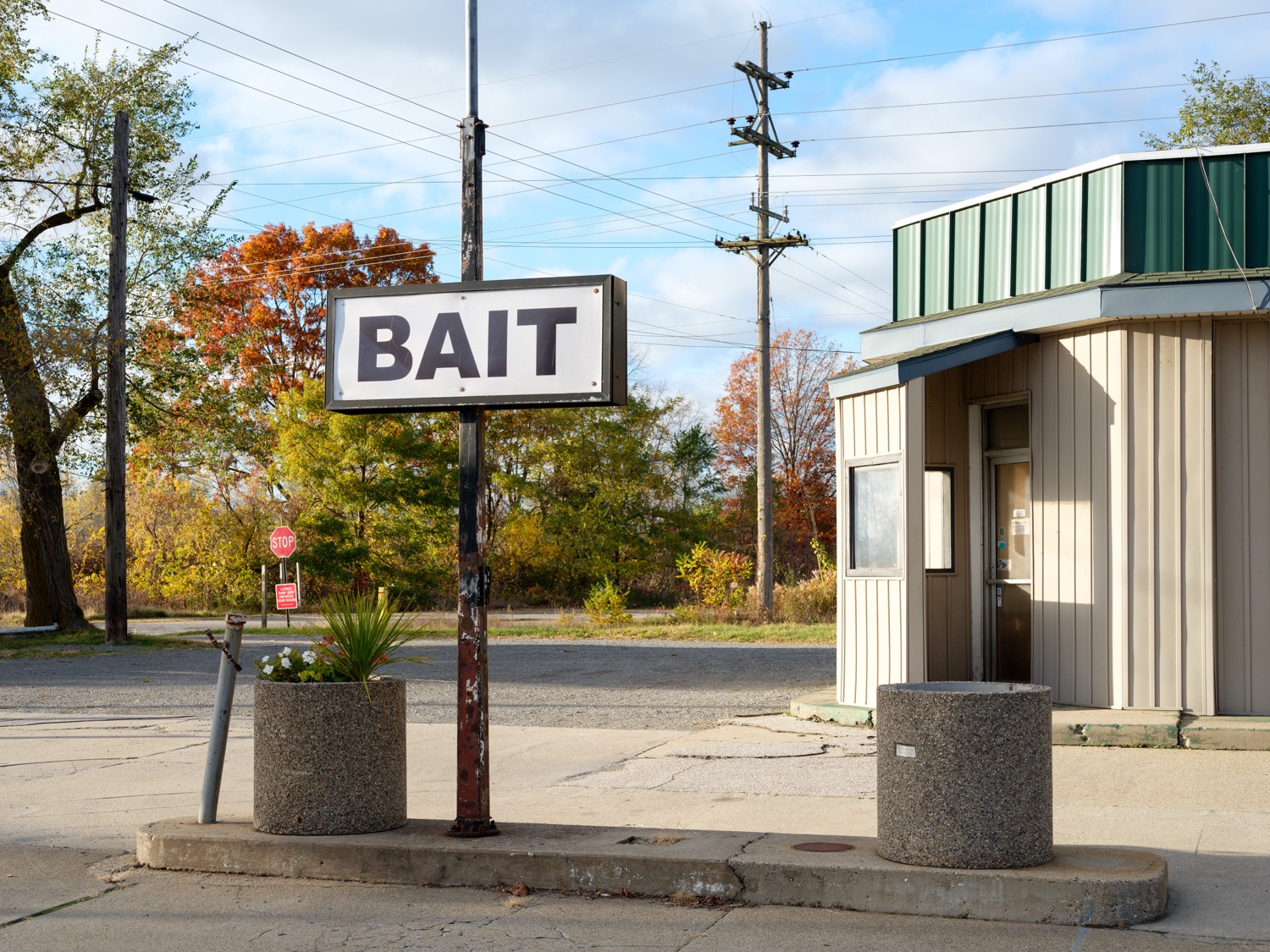
She aims to keep her compositions as taut as possible, using this approach to immerse viewers in the photograph, especially with large prints. “I often move closer and closer to my subject matter until I feel I’m too close. Sometimes I even crop parts of the scene to enhance mystery or fullness. I tend to favour very full images, much like traditional landscape photographers made their compositions.”
Her approach to colour keeps the tones accurate while using increased saturation. While out shooting, she uses a straightforward process. “I often bring a tripod with me to keep my ISO as low as possible and maintain control over my composition. All of this is an attempt to make my photographs as punchy as possible, especially in print, and to honour the places I am capturing.”
Beyond the Rust Belt
The Rust Belt remains an open-ended subject for her. “I could see On The Heels of My Shadow following a sort of chronology similar to Richard Misrach’s Desert Cantos, where there will be multiple sequels to the same project. I feel like I could photograph the Rust Belt forever. I always feel like I haven't captured everything, regardless of how many images I take. I am also open to starting new projects surrounding different regions in the future, even outside the U.S.”
Her future interests also extend to typological work. “Along a more typological vein, I’d also love to continue my Lake Huron seascape project Karegnondi, as well as make some Becher-style work of power plants and other industrial structures.”
Although she generally avoids photographing people, she is open to exploring environmental portraiture. “The times I have talked with locals while out photographing have always been very inspiring and made me feel more connected to the places I’m capturing, so I could see how environmental portraiture could further enhance that.”
I think my photography lightly encourages viewers to consider the complicated relationship between the environment and industry.
.svg)


.svg)
.svg)

Kaytlin Schmidt explores the relationship between infrastructure, the environment, and humanity’s capacity to adapt. She is drawn to the juxtaposition of industrial structures and the landscapes that surround them. “We critically rely on this infrastructure for electricity, transport, materials, and nearly everything the modern world has, yet it also oftentimes is slowly killing us and the natural world we also rely on. We adapted the landscape to meet our needs, and we have also adapted to the results of this terraforming, for better or worse.”
On The Heels of My Shadow touches on deindustrialisation while remaining open-ended and leaving room for interpretation. “I think my photography lightly encourages viewers to consider the complicated relationship between the environment and industry, though I don’t consider it to be a body of work that is making any hard environmentalist or capitalistic claims in either direction.” With her series, she aims to document and honour the places she photographs. “I think there’s a great deal of beauty in things people consider banal, boring, or even repulsive, and that the way we transform the world around us is awe-inspiring.”
Industrial Time Capsules
Documentation plays a central role in Schmidt’s practice. She often photographs structures like steel mills and power plants, many of which are being demolished, changing the physical landscape of the Rust Belt. “There is already a substantial difference between the present and ten years ago in many places. It’s very fulfilling to document these areas that have given so much to us over the years.” Her photos act as a record of sites and structures that might soon vanish. “I enjoy capturing these places and creating time capsules through my photographs.”
The photographs address the impact of deindustrialization and environmental contamination in areas affected by industrial decline, many of which still depend on industry for their livelihood. "I can also see my work influencing conversations about the importance of documentation of places and structures that may not stand the test of time. Rust Belt cities like Cleveland and Detroit have seen rapid demolition, making many neighbourhoods almost unrecognizable compared to ten, twenty, or thirty years ago.”
I enjoy capturing these places and creating time capsules through my photographs.
Rust Belt Landscapes
When photographing, she is drawn to the built environment and to scenes that capture the relationship between industry and the neighbourhoods, businesses and parks that surround it. “I find industrial structures to be very beautiful and awe-inspiring; to me, they feel like monoliths of humanity’s incredible ability to adapt to anything.”
She sees a close relationship between industrialism and the world around it. “I photograph a lot of parks, homes, and businesses with refineries, bridges, steel mills, and power plants looming behind them. One cannot exist without the other.” Power plants are the most frequent industrial structures in her photographs and a current focus of her work. “I think it’s interesting how their stacks and cooling towers are almost like cloud makers and how overlooked they are despite their massive structures and importance to society.”
She generally avoids photographing people and has little interest in portraiture, focusing instead on what humanity has created. “I’m not quite sure why I have an aversion to photographing people. Maybe this is a subconscious reflection of the alienation I sometimes feel, and the kinship I have with the landscapes I photograph. I do think the lack of people helps put a focus on the place itself, while also bringing up an interesting thought: every scene is unmistakably touched by man, yet no one is captured.”
Photographic Influences
She is drawn to photographing signage, car washes, cemeteries, homes, and other elements that reflect the vernacular of a place, as well as scenes she finds humorous or bizarre. She considers these subjects part of the tradition of landscape photography. “This is very much in the tradition of masters like Stephen Shore, Joel Sternfeld, Mitch Epstein, and Richard Misrach.”
Her mentor, Noah Waldeck, has also influenced Schmidt’s approach to photography. “He instilled in me a passion for landscape photography and taught me almost everything about composition, concept, and technical skills. Much of my photographic style is a result of his guidance.”
Perfection in Perspective
Her relationship with the Rust Belt is shaped by her experiences of alienation and depression. “I sometimes feel alienated from the world around me, as well as stuck in my own head. I have some struggles with depression that have influenced the way I see the world.” These experiences have heightened her sensitivity to her surroundings and drawn her to bittersweet and often overlooked scenes. Her connection to the Rust Belt is also rooted in it being her home region.
Perfection shapes her approach to composition, viewing it as a way to honour and document the landscapes before they fade. “I think my feelings of isolation and depression have made me a bit addicted to the pursuit of the perfect image, as it gives me a surge of positive adrenaline and helps me feel connected to the world around me.”
Influenced by Sam Gulliver and Noah Waldeck, she is exploring a less controlled approach through offhand flash photography. “It could be really nice to shake off some of my perfectionist tendencies once in a while.”
Saturation and Composition
She aims to keep her compositions as taut as possible, using this approach to immerse viewers in the photograph, especially with large prints. “I often move closer and closer to my subject matter until I feel I’m too close. Sometimes I even crop parts of the scene to enhance mystery or fullness. I tend to favour very full images, much like traditional landscape photographers made their compositions.”
Her approach to colour keeps the tones accurate while using increased saturation. While out shooting, she uses a straightforward process. “I often bring a tripod with me to keep my ISO as low as possible and maintain control over my composition. All of this is an attempt to make my photographs as punchy as possible, especially in print, and to honour the places I am capturing.”
Beyond the Rust Belt
The Rust Belt remains an open-ended subject for her. “I could see On The Heels of My Shadow following a sort of chronology similar to Richard Misrach’s Desert Cantos, where there will be multiple sequels to the same project. I feel like I could photograph the Rust Belt forever. I always feel like I haven't captured everything, regardless of how many images I take. I am also open to starting new projects surrounding different regions in the future, even outside the U.S.”
Her future interests also extend to typological work. “Along a more typological vein, I’d also love to continue my Lake Huron seascape project Karegnondi, as well as make some Becher-style work of power plants and other industrial structures.”
Although she generally avoids photographing people, she is open to exploring environmental portraiture. “The times I have talked with locals while out photographing have always been very inspiring and made me feel more connected to the places I’m capturing, so I could see how environmental portraiture could further enhance that.”
I think my photography lightly encourages viewers to consider the complicated relationship between the environment and industry.
Kaytlin Schmidt explores the relationship between infrastructure, the environment, and humanity’s capacity to adapt. She is drawn to the juxtaposition of industrial structures and the landscapes that surround them. “We critically rely on this infrastructure for electricity, transport, materials, and nearly everything the modern world has, yet it also oftentimes is slowly killing us and the natural world we also rely on. We adapted the landscape to meet our needs, and we have also adapted to the results of this terraforming, for better or worse.”
On The Heels of My Shadow touches on deindustrialisation while remaining open-ended and leaving room for interpretation. “I think my photography lightly encourages viewers to consider the complicated relationship between the environment and industry, though I don’t consider it to be a body of work that is making any hard environmentalist or capitalistic claims in either direction.” With her series, she aims to document and honour the places she photographs. “I think there’s a great deal of beauty in things people consider banal, boring, or even repulsive, and that the way we transform the world around us is awe-inspiring.”
Industrial Time Capsules
Documentation plays a central role in Schmidt’s practice. She often photographs structures like steel mills and power plants, many of which are being demolished, changing the physical landscape of the Rust Belt. “There is already a substantial difference between the present and ten years ago in many places. It’s very fulfilling to document these areas that have given so much to us over the years.” Her photos act as a record of sites and structures that might soon vanish. “I enjoy capturing these places and creating time capsules through my photographs.”
The photographs address the impact of deindustrialization and environmental contamination in areas affected by industrial decline, many of which still depend on industry for their livelihood. "I can also see my work influencing conversations about the importance of documentation of places and structures that may not stand the test of time. Rust Belt cities like Cleveland and Detroit have seen rapid demolition, making many neighbourhoods almost unrecognizable compared to ten, twenty, or thirty years ago.”
I enjoy capturing these places and creating time capsules through my photographs.
Rust Belt Landscapes
When photographing, she is drawn to the built environment and to scenes that capture the relationship between industry and the neighbourhoods, businesses and parks that surround it. “I find industrial structures to be very beautiful and awe-inspiring; to me, they feel like monoliths of humanity’s incredible ability to adapt to anything.”
She sees a close relationship between industrialism and the world around it. “I photograph a lot of parks, homes, and businesses with refineries, bridges, steel mills, and power plants looming behind them. One cannot exist without the other.” Power plants are the most frequent industrial structures in her photographs and a current focus of her work. “I think it’s interesting how their stacks and cooling towers are almost like cloud makers and how overlooked they are despite their massive structures and importance to society.”
She generally avoids photographing people and has little interest in portraiture, focusing instead on what humanity has created. “I’m not quite sure why I have an aversion to photographing people. Maybe this is a subconscious reflection of the alienation I sometimes feel, and the kinship I have with the landscapes I photograph. I do think the lack of people helps put a focus on the place itself, while also bringing up an interesting thought: every scene is unmistakably touched by man, yet no one is captured.”
Photographic Influences
She is drawn to photographing signage, car washes, cemeteries, homes, and other elements that reflect the vernacular of a place, as well as scenes she finds humorous or bizarre. She considers these subjects part of the tradition of landscape photography. “This is very much in the tradition of masters like Stephen Shore, Joel Sternfeld, Mitch Epstein, and Richard Misrach.”
Her mentor, Noah Waldeck, has also influenced Schmidt’s approach to photography. “He instilled in me a passion for landscape photography and taught me almost everything about composition, concept, and technical skills. Much of my photographic style is a result of his guidance.”
Perfection in Perspective
Her relationship with the Rust Belt is shaped by her experiences of alienation and depression. “I sometimes feel alienated from the world around me, as well as stuck in my own head. I have some struggles with depression that have influenced the way I see the world.” These experiences have heightened her sensitivity to her surroundings and drawn her to bittersweet and often overlooked scenes. Her connection to the Rust Belt is also rooted in it being her home region.
Perfection shapes her approach to composition, viewing it as a way to honour and document the landscapes before they fade. “I think my feelings of isolation and depression have made me a bit addicted to the pursuit of the perfect image, as it gives me a surge of positive adrenaline and helps me feel connected to the world around me.”
Influenced by Sam Gulliver and Noah Waldeck, she is exploring a less controlled approach through offhand flash photography. “It could be really nice to shake off some of my perfectionist tendencies once in a while.”
Saturation and Composition
She aims to keep her compositions as taut as possible, using this approach to immerse viewers in the photograph, especially with large prints. “I often move closer and closer to my subject matter until I feel I’m too close. Sometimes I even crop parts of the scene to enhance mystery or fullness. I tend to favour very full images, much like traditional landscape photographers made their compositions.”
Her approach to colour keeps the tones accurate while using increased saturation. While out shooting, she uses a straightforward process. “I often bring a tripod with me to keep my ISO as low as possible and maintain control over my composition. All of this is an attempt to make my photographs as punchy as possible, especially in print, and to honour the places I am capturing.”
Beyond the Rust Belt
The Rust Belt remains an open-ended subject for her. “I could see On The Heels of My Shadow following a sort of chronology similar to Richard Misrach’s Desert Cantos, where there will be multiple sequels to the same project. I feel like I could photograph the Rust Belt forever. I always feel like I haven't captured everything, regardless of how many images I take. I am also open to starting new projects surrounding different regions in the future, even outside the U.S.”
Her future interests also extend to typological work. “Along a more typological vein, I’d also love to continue my Lake Huron seascape project Karegnondi, as well as make some Becher-style work of power plants and other industrial structures.”
Although she generally avoids photographing people, she is open to exploring environmental portraiture. “The times I have talked with locals while out photographing have always been very inspiring and made me feel more connected to the places I’m capturing, so I could see how environmental portraiture could further enhance that.”
I think my photography lightly encourages viewers to consider the complicated relationship between the environment and industry.