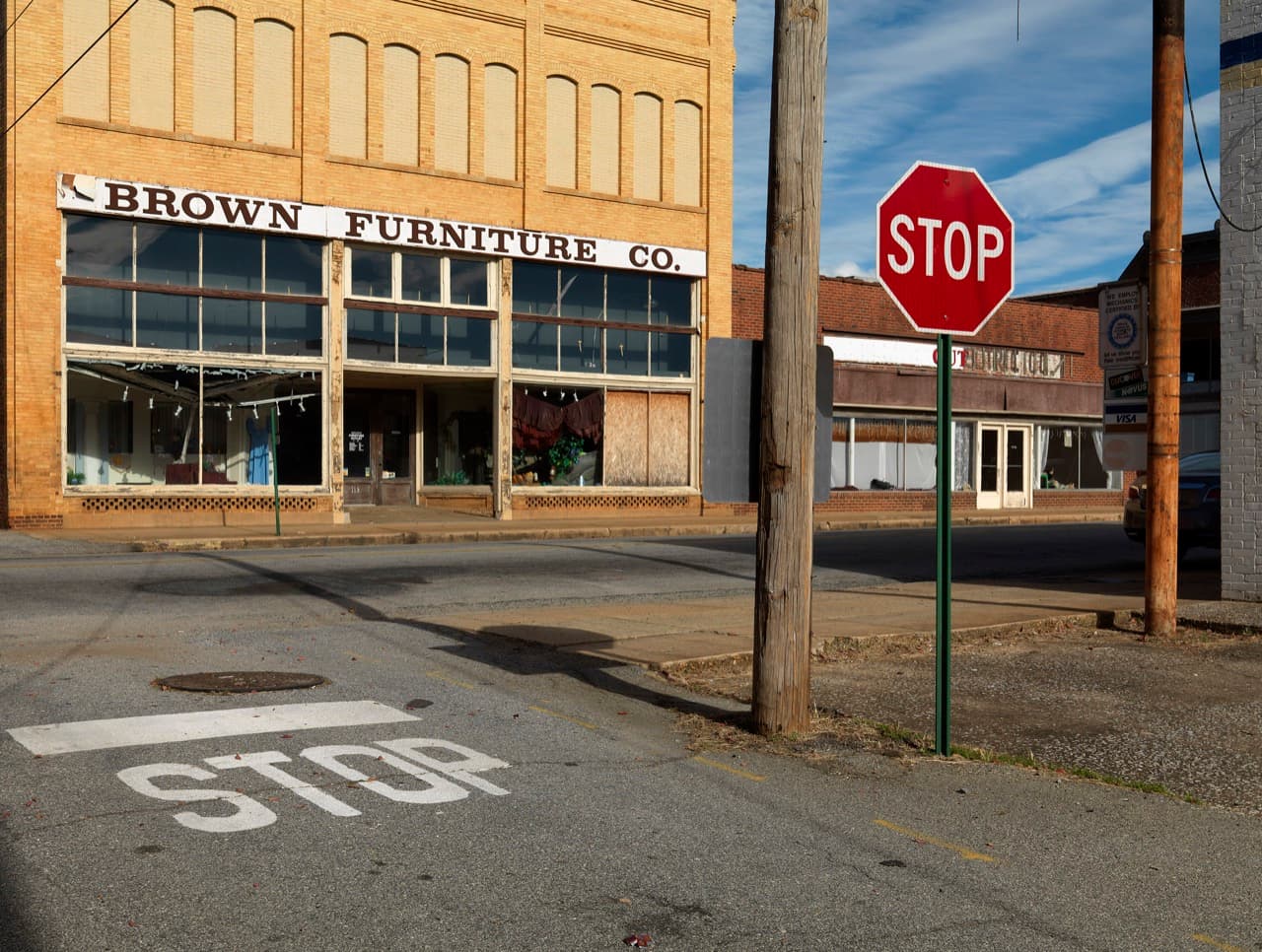
Dessert First! chronicles Quevedo's travels across the United States.
13 photographers from Austria, Belgium, Benin, Cambodia, Japan, Lebanon, Mexico, Nigeria, South Africa, Switzerland, USA
A story about migrant workers during lockdown
I want to see what my father saw, and I want him to see what I see
A theoretical and philosophical investigation in the deadpan photography.
Tim Franco made portraits of North Korean Defectors
Internet users can choose the best works shortlisted at the Andrei Stenin International Press Photo Contest 2021
Misia-O’ will unveil ‘Different Shades of White’ photographic series at Arles
The jury scrutinized approximately 4,500 entries from 70 countries.
Here, I've come across the morning fogs, the rivers, the birds and the trees.
Sorry for the Lack of Contact—this phrase has become a recurring refrain in the past few years of my life.
For me, photography is more than a visual medium—it is a profound exploration of humanity, culture, and identity.
My photography is artistic and based on long exposure that allows me to melt different layers of images to create a pictorial effect.
What is religion and what is faith? What is the connection between the two?
Contemporary China resembles a runaway high-speed train, leaving my memories and language trailing behind.
Artdoc Issue #1 2022, The Artivists, brings the views of artivist photographers about topics like justice, environment and genocide. We present two major projects of Gideon Mendel about the devastating effect of climate change. In addition, we show the work of Jan Banning, who is fighting for the release of an innocent prisoner. Barry Salzman visualises traumas of modern-day holocausts, photographing landscapes at different sites of genocide. Finally, Nicolas Boyer shows the dark side of everyday life in Japan. In the face of the recent horrific developments, the work of honest photographers remains highly relevant.
In this last issue of the year, Artdoc Photography Magazine presents the vision of female photographers. Female photographers have a great capacity for empathy with which they metaphorically portray the world of emotions and personal experiences. Through the camera lens, they do not record factual reality but they show their expressive and subjective vision of the turbulent world. Featured in Issue 6 Female Visions: Rania Matar, Cecilia Reynoso, Katja Liebmann, Catherine Dovellos, Daria Dar, Maura Jamieson, Lara Gilks and Paula Rae Gibson.
In this issue #5, Artdoc brings the photographer as the lens-based artist, who shows us the reality we tend to overlook. Michele Borzoni photographs the often hidden places where people work. Peter Bialobrzeski showed the chaos in the outskirts of Mumbai. Dario Mitidieri photographed Syrian families in an open-air studio. Chloe Sells constructs landscapes with layers of textures and colours to express her experience of nature. And the exhibition Lens Based Art shows the work of experimental photographers.
In Artdoc Issue #4 2021we bring photographers who investigate our complex reality. French photographer Mathieu Asselin said this about his documentary project Monsanto: a photographic investigation: “You can have your own truth, but you cannot have your own facts.” Indian photographer Alakananda Nag delved into her city’s history, concluding that the Armenians could be the founding fathers of Calcutta. French photographer Florian Ruiz distorted his images as a metaphor for the environmental distortion of the radioactive sites in China. The Artdoc exhibition Documentary Stories shows different photographers who all engage in new ways of visual storytelling. In his essay, Koray Değirmenci discusses the validity of the manipulated digital image. We should read modern multi-layered photographs as metaphors of invisible realities.
In many parts of the world, humans are looking for a better life in political freedom, social justice, and happiness. In Artdoc Issue #3-2021, we bring stories of defectors, refugees and survivors. Tim Franco photographed North Korean defectors in Seoul. Charlotte Schmitz took images of refugees arriving at the Greek islands. In Peru, Max Cabello Orcasitas captured the grief of the survivors of the battles between the government and the Shining Path. Sébastien Cuvelier searched for Paradise in Iran and found walled gardens. Finally, Simon Norfolk photographed the struggle against global warming in the Swiss glaciers.
Is documentary photography art? In Artdoc Issue #2-2021, we bring artistic approaches to documentary photography. First, Cuban photographer, Ricardo Miguel Hernández, shows that national identity is a construction of collected memories. Next, Chris Dorley-Brown digitally blended many shots of East London corners into realistic and natural photographs. Romanian photographer Roxana Savin staged her pictures of the monotonous life in a gated residence. Argentinian photographer Guillermo Srodek-Hart photographed the many old rural bars and shops in his country. Finally, Russian photojournalist Valery Melnikov documented the last Armenian inhabitants of the self-proclaimed Republic of Artsakh.
In the Mindful Photography e-guide, the act of photographing becomes something more than visual — it becomes a form of attention. A quiet dialogue between self and subject, between presence and perception. This guide is not a manual of techniques. It is a carefully composed invitation to pause, breathe, and create from within stillness. What does it mean to look with awareness? What happens when we stop chasing images and allow the world to approach us instead? At its core lies a simple yet transformative idea: that photography can be a meditative act — one that does not rush toward outcome, but unfolds from awareness. Experience what it means to practise photography with presence.
Art photography is a compelling blend of creativity and visual storytelling, transcending traditional photography to stir the imagination and evoke emotions. It goes beyond capturing moments, using images to communicate ideas, provoke thought, and establish a deep connection with viewers. This guide explores the essence of art photography, revealing its role as a window into human experience and a reflection of societal issues. You’ll discover its power as a communication tool and its ability to merge art with documentary photography. Dive in to understand this expressive art form and unleash your creative potential through the lens.
We have to understand photography as a language. A photograph is an image in which various signs are embedded, just like texts have words. Words form a sentence, and the sentences together tell a story. We can read pictures the way we can read a book. We can search in the photograph and look for the meaning. But in a picture, there are no words and sentences. We have to grasp meaning from the totality of the image, in which every detail plays a part. In this guide, you will learn how to read images and the way the photographer produces meaning in photographs.
A photo project is more than just a collection of images—it's a unique narrative told through a harmonious blend of style, emotion, message, subject, and technique. Each photograph within the series works together to convey a compelling story. By approaching your photo series with the same care and intention as you would a written story, you can create a powerful visual narrative. Unlock the secrets to creating captivating photo projects with our comprehensive guide. Start creating your unique photo project today. In this guide, you will learn to develop a distinctive and personal visual language that sets your work apart. Learn how to select and refine subjects that form the foundation of your photo projects, and you will master the art of constructing a cohesive and compelling photo series that tells a powerful story.
Securing a spot in a gallery is a highly sought-after accomplishment for many photographers in the ever-evolving art world. The significance of such an achievement is not limited to the mere display of artwork but extends to the attainment of recognition. Recognition in the art world is crucial as it validates an artist's work, increases their reputation, and opens doors to new opportunities. This guide delves into the nuanced art of gallery representation, offering practical and actionable advice to art photographers on gaining their audience's attention and admiration, thereby increasing their chances of recognition.
The Inner Lens — Inner Landscapes presents photographic work that explores the natural world as a space of reflection and emotional resonance.
The Inner Lens — Inner Worlds presents a contemplative look at the unseen worlds we carry within.
The Expressive Eye brings together artists whose work unites aesthetic strength with conceptual depth, creating a dialogue where vision and reflection meet.
Crossing Identities brings together photographs that explore what connects us across borders, cultures, and experiences. In gestures of care, resilience, belonging, and shared presence, the exhibition traces the threads of humanity that transcend boundaries.
In a time of global tension, polarisation, disruption, and uncertainty, these works turn the lens toward what connects us at the core: our shared human experience.
Monochrome Silence, the second part of The Meditative Lens exhibition, presents photographic works that speak through absence—of colour, distraction, and noise.
Shot over a decade on the Isle of Sheppey, where photographic artist Laura McCluskey was raised, Close to Home is a tender interrogation of how ties to family and place may fray and contort yet never break.
Produced between 2016 and 2025, Venezuelan Youth is Silvana Trevale’s contribution to her homeland: a testament that distances itself from portrayals of crises to offer a sensitive and profound view of the complexities of Venezuelan identity as seen through the eyes of its youth.
For her new book, Tavakolian has trawled through her archives not to pick her best work, but instead to dig up what she refers to as her »eyesore« photos from the early days of her career, when, at the age of sixteen, she had started to work as a photo journalist in Tehran.
Although there have been a range of international exhibitions exploring different aspects of environmentalism in the last couple years, Into the Time Horizon promises to be one of the most expansive in scope that a US institution has presented thus far.
In her debut photobook, Nathalie Rubens offers a photographic meditation on the liminality of ageing—juxtaposing two very different yet intricately connected »comings of age«: the transition into young adulthood and the passage into post-menopausal life.
Crossing, is about the Roxham Road border site between New York, USA and Quebec, Canada.
In an age of digital saturation, Elements of Wonder provides a vital escape, revealing the intricate patterns and hidden complexities of the natural world.
What does it mean to witness the worst things humans do to one another and still believe in compassion? Memoria, on view at Fotografiska Berlin from 31 January to 3 May 2026, showcases the powerful photographic work of James Nachtwey, one of the most influential photojournalists of our time.
Over the past three decades, Gregory Crewdson has been fleshing out a portrait of middle America, that America of picket-fence suburbia gazing wide-eyed at the glimmers of a fading dream which has long since faded and wilted.
The fascination of photography: the ART INTERNATIONAL ZURICH 2026 art fair focuses on creative visions.Once again, this year's event will present an impressive selection of photographs that combine artistic vision with technical sophistication. Among the participating artists are exceptional talents whose works encourage lively dialogue and the exchange of ideas.
In his exhibition, Georg Petermichl (born 1980 in Linz) focuses on photography as a social and psychological instrument.
The family album unfolds here through seven projects that reveal the artists’ own family stories. Unlike the anonymous photographers of The House*, these committed photographic artists find inspiration among their loved ones to create and to develop personal projects.
Xposure International Photography & Film Festival is where the magic of visual storytelling comes alive.
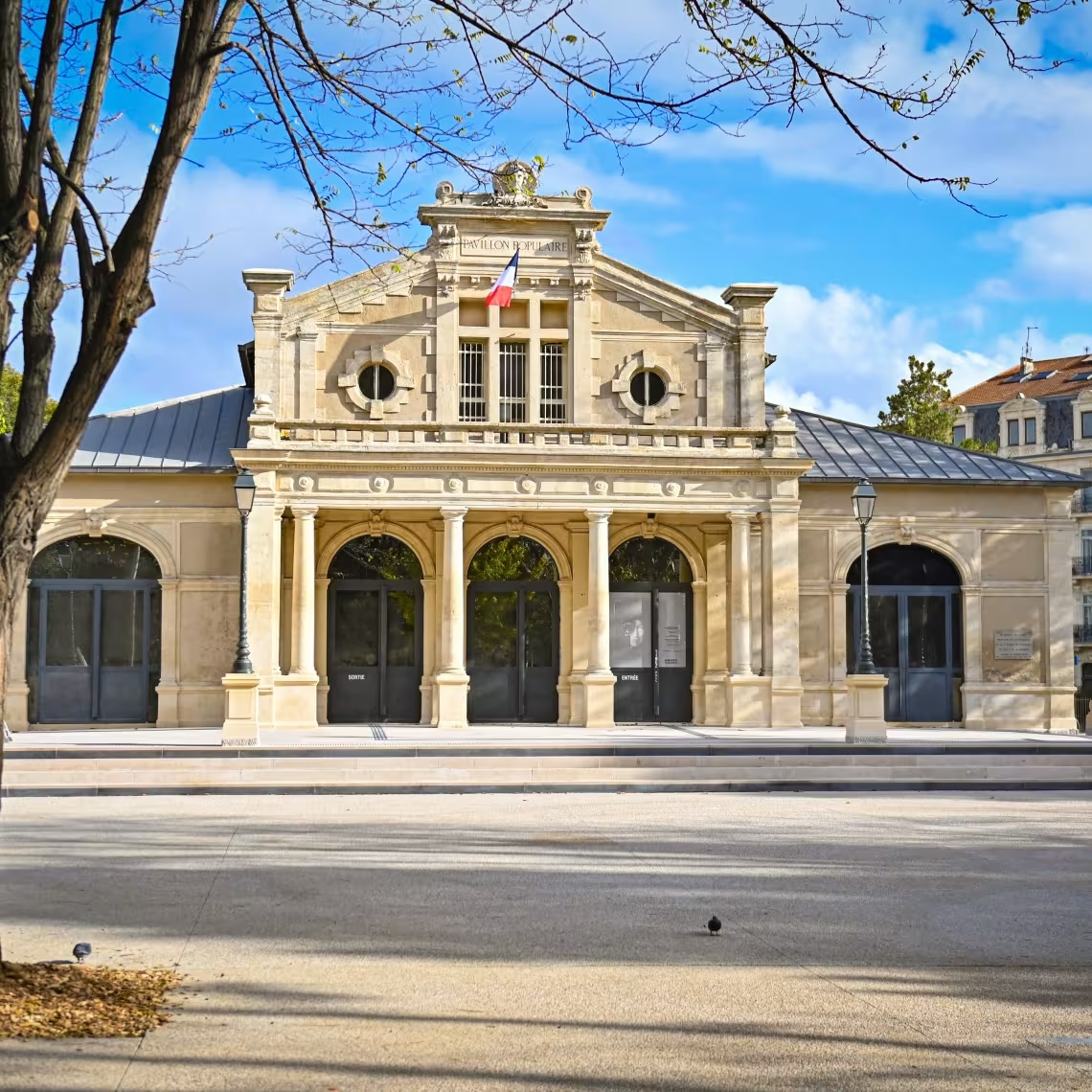
The Pavillon Populaire, Montpellier's photographic art space open to the public free of charge.
SHIFT BOOKS is a Berlin-based publishing house specialising in the publication of art and photography books. With a diverse publishing programme, SHIFT BOOKS creates space for discussions on gender, political and cultural issues and thus offers an important contribution to social debate.
Founded in 1971, Fotostiftung Schweiz is a private non-profit foundation, devoted to preserving, researching and conveying photographic works.
Each book that STANLEY/BARKER publishes is produced with the utmost care.